
In today’s global appliance market, achieving high energy efficiency ratings is no longer just a regulatory requirement — it’s a competitive necessity. For manufacturers of refrigerators and freezers, improving thermal insulation performance is a key factor in reducing energy consumption, lowering emissions, and boosting product value.
At the heart of this evolution lies a powerful yet often overlooked process: advanced polyurethane (PU) foaming technology.
✅ Why PU Foam Remains the Gold Standard for Refrigerator Insulation
Rigid polyurethane foam is the most widely used insulation material in household and commercial refrigeration units, thanks to its:
Ultra-low thermal conductivity (0.021–0.025 W/m·K)
Strong structural stability
Lightweight and excellent adhesion to metal/plastic liners
Cost-effectiveness and process scalability
Compared to alternatives like EPS or vacuum insulated panels (VIPs), PU foam offers the best balance of performance, price, and manufacturability — making it the preferred solution for OEMs and ODMs worldwide.
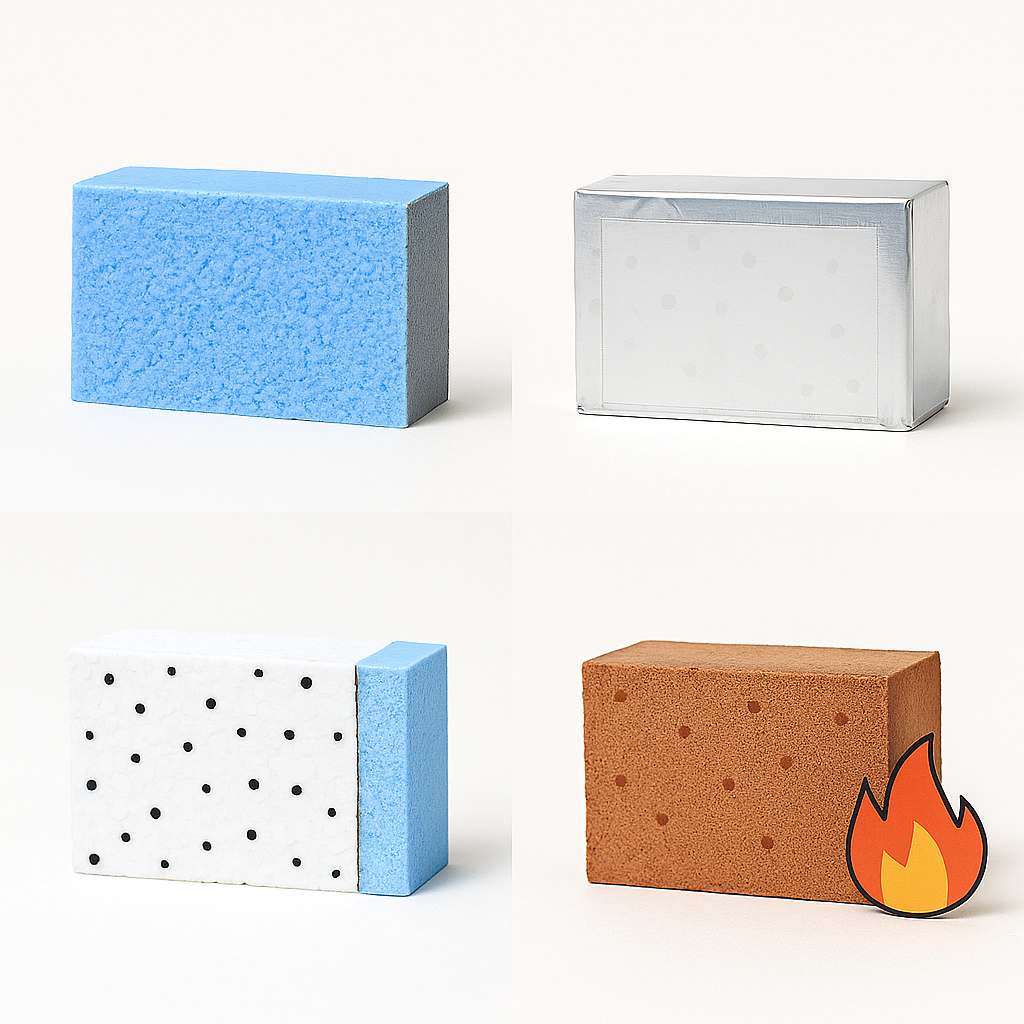
| 단열재 | 열전도도(W/m·K) | 장점 | Limitations | 가장 좋은 사용 사례 |
|---|---|---|---|---|
| Rigid Polyurethane (PU) Foam | 0.021 – 0.025 | – Excellent insulation performance – Good adhesion to surfaces – Cost-effective – Scalable for mass production | – Requires precise foaming control – Sensitive to mixing/environment | Main cabinet walls and door insulation |
| Vacuum Insulated Panels (VIP) | 0.004 – 0.008 | – Ultra-low thermal conductivity – Enables ultra-thin insulation | – High cost – Limited lifespan – Fragile and hard to process | High-end models, door panels, or premium coolers |
| EPS/XPS Foam Boards | 0.032 – 0.038 | – Low cost – Easy to process | – Low insulation efficiency – Poor long-term stability | Entry-level or budget refrigeration appliances |
| Phenolic Foam | 0.018 – 0.020 | – Fire-resistant – Good thermal resistance | – Brittle – Limited availability and compatibility with foaming lines | Specialized markets (e.g., medical, transport) |
⚙️ Optimizing the Refrigerator Foaming Process: Step by Step
To ensure consistent insulation performance, manufacturers must adopt modern foaming techniques supported by automation, environmental compliance, and quality control.
🔄 Typical PU Foaming Workflow:
원료 준비
Polyol + Isocyanate + Blowing Agent (e.g., Cyclopentane, HFOs)
High-Pressure Mixing & Injection
Rapid dynamic mixing (1–2 seconds) via 고압 발포기
Mold Filling
Foam expands uniformly inside the cabinet cavity, filling gaps
Curing & Cross-linking
Stable structure forms in 6–10 minutes inside closed molds
Demolding & Inspection
Quality control: no voids, proper density, uniform fill
This process ensures a closed-cell foam structure that resists heat transfer and maintains insulation over the product’s entire lifecycle.
🌱 Eco-Friendly Foaming: Complying with Global Refrigeration Standards
With tightening environmental regulations (EU F-Gas Regulation, US EPA SNAP), manufacturers are moving toward low-GWP and non-ozone-depleting blowing agents, 와 같은:
Cyclopentane: Widely accepted, high performance, low cost
HFO-1233zd(E): Non-flammable, ultra-low GWP
CO₂-assisted systems: Used in advanced eco-manufacturing zones
💡 Integrating cyclopentane-based foaming systems with explosion-proof equipment and closed-loop injection cells improves safety and sustainability across the production line.
📐 Structural Design Tips to Maximize Insulation
Besides materials and process, manufacturers can enhance insulation through thoughtful product design:
Increase PU foam wall thickness without sacrificing internal volume
사용 multi-layer magnetic gaskets to reduce cold air leakage
Isolate freezer and refrigerator compartments for independent thermal zones
Minimize metal contact points that create thermal bridges
CFD (Computational Fluid Dynamics) simulation tools are also becoming common for optimizing airflow and heat loss paths before tooling.
📊 Smart Quality Control & Digital Traceability
Top manufacturers are adopting digital quality control systems to ensure every batch of foamed refrigerators meets standards:
Thermal imaging to detect insulation voids
Real-time injection monitoring (temperature, pressure, flow rate)
Barcode-linked foaming traceability integrated into ERP/MES platforms
This results in lower defect rates, better compliance, and enhanced customer trust.
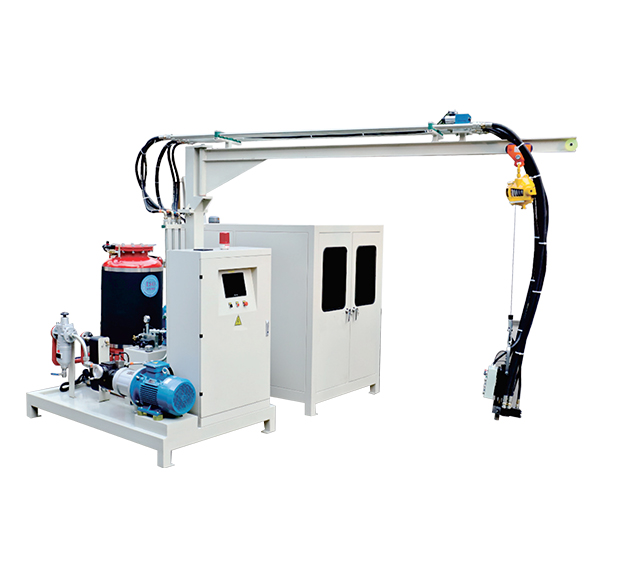
🚀 Key Benefits for Refrigerator Manufacturers
| Improvement Area | Impact on Performance |
|---|---|
| High-density PU Foam | Up to 20–30% energy savings |
| Eco-friendly Foaming Agents | Compliance with EU/US regulations |
| Structural Optimization | Maximized usable volume and thermal zones |
| Automated Foaming Lines | Faster production and higher consistency |
| Smart QA Systems | Lower recalls, better brand reliability |
🧩 Conclusion
Improving refrigerator insulation is not only a matter of energy savings — it’s about building smarter, greener, and more competitive products. With advanced polyurethane foaming technologies, environmentally friendly blowing agents, and structural design optimization, manufacturers can future-proof their offerings and lead in the next generation of energy-efficient refrigeration.