
Foam machines are pivotal tools across various industries, with differences in pressure capabilities distinguishing high-pressure variants from ordinary models. High-pressure foam machines generate denser, more consistent foam and offer enhanced cleaning power, making them suitable for professional cleaning tasks, while ordinary foam machines are typically designed for lighter applications and everyday use.
Key Takeaways
- High-pressure foam machines operate at significantly higher PSI levels (typically 800-2000 PSI) compared to ordinary models (30-100 PSI)
- The cleaning efficacy of high-pressure models is superior for stubborn grime and industrial applications
- Ordinary foam machines are more budget-friendly and practical for light domestic use
- High-pressure units offer better foam consistency and penetration for professional detailing
- Equipment maintenance requirements are more demanding for high-pressure models due to complex components
Understanding Foam Machines: The Basics
Foam machines create cleaning foam by mixing water, air, and cleaning solution in varying proportions. The fundamental technology behind these machines involves pressurizing this mixture to create foam that adheres to surfaces for effective cleaning. Before diving into their differences, it's important to understand that both high-pressure and ordinary foam machines serve the same basic purpose—creating foam for cleaning—but they accomplish this task through different mechanisms and with varying results.
The foam generation process typically involves three key components: a water source, a chemical injector or soap tank, and a mechanism to create pressure. The pressure component is where these two types of machines differ most significantly. Ordinary foam machines rely on relatively low pressure to create foam, while high-pressure variants utilize powerful pumps that dramatically increase the force behind the foam application.
Pressure Capabilities: The Defining Difference
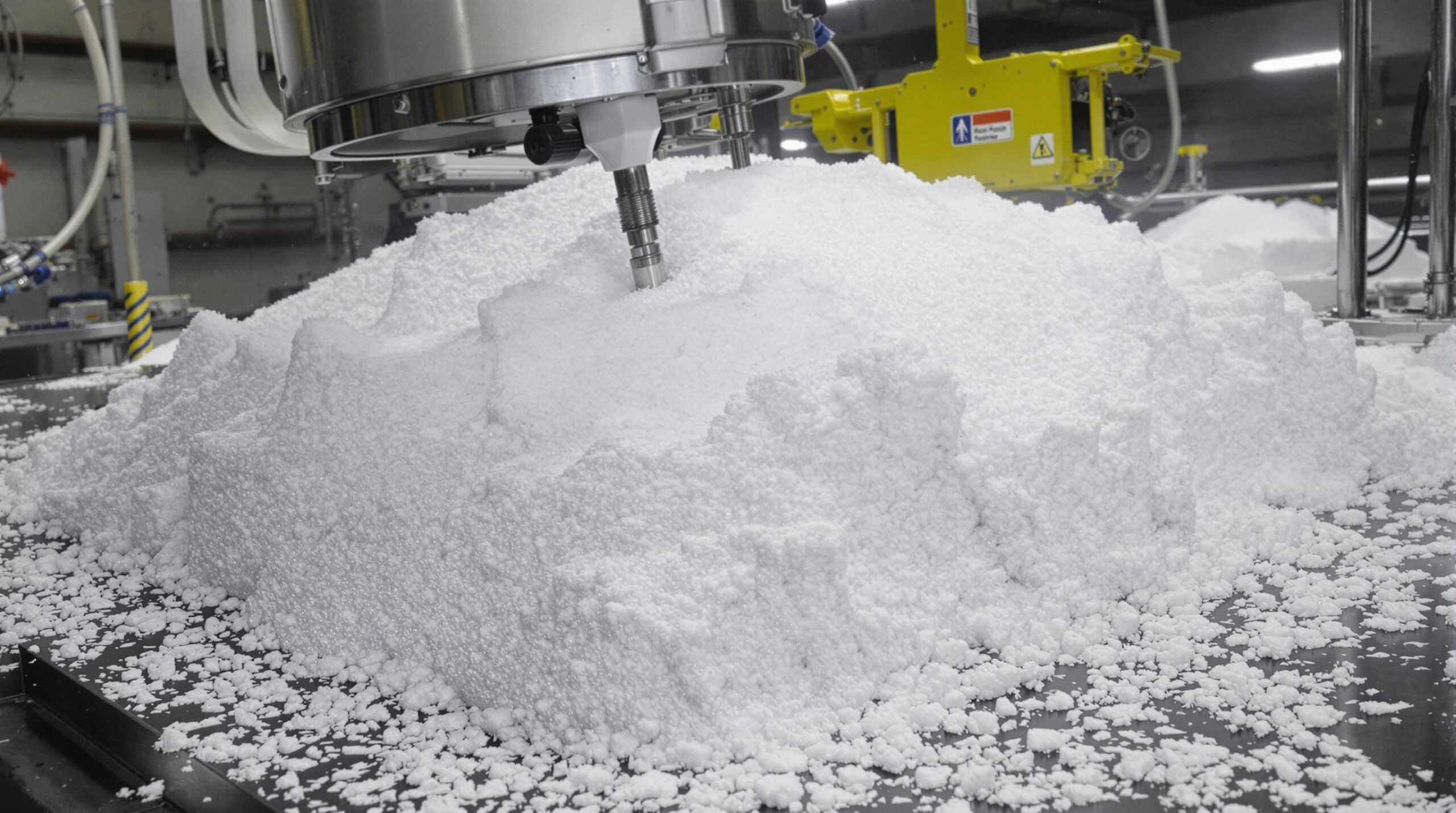
The most significant distinction between these two types of foam machines lies in their pressure capabilities. High-pressure foam machines typically operate in the range of 800-2000 PSI (pounds per square inch), while ordinary foam machines function at much lower pressures, usually between 30-100 PSI. This substantial pressure difference affects nearly every aspect of performance.
High-pressure systems can force cleaning solutions into microscopic cracks and crevices, making them exceptionally effective at deep cleaning. The increased pressure also helps to break down tough, caked-on dirt and grime that would resist ordinary pressure levels. For industrial settings or professional cleaning services, this enhanced cleaning power is often essential.
Here's how the pressure differences impact cleaning capabilities:
- High-pressure machines can remove stubborn grease and oil deposits
- They penetrate porous surfaces more effectively
- Greater pressure allows for cleaning from greater distances
- The mechanical action of high-pressure systems can reduce the need for harsh chemicals
- Ordinary pressure is gentler on delicate surfaces and finishes
Foam Quality and Consistency

The pressure differential between these machine types directly influences the foam characteristics they produce. High-pressure foam machines generate thicker, denser foam with smaller bubbles. This denser foam adheres better to vertical surfaces and provides longer dwell time, allowing cleaning chemicals to work more effectively before drying or running off.
Ordinary foam machines typically produce a lighter, less dense foam that may not cling as well to surfaces. While this can be perfectly adequate for many cleaning tasks, it generally doesn't match the performance of high-pressure systems for tough cleaning challenges. The foam consistency also affects how evenly the cleaning solution is distributed across a surface.
Consider these foam quality metrics when comparing the two types:
- Bubble size uniformity
- Vertical surface adherence time
- Foam thickness and density
- Expansion ratio (how much foam is created from a given amount of solution)
- Stability during the cleaning process
Construction and Durability Differences
To handle the increased pressure, high-pressure foam machines require more robust construction than their ordinary counterparts. High-pressure models typically feature strengthened housings, specialized seals, and heavy-duty components designed to withstand significant pressure without failing. These machines often use brass, stainless steel, and high-grade plastics in critical areas.
Ordinary foam machines, while still durable for their intended use, don't need the same level of structural strength. They're typically made with standard components that are adequate for lower-pressure operations but would quickly fail under high-pressure conditions. This construction difference directly impacts both the weight and cost of the machines.
Key construction differences include:
- High-pressure units use reinforced hoses and fittings
- Pump designs vary significantly between the two types
- Motor power requirements are substantially higher for high-pressure models
- Pressure relief valves and safety features are more sophisticated on high-pressure units
- Ordinary foam machines typically use more plastic components
Application Suitability and Industry Usage
Different cleaning scenarios call for different tools, and the pressure level is a critical factor in determining which foam machine is appropriate. High-pressure foam machines are ideally suited for professional settings like car washes, industrial cleaning, and agricultural applications where tough cleaning challenges are common.
Ordinary foam machines find their niche in lighter applications such as residential cleaning, detailing pre-soaks, and situations where surfaces might be damaged by high pressure. They're also commonly used in settings where portability and ease of use take precedence over maximum cleaning power.
Common applications for high-pressure foam machines include:
- Commercial vehicle fleets and heavy equipment cleaning
- Industrial facility maintenance
- Restaurant kitchen deep cleaning
- Food processing equipment sanitation
- Building exterior washing
Ordinary foam machines are typically used for:
- Home car washing
- Light commercial cleaning
- Pre-treatment in detailing processes
- Cleaning delicate surfaces
- Indoor cleaning applications
Cost Implications and Value Considerations
The price disparity between high-pressure and ordinary foam machines can be substantial. High-pressure systems generally require a larger investment upfront, with professional models often costing several times more than basic foam machines. This cost difference reflects the enhanced capabilities, stronger construction, and more powerful components.
When evaluating the value proposition of each type, it's essential to consider not just the initial purchase price but also ongoing expenses such as maintenance, replacement parts, electricity usage, and cleaning chemical consumption. High-pressure machines typically use more electricity but may be more efficient with cleaning solutions due to better foam quality and mechanical cleaning action.
Cost factors to consider include:
- Initial equipment purchase price
- Installation requirements (some high-pressure systems need specialized electrical connections)
- Maintenance frequency and complexity
- Replacement part availability and cost
- Operational costs including power and cleaning solution consumption
Water and Chemical Efficiency

One often overlooked aspect when comparing these machine types is their relative efficiency in water and cleaning chemical usage. High-pressure foam machines can be more efficient with cleaning solutions because their superior foam quality and mechanical cleaning action mean less product is needed to achieve the same results.
However, when it comes to water consumption, the comparison becomes more nuanced. High-pressure systems may use more water during operation, but they can clean faster and more effectively, potentially reducing the overall water needed for a complete cleaning job. The increased pressure also means these machines can often clean without the need for additional rinsing steps in some applications.
Efficiency considerations include:
- Water consumption rate per square foot cleaned
- Chemical dilution ratios and consumption
- Time efficiency in completing cleaning tasks
- Rinse water requirements after foam application
- Environmental impact of different cleaning approaches
Maintenance Requirements and Longevity
The complexity of high-pressure foam machines translates to more demanding maintenance requirements. These systems typically have more components that can wear out or fail, particularly those involved in creating and maintaining high pressure. Regular maintenance is crucial for these machines to prevent breakdowns and ensure consistent performance.
Ordinary foam machines, with their simpler design and lower operational stresses, generally require less frequent maintenance. They have fewer specialized parts and are often designed for easier service by users rather than technicians. This simplicity can translate to lower lifetime ownership costs despite the potential for a shorter overall lifespan.
Key maintenance differences include:
- High-pressure pumps require more frequent inspection and service
- Seals and gaskets wear faster under high pressure
- Professional service may be required more often for high-pressure units
- Winterization procedures are more complex for high-pressure systems
- Ordinary machines typically have fewer points of potential failure
Versatility and Additional Features
High-pressure foam machines often come with a range of additional capabilities that ordinary models lack. Many high-pressure systems can function as both foam applicators and pressure washers, offering versatility that can justify their higher cost for users who need both functions. They may also feature adjustable pressure settings, allowing users to dial back the force for more delicate applications.
Ordinary foam machines tend to be more specialized but simpler to use. They typically focus on doing one thing well—producing foam for cleaning—without the complications of multiple operating modes. For users with straightforward needs, this simplicity can be an advantage rather than a limitation.
Common additional features in high-pressure models include:
- Variable pressure control
- Multiple spray pattern options
- Heating capabilities (in some models)
- Digital control interfaces
- Compatible attachments for specialized cleaning tasks
Safety Considerations Between Machine Types
The significant pressure difference between these machine types creates distinct safety considerations. High-pressure foam machines can cause injury if misused, potentially injecting water or chemicals under the skin or causing eye damage. They require proper training for safe operation and typically come with more safety features to prevent accidents.
Ordinary foam machines present fewer hazards due to their lower operating pressures. They're generally safer for casual users and environments where multiple operators with varying levels of experience might use the equipment. This safety advantage makes them popular in settings like self-service car washes where public access is permitted.
Important safety differences include:
- High-pressure machines require proper personal protective equipment (PPE)
- Training requirements are more extensive for high-pressure operation
- Ordinary machines pose minimal injection hazard risk
- High-pressure systems typically include more comprehensive safety interlocks
- Impact on bystanders must be carefully managed with high-pressure systems
Making the Right Choice for Your Needs
Selecting between high-pressure and ordinary foam machines depends on a careful assessment of your specific cleaning requirements. For professional cleaning services, industrial applications, or situations where tough soils are common, the additional investment in a high-pressure system often pays dividends in performance and efficiency.
For home use, occasional cleaning, or situations where gentleness is paramount, an ordinary foam machine may be the more practical choice. These machines offer a balance of affordability, simplicity, and adequate cleaning power for many common tasks without the complications that come with high-pressure systems.
Consider these factors when making your decision:
- The types and severity of soils you typically need to clean
- Your budget for both initial purchase and ongoing operation
- The technical expertise of intended operators
- Space available for equipment storage and operation
- Frequency of use and required cleaning speed
Frequently Asked Questions
Can high-pressure foam machines damage car paint?
Yes, if used improperly. High-pressure machines should be used with appropriate distance from the surface and the correct nozzles when cleaning vehicles. For delicate paint finishes, reducing the pressure or using an ordinary foam machine might be safer.
Do high-pressure foam machines use more cleaning solution?
Not necessarily. While they can deliver more solution in less time, their superior foam quality and mechanical cleaning action often mean you can use lower chemical concentrations to achieve the same results as ordinary machines.
Are ordinary foam machines suitable for commercial cleaning businesses?
They can be for certain applications. Many detailing businesses use ordinary foam machines for pre-soaking vehicles, and they work well for light commercial cleaning. However, for heavy-duty commercial cleaning, high-pressure systems typically offer better efficiency and results.
How much more electricity do high-pressure foam machines use?
High-pressure machines typically use 2-5 times more electricity than ordinary models due to their more powerful motors. A typical high-pressure unit might use 1500-3000 watts, while an ordinary machine might use 500-800 watts.
Can I convert an ordinary foam machine to high pressure?
Generally no. The components designed for ordinary pressure machines can't safely handle high pressure. Converting would require replacing nearly all major components, making it more cost-effective to purchase a purpose-built high-pressure system.
