
Refrigerator & Freezer PU Foaming Solutions
Application-specific cabinet and door foaming lines, moulds, fixtures and integrated PU dosing systems for refrigeration manufacturers.
- Cabinet and door foaming lines
- Product-specific moulds and fixtures
- Integrated PU dosing and mixing systems
- Process layout, installation and commissioning

PU Foaming Fixture
Engineered to your cabinet geometry
Refrigeration products built on UREXCEED lines

Refrigerator

Chest freezer
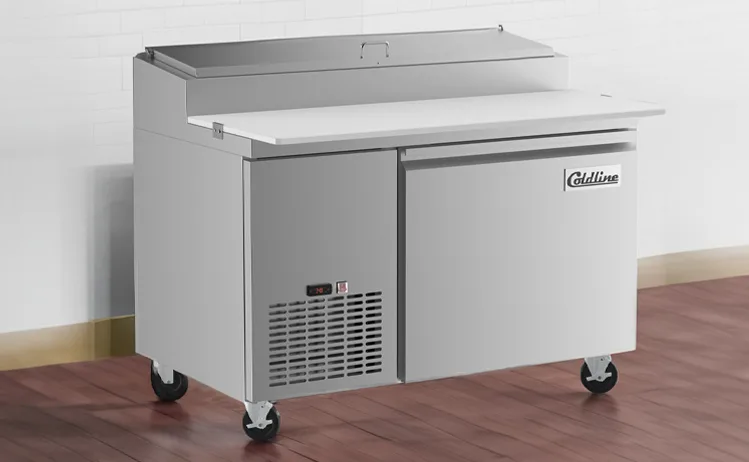
Chef base
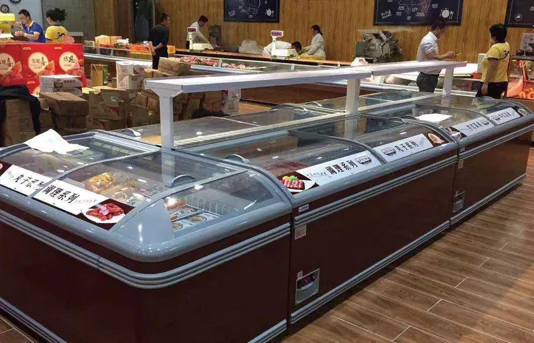
Commercial freezer
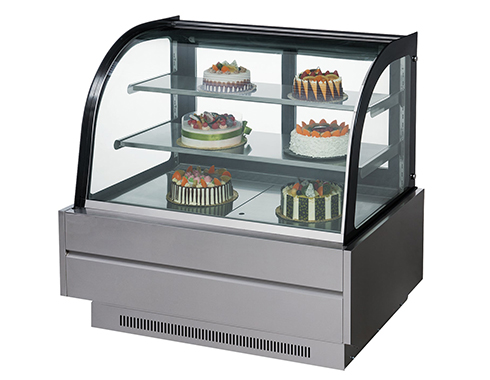
Display cabinet

Medical refrigerator

Cigar humidor
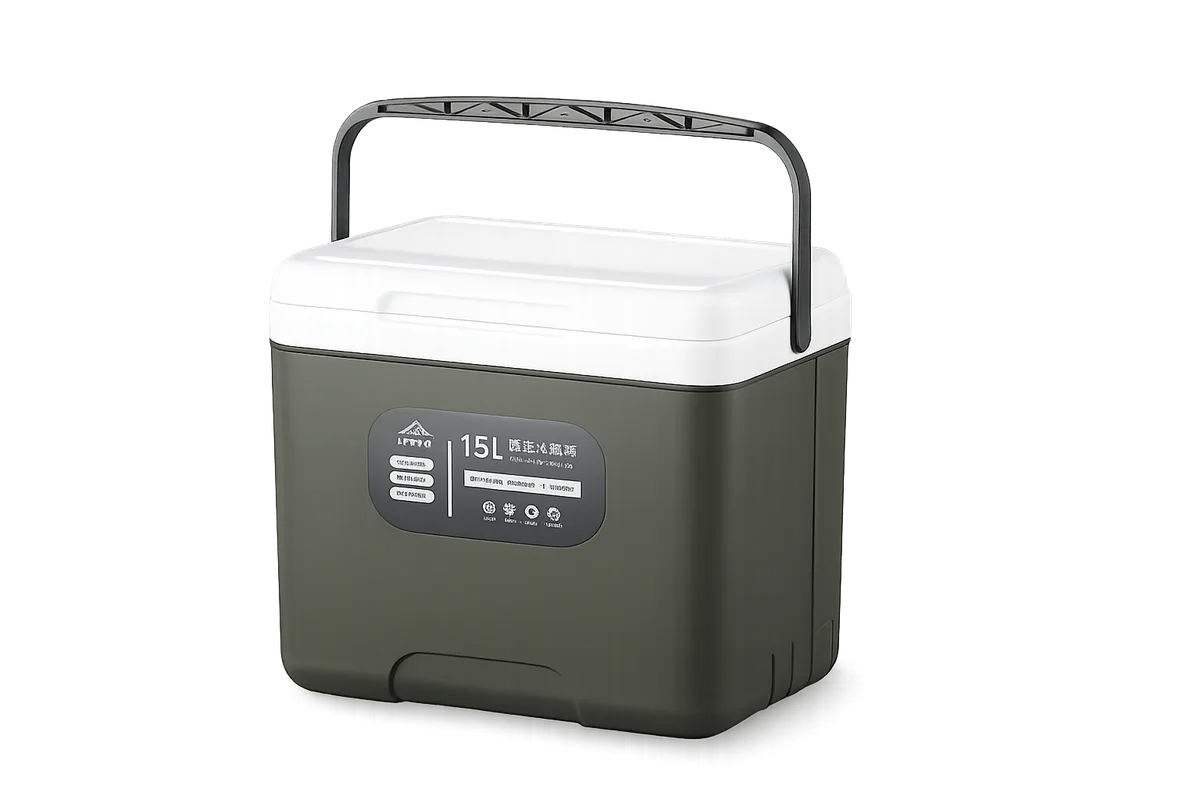
Portable icebox
Refrigerator
Chest freezer
Chef base
Commercial freezer
Display cabinet
Medical refrigerator
Cigar humidor
Portable icebox

Choose the Refrigeration Product You Need to Foam
Each route maps the workpiece to the appropriate line, fixtures and integrated dosing system
Home & Core Refrigeration

Refrigerator Production Line
Cabinet-body and door foaming routes configured around your product geometry, cycle and output target.
Chef Base Production Line
Production line for chef base, sandwich-prep & pizza-prep refrigerated workbenches — stainless top + PU-foamed cabinet, 1.2 – 2.6 m.
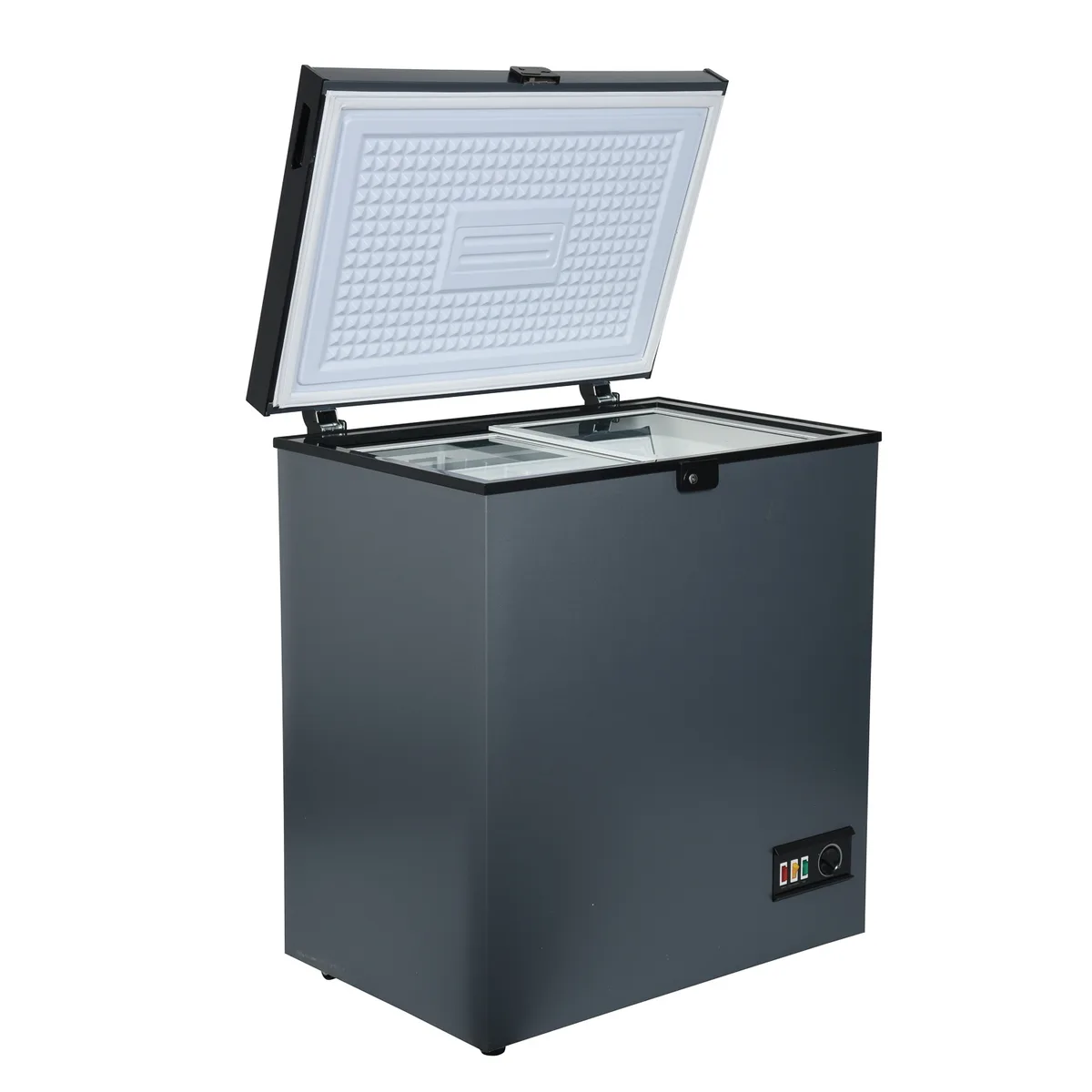
Freezer PU Foaming Solutions
Separate foaming routes for chest-freezer bodies, upright cabinets and insulated lids or doors.
Display Cabinet Production Line
Production line for bakery, deli & supermarket refrigerated display cases — 1.2 m to 3.6 m, curved or flat glass.
Commercial Freezer Production Line
Production line for island freezers, glass-door merchandisers & supermarket freezers — 300 L to 2,000 L cabinet capacity.
Commercial & Specialty Refrigeration


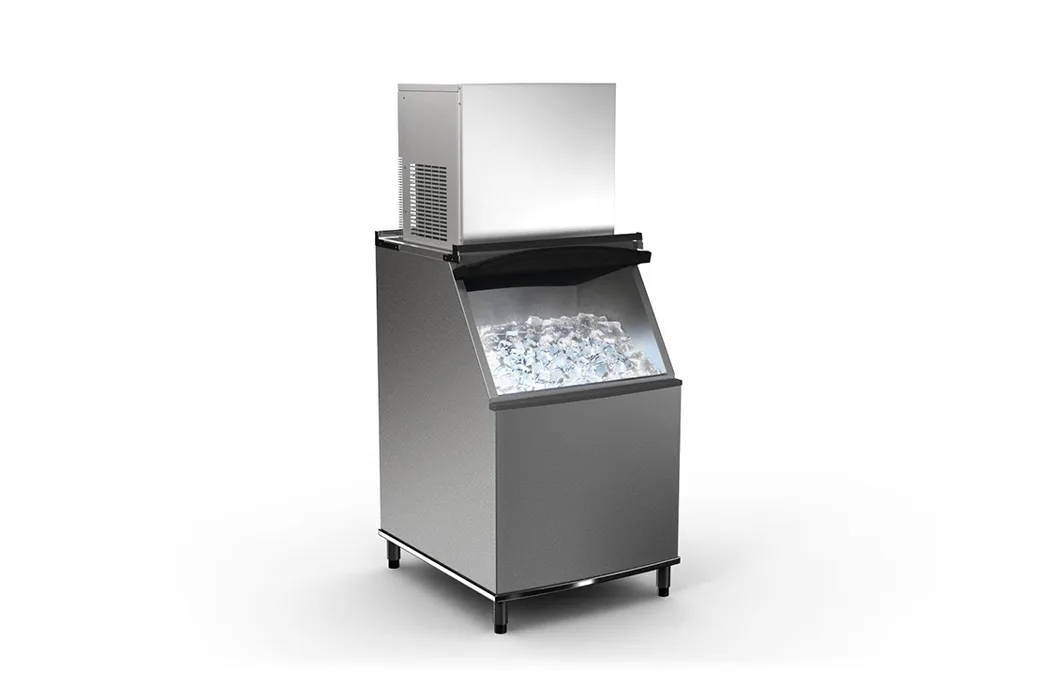
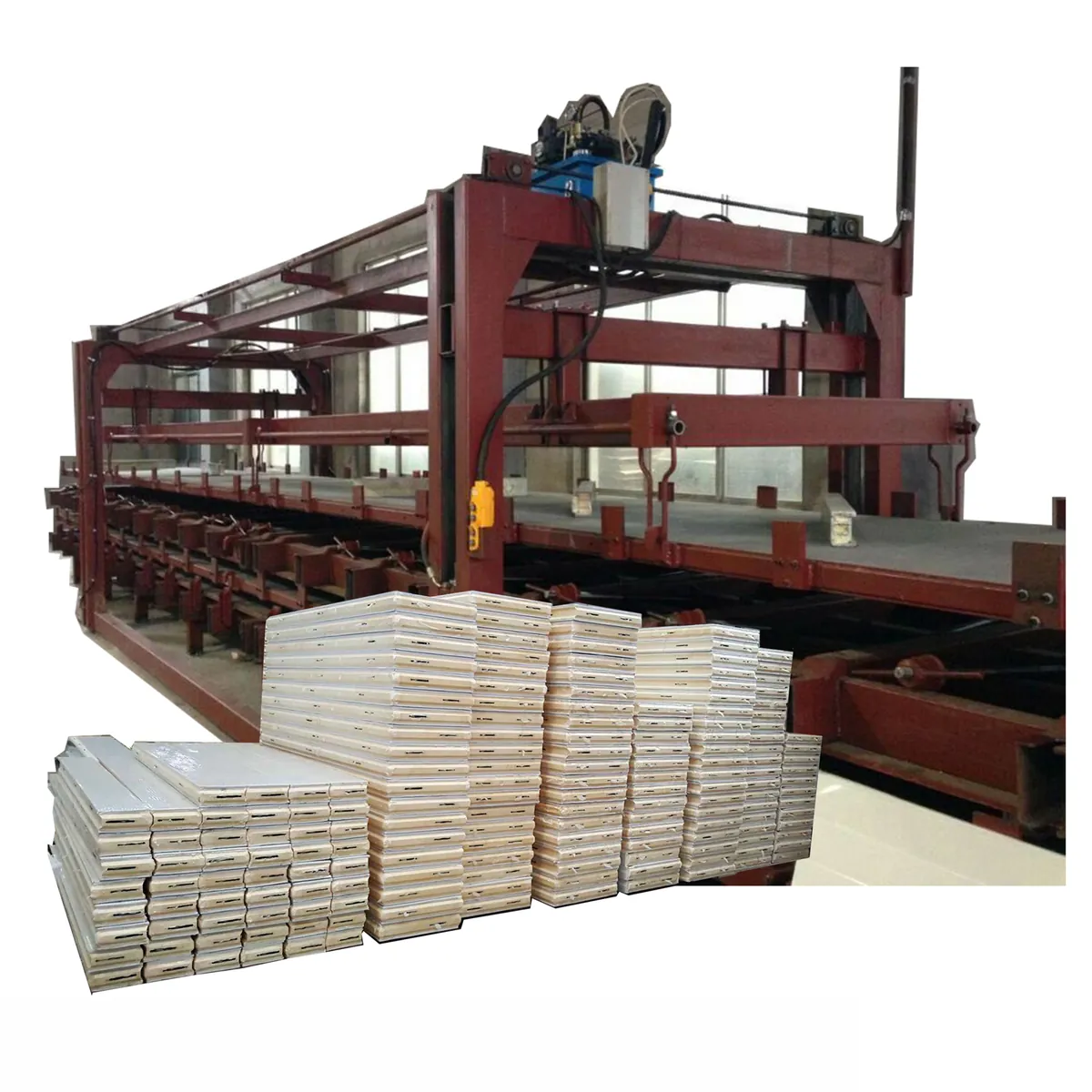
Specialty Cabinets & Panels

Integrated foaming system
Line, fixtures and dosing engineered as one process
We select the PU dosing and mixing system inside the application solution, together with material conditioning, controls, injection interfaces, moulds and fixtures. The commercial starting point is the workpiece and process—not a standalone high- or low-pressure machine model.
Explore foaming line formats →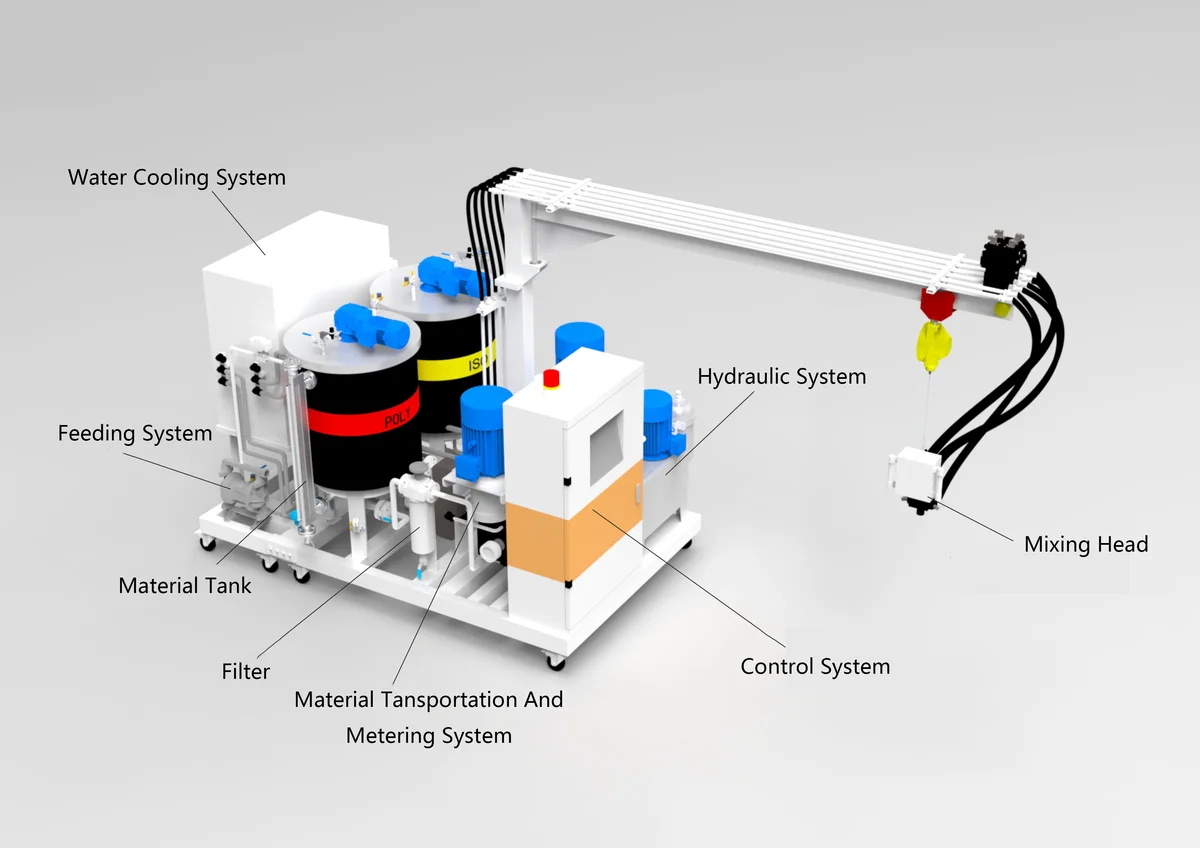

Foaming Lines, Moulds & Fixtures
Compare cabinet, door and panel line formats, then match the mould and fixture to the workpiece
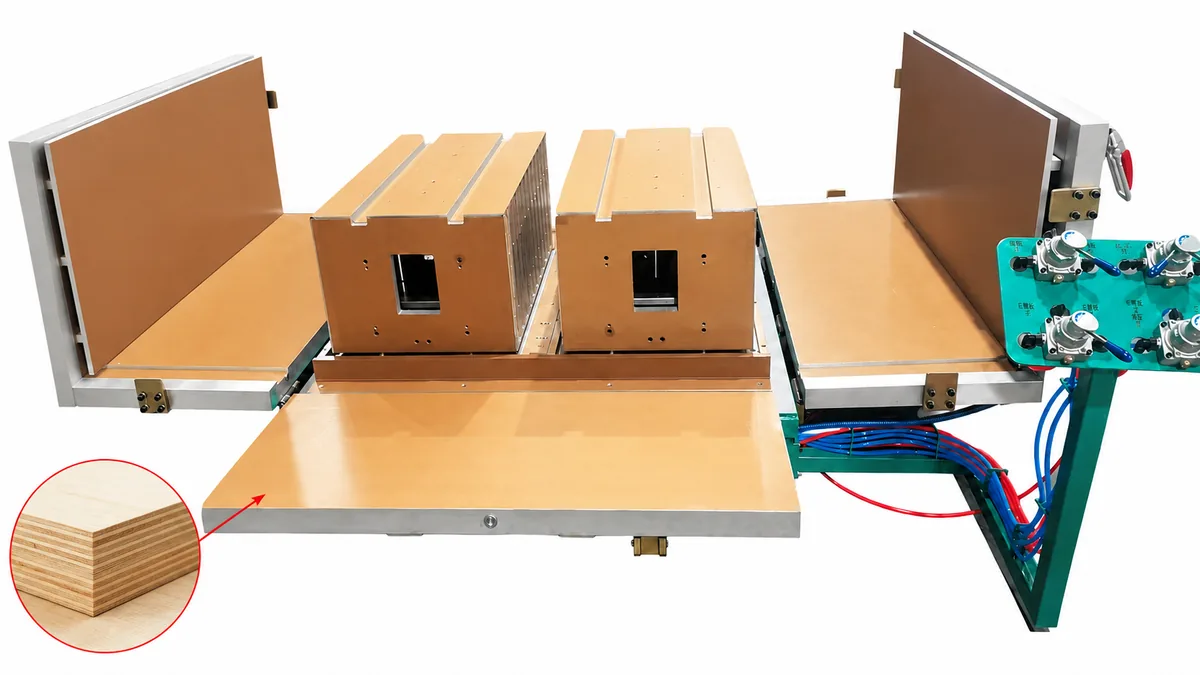
Moulds & Tooling
We supply precision vacuum-forming, foaming, door and liner moulds for refrigerators, freezers and display cabinets — sourced from our Chuzhou–Kunshan mould network trusted by global brands.
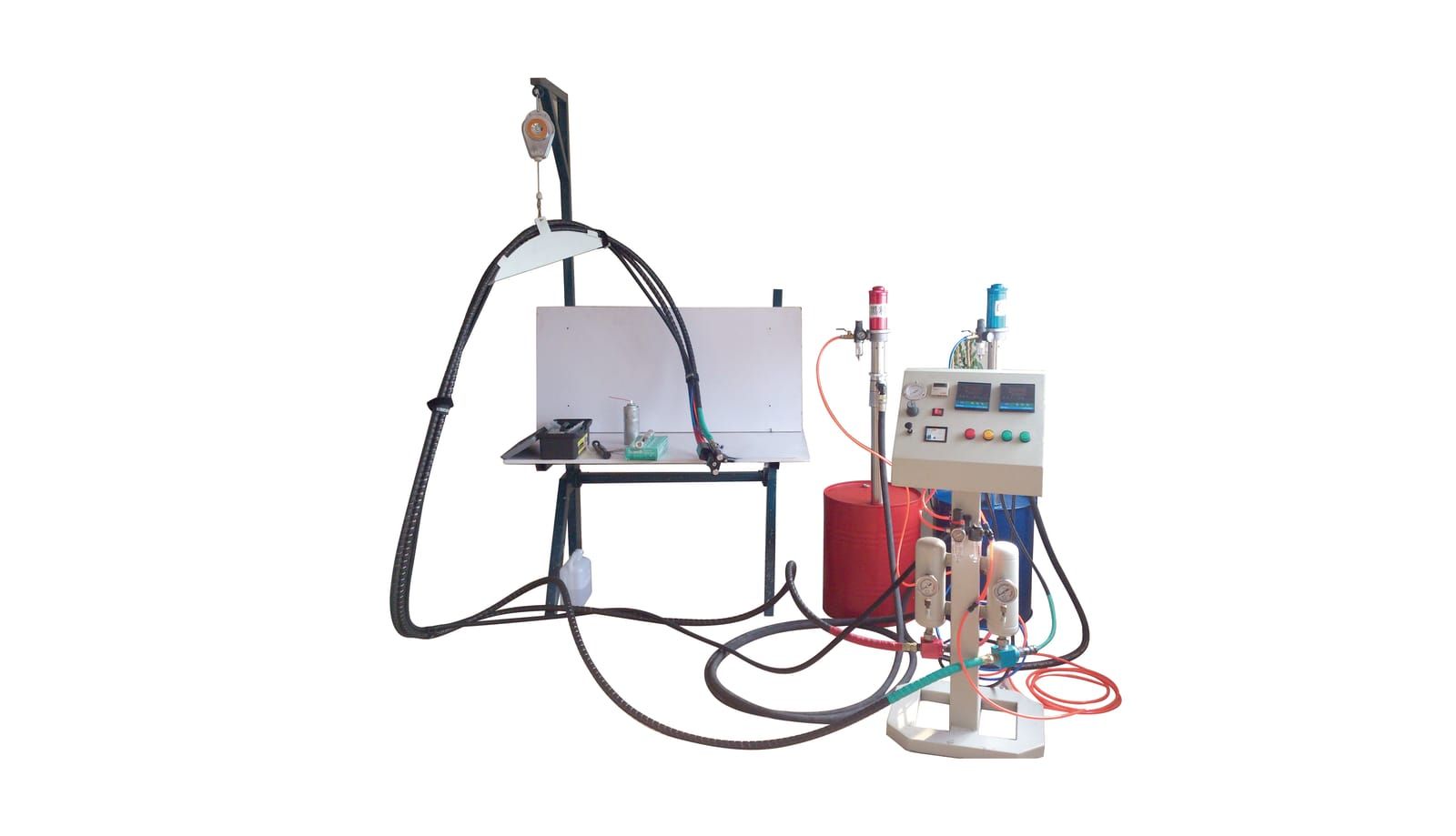
Foaming Production Lines
We engineer turnkey production lines for refrigerators, freezers, insulation boxes and cold-room panels — covering layout, equipment selection, installation, commissioning and operator training.
Engineering & project definition
A verifiable route from drawing to foaming-stage acceptance
Project configuration starts with your workpiece drawing, model mix, cycle target, utilities and factory constraints. Final parameters are documented in the proposal and FAT criteria; unverified generic outputs are not substituted for project data.
Workpiece & cavity review
Line and fixture configuration
Integrated dosing & controls
FAT, installation & commissioning

Why Manufacturers Choose UREXCEED
Turnkey, Not Piece-By-Piece
One integrated package: moulds, foaming machines, production line, materials and engineering — all from a single point of accountability.
Top-Tier Supply Network
We work with the top mould and machinery makers in China's Chuzhou–Kunshan refrigeration equipment cluster, which produces ~80% of China's refrigerator cabinet and door moulds.
3-Year Warranty, Lifetime Service
Commissioning, training, spare parts and technical support — on-site anywhere in the world, for the life of your line.
Engineered for Your Market
Voltage, climate, compliance, language — every line tailored for its destination. ISO 9001, CE, RoHS and ASTM E84 Class A certified.
Mould-temperature and shot-pressure control on our lines followISO 9001:2015 quality management-audited process discipline — the same discipline behind our under-3% scrap rate and sub-15-minute mould changeover. Our insulation material systems separately carry anASTM E84 Class A flame-spread rating. Our PU sandwich panel lines producesandwich-structured composite panels — rigid PU foam core bonded between two facings for cold-room, refrigerated-container and prefab building insulation.
Engineering Insights
Latest from Our Engineering Team
Practical guidance on PU foaming, production line setup and cold-chain insulation — written by engineers who design refrigerator factories.
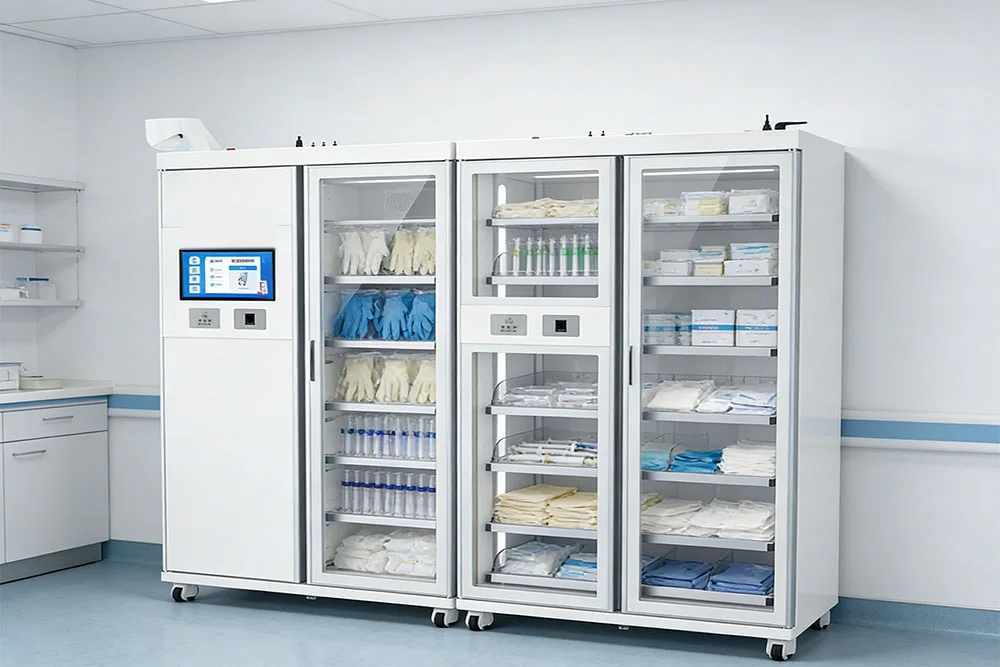
Medical vs Food Cold Chain: Why a Pharmaceutical Refrigerator Is Engineered Differently
A beverage cooler and a vaccine refrigerator can roll off the same line, but they are built for different jobs. Inside a $250B+ global cold chain whose fastest-growing slice is medical, this deep dive walks the engineering that separates a pharma refrigerator from a food one: uniformity over set point, a far wider and colder range (+2/+8 °C down to −86 °C), validation-readiness, and the cost of failure that pushes the foam toward heavier, fully-filled, holdover-capable walls.
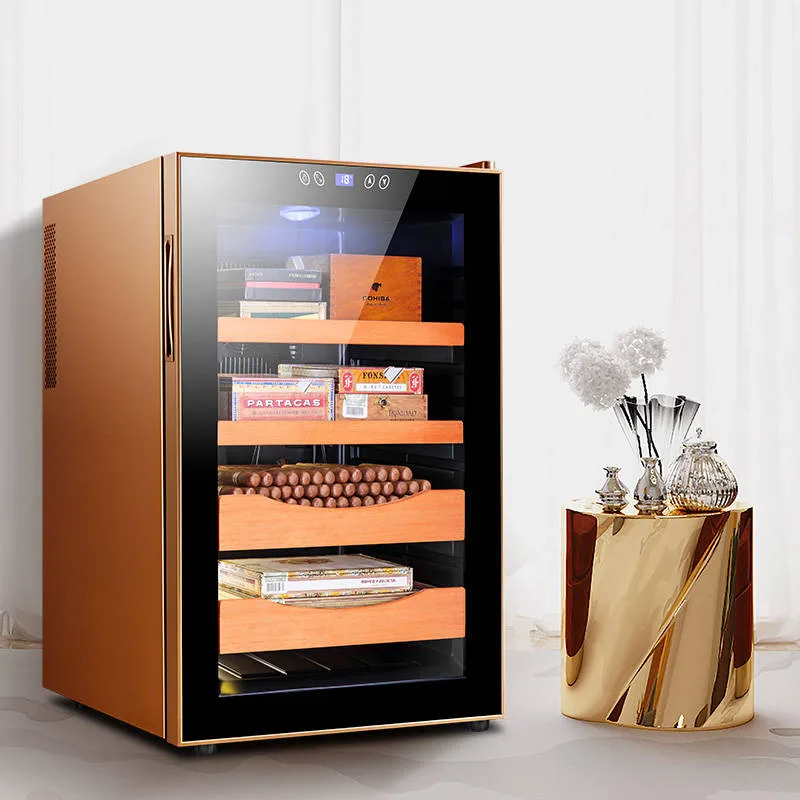
Cigar Humidor Cabinet PU Foam, Deep Dive: Why a Humidity-Holding Cabinet Is Foamed Differently from a Cold-Chain Fridge
A cigar humidor cabinet shares a fridge's two-skin, one-PU-shot construction but not its goal: it holds a narrow 65–72% relative-humidity band at around 18 °C, not a low temperature. This deep dive walks the engineering that makes humidor foaming its own discipline — RH stability, a vapor-tight envelope (ASTM E96 permeance), the condensation a single void causes near saturation, dimensional stability so the door seal stays tight for years, and why it is a precision low-pressure job rather than a high-volume one.
Chef Base PU Foaming, Deep Dive: Why a Load-Bearing Cabinet Is Foamed Differently from a Domestic Fridge
A chef base carries heavy cooking equipment on its top deck, soaks up radiant heat from the cooktop, and is built from two stainless skins — so its PU foam has to be a structural member and an insulator at once. This deep dive walks the engineering that separates chef-base foaming from domestic-cabinet foaming: load-bearing density, k-factor under a hot deck, stainless adhesion, and the defect modes that punish treating the two cabinets the same.
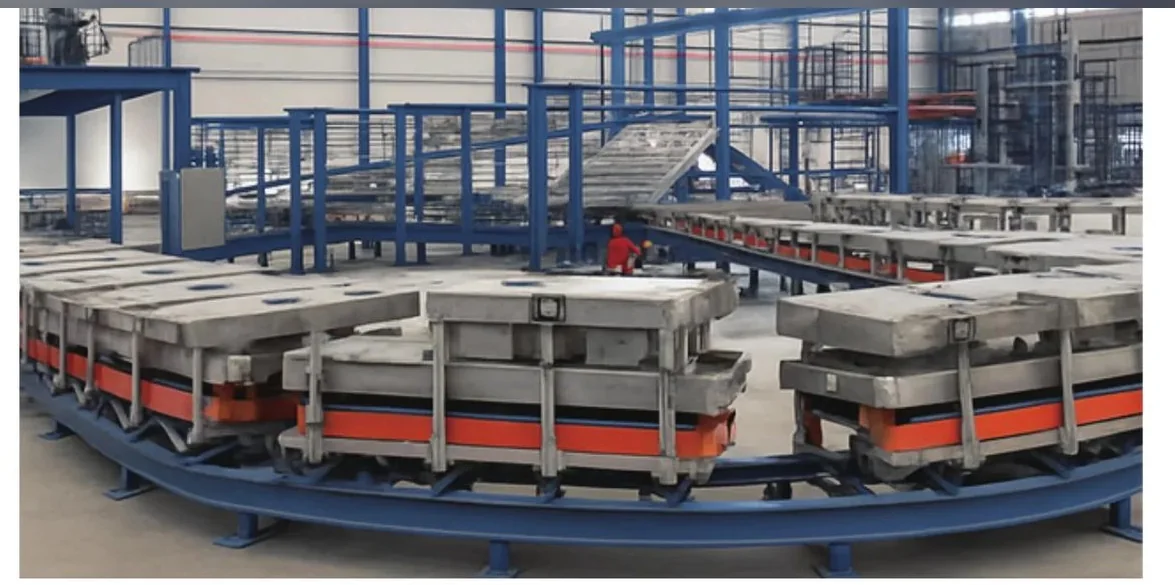
26-Station Ground-Rail Foaming Line Throughput: The Real Math Behind the Numbers
The station count in a foaming line's name is the wrong number to size capacity on. Hourly output is set by takt time and OEE; the 26 stations set curing time and work-in-process. This guide walks the actual throughput math for a closed-loop ground-rail line so you size it against your real production target.
Need a Foaming Configuration for Your Product?
Share the workpiece drawing, model mix, cycle target and factory constraints for a scoped technical and commercial proposal.