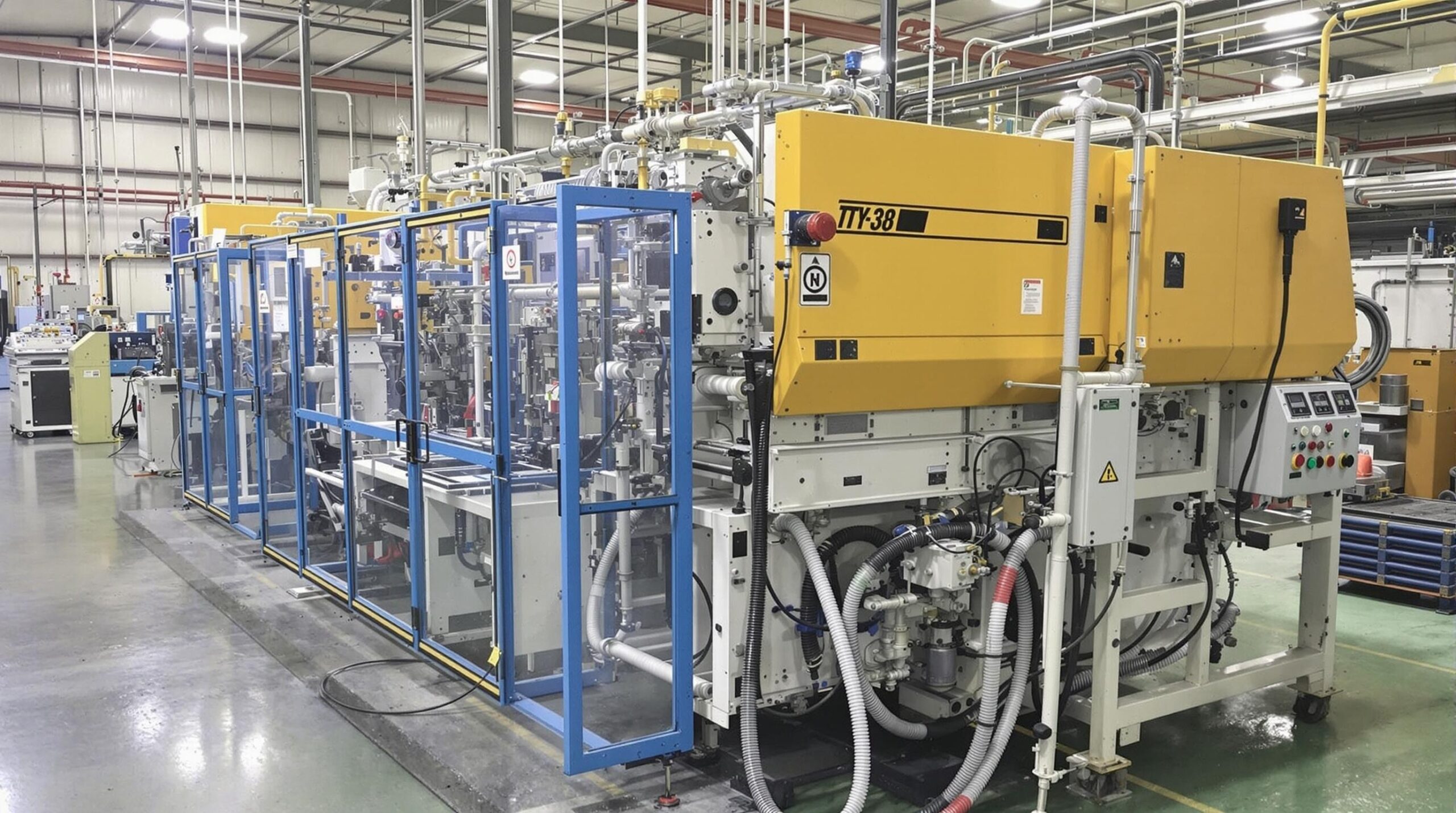
Polyurethane high-pressure machines typically operate within a pressure range of 1,500 to 3,000 PSI (100 to 200 bar), though some specialized equipment can reach up to 5,000 PSI (345 bar). This pressure range ensures proper mixing of chemical components while maintaining the desired flow rates necessary for effective polyurethane production across various applications.
Key Takeaways
- Standard pressure range for polyurethane high-pressure machines is 1,500-3,000 PSI (100-200 bar)
- Some specialized applications require higher pressures up to 5,000 PSI (345 bar)
- Pressure requirements vary based on specific formulations and viscosity of the polyurethane components
- Proper pressure regulation is crucial for consistent mixing and final product quality
- Advanced machines offer digital pressure monitoring and automatic adjustment features
Understanding Polyurethane High-Pressure Machines

Polyurethane high-pressure machines are specialized equipment designed to mix and dispense polyurethane components under significant hydraulic pressure. These machines are fundamental in manufacturing various polyurethane products, from insulation panels and automotive parts to furniture and construction materials.
The core function of these machines is to precisely mix two or more chemical components—typically polyols and isocyanates—at specific ratios and controlled pressure conditions. The high pressure serves a crucial purpose: it ensures thorough mixing of these components, which have different viscosities and chemical properties, resulting in consistent final products.
Standard Pressure Ranges for Polyurethane Equipment
The general pressure range for polyurethane high-pressure machines typically falls between 1,500 and 3,000 PSI (100 to 200 bar). This range has become the industry standard for most applications and formulations. At these pressures, the machines can effectively overcome the resistance posed by the viscous polyurethane components while maintaining proper flow rates.
For reference, here's how the pressure ranges typically break down:
- Low-end pressure: 1,500 PSI (100 bar) - Suitable for less viscous formulations
- Mid-range pressure: 2,000-2,500 PSI (140-170 bar) - Common for most standard applications
- High-end pressure: 3,000 PSI (200 bar) - Used for highly viscous formulations or specialized requirements
- Specialized equipment: Up to 5,000 PSI (345 bar) - For extremely demanding applications
The specific pressure selection depends on several factors, including the chemical formulation, temperature conditions, and the desired properties of the final polyurethane product.
Factors Affecting Pressure Requirements
Several key factors determine the optimal pressure settings for polyurethane processing machines. Understanding these variables helps operators fine-tune pressure settings for optimal results.
Component viscosity is perhaps the most significant factor. Higher viscosity materials require greater pressure to achieve proper flow rates and mixing. Temperature also plays a crucial role, as colder materials generally have higher viscosity and therefore require increased pressure.
Other important factors include:
- Chemical reactivity of the formulation
- Required output volume and production speed
- Mixing chamber design and efficiency
- Desired final product characteristics
- Ambient conditions in the production environment
The complexity of polyurethane chemistry means that even small variations in these factors can necessitate pressure adjustments to maintain product quality and consistency.
Low-Pressure vs. High-Pressure Systems
It's worth distinguishing between high-pressure and low-pressure polyurethane machines, as they serve different applications and operate under different principles.
Low-pressure machines typically operate below 100 PSI (7 bar) and rely on mechanical mixing rather than impingement mixing. These systems are often used for slower-reacting formulations or applications where extreme mixing efficiency isn't required.
High-pressure machines, operating in the 1,500-3,000 PSI range, use hydraulic pressure to force components together in an impingement mixing chamber. This creates extremely efficient mixing through kinetic energy, making these machines ideal for fast-reacting formulations and applications requiring precise control.
The key differences include:
- Mixing efficiency: High-pressure systems achieve more thorough molecular mixing
- Reaction speed: High-pressure systems can handle faster-reacting formulations
- Component limitations: Low-pressure systems typically can't process highly viscous materials
- Investment cost: High-pressure systems require more robust construction and are generally more expensive
- Maintenance requirements: High-pressure systems typically require more specialized maintenance
Pressure Control and Monitoring Systems
Modern polyurethane high-pressure machines feature sophisticated pressure control systems that maintain optimal operating conditions. These systems typically include pressure transducers, hydraulic regulators, and digital control interfaces that allow operators to set, monitor, and adjust pressures precisely.
A typical pressure control system includes:
- Pressure sensors on both component lines (A-side and B-side)
- Digital readouts displaying real-time pressure values
- Adjustable pressure regulators for each component
- Automatic pressure balancing mechanisms
- Safety relief valves to prevent over-pressurization
Advanced machines now incorporate digital control interfaces that can store pressure profiles for different formulations, automatically adjust pressures based on temperature variations, and log pressure data for quality control purposes.
Pressure-Related Challenges and Solutions

Operating high-pressure polyurethane equipment comes with several challenges that operators must address to maintain production efficiency and product quality.
Pressure imbalances between components can lead to off-ratio mixing, resulting in product defects. Modern machines address this with automatic ratio control systems that continuously monitor and adjust pressures to maintain the correct mixing ratio.
Common pressure-related challenges include:
- Pressure drops due to clogged filters or strainers
- Hydraulic system leaks reducing operating pressure
- Pressure spikes during startup or component changeovers
- Inconsistent pressures due to pump wear or hydraulic system issues
- Temperature-induced pressure variations affecting mixing quality
Manufacturers have developed numerous solutions to address these challenges, including multiple-stage filtration systems, accumulator technology to stabilize pressures, and predictive maintenance systems that can identify potential pressure issues before they affect production.
Pressure Requirements for Specific Applications
Different polyurethane applications have varying pressure requirements based on their specific needs and challenges.
Rigid foam insulation production typically requires pressures in the 2,000-2,500 PSI range (140-170 bar) to properly mix the highly reactive components and ensure uniform cell structure. Flexible foam applications often operate at slightly lower pressures, typically 1,500-2,000 PSI (100-140 bar).
Specialized applications have their own pressure requirements:
- Spray polyurethane foam (SPF) insulation: 1,000-2,000 PSI (70-140 bar)
- Reaction injection molding (RIM): 2,000-3,000 PSI (140-200 bar)
- Elastomer production: 2,500-3,500 PSI (170-240 bar)
- Structural components: 2,500-3,000 PSI (170-200 bar)
- Pour-in-place applications: 1,500-2,500 PSI (100-170 bar)
The most demanding applications, such as certain specialty elastomers or high-performance structural components, may require pressures approaching or exceeding 3,500 PSI (240 bar) to achieve the necessary mixing quality and final product properties.
Safety Considerations for High-Pressure Operation
Working with polyurethane machines operating at pressures of 1,500-3,000 PSI requires strict safety protocols to protect operators and equipment. These pressures can cause serious injuries if not properly controlled and contained.
Essential safety features found on modern high-pressure polyurethane machines include:
- Pressure relief valves that automatically release pressure if it exceeds safe limits
- Emergency shutdown systems that can quickly depressurize the entire system
- Pressure interlocks that prevent operation if pressure falls outside acceptable ranges
- Hose restraints and protective shields around high-pressure components
- Lockout/tagout procedures for maintenance operations
Operator training is equally important, with staff needing thorough knowledge of pressure hazards and safe operating procedures. Many manufacturers now offer virtual training systems that simulate pressure-related emergencies without exposing trainees to actual risks.
Advancements in Pressure Technology
Recent technological developments have pushed the boundaries of pressure control and efficiency in polyurethane processing equipment.
Digital pressure control systems now enable precise adjustments down to 1 PSI increments, allowing for unprecedented formulation flexibility. These systems can automatically compensate for temperature changes, component aging, and other variables that would traditionally affect pressure stability.
Some notable innovations include:
- Variable frequency drive (VFD) pumps that adjust pressure without hydraulic bypassing
- Smart algorithms that predict pressure needs based on formulation parameters
- Remote monitoring capabilities that allow technical support to diagnose pressure issues remotely
- Energy-efficient systems that maintain high pressures with reduced power consumption
- Modular design allowing pressure systems to be quickly swapped or upgraded
Perhaps most significant is the integration of Industry 4.0 concepts, with pressure systems now collecting and analyzing data to optimize performance, predict maintenance needs, and ensure consistent product quality across production runs.
Maintenance Considerations for Pressure Systems
Proper maintenance is critical for maintaining the specified pressure range in polyurethane processing equipment. Regular inspection and servicing of pressure-related components helps prevent unexpected downtime and ensures consistent product quality.
Key maintenance tasks include:
- Regular calibration of pressure sensors and gauges
- Inspection of high-pressure hoses and fittings for wear or damage
- Cleaning of filters and strainers to prevent pressure drops
- Checking and replacing hydraulic fluids according to manufacturer schedules
- Testing pressure relief valves and safety systems
Preventive maintenance is especially important for high-pressure components. Many manufacturers now recommend ultrasonic testing of high-pressure parts to detect potential failure points before they cause catastrophic failures.
Selecting the Right Pressure Range for Your Application

Choosing the correct pressure range for a specific polyurethane application requires careful consideration of multiple factors. The wrong pressure setting can lead to product defects, equipment damage, or inefficient production.
When determining the appropriate pressure range, consider:
- The viscosity of your specific polyurethane components
- The reactivity and mixing requirements of your formulation
- Temperature conditions in your production environment
- The capabilities and limitations of your mixing chamber design
- The desired physical properties of your final product
It's often beneficial to consult with equipment manufacturers or chemical suppliers who can provide specific pressure recommendations based on your unique requirements. Many suppliers offer laboratory testing services to determine the optimal pressure range for new formulations.
Future Trends in Polyurethane Pressure Technology
The future of polyurethane processing pressure technology points toward even greater precision, efficiency, and automation. Several emerging trends are likely to shape how pressure is managed in these systems.
Artificial intelligence and machine learning algorithms are beginning to optimize pressure settings in real-time, analyzing thousands of variables to determine the perfect pressure for each production run. This reduces waste while improving quality consistency across batches.
Other notable trends include:
- Integration of augmented reality for pressure system maintenance and troubleshooting
- Development of more compact, high-pressure systems for portable applications
- Increased focus on energy efficiency while maintaining high-pressure capabilities
- Bio-based polyurethane formulations that may require modified pressure profiles
- Greater integration with overall factory automation systems
As sustainability becomes an increasing focus, there's also research into whether certain alternative formulations might achieve similar results at lower pressures, potentially reducing the energy requirements of polyurethane processing.
FAQ Section
What is the most common pressure range for polyurethane high-pressure machines?
The most common pressure range is between 1,500 and 3,000 PSI (100-200 bar), with many standard applications operating around 2,000-2,500 PSI (140-170 bar).
Why do polyurethane machines need such high pressure?
High pressure is necessary to overcome the viscosity of the polyurethane components and ensure complete, thorough mixing through impingement in the mixing chamber, which is essential for proper chemical reaction and consistent final product properties.
Can polyurethane be processed at lower pressures?
Yes, some polyurethane formulations can be processed with low-pressure equipment (below 100 PSI or 7 bar), but these typically require mechanical mixing rather than impingement mixing and are limited to slower-reacting, less viscous formulations.
How does temperature affect the pressure requirements?
Lower temperatures increase the viscosity of polyurethane components, which typically requires higher pressure to maintain proper flow rates. Conversely, higher temperatures reduce viscosity and may allow for slightly lower pressure settings.
What happens if the pressure is too low during polyurethane processing?
Insufficient pressure can result in inadequate mixing of the chemical components, leading to streaking, off-ratio mixing, inconsistent cure, weak spots in the final product, and potential equipment clogging due to partial reactions in the mixing chamber.
What safety features are important for high-pressure polyurethane machines?
Critical safety features include pressure relief valves, emergency shutdown systems, pressure interlocks, high-pressure hose restraints, protective shields around high-pressure components, and proper personal protective equipment for operators.