
تصنيع خزائن ترطيب السيجار وخزائن العرض: المعدات والتحكم في الرطوبة وخط الإنتاج
خزانة ترطيب السيجار الكهربائية الحديثة هي في الحقيقة خزانة تبريد: هيكل مرغّى معزول بباب محكم يتيح لوحدة مناخية صغيرة الحفاظ على رطوبة نسبية 68-72 %. يغطي هذا الدليل طريقتي بناء خزانة الترطيب، والركائز الخمس للمعدات التي تحدد جودة الإحكام، وكيف يصنع خط واحد خزائن عرض السيجار والنبيذ والمشروبات، والحد الصادق بين خط الإنتاج وعلامة الترطيب التجارية.
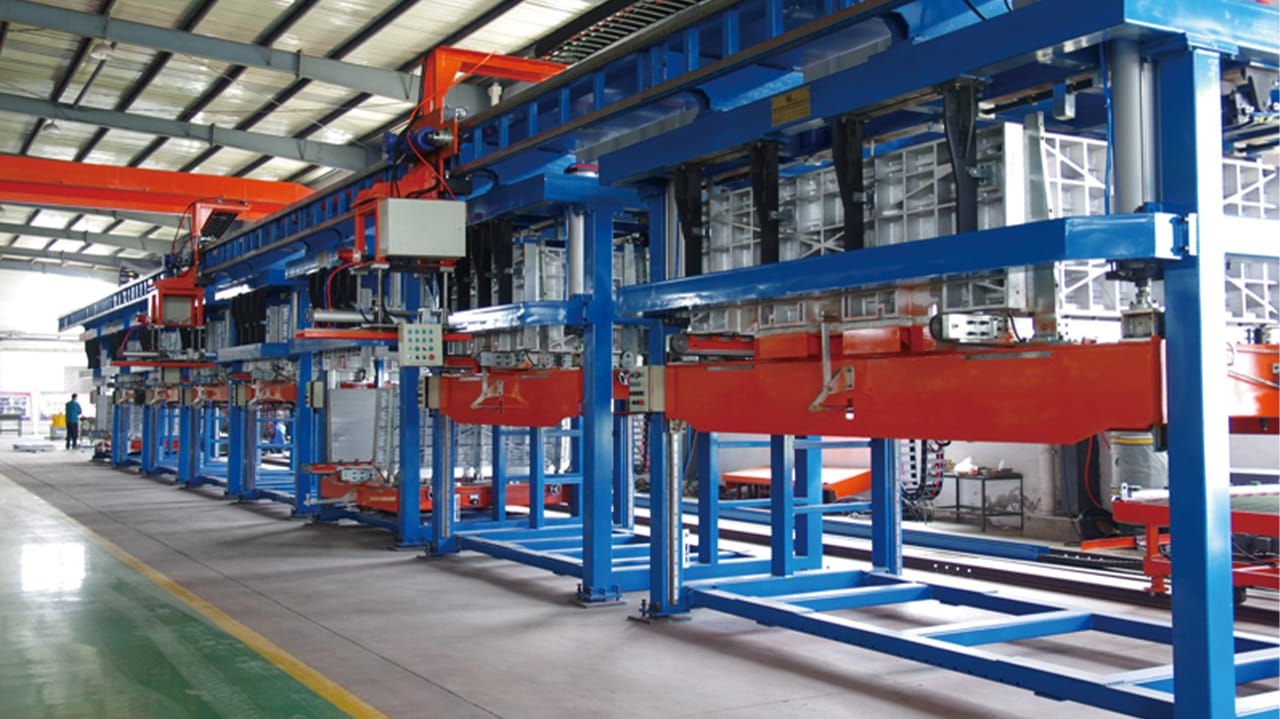
تُبنى خزانة الترطيب المنتجة بكميات كبيرة مثل مبرد العرض التجاري: هيكل مرغّى معزول، بطانة مشكّلة حراريًا، باب زجاجي بحشية مغناطيسية، ووحدة مناخية فعّالة. خمس ركائز معدات مشتركة: آلة رغوة PU عالية الضغط، قالب الرغوة، التشكيل الحراري + قالب البطانة، محطة الباب والحشية، خط متكامل. خط واحد ينتج خزائن السيجار (~18 °م، 68-72 % رطوبة نسبية)، وخزائن النبيذ، ومبردات المشروبات، وغرف الترطيب القابلة للدخول مع تغييرات الوحدة والعدد. عملية من تسع خطوات تنتهي باختبار حفظ مناخي لمدة 24-48 ساعة. حد الصدق: مُدمج الخط يوفر معدات التشكيل/الرغوة/التجميع والقوالب؛ أما إلكترونيات التحكم في الرطوبة وتجهيزات خشب الأرز الإسباني فيوفرها صانع الخزانة وليس مورد المعدات.
Two completely different ways to build a humidor cabinet
A cigar humidor cabinet can be built two ways, and the route you pick decides every piece of equipment you buy. The first is the traditional woodworking route: Spanish cedar interiors, glued and doweled joinery, a passive or small electronic humidifier. The second is the refrigeration-cabinet route: an insulated foamed shell with a sealed door and an active temperature-and-humidity module, built on the same kind of line that produces commercial display refrigerators. This guide is about the second route — the volume-production, foamed-cabinet method — because that is where production-line equipment makes the difference, and that is the question buyers actually search when they ask what a humidor manufacturing plant costs.
If you are sourcing a single luxury walk-in humidor, a custom woodshop is the right partner. If you are setting up a factory to produce electric humidor cabinets, wine-and-cigar display cabinets, or retail humidor displays at tens or hundreds of units per month, you need a production line — and the equipment that controls insulation, sealing, and dimensional repeatability is what separates a cabinet that holds 70 % relative humidity from one that drifts.
Why a modern humidor cabinet is really a refrigeration cabinet
A premium electric humidor holds two things stable at once: temperature around 18 °C and relative humidity around 68-72 %, the band the commonly cited 70/70 storage rule describes. Holding both stable in a glass-fronted cabinet is an insulation and sealing problem before it is a humidity problem. If the cabinet wall conducts heat and the door leaks air, the humidity module fights the environment all day and still loses.
That is why high-end humidor and cigar display cabinets are increasingly built like commercial beverage coolers: an insulated foamed shell, a thermoforming or sheet-metal inner liner, a magnetic-gasket glass door, and an active climate module. The foaming and forming equipment that builds a display refrigerator builds a humidor cabinet with the same tolerances. The contents change; the cabinet engineering does not. Relative humidity itself is temperature-dependent — the same moisture content reads as a different RH as the cabinet warms or cools, a relationship explained in the US National Weather Service primer on humidity — which is exactly why a humidor that cannot hold temperature steady cannot hold humidity steady either.
Five pieces of equipment that decide cabinet quality
Whether the cabinet ends up holding cigars, wine, or chilled beverages, the same five production stations control how well it seals and insulates.
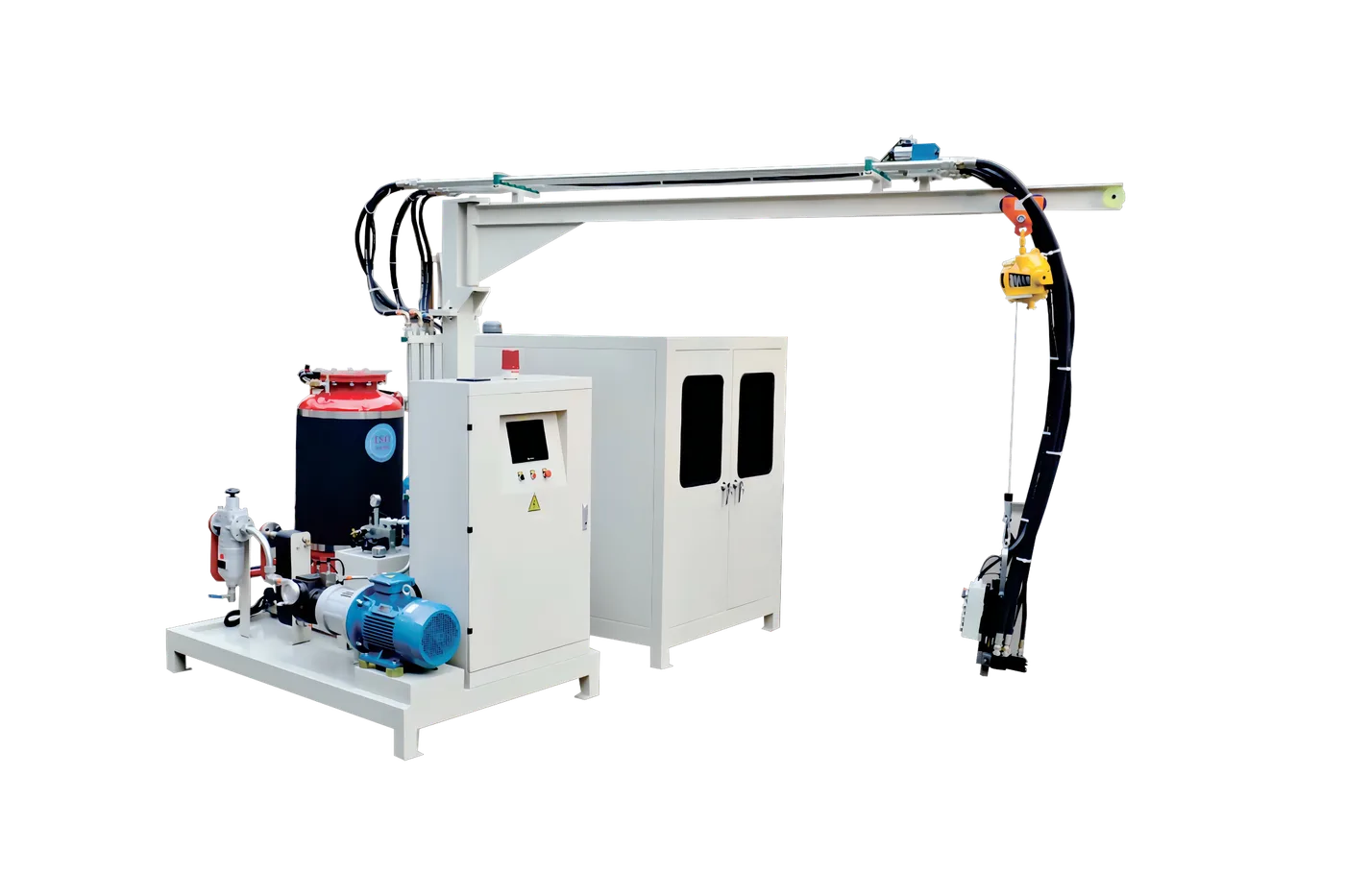
1. PU foaming machine. The insulated wall is what keeps the internal climate independent of the showroom around it. A high-pressure PU foaming machine delivers consistent foam density and full cavity fill, so there are no low-density patches that act as thermal and moisture bridges. For humidor cabinets the wall is usually thinner than a freezer (35-50 mm versus 60-100 mm) because the temperature differential is small, but the demand for an even, void-free fill is just as strict.
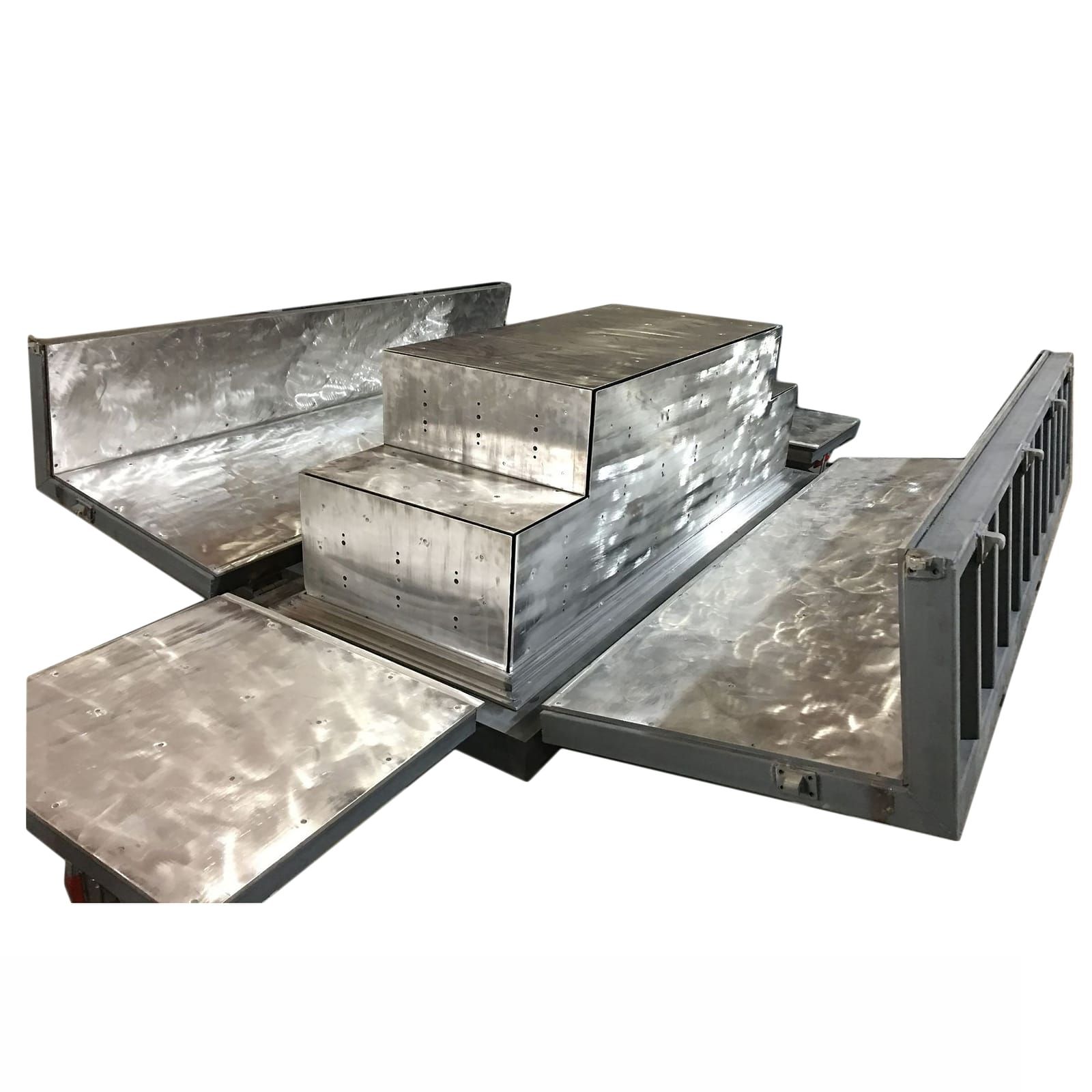
2. Foaming jig / mould. The foaming mould holds the outer shell and inner liner in alignment while the foam expands and cures. For glass-door display cabinets, the jig also has to protect the door aperture and frame geometry so the gasket seats correctly on the finished unit — a bowed frame is the single most common cause of a humidor that will not hold humidity.
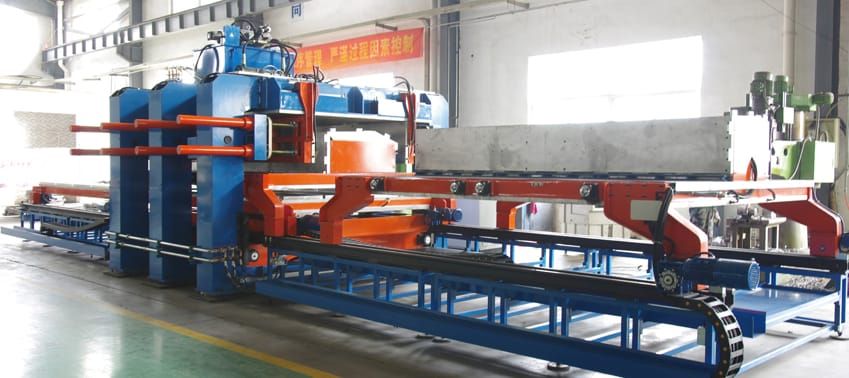
3. Thermoforming machine and liner mould. Many display and humidor cabinets use a vacuum-formed plastic inner liner for a smooth, sealed, easy-to-clean interior, produced on a vacuum forming mould cut to the cabinet's internal geometry. Cabinets that mimic a traditional cedar-lined look fit the cedar trays and shelving inside this sealed liner rather than relying on raw wood for the seal.
4. Door assembly and gasket station. A glass display door with a magnetic gasket is what makes or breaks humidity retention. The door frame foaming and gasket-seating step has to produce a consistent, even seal on every unit. This is the same door-assembly discipline used on commercial refrigerator lines.
5. Integrated production line. Tying forming, foaming, door assembly, and leak testing into one production line is what turns hand-built variability into repeatable, documented cabinets. A factory that assembles these stations from five separate vendors and hopes the tolerances stack up ends up with cabinets that look right and seal wrong.
Cigar, wine and beverage display cabinets compared
The reason this matters for a factory is that one well-planned line can produce all three cabinet families with tooling and module changes, not a new line each. The shared equipment is the forming, foaming, and assembly backbone; what changes is the climate module and the interior fit-out.
| Cabinet type | Target climate | Wall insulation | Climate module |
|---|---|---|---|
| Cigar humidor cabinet | ~18 °C, 68-72 % RH | 35-50 mm PU foam | Thermoelectric or compressor cooling + active humidifier |
| Wine display cabinet | 8-18 °C, 50-70 % RH | 40-50 mm PU foam | Compressor or thermoelectric, dual-zone optional |
| Beverage display cooler | 2-8 °C, humidity not controlled | 40-60 mm PU foam | Forced-air compressor refrigeration |
| Walk-in retail humidor room | ~21 °C, 68-72 % RH | 75-100 mm panel | Room-grade humidification + cooling, built from cold-room panels |
The thermoelectric-versus-compressor choice is a module decision, not a line decision. Thermoelectric (Peltier) cooling is quiet and common in smaller humidor and wine cabinets; compressor systems handle larger volumes and warmer ambient showrooms. Either way, the cabinet your line produces has to seal well enough that the module is the variable, not the leaks.
The production process from sheet to sealed cabinet
A humidor or display cabinet factory runs the same backbone flow as a display-refrigerator factory, with the climate module and interior fit-out added near the end.
| Step | Process | Humidor / display detail |
|---|---|---|
| 1 | Sheet cutting / metal forming | Outer shell, often coated steel or aluminium for a retail finish |
| 2 | Vacuum forming inner liner | Smooth sealed liner; cedar trays fit inside, not as the seal |
| 3 | Glass door frame fabrication | Low-E or tempered glass, magnetic gasket channel |
| 4 | Shell + liner into foaming jig | Thin even wall, door aperture protected |
| 5 | PU foam injection and cure | Density verified; voids rejected |
| 6 | Door and gasket assembly | Even seal on every unit — the humidity gate |
| 7 | Climate module install | Thermoelectric/compressor + humidifier + controller |
| 8 | Interior fit-out | Spanish cedar shelves/trays, lighting, hygrometer |
| 9 | Climate hold test | Run the cabinet for 24-48h and confirm it holds the RH band with the door closed |
Step 9 is the equivalent of the temperature-mapping test on a medical line. A finished humidor is run with its module on, monitored over 24-48 hours, and the relative humidity must stay inside the target band. Units that drift go back for a door-seal or foaming fix. Building this test into the line means a leaking cabinet is caught in the factory, not after a distributor opens a container and finds the hygrometers all reading wrong.
Where the production line ends and the brand begins
This is the part worth being clear about before you order. A production line gives you the physical cabinet: insulated, sealed, dimensionally repeatable, ready to hold a climate. It does not give you the humidor brand. The electronic humidity-control module, the Spanish-cedar interior fit-out, the lighting and hygrometers, and the retail finish are sourced and specified by you, the cabinet maker. They are off-the-shelf or custom components you integrate, not equipment the line supplier builds.
UREXCEED supplies the forming, foaming, and assembly line and the moulds, plus engineering support so the cabinets actually pass the climate hold test. We do not supply the humidity-control electronics or the cedar fit-out, and we say so up front. What an integrator brings is the discipline that makes every cabinet seal the same — because a humidor that holds humidity in unit 1 and leaks in unit 50 is a warranty problem you do not want to discover after launch.
How to choose a production-line supplier for a cabinet factory
Ask the supplier for the foam density and wall fill record on cabinets they have built — an even, void-free fill is what holds the climate. Ask whether the line includes a door-and-gasket assembly station and a climate or leak hold-test station, and whether they commission both on site. Ask to see a reference display-cabinet or wine-cabinet project, since the cabinet engineering transfers directly to humidors. And confirm in writing where the supplier's scope stops — a vendor who claims to also supply the humidity electronics and cedar fit-out is either reselling someone else's parts or overpromising.
A turnkey integrator that designs the whole cabinet line — forming, foaming, door assembly, and the hold test together — gives you repeatable sealing from the first batch. If you are planning a cigar humidor, wine, or display cabinet factory, start with a line consultation and bring your target cabinet type, climate band, and monthly output to the first conversation.
Frequently asked questions
Does UREXCEED manufacture cigar humidors?
No. UREXCEED supplies the production line, moulds, and equipment to manufacture humidor and display cabinets at volume — the foaming machine, foaming jig, vacuum forming mould, door assembly station, and integrated line. We do not sell finished humidors, and we do not supply the electronic humidity-control module or the Spanish-cedar interior fit-out. Those you source as a cabinet maker. If you want a single finished cabinet, a custom woodshop or a humidor brand is the right supplier; if you want to build cabinets at scale, that is where a line integrator fits.
What does a cigar humidor or display cabinet manufacturing plant cost to set up?
The equipment investment depends on output and how many stations you install. A small display-and-humidor cabinet line shares the same backbone as a display-refrigerator line — a PU foaming machine, foaming jigs, a vacuum forming mould, and a door assembly station — and scales with the number of foaming jigs, since foam curing time is the bottleneck. Bring your target monthly output and cabinet mix to a line consultation and we will return a specific equipment list and budget range rather than a brochure figure.
Can one line make cigar humidors, wine cabinets and beverage coolers?
Yes, which is the main reason to build a cabinet line rather than a single-product line. The forming, foaming, door assembly, and testing stations are shared across all three. What changes per cabinet family is the climate module (thermoelectric versus compressor, humidifier versus none), the interior fit-out, and the foaming jig for different cabinet sizes. A well-planned line runs the whole display-cabinet family with tooling and module changes, not a separate line each.
Why does a foamed humidor cabinet hold humidity better than a solid-wood one?
Because the limiting factor in an electric humidor is the cabinet's ability to stay isolated from the room, and an insulated foamed shell with a magnetic-gasket door isolates better than glued wood panels in a hot, dry, or air-conditioned retail environment. Solid-wood humidors rely on the cedar and a tight passive seal, which works in a stable home but struggles in a showroom. A foamed cabinet lets a small climate module hold the 68-72 % band reliably because it is not constantly fighting heat and moisture leaking through the walls and door.
What humidity level should a cigar cabinet hold, and how does the cabinet design support it?
The widely used target is around 70 % relative humidity at about 18 °C — the "70/70" guideline. The cabinet design supports it through three things the production line controls: an even, void-free foamed wall so heat and moisture do not bridge through; a sealed inner liner so the interior is one continuous moisture envelope; and a consistent magnetic-gasket door seal so the climate module only has to replace what the door loses on opening, not a constant leak. Get those three right on the line and a modest humidity module holds the band; get them wrong and no module compensates.
المنتجات المذكورة في هذا المقال
هل أنت مستعد للتخطيط لمشروع التبريد الخاص بك؟
شاركنا هدف الإنتاج ومزيج المنتجات — فريقنا الهندسي يرد بخطة طاقة إنتاجية وعرض أسعار خلال ثلاثة أيام عمل.
اطلب عرض أسعار هندسيمقالات ذات صلة
إعداد خط إنتاج الثلاجات: تخطيط الطاقة الإنتاجية، تصميم المصنع، والاستثمار
معظم المشاريع الجديدة تبدأ بجدول عروض أسعار الآلات. هذا ترتيب خاطئ. إليك التسلسل الذي نستخدمه مع أصحاب المصانع لأول مرة.
خط إنتاج ألواح غرف التبريد — دليل الإعداد والتكلفة والطاقة الإنتاجية
دليل شامل للاستثمار في خط إنتاج ألواح الساندويتش المعزولة لغرف التبريد: 5 محطات رئيسية، جداول تخطيط الطاقة الإنتاجية، تفصيل استثماري من USD 450K إلى 1.09M، معايير الجودة، وجدول زمني للمشروع من 4 إلى 6 أشهر.