
قالب باب الثلاجة: الأنواع والمواد والتكامل في خطوط الإنتاج الجاهزة
يتطلب الإنتاج الكامل لباب الثلاجة ثلاث مراحل قوالب — التشكيل بالتفريغ وأداة الرغوة وقالب القطع. يغطي هذا الدليل اختيار المواد والتفاوتات والتكامل في خط الإنتاج.
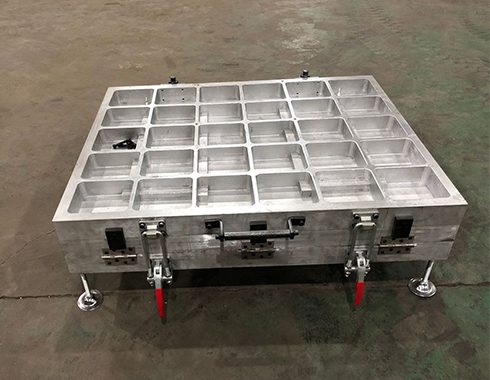
ثلاث مراحل: التشكيل بالتفريغ (ABS/HIPS، ±0.15 مم)، أداة الرغوة (حقن PU 0.5–1.5 بار، دورة 4–7 دقائق)، قالب القطع (ثقوب المفصلات ±0.1 مم). قوالب الألومنيوم أرخص بـ 30–50% من الفولاذ. المجموعة الكاملة 25,000–60,000 دولار، المهلة 50–80 يومًا. عائد الاستثمار في 16–26 يوم إنتاج عند 500 باب/يوم.
Why door moulds determine refrigerator quality more than you expect
The refrigerator door is the component customers touch most often — every open-close cycle, every shelf rearrangement, every visual impression at the retail floor. Yet door production quality starts far upstream, at the mould. A poorly designed door mould produces liners with inconsistent wall thickness, foaming fixtures that cause uneven insulation, and trim dies that leave visible flash lines on the finished door. The result: higher reject rates, slower cycle times, and warranty claims that erode margins.
UREXCEED integrates five mould factories and has supplied door mould sets for refrigerator lines producing 200–2,000 units per day. This guide covers the three door mould types, material selection trade-offs, and how to integrate door moulds into a turnkey refrigerator production line without bottlenecks.
Three door mould types and when to use each
A complete refrigerator door production workflow requires three mould stages, often combined into a single combo fixture (like the UDM-COMBO-900) or supplied as separate stations:
1. Vacuum forming mould (liner shaping)
The vacuum forming mould shapes the inner door liner from ABS or HIPS sheet. The mould cavity defines bottle-rack tiers (typically 3–8 tiers, configurable per model), shelf-rail geometry, and the gasket-channel profile that accepts the magnetic door seal.
Critical tolerance: wall thickness uniformity must stay within ±0.15 mm across the liner surface. Thinner areas become weak points during foaming pressure (0.5–1.5 bar for rigid PU), leading to liner deformation or blow-through. The mould surface finish (typically Ra 0.8–1.6 µm) directly transfers to the visible liner interior — rougher finishes trap dirt and look cheap under showroom lighting.
2. Foaming fixture (insulation injection)
After the liner is thermoformed and the outer steel shell is pressed, the two halves are loaded into a foaming fixture. The fixture clamps the assembly, and rigid PU foam is injected through one or two pour points. The foam expands to fill the 25–40 mm cavity between liner and shell, providing both structural rigidity and thermal insulation.
Design considerations: the fixture must include venting channels at the farthest flow points to prevent air traps (which cause surface voids and cold spots). For doors taller than 1,500 mm, a dual-pour-point fixture reduces foam flow distance and improves density uniformity. The fixture cycle time — including loading, clamping, injection, cure, and unloading — typically runs 4–7 minutes for cyclopentane-blown rigid foam at 35–42 kg/m³ target density.
3. Punching and trim die (edge finishing)
The final mould stage trims flash from the foamed door assembly and punches mounting holes for hinges, handles, and wiring harnesses. Progressive dies handle multiple operations in a single press stroke, while simpler single-operation dies suit lower-volume lines.
Punching accuracy matters most at the hinge-hole positions: ±0.1 mm tolerance ensures the door aligns with the cabinet on the final assembly line. Misaligned hinge holes cause door sag, uneven gasket compression, and increased energy consumption from air leaks — a quality issue that reaches the end consumer.
Material selection: steel grades and surface treatments
| Mould component | Common material | Surface treatment | Expected life (shots) |
|---|---|---|---|
| Vacuum forming cavity | Aluminium 7075-T6 or cast aluminium | Hard anodise (50 µm) or Teflon coating | 80,000 – 150,000 |
| Foaming fixture frame | S45C or SS400 mild steel | Chrome plating or release-agent baked coat | 200,000 – 500,000 |
| Foaming fixture insert | Aluminium 6061-T6 | Teflon spray (re-applied every 5,000 shots) | 100,000 – 200,000 |
| Punching die | SKD11 or Cr12MoV tool steel | Nitriding (HRC 58–62) | 300,000 – 800,000 |
| Trim blade | SKH51 high-speed steel | TiN coating | 150,000 – 300,000 |
Aluminium moulds cost 30–50 % less than steel equivalents and machine faster, making them the default for vacuum forming cavities and foaming inserts. Steel is reserved for high-wear components (punching dies) where hardness extends tool life. For factories producing fewer than 500 doors per day, aluminium across all stages delivers the best cost-per-shot ratio.
Integrating door moulds into a turnkey production line
A door mould set is only as productive as the line it feeds into. The three integration points where mismatches cause bottlenecks:
- Cycle-time balancing: the vacuum forming cycle (45–90 seconds) is 3–5× faster than the foaming cycle (4–7 minutes). A single foaming fixture becomes the bottleneck unless you deploy 4–6 fixtures on a rotary carousel. UREXCEED's turnkey refrigerator production line configurations include carousel sizing based on your target daily output.
- Mould changeover time: switching between door models (e.g., 600 mm single-door to 900 mm French-door) requires fixture swap. Quick-change systems with locating pins and hydraulic clamping reduce changeover from 45 minutes to under 10 minutes — critical for mixed-model production runs.
- Foaming machine compatibility: the mould's pour-point geometry must match the mixing head of your high-pressure PU foaming machine. Nozzle diameter, impingement pressure, and shot weight all need to be validated against the fixture's pour-hole diameter and venting capacity before commissioning.
Cost structure and lead time expectations
A complete door mould combo set (vacuum forming + foaming fixture + trim die) for a standard top-mount refrigerator typically costs USD 25,000–60,000 depending on cavity count (single vs quad), material choice, and automation level. Lead time runs 50–80 days from design freeze to delivery.
Cost breakdown by stage:
- Vacuum forming mould: 35–40 % of total (complex 3D cavity, tight surface finish)
- Foaming fixture: 40–45 % (larger physical size, venting engineering, carousel compatibility)
- Trim die: 15–20 % (relatively standard progressive-die design)
For factories launching a new refrigerator model, ordering the door mould set 2–3 weeks before the cabinet foaming mould ensures the door line is validated first — door quality issues are harder to fix post-launch than cabinet issues.
Frequently asked questions
How many door models can one mould set produce?
A single mould set produces one door model (specific dimensions, bottle-rack configuration, and hinge position). Switching to a different door model requires a new cavity insert or a complete mould swap. Quick-change fixture systems allow the same foaming station to accept multiple mould sets with 10-minute changeover.
What is the typical ROI payback period for a door mould investment?
At 500 doors per day and a mould cost of USD 40,000, the per-door mould amortisation is USD 0.08 over 500,000-shot life. Compared to outsourcing door production at USD 3–5 per door premium, the mould pays back in 8,000–13,000 doors — roughly 16–26 production days. Most factories recover the investment within the first month of operation.
Can existing moulds be modified for a new refrigerator model?
Minor modifications (adding a bottle-rack tier, changing handle-hole position) can be done by welding and re-machining the cavity — typically USD 3,000–8,000 and 2–3 weeks. Major dimension changes (door height or width beyond 50 mm difference) require a new mould, as re-machining would compromise wall thickness uniformity and structural integrity.
What maintenance does a door mould set require?
Vacuum forming moulds: clean and re-apply release agent every 500–1,000 shots, inspect vacuum channels for blockage weekly. Foaming fixtures: re-apply Teflon spray every 5,000 shots, check venting channels for foam residue daily. Trim dies: sharpen blades every 50,000–80,000 shots, inspect punch clearance monthly. A well-maintained mould set runs 3–5 years before requiring major refurbishment.
المنتجات المذكورة في هذا المقال
هل أنت مستعد للتخطيط لمشروع التبريد الخاص بك؟
شاركنا هدف الإنتاج ومزيج المنتجات — فريقنا الهندسي يرد بخطة طاقة إنتاجية وعرض أسعار خلال ثلاثة أيام عمل.
اطلب عرض أسعار هندسيمقالات ذات صلة
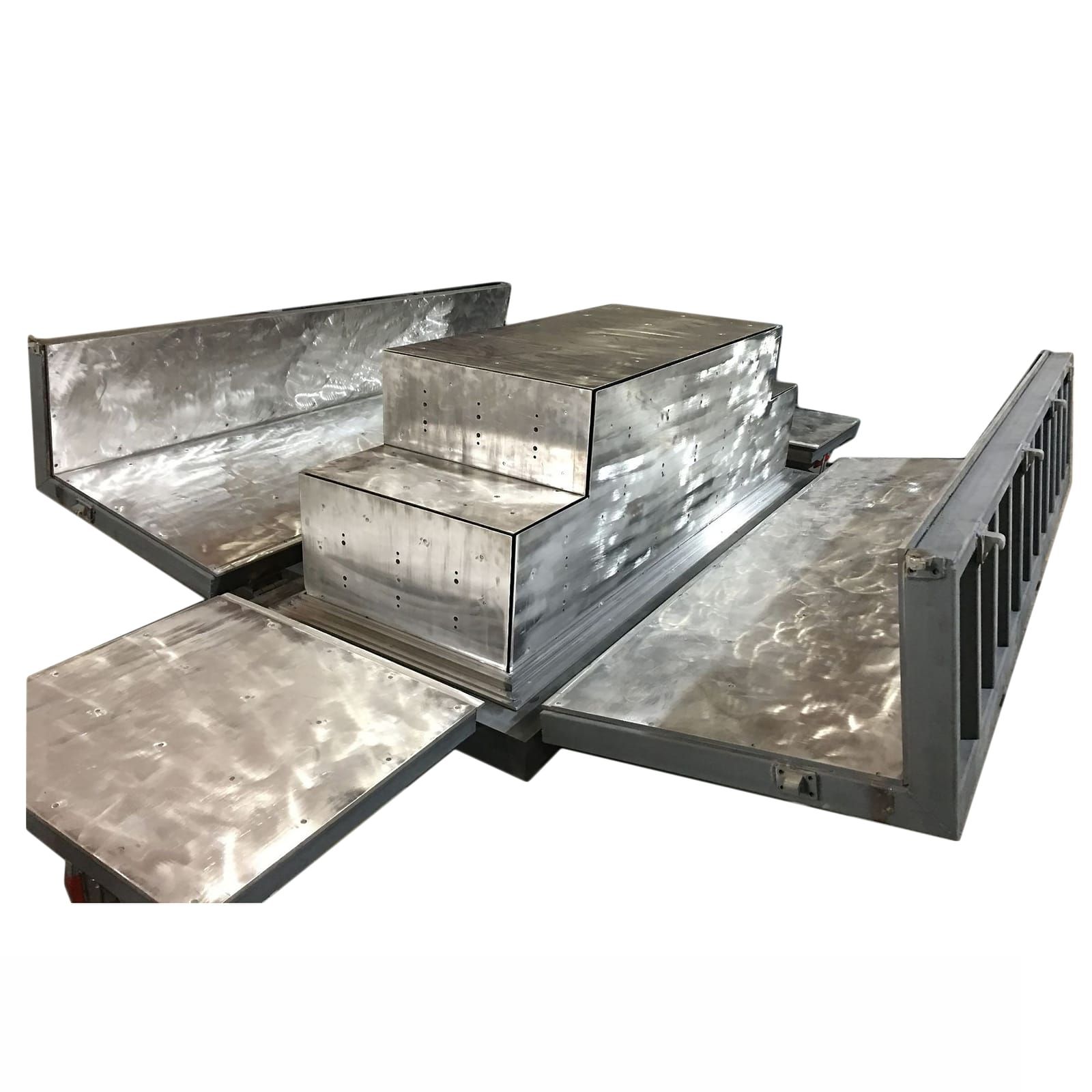
قوالب التشكيل الفراغي مقابل قوالب الرغوة في إنتاج الثلاجات — مقارنة عملية
قالبان مختلفان تمامًا على خط إنتاج واحد. إليك كيف نساعد أصحاب المصانع في الاختيار بينهما — مع دقة المواصفات وعمر الخدمة ومدة التسليم والميزانية النموذجية.
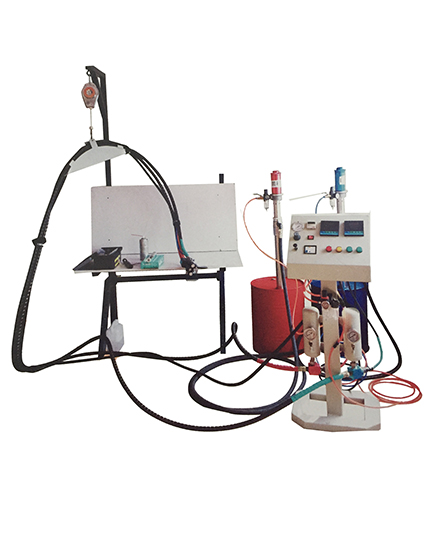
آلة رغوة PU عالية الضغط مقابل منخفضة الضغط — أيهما يحتاجه مصنعك؟
نفس المواد الكيميائية، لكن آلات مختلفة تمامًا. نقارن الضغط والإنتاجية وجودة الرغوة والاستثمار لتختار آلة رغوة PU المناسبة لخطك.