
ماكينة توزيع لاصق — -certified ماكينات رغوة pu by UREXCEED, manufactured under an ISO 9001-certified quality management system. Lead time 30 – 45 days, MOQ 1 set.
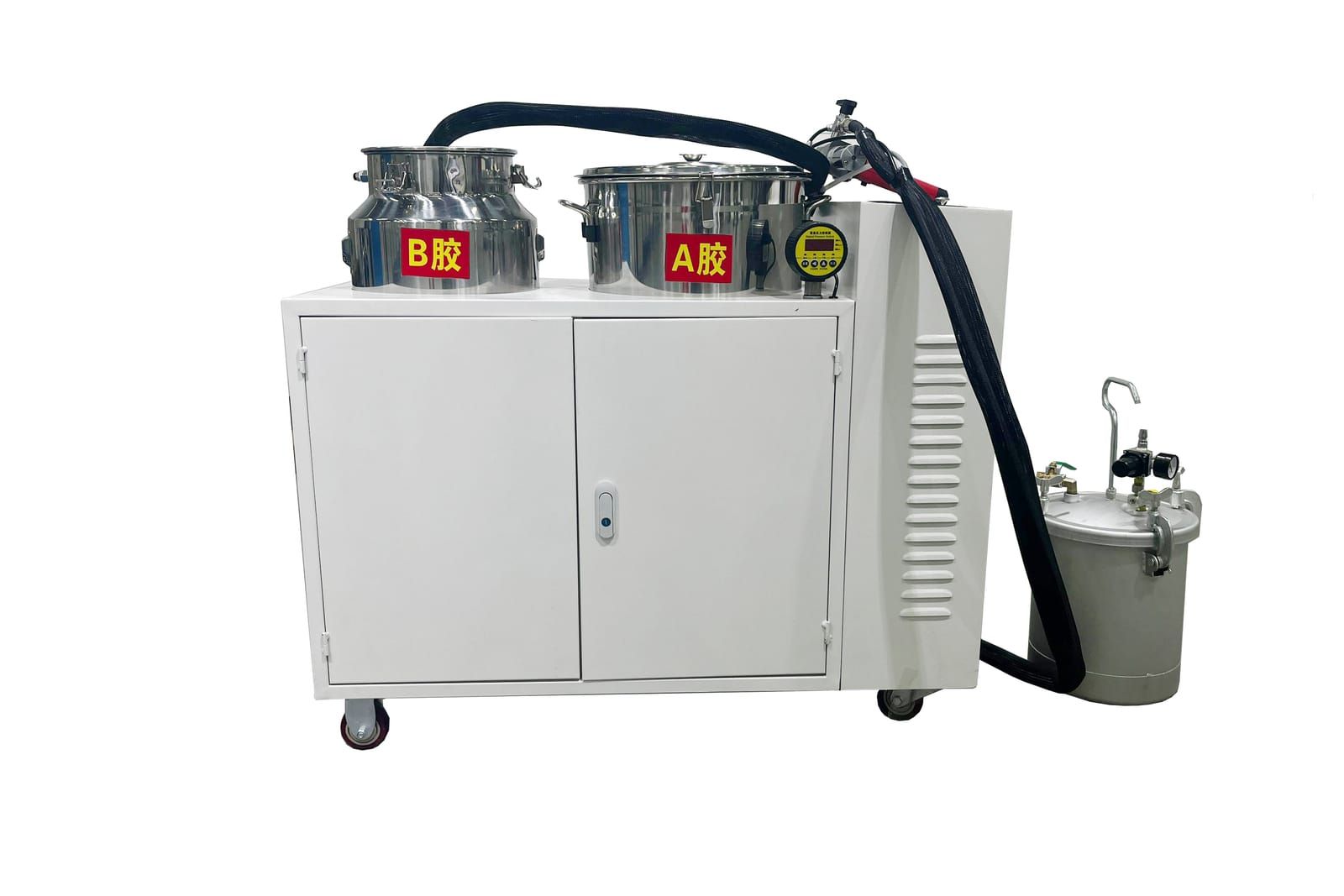
ماكينة توزيع لاصق
توزيع حجمي سيرفو، ±1%، PUR / hotmelt / سيليكون
Engineering reply within 24 hours
Quote + spec sheet + tailored sizing recommendation. WhatsApp answered 9 am–6 pm Beijing time.
المواصفات
- Primary Application
- Cold room sandwich panel lamination (steel/PU/steel)
- Output
- 5 – 200 g/s adjustable (panel-line scale)
- Metering Type
- Two-component servo dosing (1:1 to 4:1 mix ratio)
- Accuracy
- ±1% mix ratio consistency
- Glue Compatibility
- Two-component PU adhesive (cold room panel standard) / PUR hot-melt / Polyurethane reactive
- Melt Tank Capacity
- 50L / 100L / 200L / 1,000L IBC-direct heated
- Application Temperature
- 40 – 80°C panel substrate, 20 – 60°C adhesive
- Application Method
- Roller coating / curtain coating / bead extrusion (per panel line type)
- Open Time
- 5 – 30 min (formulation tunable)
- Pressing Window
- 15 – 45 min closed pressing time at 25–40°C
- Power
- 380V · 50/60Hz, 5 – 18 kW (with full tank heater)
- Footprint
- ~6 m² (200L configuration, panel-line integrated)
- Daily Panel Output (paired with line)
- 500 – 2,500 m² of laminated cold room panel per shift
التطبيقات
- Cold room sandwich panel — steel facing + PU foam core + steel facing
- Cold room ceiling & floor panels (heavier-grade lamination)
- Cold room door panels (incl. heated frame for blast freezer entries)
- Refrigerated truck body sidewall & roof panels
- Insulated container & reefer container panels
- Display cabinet & chef base wall panel lamination (cross-sell from refrigerator factory)
- On-site cold room repair: adhesive re-bond for damaged panel facings
- Pre-lamination tacking before continuous PU foaming line
How a cold room sandwich panel actually gets bonded
A cold room panel is three layers — outer steel, PU foam, inner steel. The adhesive that bonds steel to foam is what determines whether your panels pass EN 14509 / ASTM E72 testing. Here's where it goes and why each spot matters.
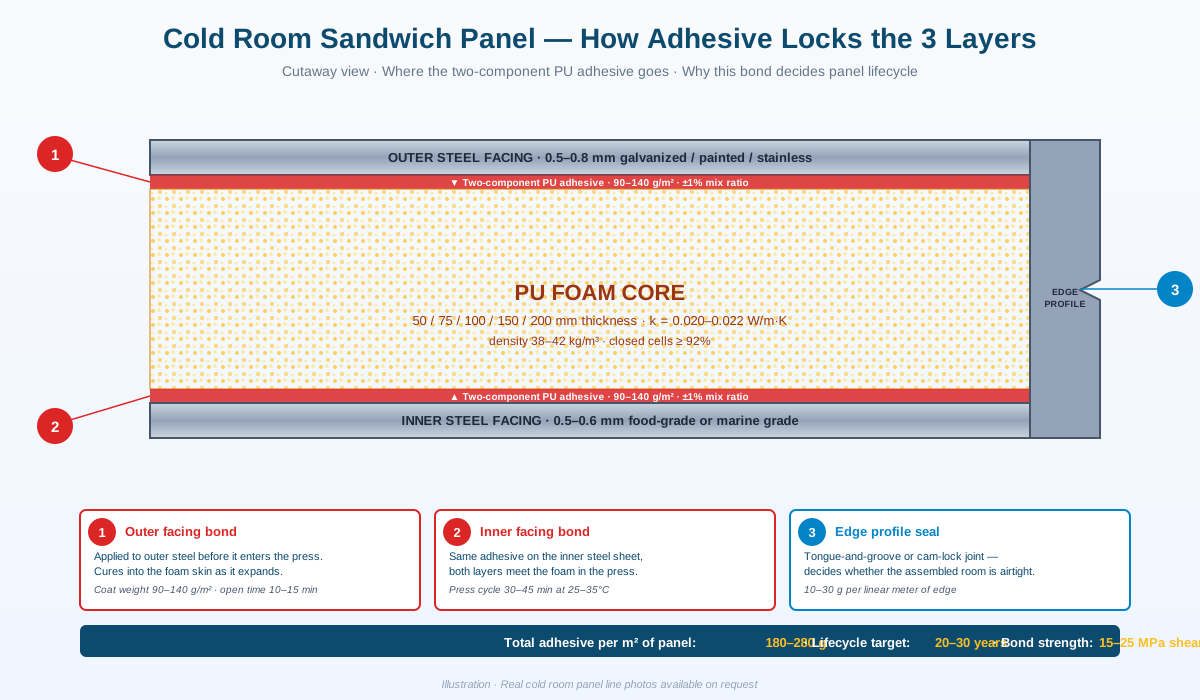
Outer steel facing → PU foam core
Outer steel facing → PU foam core. The first coating layer, applied to the outer steel sheet right before it enters the press. Adhesive must cure into the foam skin as the foam expands during the press cycle. Volume: 90–140 g/m² of panel area.
Inner steel facing → PU foam core
Inner steel facing → PU foam core. Same adhesive system applied to the inner steel. The two steel sheets meet the foam core simultaneously in the press, so adhesive open time has to match press cycle. Volume: 90–140 g/m².
Panel edge profiles (tongue-and-groove / cam-lock)
Panel edge profiles (tongue-and-groove or cam-lock). Two-component PU adhesive seals the joining profile to the steel facing — this is what makes the assembled cold room airtight. Volume: 10–30 g per linear meter of edge.
Specialty panels (blast freezer doors, reefer truck, refrigerated container)
Special-purpose panels: heated door frames for blast freezers, reefer container side walls, refrigerated truck panels. Same adhesive but tuned coat weight (180–280 g/m²) for the operating environment.
On-site panel repair lamination
On-site repair lamination. When a finished panel is damaged in shipping or installation, you can re-bond the steel facing without rebuilding the panel. Same dispenser, smaller batches, often portable cart mode.
Why two-component PU is the cold-room-panel industry standard
Cold room panels live for 20–30 years through thermal cycling, moisture, and structural loads. The adhesive bond has to outlast the panel itself. Four chemistries compete for the job — here's why two-component PU usually wins.
PUR hot-melt — thin panels
PUR hot-melt: faster set (2–5 min open time), cheaper to apply. Used for thinner panels (< 50mm) where line speed matters more than ultimate bond strength. Bond strength ~5–8 MPa shear. Survives 15–20 years; not ideal for 30-year cold storage.
Two-component PU — industry default
Two-component PU adhesive (industry default): 10–15 min open time, 30–45 min closed press cycle, then continues to moisture-cure over 24 hours. Final bond strength 15–25 MPa shear, survives -40°C to +80°C thermal cycling, designed for 30-year panel life. This is what 80% of cold room panel factories run.
Silicone-modified PU — UV exposed
Silicone-modified PU: better UV resistance for outdoor-facing panels (refrigerated truck roofs, exposed cold storage walls). Costs 30–40% more, only worth it for exposed-to-sun applications.
Two-part epoxy — repair only
Two-part epoxy: highest bond strength (~30 MPa) but brittle at -40°C, so not used in blast-freezer or ultra-low-temp panels. Cure time too slow (4–8 hours) for production lines. Used only for repair work where you can wait for full cure.
What's inside the dispenser
Engineered for cold room panel production rates (500–2,500 m² per shift). The design priority is consistent mix ratio at high flow rate.
Two-pump servo metering
Two servo-driven piston metering pumps (one for Component A polyol blend, one for Component B isocyanate). Independent control on each, ±1% mix ratio repeatability.
Drum / IBC-direct day tanks
Day tanks: 100 L or 200 L per component (drum-direct), or 1,000 L IBC-direct for high-volume continuous panel lines. Jacketed, electrically heated to maintain 40°C application temperature in cold workshops.
Heated transfer hoses
Heated transfer hoses keep the two components at consistent viscosity from tank to mixing head. Critical for cold workshops (panel factories often run in unheated buildings during winter).
Static / dynamic mixing head
Mixing head — static mixer (no moving parts in the glue path, easier maintenance) for most applications. Dynamic mixing head option for fastest-cure adhesives. Roller-coating attachment for continuous panel lines, curtain coating for discontinuous presses.
PLC + panel recipe storage
PLC with recipe storage. Stores: ratio, coat weight target, application pattern, melt temperatures per panel SKU. Operator picks the panel type, machine sets itself.
Dual adhesive option
Optional second adhesive (e.g. PUR hot-melt for thin panels alongside the two-component PU). Two independent dispensing heads, one machine.
Continuous panel line vs discontinuous press — adhesive considerations
Cold room panel factories fall into two camps: continuous panel lines (faster, narrower product range) and discontinuous presses (slower but flexible thickness range). The adhesive dispenser configuration is different for each.
| Aspect | Continuous panel line | Discontinuous press |
|---|---|---|
| Line speed | 3–10 m/min | 8–15 min cycle per panel |
| Adhesive flow rate | 100–200 g/s sustained | 20–80 g/s peak |
| Application method | Roller coating | Bead extrusion + spread |
| Open time required | 30 sec – 2 min | 10–15 min |
| Dispenser scale | Large IBC-direct | Mid-size drum-direct |
We supply matching configurations: high-flow IBC-direct dispenser for continuous lines, mid-flow drum-direct for discontinuous presses. Same control logic, same PLC, same recipe management.
Real cold-room-panel use cases
Where this dispenser goes in the cold room panel factories we serve. Examples from shipped customer base.
Continuous cold room panel line, 1,150 mm width, 6 m/min: high-flow IBC-direct dispenser (200 g/s peak), integrated with line PLC. Output 800 m² of panel per shift, single operator. About USD 95K for the dispenser stage.
Discontinuous cold room panel press factory, 50/100/150/200 mm thickness range: drum-direct dispenser (80 g/s), serves three presses on a rotating schedule. Output 400 m² per shift, two operators. About USD 55K.
Refrigerated truck body factory: same adhesive dispenser, higher coat weight (250–300 g/m²) for road vibration resistance. Often runs alongside a cold room panel line on the same shift. About USD 65K.
Cold room contractor with on-site panel repair: portable cart-mounted dispenser, 1.5 × 1 m footprint. Drives to the customer site, repairs delaminated panel facings without rebuilding the panel. About USD 28K.
What pairs with the panel adhesive dispenser
A cold room panel factory needs more than a dispenser — it needs matched chemistry, presses, and (often) a continuous PU foaming line. Here's what we typically bundle.
Recommended adhesives. Two-component PU adhesive recommendations: Henkel Loctite UK 8202/8302 family, Sika SikaForce 7710, Wanhua WANNATE PMA series. We help you spec the right grade for your panel substrate (galvanized steel, painted steel, stainless), open time and coat weight.
Commissioning & training. On-site commissioning: 5 days for a single-line installation, 8 days for an integrated continuous + discontinuous setup. Operator training included. Engineer comes back at 3 months for a follow-up check.
Want to bundle the dispenser with our cold room panel production line solution? →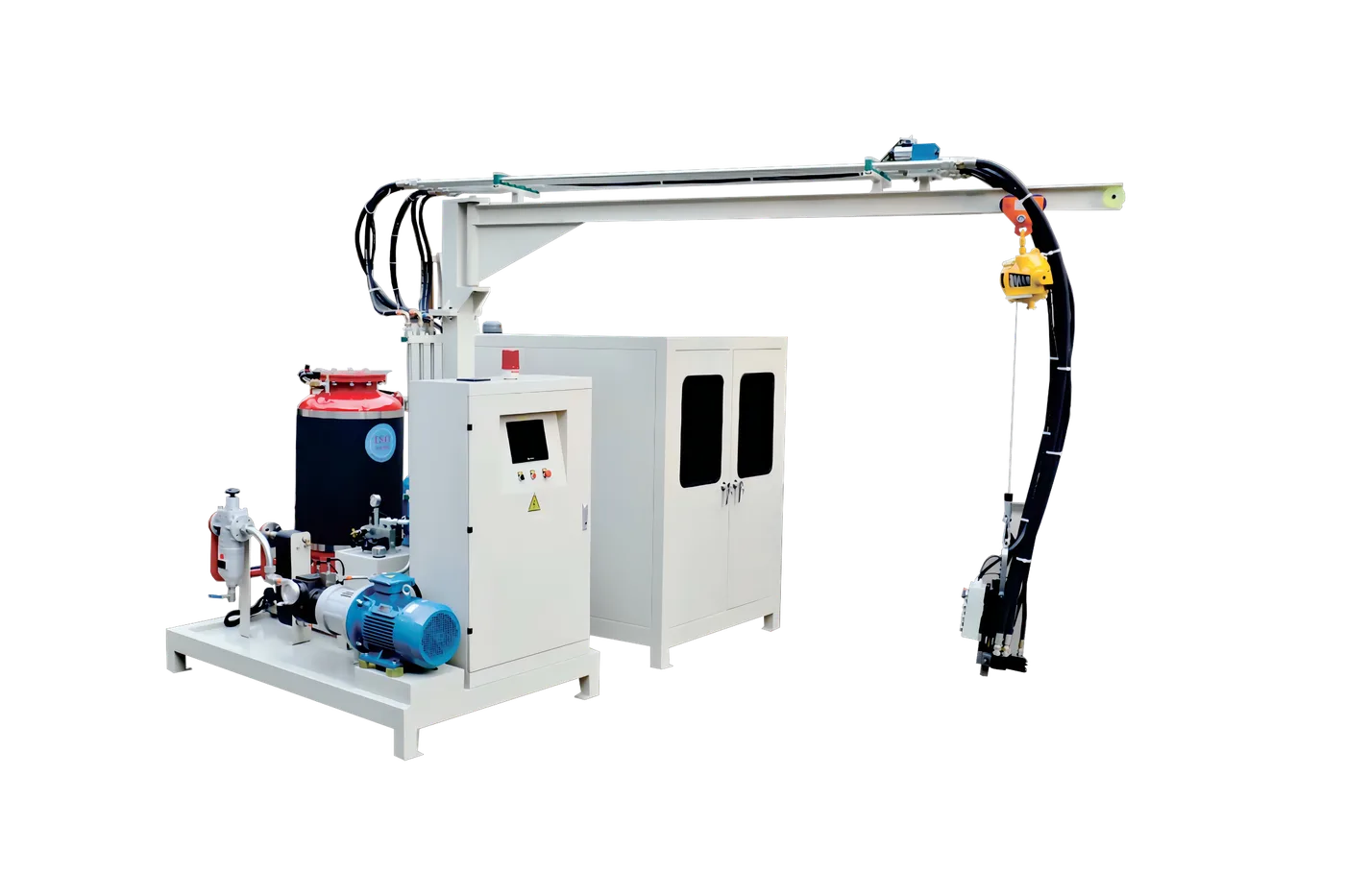
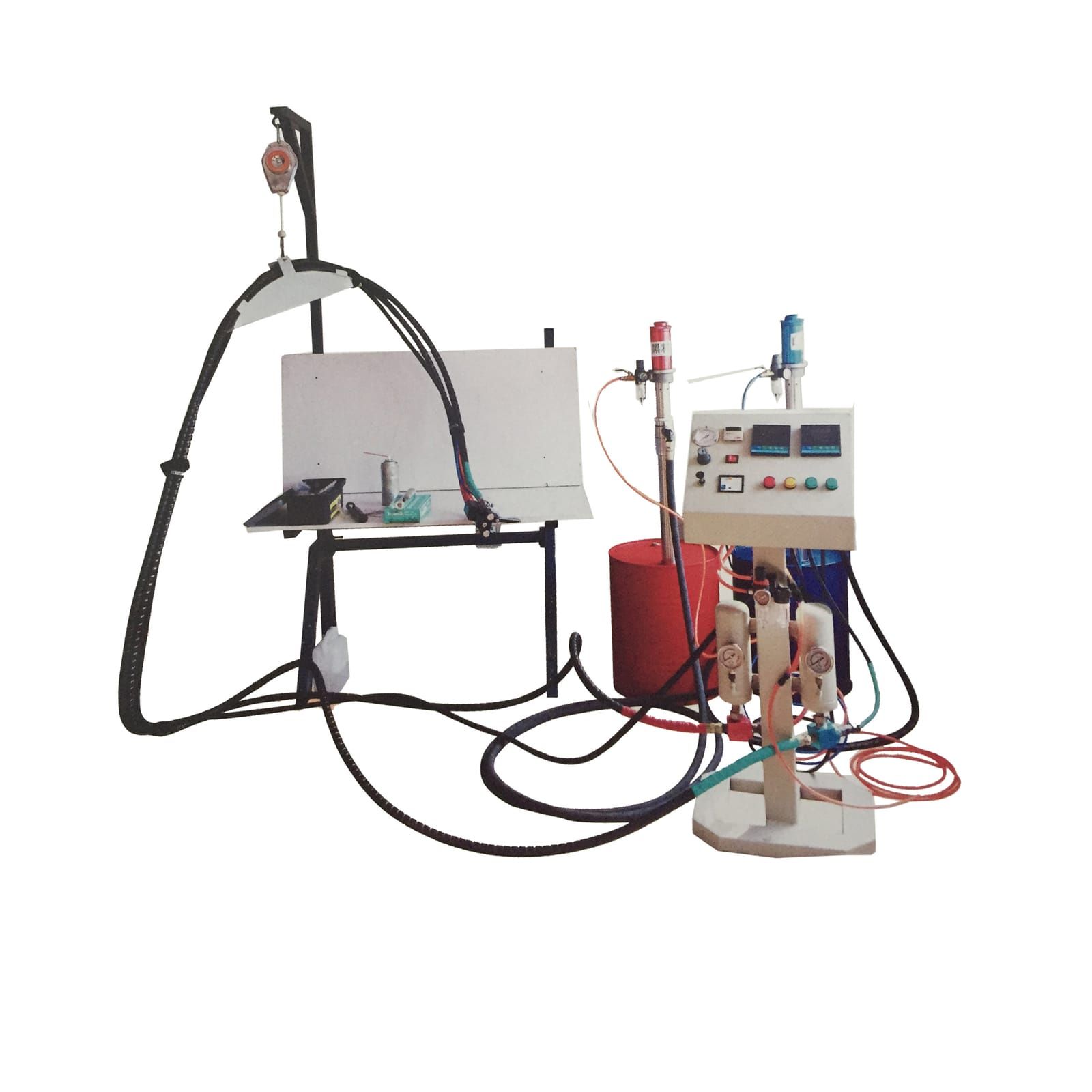
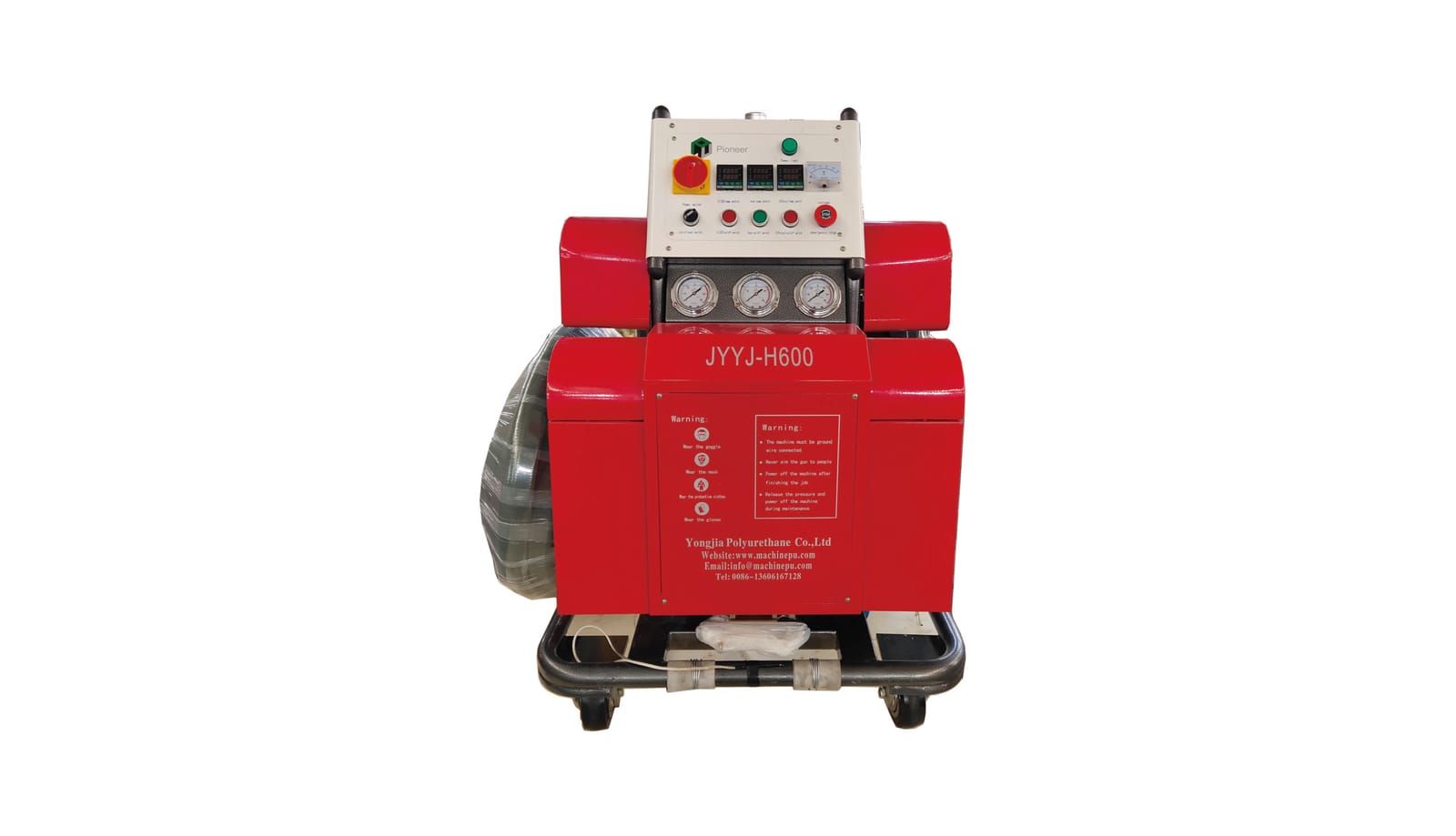
Cross-Sell · One-Partner Synergy
Pair This Foaming Machine With Moulds + Materials
Foaming machines run best on properly engineered moulds and calibrated raw materials. Buy together for full-line synergy.
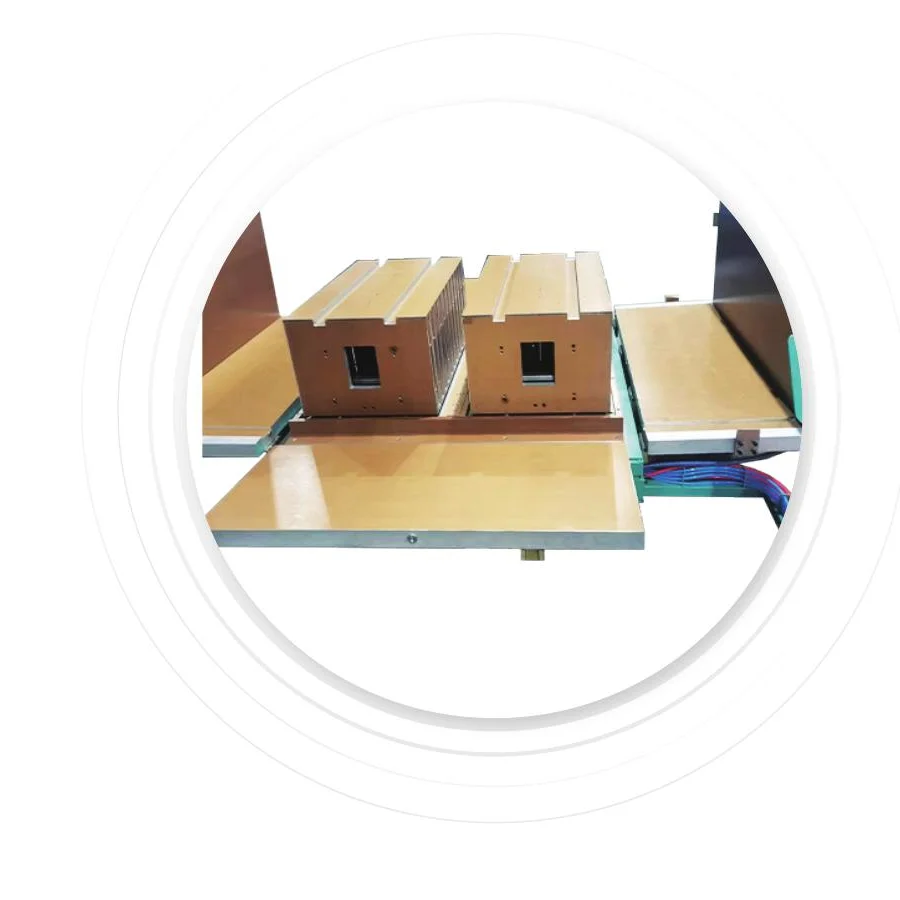
Refrigerator-Grade Moulds
Vacuum-forming moulds for inner liners + foaming moulds for cabinet/door — 30-year cluster network.
Learn more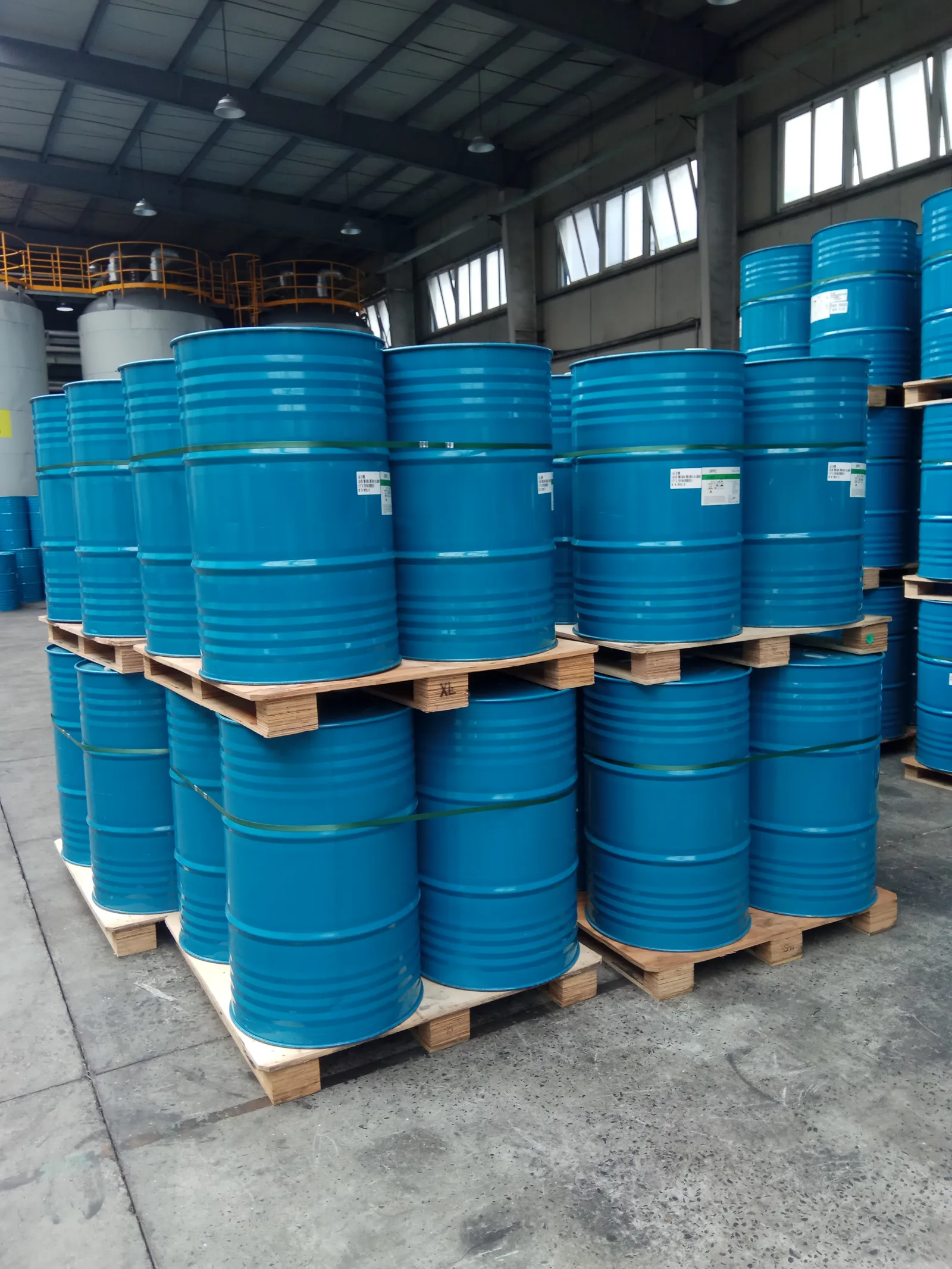
PU Raw Materials
MDI + Polyol formulations matched to your machine output, density target, and local climate.
Learn more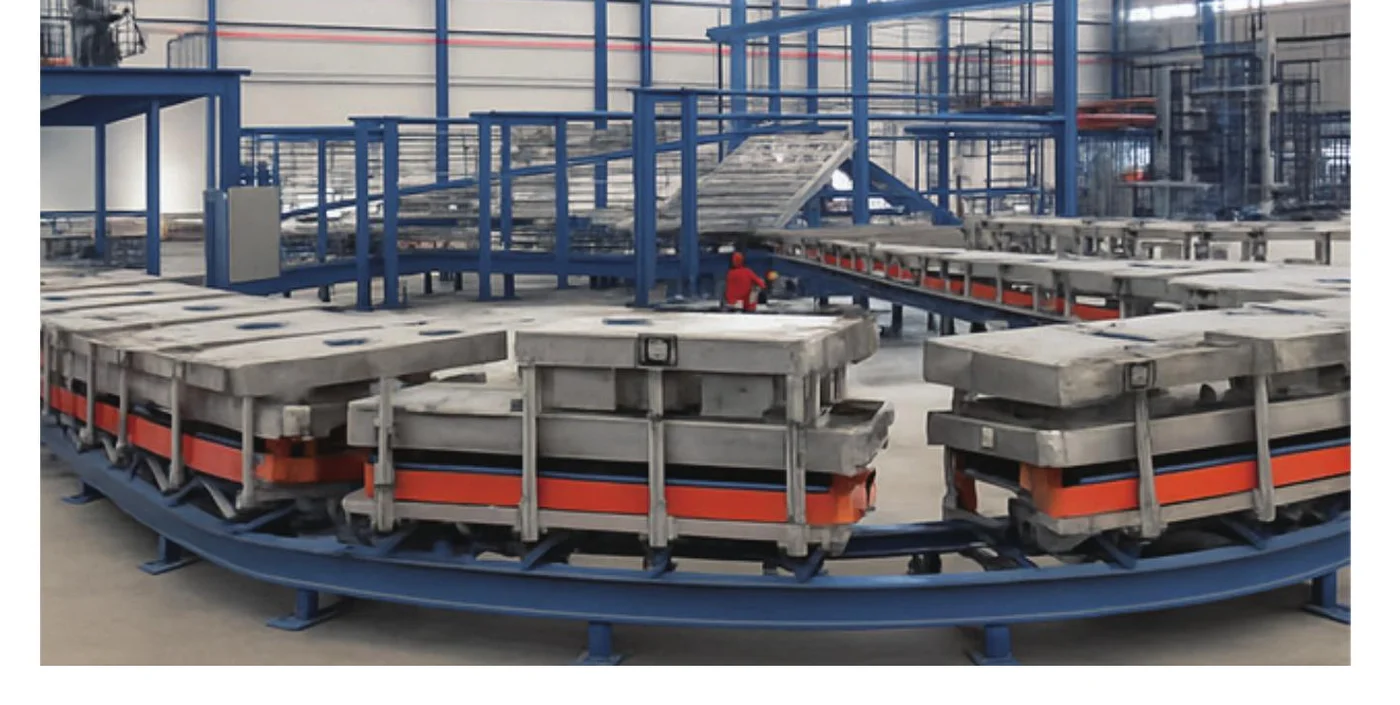
Refrigerator Production Line
Cyclopentane high-pressure foaming is the heart of our turnkey refrigerator factory solutions.
Learn moreService & Support
الضمان والخدمة
التدخل في الموقع متاح في كل منطقة سلّمنا فيها مشاريع.
On-Site Installation
Our engineers fly to your factory to supervise installation, layout verification, and first-run production.
Commissioning + Tuning
Trial run + parameter tuning to your local raw material, climate, and target product spec — until throughput meets contract.
Operator Training
5-10 day on-site training for production team, QC, and maintenance — bilingual manuals + video tutorials provided.
3-Year Warranty + Spares
Core equipment 3-year warranty, electrical 2-year. Spare parts in stock with global express shipment 24h dispatch.
الأسئلة الشائعة
Why do cold room panel factories need a dedicated adhesive dispenser?
What adhesive do I use for the steel-to-PU-foam bond?
Can the dispenser handle continuous panel lines (running at 5–10 m/min)?
My panels are 50mm / 100mm / 150mm / 200mm thick. Does the machine handle all of them?
How much adhesive does one square meter of panel use?
What's the open time / pressing window? My line cycle is 8 minutes per panel.
Can I switch between cold room panels and refrigerated truck body panels on the same machine?
What service and support do you provide for the dispenser?
هل تحتاج إلى حل تبريد متكامل؟
تدمج UREXCEED القوالب وآلات الرغوة وخطوط الإنتاج والمواد في 6 مصانع شريكة. أخبرنا بهدف الطاقة الإنتاجية وسنرد بتكوين وعرض أسعار خلال 24 ساعة.