
Commercial Freezer Production Line: Investment & Turnkey OEM Setup (2026 Pillar Guide)
Format-mix decision, investment tiers, retail-chain tender certifications and the full equipment list behind an island-freezer and glass-door merchandiser production line.
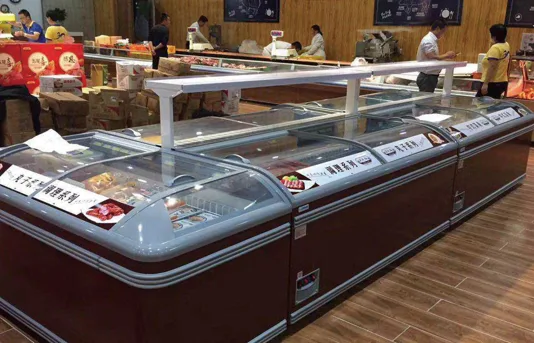
A commercial freezer production line (island freezers and glass-door merchandisers, 300-2,000 L) runs USD 900K-4M for 150-1,200 units/shift on a single format. The real decision most retail-chain OEMs face isn't tier size — it's format mix: dedicated island-only, dedicated glass-door-only, or a quick-change mixed line covering 500-3,000 combined units/day. Certification is a parallel track, not a sequential one: IEC 60335-2-89, EN ISO 23953, DOE CRE and CE apply to the cabinet; ENERGY STAR and EU Ecodesign pull-down testing is what actually blocks a tender submission if the line isn't built to test against it from day one.
A commercial freezer production line for island freezers and glass-door merchandisers runs USD 900,000-4,000,000 for a single-format line producing 150-1,200 units per shift, with a dedicated 2,000-units/day glass-door merchandiser line reaching USD 2.5M-4.0M. The decision that actually determines cost and timeline isn't investment tier — it's format mix. OEMs bidding into supermarket and convenience-chain tenders (Carrefour, Walmart, 7-Eleven-style private-label programs) almost always need both an open-top island format and a glass-door merchandiser format, and buying two dedicated lines is rarely the right call.
The format-mix decision comes first because it sets every downstream number: the investment tier, the six-step path from tender win to first shipment, the certification checklist a retail-chain buyer actually asks for, and the equipment list, layout and staffing the line needs to run.
Why Commercial Freezer Production Scales Differently From a Household Refrigerator Line
A commercial freezer factory sells into a different buyer than a household-refrigerator OEM, and that buyer shapes almost every equipment decision on the line.
- The customer is a retail chain, not a household. Convenience-store franchise programs, supermarket private-label buyers and frozen-food display brands specify cabinets against a tender document, not a consumer spec sheet — line output, energy-efficiency class and duty-cycle rating all get checked against that document before a single unit ships.
- Duty cycle is 24/7, not 40%. A commercial island freezer or glass-door merchandiser runs continuously on a retail floor. Door hinges see 200,000+ open cycles a year; a household freezer door sees a fraction of that. Hardware that's adequate for a kitchen freezer fails early on a retail floor.
- Two formats, one buyer. A single retail-chain program frequently orders both open-top island freezers (300-2,000 L, for bulk frozen-food merchandising) and glass-door upright merchandisers (for branded ice-cream and impulse-buy placement) from the same supplier — which is why format mix, not size alone, is the first equipment decision.
- Output scale is wide. Confirmed commercial freezer lines run 500-5,000 units/day depending on format mix and shift count, versus the narrower band a single-SKU household freezer line typically holds.
Buyers who scope a commercial freezer line against household-refrigerator assumptions — one format, one door style, no glass hardware — routinely under-budget the two things that actually drive commercial freezer capex: the second mould platform for the second format, and the certification test infrastructure a retail-chain tender requires before it will even review a bid.
Format-Mix Decision: Island Freezer, Glass-Door Merchandiser, or Mixed Line?
One-line answer: if your program is committed to a single format at volume, build a dedicated island or glass-door line (USD 900K-4M, 150-1,200 units/shift); if your retail-chain tender needs both formats and combined volume sits at 500-3,000 units/day, a single quick-change mixed line saves roughly USD 1.5M in capex versus two dedicated lines, at a 25-30% throughput cost.
- Is your program locked to one format at high volume? Above roughly 3,000 units/day combined, dedicated single-format lines are more economical than a shared mixed line — changeover time starts eating into the throughput advantage a quick-change setup gives you at lower volume.
- Does the same tender ask for both island and glass-door units? Most convenience-store and supermarket programs do — bulk frozen-food merchandising needs an open-top island format, while branded ice-cream and impulse placement needs a glass-door upright. Buying two dedicated lines to cover both is the single most common over-spend in this category.
- What's your combined daily volume across both formats? 500-3,000 units/day is the sweet spot for a shared mixed line: the PU foaming machine, mould fixture base and assembly conveyor stay shared, and only the cabinet mould and door mould swap between island and merchandiser runs.
- Can your operation absorb a 60-90 minute changeover? A quick-change mixed line takes 60-90 minutes to switch cabinet and door moulds between formats, and throughput drops 25-30% versus two dedicated lines running in parallel. If your production schedule can batch island and glass-door runs rather than interleave them daily, this cost is manageable; if you need both formats shipping the same day at full volume, dedicated lines are worth the extra capex.
- Does your buyer require glass-door anti-fog hardware? If yes, that's a distinct assembly step (heated-perimeter strip + dual-pane sealed glass + leak test) regardless of whether you choose a dedicated or mixed-format line — see the equipment list below.
Investment by Format
| Configuration | Daily output | Investment | Best for |
|---|---|---|---|
| Single-format line (island OR glass-door) | 150-1,200 units/shift | USD 900K-4M | Program committed to one format at volume |
| Mixed island + glass-door quick-change line | 500-3,000 units/day combined | Base line + USD 350K-550K glass-door module (vs. ~USD 1.5M more for two dedicated lines) | Retail-chain tender needing both formats, moderate volume |
| Dedicated 2,000 units/day glass-door merchandiser line | 2,000 units/day | USD 2.5M-4.0M | High-volume merchandiser-only program (glass-door assembly + anti-fog hardware at full scale) |
These figures cover production line equipment — moulds, PU foaming machine, glass-door assembly and anti-fog hardware, and QA/test stations. Building shell, utilities, land and working capital are additional, and typically add another 20-40% depending on region and lease-versus-build.
ROI Example — Single-Format Line at 600 Units/Shift
A mid-range Tier A single-format line (USD 1.8M-2.4M for roughly 600 units/shift) running 220 production days/year produces approximately 132,000 units annually. Commercial island and glass-door merchandiser freezers (300-2,000 L) typically wholesale in the USD 700-1,400 range depending on size, glass-door hardware and refrigerant, so a conservative blended average around USD 900/unit puts annual revenue in the USD 118M range against a cost of goods that includes cabinet materials, PU foam, glass-door hardware where applicable, and labor.
Payback on the line investment itself typically falls in the 20-32 month range for a program already holding a signed retail-chain volume commitment — glass-door merchandiser SKUs carry higher unit value than open-top island units, so format mixes weighted toward glass-door recover capex faster, provided the anti-fog hardware and pull-down first-submission test pass rate both hold at spec (see the certification section below — a failed first submission resets tender review timing, not just cost).
Hidden Costs Retail-Chain Programs Add
- Glass-door module, if not scoped from day one. Adding glass-door capability to an island-only line after commissioning costs USD 350K-550K and re-opens tooling and assembly-line integration work that's cheaper to plan for up front.
- Warranty-driven margin loss on an unproven line. Commercial freezer warranty failures cluster in three places — door hinge fatigue, gasket frost-line failure, and glass-pane seal leaks — and an unaddressed first-year failure rate of 3-4% erodes channel margin fast enough to offset a meaningful share of the ROI above.
- Pull-down test infrastructure, if treated as a certification-lab-only cost. Building a -40°C pull-down test rig with in-line sensors into the line itself (rather than relying solely on external lab testing) is what moves ENERGY STAR/Ecodesign first-submission pass rate from roughly 50% to 90%+ — skipping it shows up later as resubmission delay, not as a capex line item.
- Mixed-SKU mould maintenance. A quick-change line running both formats sees more mould-changeover cycles than a dedicated single-format line, which means more frequent mould maintenance scheduling than the headline capex figure implies.
The 6-Step Path From Tender Win to First Unit Off the Line
A standard commercial freezer / merchandiser line runs roughly 12 months from inquiry to acceptance. Six stages, running partly in parallel once the contract is signed:
- Inquiry and format-mix scoping (Weeks 1-2). Target capacity, format mix (island / glass-door / convenience-store cabinet) and target retail-chain customer spec (Walmart, 7-Eleven, Carrefour-style requirements differ) get scoped into a one-page proposal with line layout and price range.
- Detailed proposal and tender-compliance roadmap (Weeks 2-4). If the line is being built against a specific retail-chain tender document, that document gets mapped against equipment capability line by line — mould variants, PU machine sizing, glass-door and anti-fog hardware — before a 24-line bill of materials and quote go out, typically within 14 days.
- Contract and cabinet/door design freeze (Weeks 4-8). 30% down payment. Cabinet CAD and door CAD review, with particular attention to glass-pane geometry and hinge mounting points, before mould CAD freezes and CNC work starts.
- Mould and glass-door station build (Months 3-7). Cabinet and door moulds run 60-90 days; the PU foaming machine runs 45-60 days; glass-door alignment and anti-fog hardware assembly stations run 45 days — largely in parallel rather than sequentially. A pre-shipment factory acceptance test runs trial merchandisers through the line and ships a pull-down test report before freight.
- Sea freight and on-site installation (Months 7-10). 5-7 × 40' containers typically ship from Shanghai or Ningbo. On-site installation runs 3-4 weeks with a 5-7-person engineer team, including a reinforced foundation for the foaming station and dedicated electrical circuits for glass-door heated-gasket loads.
- Commissioning, pre-certification testing and acceptance (Months 10-12). The first 100 trial merchandisers run through the line and through the pull-down rig; an ENERGY STAR/Ecodesign pre-submission test pack gets prepared on the first 5 units. Acceptance is signed once 50 consecutive units pass pull-down, leak-test and electrical-safety spec — 60% of payment is due at acceptance, with the final 10% released after a 6-month warranty-rate verification.
Three Pitfalls That Blow Up a Retail-Chain Tender Timeline
- Under-speccing anti-fog hardware for the destination climate. Glass-door anti-fog performance is heated-perimeter wattage plus door-seal geometry working together, not just a heating element. A properly zoned 4 W/m heated perimeter strip, matched to the door mould's seal channel geometry, cuts field anti-fog failure from roughly 6% down to under 0.5% over 24 months in humid, tropical retail environments — a generic (non-zoned) hardware kit does not.
- Submitting for ENERGY STAR/Ecodesign testing before the line is stable. A pull-down test submitted from a still-commissioning line risks a failed report, and a failed first submission typically resets review timing at the certification body rather than simply requiring a retest. Running trial cabinets through an in-line -40°C pull-down rig before external submission is what moves first-submission pass rate from around 50% to 90%+.
- Treating 24/7 duty cycle as a spec-sheet detail instead of a hardware decision. First-year warranty replacement rates of 3-4% on commercial freezer programs almost always trace back to the same three failure points: door hinges rated below 200,000 open cycles, gasket frost-line failure, and glass-pane seal leaks. High-cycle-rated hinges, heated-gasket perimeters and per-unit leak testing address all three and are a design decision made at the mould and hardware stage, not a fix applied after warranty claims start.
Certification Checklist — What a Retail-Chain Tender Actually Requires
| Certification | What it covers | Who obtains it |
|---|---|---|
| IEC 60335-2-89 | Electrical safety for commercial refrigerating appliances | Manufacturer, on the finished cabinet |
| EN ISO 23953 | Refrigerated display cabinet performance and energy-efficiency class | Manufacturer, tested per cabinet range |
| DOE CRE | US federal commercial refrigeration equipment energy-conservation standard | Manufacturer, for units sold into the US market |
| CE marking / CB Scheme | EU market access; cross-border test-report reciprocity | Manufacturer |
| UL-471 | US/Canada commercial refrigerator and freezer safety listing | Manufacturer, for North American programs |
| ENERGY STAR / EU Ecodesign | Retail-chain tender energy-efficiency qualification; pull-down and labeling tests | Manufacturer, on the finished merchandiser unit |
Scope note: every certification above is obtained by the manufacturer on the finished cabinet, not by the equipment supplier. ISO 23953 and the DOE appliance and equipment standards program set the performance and energy-conservation baseline these certifications test against — a production line is scoped to hit those numbers, but the certificate itself sits with the factory running it. What the equipment supplier is responsible for is different and narrower: building the pull-down test rig, leak-test station and electrical-safety test infrastructure into the line so trial units pass on first submission, and matching mould and hardware specs (glass-pane geometry, hinge rating, gasket zoning) to what the target certification actually measures. Broader commercial-refrigeration performance benchmarks used across these standards are tracked by the International Institute of Refrigeration.
Reference Configuration — Brazil, 2,000 Units/Day Chest Freezer Line Expansion
A São Paulo freezer brand doubled production capacity through a mould upgrade and a new insulation-box line addition, configured for tropical-spec operation handling ambient temperatures up to 42°C — a climate condition that changes foam cure timing and compressor-loading assumptions versus a temperate-climate line running the same nominal output. The expansion scaled the existing chest-freezer line to 2,000 units/day rather than building a second line from zero, which is the more capital-efficient path when the existing mould base and foaming machine still have capacity headroom. This project profile is indexed alongside our other regional production case studies.
Procurement: What the Production Line Actually Needs
Full Equipment List
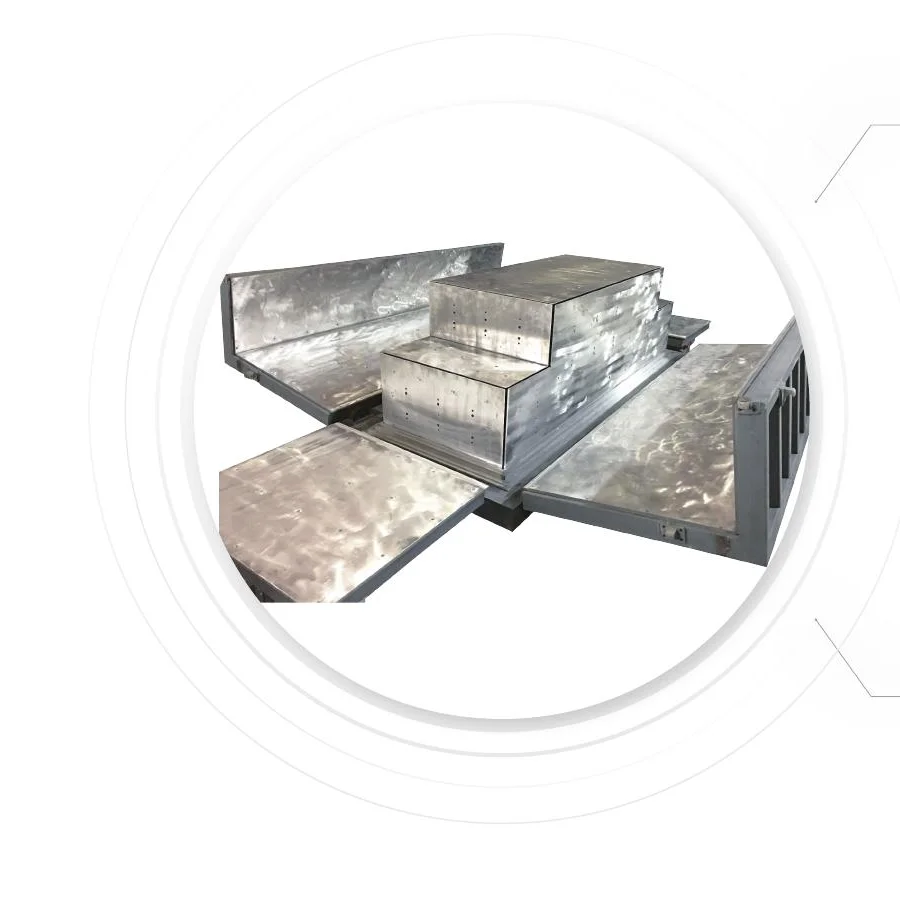
- Foaming mould for island freezer cabinets — cast aluminium, up to 2,600 × 1,100 × 1,100 mm, sized for long-cavity 1.2-3.0 m island formats
- Foaming mould for glass-door display/merchandiser cabinets — cast aluminium, up to 1,900 × 700 × 1,300 mm
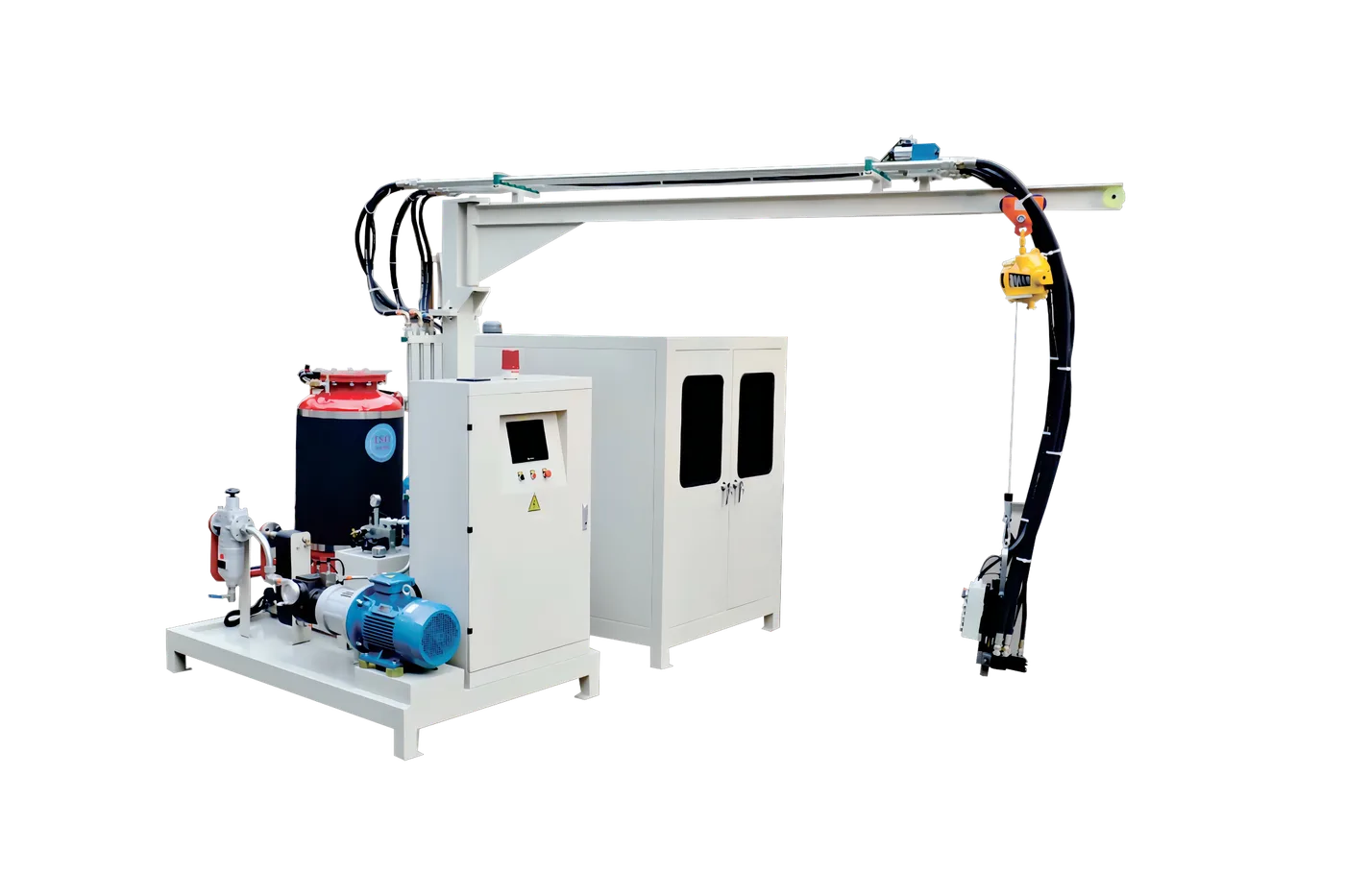
- High-pressure PU foaming machine — cyclopentane-ready, ATEX Zone 1, three sizes (500 / 1,500 / 3,000 g/s output) covering 500 to 8,000 cabinets/day depending on size selected
- Glass-door frame assembly jigs and heated anti-fog perimeter hardware (zoned wattage by destination climate)
- Automatic cabinet inversion tooling and LED merchandising light integration stations
- Condensing-unit and evaporator drop-in tooling
- Foam-density QA station and vacuum-decay leak-test rig
- Pull-down test rig to -40°C with multi-point interior sensors (for ENERGY STAR/Ecodesign pre-submission testing)
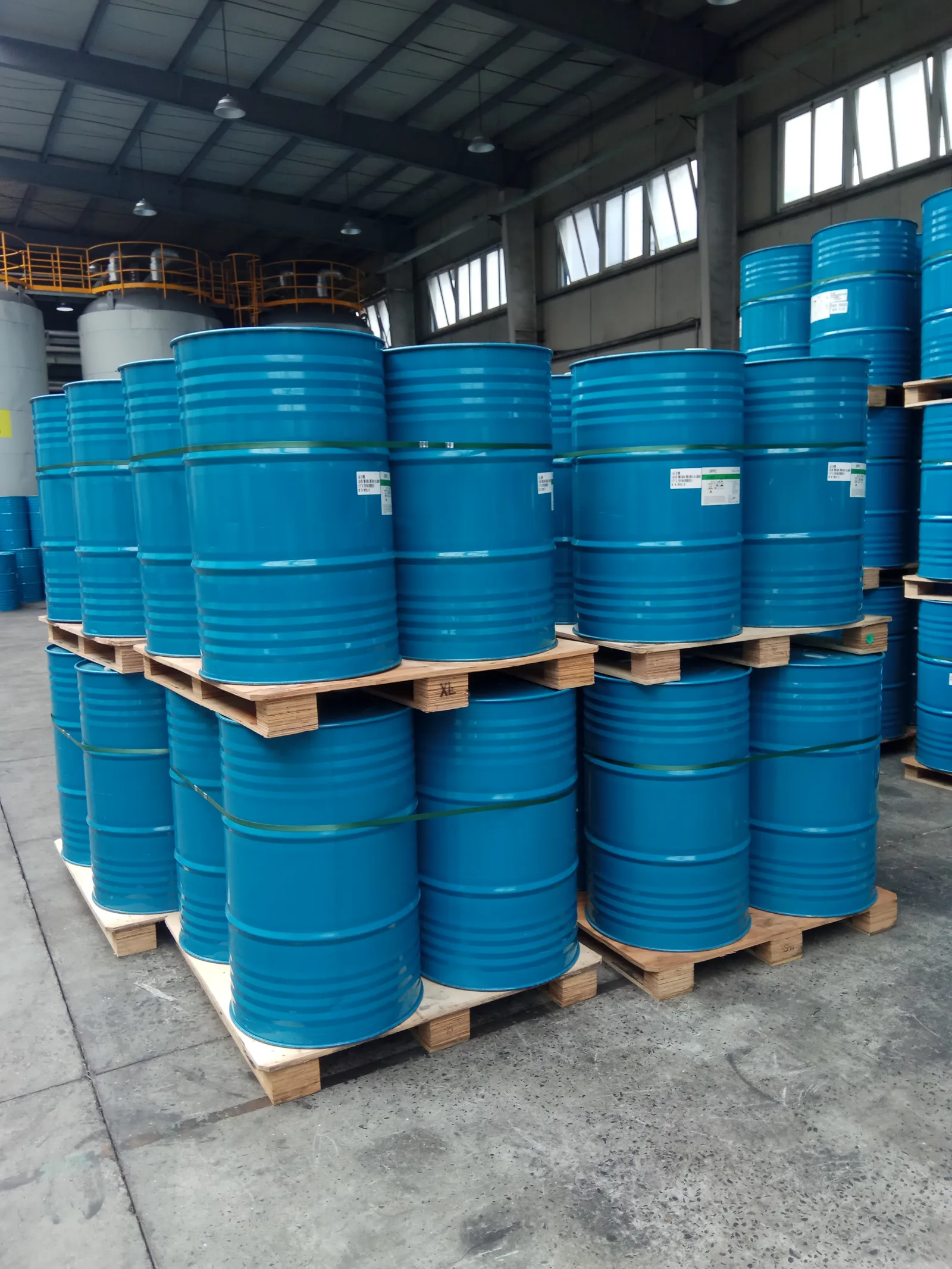
- PU raw materials — polyol/MDI system formulated for 38-42 kg/m³ commercial freezer foam density
- Hardware kit — high-cycle-rated hinges (200,000+ open-cycle profiles), reinforcement brackets, and island-freezer wire baskets
For lower-volume entry programs (roughly 50-150 island cabinets/shift), a pneumatic single-station island-freezer foaming machine is a lower-capex alternative to the full high-pressure system, air-cylinder clamped rather than hydraulic.
Production Line Layout
A commercial freezer line is laid out around format-changeover access rather than pure throughput speed when it's running mixed island and glass-door production: foaming station with quick-change mould fixture, cabinet inversion and cure-dwell buffer, glass-door frame and anti-fog hardware assembly (parallel to cabinet body assembly for dedicated glass-door runs), condensing-unit and evaporator integration, then a QA sequence — foam-density spot check, pull-down test, vacuum-decay leak test and electrical-safety check — before packing. A dedicated single-format line drops the changeover-access requirement and can be laid out purely for throughput.
PU Foaming Machine Selection Decision Tree
- What's your target daily output across all formats? Under 150 cabinets/shift → the pneumatic single-station specialty machine is the lower-capex entry point. 500-8,000 cabinets/day → the high-pressure system, sized (500 / 1,500 / 3,000 g/s output) to match your target tier.
- Are you running island and glass-door formats on the same line? Yes → confirm the mixing head and mould fixture base support quick-change tooling; the foaming machine and conveyor stay shared, only the mould changes.
- What blowing agent does your target market require? Cyclopentane is the default ATEX-rated configuration; the same high-pressure platform also runs HFC-245fa, HFO-1233zd or water-blown recipes if your destination market's refrigerant regulations require an alternative.
- What foam density does your cabinet spec call for? 38-42 kg/m³ is standard for -18°C to -26°C commercial freezer operation; confirm with your polyol system supplier if your program targets the -30°C ice-cream retail tier, which typically needs the top of that density range.
Raw Material Checklist
- Polyol system (sucrose/sorbitol/Mannich blend, refrigerator-grade, OH value 380-500 mg KOH/g) formulated for 38-42 kg/m³ commercial freezer density
- Polymeric MDI isocyanate matched to the high-pressure metering system's cycle time
- Refrigerant matched to destination market: R290 (2026 mainstream), R404A (legacy US), R448A/R449A (transitional HFO-blend)
- Anti-fog heated-perimeter strip hardware, wattage zoned by climate
- Glass panes: sliding-top curved, sliding-top flat, hinged upright, or double-glazed heated (condensation-prevention) depending on format
Staffing for a New Line
A single-format commercial freezer line at 300-800 units/shift typically runs 7-9 production and QA staff per shift: 2 foaming operators, 2-3 cabinet assembly technicians, 1-2 glass-door and anti-fog hardware technicians (mixed-format lines only), 1 dedicated QA technician running the pull-down and leak-test sequence, 1 packing/finishing technician, and 1 line supervisor. Under-staffing the QA role is the most common cause of a failed first certification submission, since a pull-down or leak-test failure isn't visible until a unit is already assembled.
After-Sales and Support Plan to Budget For
Budget for glass-door hardware recalibration cycles (anti-fog wattage drifts with heater-element aging), foaming-machine metering recalibration, mould maintenance scheduling that accounts for the higher changeover frequency of mixed-format lines, and a documented warranty-failure tracking protocol covering the three known failure clusters — hinge, gasket and glass-seal — so a rising failure rate on any one of them gets caught before it reaches the 3-4% range that erodes channel margin.
FAQ
FAQ
What's the minimum investment to enter commercial freezer production?
A single-format line at the lower end of the range — roughly 150 units/shift — starts around USD 900,000 for moulds, the PU foaming machine and basic QA stations. Building shell, utilities and working capital are additional. Below that scale, a pneumatic single-station foaming machine paired with one mould platform is the lower-capex entry point for programs under 150 cabinets/shift.
Do I need separate lines for island freezers and glass-door merchandisers?
Not necessarily. A quick-change mixed line can produce both formats on shared foaming, fixture and conveyor equipment, swapping only the cabinet and door mould, with a 60-90 minute changeover and a 25-30% throughput cost versus two dedicated lines. This works well up to roughly 3,000 combined units/day; above that, dedicated lines become more economical.
Why does 24/7 duty cycle change the equipment spec versus a household freezer line?
Commercial units run continuously on a retail floor rather than the intermittent duty cycle a household freezer sees, which means door hinges need a 200,000+ open-cycle rating, gaskets need heated frost-line protection, and glass-door units need per-unit leak testing. These aren't optional upgrades — they're the specific three failure points behind the 3-4% first-year warranty rate that untested commercial lines typically see.
What does adding glass-door merchandiser capability to an island-only line cost?
Roughly USD 350,000-550,000 for a 2,000-units/day line, covering the glass-pane alignment mould, anti-fog heated-perimeter hardware and wiring, and a leak-and-visibility verification station. Scoping this in from the start, rather than retrofitting after an island-only line is commissioned, avoids re-opening assembly-line integration work.
How long does a retail-chain tender program take from contract to first shipment?
Roughly 12 months. Mould and PU-machine manufacturing run 3-7 months from contract signing, largely in parallel with each other; sea freight and installation take another 3-4 months; commissioning and pre-certification testing run 2 months before acceptance. Certification testing itself runs on the manufacturer's track in parallel with equipment build, not after it.
Does the equipment supplier handle ENERGY STAR or EU Ecodesign certification?
No — those certifications are obtained by the manufacturer on the finished merchandiser unit. What the equipment supplier is responsible for is building the pull-down test rig and QA infrastructure into the line so trial units pass on first submission, which is what moves first-submission pass rate from roughly 50% to 90%+ in practice.
What foam density and refrigerant does a commercial freezer cabinet need?
38-42 kg/m³ foam density for standard -18°C to -26°C operation, higher within that range for the -30°C ice-cream retail tier. Refrigerant depends on destination market: R290 is the 2026 mainstream choice, R404A remains common in legacy US installations, and R448A/R449A serve as transitional HFO-blend options where R290 isn't yet permitted.
Can an existing beverage cooler or display cabinet line convert to commercial freezer production?
Partially. Cabinet assembly and QA infrastructure often carry over, but the foaming system typically needs to move to the higher-pressure, higher-density configuration commercial freezers require, and the mould platform is different — island and glass-door merchandiser cavities are larger and shaped differently than beverage cooler or display-cabinet moulds. This is closer to a mould and machine upgrade than a full new-line purchase.
What's the biggest reason retail-chain tender programs miss their submission date?
Submitting for ENERGY STAR or Ecodesign pull-down testing before the line is fully stable. A failed first submission from a still-commissioning line typically resets review timing at the certification body, which costs more schedule time than building an in-line pull-down test rig would have taken in the first place.
How many production and QA staff does a new commercial freezer line need?
7-9 people per shift for a single-format line at 300-800 units/shift: foaming operators, cabinet assembly technicians, a dedicated QA technician running pull-down and leak tests, a packing technician and a line supervisor. Mixed-format lines add 1-2 glass-door and anti-fog hardware technicians. Under-staffing the QA role is the most common root cause of a failed first certification submission.
Related engineering deep-dives
For the mould-selection reasoning behind island, glass-door and upright freezer formats, see our freezer mould selection guide. For the DOE and EU Ecodesign rule changes shaping the certification checklist above, see DOE and EU Ecodesign 2026 rules.
Ready to scope your commercial freezer or glass-door merchandiser line? Talk to our engineering team with your target format mix and retail-chain tender requirements — we reply with an equipment list, mould-platform recommendation and realistic timeline within three business days, or browse the commercial freezer production line solution page for the full cost-driver breakdown.
المنتجات المذكورة في هذا المقال
هل أنت مستعد للتخطيط لمشروع التبريد الخاص بك؟
شاركنا هدف الإنتاج ومزيج المنتجات — فريقنا الهندسي يرد بخطة طاقة إنتاجية وعرض أسعار خلال ثلاثة أيام عمل.
اطلب عرض أسعار هندسيمقالات ذات صلة
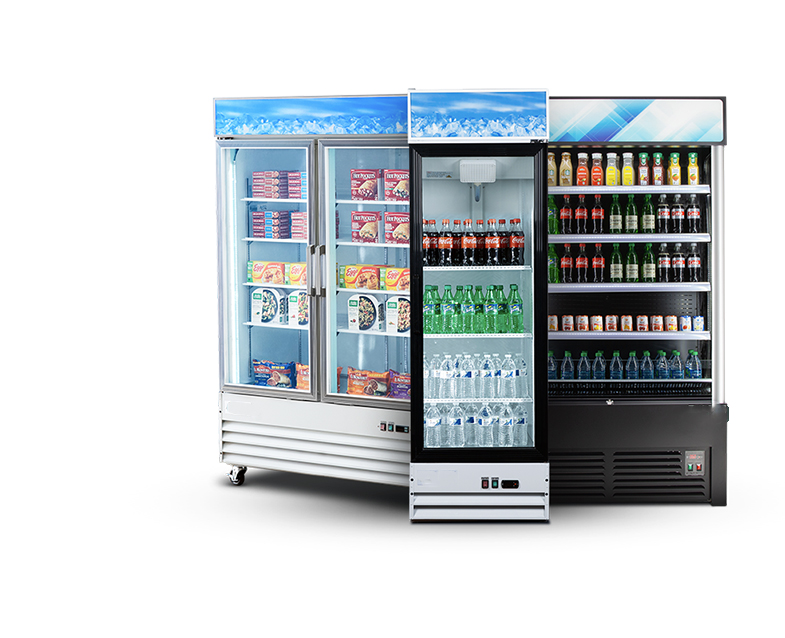
Beverage Cooler Production Line — Cost, Payback & Turnkey Setup (2026 Pillar Guide)
Investment tiers from a single-door entry line to a full bottler-program build, the payback math behind a 3,000-unit/day line, and the complete equipment list and certification checklist a beverage cooler OEM needs to go from contract to first shipment.
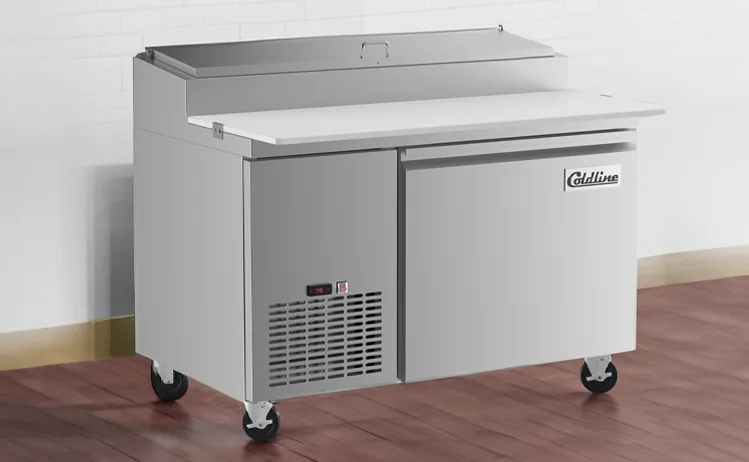
Chef Base Production Line: Cost, Break-Even & Turnkey Manufacturing (2026 Pillar Guide)
Investment tiers, the break-even math behind an 800-unit/day line, and the full equipment list and certification checklist a foodservice OEM needs to start chef base and refrigerated-counter production.
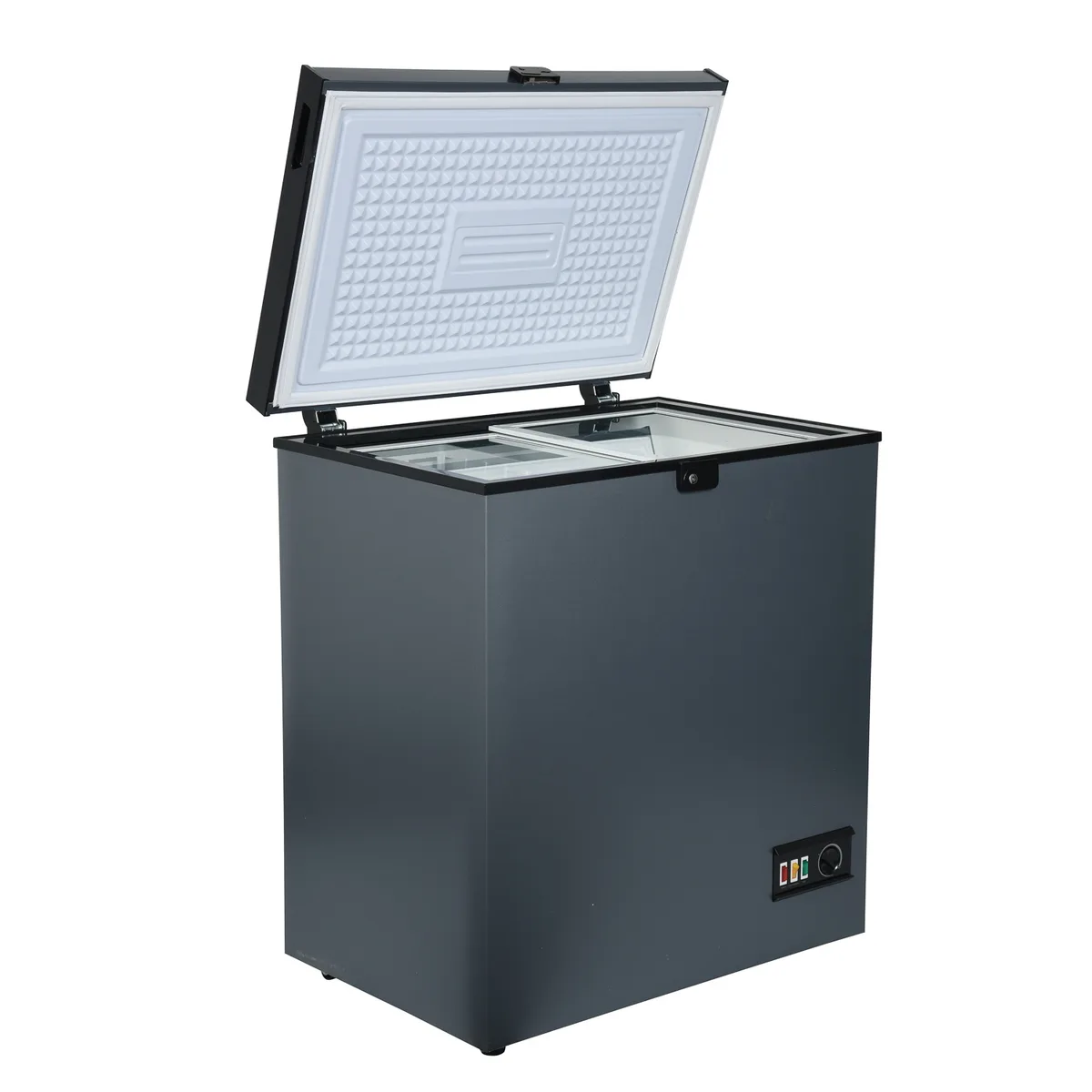
Chest Freezer Production Line — Cost, Capacity & Turnkey Factory Setup (2026 Pillar Guide)
Investment tiers from a 300-unit/day entry line to a 3,000-unit/day ultra-low-temperature build, the ATEX and Ecodesign pitfalls that stall first-time freezer OEMs, and the complete equipment list, mould selection logic and staffing plan needed to go from contract to first accepted cabinet.