
Ice Machine Production Line: Cost, ROI & Turnkey Assembly (2026 Guide)
The 8-step sequence to enter commercial ice machine manufacturing, three investment tiers from USD 600K to 2.5M, and the equipment list a turnkey line needs — tropical-spec foaming, cube/nugget/flake evaporator tooling and hard-water filtration included.
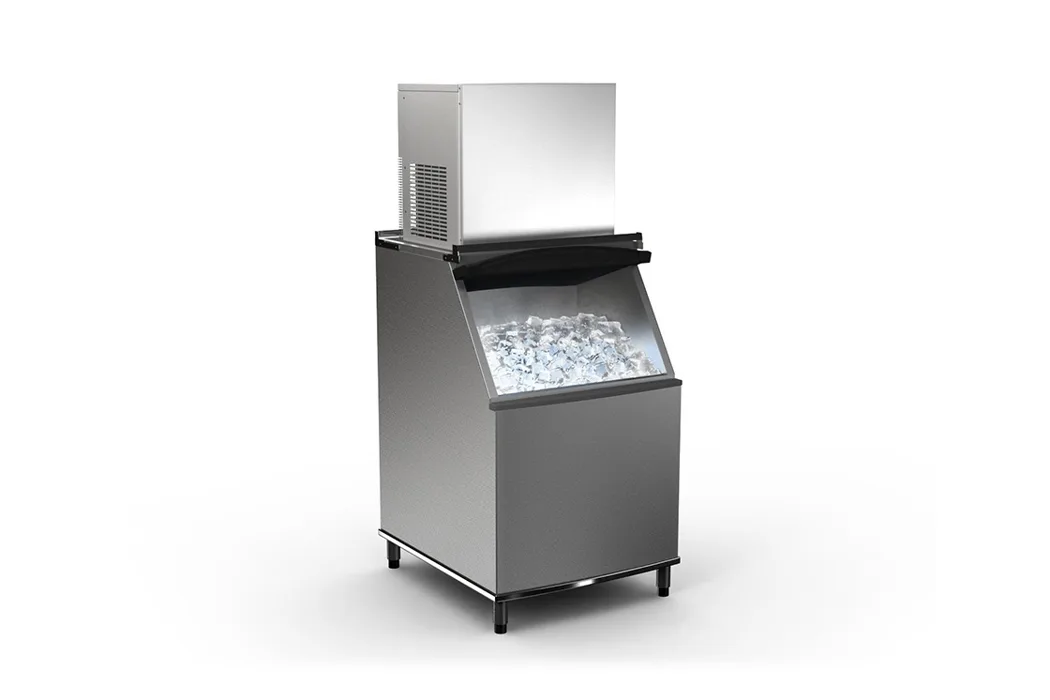
A commercial ice machine production line runs USD 600,000-2,500,000 across three entry tiers (100-1,000 units/shift), 6-8 months contract to first shipment, and needs high-pressure PU foaming rather than the low-pressure equipment premium cabinet categories use. The two decisions first-time entrants get wrong most often: tooling for cube ice only instead of the insert-based platform that also unlocks nugget and flake ice, and treating tropical-ambient and hard-water configuration as optional upgrades instead of baseline specs for Middle East, Latin America and Southeast Asia buyers.
A commercial ice machine production line is a high-throughput, insert-driven investment: USD 600,000-2,500,000 across three entry tiers producing 100-1,000 units/shift, 6-8 months contract to first shipment, built around high-pressure PU foaming rather than the low-pressure precision equipment premium cabinet categories run. Buyers who scope this project assuming one evaporator design serves every market consistently under-tool for two things that determine whether the line actually sells across HoReCa, seafood and medical channels: insert-based tooling that switches between cube, nugget and flake ice on the same cabinet platform, and ambient/water-hardness configuration that keeps rated output intact in the tropical, hard-water markets where most commercial ice demand actually sits.
First-time ice machine manufacturers, and existing refrigeration cabinet OEMs diversifying into commercial ice, need the same three pieces in sequence: market sizing and the 8-step setup path, the investment decision with real cost tiers, and the procurement detail — equipment list, line layout, and tooling strategy — to build the line.
Market Size and Why Ice Machine Manufacturing Is a Distinct Entry Point
HoReCa equipment OEMs, bar and QSR equipment brands, and commercial ice suppliers all depend on the same underlying product: a machine that holds rated ice output — 20 kg to 2,000 kg per 24 hours depending on the SKU — in ambient conditions a standard refrigeration line was never engineered for. That single requirement, holding output when the kitchen or plant room sits above 35°C, is what separates commercial ice machine manufacturing from general cabinet refrigeration as a market to enter.
Ice machine manufacturing is structurally different from refrigerator or freezer cabinet manufacturing as a market to enter:
- One cabinet platform, three ice-type revenue streams. Cube ice is the baseline SKU, but nugget ice (the Sonic-ice trend) retails 30-60% above cube-ice equivalents, and flake ice opens seafood and medical channels entirely separate from HoReCa. All three run on the same cabinet and compressor — only the evaporator insert changes.
- Tropical ambient is the normal operating condition, not the edge case. Standard 35 kg/m³ cabinet-panel foam density loses 20-30% of rated ice output once ambient climbs past 40°C — a routine condition in unconditioned Middle East and tropical Asia kitchens, not a stress-test scenario.
- Water quality is a supplier problem, not a buyer problem, if you get the tooling wrong. Hard-water markets (UAE, Saudi Arabia, India, Northern China) scale up evaporators inside 18 months without self-flushing tooling, and the service calls land on whoever built the machine.
Most new entrants underestimate how much of the addressable market sits outside cube-ice-only tooling. The 8-step sequence below is built around locking in the insert and ambient-configuration decisions before the cabinet mould is committed.
The 8-Step Sequence to Start an Ice Machine Production Line
- Define your ice-type and capacity matrix first, not your budget. Cube (standard), nugget (premium, Sonic-style) and flake (seafood/medical) each need their own evaporator insert on a shared cabinet — decide which of the three you're launching with before pricing anything.
- Decide your capacity split across the 20 kg-2,000 kg/24h range early. The cabinet base mould itself changes above roughly 500 kg/24h, moving from a home/light-commercial platform to a heavy-commercial platform — this is a tooling decision, not a compressor upsize.
- Set your target ambient spec. If any meaningful share of shipments goes to the Middle East, Latin America or tropical Asia, spec tropical-grade foaming (42-50 kg/m³ density) from day one rather than retrofitting after field complaints.
- Spec your water-system tooling against target market water hardness. Hard-water territories need self-flushing, anti-scale water-system tooling built into the line, not added as a service-department fix later.
- Choose high-pressure PU foaming over low-pressure. Commercial ice machine cabinets run at the throughput end of the foaming-line spectrum (100-1,000 units/shift), where high-pressure equipment is the standard call — see our high-pressure vs low-pressure PU foaming machine comparison for the underlying trade-off.
- Scope evaporator insert tooling against your channel strategy. Nugget and flake inserts are incremental tooling on the same cabinet, not separate production lines — decide now which channels you're serving so the mould order covers them.
- Build ambient-stress testing into your QA plan from the start. Rated-capacity verification at both 21°C and 35°C ambient — not just factory-standard conditions — is what catches an under-specified condenser before it reaches a customer's kitchen.
- Plan your certification path in parallel with tooling. NSF/ANSI 12 (automatic ice-making equipment) and UL 563 (ice makers) govern US market entry; CE and WRAS apply for EU/UK; refrigerant handling and technician certification fall under destination-market rules.
Three Pitfalls That Delay First Shipment
- Tooling cube-ice only and leaving nugget/flake revenue on the table. Both are incremental insert tooling on the cabinet you're already building — skipping them at the mould stage means a second tooling run later to capture premium HoReCa or seafood/medical channels.
- Treating tropical-ambient configuration as an optional upgrade. A line sold into the Middle East, Latin America or tropical Asia at standard 35 kg/m³ density routinely loses 20-30% of rated output once summer ambient clears 40°C — the field complaints arrive months after the tooling decision that caused them.
- Skipping self-flushing water tooling to save on the initial quote. Scale build-up in hard-water markets typically shows up around 18 months, by which point the fix is a service-department problem instead of a mould-stage spec decision.
Reference Configuration — Multi-Ice-Type Entry Line
The following is a typical capability profile for a first-time ice machine manufacturing line, not a specific client result: a manufacturer entering with cube and nugget evaporator inserts on a single home/light-commercial cabinet platform, targeting 500 units/day for HoReCa and bar/QSR channels. Tooling covers one cabinet mould with two evaporator insert sets from a single contract, and high-pressure foaming holds output through standard ambient conditions. This configuration sits inside the middle tier of the three-tier range below — see the ice machine production line solution page for the full cost-driver breakdown behind numbers like these. A comparable real-world scale point: a Türkiye-based HoReCa equipment brand we equipped in 2023 scaled to 800 ice machines/day on a tropical-climate foaming configuration that holds output above 43°C ambient — see our case studies for the full regional case index.
Certification Checklist — What Has to Be in Place Before You Can Sell
- NSF/ANSI 12 — Automatic Ice Making Equipment, the US sanitation and food-contact material standard specific to ice makers.
- UL 563 — Ice Makers, the North American electrical and mechanical safety standard.
- CE marking on the machine's electrical and refrigeration system for EU market entry.
- WRAS approval — required in the UK and relevant EU markets for the water-contact fittings in self-flushing, hard-water-spec machines.
- Refrigerant handling on compressor-based units falls under destination-market rules such as the US EPA's Section 608 program governing refrigerant handling and technician certification; blowing agents used in the PU foam cabinet wall are separately regulated — see the EPA SNAP program substitute list for current approved foam blowing agents.
Decision: Which Entry Tier Should You Build?
One-line answer: if you're entering with cube ice only for a defined HoReCa or bar/QSR channel, start at Tier 1 (USD 600K-950K); if you want to serve HoReCa plus a premium nugget-ice or seafood/medical flake-ice channel from the same plant, Tier 2 (USD 950K-1.6M) is the standard first build — this is also where our published 500-unit/day reference line sits; Tier 3 (USD 1.6M-2.5M) is for manufacturers committing to the full 20 kg-2,000 kg/24h range across two mould platforms plus tropical and hard-water configuration from day one.
Three-Tier Investment Comparison
| Tier | Mould platform & inserts | Target output | Investment | Best for |
|---|---|---|---|---|
| Tier 1 — Entry | 1 platform, cube-ice insert only, up to 500 kg/24h | 100-300 units/shift | USD 600K-950K | Single-SKU launch into a defined HoReCa or bar/QSR channel |
| Tier 2 — Multi-Ice-Type | 1 platform + nugget and/or flake inserts | 300-600 units/shift | USD 950K-1.6M | HoReCa plus premium nugget or seafood/medical flake channel |
| Tier 3 — Full range | 2 platforms (home/light + heavy-commercial), cube+nugget+flake, tropical + hard-water spec | 600-1,000 units/shift | USD 1.6M-2.5M | Full 20 kg-2,000 kg/24h range across multiple export regions |
Payback Period — How Fast the Line Recovers Its Investment
ROI on a HoReCa-targeted ice machine line typically runs 18-30 months. The two levers that move that timeline faster than raw output volume: mixing in nugget-ice SKUs, which retail 30-60% above cube-ice equivalents for the same evaporator platform and a modest 80,000-140,000 incremental tooling cost, and specifying self-flushing water tooling up front in hard-water target markets — field data shows service-call rates fall from an industry 8% to 1.2% after 18 months when anti-scale tooling is built in from commissioning rather than retrofitted, which keeps warranty and service costs from eroding the payback window.
Hidden Costs First-Time Entrants Miss
- Refrigeration package sourcing lead time — 60-90 days, and it needs to run in parallel with mould fabrication, not after it, or it becomes the critical path to first shipment.
- Self-flushing, anti-scale water-system tooling — USD 60,000-110,000 incremental if hard-water markets are in scope. Budget it as a mould-stage spec decision, not an ongoing service-department cost.
- Evaporator insert tooling for TAM expansion — nugget (USD 80,000-140,000) and flake (USD 100,000-160,000) inserts are cheap relative to a second production line, but only if decided before the initial mould order, not after.
- Tropical-spec foaming — 42-50 kg/m³ density instead of standard 35 kg/m³ if any meaningful volume ships to hot-ambient markets. Re-formulating and re-tooling after commissioning costs far more than specifying it into the initial mould and PU recipe.
Delivery Timeline — Contract to First Shipment
Roughly 6-8 months contract to first shipment: Week 1-2 inquiry and ice-type targeting; Week 2-4 detailed proposal with evaporator-insert strategy and a 16-line BOM; Week 4-6 contract and cabinet-plus-evaporator design freeze (30% down payment); Month 2-5 mould and evaporator insert fabrication running in parallel with refrigeration package sourcing (cabinet moulds around 45 days, each evaporator insert 30-60 days, refrigeration package 60-90 days); Month 5-7 sea freight (3-4 × 40' containers) and on-site installation, with water supply and drainage commissioning as the critical path item; Month 7-8 commissioning and ambient-stress testing at both 21°C and 35°C, with acceptance signed once 20 consecutive units pass rated-capacity spec and 60% payment due at that point.
Procurement: What the Production Line Actually Needs
Full Equipment List
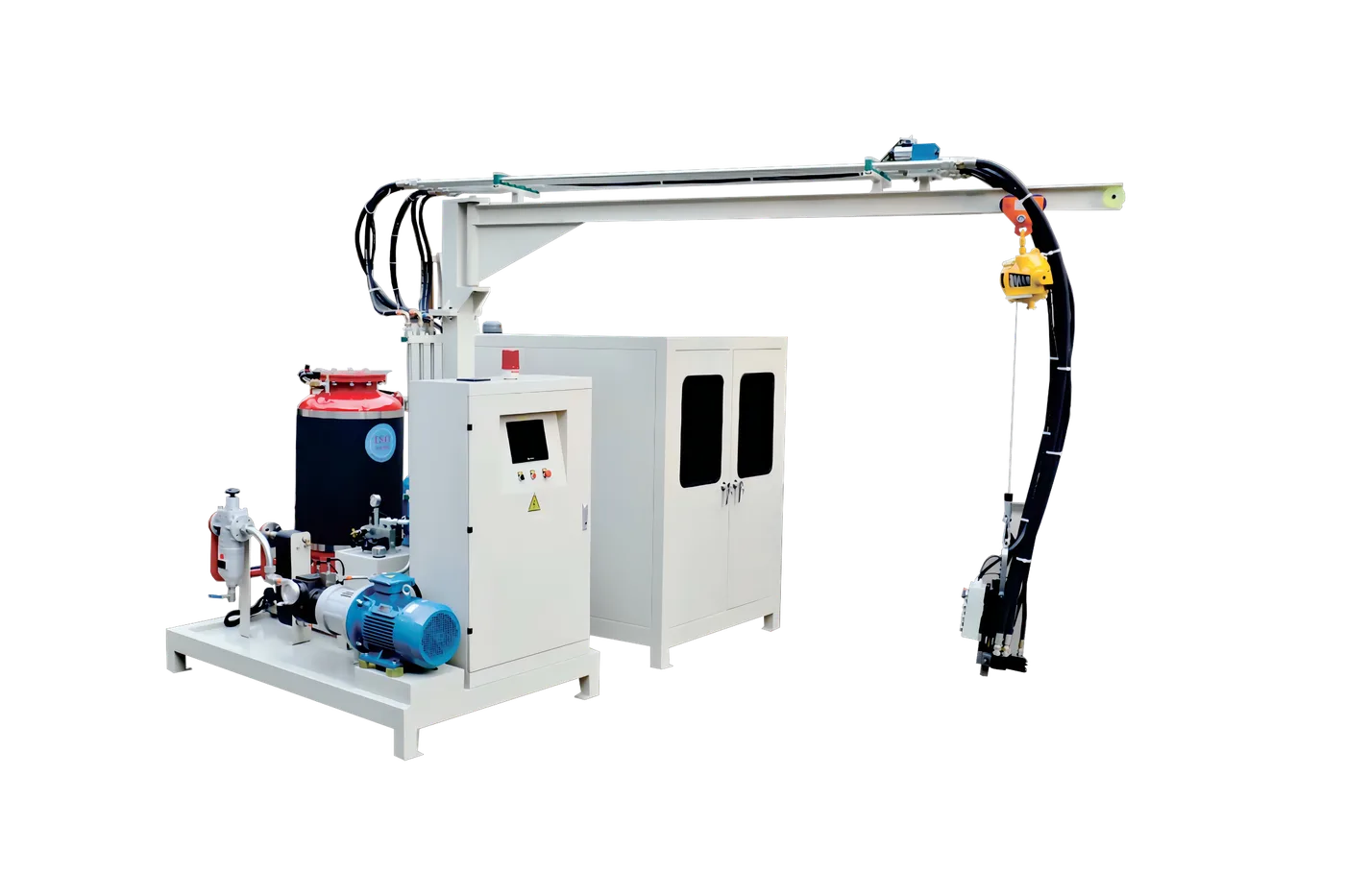
- High-pressure PU foaming machine for cabinet and evaporator-pocket insulation
- Cabinet body mould with interchangeable evaporator insert tooling — cube (standard), nugget and flake insert sets on the same platform
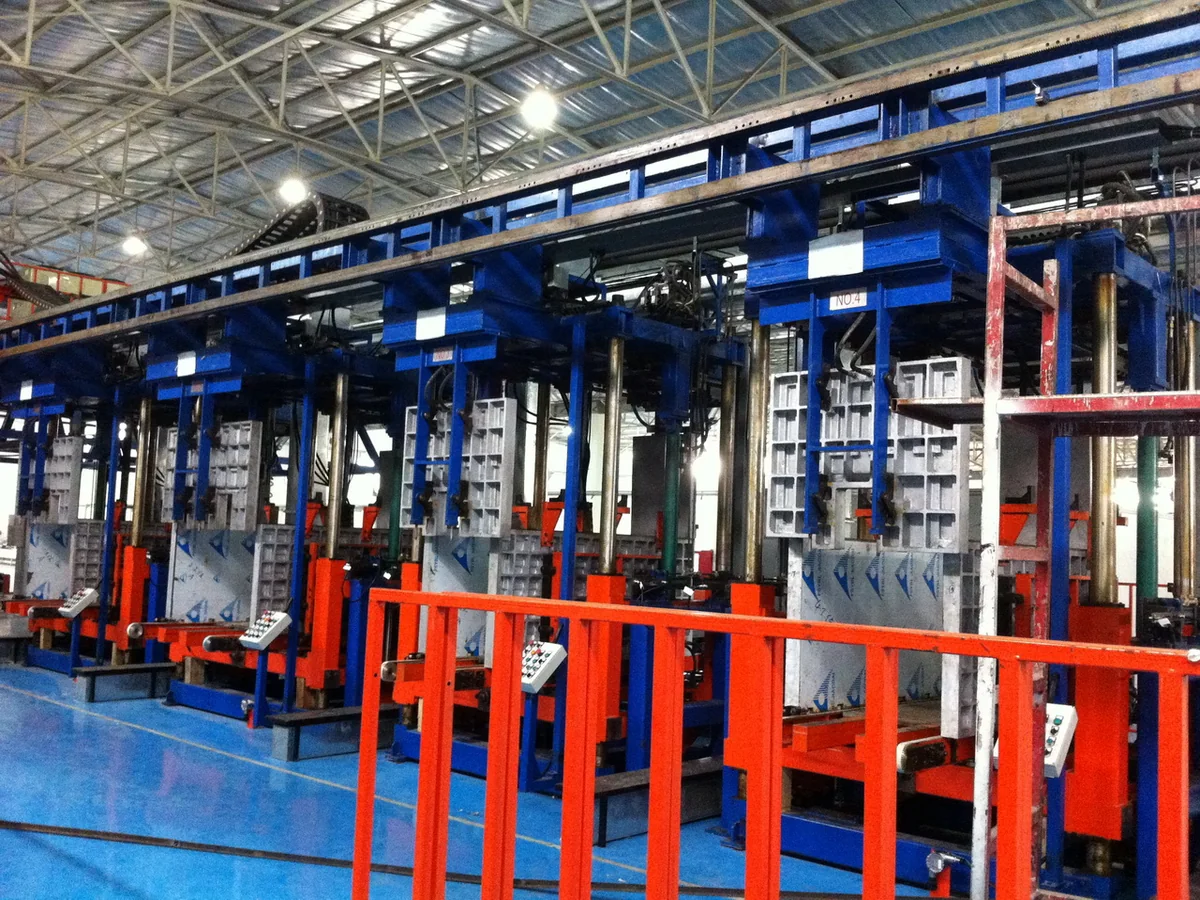
- Linear PU production line for assembly-conveyor integration
- Compressor mounting and refrigeration charging station, sized per capacity tier
- Self-flushing, anti-scale water-system tooling (10 µm filtration + softener + UV stage) for hard-water target markets — sourced through our hardware and accessories line
- Ambient-stress test station rated for both 21°C and 35°C verification
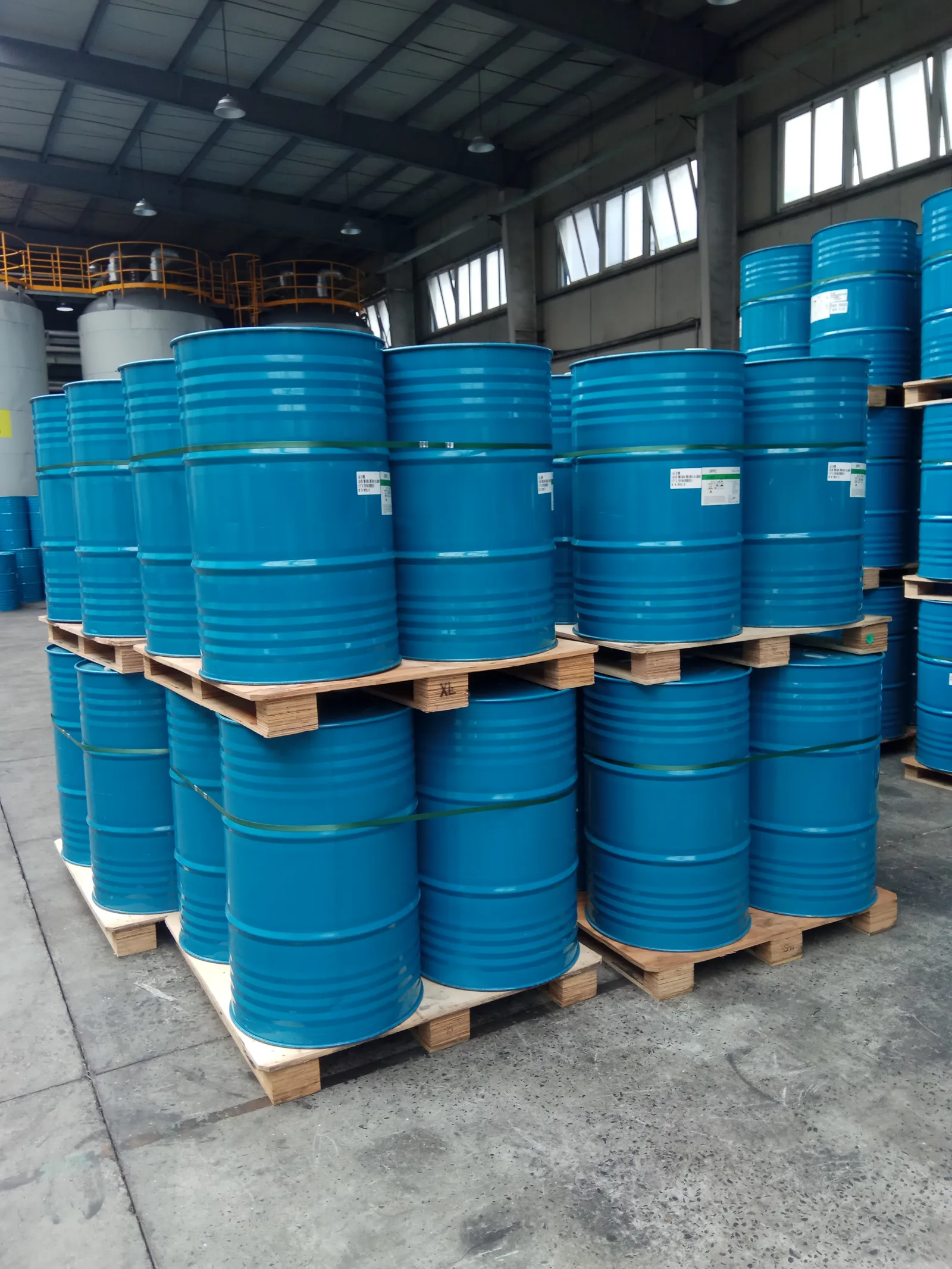
- PU raw materials formulated for tropical-spec 42-50 kg/m³ density where export markets require it
Production Line Layout
An ice machine line is laid out around insert-based flexibility rather than a single fixed product: foaming station (cabinet and evaporator-pocket insulation), cure-dwell buffer, cabinet assembly with the selected evaporator insert (cube, nugget or flake) and compressor installation, water-system plumbing and self-flushing fitting assembly, refrigeration charging, then final QA — ambient-stress rated-capacity check, water-tightness test, dimensional check — before packing. A Tier 3 two-platform line needs proportionally more insert-changeover buffering across SKUs, not more foaming stations.
Line & Tooling Configuration Decision Tree
- Is your target ambient environment above 35°C for meaningful parts of the year (Middle East, Latin America, tropical Asia)? → Configure tropical-spec foaming (42-50 kg/m³ density) plus a tropicalized condenser. Standard 35 kg/m³ density loses 20-30% of rated output above 40°C ambient.
- Do you need to serve HoReCa, seafood and medical/lab segments from one plant? → Tool nugget (USD 80,000-140,000) and flake (USD 100,000-160,000) evaporator inserts from day one rather than cube-only — same cabinet and compressor platform, only the insert changes.
- Is your target market water hardness high (UAE, Saudi Arabia, India, Northern China)? → Add self-flushing, anti-scale water-system tooling (USD 60,000-110,000 incremental) — cuts field service-call rates from an industry 8% to 1.2% after 18 months.
- Will you need both under-500 kg/24h and over-500 kg/24h capacity SKUs? → Plan for two mould platforms from the outset. The cabinet base mould changes above roughly 500 kg/24h — it is not a compressor-only upsize.
Raw Material Checklist
- Polyol system formulated for 42-50 kg/m³ tropical-spec density where export ambient requires it, against a 35 kg/m³ standard baseline
- Isocyanate matched to the high-pressure metering system's cycle time
- 304/316 stainless cabinet hardware stock for healthcare and seafood-spec SKUs
- Self-flushing, anti-scale water-system components (10 µm filtration, softener and UV media)
Staffing for a New Line
A Tier 1-2 line (100-600 units/shift) typically runs 6-8 production and QA staff per shift: 1-2 foaming operators, 2-3 cabinet assembly and evaporator-insert technicians, 1 dedicated QA technician (ambient-stress rated-capacity checks, water-tightness testing), 1 refrigeration-charging and commissioning technician, and 1 line supervisor. Under-staffing the QA role is the most common cause of downstream field failures, since an ambient-output shortfall or a water-system scale problem is not visible until the machine is running in a customer's kitchen or plant room months later.
After-Sales and Support Plan to Budget For
Budget for evaporator-insert mould maintenance across SKUs, foaming-machine metering recalibration, and a documented water-filtration and anti-scale re-test protocol for ongoing production QA — not just factory-acceptance testing done at commissioning. In hard-water target markets, the self-flushing tooling spec decision made at commissioning is what keeps the 1.2% field service-call rate from drifting back toward the 8% industry baseline over the machine's service life.
FAQ
FAQ
How much capital do I need to start an ice machine production line?
Entry-tier (single platform, cube ice only, up to 500 kg/24h) needs USD 600,000-950,000. A multi-ice-type Tier 2 line (adds nugget and/or flake inserts) needs USD 950,000-1.6M. A full-range Tier 3 line (two mould platforms, tropical and hard-water spec) needs USD 1.6M-2.5M. Building shell, utilities and working capital are additional.
What's the difference between a home/light-commercial and a heavy-commercial ice machine mould platform?
The cabinet base mould itself changes above roughly 500 kg/24h — it is a different mould, not simply a larger compressor on the same cabinet. Covering the full 20 kg-2,000 kg/24h range needs two mould platforms: one for home/light-commercial output, one for heavy-commercial.
How long does it take from contract to first shipment?
6-8 months. Mould and evaporator insert fabrication runs in parallel with refrigeration package sourcing (60-90 days) to keep that from becoming the critical path; sea freight and on-site installation typically add 6-8 weeks before commissioning.
Can one production line make cube, nugget and flake ice?
Yes. All three run on the same cabinet and compressor platform — only the evaporator insert changes. Nugget tooling is USD 80,000-140,000 incremental and flake tooling is USD 100,000-160,000 incremental over standard cube-ice tooling.
What ambient configuration does an ice machine line need for Middle East or Latin America markets?
Tropical-spec foaming at 42-50 kg/m³ density (against a 35 kg/m³ standard), a tropicalized condenser (R134a or R290) and reinforced cabinet insulation. Standard-density machines lose 20-30% of rated output once ambient clears 40°C; correctly configured tropical-spec machines hold 88-92% of rated capacity at 35°C ambient.
How do you prevent scale build-up in hard-water markets?
Self-flushing, anti-scale water-system tooling — 10 µm filtration plus softener plus UV stage, calibrated to target market water hardness — built into the line at commissioning rather than retrofitted. Field data shows this drops service-call rates from an industry 8% to 1.2% after 18 months in hard-water markets including the Middle East and the US Midwest.
What certifications does a commercial ice machine need?
NSF/ANSI 12 (automatic ice-making equipment) and UL 563 (ice makers) for US market entry, CE marking for the EU, and WRAS approval for UK/EU water-contact fittings on self-flushing SKUs. Refrigerant handling on compressor-based units falls under destination-market rules such as the US EPA's Section 608 program.
What's the typical ROI for a HoReCa-targeted ice machine line?
18-30 months. Mixing in nugget-ice SKUs (30-60% retail premium over cube-ice equivalents) and specifying self-flushing tooling up front in hard-water markets are the two levers that move payback faster than raw output volume alone.
Do you supply flake-ice tooling for seafood or medical applications?
Yes. Flake-ice evaporator tooling (USD 100,000-160,000 incremental) supports seafood preservation markets including Norway, Chile and Vietnam, plus medical applications such as organ transport and lab cooling. It runs on the same cabinet and refrigeration package as cube ice — only the evaporator changes.
Can an existing refrigerator or freezer cabinet OEM convert a line to ice machine production?
Partially. High-pressure PU foaming infrastructure and general cabinet-assembly workflow carry over, but ice machine production needs its own evaporator insert tooling (cube/nugget/flake), a dedicated water-system plumbing and filtration station, and ambient-stress test capability that a standard refrigerator line does not build in by default — closer to an added tooling and test-station investment than a straight conversion.
Related engineering deep-dives
For the machine-class reasoning behind why ice machine lines run high-pressure rather than low-pressure PU foaming equipment, see High-Pressure vs Low-Pressure PU Foaming Machine, which covers the throughput and thermal-tolerance trade-off behind that choice. For a real scale reference, our case studies include a Türkiye-based HoReCa equipment brand that scaled to 800 ice machines/day on a tropical-climate foaming configuration.
Ready to scope your ice machine production line? Talk to our engineering team with your target ice-type mix and ambient/water-hardness market spec — we reply with an equipment list, mould-platform recommendation and realistic timeline within three business days, or browse the ice machine production line solution page for the full cost-driver breakdown.
المنتجات المذكورة في هذا المقال
هل أنت مستعد للتخطيط لمشروع التبريد الخاص بك؟
شاركنا هدف الإنتاج ومزيج المنتجات — فريقنا الهندسي يرد بخطة طاقة إنتاجية وعرض أسعار خلال ثلاثة أيام عمل.
اطلب عرض أسعار هندسيمقالات ذات صلة
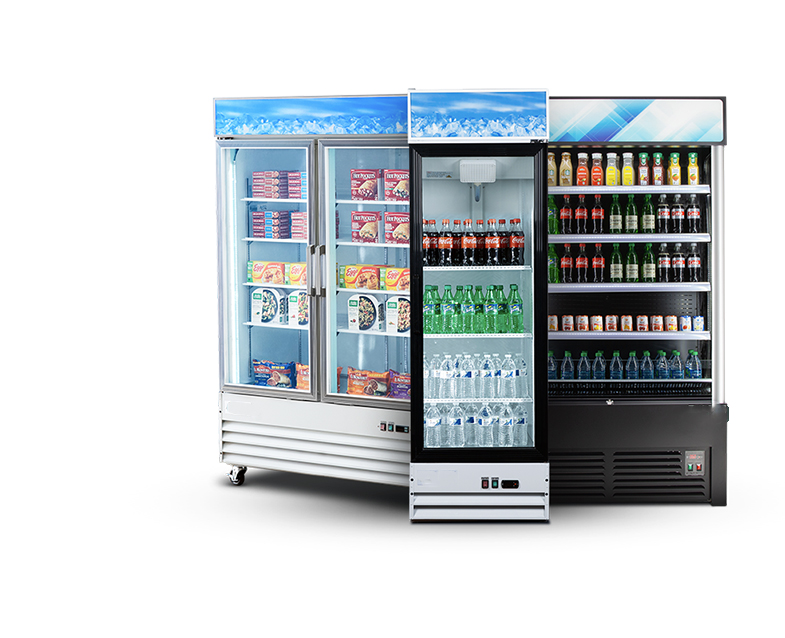
Beverage Cooler Production Line — Cost, Payback & Turnkey Setup (2026 Pillar Guide)
Investment tiers from a single-door entry line to a full bottler-program build, the payback math behind a 3,000-unit/day line, and the complete equipment list and certification checklist a beverage cooler OEM needs to go from contract to first shipment.
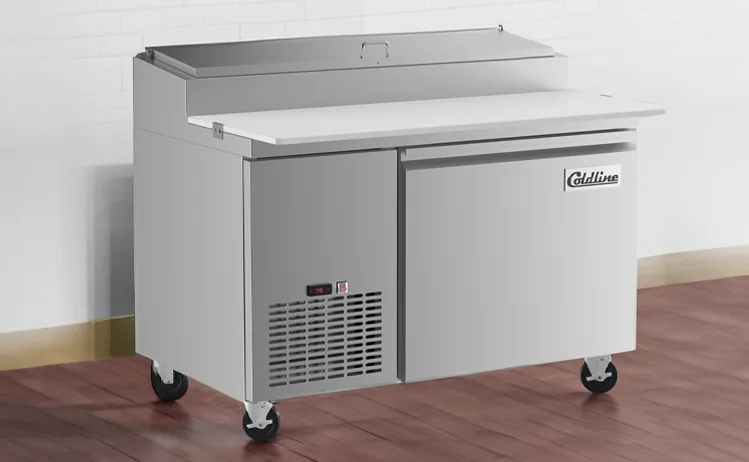
Chef Base Production Line: Cost, Break-Even & Turnkey Manufacturing (2026 Pillar Guide)
Investment tiers, the break-even math behind an 800-unit/day line, and the full equipment list and certification checklist a foodservice OEM needs to start chef base and refrigerated-counter production.
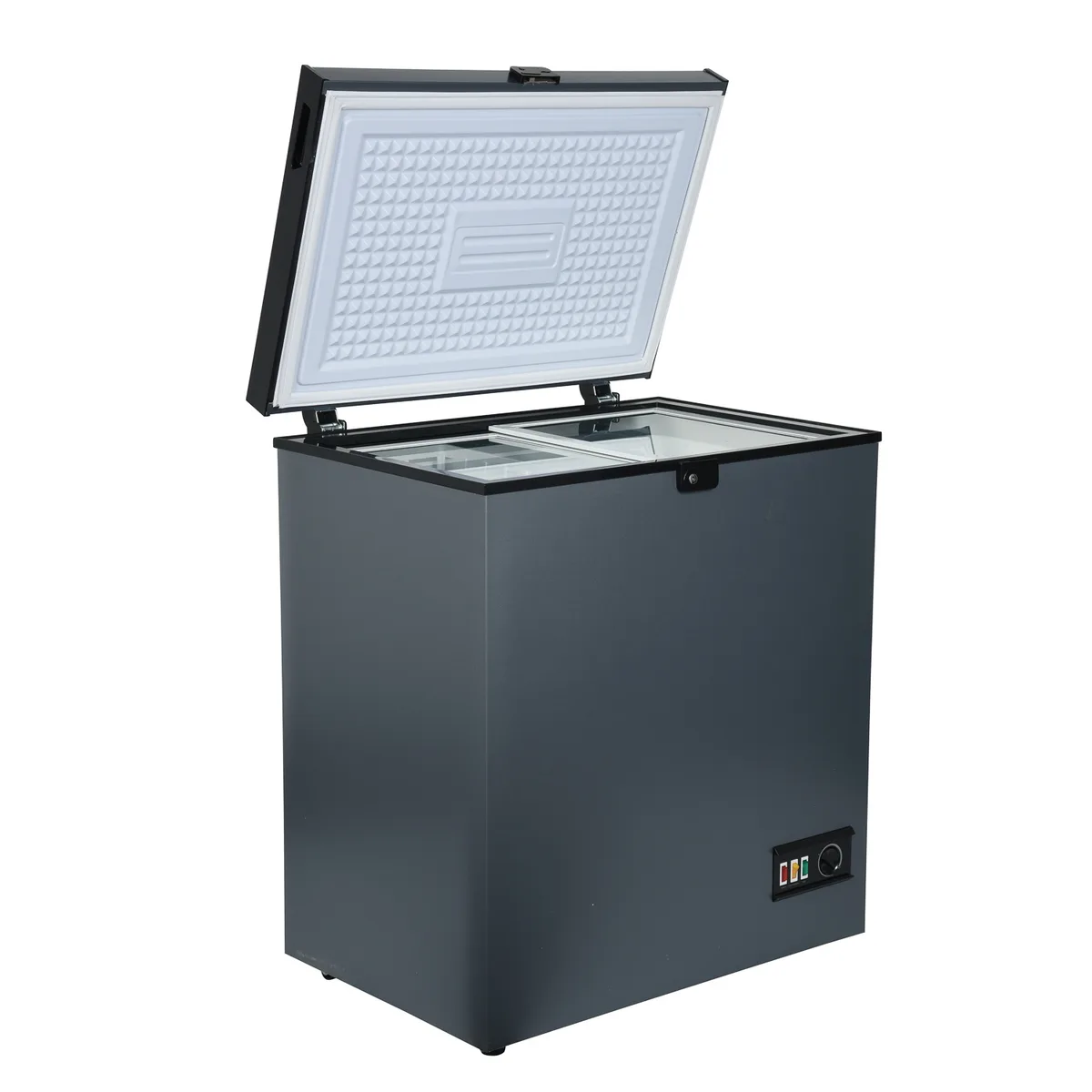
Chest Freezer Production Line — Cost, Capacity & Turnkey Factory Setup (2026 Pillar Guide)
Investment tiers from a 300-unit/day entry line to a 3,000-unit/day ultra-low-temperature build, the ATEX and Ecodesign pitfalls that stall first-time freezer OEMs, and the complete equipment list, mould selection logic and staffing plan needed to go from contract to first accepted cabinet.