
High-Pressure vs Low-Pressure PU Foaming Machine — Which One Does Your Factory Need?
Same chemicals, very different machines. We break down pressure, output, foam quality and investment so you can pick the right PU foaming machine for your line.
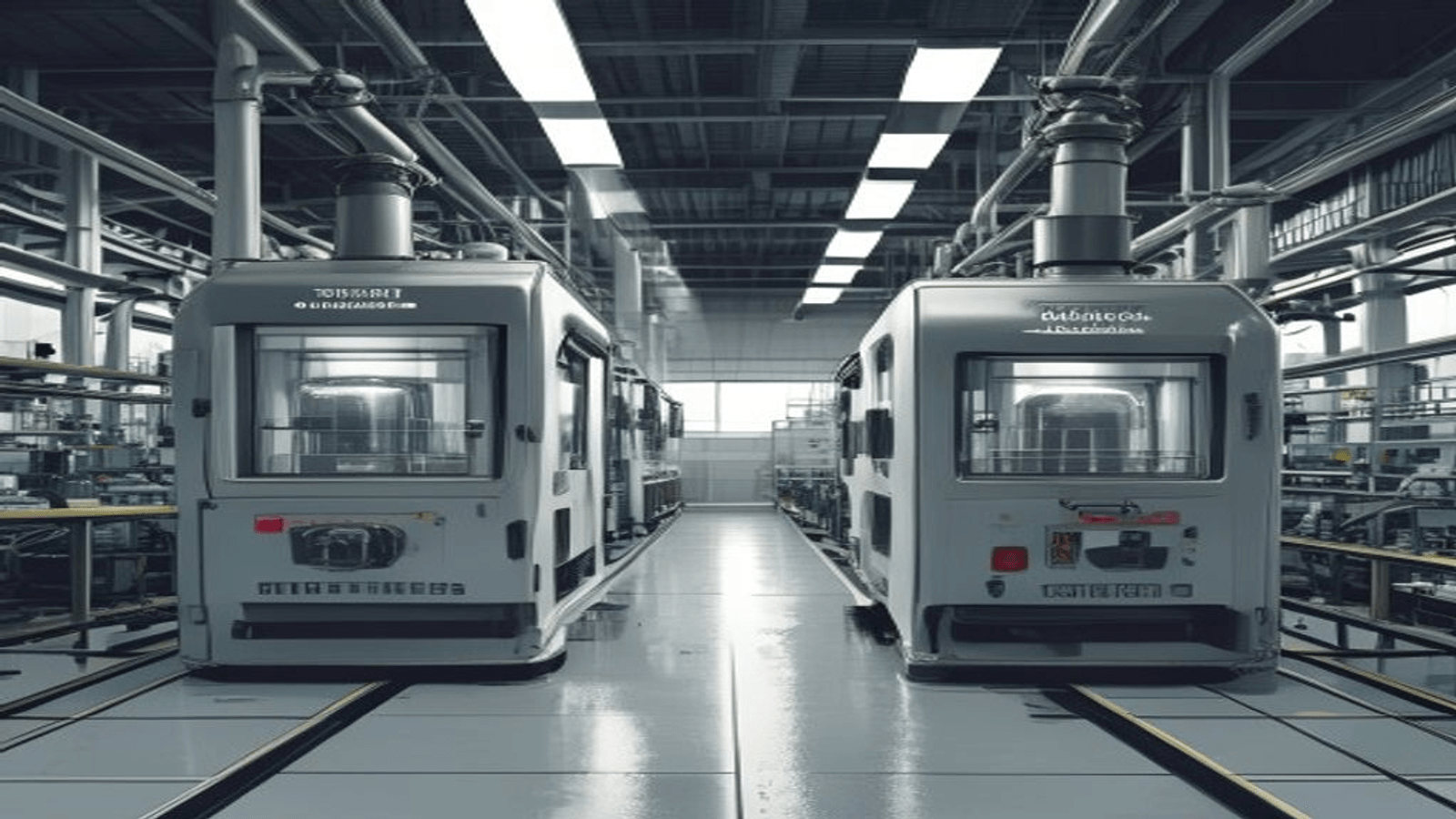
High-pressure (100–200 bar, USD 80K–350K) delivers superior cell uniformity and solvent-free operation for 200–10,000 units/day. Low-pressure (10–30 bar, USD 15K–40K) wins on flexibility and capex for small-volume lines under 500 units/day. Many factories run both.
The core question every factory buyer asks
When a refrigerator or freezer factory starts specifying its PU foaming line, the first fork in the road is always the same: high-pressure or low-pressure? The two machine types inject the same base chemicals — polyol and isocyanate — but at radically different pressures, flow rates and price points. Choosing wrong means either overspending on equipment you do not need, or under-investing and struggling with foam quality for years.
This guide walks through the engineering differences, compares real-world performance, and gives you a practical decision framework based on what we see across 1,800+ projects in 40+ countries.
How a high-pressure PU foaming machine works
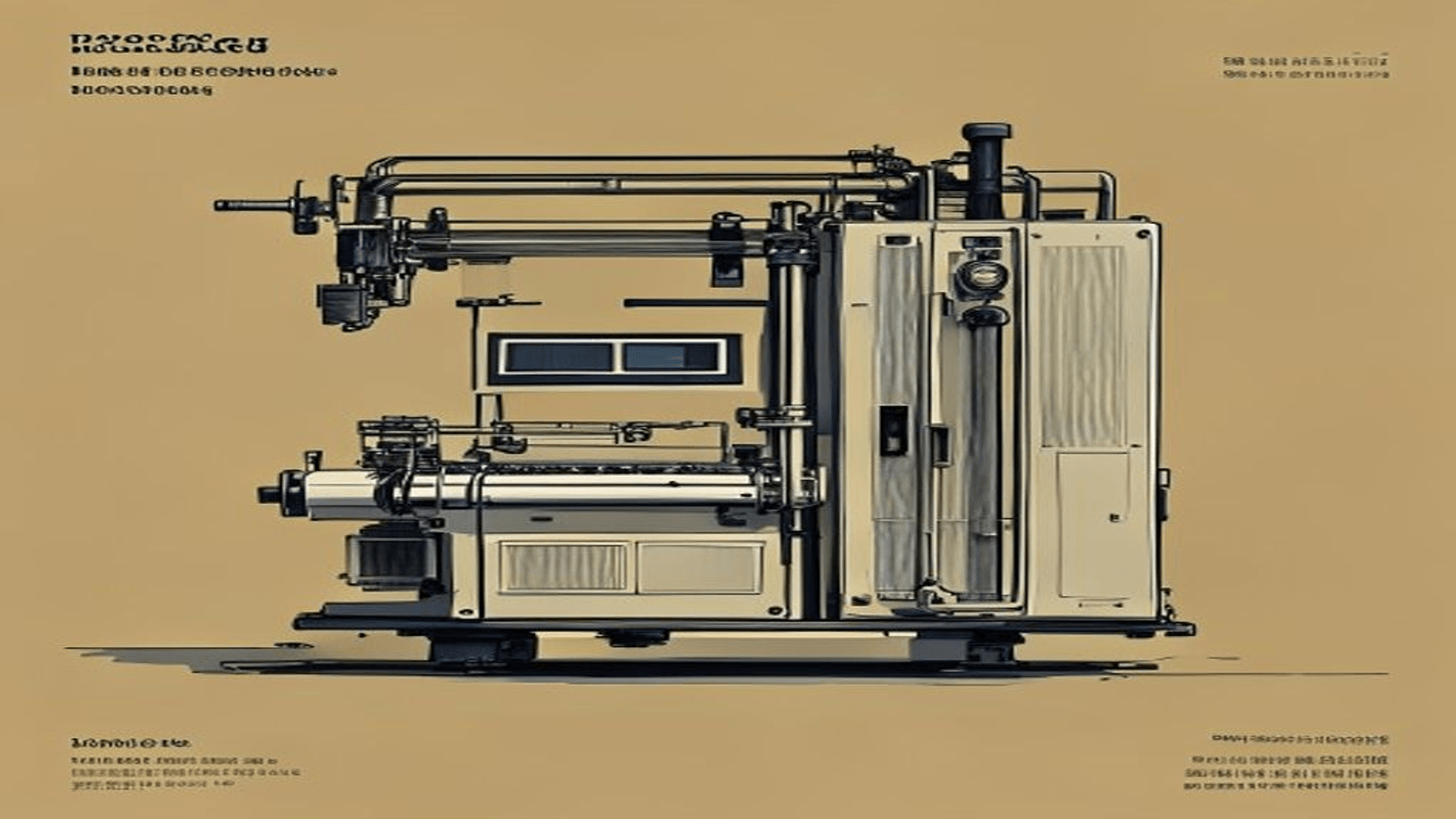
A high-pressure PU foaming machine mixes polyol and isocyanate at 100–200 bar inside a small impingement mixing head. The two streams collide at very high velocity, creating a homogeneous mix without any mechanical stirrer. This is called impingement mixing.
- Output range: 100–1,500 g/s — enough for large refrigerator cabinets, chest freezers and cold room panels.
- Component count: 2, 3 or 4 component systems. The 3rd component is often cyclopentane (a blowing agent regulated under the US EPA SNAP program); the 4th can be a colour or additive stream.
- Mix quality: Because mixing happens at molecular level via kinetic energy, the foam cell structure is extremely uniform — typically 0.15–0.25 mm cell diameter.
- Self-cleaning: The mixing head is cleaned by a hydraulic piston after every shot. No solvent flush required, which means near-zero waste and no solvent emissions.
- Cycle time: Injection itself takes 3–15 seconds for a standard refrigerator cabinet. Total cycle including close/open is governed by the foaming mould.
How a low-pressure PU foaming machine works
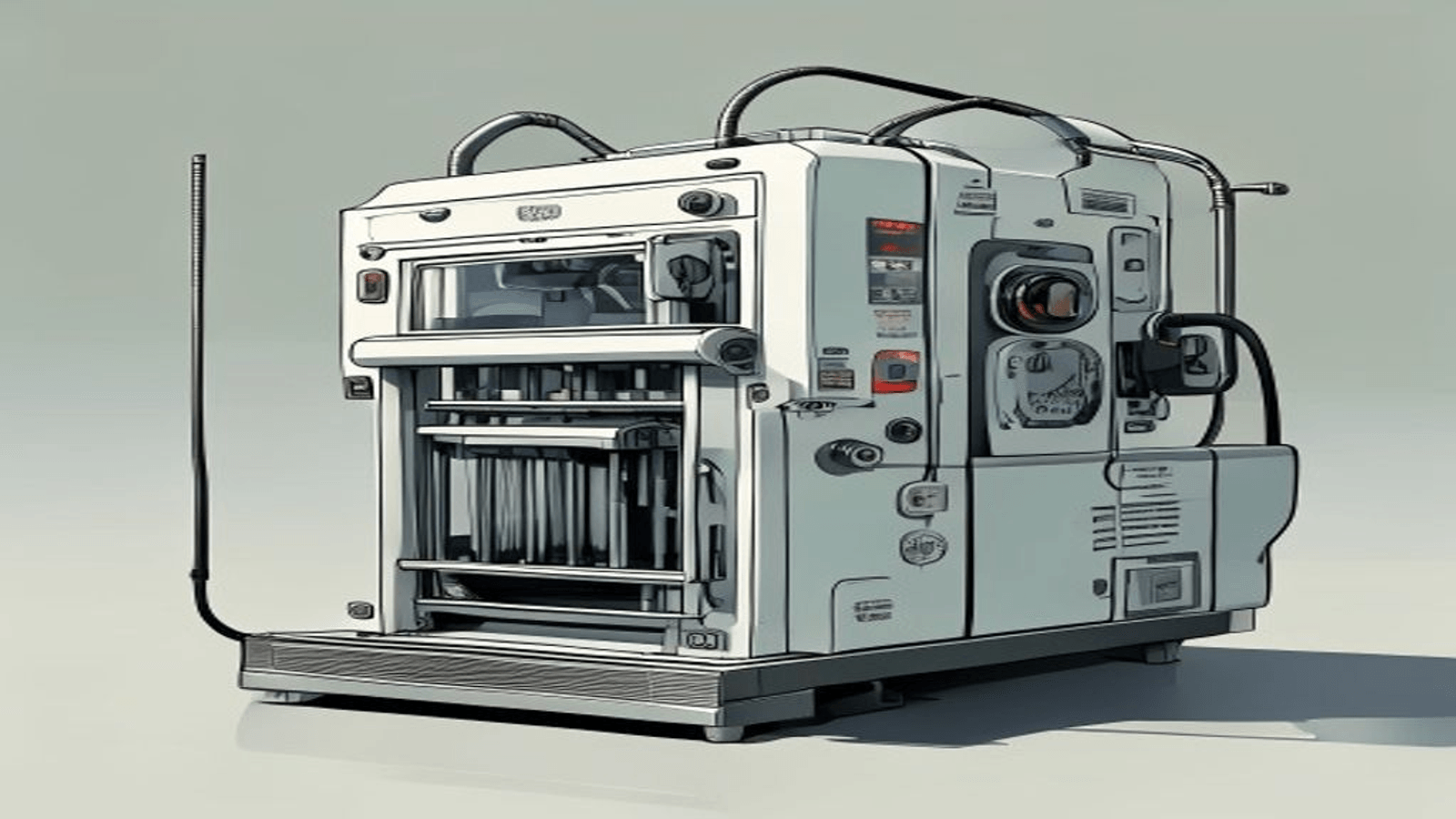
A low-pressure PU foaming machine operates at 10–30 bar and uses a mechanical stirrer (dynamic mixer) or static mixer nozzle to blend the components. Flow rate is much lower — typically 5–100 g/s.
- Best suited for: Small-volume production, wine cellars, display cabinets, cooler doors, small insulation parts and prototype runs — including a cigar cabinet factory line, which shares the same low-pressure scope with tighter humidity control.
- Mix quality: Good for parts that are not thermally critical. Cell uniformity is acceptable but not as tight as high-pressure — typical cell diameter 0.3–0.5 mm.
- Cleaning: Mechanical mixer heads require solvent flushing between shots. This adds chemical waste and maintenance cost over time.
- Investment: Significantly lower upfront — a basic low-pressure system starts around USD 15,000–40,000 vs USD 80,000–350,000 for high-pressure.
- Flexibility: Easier to adjust for small batches and frequent recipe changes. Ideal for factories making 10–50 different SKUs per week.
Side-by-side comparison
| Parameter | High-Pressure | Low-Pressure |
|---|---|---|
| Operating pressure | 100–200 bar | 10–30 bar |
| Output rate | 100–1,500 g/s | 5–100 g/s |
| Mixing method | Impingement (no stirrer) | Mechanical / static mixer |
| Cell uniformity | 0.15–0.25 mm (excellent) | 0.3–0.5 mm (good) |
| Cleaning | Hydraulic piston, solvent-free | Solvent flush required |
| Typical investment | USD 80K–350K | USD 15K–40K |
| Best for | Refrigerators, freezers, cold rooms, high-volume | Wine cellars, display cases, small parts, prototypes |
| Daily volume sweet spot | 200–10,000 units/day | 10–500 units/day |
Decision framework: 5 questions to ask yourself
- What is your target daily output? Above 200 units/day for household-size products, high-pressure almost always wins on cost-per-unit. Below 100 units/day, low-pressure keeps capex sensible.
- How thermally critical is the product? Medical refrigerators at −86 °C and cold room panels need the tightest possible foam cell structure — insulation performance is verified per ASTM C518 (see our guide on PU foam density and K-factor for cold chain insulation) — high-pressure is the safer choice. Wine cellars at +12 °C have much wider tolerance.
- Are you using cyclopentane? Cyclopentane-blown foam (required by EU F-gas regulations and many export markets) needs a metering system rated for flammable blowing agents. High-pressure machines come cyclopentane-ready as standard; many low-pressure units require costly retrofits or are simply not rated for it.
- How many SKUs do you produce per week? Factories making 50+ different sizes per week benefit from low-pressure flexibility. If you run 3–5 standard sizes at high volume, high-pressure throughput wins.
- What is your 5-year volume outlook? If you expect to double output within 3 years, investing in high-pressure now avoids an expensive mid-life upgrade. If volume is stable and small, low-pressure remains the rational choice.
Three mistakes we see repeatedly
1. Buying high-pressure for a 50-unit/day wine cellar line. The machine sits idle 90% of the day. Maintenance cost for high-pressure pumps is the same whether you run 8 hours or 1 hour. A low-pressure unit at one-fifth the price would have been the right call.
2. Starting with low-pressure "to save money" on a 1,000-unit/day refrigerator line. The foam quality difference shows up in insulation testing within the first month. Rework rates climb, energy labels slip, and the factory ends up buying a high-pressure machine anyway — now with a stranded low-pressure asset.
3. Ignoring blowing agent compatibility. A factory buys a low-pressure unit rated for HFC-245fa, then discovers their export market requires cyclopentane. The machine cannot be retrofitted. Solution: specify the blowing agent before the machine order, not after. For a broader view of line planning, read our refrigerator production line setup guide.
Can you have both on one line?
Yes — and many factories do. A typical setup uses a high-pressure machine for the main cabinet foaming station (high volume, tight thermal spec) and a low-pressure machine for door foaming, small-part inserts or prototype development. This hybrid approach gives you the best of both worlds: production-grade quality where it matters and flexibility where volume is low.
For a full-line configuration that matches your product mix and target output, talk to our engineering team. We size the foaming equipment as part of the overall production line package so that every station is balanced for your real throughput — not just peak specs. For spray-applied insulation work — truck and container panels, on-site SIP, tank and pipe coating — the machine class is different again; our PU spray foam machine types and applications buyer's guide covers that side of the equipment market.
Bottom line
High-pressure PU foaming machines deliver superior foam quality, solvent-free operation and high throughput — but at 5–10× the investment of a low-pressure unit. The right choice depends on your daily volume, product thermal requirements, blowing agent roadmap and SKU complexity. There is no universal "better" — only the right fit for your factory.
Building a factory? See our production line guide → For a complete plant, browse our refrigerator manufacturing solutions.
What is a low-pressure machine in PU foaming?
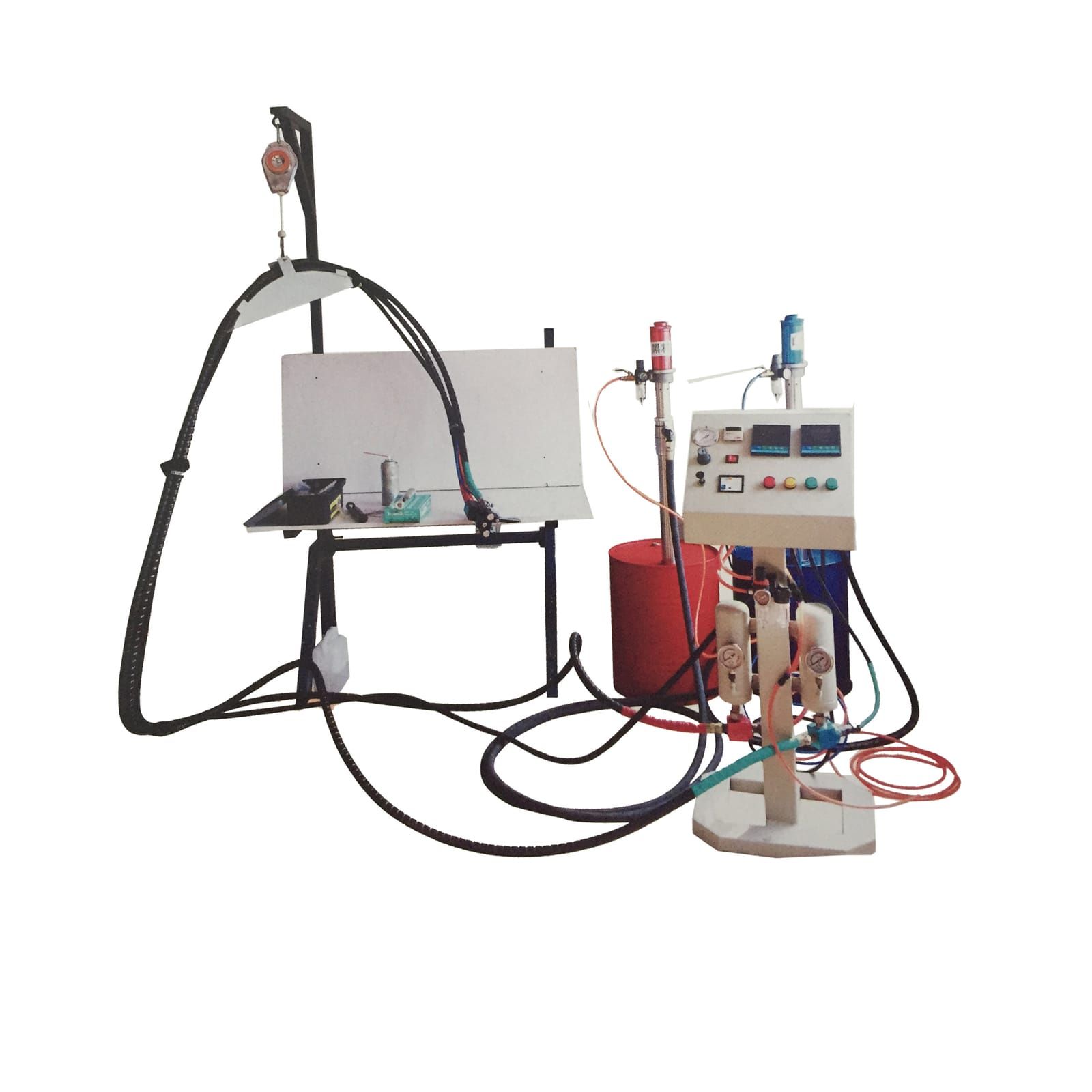
A low-pressure machine is a polyurethane foaming machine that meters and mixes polyol and isocyanate at 10–30 bar using a mechanical stirrer or static mixer, rather than the 100–200 bar impingement mixing of a high-pressure unit. A low-pressure machine flows at 5–100 g/s, costs USD 15,000–40,000, and suits small-batch work such as wine cellars, display cabinets, cooler doors and prototype parts. Explore our PU foaming machines to compare low-pressure and high-pressure specifications and typical applications.
What is the main difference between high-pressure and low-pressure PU foaming machines?
High-pressure machines mix polyol and isocyanate at 120–200 bar using impingement mixing, producing fine-cell foam without solvents. Low-pressure machines mix at 3–8 bar using mechanical stirrers and typically require solvent flushing between shots. The result: high-pressure foam has 10–15% better thermal insulation and more consistent density.
Which PU foaming machine is better for small-scale production under 100 units per day?
For daily output below 100 units, a low-pressure PU foaming machine is usually more cost-effective. Capital cost is one-fifth to one-tenth of a high-pressure unit, and maintenance is simpler. However, if you produce thermally critical products like medical refrigerators or plan to scale beyond 200 units/day within 3 years, investing in high-pressure from the start avoids a costly mid-life upgrade.
Can a low-pressure PU foaming machine use cyclopentane blowing agent?
Most standard low-pressure foaming machines are not rated for cyclopentane because it is a flammable hydrocarbon requiring explosion-proof electrical components and sealed mixing heads. High-pressure machines come cyclopentane-ready as standard. If your export markets require cyclopentane (EU F-gas regulations, many OEM specifications), specify this before ordering — retrofitting a low-pressure unit is often technically impossible or prohibitively expensive.
What is the typical ROI timeline for a high-pressure PU foaming machine?
At 500+ units/day production volume, a high-pressure machine typically pays back its higher capital cost within 18–24 months through lower per-unit foam consumption (5–8% less raw material waste), zero solvent cost, reduced rework rates, and better energy-label performance on finished products.
Can I run both high-pressure and low-pressure foaming on the same production line?
Yes — many factories use a hybrid setup with a high-pressure machine for main cabinet foaming (high volume, tight thermal specification) and a low-pressure machine for door foaming, small inserts or prototype development. UREXCEED sizes both stations as part of the overall production line package to ensure balanced throughput.
Products Mentioned in This Article
Ready to plan your refrigeration project?
Share your target output and product mix — our engineering team replies with a capacity plan and quote within three business days.
Get an engineering quoteRelated articles
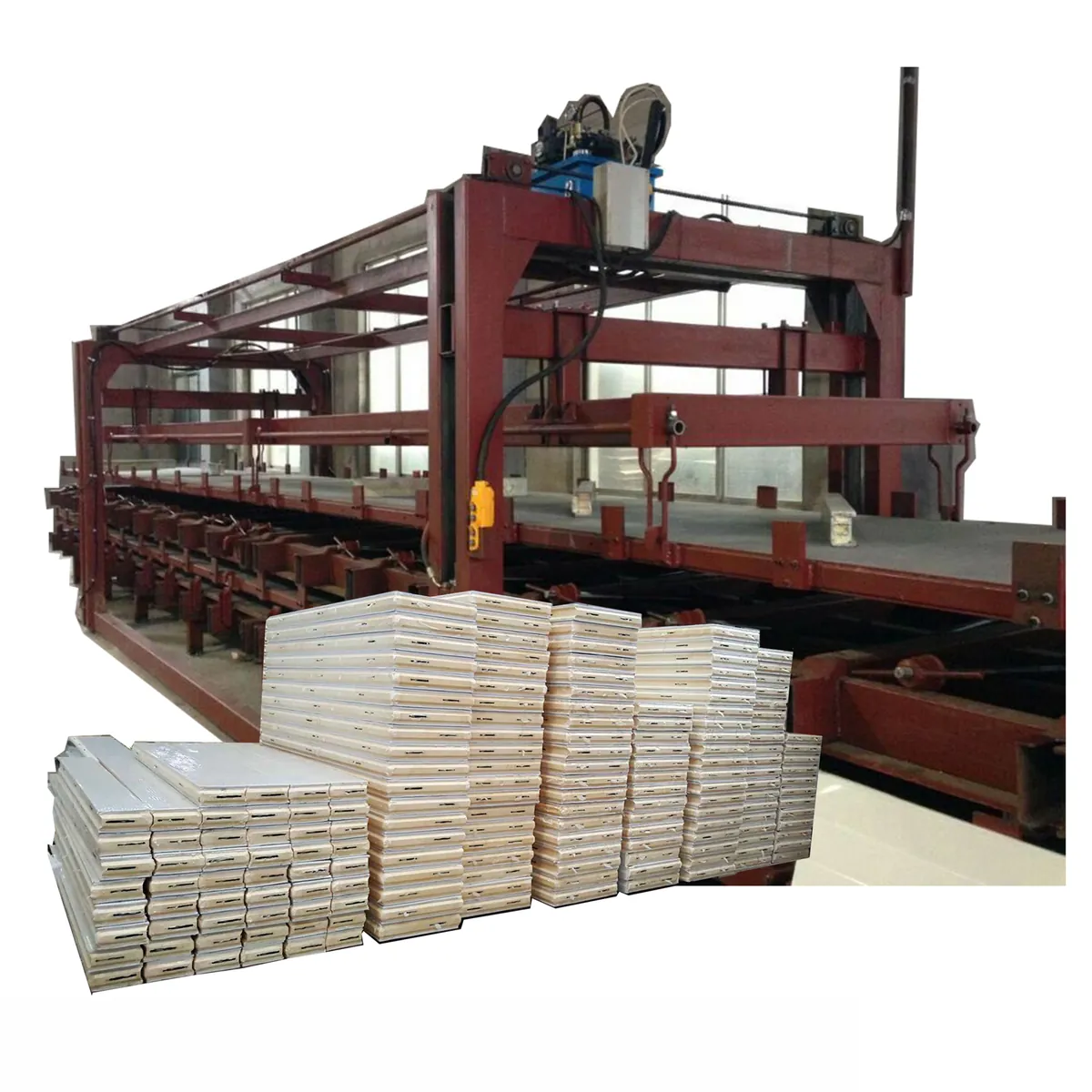
Cold Room Panel Manufacturers in the UAE: Why "Civil Defence Approved" Is Not One Question
In the UAE, a panel's paperwork has to satisfy a federal code, a product certification scheme, and an emirate-level listing — and Abu Dhabi has just formalised 54 local amendments of its own. A brochure line reading "Civil Defence approved" answers none of those three. Here is what to ask instead, why a European supplier's fire pack is the wrong currency here, and what a 45°C ambient does to the thickness you thought you needed.
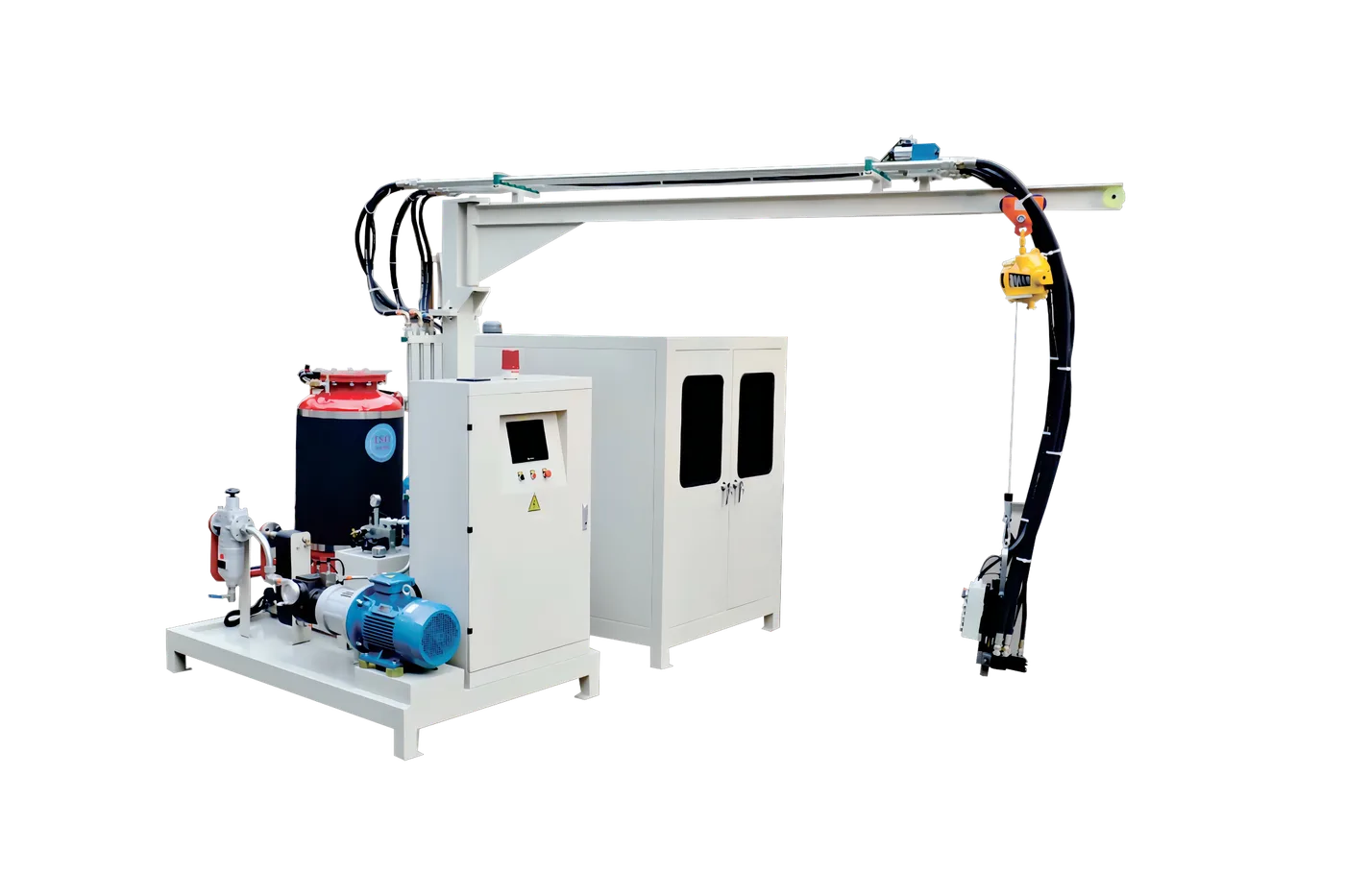
Converting a Refrigerator Foaming Line to Cyclopentane: Retrofit vs New Machine, Cost and Timeline
Switching from HFC-245fa to cyclopentane is an equipment and safety-infrastructure project, not a raw-material swap. Here's how to decide between retrofitting an existing foaming machine and buying a new cyclopentane-ready one, what the safety infrastructure actually costs, and a realistic project timeline.
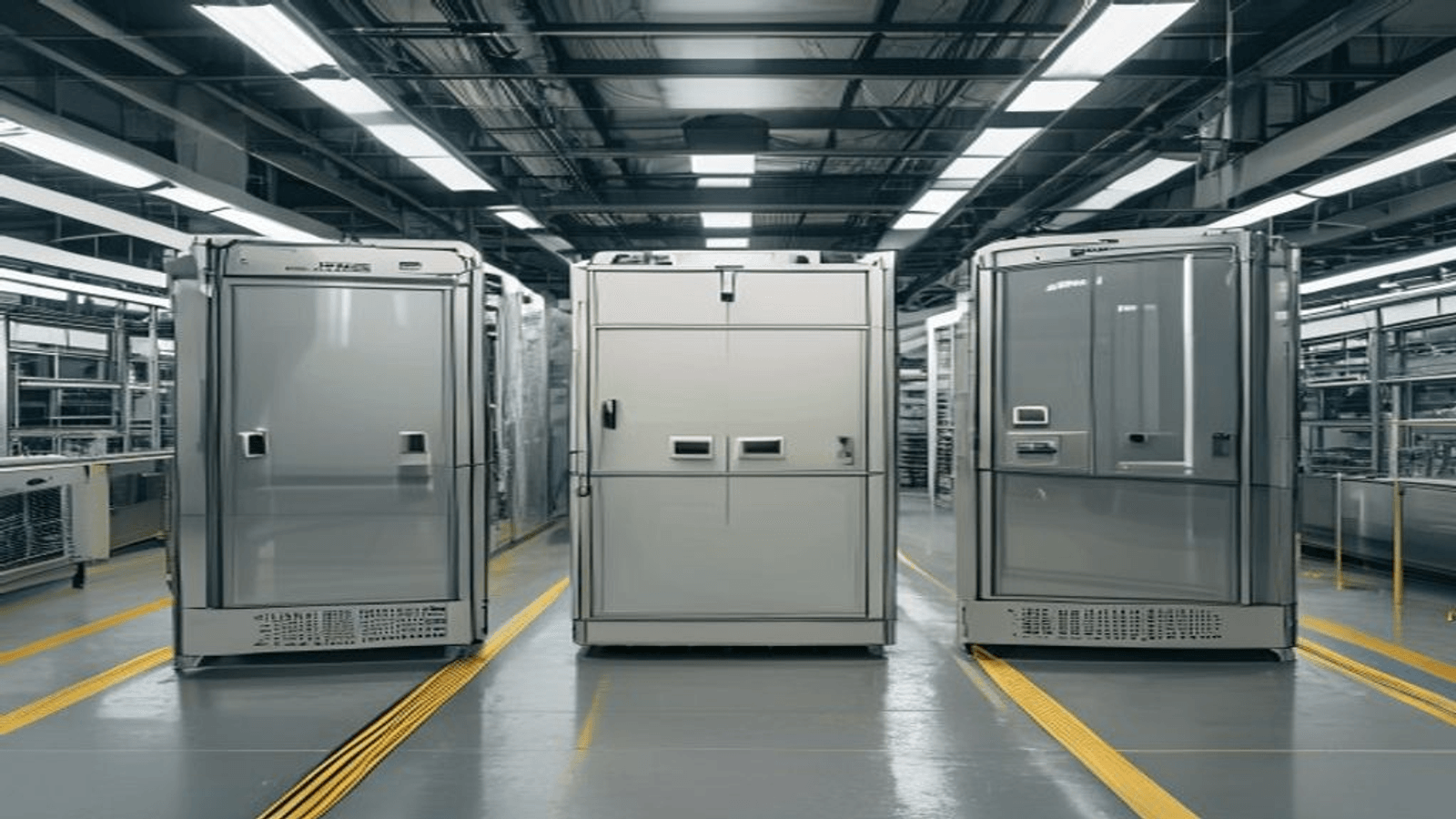
Freezer Mould Selection Guide: Chest vs Upright vs Display Cabinet
A freezer mould is not one product — chest (horizontal), upright and display (island / glass-door) freezers each need a different mould geometry, clamping load and cure schedule. This guide picks the right freezer mould family by cabinet size, volume and operating temperature.