
Cold Storage Temperature Zones: Insulation Thickness and R-Value Specifications for +4°c to -40°C
Five standard cold storage temperature zones — from +8°C chilled to -86°C ultra-low — each require specific PU foam panel thickness, density, and vapor barrier. This guide maps ASHRAE and IIR zone classifications to the panel specifications manufacturers need to quote.
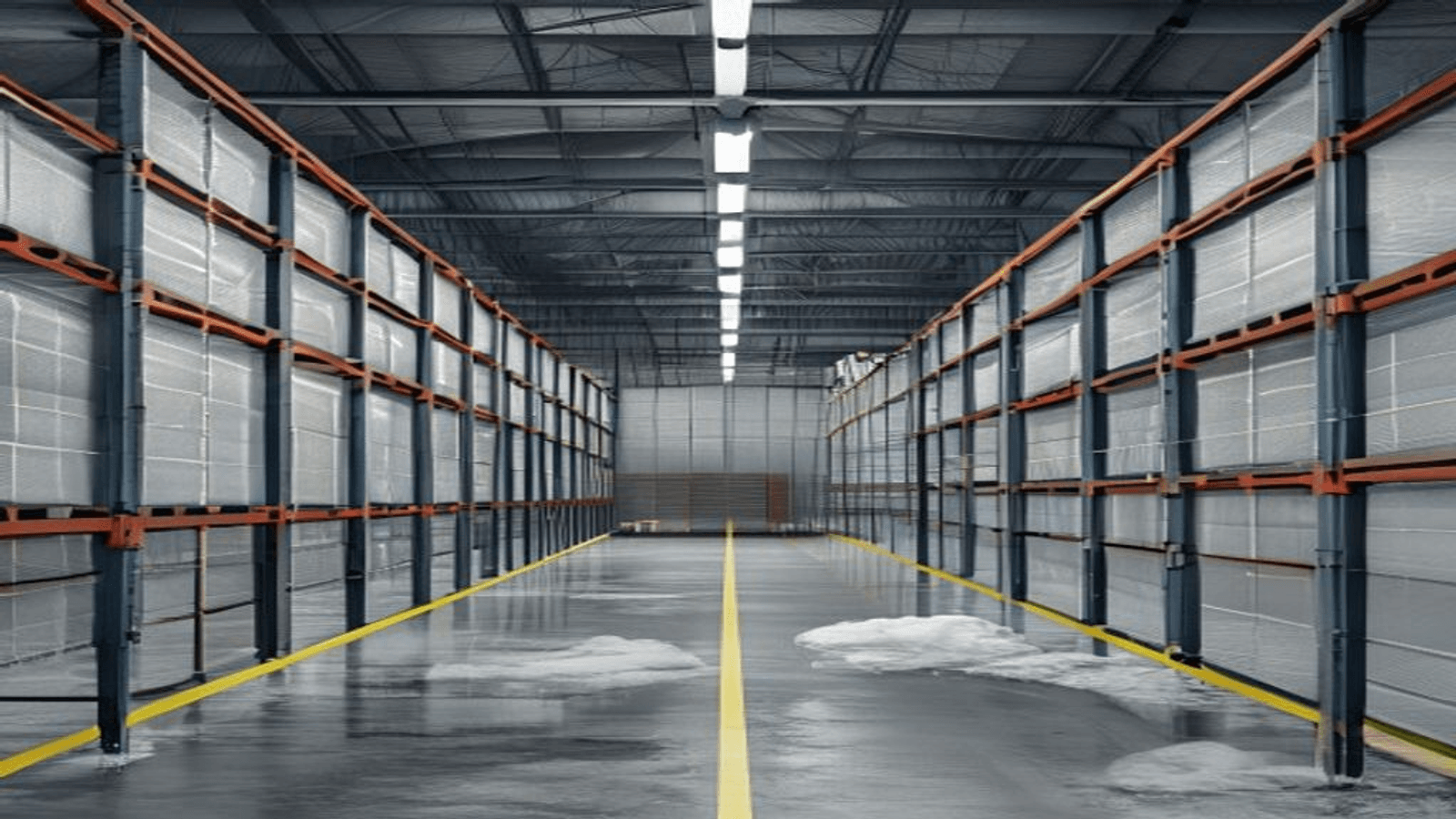
Zone 1 Chilled (+2 to +8°C): 75 mm panel, R-3.4, no floor heating. Zone 2 Medium (0 to -5°C): 100 mm, R-4.5, conditional floor heating. Zone 3 Frozen (-18 to -25°C): 150 mm, R-6.8, mandatory floor heating, cyclopentane-blown foam preferred. Zone 4 Deep-freeze (-30 to -40°C): 200 mm, R-9.1, mandatory glycol floor heating + premium polyol. Zone 5 Ultra-low (-60 to -86°C): composite PU+VIP wall, R-25–35, case-by-case engineering. Each zone step-up increases panel cost 30–50% but reduces 20-year compressor energy cost more.
Why temperature zone classification drives insulation design
Cold storage facilities are not one-size-fits-all. A pharmaceutical warehouse holding vaccines at +2°C to +8°C has fundamentally different insulation requirements than a frozen seafood plant operating at -25°C. Choosing the wrong panel thickness or foam density wastes energy, shortens compressor life, and — in regulated industries — risks product loss and compliance failures.
The ASHRAE Handbook — Refrigeration and the International Institute of Refrigeration (IIR) both classify cold storage into distinct temperature zones. Each zone dictates minimum insulation R-values, vapor barrier requirements, and floor heating specifications. This guide maps the five standard zones to the PU foam panel specifications that manufacturers and cold chain investors actually need to quote. For the demand picture behind that cold storage build-out, our cold chain market outlook to 2031 sizes the refrigeration-equipment opportunity.
Zone 1: Chilled storage (+2°C to +8°C) — 75 mm panels, R-3.4
The most common temperature zone for dairy, fresh produce, and pharmaceutical cold rooms. Ambient-to-storage temperature differential is typically 25–35°C.
- Minimum panel thickness: 75 mm PU foam (density 38–42 kg/m³)
- Thermal conductivity (λ): ≤ 0.022 W/m·K at 10°C mean temperature (measured per ASTM C518)
- R-value per panel: 3.4 m²·K/W
- Vapor barrier: 0.4 mm steel skin both sides — adequate at this differential
- Floor insulation: 50 mm XPS under slab; no floor heating required
At this zone, a standard cold room panel production line running 75 mm continuous panels at 4–6 m/min delivers the most cost-effective output per shift.
Zone 2: Medium-temperature storage (0°C to -5°C) — 100 mm panels, R-4.5
Used for meat aging rooms, beer fermentation cellars, and short-term frozen food staging. The differential reaches 35–45°C.
- Panel thickness: 100 mm PU foam (density 40–42 kg/m³)
- λ: ≤ 0.022 W/m·K
- R-value: 4.5 m²·K/W
- Vapor barrier: 0.5 mm steel skin + polyethylene film interlay
- Floor: 75 mm XPS; floor heating under the slab if ground contact area > 200 m²
The key cost driver at this zone is not the panel itself but the joint design. Tongue-and-groove cam-lock panels with injected PU at every joint eliminate thermal bridges that account for 15–25% of total heat ingress in poorly sealed rooms.
Zone 3: Low-temperature frozen storage (-18°C to -25°C) — 150 mm panels, R-6.8
The workhorse of the global cold chain: frozen food distribution centers, ice cream plants, and seafood processing. Temperature differential hits 55–65°C, and energy costs dominate the 20-year total cost of ownership.
- Panel thickness: 150 mm PU foam (density 40–45 kg/m³)
- λ: ≤ 0.021 W/m·K (tighter spec — cyclopentane-blown foam preferred; see our blowing agent comparison guide)
- R-value: 6.8–7.1 m²·K/W
- Vapor barrier: 0.5 mm galvanized or stainless steel + aluminum foil laminate
- Floor: 100 mm XPS + electric floor heating (glycol loops or resistance cables) mandatory — ground freezing causes heave and structural cracking within 2–3 years without it
This is also the zone where walk-in access becomes a compliance question rather than a design detail: for US installations, review the OSHA freezer regulations for US installations before fixing the door, egress and lockout specification.
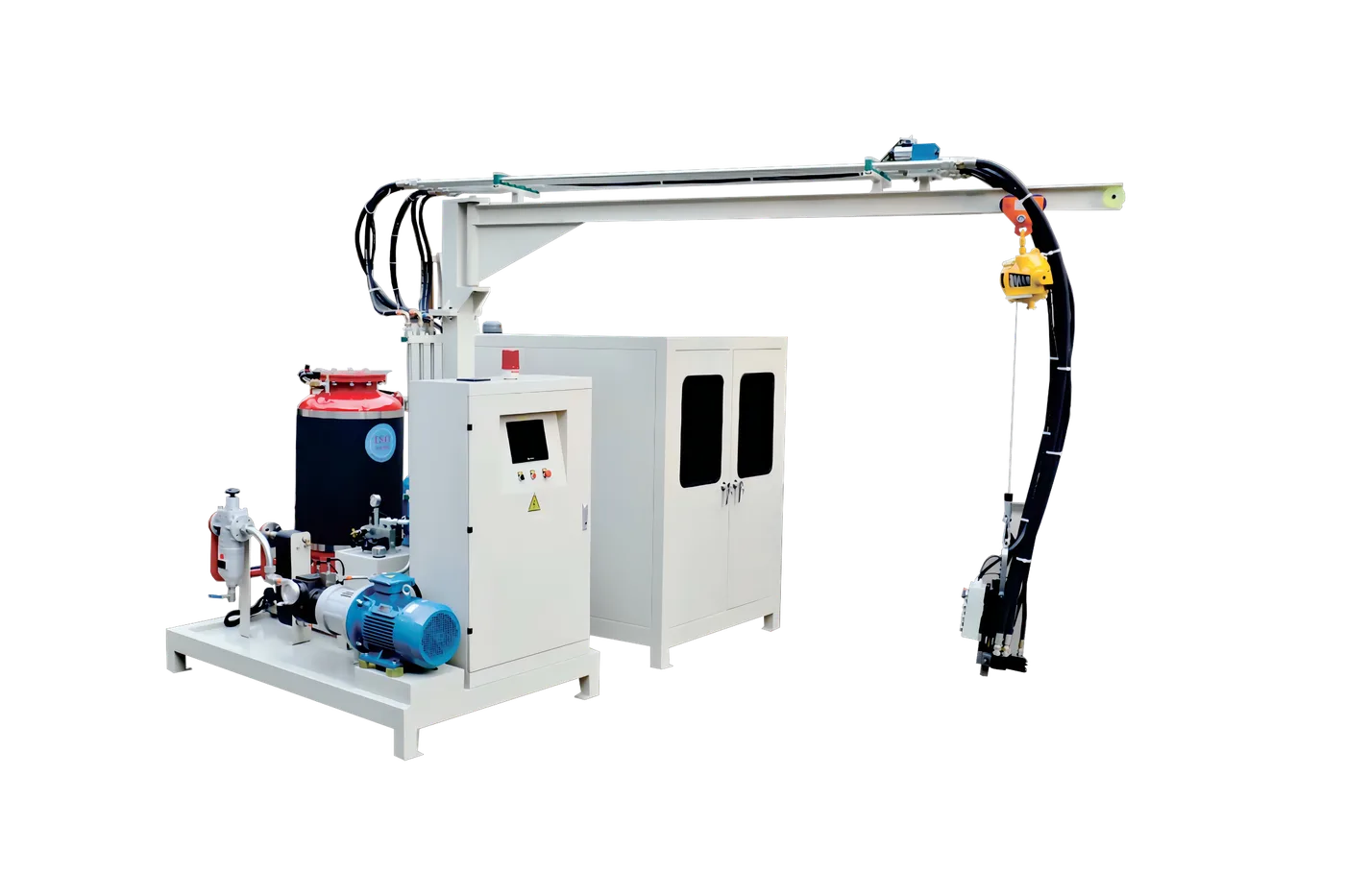
At -18°C and below, foam quality becomes critical. A high-pressure PU foaming machine operating at 150–180 bar produces finer, more uniform closed-cell structure (≥ 95% closed-cell content) than low-pressure alternatives — directly translating to lower λ values and longer insulation lifespan.
Zone 4: Deep-freeze storage (-30°C to -40°C) — 200 mm panels, R-9.1
Pharmaceutical biologics, tuna-grade sashimi, and industrial blast freezing. The temperature differential exceeds 70°C, and every 0.001 W/m·K improvement in foam conductivity saves measurable compressor energy over the facility's lifetime.
- Panel thickness: 200 mm PU foam (density 42–48 kg/m³)
- λ: ≤ 0.020 W/m·K (requires premium cyclopentane-blown polyol systems)
- R-value: 9.1–10.0 m²·K/W
- Vapor barrier: double aluminum foil laminate + 0.6 mm stainless steel skin (corrosion resistance in high-humidity loading docks)
- Floor: 150 mm XPS + mandatory glycol floor heating loop + moisture monitoring sensors
Panel production lines for 200 mm require wider press platens and longer curing times. A dedicated line running 200 mm panels typically operates at 2–3 m/min — half the speed of 75 mm production — which means capacity planning must account for the throughput reduction.
Zone 5: Ultra-low temperature (-60°C to -86°C) — custom composite panels
Vaccine ultra-cold storage (Pfizer-BioNTech COVID-19 at -70°C), blood plasma banks, and cryogenic research. Standard PU panels alone cannot achieve the required R-values economically.
- Construction: composite wall — 200 mm PU panel + 100 mm vacuum insulation panel (VIP) + 50 mm PU panel inner lining
- Effective R-value: 25–35 m²·K/W (VIP λ = 0.004 W/m·K, 5× better than PU)
- Vapor barrier: triple-sealed stainless steel + metalized PET film
- Floor: structural concrete slab with embedded glycol heating + perimeter drain
Ultra-low facilities are engineered case-by-case. Our role at this tier is supplying the PU panel layer and the foaming equipment for the manufacturer assembling the composite wall — not the VIP layer, which comes from specialized suppliers like Evonik or va-Q-tec.
Quick-reference specification table
| Zone | Temperature | Panel (mm) | Density (kg/m³) | R-value | Floor heating |
|---|---|---|---|---|---|
| Chilled | +2 to +8°C | 75 | 38–42 | 3.4 | No |
| Medium | 0 to -5°C | 100 | 40–42 | 4.5 | Conditional |
| Frozen | -18 to -25°C | 150 | 40–45 | 6.8 | Mandatory |
| Deep-freeze | -30 to -40°C | 200 | 42–48 | 9.1 | Mandatory |
| Ultra-low | -60 to -86°C | Composite | — | 25–35 | Mandatory |
Building a factory? See our production line guide → For a complete plant, browse our cold storage room manufacturing solutions.
Frequently asked questions
What panel thickness do I need for a -18°C frozen food warehouse?
150 mm PU foam panels with density 40–45 kg/m³ and thermal conductivity ≤ 0.021 W/m·K. This delivers an R-value of 6.8–7.1 m²·K/W. Floor heating is mandatory at this temperature to prevent ground freezing and structural heave. Cyclopentane-blown foam is preferred over HFC-245fa for lower conductivity and zero ODP.
Is floor heating really necessary below -10°C?
Yes. Without floor heating, the ground beneath the slab freezes within 12–24 months, causing frost heave that cracks the concrete floor and damages racking foundations. The cost of retrofitting floor heating into an existing cold store is 3–5× higher than installing it during construction. ASHRAE recommends floor heating for any storage below -4°C with ground contact.
What is the cost difference between 75 mm and 150 mm cold storage panels?
Panel material cost increases roughly 80–100% from 75 mm to 150 mm due to doubled foam volume and thicker steel skins. However, the 150 mm panel reduces annual compressor energy cost by 35–45% at -18°C compared to 75 mm. Payback period for the panel upgrade is typically 2.5–4 years depending on electricity cost and ambient temperature.
Can I use the same production line for different panel thicknesses?
Yes — most continuous cold room panel production lines accept thickness adjustment from 40 mm to 250 mm by changing the press platen gap and curing zone length. Production speed decreases as thickness increases: 75 mm runs at 4–6 m/min while 200 mm runs at 2–3 m/min. No tooling change is required, only recipe adjustment on the PU foaming machine.
Produtos mencionados neste artigo
Pronto para planear o seu projeto de refrigeração?
Partilhe o seu objetivo de produção e mix de produtos — a nossa equipa responde com plano de capacidade e cotação em três dias úteis.
Pedir cotação de engenhariaArtigos relacionados
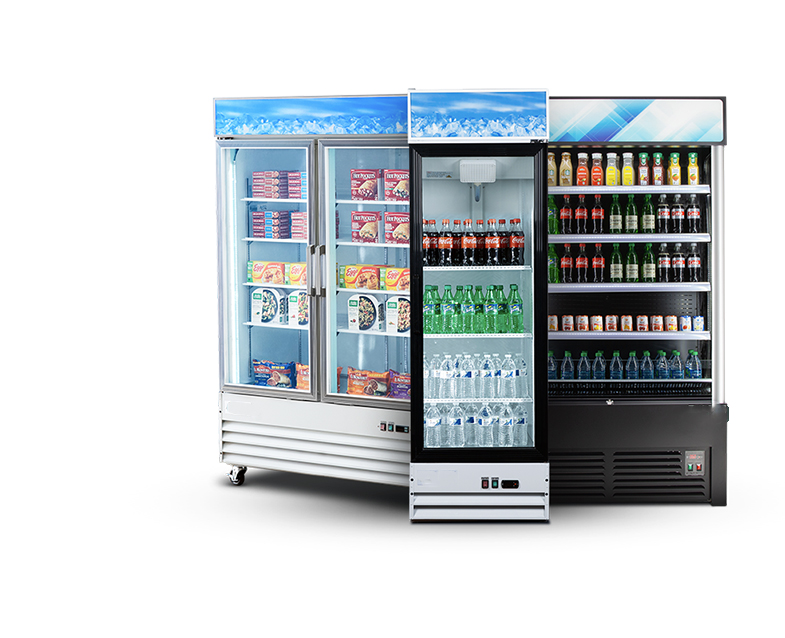
Beverage Cooler Production Line — Cost, Payback & Turnkey Setup (2026 Pillar Guide)
Investment tiers from a single-door entry line to a full bottler-program build, the payback math behind a 3,000-unit/day line, and the complete equipment list and certification checklist a beverage cooler OEM needs to go from contract to first shipment.
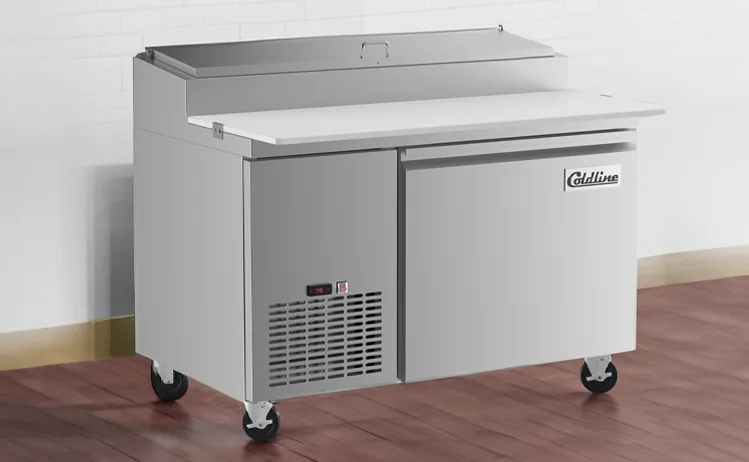
Chef Base Production Line: Cost, Break-Even & Turnkey Manufacturing (2026 Pillar Guide)
Investment tiers, the break-even math behind an 800-unit/day line, and the full equipment list and certification checklist a foodservice OEM needs to start chef base and refrigerated-counter production.
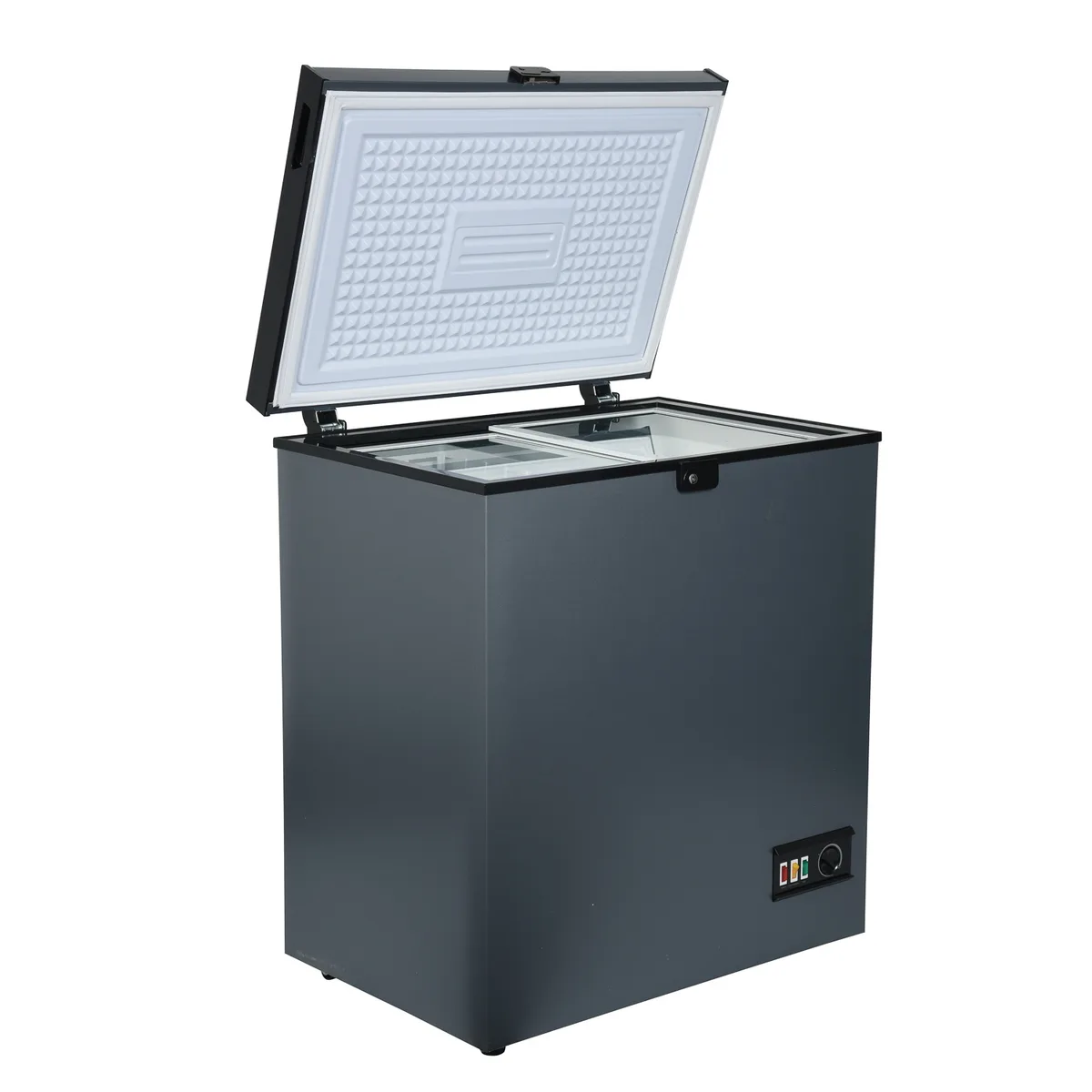
Chest Freezer Production Line — Cost, Capacity & Turnkey Factory Setup (2026 Pillar Guide)
Investment tiers from a 300-unit/day entry line to a 3,000-unit/day ultra-low-temperature build, the ATEX and Ecodesign pitfalls that stall first-time freezer OEMs, and the complete equipment list, mould selection logic and staffing plan needed to go from contract to first accepted cabinet.