
Cyclopentane vs HFC-245Fa vs HFO Blowing Agents — Which PU Foam System Fits Your Refrigerator Factory?
Three blowing agents, three very different regulatory and cost trajectories. We compare GWP, k-factor, safety capex and total cost of ownership so you can choose the right PU foam system.
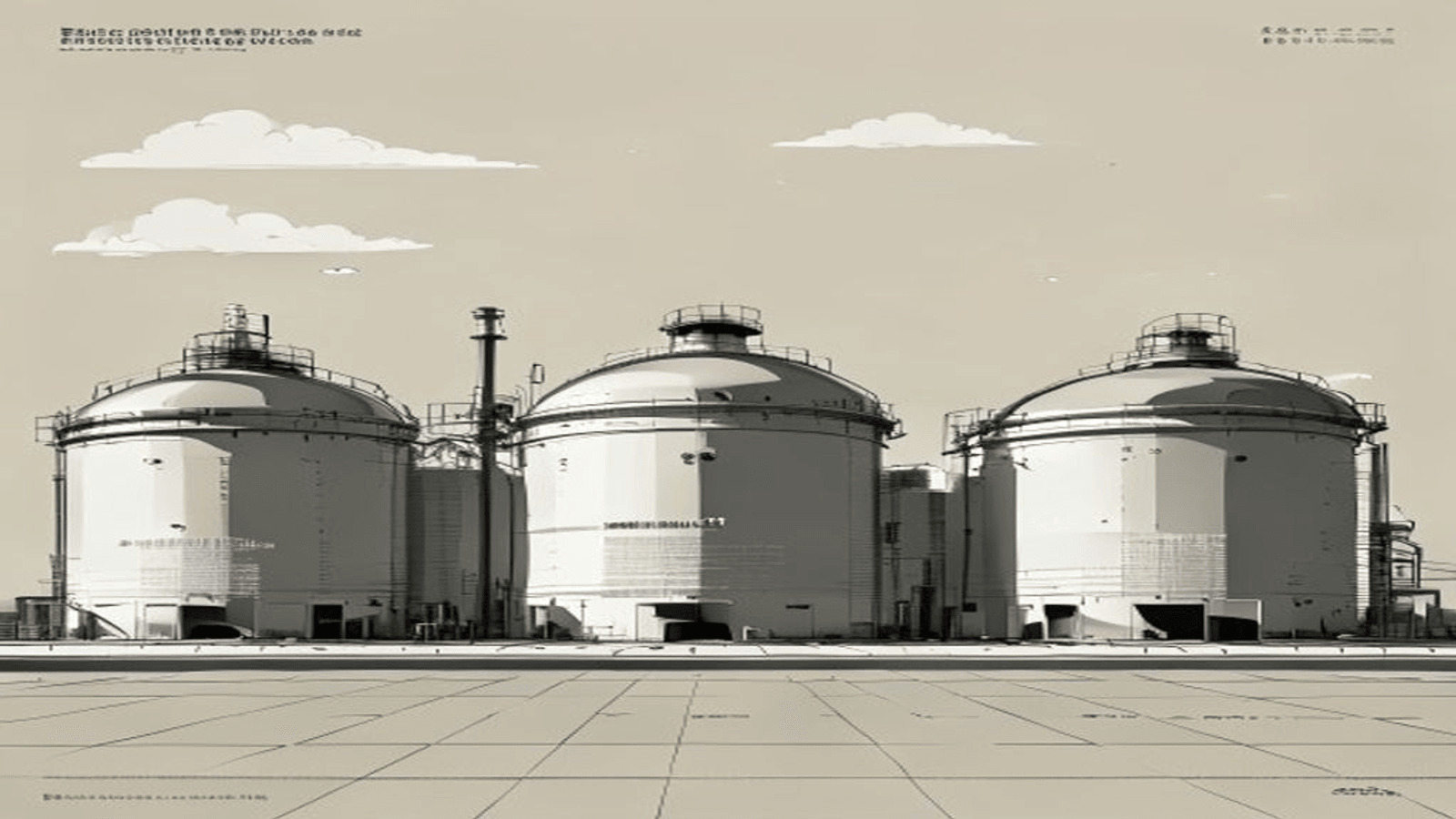
Cyclopentane (GWP ~11, k-factor 0.018–0.020) is the global mainstream for high-volume lines — best thermal performance and lowest chemical cost, but requires ATEX-rated equipment (USD 50K–200K extra). HFC-245fa (GWP 1,030) avoids flammability capex but faces Kigali Amendment phase-down by 2036 and rising prices. HFO-1233zd/1336mzz (GWP 1–2) offers the best of both worlds for premium and medical applications, at 3–5× the chemical cost of cyclopentane.
A blowing agent is the gas-phase chemical that inflates rigid polyurethane (PU) foam inside refrigerators, freezers and cold storage panels. The three mainstream options in 2026 are cyclopentane (GWP ≈ 11, k-factor 0.018–0.020 W/m·K, USD 900–1,200/ton), HFC-245fa (GWP 1,030, k-factor 0.020–0.022, USD 9,000–12,000/ton), and HFO-1233zd/1336mzz (GWP 1–2, k-factor 0.019–0.021, USD 8,000–18,000/ton). For factories producing 300+ units/day with EU-bound product, cyclopentane wins on total cost of ownership by year 2–3.
Already know which agent you need? Skip straight to our pre-formulated PU raw material systems (cyclopentane, HFC-245fa or HFO-ready) or cyclopentane-rated high-pressure foaming machines — otherwise, read on for the full comparison.
Why the blowing agent is your most strategic raw material decision
Every refrigerator, freezer and cold room panel on the market today relies on rigid PU foam for insulation. The foam itself is straightforward — polyol reacts with isocyanate, expands and cures. What inflates the foam, however, determines its thermal performance, regulatory compliance, factory safety investment, and long-term cost structure.
Three blowing agent families dominate the refrigeration equipment industry in 2026: cyclopentane (a hydrocarbon), HFC-245fa (a hydrofluorocarbon) and HFO-1233zd / HFO-1336mzz (hydrofluoroolefins). Each comes with a different regulatory trajectory, a different k-factor envelope, and a very different capital requirement for the foaming line. This guide breaks down the trade-offs so you can match the right agent to your factory's product mix, export markets and budget.
Cyclopentane — the global mainstream
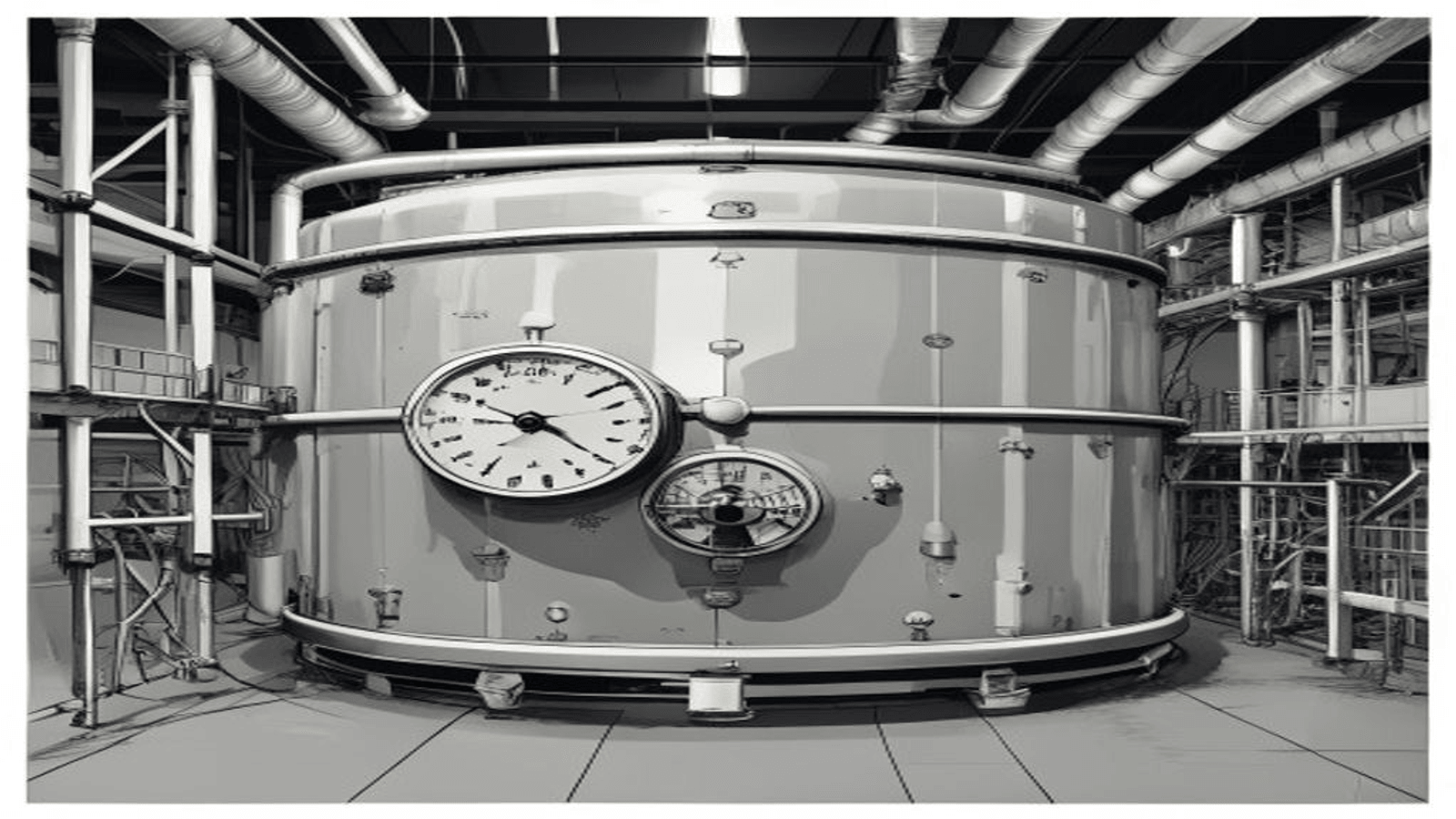
Cyclopentane (C₅H₁₀) is a zero-ODP, near-zero-GWP hydrocarbon that has become the default blowing agent for household refrigerator production worldwide. European and Chinese OEMs completed the transition from HCFC-141b to cyclopentane between 2003 and 2015. Today, roughly 85 % of all new refrigerator foam lines globally specify cyclopentane.
Advantages
- Best-in-class k-factor: Cyclopentane-blown foam achieves 0.018–0.020 W/m·K initial conductivity — the lowest of any mainstream blowing agent. This translates directly into thinner walls and more internal volume (see our detailed guide on PU foam density and K-factor).
- Zero GWP: GWP = ~11 (effectively zero vs HFC-245fa at 1,030). No carbon tax exposure in any jurisdiction.
- Mature supply chain: Commodity chemical, USD 900–1,200/ton, stable pricing, multiple global suppliers.
- Regulatory future-proof: Not affected by the Kigali Amendment, EU F-gas Regulation, or any known pending legislation.
Drawbacks
- Flammability: Cyclopentane is classified as highly flammable (flash point −37 °C). The foaming area requires ATEX/IECEx-rated electrical equipment, gas detection, ventilation, and explosion-proof mixing heads. A high-pressure PU foaming machine rated for cyclopentane typically costs 30–50 % more than a non-rated unit.
- Higher capex: Total safety infrastructure (gas detection, ventilation, fire suppression, EX-rated wiring) adds USD 50K–200K to a new line, depending on factory size.
- Storage regulations: Bulk cyclopentane storage tanks must comply with local hazardous chemical regulations (e.g., China GB 50160, EU ATEX Directive 2014/34/EU).
HFC-245fa — the no-flame alternative (with a regulatory clock)
HFC-245fa (1,1,1,3,3-pentafluoropropane) is a non-flammable fluorocarbon that delivers good foam performance without requiring explosion-proof infrastructure. It remains popular in North America, parts of the Middle East, and factories producing medical or military-spec refrigeration where flammability risk tolerance is near zero.
Advantages
- Non-flammable: No ATEX upgrades, no gas detection, no explosion venting. Dramatically simpler factory safety compliance.
- Good k-factor: 0.020–0.022 W/m·K — slightly behind cyclopentane but still excellent.
- Drop-in for legacy lines: Factories running old HCFC-141b equipment can often switch to 245fa with minimal hardware changes.
Drawbacks
- GWP = 1,030: This is the elephant in the room. Under the Kigali Amendment to the Montreal Protocol, HFC phase-down schedules are now law in 140+ countries. The EU F-gas Regulation (2024 revision) targets an 85 % HFC reduction by 2036. Factories investing in 245fa today face a 5–10 year useful window before regulatory and quota pressure forces a switch.
- Rising cost: As quotas tighten, 245fa prices have risen from USD 6,000/ton (2020) to USD 9,000–12,000/ton (2026) in regulated markets. In the EU, spot prices have exceeded EUR 15,000/ton during quota shortages.
- Carbon tax exposure: Several jurisdictions now levy direct GWP-based taxes or emissions reporting requirements on high-GWP substances.
HFO-1233zd and HFO-1336mzz — the next generation
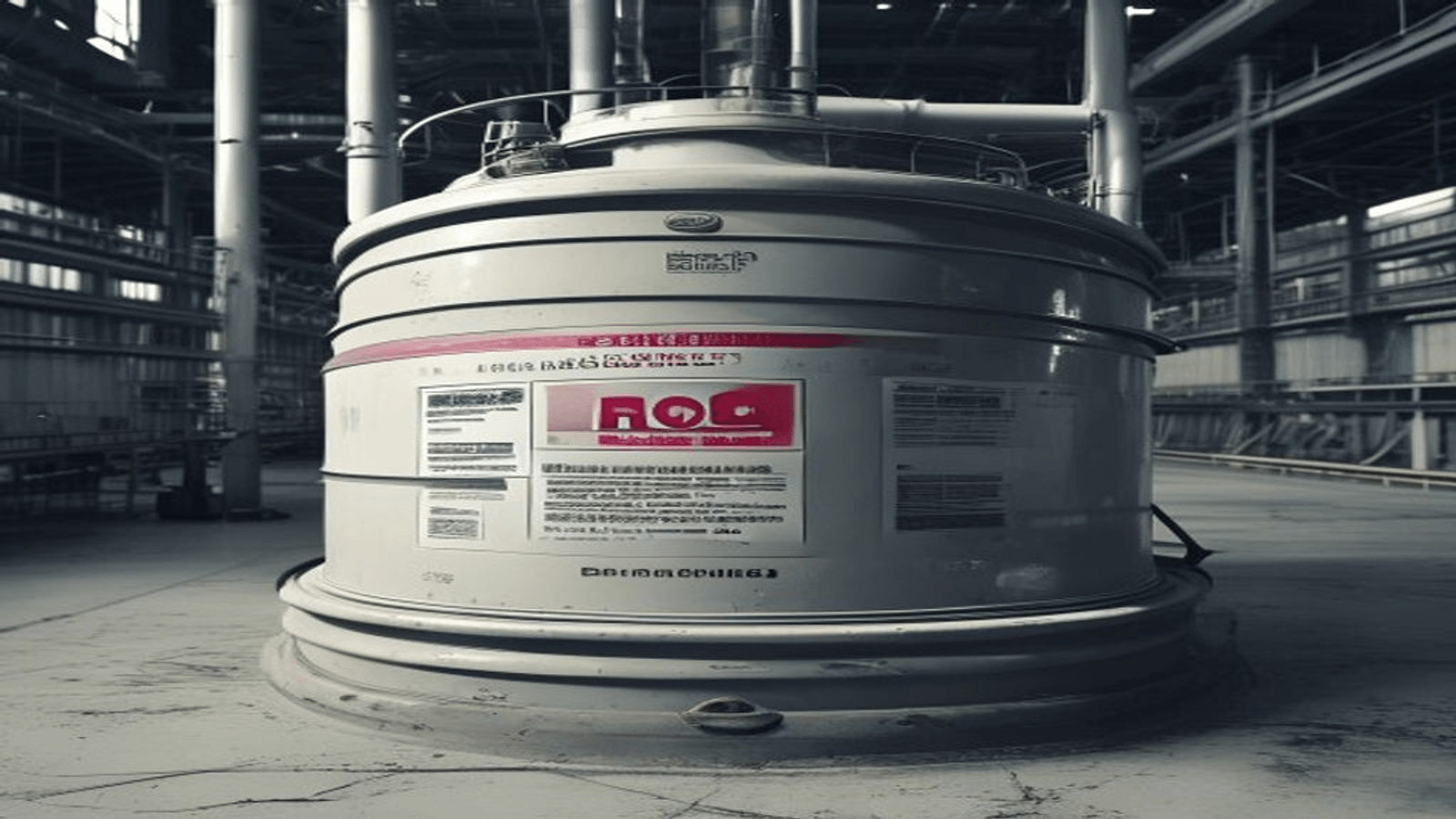
Hydrofluoroolefins are the newest class of blowing agents designed specifically to replace high-GWP HFCs. HFO-1233zd(E) (marketed by Honeywell as Solstice LBA) and HFO-1336mzz(Z) (marketed by Chemours as Opteon 1100) offer very low GWP with non-flammable or low-flammability handling.
Advantages
- Ultra-low GWP: GWP = 1 (1233zd) or 2 (1336mzz), as documented in the US EPA SNAP programme. Fully compliant with the strictest current and foreseeable regulations.
- Non-flammable (1233zd) or low-flammability (1336mzz, ASHRAE A1 classification). Minimal safety infrastructure upgrade.
- Good k-factor: 0.019–0.021 W/m·K — between cyclopentane and HFC-245fa. 1336mzz achieves slightly better aged performance in some formulations.
Drawbacks
- Cost: HFOs are 3–5× the price of cyclopentane per kilogram (USD 8,000–18,000/ton depending on volume contracts and region). For high-volume household refrigerator lines running 2,000+ units/day, the chemical cost difference alone can exceed USD 200,000/year.
- Limited suppliers: Currently only Honeywell and Chemours produce at scale. Supply chain concentration creates pricing and availability risk.
- Formulation complexity: PU system houses must reformulate polyol blends for HFO compatibility. Not all existing formulations transfer directly — expect 2–4 months of foam trial and optimisation.
Side-by-side comparison
| Parameter | Cyclopentane | HFC-245fa | HFO-1233zd / 1336mzz |
|---|---|---|---|
| ODP | 0 | 0 | 0 |
| GWP | ~11 | 1,030 | 1–2 |
| K-factor (initial) | 0.018–0.020 | 0.020–0.022 | 0.019–0.021 |
| Flammability | Highly flammable | Non-flammable | Non-flammable / low |
| Chemical cost | USD 900–1,200/ton | USD 9,000–12,000/ton | USD 8,000–18,000/ton |
| Safety capex | USD 50K–200K | Minimal | Minimal to low |
| Regulatory outlook | Future-proof | Phase-down by 2036 | Future-proof |
| Best for | High-volume, export to EU/Asia | Low-volume, no-flame mandate | Premium/medical, EU-only, new lines |
Decision framework: which blowing agent fits your factory?
According to ISO 16484 and industry best practice, the optimal blowing agent selection depends on five factory-specific variables: export market regulations, daily production volume, flammability tolerance, existing equipment capability, and 10-year total cost of ownership.
- Where do you export? If the EU or Japan are primary markets, cyclopentane or HFO are the only long-term answers. If you sell only domestically in markets without HFC quotas yet (parts of Africa, Central Asia), HFC-245fa buys time — but plan the transition now.
- What is your daily volume? Above 500 units/day, cyclopentane's raw material savings dwarf the one-time safety capex. Below 100 units/day, HFC-245fa or HFO may be cheaper total-cost-of-ownership because you avoid the explosion-proof infrastructure entirely.
- Is flammability a regulatory showstopper? Medical refrigerator factories in some jurisdictions face blanket bans on flammable chemicals in the production area. HFO-1233zd is the only option that combines ultra-low GWP with non-flammable handling.
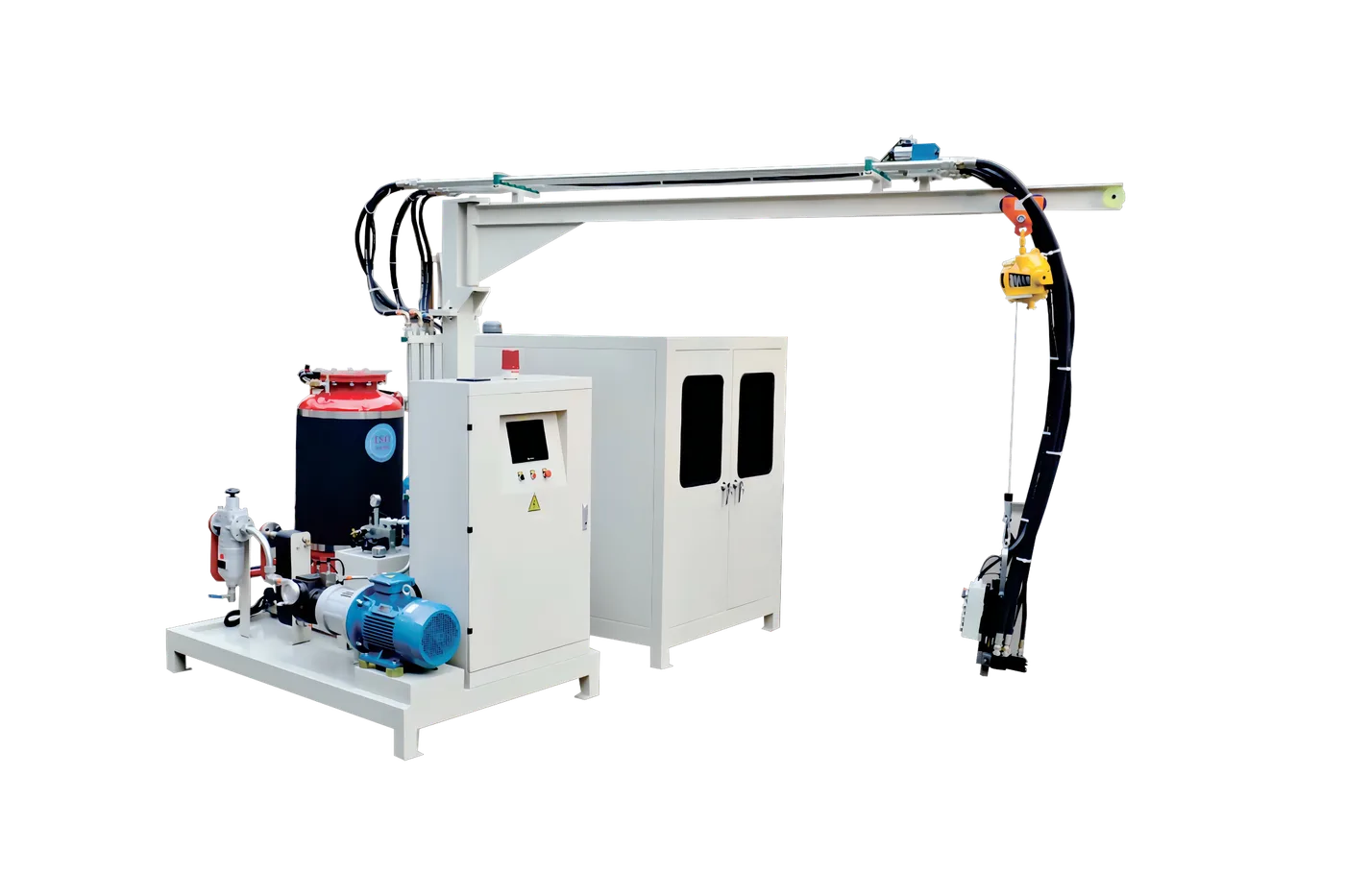
- What foaming machine do you have (or plan to buy)? A high-pressure PU foaming machine can be specified cyclopentane-ready from day one — mixing head seals, hydraulic piston cleaning and metering pumps are all rated for flammable media. If you already own a non-rated machine, retrofitting for cyclopentane costs USD 20K–60K vs buying HFO-compatible polyol at a premium. See our high-pressure vs low-pressure PU foaming machine comparison for more on machine selection, or our PU spray foam machine types and applications buyer's guide if your application is spray-applied rather than poured.
- What is your 10-year cost horizon? Model total cost including chemical, capex, carbon tax, and potential re-investment. For most factories producing 300+ units/day with EU-bound product, cyclopentane wins by year 2–3.
The dual-agent strategy: why many factories run two systems
An increasing number of factories operate cyclopentane for their main production volume and maintain a small HFC-245fa or HFO line for specialty products (medical cabinets, small-batch display cases, prototype runs). This dual-agent approach optimises cost on the bulk line while preserving flexibility for low-volume SKUs that do not justify a dedicated cyclopentane zone.
UREXCEED routinely designs lines with this dual configuration — segregated foaming zones, shared raw material storage where regulations allow, and unified PLC control. If you are planning a new factory or expanding an existing one, our engineering team can model the capex/opex trade-off for your specific product mix.
What we supplies for each blowing agent
- Cyclopentane-ready high-pressure foaming machines: ATEX-rated mixing heads, metering pumps, and integrated gas detection — ready to run from day one.
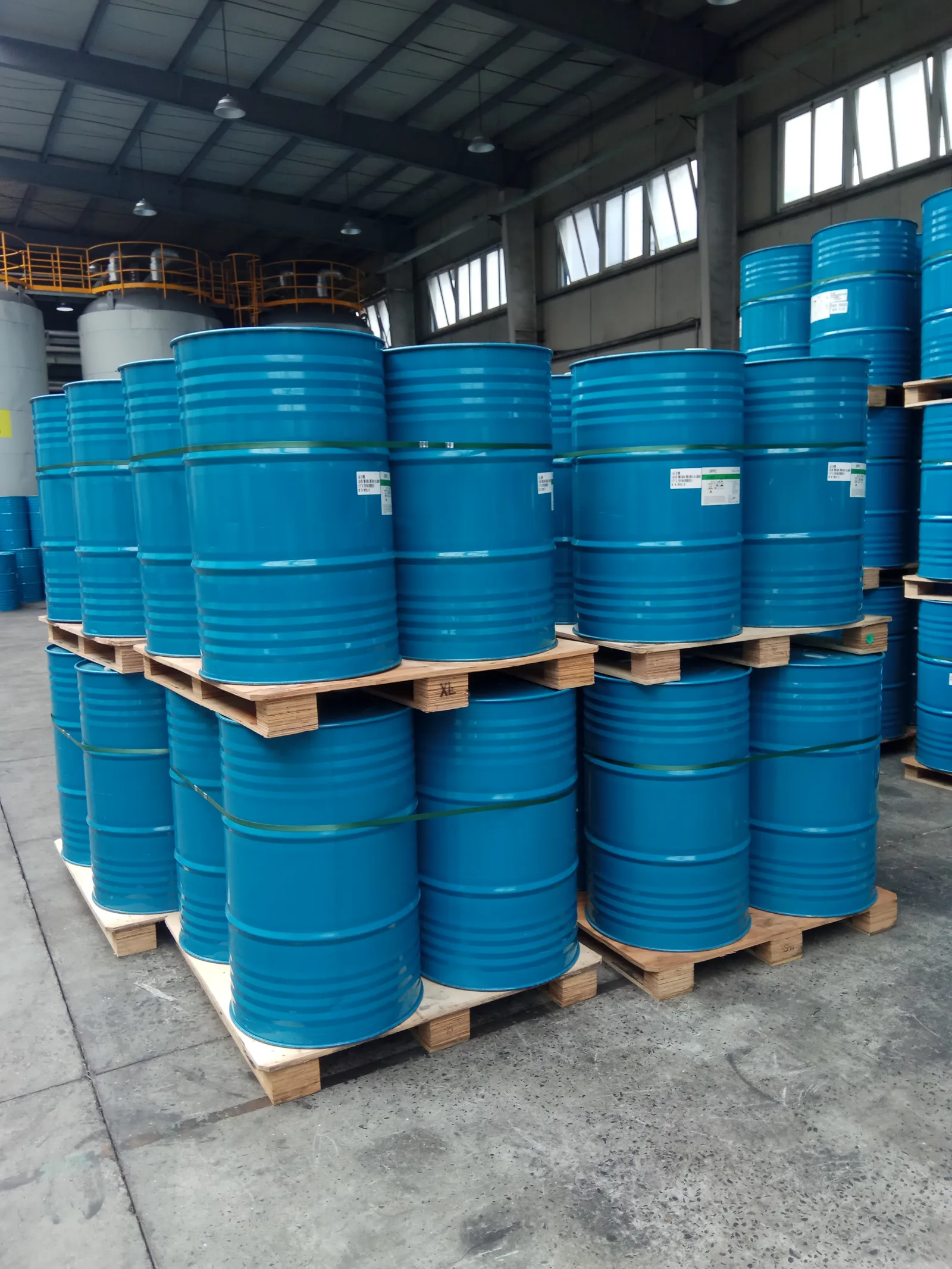
- PU raw material systems: Pre-formulated polyol + isocyanate systems optimised for cyclopentane, HFC-245fa or HFO. We supply the complete chemical package with technical data sheets and processing parameters.
- Factory safety engineering: Ventilation design, gas detection layout, explosion venting and ATEX zone classification — included in every turnkey project scope.
- Transition consulting: For factories switching from HFC to cyclopentane or HFO, we provide a phased transition plan covering equipment upgrades, foam trials, and regulatory filings.
Already decided on cyclopentane and planning the conversion? See our retrofit vs new machine guide for the equipment cost, safety infrastructure budget and realistic project timeline. Building a factory from scratch? See our production line guide → For a complete plant, browse our refrigerator manufacturing solutions.
Which blowing agent has the lowest global warming potential for PU foam?
HFO-1233zd has a GWP of 1, making it the lowest-impact option. Cyclopentane has GWP 11 (near-zero). HFC-245fa has GWP 1,030, which is being phased down under the Kigali Amendment and EU F-gas regulation. For new factory investments, cyclopentane or HFO is the future-proof choice.
Is cyclopentane safe to use in a refrigerator factory?
Yes, with proper safety infrastructure. Cyclopentane is a flammable hydrocarbon (flash point −37 °C) requiring ATEX-rated equipment, continuous gas detection, explosion-proof ventilation and classified hazardous zones. These safety systems add USD 200,000–500,000 to factory capex but are standard practice in all major refrigerator factories worldwide.
Can I switch from HFC-245fa to cyclopentane on an existing foaming machine?
It depends on the machine type. High-pressure PU foaming machines are typically designed cyclopentane-ready from the start. Low-pressure machines often cannot be retrofitted because their electrical components, seals and mixing heads are not explosion-proof. A machine-by-machine audit is needed before planning the transition.
What k-factor difference do blowing agents make in PU foam?
At initial measurement (10 °C mean), cyclopentane-blown foam achieves k-factor 19–21 mW/m·K, HFC-245fa achieves 18–20 mW/m·K, and HFO-1233zd achieves 17–19 mW/m·K. After 25-year ageing, cyclopentane foam typically rises to 23–25 mW/m·K while HFO holds better at 20–22 mW/m·K due to slower gas diffusion.
Which blowing agent is best for cold storage panel production?
For cold storage panels (100–200 mm thickness), cyclopentane is the dominant choice globally due to its low GWP, excellent insulation performance and mature supply chain. HFO-1233zd offers marginally better long-term k-factor but at 3–5× higher chemical cost, making it viable mainly for premium or ultra-low-temperature applications.
Products Mentioned in This Article
Ready to plan your refrigeration project?
Share your target output and product mix — our engineering team replies with a capacity plan and quote within three business days.
Get an engineering quoteRelated articles
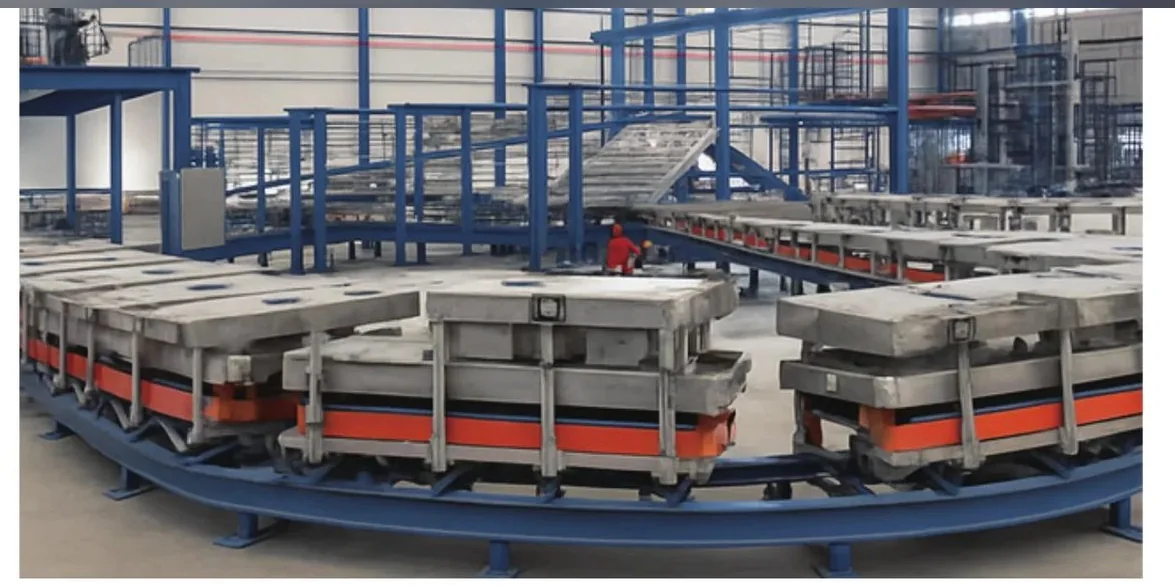
26-Station Ground-Rail Foaming Line Throughput: The Real Math Behind the Numbers
The station count in a foaming line's name is the wrong number to size capacity on. Hourly output is set by takt time and OEE; the 26 stations set curing time and work-in-process. This guide walks the actual throughput math for a closed-loop ground-rail line so you size it against your real production target.
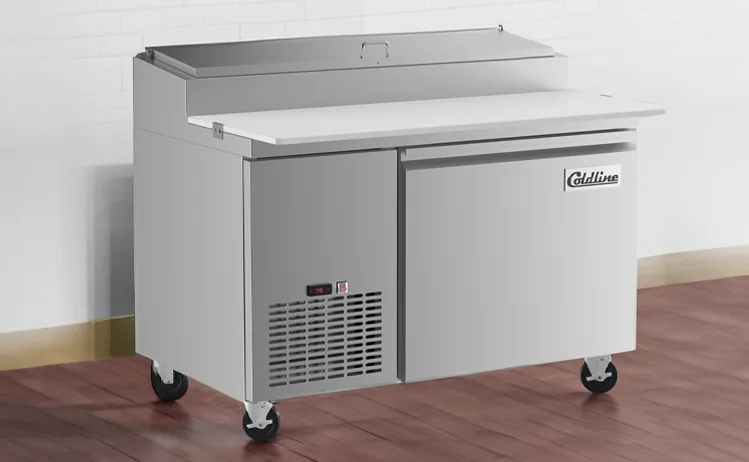
Chef Base PU Foaming, Deep Dive: Why a Load-Bearing Cabinet Is Foamed Differently from a Domestic Fridge
A chef base carries heavy cooking equipment on its top deck, soaks up radiant heat from the cooktop, and is built from two stainless skins — so its PU foam has to be a structural member and an insulator at once. This deep dive walks the engineering that separates chef-base foaming from domestic-cabinet foaming: load-bearing density, k-factor under a hot deck, stainless adhesion, and the defect modes that punish treating the two cabinets the same.

Cigar Humidor Cabinet PU Foam, Deep Dive: Why a Humidity-Holding Cabinet Is Foamed Differently from a Cold-Chain Fridge
A cigar humidor cabinet shares a fridge's two-skin, one-PU-shot construction but not its goal: it holds a narrow 65–72% relative-humidity band at around 18 °C, not a low temperature. This deep dive walks the engineering that makes humidor foaming its own discipline — RH stability, a vapor-tight envelope (ASTM E96 permeance), the condensation a single void causes near saturation, dimensional stability so the door seal stays tight for years, and why it is a precision low-pressure job rather than a high-volume one.