
Cryogenic Refrigeration Explained: Where It Starts, and Where Cold-Chain Equipment Stops
Cryogenic refrigeration means cooling below about -150°C, the temperature range where standard vapor-compression refrigerants stop working and gas liquefaction takes over. Here is what actually separates it from the deep-freeze and cold-storage equipment most cold-chain buyers are shopping for, and why the boundary matters when you're specifying a system.

Cryogenics is conventionally defined as temperatures below about -150°C (123 K) — cold enough that the working substance is usually a liquefied gas (liquid nitrogen at -196°C, liquid oxygen at -183°C) rather than a mechanically compressed refrigerant. Below that line, standard vapor-compression refrigeration (the technology in a household or commercial refrigerator, a chest freezer, or even most ultra-low-temperature medical freezers, which bottom out around -86°C) physically cannot reach the target temperature, because the refrigerants used lose usable vapor pressure well before -150°C. Cryogenic systems instead rely on liquefied-gas storage (dewars), cascade mechanical refrigeration, or cryocoolers, and the insulation is typically vacuum or multi-layer, not the rigid PU foam used in standard cold-chain cabinets and cold rooms. If your application sits between about -40°C and -86°C — chest freezers, blast freezers, ULT medical/vaccine storage — that is deep-freeze cold-chain equipment, not cryogenics, and it is the range PU-foam-insulated cabinets are built for.
"Cryogenic" gets used loosely in cold-chain marketing, but it has a specific technical meaning, and it sits well below the temperature range most cold-chain buyers are actually shopping in. We build the PU foaming equipment and moulds behind refrigerator, freezer and cold-room cabinets — a business that stops well short of true cryogenics — so getting this boundary right matters both for buyers comparing quotes and for anyone specifying equipment against a temperature spec.
Where cryogenic temperatures start
The conventional engineering definition of cryogenics is temperatures below roughly -150°C (123 K), the point at which permanent gases — nitrogen, oxygen, hydrogen, helium — exist as liquids at atmospheric pressure rather than as compressible refrigerant vapor. The National Institute of Standards and Technology (NIST), which runs a dedicated cryogenics research program, uses this boundary because it marks a genuine physical discontinuity in how cooling has to be engineered, not an arbitrary marketing threshold.
| Range | Typical equipment | Cooling method | Insulation |
|---|---|---|---|
| 0°C to -40°C | Refrigerators, chest/upright freezers, cold rooms | Vapor-compression (mechanical refrigerant cycle) | Rigid PU foam |
| -40°C to -86°C | Blast freezers, ULT medical/vaccine freezers | Cascade vapor-compression (two refrigerant loops in series) | Rigid PU foam, sometimes with vacuum-insulated panels |
| Below ~ -150°C | Cryogenic storage dewars, LN2 freezers, cryocoolers | Liquefied-gas storage or cryocooling — not standard vapor-compression | Vacuum or multi-layer insulation, not PU foam |
Why standard refrigeration can't just be pushed colder
A vapor-compression system — the technology inside every refrigerator, chest freezer and cold room, and still inside most ULT medical freezers — works by compressing and expanding a refrigerant that changes phase between liquid and gas at the operating temperature. Every refrigerant has a usable range set by its own physical properties, and below a certain point its vapor pressure gets too low for the compressor to do useful work efficiently. That is why ULT freezers reach their floor around -86°C using a cascade of two refrigeration loops in series, rather than one loop pushed harder — and why no amount of engineering takes a single-stage vapor-compression system down to true cryogenic temperatures. Below roughly -150°C, the physics requires a different approach entirely: storing a gas that is already liquid at that temperature (liquid nitrogen, liquid oxygen), or using a cryocooler that works on a different thermodynamic cycle (Stirling, pulse-tube, or Gifford-McMahon).
Why the insulation is different too
This is the detail that matters most for anyone comparing cabinet-style equipment. Refrigerators, freezers and cold rooms in the 0°C to -86°C range are insulated with rigid closed-cell PU foam — injected between an outer shell and inner liner, as we cover in our refrigerator foaming process guide — because PU foam's thermal conductivity is low enough, and its structural strength high enough, to do the job efficiently at those temperatures and at a manageable wall thickness.
True cryogenic storage doesn't use PU foam. A liquid nitrogen dewar is a vacuum vessel — two shells with the air pumped out of the gap, sometimes with multiple radiation shields (multi-layer insulation, or MLI) — because at cryogenic temperatures, the thermal gradient against ambient is so large that conduction and convection through any solid or gas-filled insulation becomes the dominant heat leak. Vacuum removes that pathway almost entirely. This isn't a cost decision; it's a different insulation physics problem than the one PU foam solves.
Where the line actually falls for buyers
If you're specifying equipment, the practical question is simpler than the terminology: what temperature does your process actually need?
- -18°C to -40°C (standard and chest freezers, blast freezing): standard vapor-compression, PU-foam-insulated cabinet — squarely inside what production lines like ours are built to equip.
- -40°C to -86°C (ULT medical, vaccine, biological sample storage): cascade refrigeration, still PU-foam-insulated in most commercial units — see our medical refrigerator and vaccine cold-chain guide for how this tier is engineered.
- Below -150°C (biobanking at liquid-nitrogen temperature, superconducting systems, gas liquefaction): genuinely cryogenic, vacuum or MLI insulated, a different equipment category entirely — outside the scope of PU-foam cabinet manufacturing.
If a project brief says "cryogenic" but the actual target temperature is -40°C or -60°C, it is very likely describing deep-freeze cold-chain equipment using the word loosely — worth clarifying before a quote goes out on either side, since the two equipment categories don't share a supply chain.
Handling and safety don't transfer either
Cryogenic liquids carry hazards that standard cold-chain equipment doesn't: asphyxiation risk from displaced oxygen in enclosed spaces, cold-contact burns from liquid or cold vapor, and pressure-relief requirements specific to a sealed cryogenic vessel warming up. The Compressed Gas Association (CGA), the industry body for industrial, medical and specialty gases in North America, publishes safety standards specific to cryogenic liquid handling and storage — a genuinely different safety domain from the electrical and mechanical safety standards that govern a commercial freezer or cold room.
Where our expertise actually applies
To be direct about scope: UREXCEED's production lines, foaming machines and moulds are built for the vapor-compression, PU-foam-insulated range — refrigerators, freezers, cold rooms and ULT medical cabinets down to around -86°C. True cryogenic equipment (dewars, cryocoolers, LN2 storage systems) sits in a different engineering discipline with different insulation physics, different safety codes and, typically, different suppliers. If your project genuinely needs sub -150°C storage, you want a cryogenic-equipment specialist, not a PU-foam cabinet line; if it needs -86°C or warmer, that's the range we build equipment for.
Frequently asked questions
What temperature counts as cryogenic refrigeration?
The conventional engineering threshold is roughly -150°C (123 K), the temperature below which permanent gases such as nitrogen and oxygen exist as liquids at atmospheric pressure. NIST, which runs a dedicated cryogenics research program, uses this boundary because it marks a genuine change in how cooling has to be achieved, not an arbitrary marketing line. Equipment operating warmer than this — including ULT medical freezers down to about -86°C — is deep-freeze refrigeration, not cryogenics.
What is the difference between a freezer and cryogenic storage?
A standard or ultra-low-temperature freezer uses a mechanical vapor-compression refrigeration cycle and rigid PU foam insulation, and bottoms out around -86°C using a cascade of two refrigeration loops. Cryogenic storage, below roughly -150°C, uses a liquefied gas (typically liquid nitrogen) held in a vacuum-insulated vessel, or a cryocooler running a different thermodynamic cycle entirely — vapor-compression refrigerants cannot reach that range.
Why don't cryogenic systems use PU foam insulation?
PU foam is an effective insulator down to the temperatures a refrigerator, freezer or cold room operates at, but at true cryogenic temperatures the thermal gradient against ambient is large enough that heat conduction through any solid or gas-filled insulation becomes the dominant heat leak. Cryogenic vessels instead use a vacuum gap, sometimes combined with multi-layer radiation shielding, which removes that conduction and convection pathway almost entirely — a different insulation approach for a different physics problem.
Is a -60°C or -80°C freezer considered cryogenic?
No. Equipment in the -40°C to -86°C range, including ultra-low-temperature medical and vaccine freezers, uses cascade vapor-compression refrigeration and is generally still PU-foam insulated. It sits below true cryogenic temperatures, which conventionally start around -150°C. The term "cryogenic" is sometimes used loosely in marketing for this range, but it does not match the technical definition or the equipment category.
Products Mentioned in This Article
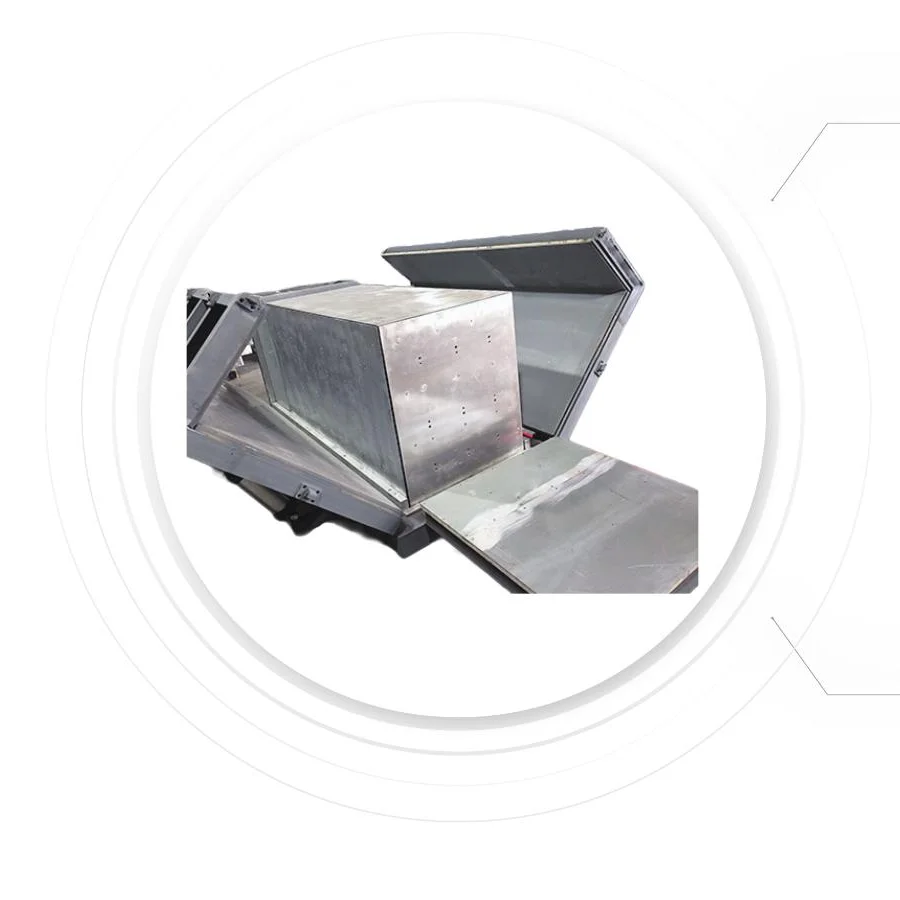
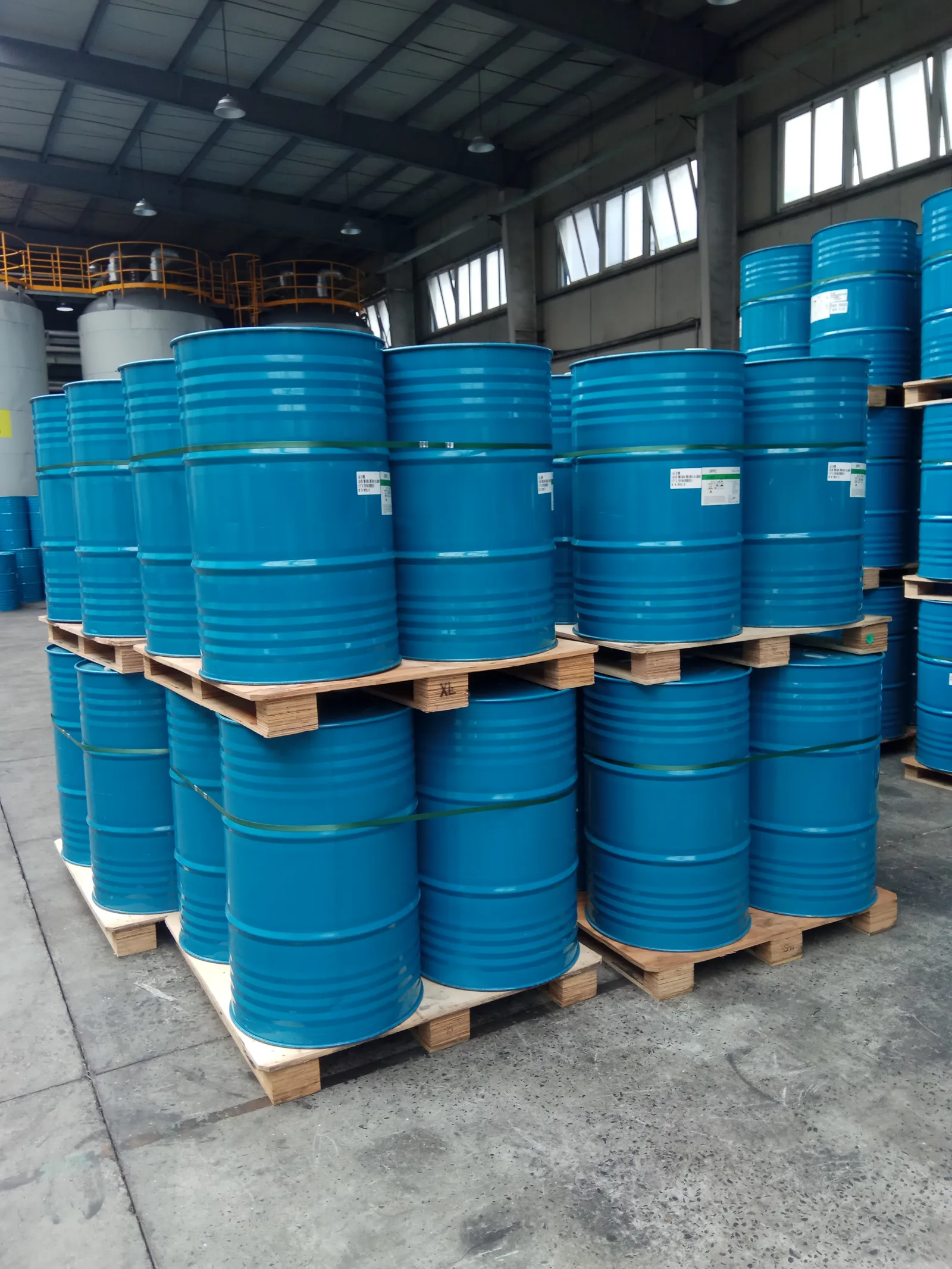
Ready to plan your refrigeration project?
Share your target output and product mix — our engineering team replies with a capacity plan and quote within three business days.
Get an engineering quoteRelated articles
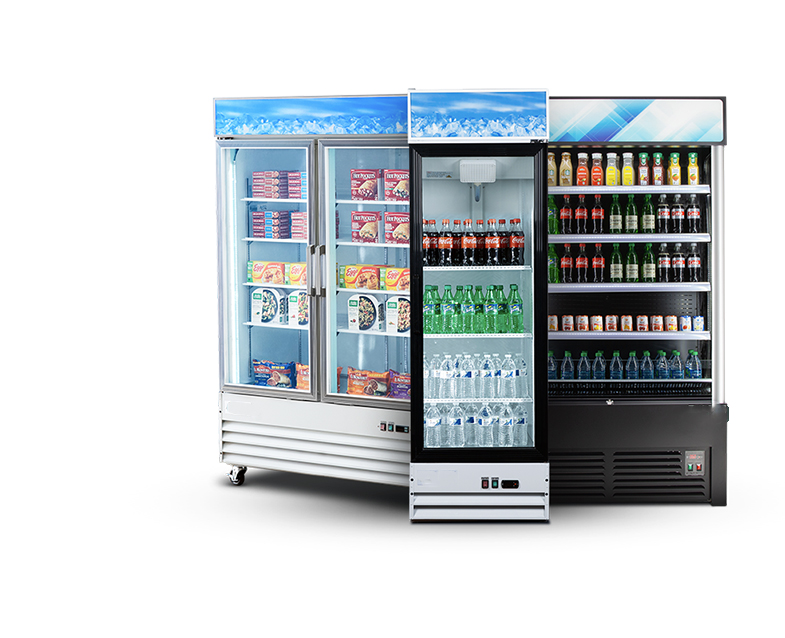
Beverage Cooler Production Line — Cost, Payback & Turnkey Setup (2026 Pillar Guide)
Investment tiers from a single-door entry line to a full bottler-program build, the payback math behind a 3,000-unit/day line, and the complete equipment list and certification checklist a beverage cooler OEM needs to go from contract to first shipment.
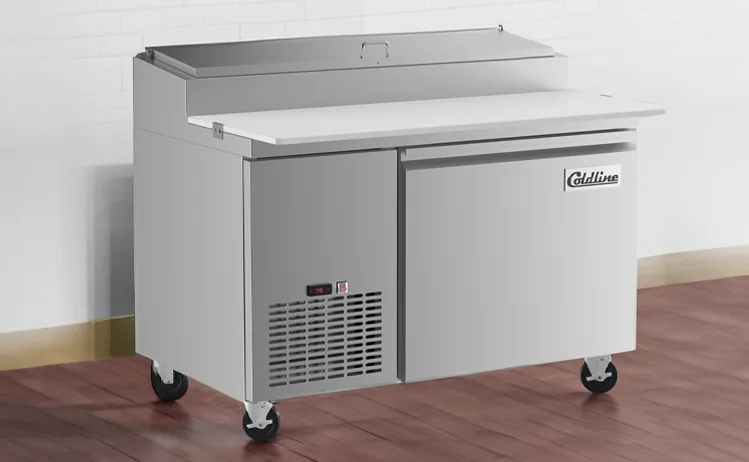
Chef Base Production Line: Cost, Break-Even & Turnkey Manufacturing (2026 Pillar Guide)
Investment tiers, the break-even math behind an 800-unit/day line, and the full equipment list and certification checklist a foodservice OEM needs to start chef base and refrigerated-counter production.
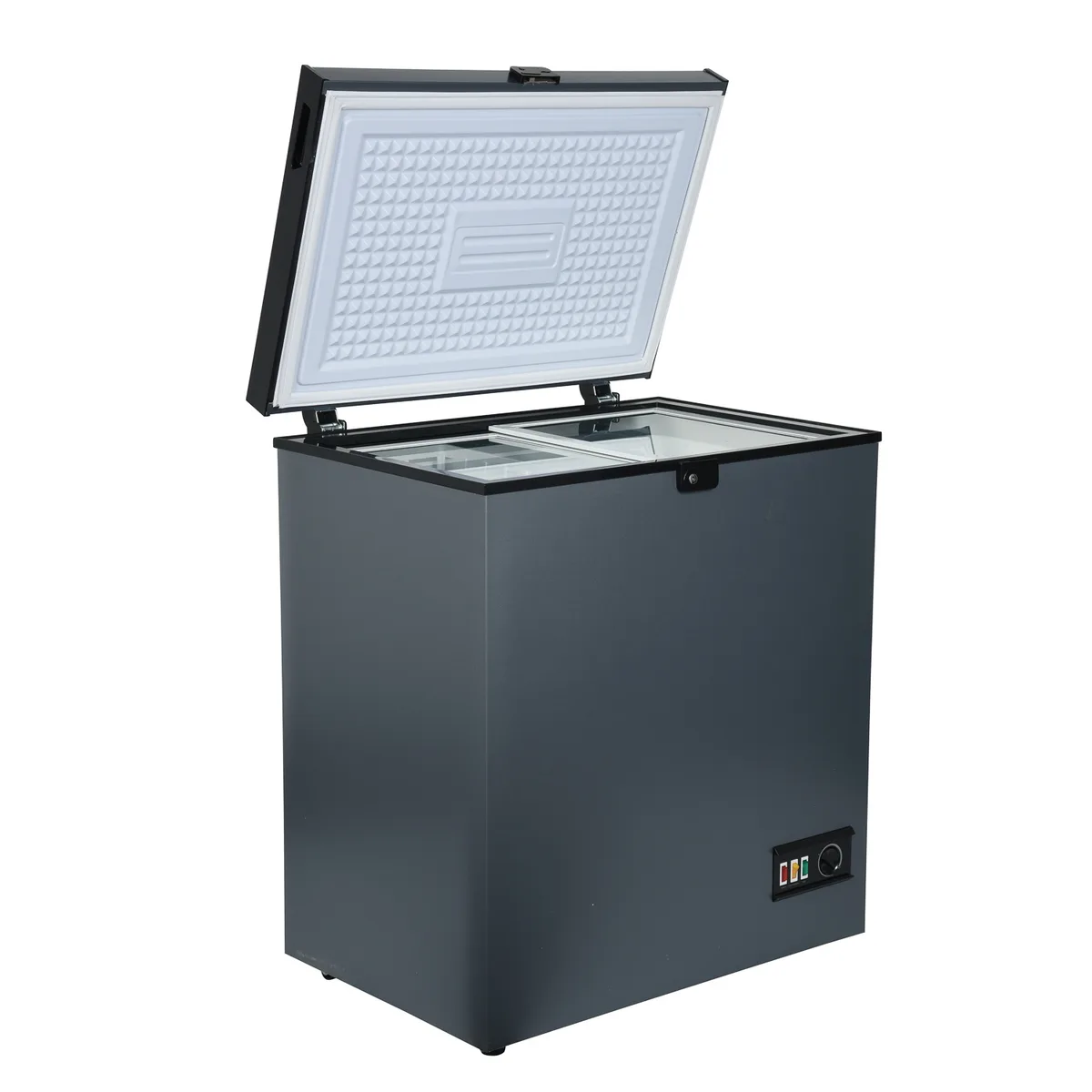
Chest Freezer Production Line — Cost, Capacity & Turnkey Factory Setup (2026 Pillar Guide)
Investment tiers from a 300-unit/day entry line to a 3,000-unit/day ultra-low-temperature build, the ATEX and Ecodesign pitfalls that stall first-time freezer OEMs, and the complete equipment list, mould selection logic and staffing plan needed to go from contract to first accepted cabinet.