
Low-Pressure PU Foaming Machine — CE-certified pu foaming machines by UREXCEED, manufactured under an ISO 9001-certified quality management system. Lead time 30 – 45 days, MOQ 1 set.
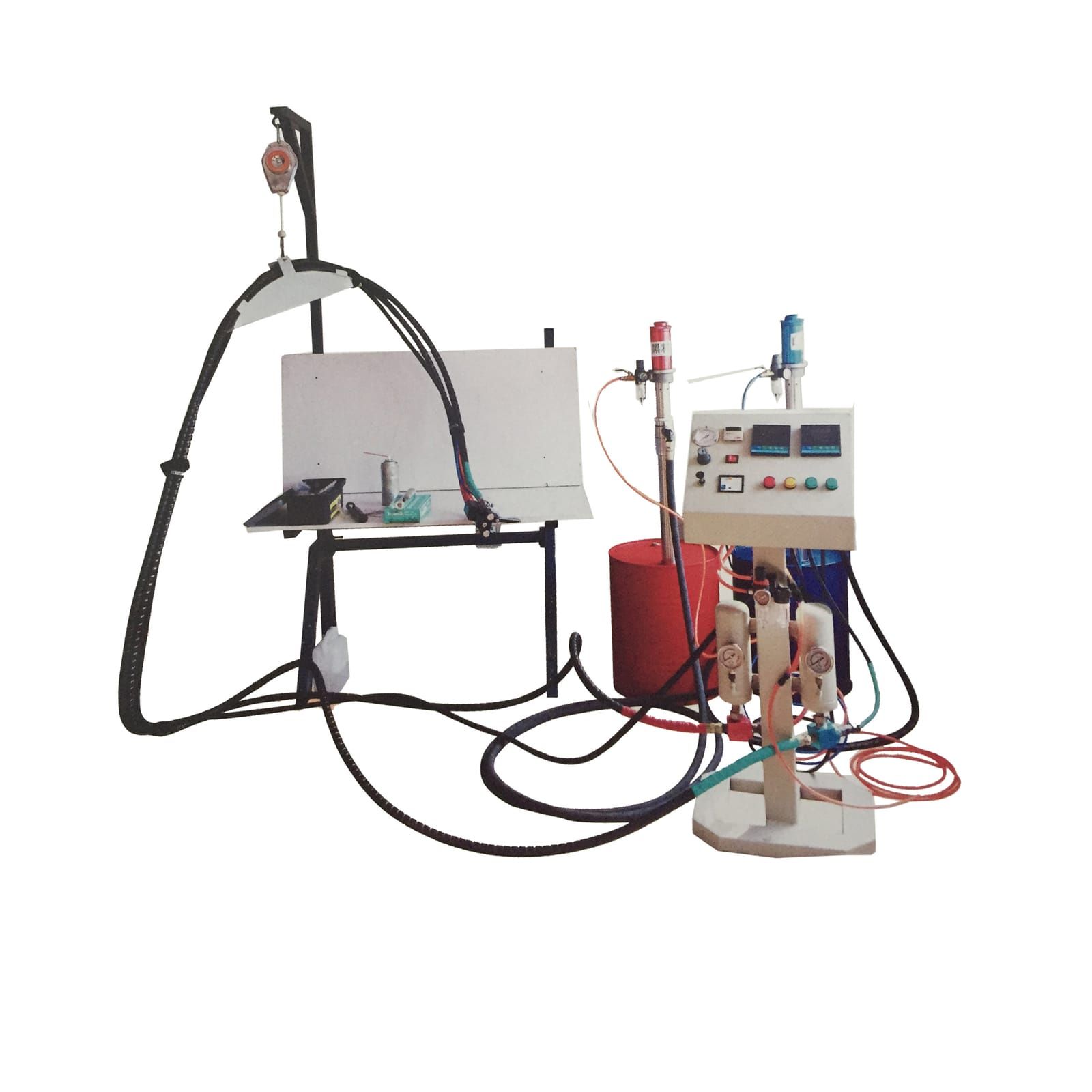
Low-Pressure PU Foaming Machine
Smaller, more flexible machine for wine cabinets, mini-bars, vaccine boxes and R&D pilots. Quick recipe switches when you run dozens of small cabinet variants. 5–250 g/s output.
Engineering reply within 24 hours
Quote + spec sheet + tailored sizing recommendation. WhatsApp answered 9 am–6 pm Beijing time.
Specyfikacja techniczna
- Output Range
- 5 – 100 g/s (small parts) up to 250 g/s (display cabinets)
- Output Pressure
- 10 – 30 bar
- Mixing Type
- Dynamic mechanical mixing (motor-driven impeller)
- Day Tank Capacity
- 40L / 80L / 160L / 250L per component
- Tank Temperature
- PID ±1°C, electric jacket heating
- Recipe Switching
- Manual purge → switch (5–10 min), or dual mixing head for instant swap
- Mixing Head Self-Clean
- Solvent flush cycle, 30–60s
- Cycle Time per Shot
- 8 – 60s configurable
- Power
- 220V / 380V · 50/60Hz, 3 – 8 kW
- Footprint
- ~6 m² (typical 80L configuration)
- Suitable For Daily Output
- 50 – 800 cabinets per day (small refrigerator categories)
Zastosowania
- Wine cellar cabinet (28 / 46 / 100 / 180 bottle)
- Mini-bar refrigerator (compact hotel / dorm)
- Cosmetics & skincare refrigerator
- Breast milk / vaccine cold storage box
- Beverage display cooler (small)
- Built-in cabinet panel & shelf foaming
- R&D pilot runs & sample cabinet production
- Small chest freezer (≤ 150L)
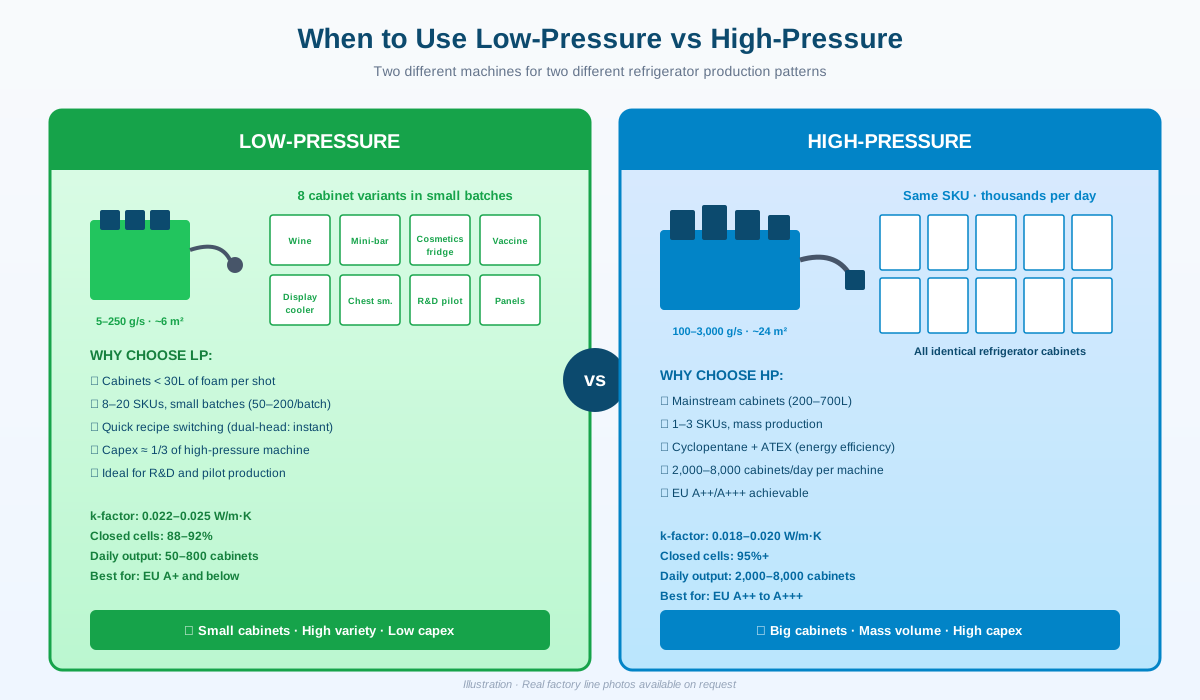
When a low-pressure machine actually beats a high-pressure one
Most refrigerator factories should buy the high-pressure machine. But there are three situations where the low-pressure version is genuinely the right call.
Small cabinets
Small cabinets (under ~30L of foam per shot). The high-pressure machine's minimum reliable shot is ~50g; below that the mixing head doesn't reach steady state. Wine cabinets, mini-bars, vaccine boxes typically need 5–25g shots. Low-pressure handles them naturally.
Many small-batch variants
Many small-batch variants. If you build 8–20 cabinet SKUs in batches of 50–200 each (typical for wine cabinet OEMs, hotel mini-bar suppliers, medical cold storage), recipe-switching time dominates. The dual-head low-pressure config swaps recipes instantly. The HP machine purges for 10+ minutes between recipes — that's 30% of your shift on recipe changes alone.
R&D and pilot runs
R&D, pilot runs, sample production. New cabinet designs need 1–2 weeks of trial foaming to dial in. The HP machine's big day tanks mean every recipe iteration wastes 10–20kg of material. The LP machine's 40–80L tanks make each iteration cost a fraction of that.
Capex constraints
Capex is 1/3 of the HP machine. If you're a startup or testing market demand for small refrigerators, the LP machine lets you start production with a fraction of the upfront cost.
What's inside the low-pressure machine
Mechanically simpler than the HP machine, which is the point. Fewer moving parts, easier to maintain, easier to train operators on.
Dynamic mixer
Dynamic mechanical mixing — a motor-driven impeller in the mixing head. The polyol and ISO enter the mixing chamber separately and the impeller mixes them at 2,000–3,000 RPM. Less homogeneous than HP impingement, but adequate for cabinets where k-factor isn't the headline spec.
Smaller tanks
Smaller jacketed day tanks (40 / 80 / 160 / 250L per component). Electric jacket heating, PID ±1°C. No N₂ blanket needed (the lower throughput and smaller tanks mean atmospheric moisture isn't a problem).
Dispensing gun
Hand-held or fixed-position dispensing gun. Cycle time per shot is 8–60 seconds (programmable). Most factories run hand-held for flexibility.
Simpler PLC
Simpler PLC (Siemens S7-200 SMART or Mitsubishi FX5) — recipe storage, output adjustment, basic temperature logging. No remote diagnostics on the base spec (available as upgrade).
Optional dual head
Optional dual-head configuration. Two mixing heads on the same machine, one for each recipe. Instant recipe swap without purging — for factories running many cabinet variants.
Eight small-refrigerator scenarios we ship this machine for
The low-pressure machine isn't a "general purpose" machine — it's specifically for these refrigerator categories where HP overkill and HP recipe changeover cost dominates.
Wine cabinets (28 / 46 / 100 / 180 bottle). Multiple SKUs per OEM, small batches, foam volume 3–8 kg per cabinet.
Hotel / dorm mini-bar refrigerators (20–50L). High variety (different countries, different OEM branding), small batches.
Cosmetics / skincare refrigerators (10–25L). Boutique product, dozens of designs, very small batches.
Breast milk / vaccine cold storage boxes. Often regulated, often custom-spec for the buying agency. Small volumes, high variant count.
Small beverage display coolers (table-top, 20–60L). Used in cafes, convenience stores, hotel rooms.
Built-in cabinet panel & shelf foaming for cabinets where the main shell is foamed elsewhere but smaller parts need separate foaming.
R&D pilot runs and sample cabinet production. Cheap to iterate, cheap to scrap a bad design and start over.
Small chest freezers (≤150L) — domestic / small commercial. Often regional brand variants.
Foam quality: low-pressure honest comparison
Worth being honest about the trade-off. Low-pressure foam is not as good as high-pressure foam. For cabinets where energy class is decisive, this matters. For most small refrigerators, it doesn't.
| Metric | Low-pressure | High-pressure |
|---|---|---|
| k-factor (W/m·K) | 0.022 – 0.025 | 0.018 – 0.020 |
| Closed cell content | 88 – 92% | 95%+ |
| Density consistency | ±8% | ±3% |
| Cell size uniformity | 150 – 250 µm | 100 – 180 µm |
| Practical EU energy class (2021 A–G label) | E to G, legacy A+ to A (cabinet dependent) | B to E, legacy A++ to A+++ |
Translation: for wine cabinets, mini-bars, vaccine boxes — where the buyer cares about size, looks, price, and reliability more than about energy class — the LP foam quality is fine. For mainstream household refrigerators going to EU consumers, run the HP machine.
Using this machine for R&D and pilot production
About a third of our LP machine customers buy it specifically as the R&D / pilot line. Here's how that typically works.
- 1
Week 1 — Concept and CAD: cabinet outer dimensions, inner volume, target market, target energy class, blowing agent choice (usually HFC or HFO at this scale, not cyclopentane).
- 2
Week 2 — Mould design and manufacture (we can do this in parallel — see our mould product family).
- 3
Week 3–4 — First trial foaming. Tune shot weight, cream time, gel time, mould temperature. Expect 5–10 iterations before the foam looks right.
- 4
Week 5 — Energy class testing (third-party lab). Measure k-factor and calculate cabinet energy consumption.
- 5
Week 6–8 — If energy class is short, re-formulate polyol blend. If cabinet geometry is the problem, modify the mould. Iterate.
- 6
Week 9–12 — Production sample run (50–200 cabinets) for buyer approval / certification.
- 7
Production-ready handover. Either keep using the LP machine for ongoing low-volume production, or step up to an HP machine if forecast volume justifies it.
What pairs with the low-pressure machine
Like with the HP machine, we engineer the chemistry around this specific equipment. Saves you the integration headache.
LP-grade polyol. We supply LP-grade polyol systems (typically water-blown or HFC-blown — cyclopentane is overkill at this scale). Smaller drum sizes (200L drums or 1,000L IBCs) match LP machine consumption rates.
Small refrigerator moulds. Small refrigerator moulds — typically aluminum, single cavity, simpler than the big steel cabinet moulds. We make these in parallel for first-time customers.
Browse our refrigerator-grade PU raw material system →Powiązane produkty
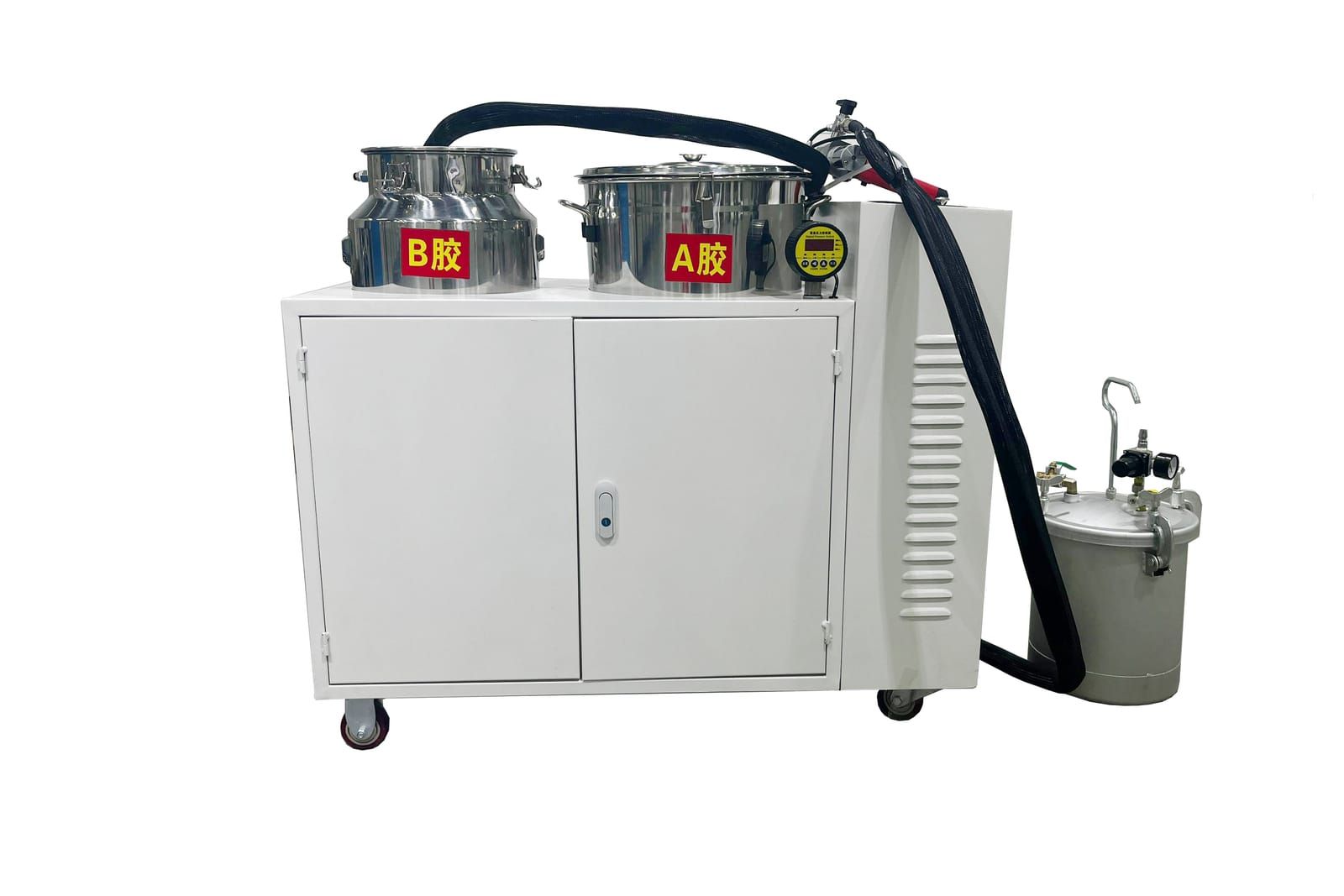
Two-Component PU Adhesive Dispenser — Cold Room Panel Lamination
Built specifically for cold room sandwich panel production — bonds the steel facing to the PU foam core with two-component PU adhesive. 500–2,500 m² of panel per shift, ±1% mix ratio, integrates into continuous or discontinuous panel lines.
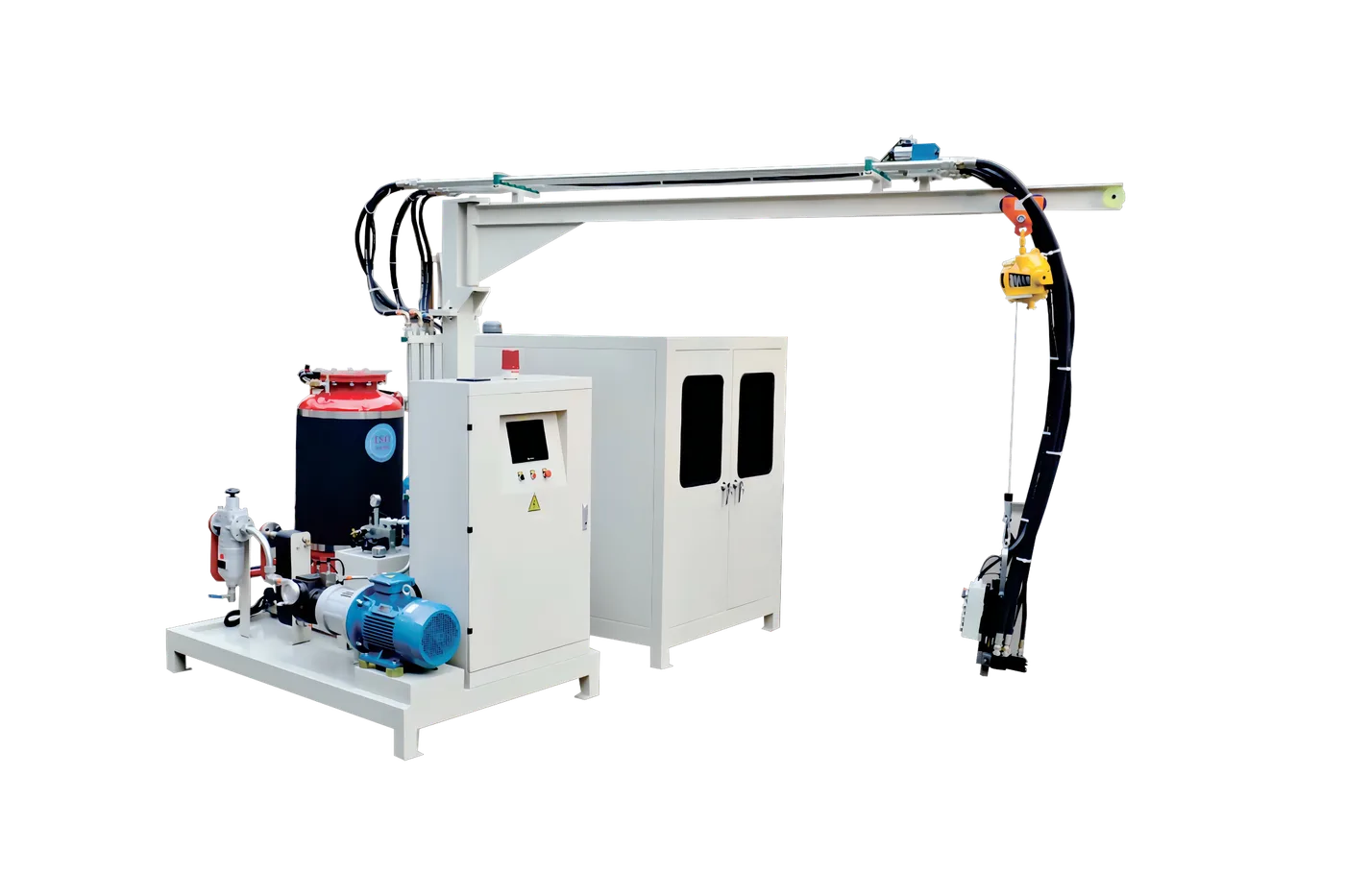
Cyclopentane High-Pressure PU Foaming Machine
Our flagship — purpose-built for refrigerator factories chasing the top EU energy classes (B–C on the 2021 A–G label, formerly A+++). Cyclopentane-ready out of the box with full ATEX Zone 1 safety package. Three sizes covering 500 to 8,000 cabinets a day.
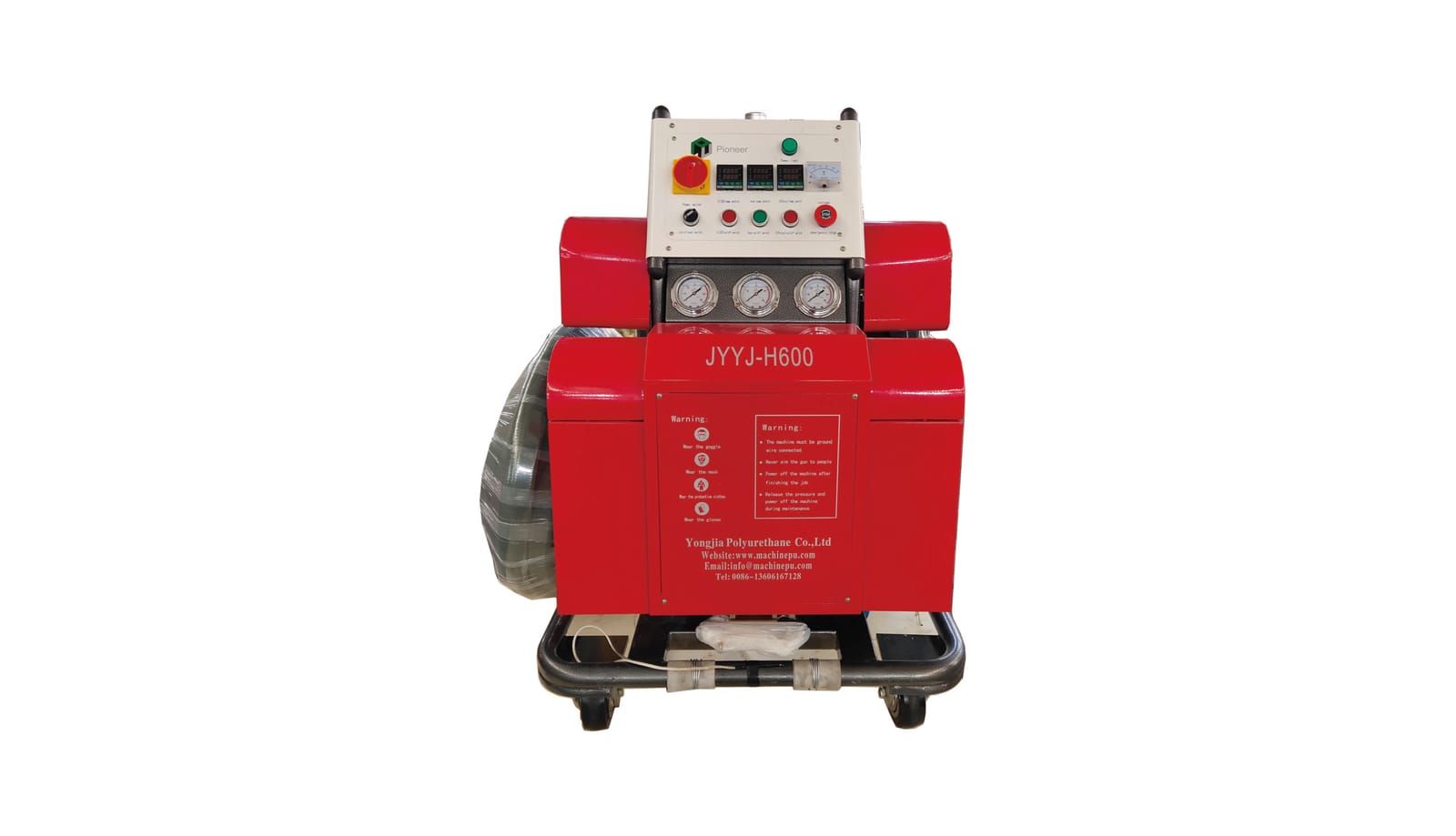
Spray Foam Equipment for Cold Storage Insulation
Spray foam for the refrigerator cabinets a high-pressure machine can't reach — oversized supermarket islands, curved commercial freezers, thick-wall ultra-low-temp boxes, on-site liner repair. 5–20 kg/min.
Cross-Sell · One-Partner Synergy
Pair This Foaming Machine With Moulds + Materials
Foaming machines run best on properly engineered moulds and calibrated raw materials. Buy together for full-line synergy.
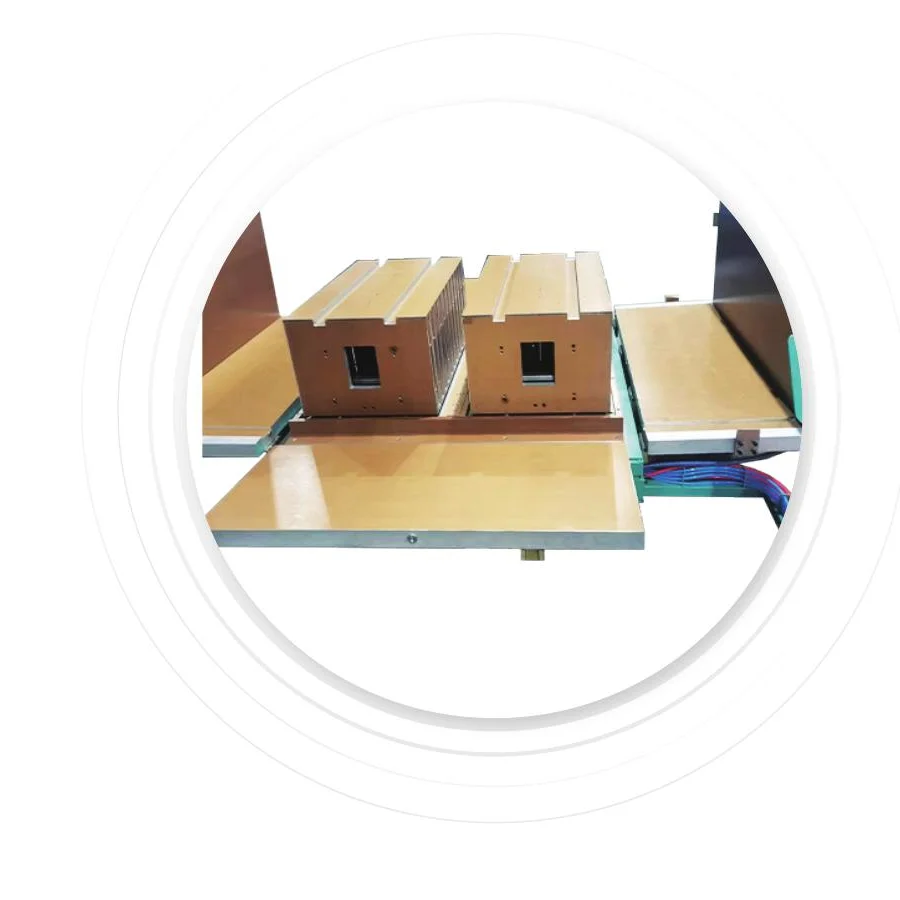
Refrigerator-Grade Moulds
Vacuum-forming moulds for inner liners + foaming moulds for cabinet/door — 30-year cluster network.
Learn more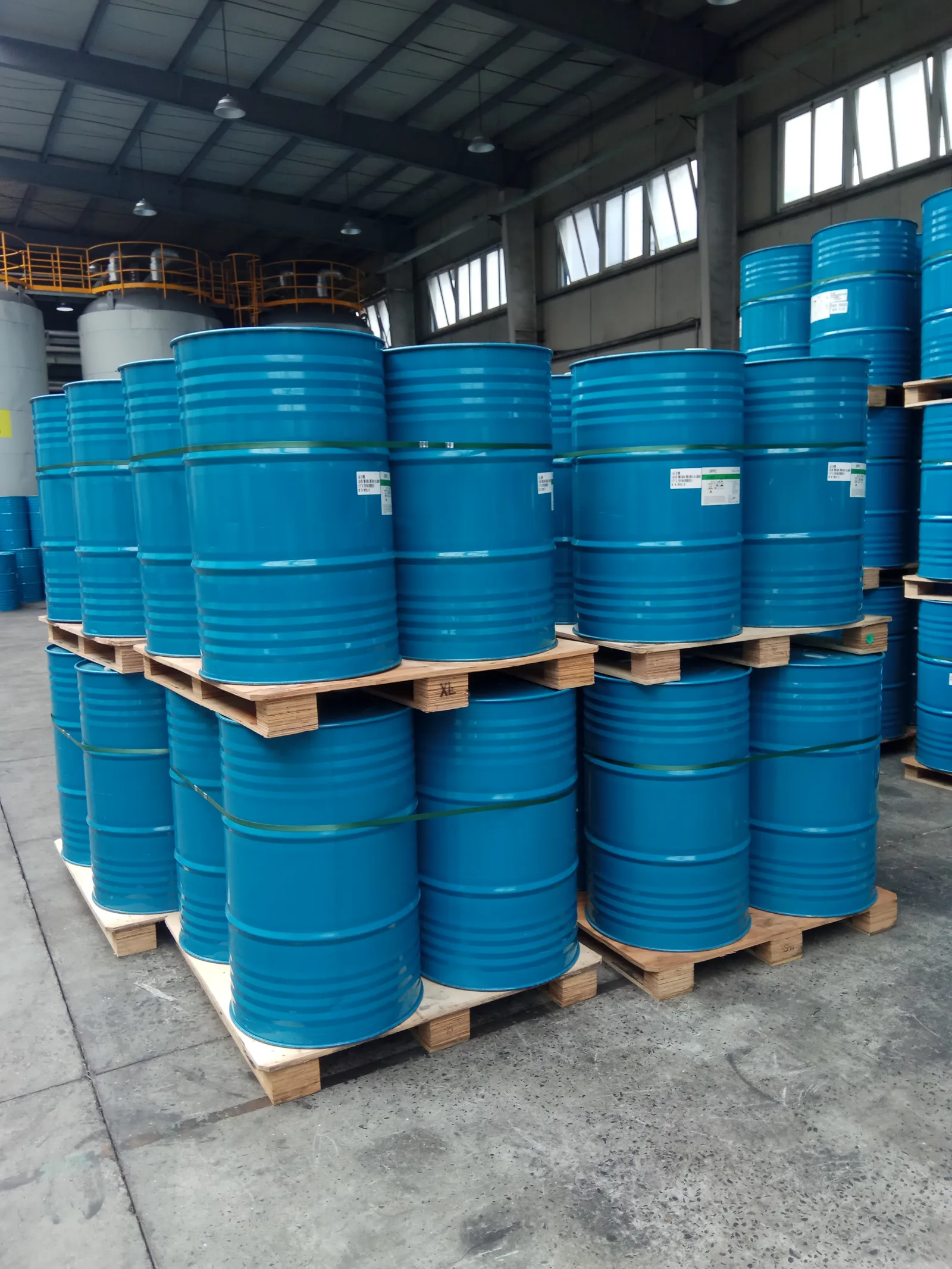
PU Raw Materials
MDI + Polyol formulations matched to your machine output, density target, and local climate.
Learn more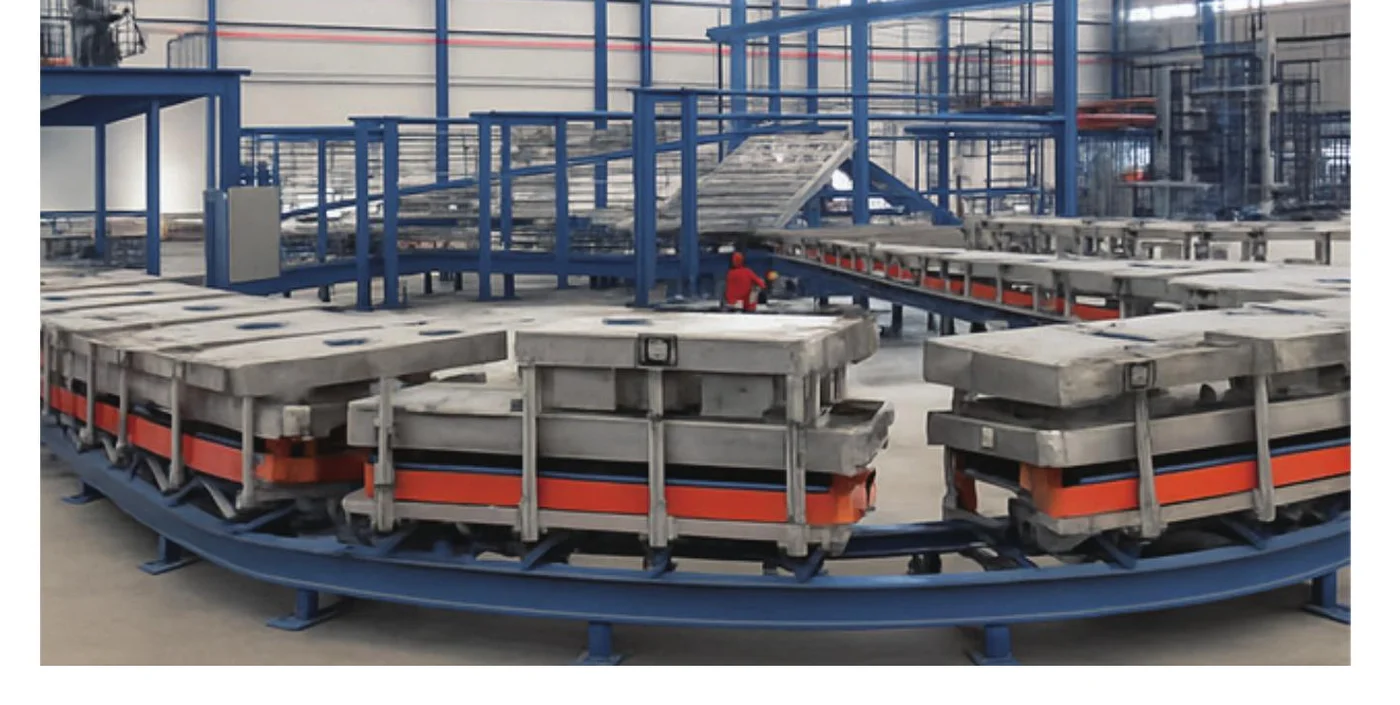
Refrigerator Production Line
Cyclopentane high-pressure foaming is the heart of our turnkey refrigerator factory solutions.
Learn moreService & Support
Warranty & Service
On-site intervention available in every region where we have delivered projects.
On-Site Installation
Our engineers fly to your factory to supervise installation, layout verification, and first-run production.
Commissioning + Tuning
Trial run + parameter tuning to your local raw material, climate, and target product spec — until throughput meets contract.
Operator Training
5-10 day on-site training for production team, QC, and maintenance — bilingual manuals + video tutorials provided.
3-Year Warranty + Spares
Core equipment 3-year warranty, electrical 2-year. Spare parts in stock with global express shipment 24h dispatch.
Często zadawane pytania
When does a low-pressure machine actually beat a high-pressure one?
Can I get the same k-factor (0.018) on a low-pressure machine?
How fast can I switch between recipes?
What's the smallest cabinet you can foam?
Can the low-pressure machine handle cyclopentane?
How long does R&D / sample production typically take on this machine?
What's the daily output and how does that compare to HP?
What support do you provide after the sale?
Potrzebujesz kompleksowego rozwiązania chłodniczego?
UREXCEED integruje formy, maszyny do pianki, linie produkcyjne i materiały z 6 fabryk partnerskich. Podaj cel kapacytetowy, w 24h przedstawimy konfigurację i wycenę.