
Refrigerator Machine Price: What Actually Drives the Quote (2026)
Two suppliers, two very different numbers for the "same" refrigerator machine. Here is what the price actually buys — broken down by mould, foaming machine and full line — so you can read a quote instead of just comparing totals.
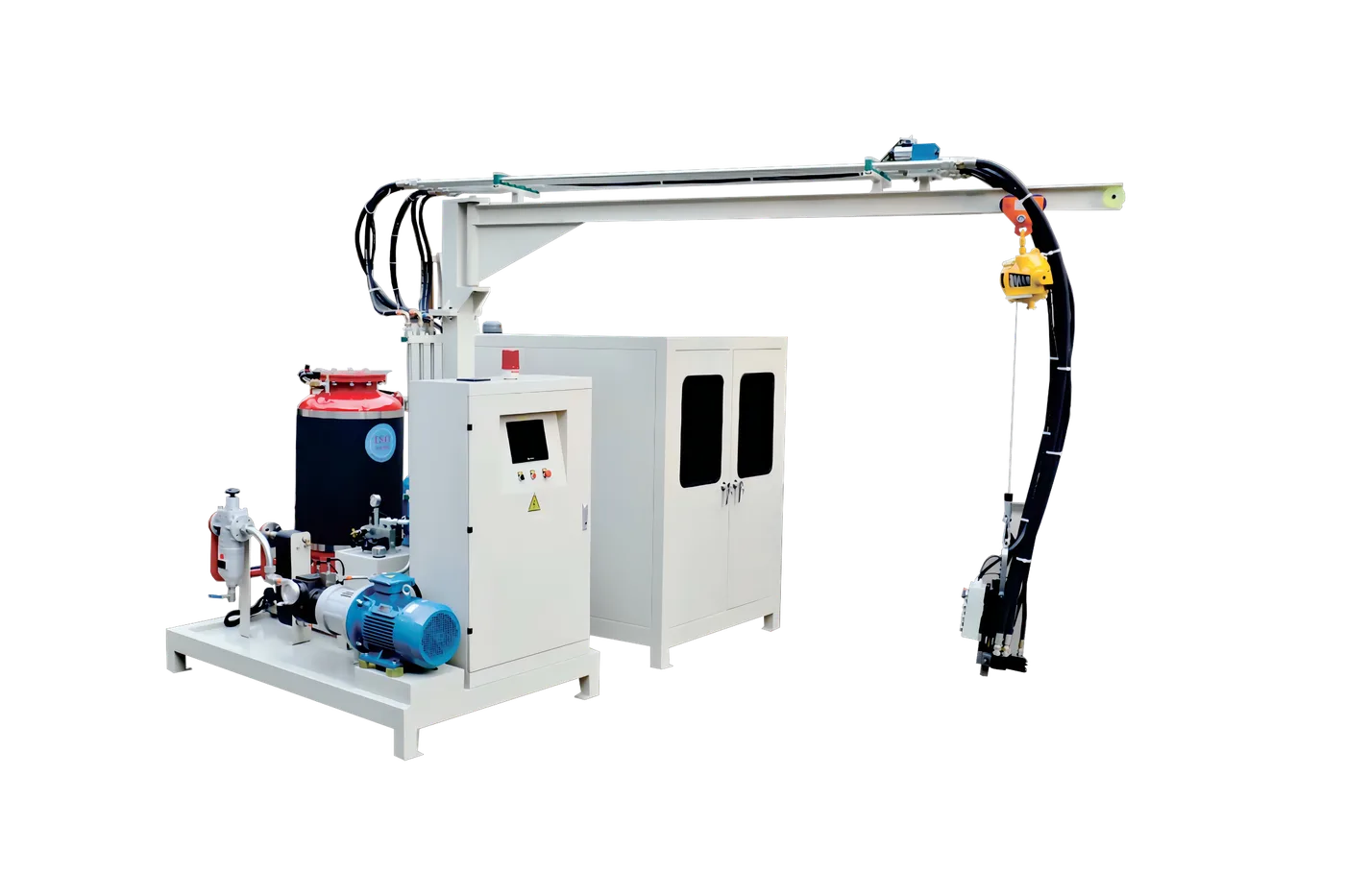
"Refrigerator machine price" means three different machines with three different price bands: moulds (USD 130K-370K combined tooling), PU foaming machines (USD 15K-40K low-pressure, USD 80K-350K high-pressure), and a complete assembled line (USD 2M-8M for 500-2,000 units/day). Two quotes for the "same" machine differ because of automation level (manual vs servo-driven metering), ATEX safety package (cyclopentane needs Zone 1 electrics, water-blown doesn't), station count, and whether certification test equipment is in scope. Compare quotes line by line against these four variables, not against the bottom-line total.
"Refrigerator machine price" does not point to one number, because it is not one machine. A refrigerator factory buys at least three distinct machine categories — moulds (vacuum-forming + foaming), a PU foaming machine, and the assembly/conveyor system that ties them into a line — and each has its own price band. A vacuum-forming mould costs nothing like a foaming machine, and a low-pressure foaming machine costs nothing like a high-pressure one. When two supplier quotes for what looks like "the same machine" land USD 100K apart, the gap is almost always one of four variables: automation level, safety package, station count, or what's included versus excluded from scope.
This guide breaks the price down by machine type, then walks through the variables that move a quote up or down within each band — so a number on a quote sheet becomes something you can actually evaluate, not just accept or reject.
Refrigerator Machine Price by Category
One-line answer: budget USD 130K-370K for moulds, USD 15K-350K for a PU foaming machine depending on pressure class, and USD 2M-8M for a complete assembled line producing 500-2,000 units/day.
| Machine | Price band | What sets the price within the band |
|---|---|---|
| Vacuum-forming mould (liner) | USD 60K-180K per cavity set | Cast aluminium (under 300K units/year) vs P20/Q345 steel (higher volume, 1M+ cycle life) |
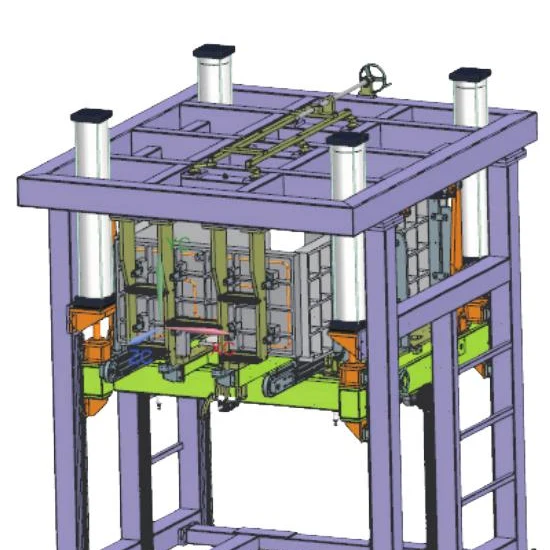
| Foaming mould (cabinet clamp) | USD 70K-190K per cavity set | Cabinet size, 5-50 ton clamp load, cavity count for multi-SKU tooling |
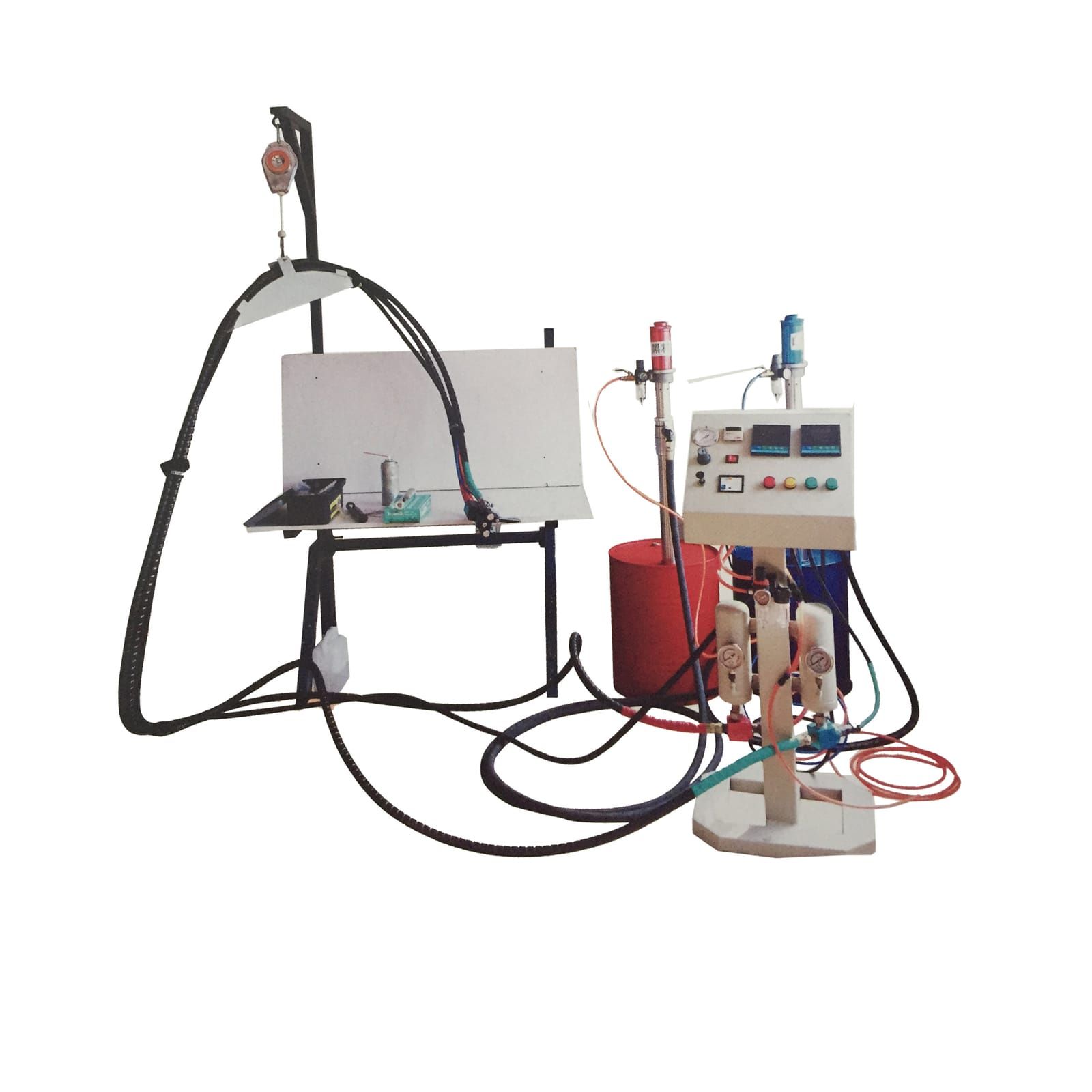
| Low-pressure PU foaming machine | USD 15K-40K | 5-100 g/s output, mechanical mixing, manual purge between recipes |
| High-pressure PU foaming machine | USD 80K-350K | 100-1,500 g/s output, servo metering (±0.5% accuracy), ATEX Zone 1 package for cyclopentane |
| Complete assembled line | USD 2M-8M | 500-2,000 units/day: moulds + foaming machine + vacuum forming + conveyor + testing equipment, building and utilities excluded |
These bands hold for household and light-commercial refrigerator/freezer cabinets. Specialty categories — walk-in cold-room panels, HVAC AHU casings, medical-grade cabinets with stainless inner skins — sit on different bands because the certification and material requirements differ; see the category-specific guides linked at the end.
The Four Variables That Move a Quote Within Its Band
1. Automation Level
A manual-purge low-pressure machine and a servo-driven high-pressure machine both "foam a cabinet," but the labor and defect-rate economics are opposite ends of the same job. Low-pressure machines run 8-60 second shot cycles with 5-10 minute manual purge between recipe changes — fine for 50-800 cabinets/day across a handful of SKUs. High-pressure machines hold ±0.5% metering accuracy on servo-driven axial piston pumps and store up to 50 cabinet recipes on a PLC, switching recipes in under 30 seconds — the automation premium is what lets a factory run 200-10,000 units/day without a metering-accuracy penalty on foam density.
2. Safety Package (Blowing Agent Dependent)
This is the single biggest line-item swing inside the "high-pressure machine" band. A cyclopentane-blown machine needs ATEX Zone 1 electrics (II 2G Ex db IIB T4-rated), LEL gas detection at four points with auto-shutdown at 50% of the lower explosive limit, and a continuous nitrogen blanket on the polyol and cyclopentane tanks. A water-blown or HFC-based machine of the same output rating skips that entire safety package. If your quote comparison shows one supplier's high-pressure machine priced well below another's, check first whether ATEX-rated electrics are actually in scope — a non-rated machine cannot legally run cyclopentane, and retrofitting Zone 1 electrics after delivery costs more than specifying it up front.
3. Station Count and Line Configuration
For the assembled-line price band, station count is the lever. A single-station linear foaming setup and a 16-station crawler door line both "assemble refrigerator doors," but one is sized for a pilot run and the other for volume production. More stations mean more fixtures, more conveyor length, and more PLC-coordinated handoffs — each adds tooling cost but removes labor and cycle-time bottlenecks. Match station count to your actual daily-output target rather than buying headroom you won't use for years; foaming and vacuum-forming machines can typically be upgraded in place without rebuilding the conveyor structure around them.
4. Scope: What's Actually Included
The most common source of "identical machine, different price" is scope, not the machine itself. Confirm each quote line-by-line against this checklist:
- Testing equipment. Density-check scales, dimensional gauges, and (for cyclopentane lines) portable LEL meters are sometimes quoted separately from the foaming machine itself.
- Recipe development. A first-run PU recipe tuned to your specific cabinet geometry and target k-factor is engineering time, not a stock item — confirm whether it's bundled or billed separately.
- Installation and commissioning. On-site setup, first-batch calibration and operator training run 5-10 days for a mid-size line; some quotes price this in, others price it as a separate line item payable on arrival.
- Spare parts. A starter spares package (seals, mixing-head wear parts, sensor replacements) for year one is sometimes bundled, sometimes an add-on quoted at 3-8% of machine price.
A Worked Example: Reading Two Quotes for "the Same" High-Pressure Machine
Say two suppliers quote a 1,500 g/s high-pressure PU foaming machine — Supplier A at USD 145,000, Supplier B at USD 238,000. Before assuming Supplier A is the better deal, check:
- Output pressure and metering accuracy. 140-200 bar at the mixing head with ±0.5% metering is the specification that holds foam density and cell uniformity (0.15-0.25 mm) consistent shot to shot. A lower-pressure, lower-accuracy machine at the same rated g/s output will show wider density variance — a quality problem that surfaces months later, not on the spec sheet.
- ATEX rating, if you're running cyclopentane. Confirm the electrics are Zone 1 rated, not just the tanks. A quote missing this line is either not cyclopentane-compatible or is going to need a change order.
- Tank capacity and count. 250L/500L/1,000L day tanks scale with your target output — a machine quoted with undersized tanks will need more frequent refills, cutting effective uptime.
- Recipe storage. PLC-based recipe storage (Siemens/Mitsubishi-class controllers, 50-recipe capacity, sub-30-second switching) versus a simpler controller with fewer stored recipes changes how many SKUs the machine can run without manual reprogramming.
The USD 93,000 gap between the two quotes is explainable by any one of these — or by nothing at all, if one supplier is simply underpricing to win the order. The point of the line-by-line check is to find out which.
Full-Line Price: What USD 2M-8M Actually Buys
For a complete refrigerator production line at 500-2,000 units/day, the equipment-only capex (excluding building, utilities and working capital) typically breaks down as:
- Moulds: USD 130K-370K combined (vacuum-forming + foaming, per cabinet SKU)
- PU foaming machine: USD 200K-800K (sized to output target and blowing-agent chemistry)
- Vacuum forming machine: USD 150K-500K
- Assembly conveyor: USD 100K-300K
- Testing and QC equipment: typically 5-10% of total machine spend
A first-time factory building for 300-500 units/day sits toward the lower end of these bands; a 2,000-units/day line sizing for three to five SKUs on quick-change tooling sits toward the top. Lead time from order to first unit runs 8-14 months across the full sequence — mould design and manufacture (2-3 months), foaming and forming machine production (3-4 months), shipping and installation (2-3 months), commissioning and trial runs (1-2 months).
Frequently Asked Questions
FAQ
Why do two quotes for the same refrigerator machine differ by 50% or more?
Almost always one of four variables: automation level (manual vs servo-driven metering), safety package (ATEX Zone 1 electrics for cyclopentane vs none), station count for line configurations, or scope — whether testing equipment, recipe development, installation and starter spares are included or billed separately. Compare quotes against these four line items before comparing totals.
What is the price difference between a low-pressure and high-pressure PU foaming machine?
Low-pressure machines run USD 15,000-40,000 (5-100 g/s output, mechanical mixing, best for 50-800 cabinets/day across multiple small-batch SKUs). High-pressure machines run USD 80,000-350,000 (100-1,500 g/s, servo-driven metering at ±0.5% accuracy, ATEX-ready, sized for 200-10,000 units/day). Many mid-size factories run both — high-pressure for the main SKU line, low-pressure for prototypes and low-volume variants.
Does the blowing agent change the machine price?
Yes, significantly on high-pressure machines. Cyclopentane requires ATEX Zone 1-rated electrics, four-point LEL gas detection with auto-shutdown, and a continuous nitrogen blanket on the polyol and cyclopentane tanks — a full safety package that a water-blown or HFC-based machine of the same output rating does not need. Confirm this is explicitly in scope before comparing two "same-spec" quotes.
How much do refrigerator moulds cost separately from the foaming machine?
Combined vacuum-forming and foaming mould tooling for one cabinet SKU runs USD 130,000-370,000. Cast aluminium tooling suits production runs under 300,000 units/year; P20 or Q345 hardened steel is used for higher-volume, longer-life tooling (1M+ cycles). Lead time is typically 60-90 days per mould set.
Is machine price the same as full production line price?
No. A machine price (mould or foaming machine alone) is a single line item; a complete production line bundles moulds, PU foaming machine, vacuum forming machine, assembly conveyor and testing equipment into one system, typically USD 2 million-8 million for 500-2,000 units/day. Buyers researching "machine price" are often actually pricing a full line — worth clarifying scope with your supplier early.
What's included in a typical refrigerator machine quote, and what's usually separate?
Usually included: the machine itself, standard controls, and a base spec sheet. Often quoted separately: on-site installation and commissioning (5-10 days for a mid-size line), first-run recipe development tuned to your cabinet geometry, a starter spare-parts package (3-8% of machine price), and dedicated testing equipment such as density scales or LEL meters. Ask for an itemized quote rather than a single total.
How does isocyanate handling affect PU foaming machine cost?
Isocyanate (the "ISO" component in PU foam chemistry) is a respiratory sensitizer regulated under occupational exposure limits, which is why foaming machines built for regular production runs include closed metering and mixing-head self-clean cycles rather than open manual mixing — engineering controls that add machine cost but remove an operator exposure risk that open handling does not. Machines aimed at pilot or R&D use sometimes cut this back, which is part of why low-pressure machines cost less.
Can I buy a used or refurbished refrigerator foaming machine cheaper?
Used equipment can undercut the low end of these bands, but verify metering-pump wear (accuracy drifts before it fails outright, showing up as inconsistent foam density) and confirm ATEX certification, if applicable, is still current — a Zone 1 rating on electrics doesn't transfer indefinitely without recertification. For a factory's main production line, most buyers find the density-consistency risk outweighs the capex saving; used equipment fits pilot lines and R&D better.
Why does station count matter for full-line price?
Station count sets both tooling cost and throughput ceiling. A single-station setup suits pilot runs or very low volume; a 16-station configuration is sized for volume production with parallel fixture handoffs. Buying more stations than your output target needs adds capex without adding usable capacity — size to your actual daily target, since foaming and forming machines can usually be upgraded in place later without rebuilding the surrounding conveyor structure.
What certification costs should I budget alongside machine price?
Depends on destination market and blowing agent. ATEX certification for cyclopentane-rated electrics is built into the machine price if specified correctly at order time. Energy-efficiency testing (relevant if your finished cabinets need to meet destination-market efficiency labeling) and workplace exposure compliance for isocyanate handling are typically separate line items — budget for them alongside, not instead of, the machine itself.
Related Reading
- High-Pressure vs Low-Pressure PU Foaming Machine — full spec comparison if you haven't picked a pressure class yet
- Refrigerator Mould Buyer's Guide — mould material and sourcing detail behind the USD 130K-370K tooling band
- Refrigerator Production Line Setup: Capacity Planning, Factory Layout and Investment — if you're pricing a whole factory, not a single machine
Authoritative references: OSHA — Isocyanates (exposure-control basis for closed-metering machine design) and U.S. DOE — Appliance and Equipment Standards Program (energy-efficiency testing requirements that factor into destination-market certification cost).
Produtos mencionados neste artigo
Pronto para planear o seu projeto de refrigeração?
Partilhe o seu objetivo de produção e mix de produtos — a nossa equipa responde com plano de capacidade e cotação em três dias úteis.
Pedir cotação de engenhariaArtigos relacionados
Beverage Cooler Production Line — Cost, Payback & Turnkey Setup (2026 Pillar Guide)
Investment tiers from a single-door entry line to a full bottler-program build, the payback math behind a 3,000-unit/day line, and the complete equipment list and certification checklist a beverage cooler OEM needs to go from contract to first shipment.
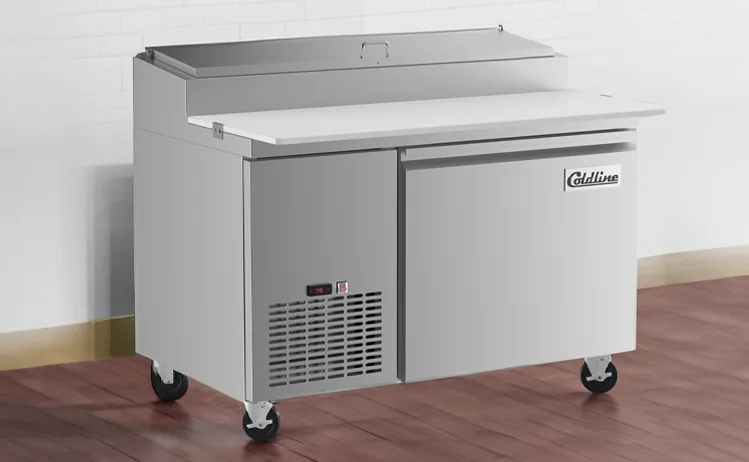
Chef Base Production Line: Cost, Break-Even & Turnkey Manufacturing (2026 Pillar Guide)
Investment tiers, the break-even math behind an 800-unit/day line, and the full equipment list and certification checklist a foodservice OEM needs to start chef base and refrigerated-counter production.
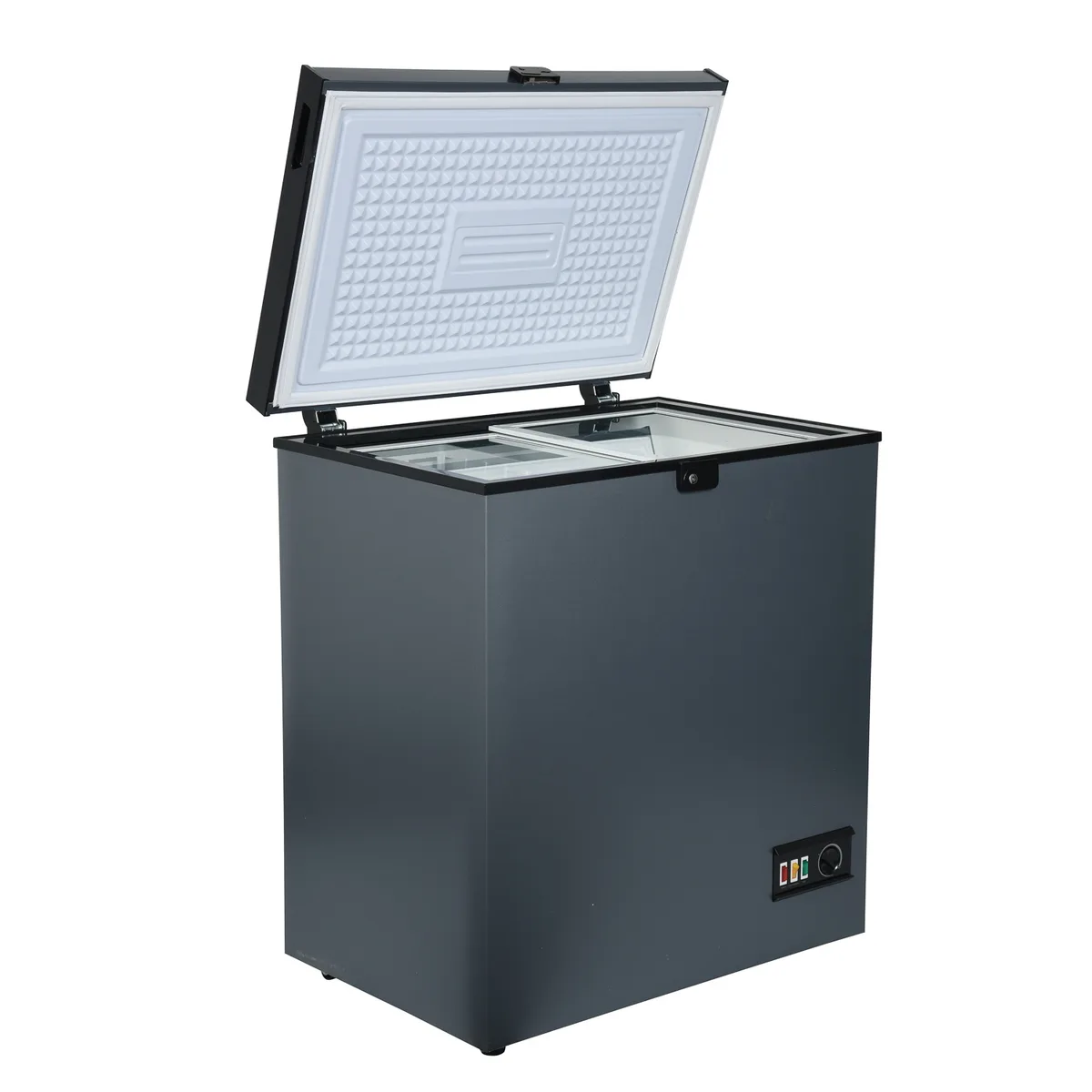
Chest Freezer Production Line — Cost, Capacity & Turnkey Factory Setup (2026 Pillar Guide)
Investment tiers from a 300-unit/day entry line to a 3,000-unit/day ultra-low-temperature build, the ATEX and Ecodesign pitfalls that stall first-time freezer OEMs, and the complete equipment list, mould selection logic and staffing plan needed to go from contract to first accepted cabinet.