
Refrigerator Production Line Setup: Capacity Planning, Factory Layout and Investment
Most new-line projects start with a spreadsheet of machine quotes. That is the wrong order. Here is the planning sequence we use with first-time factory owners.
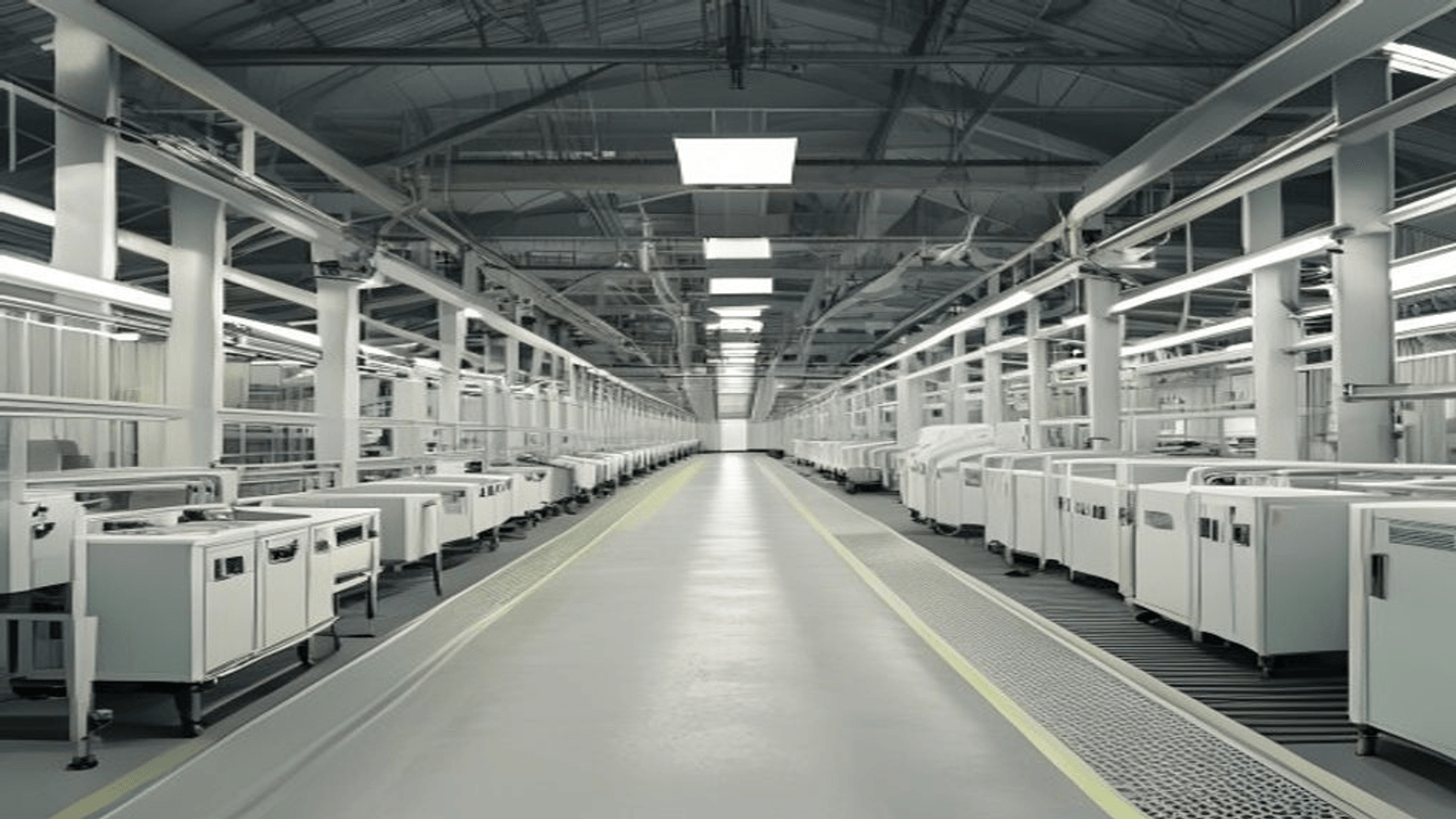
Plan sequence: target daily output → product mix → floor layout → equipment → utilities → budget → timeline. A 2,000 units/day line needs 6,000–7,500 m² production area, USD 1.9M–3.2M capex, 8–12 months from contract to first unit.
Planning starts with output, not equipment
Most greenfield refrigerator projects start with a spreadsheet full of machine quotes. That is the wrong order. The right sequence is: target daily output → product mix → floor layout → equipment selection → supporting infrastructure → budget → timeline. Skipping the first three and going straight to equipment quotes means you will either over-invest in capacity you cannot fill, or under-invest and hit a throughput ceiling inside 18 months.
This article walks through the typical planning sequence we use with factory owners preparing to start refrigerator, freezer or commercial cooler production.
Step 1 — Capacity planning: units per day, not per year
Convert your sales target to peak daily output, not annual tonnage. A line designed for 500,000 units/year is not a line designed for 2,000 units/day — seasonal demand peaks can run 40–60% above average, and most factories cannot maintain 24/7 operation in refrigerator assembly due to the foam cure bottleneck.
- Take annual target (e.g. 500,000 units).
- Divide by effective working days (typically 280 days/year in most markets).
- That gives average daily output (500,000 ÷ 280 = 1,786 units/day).
- Multiply by peak factor 1.3 (for seasonal swing). Peak daily target = 2,321 units/day.
- Add 15% line capacity buffer (for future growth and unscheduled downtime). Design target = 2,670 units/day.
This discipline prevents the common failure mode of building a line that works in year 1 but needs replacement in year 3.
Step 2 — Product mix drives line configuration
A line that produces only household 200 L refrigerators is a very different beast from one that produces a mix of 120 L, 200 L, 300 L and 500 L cabinets. The question is not "how many units" but "how many SKUs, and how often do we changeover?"
- Single-SKU lines can run 15–20 units/hour per station with 5-minute cycle times. Ideal for high-volume contract manufacturing.
- Mixed-SKU lines typically drop to 10–12 units/hour because foaming mould swaps take 15–45 minutes. OEM brand-owners building their own lineup must plan for this.
- Flexible modular lines use programmable foaming stations with quick-change moulds. Throughput recovers to 13–16 units/hour but capex rises 25–35%.
Step 3 — Factory floor area
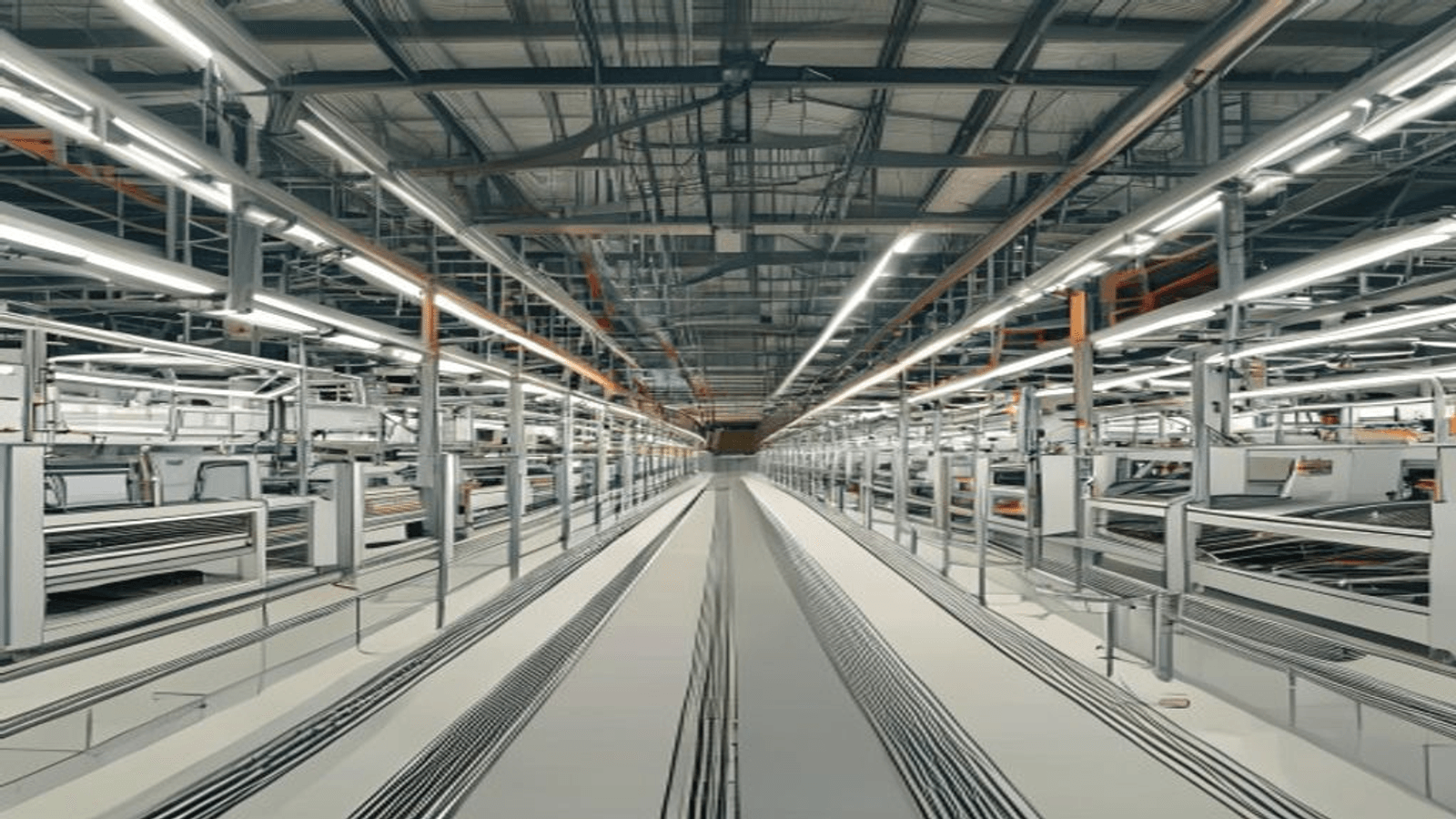
A common question: "How much floor area do I need for a 2,000 units/day refrigerator line?" The rough answer, for modern Asian factory layouts:
| Daily Output | Line Length | Factory Area (Production) | Storage & Logistics |
|---|---|---|---|
| 500 units/day | 80–100 m | 2,000–2,500 m² | 1,500 m² added |
| 1,000 units/day | 120–150 m | 3,500–4,500 m² | 2,500 m² added |
| 2,000 units/day | 180–220 m | 6,000–7,500 m² | 4,000 m² added |
| 5,000 units/day | 250–300 m | 12,000–15,000 m² | 8,000 m² added |
| 10,000 units/day | Dual 250 m lines | 22,000–28,000 m² | 15,000 m² added |
These are indicative and assume a single-story layout with mezzanine-level testing. Multi-story layouts are possible but material flow complexity rises significantly.
Step 4 — Equipment stack walkthrough
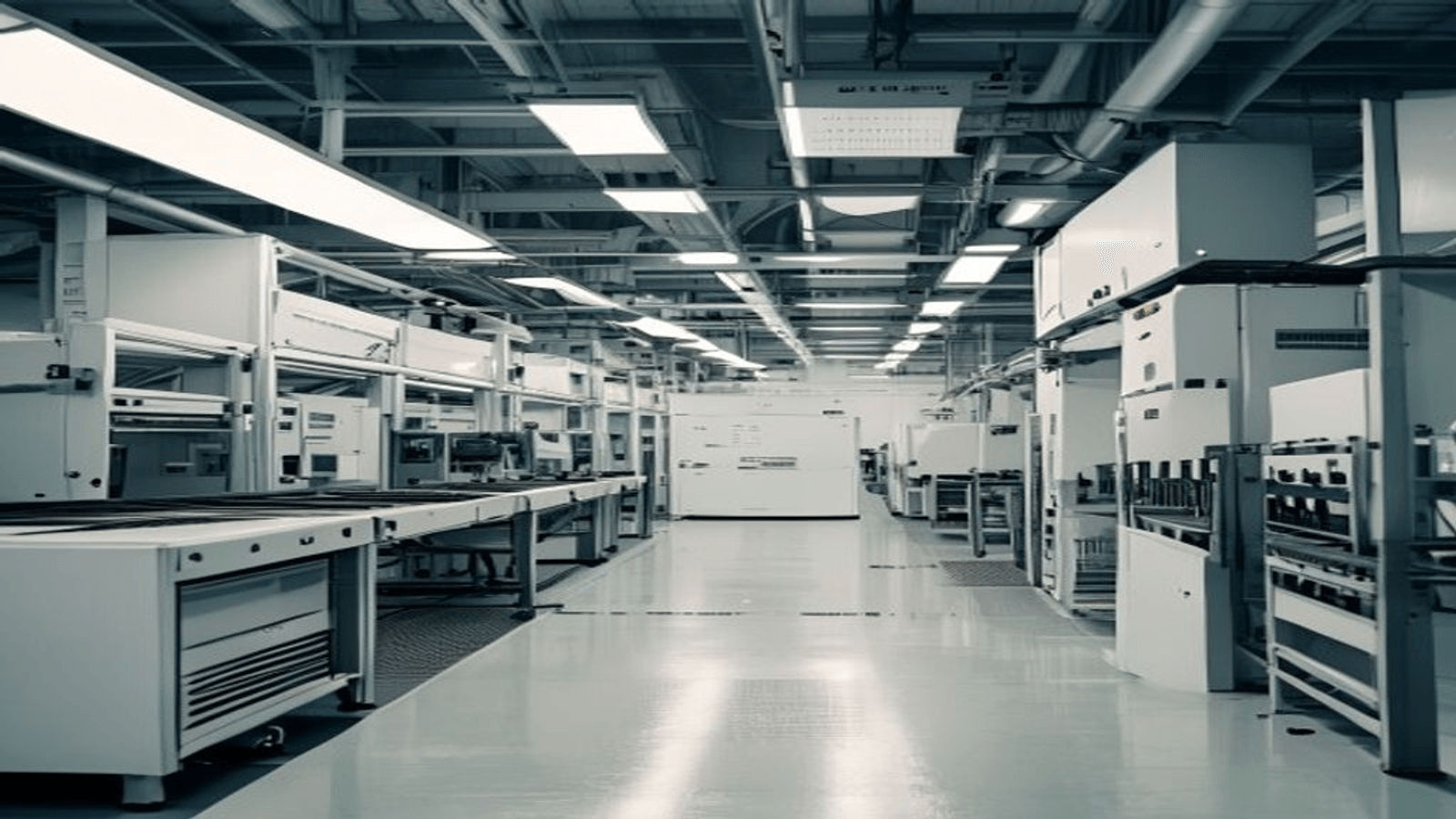
A standard refrigerator line has eight station groups:
- Cabinet forming — pre-bent steel cabinets arrive from the press shop. This is often a separate feeder line.
- Liner forming — vacuum forming moulds pull ABS/HIPS sheet into inner liners. 30–60 second cycle.
- Door forming — separate vacuum forming for door inner panels.
- Cabinet foaming — foaming moulds + high-pressure PU machines. 4–8 minute cure per cabinet. Choosing between high-pressure and low-pressure equipment? Our comparison guide covers the decision framework.
- Door foaming — parallel foaming line for doors.
- Final assembly — compressor install, evaporator fit-up, wiring, shelving, seals.
- Testing — leak test, pull-down test, noise test, electrical safety test, plus energy-consumption verification against US DOE appliance efficiency standards.
- Packing and labelling — cardboard, EPS corners, user manual insertion, palletising.
For a turnkey refrigerator and freezer production line, the eight groups are integrated with a tracked or indexed conveyor system. Capacity between 500 and 10,000 units/day is supported with modular expansion.
Step 5 — Investment breakdown
For a 2,000 units/day household refrigerator line, typical capital investment in USD (excluding building and land):
- Moulds (vacuum forming + foaming + door): USD 350,000 – 550,000
- Vacuum forming machines (2 units): USD 200,000 – 350,000
- High-pressure PU foaming machines (2 units): USD 180,000 – 280,000
- Conveyor and line integration: USD 400,000 – 700,000
- Testing equipment (leak test, performance test, safety test): USD 250,000 – 400,000
- Packing line: USD 150,000 – 250,000
- Utilities (compressed air, chilled water, electrical distribution): USD 300,000 – 500,000
- Installation, training, FAT/SAT: USD 100,000 – 200,000
Total typical investment: USD 1.9M – 3.2M for a 2,000 units/day line. Cold room panel lines and insulation box lines follow a different cost structure with lower moulding investment but higher conveyor costs — for a detailed breakdown see our cold storage panel line setup guide. Foam selection for these panels is a separate engineering decision — see our refrigerator insulation foam specification guide. Your blowing agent selection will also impact safety infrastructure costs and long-term chemical spend — flammable agents like cyclopentane carry handling requirements summarised in the US EPA SNAP program.
Step 6 — Realistic timeline
- Feasibility and layout design: 4–8 weeks
- Mould design and production: 60–90 days
- Equipment manufacturing: 90–120 days (parallel with moulds)
- Shipping and clearance: 30–60 days depending on port
- Installation and dry commissioning: 30–45 days
- Trial production and ramp-up to 80% OEE: 60–90 days
Total from signed contract to first commercial unit: 8–12 months for a standard line, 14–18 months for a large line with site-specific customisation.
Five mistakes that blow up the schedule
- Ordering moulds before freezing cabinet design. Every mould change after steel is cut costs 2–4 weeks and 15–25% of the mould value.
- Under-sizing compressed air supply. The vacuum forming stations alone often consume 30% of a factory's compressed air. Size the compressor room for peak + 30%.
- Skipping the material compatibility test between your specific PU system and the foaming machine dosing pumps. Incompatible systems cause filter clogging and metering drift. This is especially critical when switching blowing agents — each requires different seal materials and pressure settings.
- No plan for the first 100 units. The first 100 units off a new line usually fail final QC. Plan scrap budget and inspection resources accordingly.
- Single-source equipment strategy. Sole-sourcing moulds + foaming machines + PU material from three unrelated suppliers works when all three are mature. It does not work for a first-time setup, where accountability becomes impossible when something fails. Work with a single integrator who can own the full line.
What to do next
If you are planning a new refrigerator, freezer, commercial cooler or cold room line, the fastest way to get a realistic quote and timeline is to share your target output, product mix and site dimensions. We reply with a capacity plan, equipment list, layout sketch and project timeline within three business days. Contact our engineering team, or see the full spec on our ground-rail PU production line page.
Related engineering deep-dives
For the assembly-line throughput math at 20-second cycle and 26 stations, see 26-Station Ground-Rail Line Throughput. For the chef base and refrigerated counter foaming variant that runs on the same line, see Chef Base PU Foaming Deep Dive. For HVAC AHU casing panel foaming that shares the mould and press technology, see HVAC AHU Panel Foaming Line. For the medical refrigerator OEM production line specification, see Medical Refrigerator OEM Manufacturer in China: Buyer's Pillar. For portable icebox and vaccine-carrier foaming that uses the same low-pressure PU technology, see Portable Icebox PU Foam Core.
How much does it cost to set up a refrigerator production line?
A complete refrigerator production line for 500–2,000 units/day typically requires USD 2–8 million in equipment investment, covering moulds (USD 130K–370K), PU foaming machines (USD 200K–800K), vacuum forming machines (USD 150K–500K), assembly conveyor (USD 100K–300K), and testing equipment. Factory building, utilities and working capital are additional.
What factory floor space is needed for a refrigerator production line?
A 1,000 unit/day refrigerator line typically requires 5,000–8,000 m² of production floor space plus 2,000–3,000 m² for raw material storage, finished goods staging, and utility rooms. Ceiling height should be at least 8 metres for the foaming station crane system. Layout efficiency depends on material flow — U-shaped or L-shaped layouts minimise forklift travel distance.
How long does it take to build a refrigerator production line from scratch?
From order placement to first unit off the line: 8–14 months. This includes 2–3 months for mould design and manufacturing, 3–4 months for foaming and forming machine production, 2–3 months for shipping and installation, and 1–2 months for commissioning and trial runs. First-time factory builders should plan 12+ months.
What daily output should I plan for when starting a new refrigerator factory?
For a first-time entry, 300–500 units/day is a practical starting point — large enough to achieve unit economics but manageable in terms of investment and operational complexity. Design the factory layout and utilities for your 3-year target (often 1,000–2,000/day) but invest in equipment for current volume. Key machines like foaming and vacuum forming can be upgraded without rebuilding the line.
Can I produce multiple refrigerator models on the same production line?
Yes. Modern production lines handle 3–5 different cabinet sizes on the same line using quick-change mould systems and PLC recipe management. Changeover time is typically 15–30 minutes for moulds and 5 minutes for foaming parameters. Factories producing more than 10 SKUs per week may benefit from a low-pressure foaming station for small-batch models alongside the main high-pressure line.
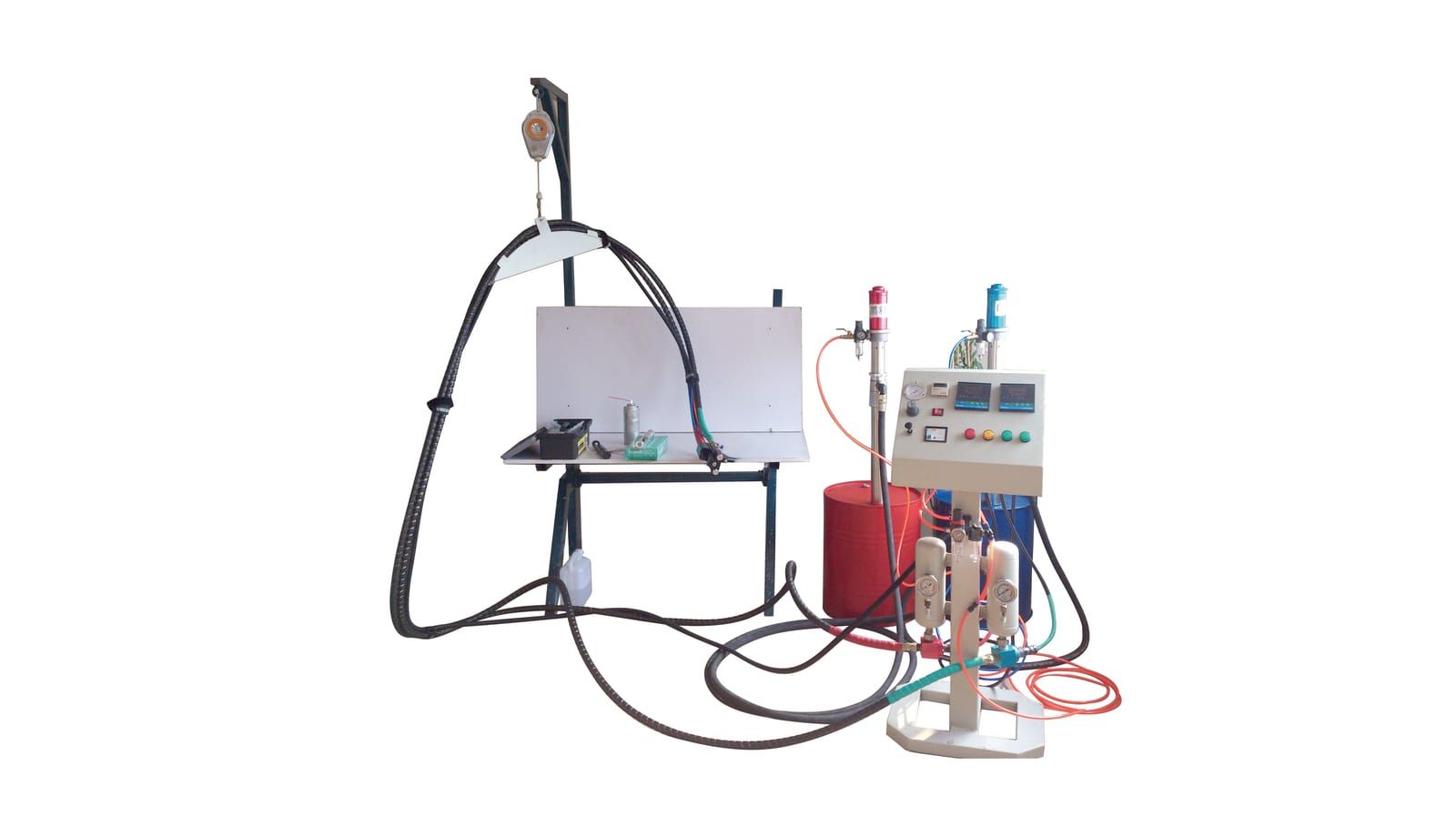
Products Mentioned in This Article
Ready to plan your refrigeration project?
Share your target output and product mix — our engineering team replies with a capacity plan and quote within three business days.
Get an engineering quoteRelated articles
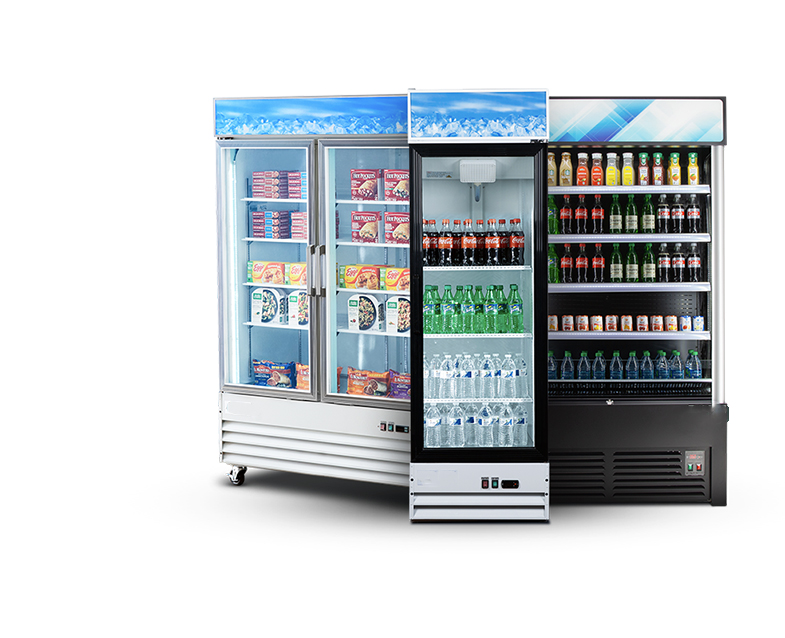
Beverage Cooler Production Line — Cost, Payback & Turnkey Setup (2026 Pillar Guide)
Investment tiers from a single-door entry line to a full bottler-program build, the payback math behind a 3,000-unit/day line, and the complete equipment list and certification checklist a beverage cooler OEM needs to go from contract to first shipment.
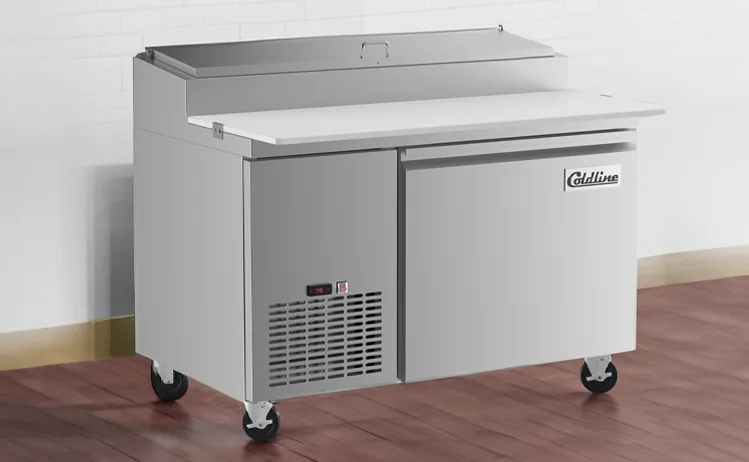
Chef Base Production Line: Cost, Break-Even & Turnkey Manufacturing (2026 Pillar Guide)
Investment tiers, the break-even math behind an 800-unit/day line, and the full equipment list and certification checklist a foodservice OEM needs to start chef base and refrigerated-counter production.
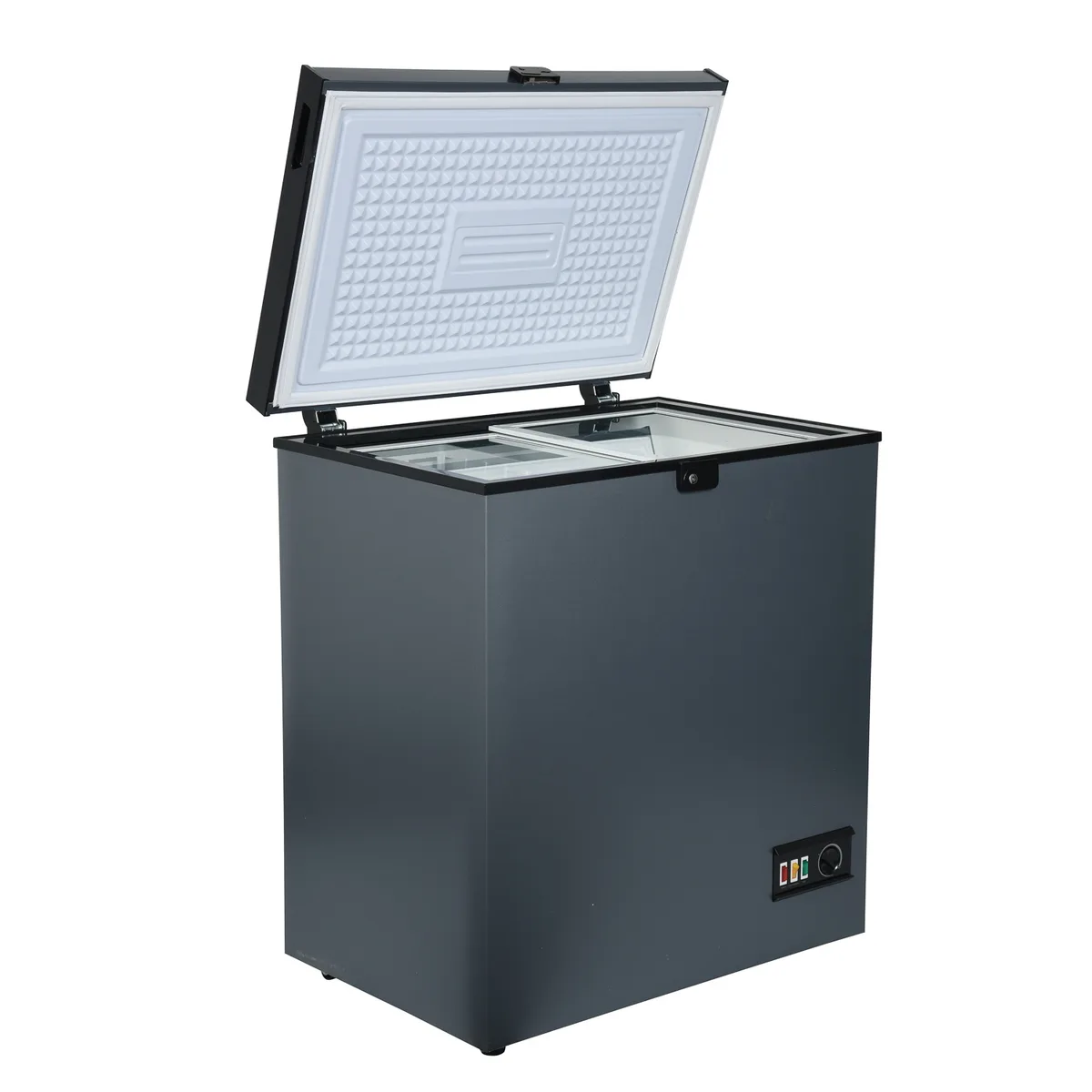
Chest Freezer Production Line — Cost, Capacity & Turnkey Factory Setup (2026 Pillar Guide)
Investment tiers from a 300-unit/day entry line to a 3,000-unit/day ultra-low-temperature build, the ATEX and Ecodesign pitfalls that stall first-time freezer OEMs, and the complete equipment list, mould selection logic and staffing plan needed to go from contract to first accepted cabinet.