
Как выбрать производителя холодильных шкафов: оборудование, процесс и чеклист квалификации
Не каждый завод, заявляющий о производстве холодильных шкафов, контролирует процесс вспенивания, термоформования и сборки. Это руководство даёт конкретный чеклист: пять столпов оборудования, 9-этапный производственный процесс и четыре распространённые ошибки, ведущие к отбраковке партий.
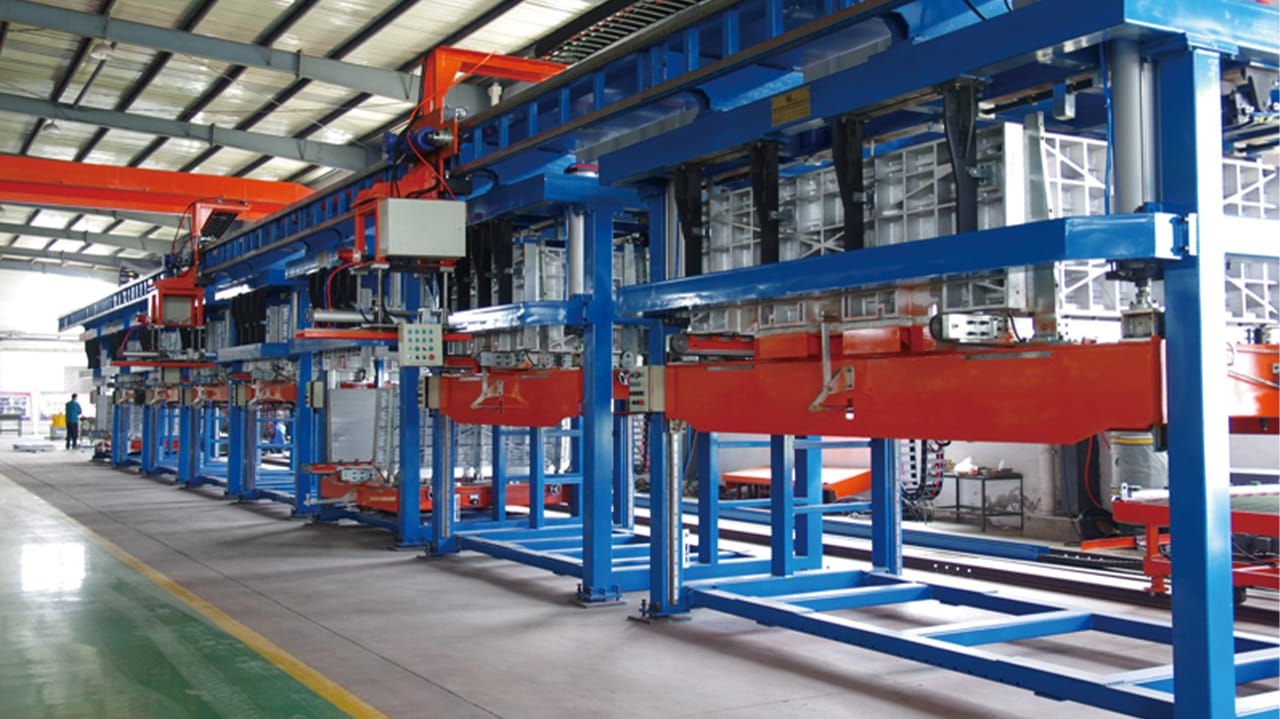
Пять столпов: машина вспенивания ПУ высокого давления, термоформовочная машина + форма вкладыша, оснастка для вспенивания, интегрированная линия, станция сборки дверей. 9 этапов от экструзии до испытания на герметичность. Чеклист: отчёт о k-факторе (<22 мВт/м-К), подтверждение собственности форм, COA сырья ПУ, промежуточный контроль качества, сертификации. Интегратор под ключ vs мульти-поставщик: на 10-15% дороже на старте, окупается за 6 месяцев.
What separates a qualified refrigeration cabinet manufacturer from a parts assembler
A refrigeration cabinet consists of an outer steel shell, an inner ABS or HIPS liner, a PU foam insulation core injected between the two, a compressor-evaporator cooling circuit, and gasket-sealed doors. Any factory can bolt these parts together. The difference between a qualified manufacturer and a parts assembler lies in process integration: does the factory control the foaming density, liner thermoforming accuracy, and panel flatness end-to-end, or does it buy pre-made sub-assemblies and hope tolerances stack within spec?
Three capabilities mark a genuine manufacturer. First, in-house foaming: a high-pressure PU foaming machine injecting 38-42 kg/m3 density foam with a k-factor below 22 mW/(m-K). Second, mould ownership: vacuum forming moulds for the liner and foaming moulds for the cabinet body that have been tuned across multiple production runs. Third, an integrated production line that sequences sheet feeding, thermoforming, trimming, foaming, curing, door assembly, and leak testing without manual transfer between stations.
If a supplier cannot show you these three things on their factory floor, they are reselling another factory's output with a markup.
Five equipment pillars every refrigeration cabinet factory must have
Before evaluating a manufacturer's certifications or price list, check their equipment roster. The equipment determines the product quality ceiling.
| Equipment | Function | Key spec to verify | Red flag if missing |
|---|---|---|---|
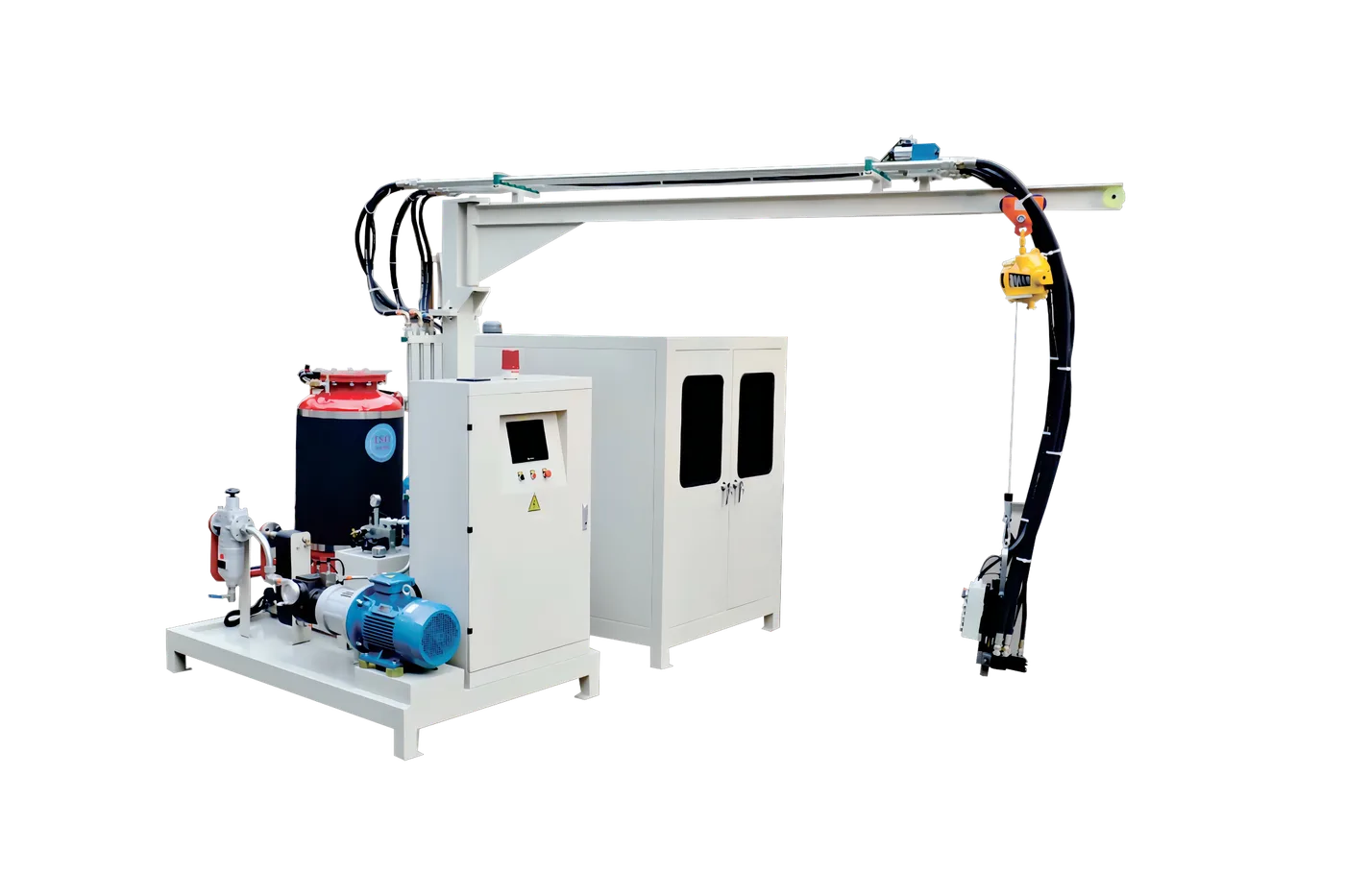
| High-pressure PU foaming machine | Injects polyurethane foam between inner liner and outer shell | Injection pressure 120-180 bar, output 200-600 g/s, temperature control +/-1 C | Using low-pressure machine = uneven density, cold spots, higher energy use in final product |
| Vacuum forming machine + liner mould | Shapes ABS/HIPS sheet into inner liner | Sheet thickness uniformity +/-5%, draw ratio under 3:1, cycle time 45-90 s | Outsourced liners = no dimensional control, mismatch with foam cavity |
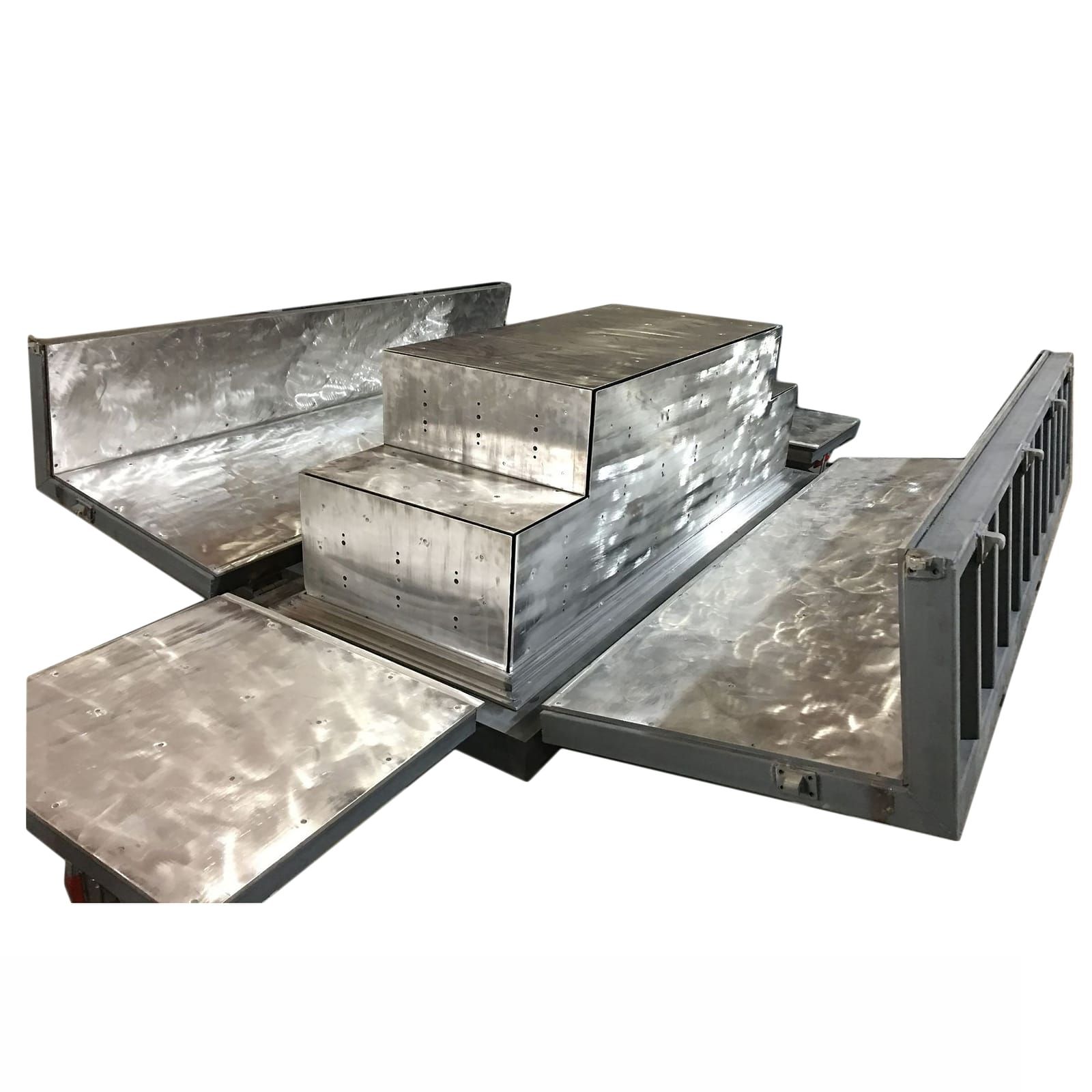
| Foaming jig/mould (cabinet body) | Holds shell + liner at exact gap during foam rise | Clamping force 15-40 tonnes, cavity tolerance +/-0.5 mm, heated to 38-45 C | Poor jigs cause panel bowing, uneven insulation thickness, and foam voids |
| Refrigerator production line (conveyor + stations) | Sequences all stations from sheet feed to final test | Line takt time, number of foaming stations (determines daily capacity), PLC integration | Disconnected stations = manual handling, higher defect rate, lower throughput |
| Door assembly and sealing station | Bonds gasket, foams door panel, installs hinges | Gasket adhesion pull-test >15 N/cm, door flatness under 1.5 mm/m | Loose gaskets = energy loss 8-15%, premature compressor failure |
A factory operating all five under one roof with PLC-linked production sequencing is a genuine refrigeration cabinet manufacturer. A factory missing any one of these five is subcontracting that step, which introduces quality variance outside their control.
The 9-step cabinet production process
Understanding the production sequence helps you audit a manufacturer's capability claims against physical reality.
- Sheet extrusion or procurement. ABS or HIPS sheet, 1.5-3.0 mm thick, co-extruded with a barrier layer for moisture resistance.
- Thermoforming. Sheet heated to 160-180 C (ABS) or 140-160 C (HIPS), vacuum-formed over a vacuum forming mould to create the inner liner. Critical: uniform wall thickness, no thin spots below 0.8 mm at draw corners.
- Liner trimming. CNC router or punching die cuts the formed liner to final dimension. Edge quality affects foam seal.
- Outer shell fabrication. Pre-painted steel (0.4-0.6 mm PCM or VCM) roll-formed, folded, and spot-welded into the cabinet shell. Corner radii: 2-4 mm.
- Assembly: liner into shell. Liner positioned inside shell on the foaming jig. Gap (foam cavity) verified: 40-80 mm depending on insulation class.
- PU foam injection. High-pressure foaming machine injects cyclopentane-blown PU at 20-25 C material temperature. Foam free-rise density: 28-32 kg/m3; in-mould density: 36-42 kg/m3. Cream time: 5-8 s, gel time: 40-70 s, demould time: 4-7 min.
- Curing and demoulding. Cabinet held in jig at 38-45 C for 4-7 minutes. Premature demoulding causes post-expansion warping.
- Door production. Parallel line: door liner thermoformed, door shell formed, door foaming mould clamps both, foam injected, gasket bonded with glue dispensing machine.
- Final assembly and testing. Compressor, evaporator, and controls installed. Cabinet sealed. Leak test (helium or nitrogen), pull-down test (time to reach -18 C), energy consumption verification against rated class.
When visiting a supplier, walk the line in this order. If they cannot show you the physical stations for steps 2, 5-6, and 8, they do not manufacture the cabinet. They assemble it from purchased components.
Manufacturer qualification checklist for buyers
Use this checklist during factory audits or RFQ evaluation:
- Foam core k-factor test report. Request lab results (ISO 8301 or ASTM C518) showing thermal conductivity below 22 mW/(m-K) at 10 C mean. Any manufacturer refusing this test has something to hide.
- Production capacity vs. order size. A 500-unit/day line with 8 foaming stations serves differently than a 100-unit/day line with 2 stations. Match your order volume to their real (not theoretical) throughput.
- Mould ownership. Ask if moulds are owned or rented. Owned moulds mean the manufacturer controls design iteration speed. Rented moulds mean they cannot modify cavity geometry without negotiating with the mould owner.
- PU raw material source. Reputable cabinet manufacturers use A-brand polyol systems (Covestro, BASF, Wanhua) with batch traceability. Ask for the PU raw material COA from the last three production batches.
- In-line quality gates. Minimum: foam density check every 50 cabinets (cut-and-weigh destructive test or microwave non-destructive gauge), liner thickness gauge at thermoforming exit, and 100% gasket adhesion pull-test on doors.
- Third-party certifications. ISO 9001 (management system), CCC or CE marking (product safety), and energy label certification for the target market. Request the certificate scope page showing the specific product models covered.
- After-sales engineering support. Can the manufacturer provide production line layout drawings, PLC program updates for new cabinet models, and spare parts for moulds and foaming machines within 72 hours?
Turnkey integrator vs. multi-vendor approach
Buyers setting up a new refrigeration cabinet factory face a choice: source each piece of equipment separately from five or six vendors, or engage a turnkey integrator who delivers the complete line.
The multi-vendor approach costs 10-15% less on paper. The hidden costs appear during commissioning: interfaces between machines from different manufacturers do not match (different PLC protocols, incompatible conveyor heights, mismatched cycle times). Integration debugging adds 2-4 months to the timeline and often requires a third-party systems integrator at USD 800-1,500 per day.
A turnkey integrator like UREXCEED pre-validates all equipment interfaces in-house, delivers a complete refrigerator production line with unified PLC architecture, and takes single-point responsibility for the line achieving its rated throughput within the agreed commissioning period. The 10-15% higher upfront cost is recovered within the first 6 months through faster ramp-up, lower scrap rate during commissioning, and reduced engineering headcount on the buyer's side.
For buyers who already have partial equipment and need to fill gaps, UREXCEED also supplies individual machines (foaming, thermoforming, moulds) with integration support for connecting to existing line PLCs.
Four mistakes buyers make when selecting a manufacturer
Choosing on unit price alone. A cabinet quoted at USD 85 with 45 kg/m3 foam density and one with a 38 kg/m3 foam density look the same in a photo. The difference shows up in energy consumption testing 6 months later when the buyer's customer rejects the shipment for failing the rated energy class.
Skipping the factory visit. Photos and videos can be borrowed. A 15-minute video call showing the production line running confirms equipment ownership and current production capability in a way that no document can.
Ignoring mould provenance. If the factory's moulds are owned by a third party (a trading company or their previous customer), the buyer has no guarantee those moulds will still be available for reorders next year. Always confirm mould ownership in writing.
Not testing the insulation. Request that the manufacturer ships a sample cabinet. Cut it open. Measure foam thickness at 10 points. Weigh the foam density. Test thermal conductivity. This costs one cabinet. It saves a container of rejects.
Frequently asked questions
What is the minimum order quantity for a custom refrigeration cabinet?
Most manufacturers require 200-500 units for a custom mould to be economically viable. The mould cost (USD 15,000-40,000 for a complete cabinet set) is amortized across the order. Below 200 units, the per-unit mould allocation exceeds USD 80-200, which may not be acceptable. Some integrators offer shared-mould programs for standard sizes (500L, 600L, 1000L commercial cabinets) with MOQ as low as 50 units.
How long does it take to set up a new refrigeration cabinet production line?
From contract signing to first production-quality cabinet: 4-8 months. This includes 6-10 weeks for major equipment manufacturing, 4-6 weeks for ocean freight, 3-4 weeks for installation and utility connection, and 2-4 weeks for commissioning and trial production. A turnkey integrator can compress this to 4-5 months by parallelizing equipment manufacturing with factory civil works.
What daily output can a standard refrigeration cabinet line achieve?
A single-line layout with 4 foaming stations (the bottleneck) produces 400-600 cabinets per 8-hour shift, depending on cabinet size and foam curing time. Larger commercial units (1000L+) require longer curing time (7 minutes vs. 4.5 minutes for domestic 200L units), reducing throughput. Adding foaming stations scales linearly: 8 stations reach 800-1,200 units per shift.
What certifications should a refrigeration cabinet manufacturer hold?
Minimum: ISO 9001 for quality management. For product compliance: CE marking (EU), CCC (China), UL/NSF (North America), or SASO (Middle East) depending on destination market. Energy efficiency certifications (EU Energy Label, US DOE standards, China GB standards) are increasingly mandatory. The manufacturer should hold the certification for the specific model, not just a generic company-level certificate.
Готовы спланировать холодильный проект?
Поделитесь целевым объёмом и номенклатурой — наша инженерная команда ответит с планом мощности и коммерческим предложением в течение трёх рабочих дней.
Запросить инженерное предложениеПохожие статьи
Запуск линии холодильников: планирование мощности, схема цеха и инвестиции
Большинство новых проектов начинаются с таблицы коммерческих предложений на оборудование. Это неправильный порядок. Вот последовательность, которую мы применяем с владельцами первых заводов.
Линия производства панелей для холодильных камер — руководство по монтажу, стоимости и производительности
Полное руководство по инвестициям в линию производства сэндвич-панелей для холодильных камер: 5 ключевых позиций, таблицы планирования производительности, детализация инвестиций USD 450K–1,09M, стандарты качества и проектный календарь 4–6 месяцев.