
Display Cabinet Manufacturing Plant: Cost, Investment & Turnkey Line (2026 Guide)
The 8-step sequence to enter bakery, deli and supermarket display-cabinet manufacturing, three PU-foaming-line investment tiers from USD 480K to 3.5M, and exactly what a turnkey display-cabinet line does and does not include — curved glass, multi-SKU tooling and NSF/UL/EN certification covered.
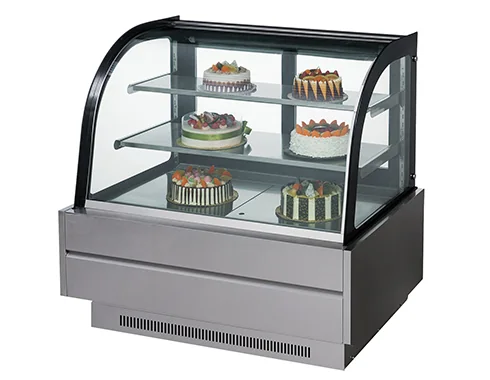
A bakery, deli and supermarket display-cabinet PU foaming line runs USD 480,000-3,500,000 across three entry tiers (100-1,500 cabinets/day), 8-10 months contract to commissioning, and covers the foaming moulds, low-pressure or high-pressure PU system and glass/LED assembly stations for cabinets 1.2-3.6 m long. The decision most first-time entrants underprice: curved-glass groove tolerance. A cake or deli cabinet mould that misses the glass radius by more than about 0.1 mm either jams during assembly or leaves a visible gap patched with silicone — and that cosmetic defect, not a thermal one, is what gets a lot rejected by a bakery-chain buyer.
A display-cabinet manufacturing plant is a foaming-line investment, not a glass-and-steel fabrication shop: USD 480,000-3,500,000 across three entry tiers producing 100-1,500 cabinets/day, 8-10 months contract to commissioning, built around curved-glass-capable foaming moulds and a low-pressure (or high-pressure, above ~500/day) PU system sized to your bakery, deli, chocolate or supermarket SKU mix. Buyers who scope this as "order a cabinet mould, start welding steel" miss the fact that sets first-pass acceptance more than any thermal spec: glass-groove tolerance. A retail buyer never measures your k-factor at the loading dock — they run a hand along the chrome edge and check whether the glass sits flush.
First-time display-cabinet manufacturers, and existing refrigerator or freezer cabinet OEMs adding a retail-merchandising line, need the same three pieces in sequence: market sizing and the 8-step setup path, the investment decision with real cost tiers, and the procurement detail — equipment list, line layout and mould strategy — to build the line.
The buyer profile is narrower than general refrigeration manufacturing: retail refrigeration OEMs supplying supermarket chains, bakery equipment distributors, deli-case brands, hotel foodservice equipment factories and chain patisserie or gelateria brand builders. That buyer profile is also why this guide treats glass and finish quality as first-class engineering decisions rather than late-stage cosmetics — the people signing the purchase order are retail buyers, not refrigeration engineers, and they evaluate a sample cabinet the way they'd evaluate a shop fixture.
Market Size and Why Display Cabinet Manufacturing Is a Distinct Entry Point
The global refrigerated display case market runs roughly USD 13-14 billion in 2026, growing at a 7-9% CAGR through the early 2030s on fresh-food retail expansion and energy-efficiency-driven replacement cycles (Fortune Business Insights, Mordor Intelligence). Display-cabinet manufacturing is not one product line — it is four downstream retail segments sharing the same PU-foaming process, and the segment mix a buyer chooses drives mould count, glass complexity and certification spend more than raw cabinet volume does.
Patisserie and cake-display cabinets (1.2-2.4 m, curved 90° or 130° glass, +2 to +12°C) sell to bakery chains and hotel F&B at USD 1,200-2,500 per unit, where cosmetic finish — LED brightness, chrome polish, glass fit — decides repeat orders more than thermal performance. Deli and charcuterie cases (1.5-3.0 m, flat or angled glass, +4 to +7°C) sell to supermarket deli counters and butcher chains at USD 800-1,800 per unit against the largest unit-volume pool of the four segments. Chocolate and confectionery showcases (1.2-2.0 m, +8 to +14°C, tighter humidity control than a standard fridge) carry the highest per-unit margin at USD 1,500-3,000, gated by finish quality more than certification. Fresh meat and fish display cabinets (1.8-3.6 m, -2 to +2°C, drain and wash-down hardware) sell into supermarket and wet-market chains at USD 1,000-2,200 per unit and typically need the thickest wall and the most hardware content of the four.
Supermarket open-front multi-deck merchandisers sit adjacent to these four — same PU foaming process and a related mould family, larger format (up to 3.6 m double-bay) and higher throughput requirement, which is why a manufacturer scaling past Tier 2 usually adds this format rather than starting with it.
Display-cabinet manufacturing is structurally different from refrigerator or chest-freezer manufacturing as a market to enter:
- One PU foaming process, four retail segments judged on different criteria. The same low-pressure machine and mould technology produce a USD 800 deli case and a USD 3,000 chocolate showcase — the difference is glass geometry, temperature band and finish-station spec, not the foaming chemistry.
- Cosmetic tolerance, not thermal tolerance, is the reject driver. Unlike a chest freezer where a buyer checks pull-down time and door-seal integrity, a display-cabinet buyer inspects glass fit, LED uniformity and chrome-edge polish at 1 m distance before the cabinet ever gets plugged in.
- Glass supplier coordination sits on your critical path, not the buyer's. Curved-glass groove geometry has to match your actual glass mill's radius — ordering mould steel before locking the glass drawing is the single most common first-time-entrant delay.
Most new entrants underestimate how much of the buying decision is a retail-merchandising decision dressed up as a refrigeration purchase. The 8-step sequence below is built around locking in SKU mix and glass geometry before any mould steel gets cut.
The 8-Step Sequence to Start a Display Cabinet Production Line
- Pick your SKU family first, not your mould. Patisserie, deli, chocolate and fresh meat/fish each carry a different temperature band, glass configuration and certification path — decide which one (or which two or three) you're launching with before pricing anything.
- Set your cabinet-length range across the 1.2-3.6 m span early. One PU foaming machine and mould platform covers most of the range, but glass-fitting jig and assembly-station complexity scale with length more than with unit count.
- Choose your glass geometry by retail segment, not by aesthetics alone. Curved 90°/130° suits patisserie and cake display; flat vertical or angled suits deli and fresh-meat counters; sliding or servo-open suits self-serve chocolate and confectionery — each geometry needs a different groove-tolerance strategy in the mould.
- Decide low-pressure or high-pressure PU foaming based on daily-output target, not budget alone. Under roughly 500 cabinets/day, low-pressure (5-100 g/s) with dual-head recipe changeover handles multi-SKU runs efficiently; above that, high-pressure holds cycle time across larger or double-bay cabinets.
- Confirm your temperature band and wall-thickness target per SKU. Patisserie (+2 to +12°C, 40-50 mm wall), deli (+4 to +7°C, 45-55 mm), chocolate (+8 to +14°C, tighter RH control), and fresh meat/fish (-2 to +2°C, 55-60 mm) each need a different foam spec and, for meat/fish, drain-and-wash-down hardware.
- Lock your glass supplier's actual drawings before mould-steel cutting. If you're sourcing from Saint-Gobain, Pilkington, Yuanping or a regional mill, send their glass radius drawings first — tuning the cavity to their real geometry, not a generic curve, is what keeps glass slotting in dry instead of needing a silicone gap-fill.
- Decide build-or-buy on glass tempering and refrigeration-system assembly before you sign the foaming-line contract. Standard scope covers the foaming machine, moulds, and glass/LED/chrome assembly stations — glass tempering and evaporator/condenser/compressor assembly are a separate sourcing track most first-time entrants plan too late.
- Scope EU Ecodesign and US DOE energy-conservation compliance now if any volume ships to the EU or US. EN ISO 23953-2 test conditions and 10 CFR 431 commercial refrigeration equipment (CRE) standards are cheaper to design into wall thickness and glazing spec at the mould stage than to retrofit after tooling is cut.
Three Pitfalls That Delay First Shipment
- Cutting mould steel before the glass drawing is locked. A curved-glass groove that misses the actual glass mill's radius by more than about 0.1 mm either jams during assembly or leaves a gap the assembly team has to silicone-fill — a defect a bakery-chain buyer's QC team catches at the crate-opening inspection, not in a lab.
- Buying one mould per SKU instead of a base-mould-plus-insert strategy. A manufacturer targeting 8-20 cabinet SKUs across cake, deli and chocolate who orders a dedicated mould for each ends up with 2-3× the tooling spend a shared-base, snap-in-insert design would need for the same SKU count.
- Sizing the line for steady-state output, not tender-driven bursts. Bakery-chain and supermarket-refresh tenders typically demand 200-500 units in 45-60 days, not a steady daily rate — a line sized only for average daily output misses the burst window that funds the capex in the first place.
Reference Configuration — Multi-Segment Bakery & Deli Entry Line
The following is a typical capability profile for a first-time display-cabinet manufacturing line, not a specific client result: a manufacturer entering with a base-mould-plus-insert set covering cake (1.2-2.4 m) and deli (1.5-3.0 m) SKU families on a low-pressure dual-head PU foaming machine, targeting 300-500 cabinets/day. This sits inside the middle tier of the three-tier range below — see the display cabinet manufacturing solution page for the full scope-of-supply breakdown. A comparable project: a Riyadh bakery-equipment supplier ordering 500 cabinets/day of capacity on low-pressure PU foaming with irregular-geometry moulds and hardware kits — see the case study index for the current regional project list. Our broader delivery record spans 1,800+ equipment, mould and production-line projects across 40+ countries.
Certification Checklist — What Has to Be in Place Before You Can Sell
- NSF/ANSI 7 — the US food-equipment standard covering commercial refrigerators, freezers and display refrigerators, setting material and sanitation requirements a cabinet-level certifier will test against; see NSF's food equipment standards portfolio.
- EN ISO 23953-2 — the international standard for refrigerated display cabinets, covering classification, performance requirements and test conditions that back any temperature-band or energy-class claim; see ISO 23953-2:2023.
- UL 471 — US commercial refrigeration equipment safety listing, typically required alongside NSF-7 for US retail sales; paired with ETL as an equivalent listing mark in most jurisdictions.
- IEC 60335-2-89 — commercial refrigerating-appliance electrical safety standard referenced by CE and CB Scheme certification bodies for cabinets shipping into the EU and CB-member markets.
- US DOE 10 CFR Part 431 (Commercial Refrigeration Equipment) — the federal energy-conservation standard that sets maximum daily energy consumption by compartment type for any cabinet sold in the US; see eCFR Title 10, Part 431.
- CE marking + EU Ecodesign (Commercial Refrigerators) — mandatory for cabinets entering the EU market since 2020, tying energy-label class to wall thickness and glazing spec decided at the mould stage.
- SASO / ESMA — Saudi Arabia and UAE national conformity marks required for GCC retail-chain tenders, layered on top of CE or UL depending on the buyer's preferred reference standard.
Reference cabinets for CE, UL and CB Scheme submissions are typically tested through TÜV, Intertek or SGS labs; budget the lab-and-audit path as a parallel track alongside tooling, not a step that starts after commissioning, since a bakery-chain or supermarket tender frequently requires the certificate in hand before it will accept a sample cabinet.
Decision: Which Entry Tier Should You Build?
One-line answer: if you're entering with a single SKU family — cake display or deli case, not both — start at Tier 1 (USD 480K-780K); if you're serving three to five SKUs across cake, deli and chocolate from one plant at 300-700 cabinets/day, Tier 2 (USD 700K-1.3M) is the standard first build, and it's also where our reference 300-500 cabinet/day configuration above sits; Tier 3 (USD 1.8M-3.5M) is for manufacturers adding supermarket multi-deck merchandisers and turnkey glass-tempering plus refrigeration-system assembly to reach 800-1,500 cabinets/day.
Three-Tier Display-Cabinet Line Investment Comparison
| Tier | Mould configuration | Target output | PU machine | Line investment | Best for |
|---|---|---|---|---|---|
| Tier 1 — Entry | 1-2 base moulds, single SKU family | 100-250 cabinets/day | Low-pressure (5-100 g/s) | USD 480K-780K | Single-SKU bakery or deli launch |
| Tier 2 — Multi-Segment | 3-5 mould variants + insert set | 300-700 cabinets/day | Low-pressure dual-head | USD 700K-1.3M | Cake + deli + chocolate from one plant |
| Tier 3 — Full-Range Turnkey | Custom multi-mould + merchandiser format | 800-1,500 cabinets/day | High-pressure | USD 1.8M-3.5M | Adds supermarket merchandisers + turnkey glass/refrigeration assembly |
Payback Period — How Fast the Line Recovers Its Investment
Payback runs roughly 15-24 months at 60% capacity utilization across Tier 1-2 lines, set against a wholesale price of USD 800-2,500 per cabinet depending on SKU mix. Bakery-chain and supermarket-refresh tenders move payback faster specifically: a single 200-500-unit tender win at Tier 2 pricing can fund a meaningful share of first-year capex outright, which is why sizing the line for burst capacity (Pitfall #3 above) has an outsized effect on realized payback speed versus steady-state throughput alone.
Worked ROI Example — One Tender Against a Tier 2 Line
Take a Tier 2 line at the USD 1.0M mid-point and a bakery-chain tender for 400 cabinets at a blended USD 1,400 wholesale price — a realistic single-tender size at the 300-500-unit-in-45-60-days scale described above. That one tender is worth USD 560,000 in order value, or roughly 56% of the line's capex, before the line has produced a single cabinet for any other customer. A first-time entrant who lines up one anchor tender before ordering equipment — rather than building capacity and then prospecting for buyers — converts the 15-24 month payback range from a capacity-utilization assumption into a contracted, largely pre-funded outcome, with the remaining capex recovered from steady-state deli and chocolate SKU volume over the following 12-18 months.
Hidden Costs First-Time Entrants Miss
- Glass tempering — not included in the standard foaming-line scope. Budget for a tempered-glass supplier relationship (Saint-Gobain, Pilkington, Yuanping or a regional mill) and lock their radius drawings before mould-steel cutting, not after.
- Refrigeration-system assembly — compressor, evaporator and condenser integration is a turnkey add-on (available at Tier 3), not a default line item; Tier 1-2 buyers typically source and assemble this separately.
- Custom mould inserts for non-standard cabinet geometry — a base mould with snap-in inserts covers most SKU variation, but a genuinely custom cabinet shape still needs its own insert run, typically 4-6 weeks.
- Cabinet-level certification testing — NSF-7, UL 471 and CE testing on the finished cabinet is the buyer's cost and timeline to manage; the foaming-line supplier provides testing rigs (temperature pull-down, electrical safety, noise) at the buyer's factory but does not certify the finished product.
- LED and hardware stock — Osram-grade LED strips, chrome trim and door hardware are sourced and stocked separately from the foaming-line quote; budget this as an ongoing consumable line, not a one-time capex item.
Delivery Timeline — Contract to Line Commissioning
Roughly 8-10 months contract to commissioning: Week 1-2 inquiry and SKU-mix targeting; Week 2-4 detailed proposal with glass-supplier coordination if a mill is already chosen; Week 4-7 contract and cabinet-plus-glass design freeze (30% down payment, cross-checked before any mould steel is cut); Month 3-6 mould and LED/chrome-finishing-station build (base moulds and inserts run 45-75 days, low-pressure PU machine about 45 days, finishing stations about 30 days, all in parallel); Month 6-8 sea freight (3-5 × 40' containers from Shanghai or Ningbo) and on-site installation (2-3 weeks, ceiling clearance ≥5.5 m for the curved-glass fitting jig); Month 8-10 commissioning, SKU-rotation training and first-tender preparation, with acceptance signed once each target SKU produces 20 consecutive passing cabinets.
Procurement: What the Production Line Actually Needs
Full Equipment List — Our Scope of Supply
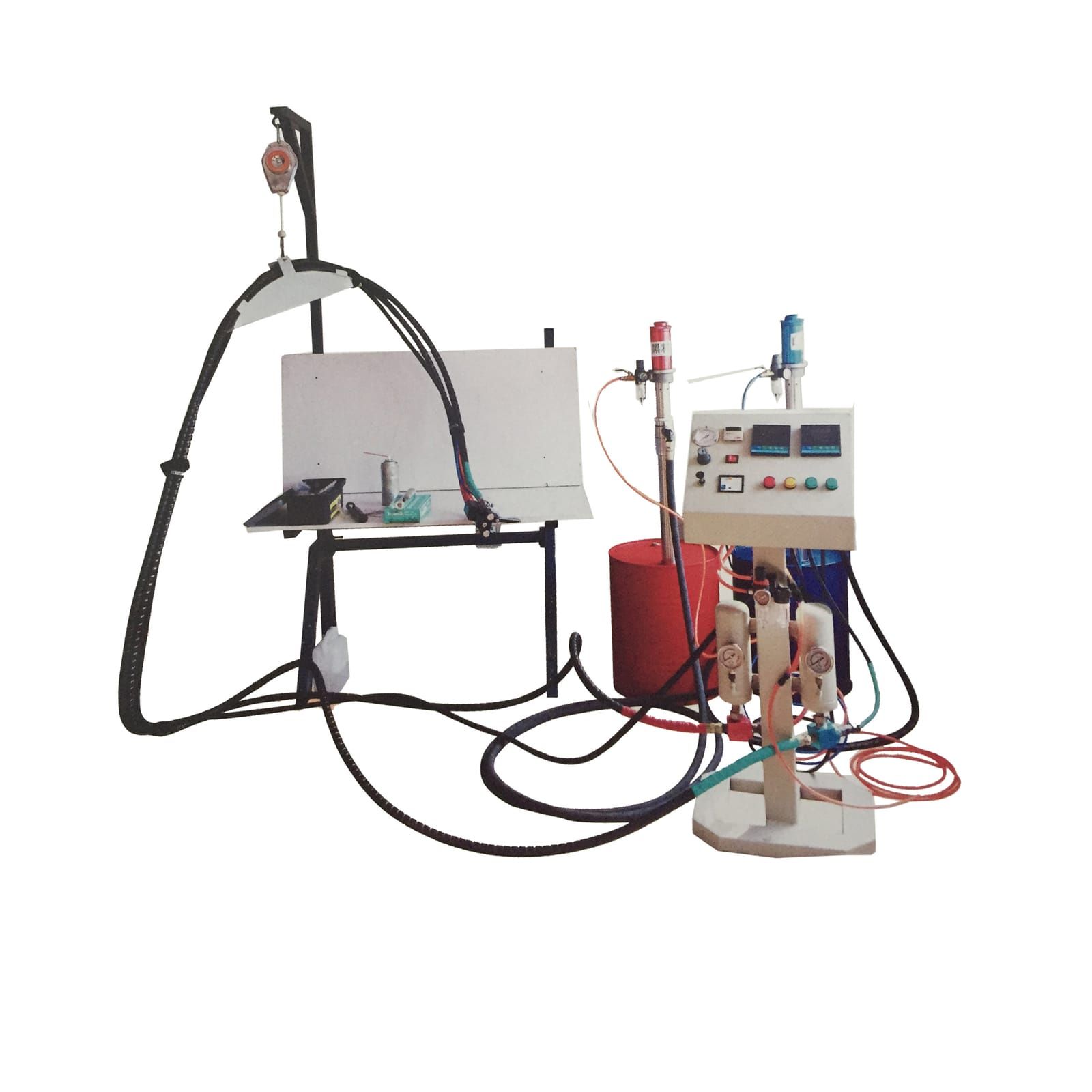
- Low-pressure PU foaming machine (5-100 g/s) for single- to multi-SKU lines under roughly 500 cabinets/day, or a high-pressure system for Tier 3 output and larger merchandiser formats
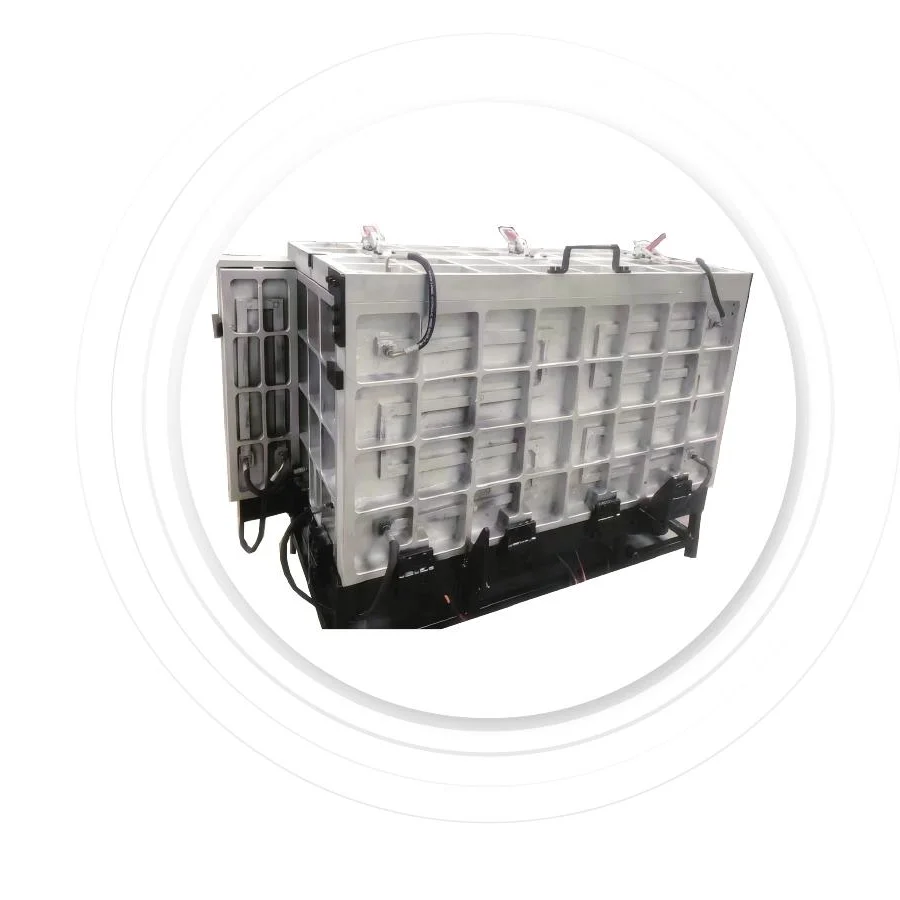
- Cake cabinet mould and display cabinet mould — cast-aluminium tooling holding curved-glass groove geometry to roughly ±0.1 mm radius tolerance, sized to your SKU-mix drawings
- Glass-frame assembly jigs, LED-lighting mount fixtures and condensate-tray-integrated cabinet-base foaming stations
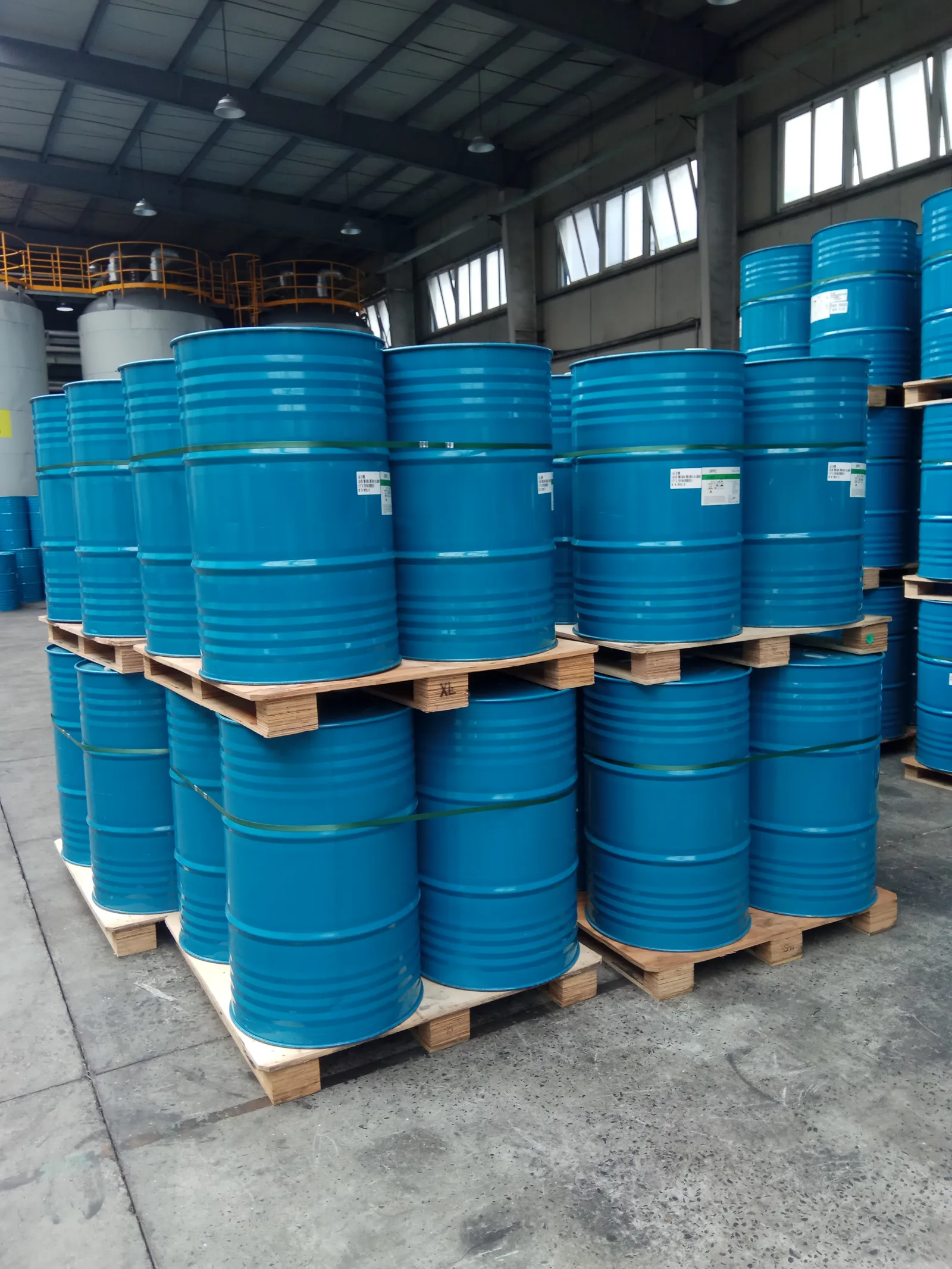
- PU raw materials — POL blend, cyclopentane and ISO calibrated to a 32-38 kg/m³ foam density across the +2 to +14°C retail temperature bands
- Hardware and accessories — stamped-steel door hinges, handles, gasket profiles and, for fresh meat/fish cabinets, drain and wash-down fittings
- Control cabinet with metered dual-head recipe switching for multi-SKU changeover
What's Outside Our Scope — Source or Build Separately
- Tempered-glass supply (curved or flat) from your chosen glass mill
- Refrigeration-system components — compressor, evaporator, condenser — available as a turnkey assembly add-on at Tier 3, sourced independently at Tier 1-2
- Cabinet-level certification testing and cert-body submission (NSF-7, UL 471, CE); we supply the testing rigs at your factory, you hold the certificate
Production Line Layout
The foaming line runs as a single stage feeding two downstream stations: the mould fixture clamps the cabinet shell and injects the PU core (roughly 4-8 minutes cure depending on wall thickness and cabinet length), then the demoulded cabinet moves to the glass-fitting-and-LED station and finally a cosmetic-finish QC station (chrome polish, glass cleanliness, 12-point checklist) before crating. A Tier 3 multi-mould line needs proportionally more changeover buffering between SKU families — 15-30 minutes manual changeover, 3-5 minutes with a quick-change carrier upgrade — rather than more foaming stations.
Floor Space and Site Requirements
A 300 cabinets/day Tier 2 line needs roughly 3,500-4,500 m² for the foaming, mould-fixture and finishing stations, plus about 2,000 m² for glass, LED, steel-coil stock and finished-goods staging — Tier 1 scales down proportionally, Tier 3 up. Ceiling height should run at least 5.5 m to give the curved-glass fitting jig vertical clearance during assembly. The foaming-station foundation needs reinforcement for mould-clamping load, typically around 150 kN, and a single-story polished-concrete floor is the standard recommendation for cabinet-on-trolley flow between the foaming, glass-fitting and QC stations without a lift.
PU Machine Selection Decision Tree
- Are you launching a single SKU family (cake display or deli case, not both) under 250 cabinets/day? → Low-pressure PU foaming machine (5-100 g/s, USD 60K-120K).
- Are you running 3-5 SKU variants across cake, deli and chocolate at 300-700 cabinets/day? → Low-pressure machine with dual-head recipe changeover — swaps between a +2°C cake recipe and a +14°C chocolate recipe without a purge cycle.
- Is your target above roughly 500-700 cabinets/day, or are you adding double-bay or supermarket-merchandiser formats over 2.4 m? → High-pressure system to hold cycle time across larger cavities.
- Are you adding turnkey glass tempering or refrigeration-system assembly? → Budget the Tier 3 assembly-station add-on regardless of PU machine class — it's a separate line item, not a function of foaming pressure.
Raw Material Checklist
- POL blend calibrated to a k-factor suited to the +2 to +14°C retail bands (a less extreme target than freezer-grade insulation), with foam density held to 32-38 kg/m³ across cake, deli and chocolate SKUs
- Denser 38-42 kg/m³ mix for fresh meat/fish cabinets running the -2 to +2°C band, matched to the thicker 55-60 mm wall
- Cyclopentane blowing agent as the ATEX-ready default meeting EU F-gas Regulation phase-out and US AIM Act schedules without retrofit
- ISO matched to your PU machine's metering system and the dual-head recipe-switching cycle
Staffing for the Line
A Tier 1-2 display-cabinet line runs on roughly 3-4 operators per shift: 1-2 on foaming-machine loading and injection monitoring, 1 on glass-fitting and LED assembly, 1 on final cosmetic QC. Tier 3 lines adding merchandiser formats or turnkey refrigeration assembly typically add 2-3 more operators on the assembly and refrigeration-integration stations — budget this headcount separately from the foaming-module staffing above.
After-Sales and Support Plan to Budget For
Standard coverage is a 24-month warranty on the mechanical structure (mould frame, clamps, drive), 12 months on electrical/PLC components and 6 months on wear parts (seals, sensors), with free remote diagnostics for 24 months. Spare parts are stocked in Shanghai, Istanbul and Dammam for 2-5 day shipping to most markets. Commissioning includes operator training through the first SKU-rotation drill plus a pilot production run, with engineer follow-up at month 3 and month 12 — budget for this training window in your own hiring timeline, since it covers the foaming and finishing-station process only, not glass tempering or refrigeration-system assembly.
FAQ
FAQ
How much does a display cabinet manufacturing plant cost?
Entry-tier (single SKU family, low-pressure machine, 100-250 cabinets/day) runs USD 480,000-780,000. A multi-segment Tier 2 line (dual-head low-pressure machine, 3-5 SKU variants, 300-700 cabinets/day) runs USD 700,000-1,300,000. A full-range Tier 3 line (high-pressure system, custom multi-mould, 800-1,500 cabinets/day, turnkey glass and refrigeration assembly available) runs USD 1,800,000-3,500,000. This covers the PU foaming machine, moulds and glass/LED assembly stations — tempered glass and refrigeration components are separate.
What's the difference between low-pressure and high-pressure PU foaming for display cabinets?
Low-pressure (5-100 g/s, USD 60,000-120,000) suits single- to multi-SKU lines under roughly 500 cabinets/day, with dual-head recipe changeover for switching between cake, deli and chocolate temperature targets without a purge cycle. High-pressure (USD 150,000-350,000+) suits output above 500-700 cabinets/day or larger double-bay and merchandiser formats over 2.4 m, holding cycle time on bigger cavities.
Do you supply the tempered glass and finished refrigeration system?
Not as standard. Our scope is the foaming line — the machine, curved-glass-capable cabinet moulds, glass/LED/chrome assembly stations, PU raw materials and commissioning. Tempered glass is sourced from your chosen glass mill (Saint-Gobain, Pilkington, Yuanping or a regional supplier), and refrigeration-system assembly (compressor, evaporator, condenser) is available as a turnkey add-on at Tier 3 or sourced separately at Tier 1-2.
How long does it take from contract to line commissioning?
8-10 months: mould and finishing-station build runs in parallel over Month 3-6 (base moulds and inserts 45-75 days, PU machine about 45 days, LED/chrome stations about 30 days), followed by 2-3 weeks of sea freight and installation and roughly two months of commissioning and SKU-rotation training. Glass-supplier coordination in Week 2-4 is on the critical path — locking glass drawings early keeps the mould-steel order from being cut twice.
Can one production line make cake, deli and chocolate display cabinets together?
Yes, on a base-mould-plus-insert platform with a dual-head PU machine — the foaming process is shared, with the mould insert and recipe (temperature target, density) changing per SKU family. A Tier 2 line with a quick-change insert set keeps SKU changeover to roughly 15-30 minutes, 3-5 minutes with a quick-change carrier upgrade.
What certifications does a display cabinet need for EU, US and GCC markets?
For the US: NSF/ANSI 7 (food equipment) plus UL 471 or ETL electrical safety listing, with ENERGY STAR optional. For the EU: CE marking plus Ecodesign for commercial refrigerators (mandatory since 2020) and IEC 60335-2-89 safety. For GCC: SASO (Saudi Arabia) or ESMA (UAE) national conformity marks. We ship equipment CE and ISO 9001 certified and supply testing rigs at your factory; the cabinet-level certificate is the buyer's to hold.
How many operators does a Tier 1-2 line need?
Roughly 3-4 operators per shift: 1-2 on foaming-machine loading and injection monitoring, 1 on glass-fitting and LED assembly, 1 on final cosmetic QC. Tier 3 lines adding merchandiser formats or turnkey refrigeration assembly typically need 2-3 additional operators on those stations.
What wall thickness and foam density does a display cabinet need?
It depends on the temperature band: patisserie and cake (+2 to +12°C) run 40-50 mm wall at 32-38 kg/m³; deli (+4 to +7°C) runs 45-55 mm at a similar density; chocolate (+8 to +14°C) prioritizes humidity stability over raw k-factor; fresh meat and fish (-2 to +2°C) needs the thickest wall at 55-60 mm and a denser 38-42 kg/m³ mix. We co-spec wall and density against your target SKU mix and glass configuration.
Is curved glass more expensive to tool than flat glass?
Yes, meaningfully. A curved 90° or 130° glass front needs a mould cavity holding the groove radius to roughly ±0.1 mm against your actual glass mill's drawings — tighter tolerance and a longer design-freeze step than a flat vertical or angled front. Sending us real glass drawings before mould-steel cutting, rather than a generic curve spec, is what avoids a second tooling run.
Can an existing refrigerator or freezer cabinet foaming line be converted to display-cabinet production?
Partially. General PU metering and foaming-process know-how carries over, but display-cabinet production needs its own curved-glass-capable moulds (versus a sealed refrigerator or freezer cabinet mould), a glass-fitting and cosmetic-finish station most cold-storage lines don't have, and a pressure-class decision driven by SKU mix and cabinet length rather than internal volume alone. Closer to an added tooling and finishing-station investment than a straight conversion.
Related engineering deep-dives
For the mould-selection reasoning behind chest, upright and display freezer cabinet tooling — including how island and glass-door display moulds differ from a standard chest-freezer mould — see Freezer Mould Selection Guide: Chest vs Upright vs Display Cabinet. For the low-pressure-versus-high-pressure machine-class decision referenced throughout this guide, see High-Pressure vs Low-Pressure PU Foaming Machine.
Ready to scope your display-cabinet manufacturing line? Talk to our engineering team with your target SKU mix, cabinet-length range and daily output — we reply with a mould-and-insert recommendation, PU machine sizing and realistic timeline within three business days, or browse the display cabinet manufacturing solution page for the full scope-of-supply breakdown.
Produits mentionnés dans cet article
Prêt à planifier votre projet frigorifique ?
Indiquez-nous votre objectif de production et votre gamme de produits — notre équipe répond avec un plan de capacité et un devis sous trois jours ouvrés.
Demander un devis techniqueArticles associés
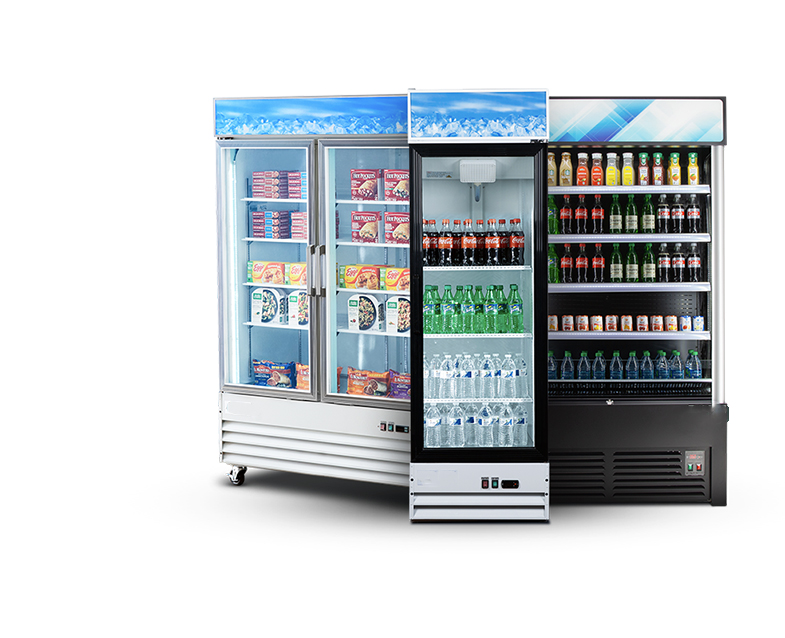
Beverage Cooler Production Line — Cost, Payback & Turnkey Setup (2026 Pillar Guide)
Investment tiers from a single-door entry line to a full bottler-program build, the payback math behind a 3,000-unit/day line, and the complete equipment list and certification checklist a beverage cooler OEM needs to go from contract to first shipment.
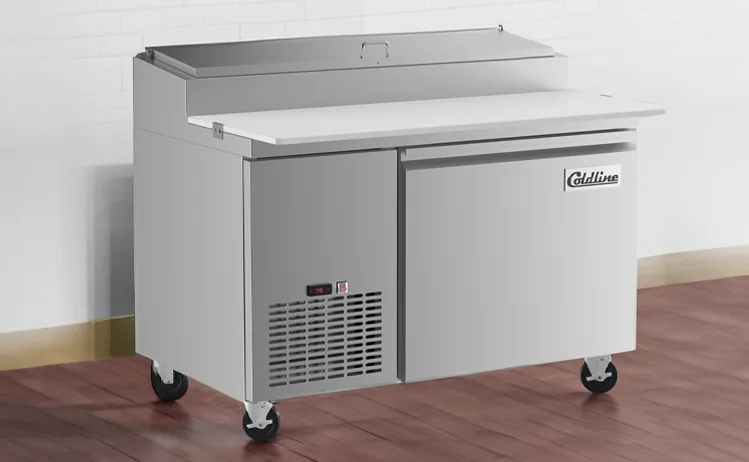
Chef Base Production Line: Cost, Break-Even & Turnkey Manufacturing (2026 Pillar Guide)
Investment tiers, the break-even math behind an 800-unit/day line, and the full equipment list and certification checklist a foodservice OEM needs to start chef base and refrigerated-counter production.
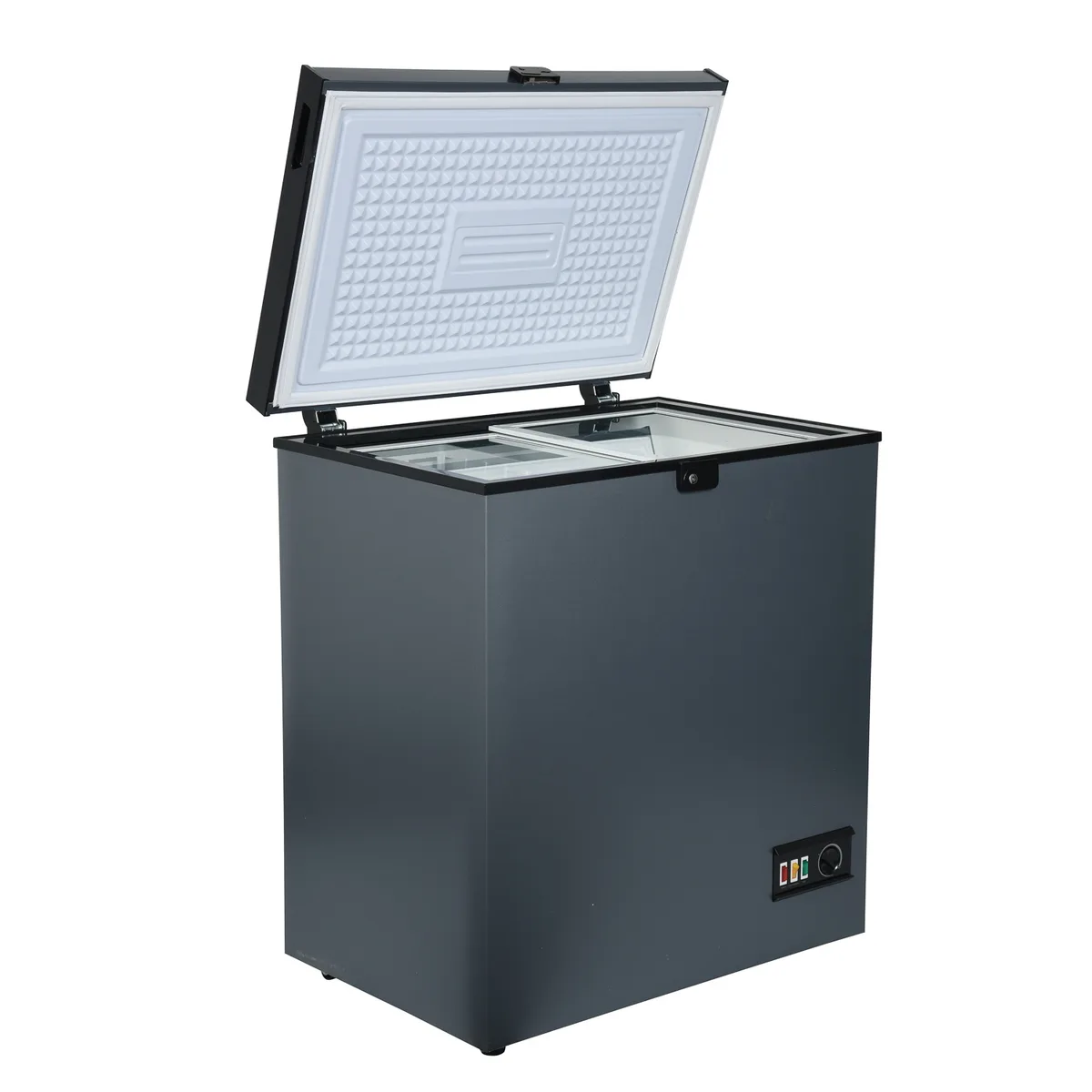
Chest Freezer Production Line — Cost, Capacity & Turnkey Factory Setup (2026 Pillar Guide)
Investment tiers from a 300-unit/day entry line to a 3,000-unit/day ultra-low-temperature build, the ATEX and Ecodesign pitfalls that stall first-time freezer OEMs, and the complete equipment list, mould selection logic and staffing plan needed to go from contract to first accepted cabinet.