
Solutions pour
Lignes de production de panneaux pour chambres froides industrielles
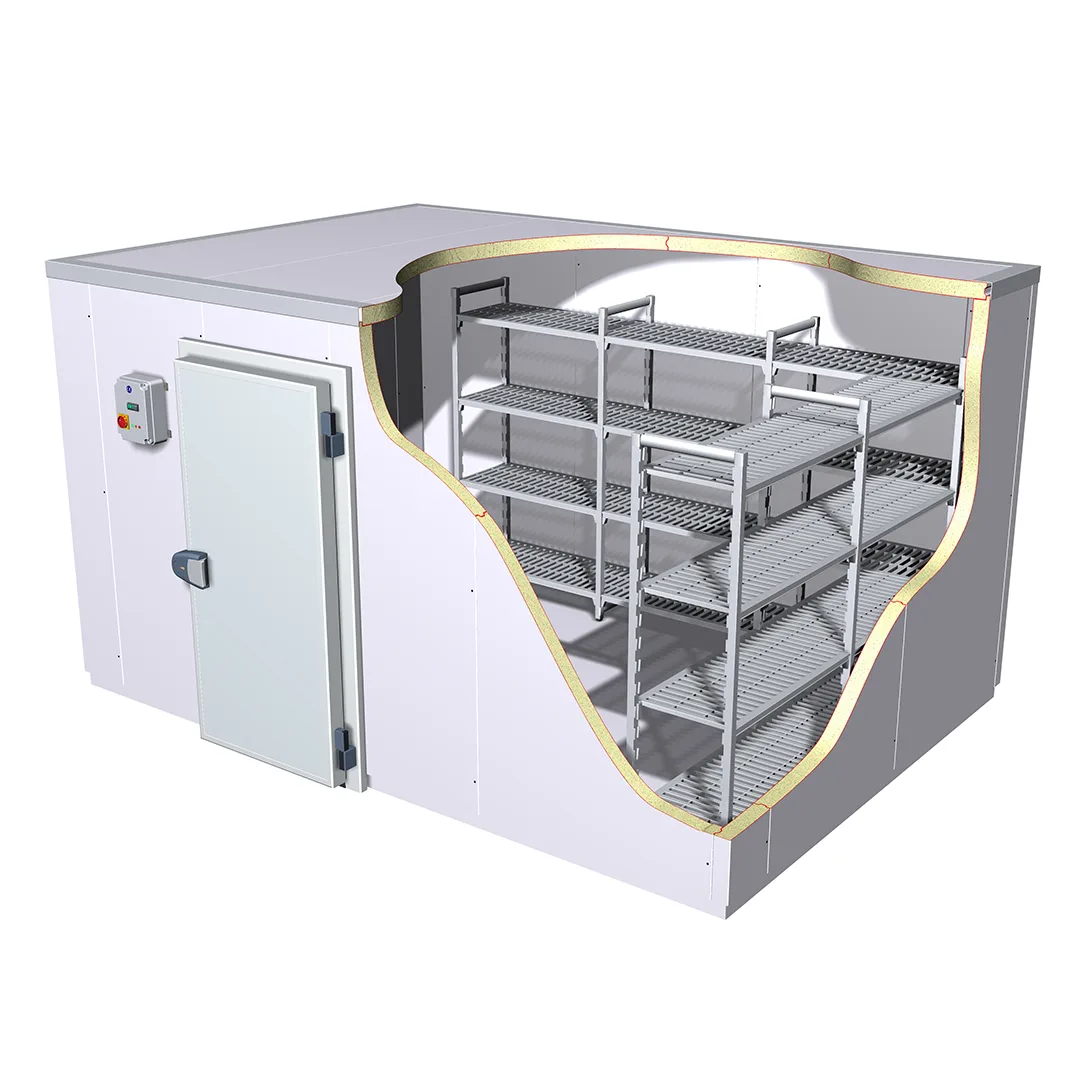
Les chambres froides sont construites à partir de panneaux sandwich continus — âme en mousse PU entre deux peaux en acier. Nous fournissons la ligne de production continue de panneaux pour chambres froides (10 – 40 panneaux par heure), les systèmes de mousse projetée pour le remplissage in situ, ainsi que l'approvisionnement en matières premières PU. L'épaisseur des panneaux va de 50 mm (chambres positives) à 200 mm (chambres de congélation industrielles).
In one line
Capacité industrielle : lignes de production continue jusqu'à 40 panneaux/heure avec package matériel complet (profilés de laminage, postes d'encollage, presse à double bande).
Real Pains We Hear from Buyers — and What We Ship to Solve Each One
Four pains every cold-room-panel factory founder brings us. Our line ships with the fix for each.
Panels fail EN 14509 bond-strength test — steel skin separates from PU core in pull-off test
EN 14509 bond strength ≥0.10 MPa requires steel-skin chemical pre-treatment + PU adhesion calibration + press temp/time control. Our line ships with: PPGI steel skin specifically primed for PU bonding, calibrated cyclopentane PU adhesion package, hot-press 35–45°C control. Field-tested bond strength: 0.12–0.18 MPa, well above minimum.
Continuous press throughput 4 m/min on paper but real-world output is only 2.5 m/min — utilization gap eats my margin
Press throughput drops below spec when foam rise time + line speed + cure profile don't align. Our engineering tunes PU formulation rise time (90–120s) to match your target line speed (3–5 m/min). Pre-shipment FAT runs your actual panel spec on our test line to confirm throughput before crating. Field utilization typically 85–95% of rated speed.
Discontinuous vs continuous press — buyer offers different deal sizes, I don't know which line to invest in
Below 800K m²/year → discontinuous (lower capex USD 800K–1.5M, flexible thickness/length). Above 800K m²/year → continuous (USD 2.5M–5M capex, faster throughput, narrower thickness range). Mixed deals: most factories start with discontinuous, upgrade to continuous after 24 months when commercial orders stabilize.
Fire reaction EN B-s2,d0 needed for EU cold-room tender — my current panels only achieve E-class
Fire reaction class is driven by PU formulation chemistry (flame retardant package) + steel skin thickness + panel joint design. Our PU formulation includes the FR additive package certified to EN B-s2,d0 (limited combustibility). We supply the test certificate pack so EU tender submission has the EN 14509 + fire reaction class B documented.

Ce dont vous avez besoin
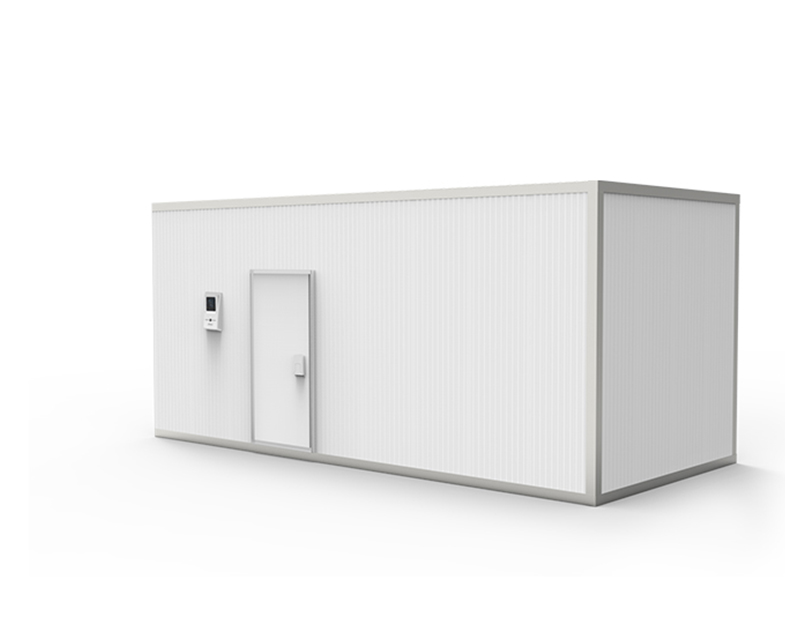
Ligne de panneaux frigorifiques
Ligne continue, 10–40 panneaux/h, 50–200 mm
En savoir plus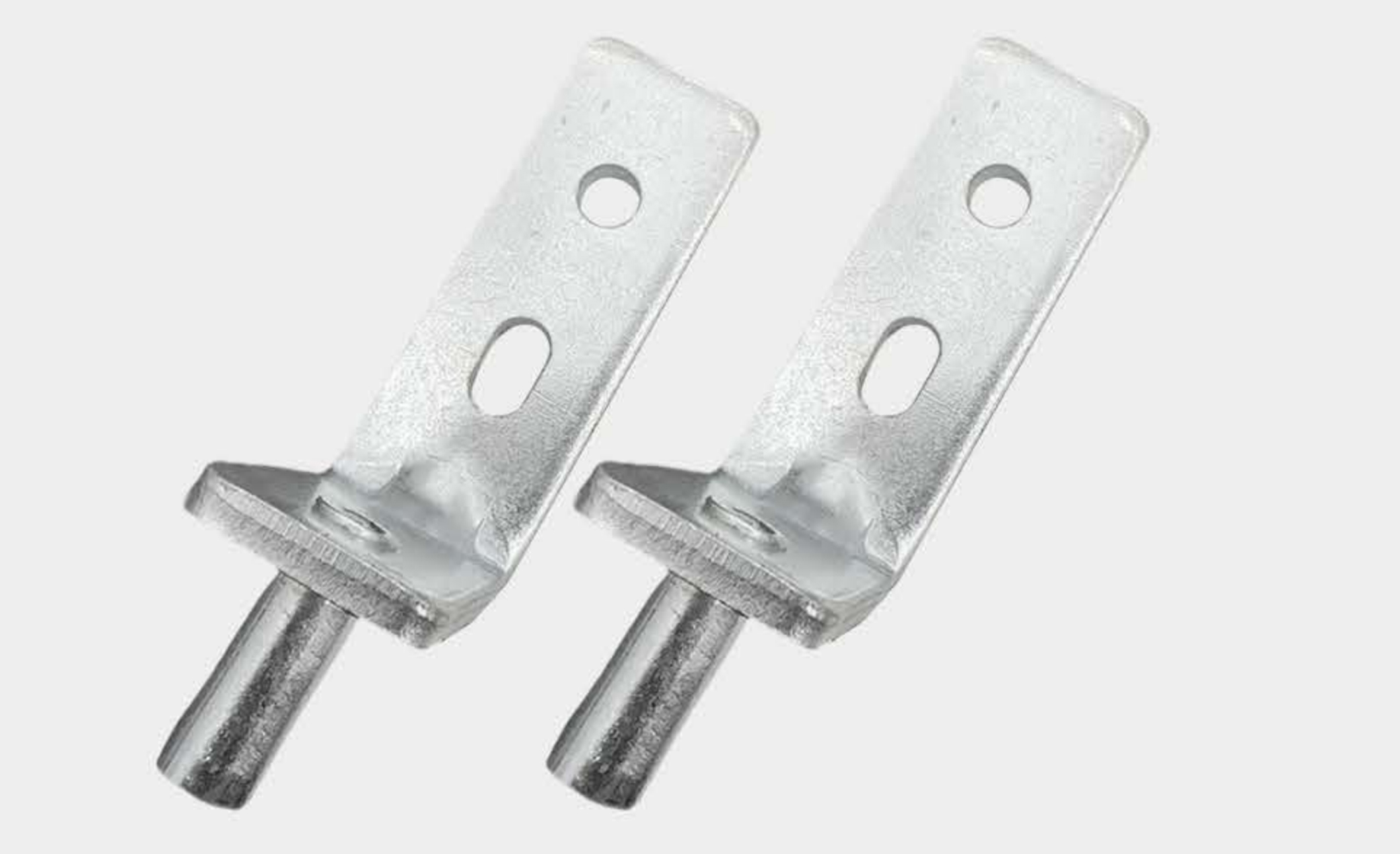
Ferronnerie & accessoires
Charnières, joints, poignées, LED, évaporateurs & condenseurs
En savoir plus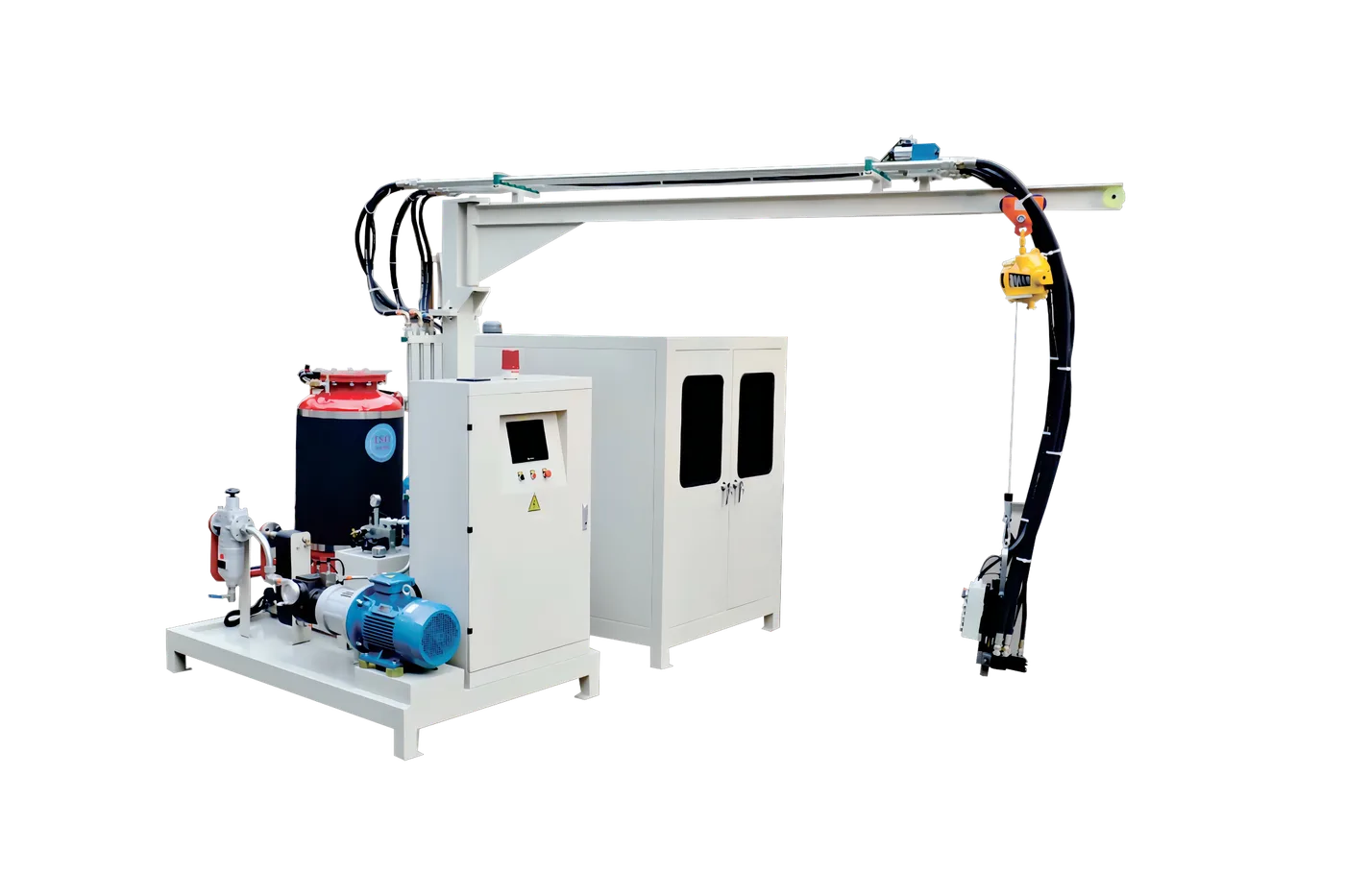
Machine PU haute pression
100–1 500 g/s, 2–4 composants, Siemens PLC
En savoir plus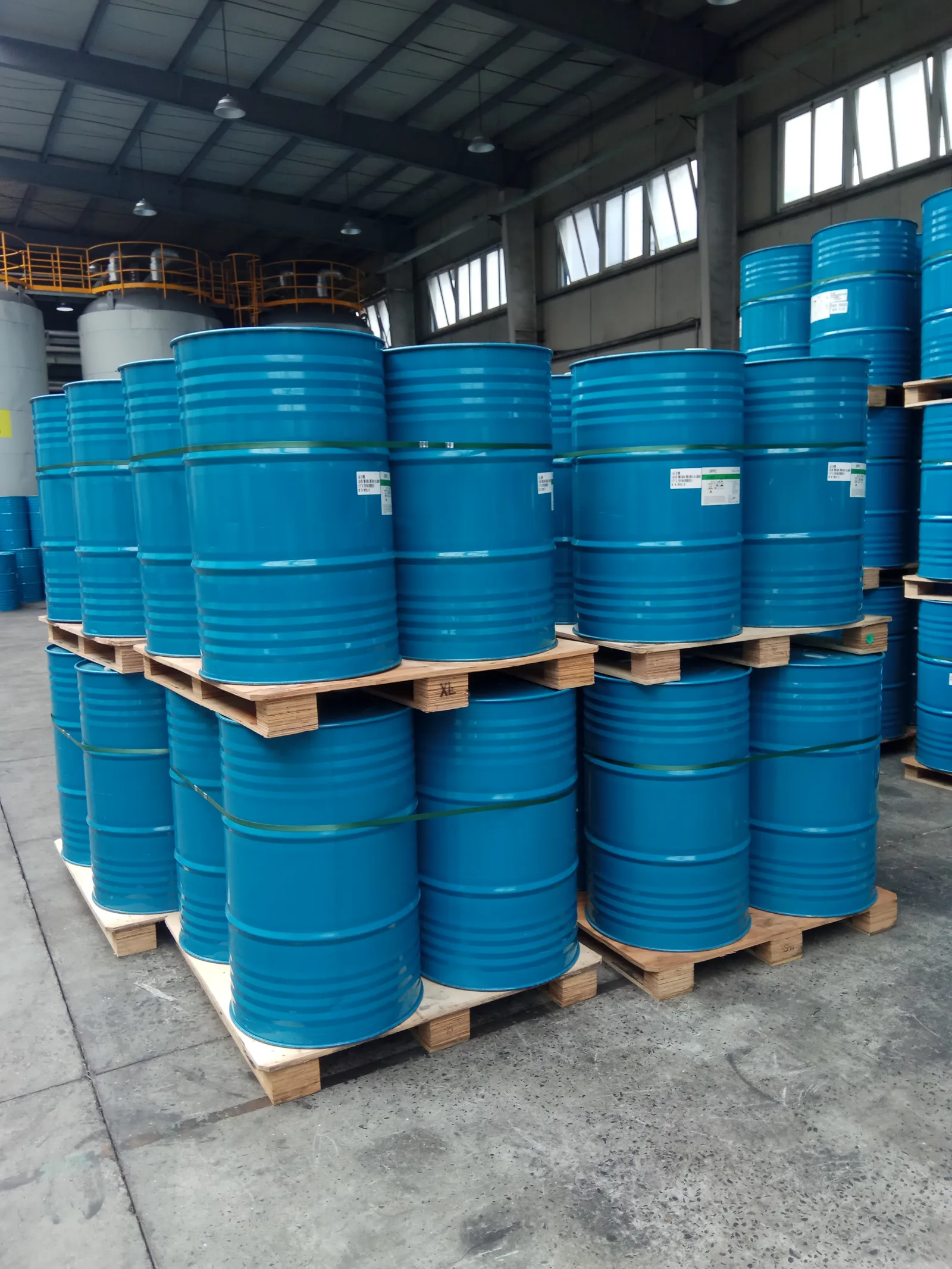
Système de matières premières PU
Polyol + isocyanate + agent gonflant, k-factor jusqu'à 0,018
En savoir plus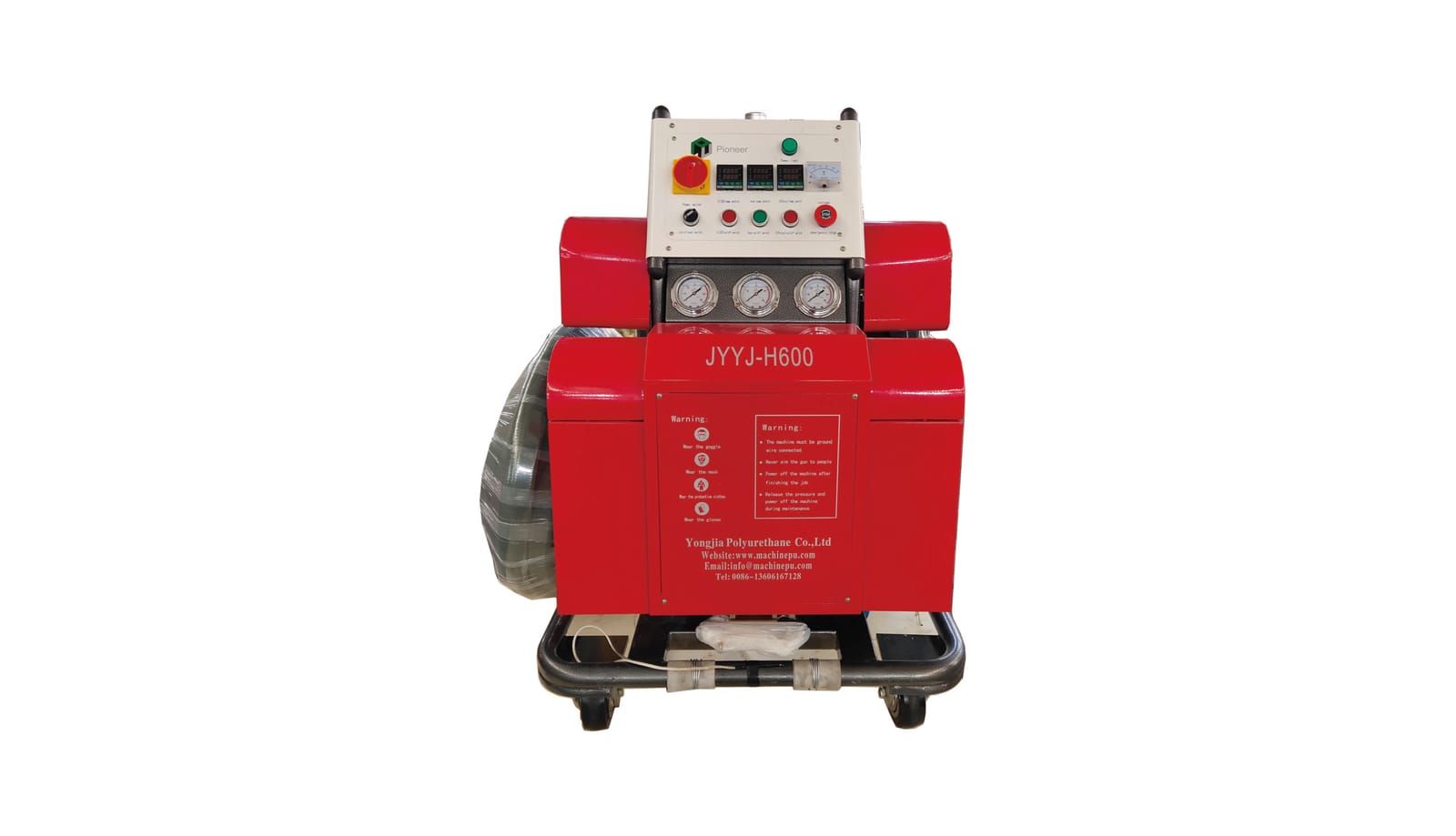
Machine de pulvérisation PU
Système d'isolation mobile, 5–20 kg/min
En savoir plusFrom inquiry to first commercial unit — the 6-step delivery flow
From inquiry to first cold-room panel rolling off your line. ~10 months for a discontinuous press line; ~12 months for continuous press.
- 1
Inquiry & Volume Scoping
Week 1–2Share target annual m² output, panel thickness range (50–200 mm), steel skin spec (PPGI / PPGL / stainless), target end-markets (industrial cold storage, refrigerated truck body, food processing, modular cold rooms). 1-page proposal in 5 days.
- 2
Detailed Proposal & Press Configuration
Week 2–4Engineering picks discontinuous vs continuous press based on volume target. Sized for your steel skin spec + foam thickness range. PU formulation specced (cyclopentane standard, HFO for ULT). Quote with 22-line BOM in 14 days.
- 3
Contract & Panel Design Freeze
Week 4–830% down. Panel CAD + steel skin profile + joint geometry frozen. Fire-reaction class certification target signed off.
- 4
Mould + Continuous Press Build
Month 3–8Press: 90–120 days. PU machine: 60 days. Foaming + steel coil handling stations: 60 days. Pre-shipment FAT — we run your actual panel spec on our test line and ship the production validation report.
- 5
Sea Freight & On-Site Installation
Month 8–116–10 × 40' containers from Shanghai/Ningbo. On-site installation 5–7 weeks (longest among cabinet lines). Building floor reinforcement + 6m+ ceiling height + continuous floor 30m+ required.
- 6
Commissioning, EN 14509 Testing & Acceptance
Month 11–12First 2000 m² panel produced and tested through EN 14509 bond strength + fire reaction + thermal conductivity protocols. Operator training. Acceptance signed when 1000 consecutive m² pass spec. 60% payment due here, 10% after 6-month production volume verification.
Insulated panel plant engineering
Panel Line & Fire-Class Configuration
Industrial cold-room contractors spec panels to EN 14509 + fire reaction class. 4 axes per project tender.
Panel thickness
50 / 80 / 100 / 120 / 150 / 200 mm. Continuous press line covers 50–200 mm; discontinuous covers 50–250 mm.
Steel skin
PPGI / PPGL / stainless. 0.4 / 0.5 / 0.6 / 0.8 mm gauge. Chemical pre-treatment calibrated for PU bond strength ≥0.10 MPa.
Fire reaction class
Standard E (PU + FR additive) / B-s2,d0 (EU cold-room tender). Test certificate pack with line.
Line throughput
Discontinuous press USD 800K–1.5M (240K–800K m²/year) / continuous press USD 2.5M–5M (800K–2M m²/year).
Shared engineering reference
PU foam quality, testing and acceptance
Closed-cell ratio, density uniformity and thermal testing are documented once in our quality center.
Application Scenarios
Cold-room panels serve industrial, logistics, and pharmaceutical buyers.
- Food processing cold storage (meat / poultry / dairy)
- Frozen seafood warehouse (-25 to -40°C)
- Pharmaceutical cold storage (vaccine warehouse, +2 to +8°C)
- Supermarket central kitchen cold room
- Refrigerated truck body sidewall & roof panels
- Modular cold room (prefab, ship-and-assemble)
Les questions que nous posent les propriétaires d'usine
Quel est l'investissement typique pour une ligne de panneaux de chambre froide en continu ?
Pouvez-vous fournir séparément des systèmes de mousse projetée pour application in situ ?
Fournissez-vous le groupe frigorifique pour la chambre froide elle-même ?
Quel est le coût typique de panneau au mètre carré issu d'une ligne que nous achèterions ?
Combien de temps faut-il pour mettre en service une ligne de panneaux en continu ?
ROI · Cost Analysis
Investment Range & Payback
Indicative range based on 1,800+ delivered lines. Final pricing depends on automation level + add-ons + local labor cost. Request a quote for your spec.
Configuration note: Discontinuous press: USD 800K–1.5M, payback ~24 months. Continuous press: USD 2.5M–5M, payback ~16 months at 800K+ m²/year. Includes EN 14509 + fire-reaction class B testing rigs.
Service & Support
Garantie & Service
Intervention sur site disponible dans chaque région où nous avons livré des projets.
On-Site Installation
Our engineers fly to your factory to supervise installation, layout verification, and first-run production.
Commissioning + Tuning
Trial run + parameter tuning to your local raw material, climate, and target product spec — until throughput meets contract.
Operator Training
5-10 day on-site training for production team, QC, and maintenance — bilingual manuals + video tutorials provided.
3-Year Warranty + Spares
Core equipment 3-year warranty, electrical 2-year. Spare parts in stock with global express shipment 24h dispatch.
Cross-Sell · One-Partner Synergy
Pair this line with the rest of the factory
The product groups our refrigerator-factory customers buy alongside this line — for full-line synergy and one-partner accountability.
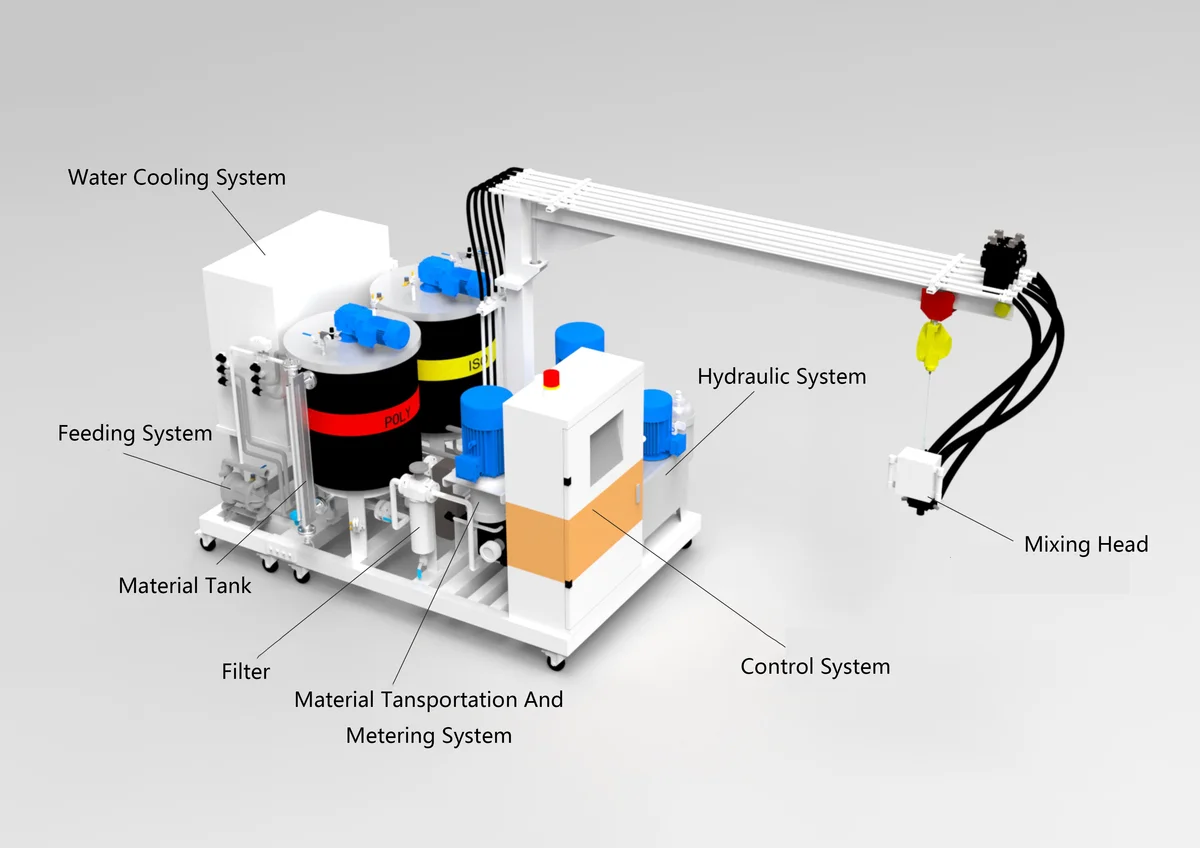
High-Pressure PU Foaming Machines
Cyclopentane / 2-component / 3-component models. Cyclopentane is the refrigerator industry standard.
Learn more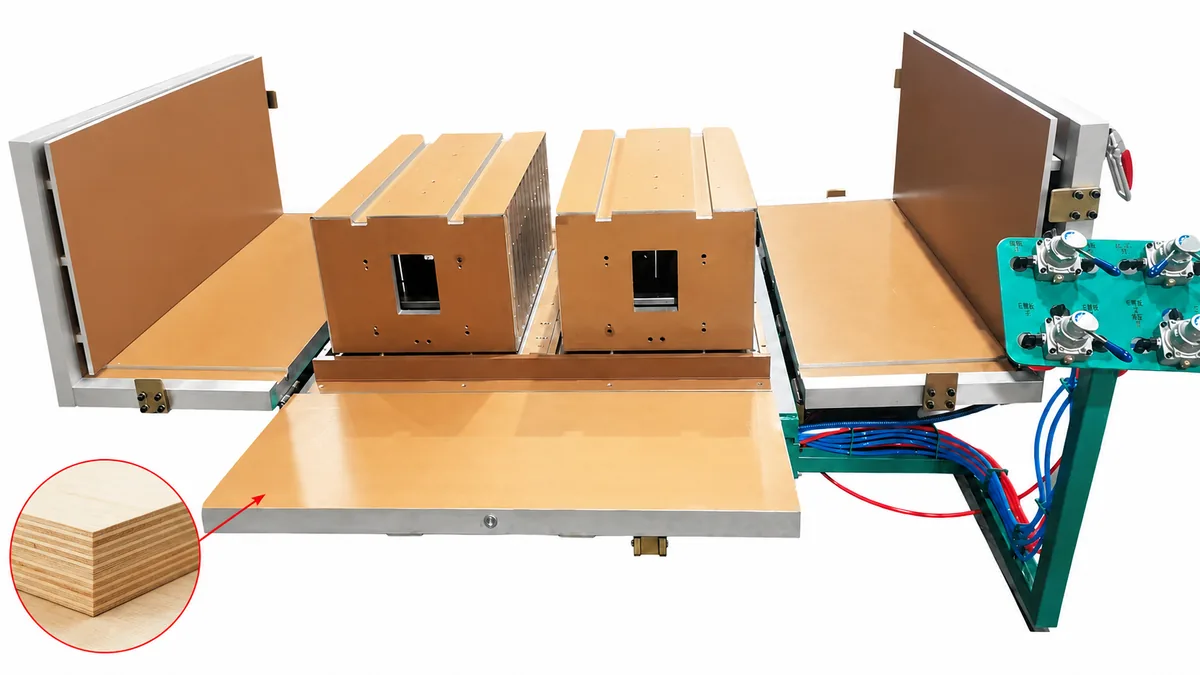
Refrigerator-grade Moulds
Vacuum-forming moulds for inner liners + foaming moulds for cabinet/door. 30-year mould-cluster network.
Learn more
PU Raw Materials System
BASF / Covestro / Wanhua MDI + Polyol — calibrated to your climate, foam density, and cycle time.
Learn more