
Comment entretenir les machines de moussage PU : liste de contrôle de maintenance préventive quotidienne, hebdomadaire et annuelle
Un calendrier structuré de maintenance préventive maintient votre machine de moussage PU productive pendant 15-20 ans au lieu de 8-10. Obtenez la liste de contrôle quotidienne, hebdomadaire, mensuelle et annuelle — plus l'inventaire des pièces détachées et la prévention des pannes courantes.
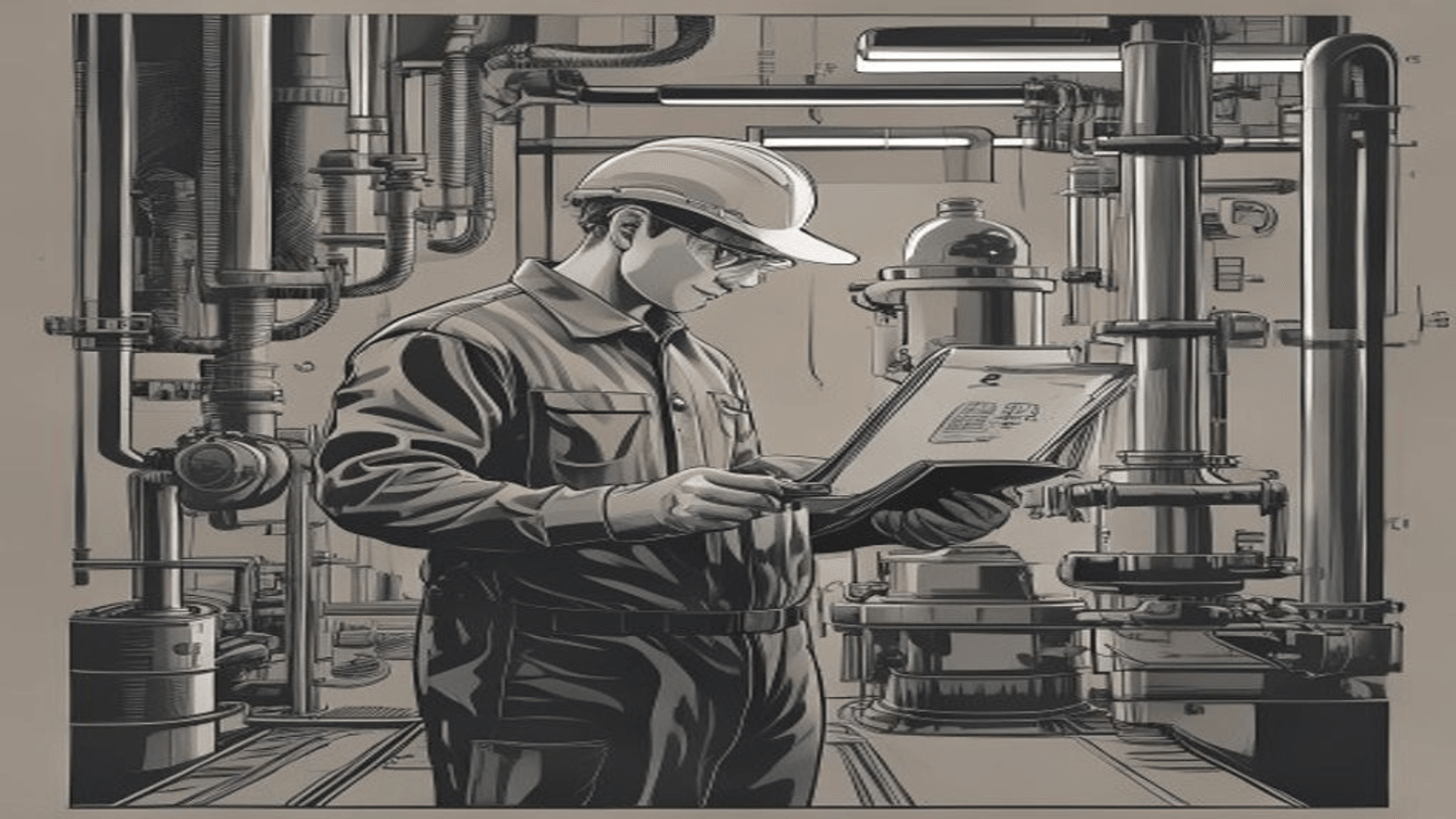
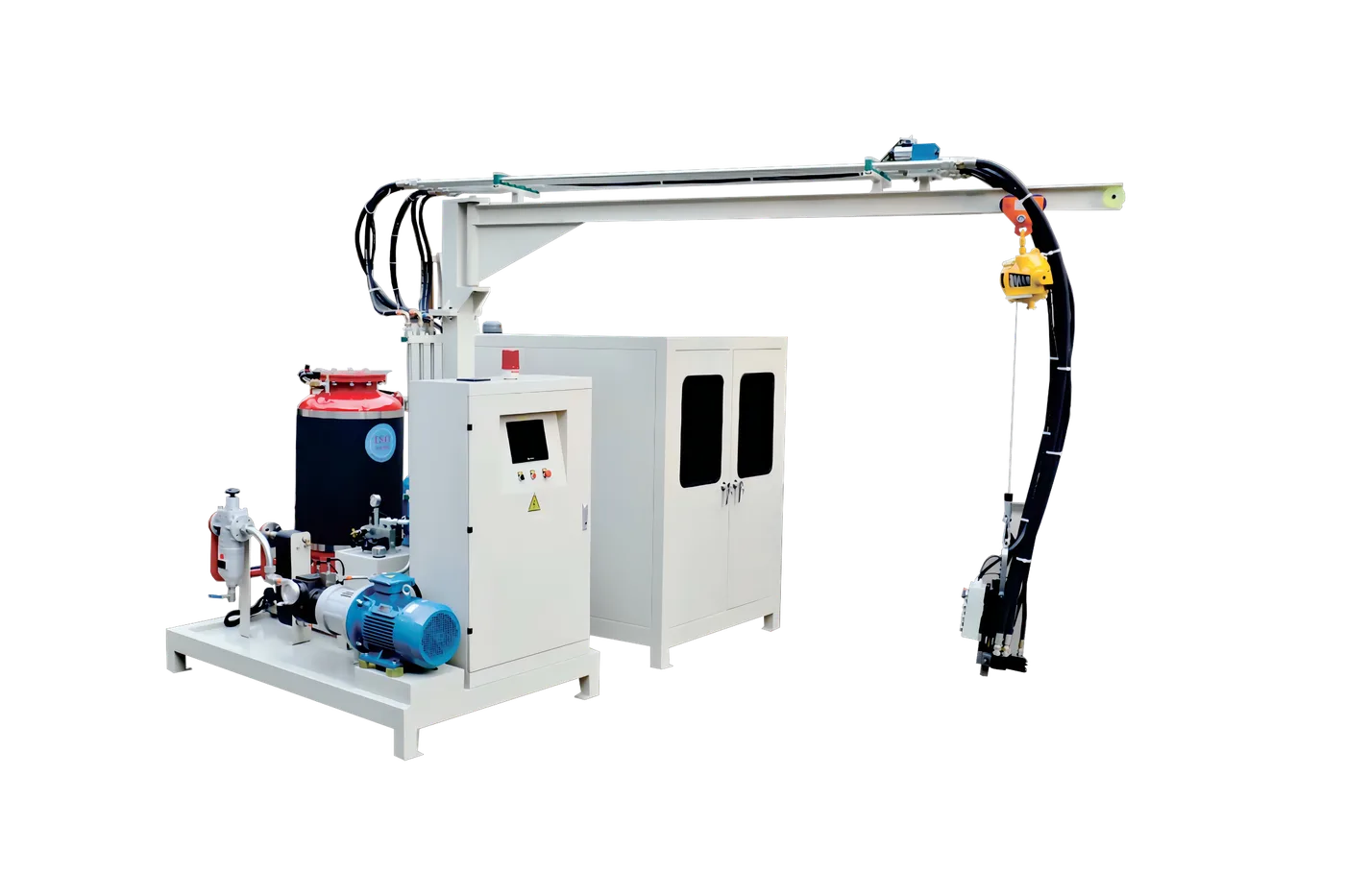
La maintenance préventive coûte 2 000-4 000 USD/an en pièces et fluides contre 15 000-30 000 USD pour une reconstruction non planifiée de tête de mélange. Quotidien (10 min) : niveau d'huile, niveaux de cuve, purge de la tête de mélange, contrôle des tuyaux, relevés de pression. Hebdomadaire (30 min) : inspection des filtres, contrôle ponctuel de température, vérification du rapport, contrôles électriques/sécurité. Mensuel : remplacement des joints, analyse d'huile, calibrage du débitmètre. Annuel : vidange complète, remplacement des tuyaux, reconstruction de pompe, sauvegarde de l'automate. Gardez 6 catégories critiques de pièces détachées sur site (inventaire total de 3 000-6 000 USD).
Pourquoi la maintenance préventive détermine la durée de vie de la machine de moussage
Une machine de moussage PU haute pression fonctionnant sur deux équipes peut injecter 200-400 tirs par jour. Chaque tir envoie de l'isocyanate et du polyol à travers des têtes de mélange à 120-180 bar — des pressions qui accélèrent l'usure des joints, pistons et vannes. Sans maintenance planifiée, la plupart des opérateurs constatent un arrêt non planifié dans les 6-12 mois : chambres de mélange obstruées, dérive du rapport, ou fuites hydrauliques qui contaminent l'atelier.
Les données sont claires : les usines qui suivent un calendrier de maintenance quotidien-hebdomadaire-mensuel-annuel maintiennent leurs machines de moussage productives pendant 15-20 ans au lieu des 8-10 ans typiques d'une maintenance uniquement réactive. La différence de coût est d'environ 2 000-4 000 USD par an en pièces et fluides — contre 15 000-30 000 USD pour une seule reconstruction non planifiée de tête de mélange.
Liste de contrôle de maintenance quotidienne (10 minutes par équipe)
Effectuez ces vérifications au début de chaque équipe de production :
- Niveau et température de l'huile hydraulique — l'huile doit se situer entre les repères min/max sur le voyant. Température de fonctionnement : 40-55 °C. Au-dessus de 65 °C signale un blocage du circuit de refroidissement ou une usure de la pompe.
- Niveaux des cuves de matière — vérifiez que les cuves journalières d'isocyanate (côté A) et de polyol (côté B) sont remplies à la quantité de production prévue. Faire fonctionner des cuves à sec introduit de l'air dans le système et provoque des vides dans la mousse.
- Purge de la tête de mélange — après chaque pause de production de plus de 15 minutes, purgez la tête de mélange avec un agent nettoyant (typiquement du chlorure de méthylène ou un circuit de purge au polyol recyclé). Le matériau résiduel cristallise et bloque la buse en 20-30 minutes à température ambiante.
- État du tuyau et serrage des raccords — inspectez visuellement les tuyaux chauffés pour détecter des coudes, une abrasion, ou un suintement aux raccords. Un tuyau d'isocyanate qui fuit est à la fois un danger de sécurité (vapeur de MDI, TLV 0,005 ppm) et un arrêt de production.
- Relevés de manomètre de pression — enregistrez les pressions d'injection des côtés A et B. Un écart > 5 % par rapport au point de consigne de la recette signifie qu'un filtre s'obstrue ou qu'une pompe doseuse perd en efficacité.
Liste de contrôle de maintenance hebdomadaire (30-45 minutes)
- Filtres de matière — retirez et inspectez les filtres en ligne à maille 80-120 sur les côtés A et B. Les filtres d'isocyanate s'obstruent plus vite dans les climats humides car l'humidité réagit avec le MDI pour former des particules solides d'urée. Remplacez si la chute de pression à travers le filtre dépasse 3 bar.
- Contrôle ponctuel de calibrage de température — utilisez un thermomètre infrarouge pour vérifier que la température de la matière à la tête de mélange correspond à l'affichage du contrôleur à ±2 °C près. Une dérive au-delà de cette plage affecte la densité de la mousse et l'uniformité cellulaire (voir notre guide de densité et facteur K de mousse PU).
- Vérification du rapport de dosage — effectuez un tir en versement libre dans deux récipients séparés, pesez chaque composant. Le rapport de poids doit correspondre à la recette (généralement 1:1,0-1:1,15 pour la mousse rigide). Une erreur de rapport > 3 % signifie qu'un recalibrage de la pompe est nécessaire.
- Connexions électriques — vérifiez les vis de borne, les contacts de contacteur et les ventilateurs de refroidissement du variateur. Des bornes desserrées sous vibration causent des défauts intermittents difficiles à tracer une fois la production en marche.
- Verrouillages de sécurité — testez les arrêts d'urgence, les commutateurs de proximité de la tête de mélange, et les fins de course de fermeture de moule. Documentez chaque test dans le journal de maintenance.
Tâches de révision mensuelle et annuelle
Mensuel (2-4 heures, arrêt planifié) :
- Remplacez les joints de la tête de mélange (joints toriques, joints de piston, sièges de buse) — même s'ils paraissent intacts. Un jeu de joints à 15 USD évite un remplacement de tête de mélange à 3 000 USD.
- Analyse d'huile hydraulique — envoyez un échantillon à un laboratoire d'analyse de fluides. Vérifiez la contamination par l'eau (< 200 ppm), le comptage de particules (objectif ISO 4406 : 18/16/13), et la viscosité dans les ±10 % de la spécification.
- Nettoyez et recalibrez les débitmètres (type Coriolis ou à engrenages).
- Inspectez et resserrez tous les raccords hydrauliques — la vibration desserre les connexions JIC et BSP avec le temps.
Révision annuelle (1-2 jours, arrêt programmé) :
- Vidange complète de l'huile hydraulique — 150-300 L selon la taille de la machine. Utilisez le grade spécifié par le fabricant de la machine (typiquement ISO VG 46 ou VG 68).
- Remplacez les tuyaux chauffés si la gaine extérieure présente des fissures, un délaminage, ou si les éléments chauffants présentent des points chauds (mesurés à la caméra thermique).
- Reconstruisez les pompes doseuses — remplacez pistons, chemises de cylindre et clapets anti-retour. Les kits de reconstruction OEM de fabricants réputés coûtent 800-2 000 USD par pompe.
- Calibrez tous les transducteurs de pression et contrôleurs de température par rapport à des références traçables NIST.
- Mettez à jour le firmware de l'automate et sauvegardez la base de données de recettes sur un support hors ligne.
Quatre pannes courantes qu'une maintenance adéquate prévient
| Panne | Cause racine | Prévention | Coût de réparation si ignoré |
|---|---|---|---|
| Vides dans la mousse / mauvaise adhérence | Mélange hors ratio (usure de pompe ou filtre obstrué) | Contrôle hebdomadaire du ratio + remplacement mensuel des joints | 5 000-10 000 USD (produit rebuté + reprise) |
| Grippage de la tête de mélange | Cristallisation de matière due à une purge inadéquate | Purge après chaque pause > 15 min | 3 000-8 000 USD (reconstruction ou remplacement de tête) |
| Surchauffe du système hydraulique | Niveau d'huile bas, ailettes de refroidisseur bloquées, huile dégradée | Contrôle quotidien du niveau d'huile + analyse mensuelle de l'huile | 10 000-20 000 USD (dommages à la pompe et aux vannes) |
| Éclatement de tuyau | Dégradation UV, flexion excessive, revêtement intérieur vieilli | Inspection visuelle quotidienne + remplacement annuel | 2 000-5 000 USD (jeu de tuyaux) + arrêt de production + incident de sécurité |
Inventaire de pièces détachées recommandé
Gardez ces articles sur site pour éviter d'attendre 4-8 semaines pour une expédition internationale :
- Kits de joints de tête de mélange × 4 jeux (couvre 4 mois de remplacement mensuel)
- Filtres en ligne (maille 80 et 120) × 20 chacun
- Huile hydraulique — 1 quantité de vidange complète (150-300 L) plus 50 L de réserve d'appoint
- Ensemble de tuyau chauffé × 1 jeu complet (article à long délai de livraison)
- Kit de reconstruction de pompe doseuse × 1 par pompe
- Contacteurs et fusibles — assortis à la nomenclature du panneau électrique de la machine
Valeur d'inventaire totale estimée : 3 000-6 000 USD — une fraction d'un seul événement d'arrêt non planifié. Lors de la commande d'une nouvelle machine de moussage PU, demandez une liste de pièces détachées recommandée au fabricant au moment de l'achat — il est bien plus facile (et moins cher) d'expédier les pièces avec la machine d'origine. Les unités de mousse projetée ajoutent un entretien du pistolet, de la buse et du tuyau chauffé que la liste de contrôle de machine de coulage ci-dessus ne couvre pas — notre guide d'achat des types et applications de machine de mousse PU projetée détaille cette classe de machine.
Vous construisez une usine ? Voir notre guide de ligne de production → Pour une usine complète, parcourez nos solutions pour fabricants de réfrigérateurs, ou envoyez-nous l'âge et le cycle de service de votre machine pour une recommandation personnalisée révision vs remplacement.
Questions fréquemment posées
À quelle fréquence dois-je changer l'huile hydraulique dans une machine de moussage PU ?
Remplacez l'huile hydraulique une fois par an ou toutes les 3 000 heures de fonctionnement, selon la première échéance. Envoyez un échantillon d'huile pour analyse en laboratoire mensuellement — si la teneur en eau dépasse 200 ppm ou si le comptage de particules dépasse la classe ISO 4406 18/16/13, changez l'huile plus tôt quel que soit le nombre d'heures.
Quelle est la cause la plus courante des défauts de mousse dans le moussage haute pression ?
Un mélange hors ratio causé par des joints de pompe doseuse usés ou des filtres de matière obstrués. Un test hebdomadaire de ratio en versement libre détecte cela avant que des produits défectueux n'atteignent la fin de la ligne. Précision de ratio cible : dans les 3 % de la spécification de la recette.
Puis-je utiliser une huile hydraulique générique au lieu du grade recommandé par le fabricant ?
Utiliser un grade de viscosité différent (par exemple VG 32 au lieu de VG 46) accélère l'usure de la pompe et annule la garantie de la machine. Faites toujours correspondre le grade ISO VG, la spécification anti-usure (HLP ou HVLP), et la classe de propreté indiquée dans le manuel de la machine.
Combien de temps prend la reconstruction d'une tête de mélange ?
Un technicien formé peut réaliser une reconstruction complète de tête de mélange — remplacement des joints, du piston, du siège de buse et nettoyage de la chambre — en 2-4 heures. La clé est d'avoir le kit de joints sur site à l'avance. Si la tête doit être renvoyée à l'usine, prévoyez un délai de 3-6 semaines plus l'expédition.
Quels sont les conseils clés d'entretien pour les arbres de pompe et de tête de mélange sur une machine à mousse ?
Les arbres de piston de la pompe doseuse et l'arbre de piston de nettoyage de la tête de mélange sont les pièces mobiles les plus sujettes à l'usure sur une machine de moussage PU. Quatre conseils d'entretien des arbres : (1) inspectez les joints d'arbre chaque semaine pour détecter un suintement — un film fin d'isocyanate autour de l'arbre signifie que la garniture cède et doit être remplacée avant qu'elle ne raye l'arbre ; (2) gardez les arbres exempts de matière cristallisée en purgeant après chaque pause de plus de 15 minutes, car le MDI séché agit comme un abrasif sur la surface polie de l'arbre ; (3) vérifiez l'alignement de l'arbre et le jeu axial chaque mois — plus de 0,1 mm de jeu accélère l'usure du joint et de la chemise de cylindre ; (4) remplacez les joints d'arbre de piston en jeu complet lors de la révision mensuelle plutôt que d'attendre une fuite. Un arbre usé qui raye sa chemise de cylindre transforme un travail de joint à 15 USD en une reconstruction de pompe à 800-2 000 USD.
Quelles précautions de sécurité sont nécessaires pour l'entretien des systèmes d'isocyanate (MDI) ?
Le MDI est un sensibilisant respiratoire avec un TLV de 0,005 ppm. Portez un respirateur à couverture complète du visage avec cartouche à vapeurs organiques, des gants résistants aux produits chimiques, et des lunettes anti-éclaboussures lors de l'ouverture de toute connexion côté isocyanate. Travaillez dans une zone ventilée et gardez un kit de déversement MDI à moins de 5 mètres. Ne chauffez jamais l'isocyanate au-dessus de 80 °C — la décomposition libère des gaz toxiques.
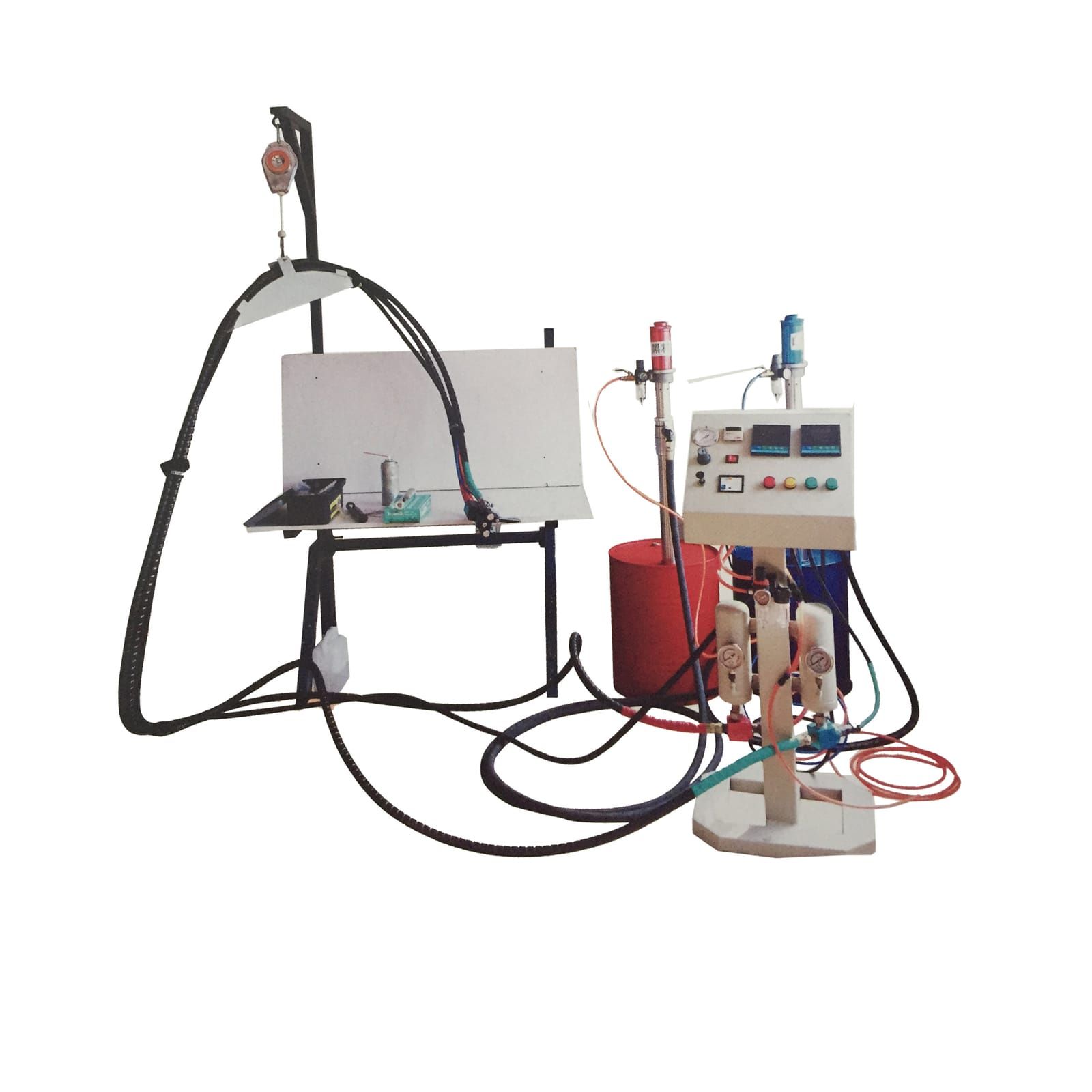
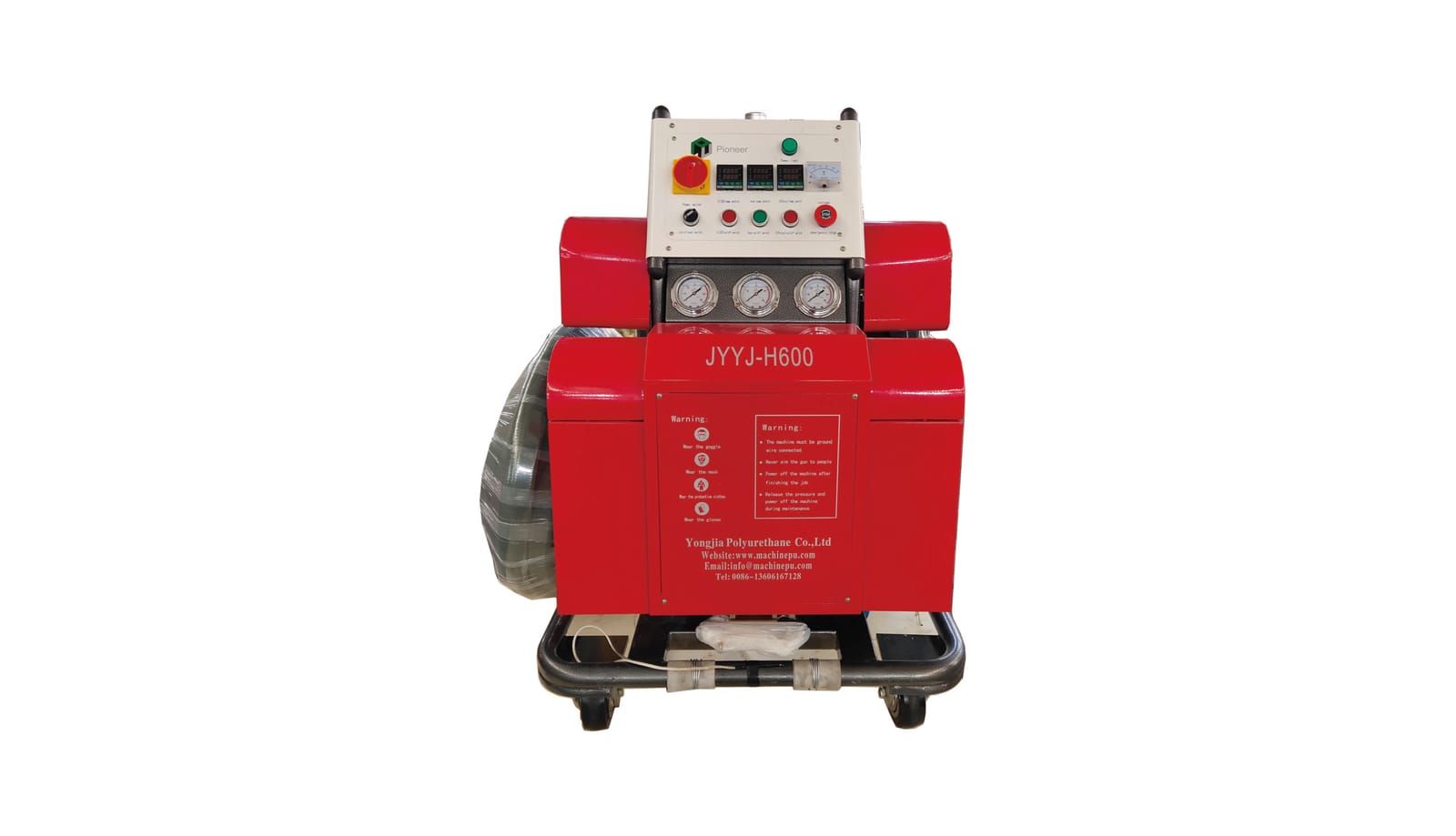
Produits mentionnés dans cet article
Prêt à planifier votre projet frigorifique ?
Indiquez-nous votre objectif de production et votre gamme de produits — notre équipe répond avec un plan de capacité et un devis sous trois jours ouvrés.
Demander un devis techniqueArticles associés
Cold Room Panel Manufacturers in the UAE: Why "Civil Defence Approved" Is Not One Question
In the UAE, a panel's paperwork has to satisfy a federal code, a product certification scheme, and an emirate-level listing — and Abu Dhabi has just formalised 54 local amendments of its own. A brochure line reading "Civil Defence approved" answers none of those three. Here is what to ask instead, why a European supplier's fire pack is the wrong currency here, and what a 45°C ambient does to the thickness you thought you needed.
Converting a Refrigerator Foaming Line to Cyclopentane: Retrofit vs New Machine, Cost and Timeline
Switching from HFC-245fa to cyclopentane is an equipment and safety-infrastructure project, not a raw-material swap. Here's how to decide between retrofitting an existing foaming machine and buying a new cyclopentane-ready one, what the safety infrastructure actually costs, and a realistic project timeline.
Freezer Mould Selection Guide: Chest vs Upright vs Display Cabinet
A freezer mould is not one product — chest (horizontal), upright and display (island / glass-door) freezers each need a different mould geometry, clamping load and cure schedule. This guide picks the right freezer mould family by cabinet size, volume and operating temperature.