
Cómo mantener las máquinas de espumado PU: lista de verificación de mantenimiento preventivo diario, semanal y anual
Un programa estructurado de mantenimiento preventivo mantiene su máquina de espumado PU productiva durante 15-20 años en lugar de 8-10. Obtenga la lista de verificación diaria, semanal, mensual y anual — más el inventario de repuestos y la prevención de fallas comunes.
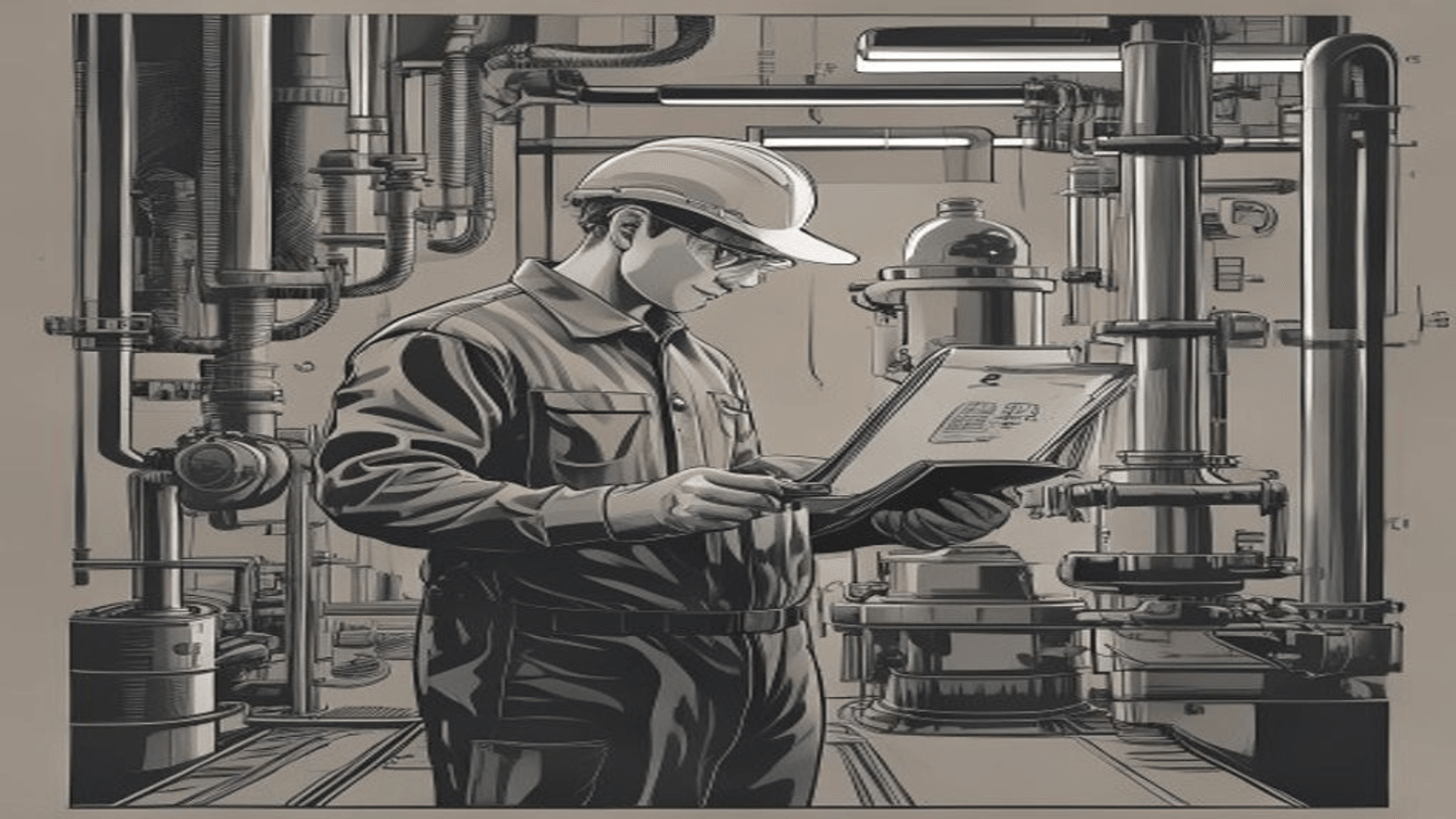
El mantenimiento preventivo cuesta USD 2.000-4.000/año en piezas y fluidos frente a USD 15.000-30.000 por una reconstrucción no planificada del cabezal de mezcla. Diario (10 min): nivel de aceite, niveles de tanque, purga del cabezal de mezcla, revisión de manguera, lecturas de presión. Semanal (30 min): inspección de filtros, verificación puntual de temperatura, verificación de proporción, revisiones eléctricas/de seguridad. Mensual: reemplazo de sellos, análisis de aceite, calibración de caudalímetro. Anual: cambio completo de aceite, reemplazo de manguera, reconstrucción de bomba, respaldo de PLC. Mantenga 6 categorías críticas de repuestos en el sitio (inventario total de USD 3.000-6.000).
Por qué el mantenimiento preventivo determina la vida útil de la máquina de espumado
Una máquina de espumado PU de alta presión que funciona dos turnos puede inyectar 200-400 disparos por día. Cada disparo envía isocianato y poliol a través de cabezales de mezcla a 120-180 bar — presiones que aceleran el desgaste de sellos, pistones y válvulas. Sin mantenimiento programado, la mayoría de los operadores ven tiempo de inactividad no planificado dentro de 6-12 meses: cámaras de mezcla obstruidas, desviación de proporción, o fugas hidráulicas que contaminan el piso de la fábrica.
Los datos son claros: las fábricas que siguen un programa de mantenimiento diario-semanal-mensual-anual mantienen sus máquinas de espumado productivas durante 15-20 años en lugar de los 8-10 años típicos del mantenimiento solo reactivo. La diferencia de costo es aproximadamente USD 2.000-4.000 por año en piezas y fluidos — frente a USD 15.000-30.000 por una sola reconstrucción no planificada del cabezal de mezcla.
Lista de verificación de mantenimiento diario (10 minutos por turno)
Complete estas verificaciones al inicio de cada turno de producción:
- Nivel y temperatura del aceite hidráulico — el aceite debe estar entre las marcas mín/máx en la mirilla. Temperatura de operación: 40-55 °C. Por encima de 65 °C indica un bloqueo del circuito de enfriamiento o desgaste de la bomba.
- Niveles de tanque de material — verifique que los tanques diarios de isocianato (lado A) y poliol (lado B) estén llenos a la cantidad de producción planificada. Dejar que los tanques se sequen introduce aire en el sistema y causa vacíos en la espuma.
- Purga del cabezal de mezcla — después de cada pausa de producción de más de 15 minutos, purgue el cabezal de mezcla con agente de limpieza (típicamente cloruro de metileno o un circuito de purga de poliol reciclado). El material residual se cristaliza y bloquea la boquilla dentro de 20-30 minutos a temperatura ambiente.
- Condición de manguera y ajuste de acoples — inspeccione visualmente las mangueras calentadas por dobleces, abrasión o fugas en los acoples. Una manguera de isocianato con fugas es tanto un peligro de seguridad (vapor de MDI, TLV 0,005 ppm) como una parada de producción.
- Lecturas de manómetro de presión — registre las presiones de inyección de los lados A y B. Una desviación > 5% del punto de ajuste de la receta significa que un filtro se está obstruyendo o una bomba dosificadora está perdiendo eficiencia.
Lista de verificación de mantenimiento semanal (30-45 minutos)
- Filtros de material — extraiga e inspeccione los filtros en línea de malla 80-120 en ambos lados A y B. Los filtros de isocianato se obstruyen más rápido en climas húmedos porque la humedad reacciona con el MDI para formar partículas sólidas de urea. Reemplace si la caída de presión a través del filtro supera 3 bar.
- Verificación puntual de calibración de temperatura — use un termómetro infrarrojo para verificar que la temperatura del material en el cabezal de mezcla coincida con la pantalla del controlador dentro de ±2 °C. La desviación más allá de este rango afecta la densidad de espuma y la uniformidad celular (consulte nuestra guía de densidad y factor K de espuma PU).
- Verificación de proporción de dosificación — realice un disparo de vertido libre en dos contenedores separados, pese cada componente. La proporción de peso debe coincidir con la receta (comúnmente 1:1,0-1:1,15 para espuma rígida). Un error de proporción > 3% significa que se necesita recalibración de la bomba.
- Conexiones eléctricas — revise los tornillos de terminal, contactos de contactor y ventiladores de enfriamiento del VFD. Los terminales sueltos bajo vibración causan fallas intermitentes difíciles de rastrear una vez que la producción está en marcha.
- Enclavamientos de seguridad — pruebe las paradas de emergencia, los interruptores de proximidad del cabezal de mezcla y los interruptores de límite de cierre de molde. Documente cada prueba en el registro de mantenimiento.
Tareas de revisión mensual y anual
Mensual (2-4 horas, tiempo de inactividad planificado):
- Reemplace los sellos del cabezal de mezcla (juntas tóricas, sellos de pistón, asientos de boquilla) — incluso si parecen intactos. Un juego de sellos de USD 15 previene un reemplazo de cabezal de mezcla de USD 3.000.
- Análisis de aceite hidráulico — envíe una muestra a un laboratorio de análisis de fluidos. Verifique contaminación de agua (< 200 ppm), conteo de partículas (objetivo ISO 4406: 18/16/13), y viscosidad dentro de ±10% de la especificación.
- Limpie y recalibre los caudalímetros (tipo Coriolis o de engranajes).
- Inspeccione y apriete todos los accesorios hidráulicos — la vibración afloja las conexiones JIC y BSP con el tiempo.
Revisión anual (1-2 días, parada programada):
- Cambio completo de aceite hidráulico — 150-300 L dependiendo del tamaño de la máquina. Use el grado especificado por el fabricante de la máquina (típicamente ISO VG 46 o VG 68).
- Reemplace las mangueras calentadas si la funda exterior muestra grietas, delaminación, o los elementos calefactores tienen puntos calientes (medidos con cámara térmica).
- Reconstruya las bombas dosificadoras — reemplace pistones, camisas de cilindro y válvulas de retención. Los kits de reconstrucción OEM de fabricantes reputados cuestan USD 800-2.000 por bomba.
- Calibre todos los transductores de presión y controladores de temperatura contra referencias trazables a NIST.
- Actualice el firmware del PLC y respalde la base de datos de recetas en un medio fuera de línea.
Cuatro fallas comunes que el mantenimiento adecuado previene
| Falla | Causa raíz | Prevención | Costo de reparación si se ignora |
|---|---|---|---|
| Vacíos en espuma / mala adhesión | Mezcla fuera de proporción (desgaste de bomba o filtro obstruido) | Verificación semanal de proporción + reemplazo mensual de sellos | USD 5.000-10.000 (producto de desecho + retrabajo) |
| Agarrotamiento del cabezal de mezcla | Cristalización de material por purga inadecuada | Purga después de cada pausa > 15 min | USD 3.000-8.000 (reconstrucción o reemplazo del cabezal) |
| Sobrecalentamiento del sistema hidráulico | Bajo nivel de aceite, aletas del enfriador bloqueadas, aceite degradado | Verificación diaria de nivel de aceite + análisis mensual de aceite | USD 10.000-20.000 (daño a bomba y válvulas) |
| Estallido de manguera | Degradación UV, doblado excesivo, revestimiento interior envejecido | Inspección visual diaria + reemplazo anual | USD 2.000-5.000 (juego de mangueras) + parada de producción + incidente de seguridad |
Inventario de repuestos recomendado
Mantenga estos artículos en el sitio para evitar esperar 4-8 semanas por envío internacional:
- Kits de sellos de cabezal de mezcla × 4 juegos (cubre 4 meses de reemplazo mensual)
- Filtros en línea (malla 80 y 120) × 20 cada uno
- Aceite hidráulico — 1 cantidad de cambio completo (150-300 L) más 50 L de reserva de recarga
- Conjunto de manguera calentada × 1 juego completo (artículo de largo plazo de entrega)
- Kit de reconstrucción de bomba dosificadora × 1 por bomba
- Contactores y fusibles — que coincidan con la lista de materiales del panel eléctrico de la máquina
Valor estimado del inventario total: USD 3.000-6.000 — una fracción de un evento de tiempo de inactividad no planificado. Al pedir una nueva máquina de espumado PU, solicite una lista de repuestos recomendada al fabricante en el momento de la compra — es mucho más fácil (y más barato) enviar repuestos junto con la máquina original. Las unidades de espuma en aerosol agregan mantenimiento de pistola de rociado, boquilla y manguera calentada que la lista de verificación de máquina de vertido anterior no cubre — nuestra guía del comprador de tipos y aplicaciones de máquina de espuma PU en aerosol recorre esa clase de máquina.
¿Construyendo una fábrica? Vea nuestra guía de línea de producción → Para una planta completa, explore nuestras soluciones para fabricantes de refrigeradores, o envíenos la antigüedad y el ciclo de trabajo de su máquina para una recomendación personalizada de revisión vs reemplazo.
Preguntas frecuentes
¿Con qué frecuencia debo cambiar el aceite hidráulico en una máquina de espumado PU?
Reemplace el aceite hidráulico una vez al año o cada 3.000 horas de operación, lo que ocurra primero. Envíe una muestra de aceite para análisis de laboratorio mensualmente — si el contenido de agua supera 200 ppm o el conteo de partículas sube por encima de la clase ISO 4406 18/16/13, cambie el aceite antes, independientemente de las horas.
¿Cuál es la causa más común de defectos de espuma en el espumado de alta presión?
Mezcla fuera de proporción causada por sellos de bomba dosificadora desgastados o filtros de material obstruidos. Una prueba semanal de proporción de vertido libre detecta esto antes de que productos defectuosos lleguen al final de la línea. Precisión de proporción objetivo: dentro del 3% de la especificación de la receta.
¿Puedo usar aceite hidráulico genérico en lugar del grado recomendado por el fabricante?
Usar un grado de viscosidad diferente (por ejemplo, VG 32 en lugar de VG 46) acelera el desgaste de la bomba y anula la garantía de la máquina. Siempre haga coincidir el grado ISO VG, la especificación antidesgaste (HLP o HVLP), y la clase de limpieza indicada en el manual de la máquina.
¿Cuánto tiempo toma reconstruir un cabezal de mezcla?
Un técnico capacitado puede completar una reconstrucción completa del cabezal de mezcla — reemplazando sellos, pistón, asiento de boquilla y limpiando la cámara — en 2-4 horas. La clave es tener el kit de sellos en el sitio con anticipación. Si el cabezal debe enviarse de vuelta a la fábrica, espere un plazo de entrega de 3-6 semanas más el envío.
¿Cuáles son los consejos clave de mantenimiento para los ejes de bomba y cabezal de mezcla en una máquina de espuma?
Los ejes del pistón de la bomba dosificadora y el eje del pistón de limpieza del cabezal de mezcla son las piezas móviles de mayor desgaste en una máquina de espumado PU. Cuatro consejos de mantenimiento del eje: (1) inspeccione los sellos del eje semanalmente por fugas — una fina película de isocianato alrededor del eje significa que el empaque está fallando y debe reemplazarse antes de que raye el eje; (2) mantenga los ejes libres de material cristalizado purgando después de cada pausa de más de 15 minutos, ya que el MDI seco actúa como abrasivo en la superficie pulida del eje; (3) verifique la alineación del eje y el juego axial mensualmente — más de 0,1 mm de juego acelera el desgaste del sello y la camisa del cilindro; (4) reemplace los sellos del eje del pistón como conjunto durante la revisión mensual en lugar de esperar una fuga. Un eje desgastado que raya su camisa de cilindro convierte un trabajo de sello de USD 15 en una reconstrucción de bomba de USD 800-2.000.
¿Qué precauciones de seguridad se necesitan al mantener sistemas de isocianato (MDI)?
El MDI es un sensibilizante respiratorio con un TLV de 0,005 ppm. Use un respirador de cara completa con cartucho de vapor orgánico, guantes resistentes a químicos y gafas antisalpicaduras al abrir cualquier conexión del lado del isocianato. Trabaje en un área ventilada y tenga un kit de derrame de MDI dentro de 5 metros. Nunca caliente el isocianato por encima de 80 °C — la descomposición libera gases tóxicos.
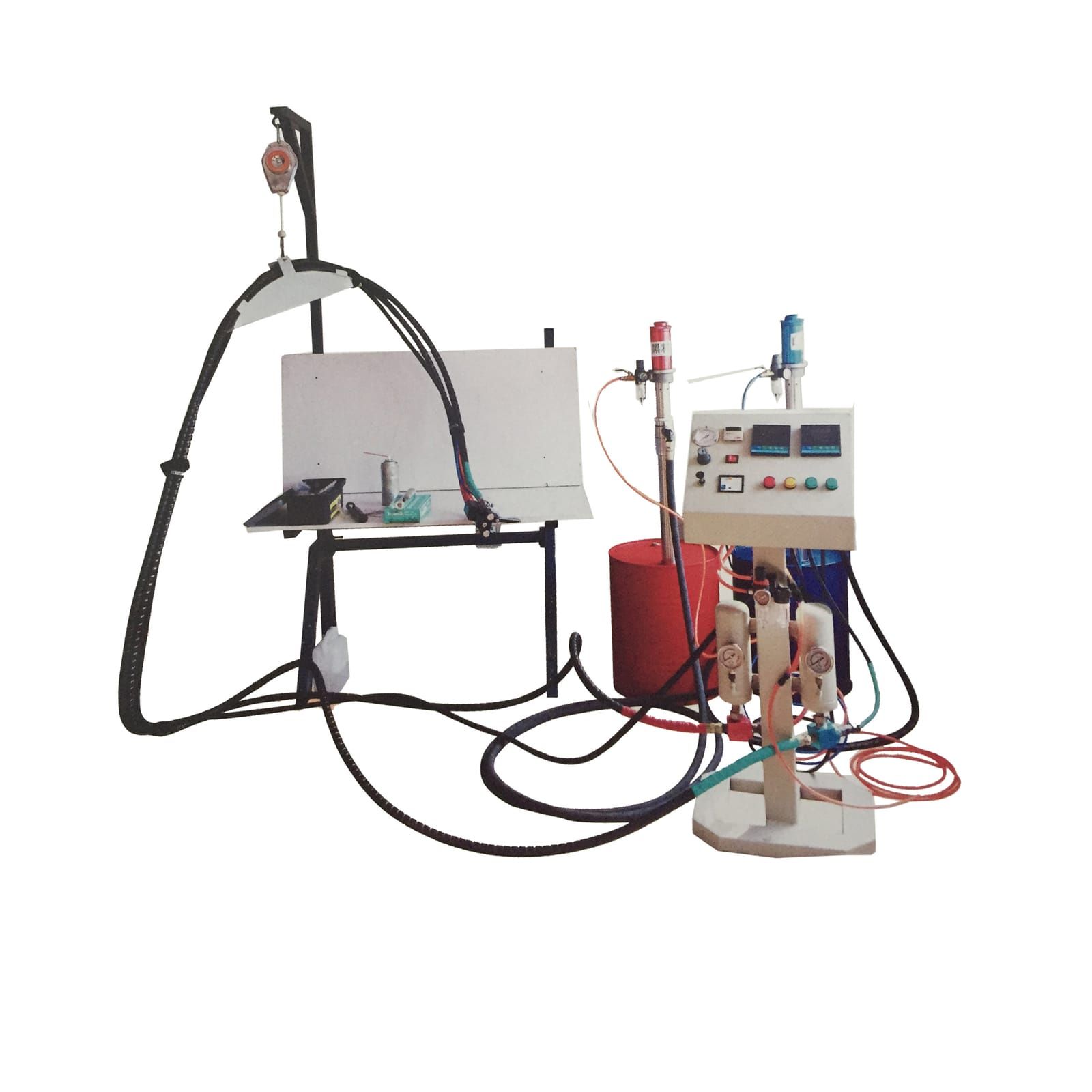
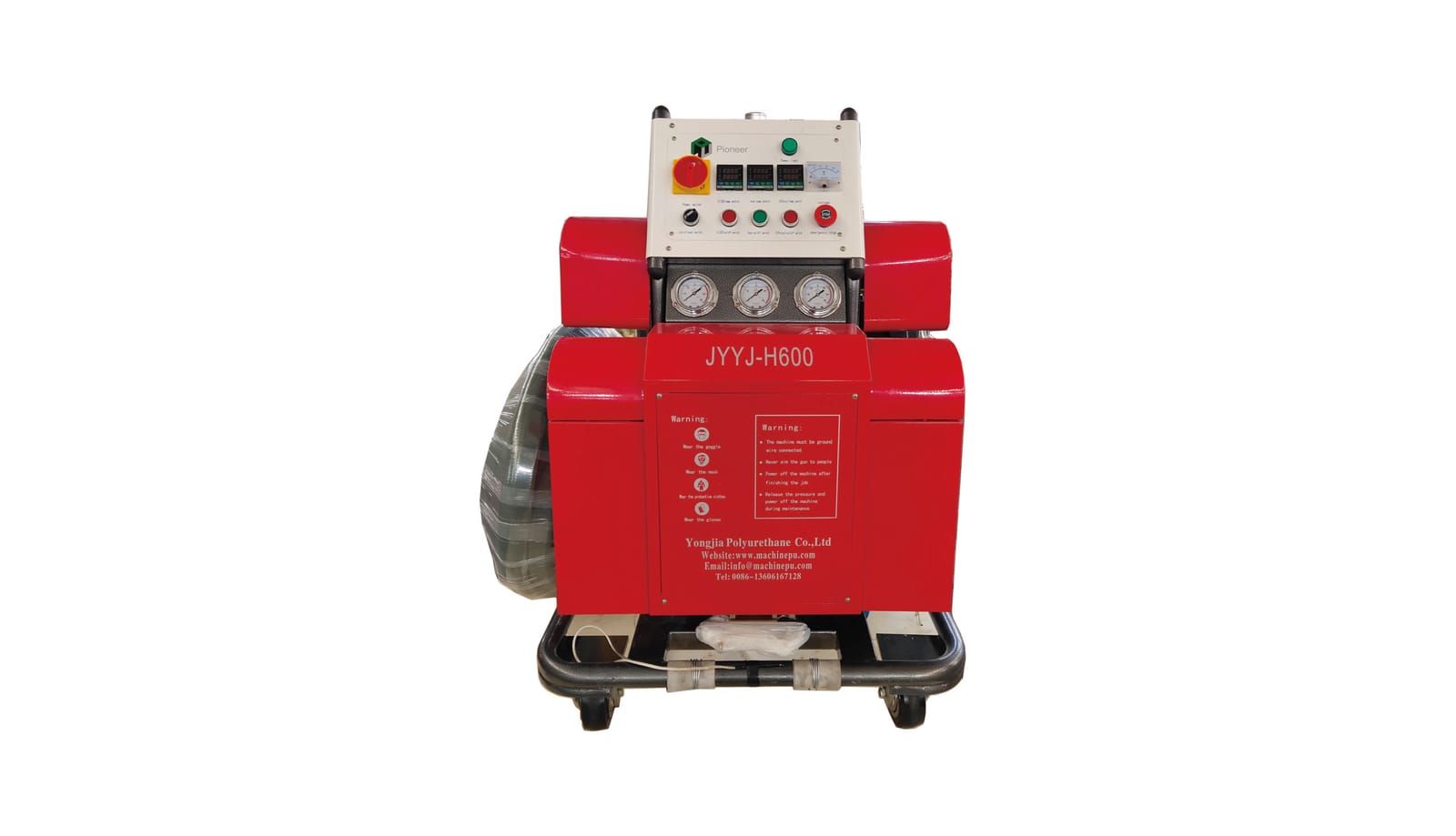
Productos mencionados en este artículo
¿Listo para planificar su proyecto de refrigeración?
Comparta su objetivo de producción y mezcla de productos — nuestro equipo de ingeniería responde con un plan de capacidad y cotización en tres días hábiles.
Solicitar cotización de ingenieríaArtículos relacionados
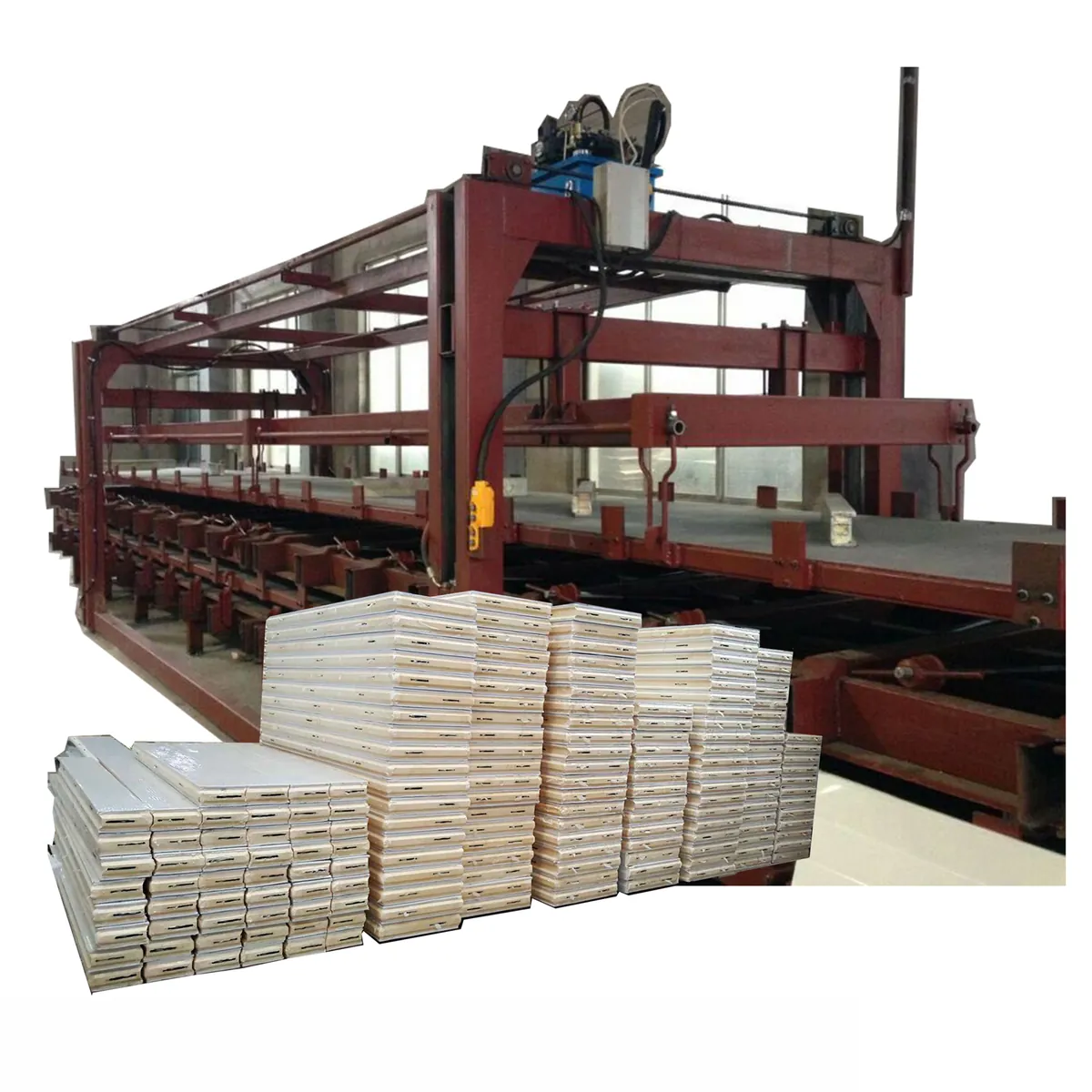
Cold Room Panel Manufacturers in the UAE: Why "Civil Defence Approved" Is Not One Question
In the UAE, a panel's paperwork has to satisfy a federal code, a product certification scheme, and an emirate-level listing — and Abu Dhabi has just formalised 54 local amendments of its own. A brochure line reading "Civil Defence approved" answers none of those three. Here is what to ask instead, why a European supplier's fire pack is the wrong currency here, and what a 45°C ambient does to the thickness you thought you needed.
Converting a Refrigerator Foaming Line to Cyclopentane: Retrofit vs New Machine, Cost and Timeline
Switching from HFC-245fa to cyclopentane is an equipment and safety-infrastructure project, not a raw-material swap. Here's how to decide between retrofitting an existing foaming machine and buying a new cyclopentane-ready one, what the safety infrastructure actually costs, and a realistic project timeline.
Freezer Mould Selection Guide: Chest vs Upright vs Display Cabinet
A freezer mould is not one product — chest (horizontal), upright and display (island / glass-door) freezers each need a different mould geometry, clamping load and cure schedule. This guide picks the right freezer mould family by cabinet size, volume and operating temperature.