
Chef Base Production Line: Cost, Break-Even & Turnkey Manufacturing (2026 Pillar Guide)
Investment tiers, the break-even math behind an 800-unit/day line, and the full equipment list and certification checklist a foodservice OEM needs to start chef base and refrigerated-counter production.
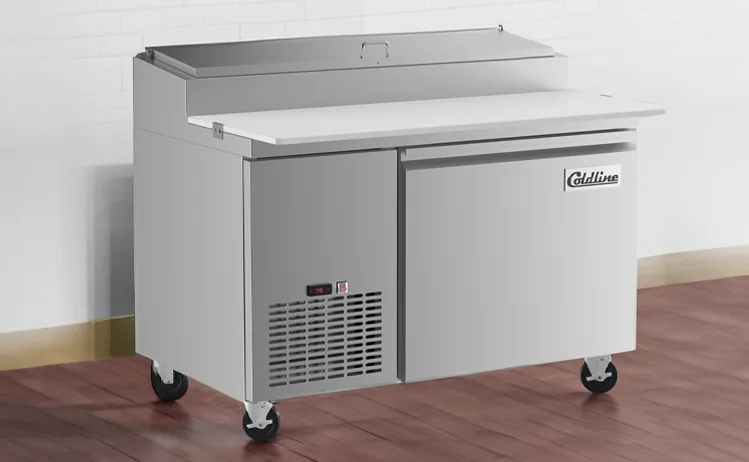
A chef base and refrigerated-counter production line runs USD 500,000-2,000,000 for lines producing 100-800 units per shift, and the format that anchors most first-time builds — 2/3/4-door workbenches, 1.2-2.6 m — pays back in 18-28 months at 65% capacity on a full 800-unit/day configuration. The decision that costs first-time entrants the most isn't tier size, it's mould strategy: buying four separate door-count moulds instead of one modular insert mould can add USD 140K to the tooling bill for no throughput gain. The other recurring miss is treating the stainless top — sourced separately, not supplied with the line — as a downstream step instead of a parallel one, which routinely adds weeks to first shipment.
A chef base and refrigerated-counter production line runs USD 500,000-2,000,000 for a single-mould-platform line producing 100-800 units per shift, and the reference 800-unit/day configuration pays back its USD 1.2M-2.0M capex in 18-28 months at 65% capacity utilization. The cost driver first-time buyers get wrong is mould strategy, not machine class: a chef base line is built almost entirely around one high-pressure PU foaming system, so the real spend decision is whether to tool one modular insert mould that covers 2-door, 3-door and 4-door variants, or four separate dedicated moulds that do the same job for nearly double the capital.
For a commercial-kitchen-equipment OEM or an existing display-cabinet manufacturer diversifying into chef bases and refrigerated prep counters, the full sequence runs through market sizing and the 8-step setup path, the investment decision with real cost tiers and the break-even math, and the procurement details — equipment list, line layout and foaming-machine selection — needed to build the line itself.
Market Size and Why Chef Base Manufacturing Is a Distinct Entry Point
Restaurant chains, hotel back-of-house kitchens and cloud-kitchen operators all depend on the same category of equipment: a low, wide refrigerated cabinet that carries a charbroiler, griddle or salamander on its top deck while keeping food cold in the drawers below. That single requirement — a stainless top flat enough to bolt cooking equipment to, on a cabinet foamed to carry the load — is what separates chef base and refrigerated-counter manufacturing from a standard upright refrigerator line.
Chef base manufacturing is structurally different from household-refrigerator manufacturing as a market to enter:
- Buyers judge quality in three seconds, not three months. A restaurant operator or chef checks whether the top is flat, whether drawers slide clean and whether the stainless edge feels finished — not a spec sheet. Flatness tolerance (±0.5 mm across a 2.4 m top edge) is a purchasing criterion, not a nice-to-have.
- The foam has two jobs, not one. A chef base top deck has to be load-bearing as well as insulating, which means higher, tighter-tolerance density and full corner-to-corner fill — see our chef base PU foaming deep dive for the engineering behind why a chef base foams differently from a domestic fridge.
- Variant count, not volume, drives tooling cost. Most buyers need 2-door, 3-door and 4-door versions of the same cabinet family, in lengths from 1.2 m to 2.6 m — which turns mould strategy (modular insert vs. dedicated) into the single biggest lever on first-build capex.
Most new entrants underestimate how much of the line's cost and reject rate is decided by the stainless top integration and the mould strategy, not by the foaming machine itself. The 8-step sequence below is built around locking in those two decisions before committing capital to tooling.
The 8-Step Sequence to Start a Chef Base Production Line
- Define your cabinet matrix first, not your budget. Chef base, sandwich-prep and pizza-prep refrigerated workbenches share a mould family but differ in door count (2/3/4-door) and length (1.2-2.6 m) — lock your SKU range before pricing anything.
- Set your top-deck flatness and temperature spec. ±0.5 mm flatness across a 2.4 m top is the HoReCa-grade cosmetic standard buyers expect; confirm whether your market needs standard refrigeration (+2 to +8°C) or a combi variant down to -18°C.
- Choose high-pressure over low-pressure foaming. Chef bases need the tight metering-ratio control and uniform density that high-pressure systems deliver for a load-bearing top deck — see our high-pressure vs low-pressure PU foaming machine comparison for the underlying trade-off.
- Source your stainless top supply chain in parallel with tooling. The stainless top is not supplied with the foaming line — 304 or 430 grade, 1.0-1.5 mm, polished to #4 or #8 finish, is a separate procurement track. Starting it after the foaming line is built is the single most common cause of schedule slip.
- Choose modular insert or dedicated moulds against your variant plan. A modular mould with snap-in 2/3/4-door dividers costs roughly USD 180K against USD 320K for four dedicated moulds — but dividers wear after roughly 200,000 cycles and cost about USD 8K to replace, so the crossover point matters.
- Decide your assembly architecture. A fixed fixture station with manual load, or a ground-rail line with cabinet inversion tooling — this is a labor-cost-vs-throughput decision, tied to your target daily volume.
- Build flatness and load testing into your QA plan from the start. ASTM D1621 covers compressive properties of rigid cellular plastics — the standard a load-bearing top deck is specified against — and a ±0.5 mm flatness gauge station catches the outlier cabinet before it ships, not after a customer complaint.
- Order NSF and UL test fixtures to spec. Drop test, temperature-retention test and an ETL-recognized refrigerant-loop test are what your finished-cabinet certification submission will need — order the fixtures with the line, not after commissioning.
Three Pitfalls That Delay First Shipment
- Buying four dedicated moulds instead of one modular mould. Four separate 2/3/4-door moulds run about USD 320K; a single modular insert mould with snap-in dividers runs about USD 180K, with a 30-60 minute changeover between variants. Most factories start modular and move to dedicated tooling only after crossing roughly 500 units/day.
- Treating the stainless top as an afterthought. Stainless sheet sourcing and roll-forming runs on its own lead time and is not part of the foaming-line scope — starting it after the foaming line is committed routinely adds weeks to first shipment and increases the risk of a top that doesn't sit flush on the foamed cabinet.
- Skipping the flatness gauge station until after tooling is committed. A mould that looks fine on inspection but can't hold ±0.5 mm across a 2.4 m top edge means shimming or silicone gap-fill on every unit — a labor cost that erodes margin on every cabinet, not a one-time fix.
Reference Configuration — Multi-Variant Entry Line
The following is a typical capability profile for a first-time chef base production line, not a specific client result: a manufacturer entering with a modular 2/3/4-door insert mould targeting 300 units/shift across the variant mix, temperature range +2 to +8°C standard with a -18°C combi option. A single high-pressure PU foaming system with ±0.5% metering accuracy holds the reduced-density formulation the cabinet needs, a 5-ton adjustable clamping fixture handles all three door-count variants from one station, and stainless tops are sourced through a coil-mill and roll-forming partner rather than built in-house. This configuration sits between Tier 1 and Tier 2 in the table below — see the chef base manufacturing solution page for the full cost-driver breakdown behind numbers like these, and our foodservice bracket-supply case study for how a US chef base OEM's structural bracket sourcing decision — switching to a hot-dip galvanized finish tested to ASTM A653 — moved their NSF Standard 7 audit pass rate from 65% to 95%+ on first submission.
Certification Checklist — What Has to Be in Place Before You Can Sell
Chef base and refrigerated-counter manufacturing carries a defined certification load, and three items are non-negotiable for the US and EU foodservice channels:
- NSF-2 / NSF-7 (US foodservice sanitation) on the finished cabinet — mandatory for restaurant-chain and HoReCa distribution in the US market.
- UL-471 (US commercial refrigeration safety) and its CB Scheme / IEC 60335-2-89 equivalent for markets outside the US.
- CE marking for the EU, covering both the electrical safety and food-contact requirements of a commercial kitchen cabinet.
What's explicitly out of scope for the equipment supplier: the finished cabinet brand, the stainless top itself, and the NSF/UL/CE certification submission — the line ships with CE and ISO 9001 on the equipment, plus the test fixtures (drop test, temperature-retention test, ETL-recognized refrigerant loop) needed to run your own qualification, but the finished-cabinet certification (8-14 weeks turnaround) belongs to the manufacturer running the line.
Decision: Which Entry Tier Should You Build?
One-line answer: if you're launching a single door-count configuration into one retail or HoReCa channel, start at Tier 1 (USD 500K-750K); if you need the 2/3/4-door variant range most restaurant-chain and hospitality buyers ask for, Tier 2 (USD 800K-1.2M) with a modular insert mould is the standard first build; Tier 3 (USD 1.2M-2.0M) is for manufacturers committing to a dedicated multi-mould set and a ground-rail assembly line at full 800-unit/day volume.
Three-Tier Investment Comparison
| Tier | Mould strategy | Target output | Investment | Best for |
|---|---|---|---|---|
| Tier 1 — Entry | 1 door-count configuration | 100-200 units/shift | USD 500K-750K | Single-SKU launch, defined retail or HoReCa channel |
| Tier 2 — Multi-Variant | Modular insert mould (2/3/4-door) | 300-500 units/shift | USD 800K-1.2M | Full variant range from one tooling investment |
| Tier 3 — Full-Scale | Dedicated multi-mould + ground-rail line | 600-800 units/shift | USD 1.2M-2.0M | Retail-chain and multi-channel volume commitments |
Break-Even: When the Line Pays for Itself
UREXCEED's published buyer economics for the full 800-unit/day Tier 3 configuration put payback at 18-28 months running at 65% capacity utilization — the realistic first-year range, since a new line rarely opens at 100% output. The same math scales down cleanly to a Tier 2 entry build: a 300-500 unit/shift modular-mould line running a realistic 200 units/day at 220 production days/year produces roughly 44,000 units annually. At a typical wholesale price for a stainless chef base or refrigerated prep counter in the US/EU foodservice channel (USD 1,200-2,500 depending on door count and finish), even a conservative blended average of USD 1,400/unit puts annual production value in the USD 61.6M range against a cost of goods that includes stainless sheet stock, PU raw materials, hardware and labor. Break-even on the tooling and line investment tracks the same 18-28 month range the Tier 3 line sees, because flatness-reject rate — not raw output speed — is what actually moves realized margin on a chef base line, at either scale.
Hidden Costs First-Time Entrants Miss
- Stainless top sourcing and roll-forming — a separate procurement track from the foaming line; most established chef base factories pre-buy coil stock annually and roll-form tops in-house once volume justifies it, which is a capital decision most first-time entrants defer too long.
- Mould divider wear on a modular tool — insert dividers wear after roughly 200,000 cycles at about USD 8K per replacement; budget this as a recurring maintenance line, not a one-time tooling cost.
- Flatness gauge and load-test infrastructure — the ±0.5 mm flatness station and ASTM D1621 compressive testing setup, either in-house or through a contract lab, is an ongoing QA cost.
- NSF/UL/CE certification submission — 8-14 weeks turnaround and a real cost line the equipment capex figures above don't include, since it's the finished cabinet, not the line, that gets certified.
Delivery Timeline — Contract to First Shipment
Mould lead time runs 50-80 days and the high-pressure foaming machine 45-60 days, manufactured in parallel rather than in sequence. Stacked with assembly-line fabrication, commissioning and training, and run alongside — not after — stainless top sourcing and NSF/UL test-fixture setup, contract-to-first-shipment for a chef base line typically lands in the 4-6 month range. Minimum tooling order for a single door-count configuration starts around USD 180K for a modular mould; minimum production batches are shaped by variant count rather than a fixed MOQ, since a 2/3/4-door mix is the normal order pattern from day one.
Procurement: What the Production Line Actually Needs
Full Equipment List
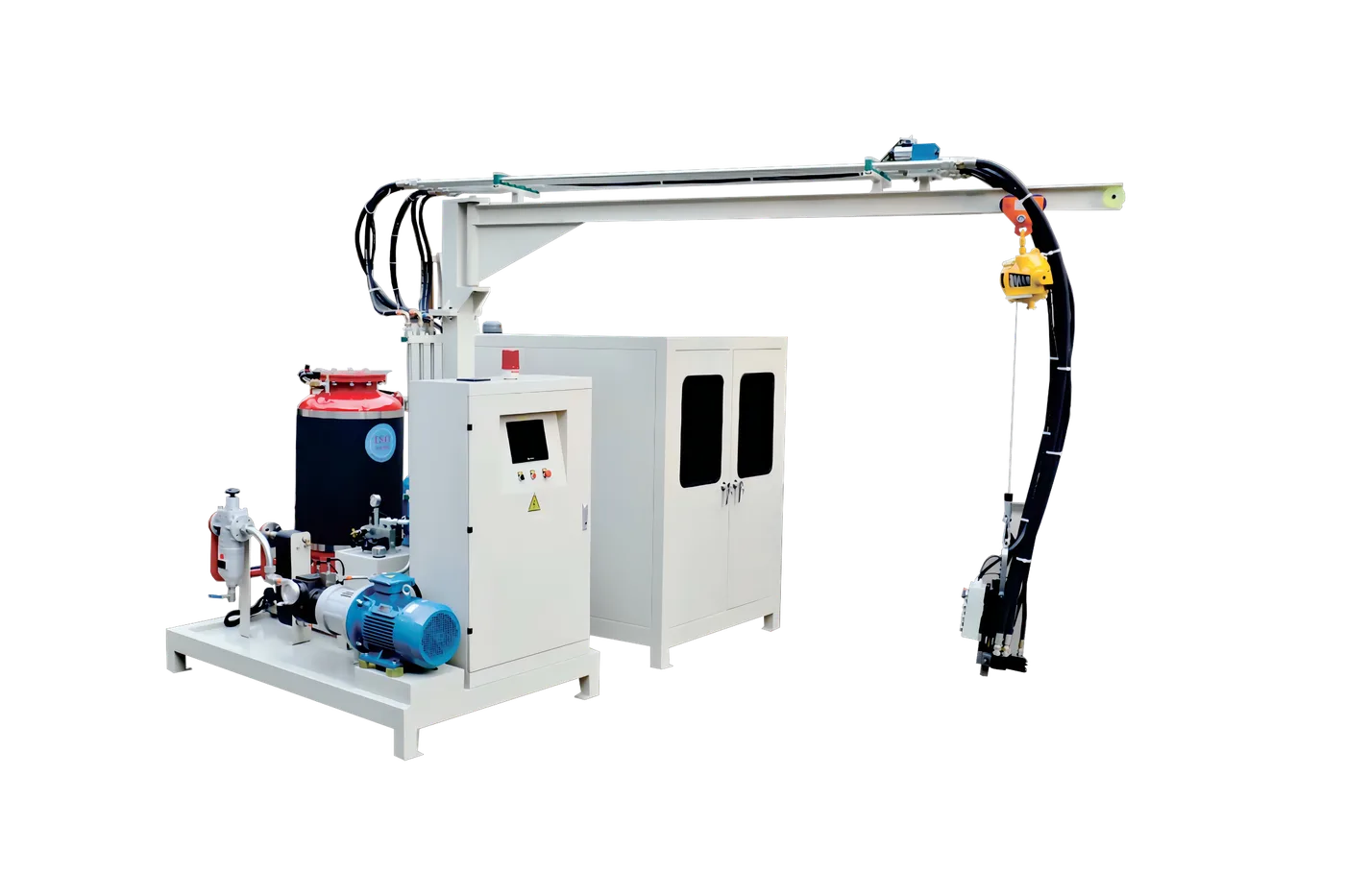
- High-pressure PU foaming machine (cyclopentane-ready, ±0.5% metering accuracy)
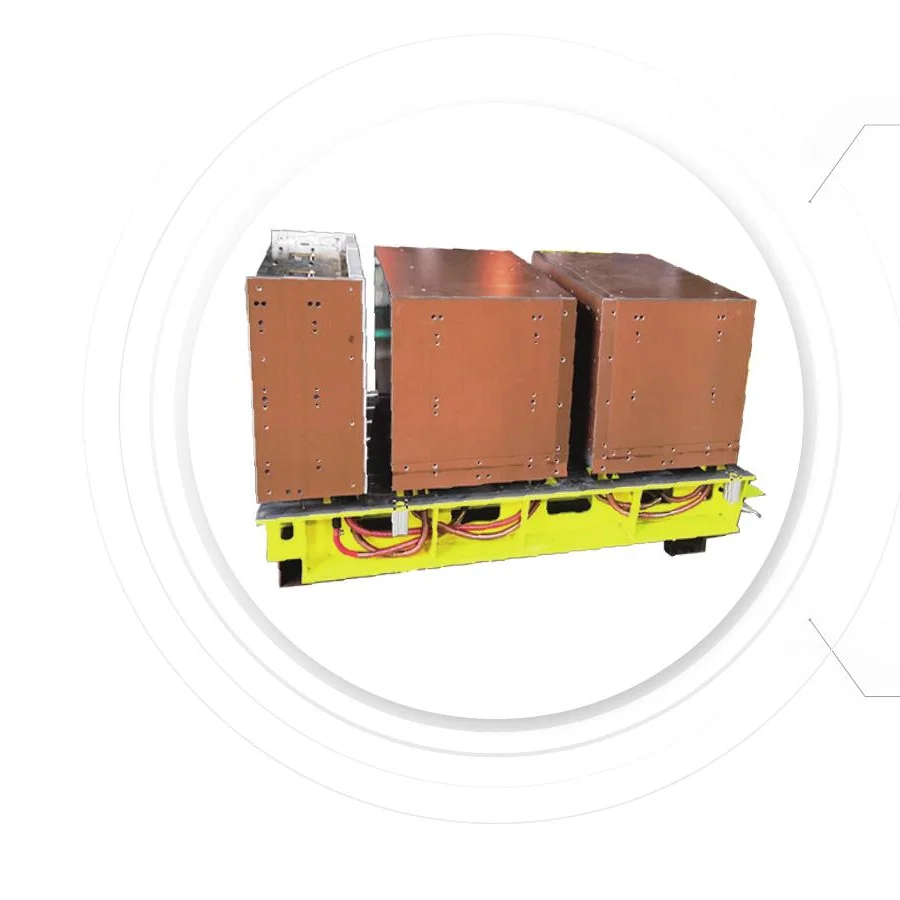
- Chef base / refrigerated-workbench mould — modular insert (2/3/4-door dividers) or dedicated per variant
- Mold fixture with 5-ton adjustable clamping, ±0.3 mm parallelism
- Drawer and door subassembly foaming jigs with magnetic-gasket channels
- Ground-rail assembly line with cabinet inversion tooling
- Flatness gauge station (±0.5 mm across a 2.4 m top edge)
- Refrigerant charging station and leak-test / running-load QA station
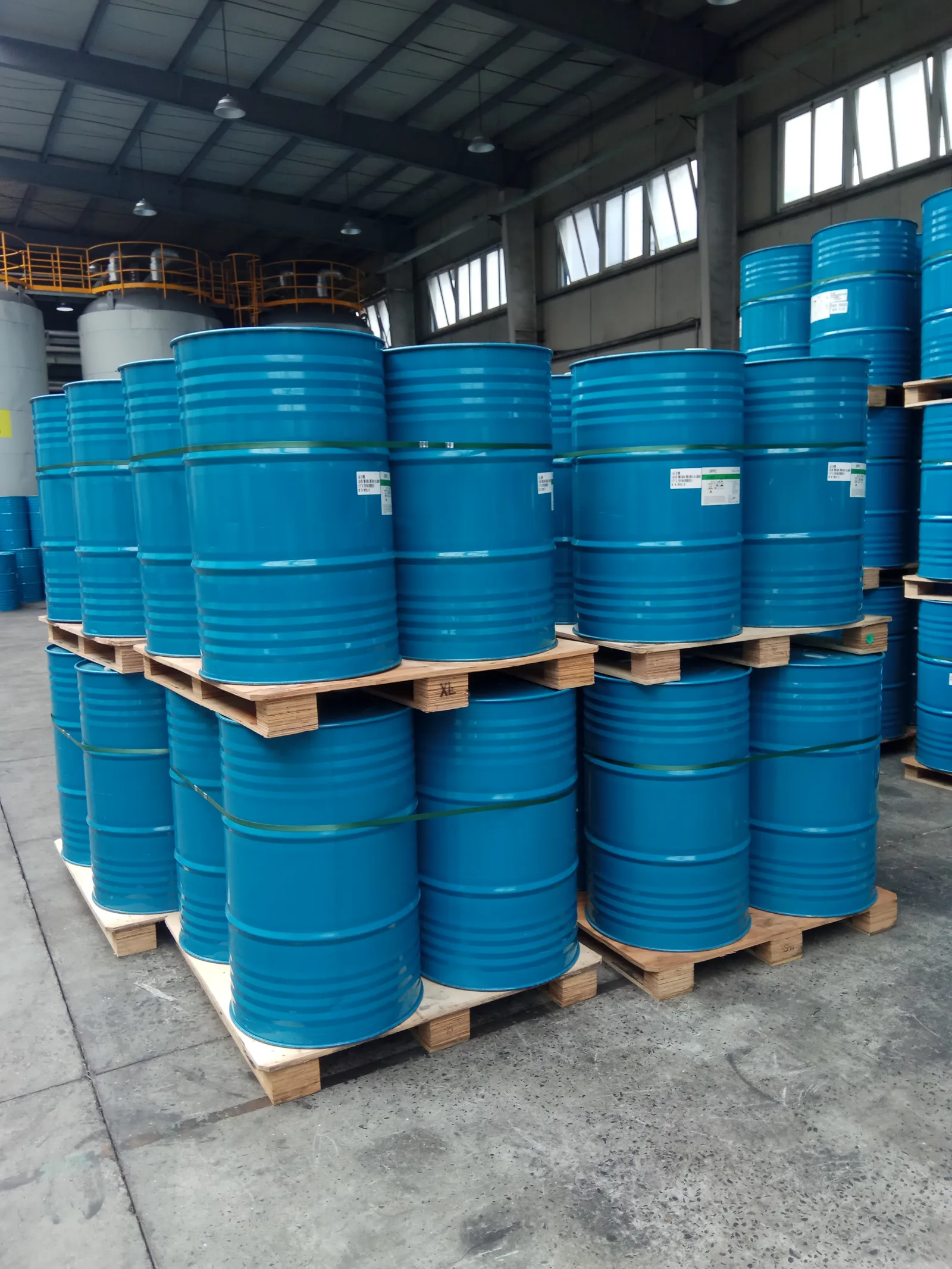
- PU raw materials formulated for reduced density suited to a chef base duty cycle
Production Line Layout
A chef base line is laid out around the foaming-to-stainless-integration handoff rather than raw injection speed: foaming station, clamped cure through a fixed dwell, demould with per-unit flatness and fill verification, drawer and door subassembly, stainless top integration (bolt/weld jig mating the top to the cabinet), refrigerant charging, then leak-test and running-load QA before packing. Floor layout scales with door-count variant count — a Tier 3 dedicated-mould line needs proportionally more floor space for parallel fixture stations across variants, not more foaming capacity per station.
PU Foaming Machine Selection Decision Tree
- Is your target output under 500 units/shift across all variants? → A single high-pressure system with a quick-change mould carrier covers it. Above that, a second foaming station or a dedicated ground-rail configuration becomes the realistic path.
- Do you need instant variant switching between 2/3/4-door SKUs in the same shift? → Modular insert mould on one fixture station; dedicated moulds only once volume justifies the extra capex and changeover time drops to zero.
- Can your fixture hold ±0.5 mm flatness across a 2.4 m top edge? → If not, this is a clamping-tonnage and fixture-parallelism question before it's a foaming-machine question — a 5-ton adjustable clamp at ±0.3 mm parallelism is the reference spec.
- Is the reduced-density formulation your top deck needs achievable with your current polyol system? → If not, this is a raw-material reformulation question — see our PU foam density and k-factor guide for how formulation drives load-bearing performance.
Raw Material Checklist
- Polyol system formulated for the density and fill discipline a load-bearing top deck needs (see the chef base foaming deep dive for the engineering detail)
- Isocyanate matched to the high-pressure metering system's cycle time
- Stainless steel top stock — 304 or 430 grade, 1.0-1.5 mm, polished to #4 or #8 finish (sourced separately)
- Bosch-pattern hinges and magnetic-gasket hardware for drawer and door fronts
Staffing for a New Line
A Tier 1-2 line (100-500 units/shift) typically runs 6-8 production and QA staff per shift: 1-2 foaming operators, 2-3 assembly and stainless-integration technicians, 1 dedicated QA technician (flatness gauge and leak-test checks), 1 packing/finishing technician, and 1 line supervisor. Under-staffing the QA role is the most common cause of downstream reject-rate problems, since a flatness or fill defect isn't always visible until the stainless top is bolted on.
After-Sales and Support Plan to Budget For
Budget for modular-mould divider replacement (roughly every 200,000 cycles, about USD 8K each), foaming-machine metering recalibration, flatness-gauge calibration, and a documented refrigerant-loop retest protocol for your own ongoing production QA — not just factory-acceptance testing at commissioning.
FAQ
FAQ
How much capital do I need to start a chef base production line?
Entry-tier (single door-count configuration, 100-200 units/shift) needs USD 500,000-750,000. A multi-variant Tier 2 line with a modular 2/3/4-door mould (300-500 units/shift) needs USD 800,000-1.2M. A full-scale Tier 3 line with a dedicated multi-mould set and ground-rail assembly (600-800 units/shift) needs USD 1.2M-2.0M. Building shell, utilities and working capital are additional.
How long does it take from contract to first shipment?
4-6 months is the realistic range. Mould lead time runs 50-80 days and the high-pressure foaming machine 45-60 days, manufactured in parallel; stainless top sourcing and NSF/UL test-fixture setup should run alongside tooling, not after it — starting them late is the most common cause of schedule slip.
What does an 800-unit/day chef base line cost, broken down?
USD 1.2M-2.0M total: foaming moulds (USD 250K-400K covering 2/3/4-door variants), high-pressure PU machine (USD 180K-280K), mold fixture (USD 120K-200K), assembly conveyor and stainless top integration (USD 250K-400K), quality stations and testing (USD 200K-350K), commissioning and training (USD 100K-150K). Building land and stainless steel sheet stock are not included.
Should I buy one modular mould or four dedicated moulds for my door-count variants?
Start modular. A single mould with snap-in 2/3/4-door dividers costs about USD 180K against roughly USD 320K for four dedicated moulds, with a 30-60 minute changeover between variants. The trade-off is divider wear — replacement runs about USD 8K after roughly 200,000 cycles — which is why most factories upgrade to dedicated moulds only once daily volume crosses about 500 units.
What certifications does the finished cabinet need, and does the equipment supplier handle them?
NSF-2 or NSF-7 for US foodservice sanitation, UL-471 for US commercial refrigeration safety (CB Scheme / IEC 60335-2-89 outside the US), and CE for the EU. The equipment itself ships with CE and ISO 9001, and the line includes the test fixtures — drop test, temperature-retention test, ETL-recognized refrigerant loop — but the finished-cabinet certification submission (8-14 weeks turnaround) is the manufacturer's responsibility, not the equipment supplier's.
Is the stainless top supplied with the line, or sourced separately?
Sourced separately — 304 or 430 grade stainless, 1.0-1.5 mm thick, polished to a #4 or #8 finish. Most chef base factories pre-buy stainless coil annually and roll-form their own tops in-house once volume justifies it; the foaming-line supplier ships the bolt/weld jig that mates the top to the foamed cabinet.
What refrigerant options does a chef base line need to support?
R290 is the mainstream choice today, R600a remains common on legacy platforms, and R404A still shows up on US-market legacy specs. The refrigerant charging station and leak-test QA station should be scoped against whichever refrigerant your target market's cabinet spec requires.
Why does foam density matter so much for a chef base top deck?
The top deck carries a charbroiler, griddle or salamander plus GN pans, and the PU foam bonds the inner liner to the outer shell into one rigid panel that has to carry that load without flexing. A domestic-cabinet foam recipe under-specifies this — see the [chef base PU foaming deep dive](/en/blog/chef-base-pu-foaming-deep-dive/) for the density, fill and stainless-adhesion detail that separates chef base foaming from a household refrigerator.
Can an existing display-cabinet or freezer OEM convert a line to chef base production?
Partially. Ground-rail assembly and demould infrastructure can often be reused, but the foaming system typically needs to move to a high-pressure configuration matched to stainless adhesion and load-bearing density, and the fixture needs the clamping tonnage and parallelism to hold ±0.5 mm flatness across a 2.4 m top — closer to a new mould and fixture purchase than a retrofit.
What's the biggest reason first-time chef base manufacturers miss their launch date?
Starting stainless top sourcing after the foaming line is built instead of in parallel. Coil sourcing and roll-forming lead time routinely adds weeks to first shipment when it's treated as a downstream step rather than a parallel track from contract signing — the same mistake that shows up as a flush-fit problem on the finished cabinet if the top and the cabinet aren't dimensionally coordinated from day one.
Related engineering deep-dives
For the foam-engineering reasoning behind why a chef base top deck is specified so differently from a domestic refrigerator — load-bearing density, k-factor under a hot deck, stainless adhesion — see Chef Base PU Foaming, Deep Dive. For the machine-class decision this guide's procurement section is built on, see High-Pressure vs Low-Pressure PU Foaming Machine.
Ready to scope your chef base or refrigerated-counter production line? Talk to our engineering team with your target door-count mix and daily volume — we reply with an equipment list, mould-strategy recommendation and realistic timeline within three business days, or browse the chef base manufacturing solution page for the full cost-driver breakdown.
Products Mentioned in This Article
Ready to plan your refrigeration project?
Share your target output and product mix — our engineering team replies with a capacity plan and quote within three business days.
Get an engineering quoteRelated articles
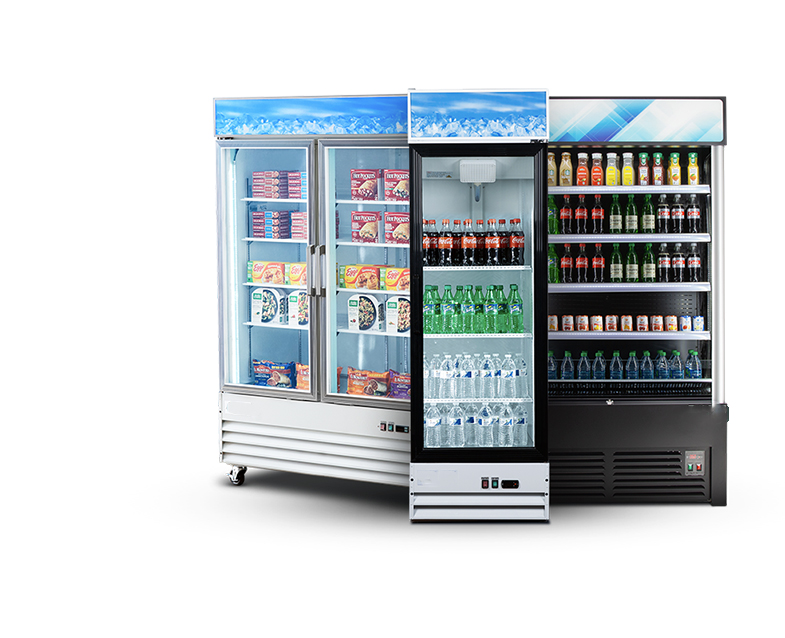
Beverage Cooler Production Line — Cost, Payback & Turnkey Setup (2026 Pillar Guide)
Investment tiers from a single-door entry line to a full bottler-program build, the payback math behind a 3,000-unit/day line, and the complete equipment list and certification checklist a beverage cooler OEM needs to go from contract to first shipment.
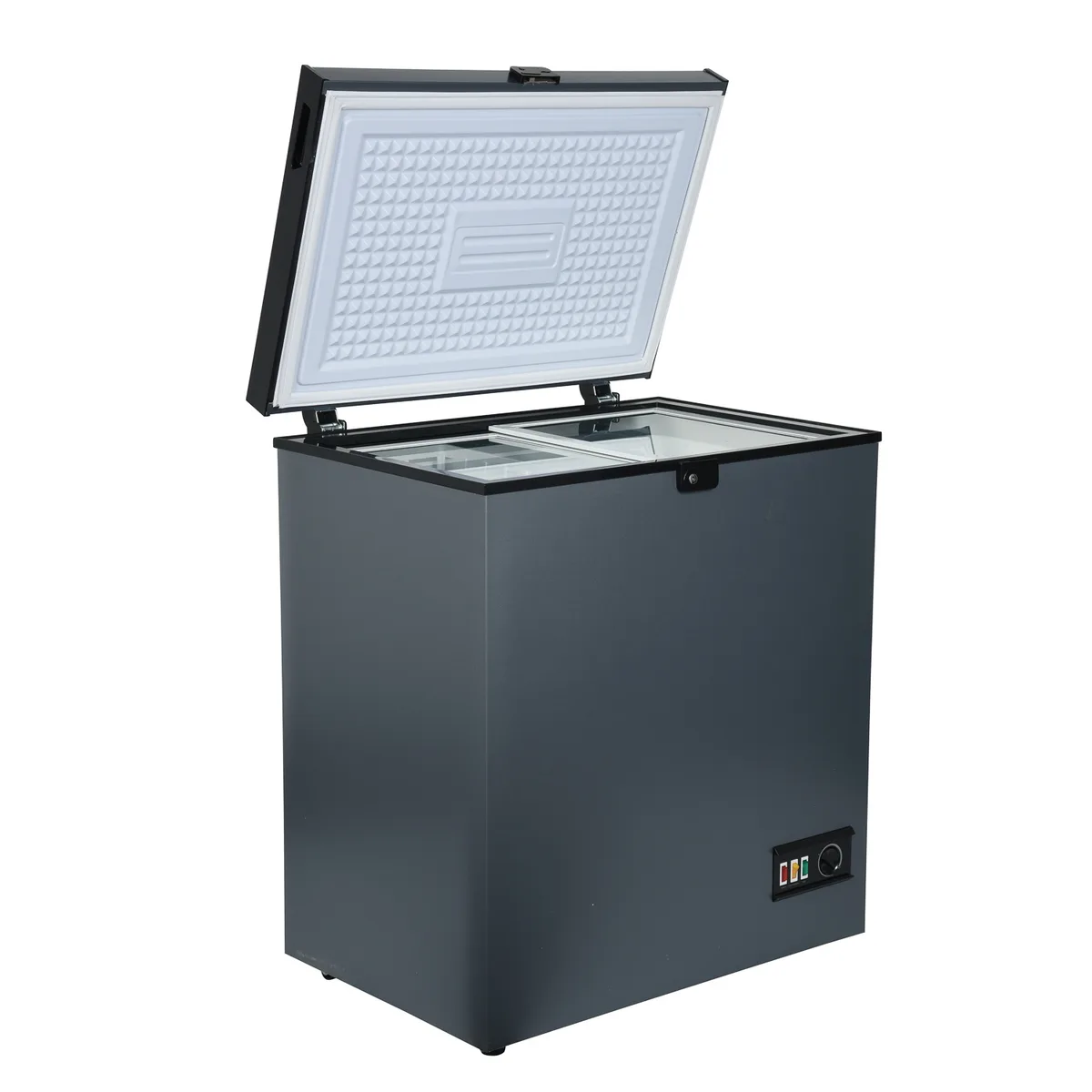
Chest Freezer Production Line — Cost, Capacity & Turnkey Factory Setup (2026 Pillar Guide)
Investment tiers from a 300-unit/day entry line to a 3,000-unit/day ultra-low-temperature build, the ATEX and Ecodesign pitfalls that stall first-time freezer OEMs, and the complete equipment list, mould selection logic and staffing plan needed to go from contract to first accepted cabinet.

Cigar Humidor Manufacturing Plant: Cost, ROI & Turnkey Setup (2026 Pillar Guide)
From market entry to first commercial cabinet: the 8-step sequence, three investment tiers with real cost ranges, and the equipment list a new cigar humidor manufacturing line actually needs.