
Chest Freezer Production Line — Cost, Capacity & Turnkey Factory Setup (2026 Pillar Guide)
Investment tiers from a 300-unit/day entry line to a 3,000-unit/day ultra-low-temperature build, the ATEX and Ecodesign pitfalls that stall first-time freezer OEMs, and the complete equipment list, mould selection logic and staffing plan needed to go from contract to first accepted cabinet.
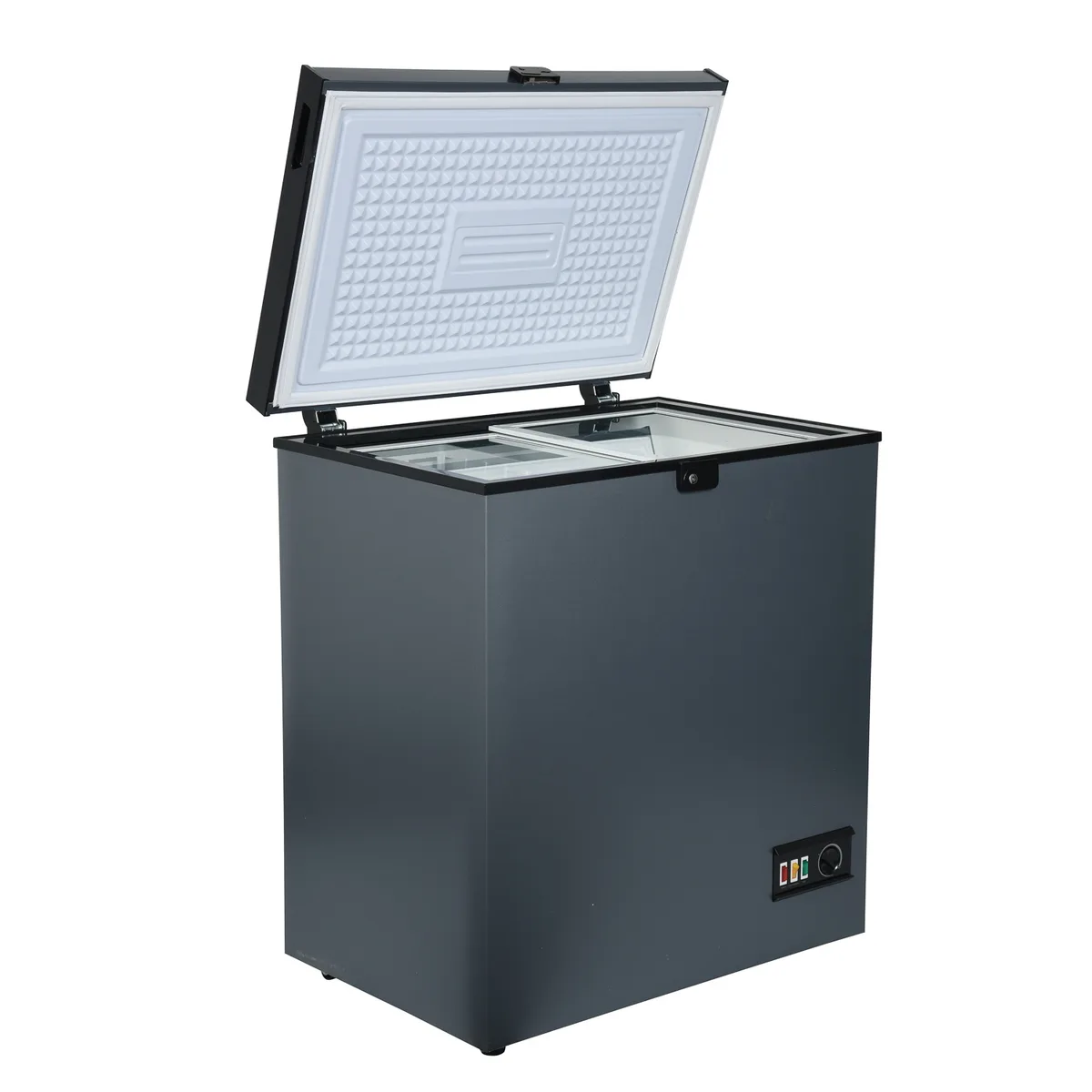
A chest freezer production line runs USD 600,000-3,000,000 for lines producing 300 to 3,000 units per shift, and a 2,000-unit/day standard-spec line (USD 2.2M-3.8M) reaches first commercial output in roughly 12 months from signed contract. The mistake that costs first-time freezer OEMs the most isn't the mould, it's the two things buyers carry over from refrigerator manufacturing without adjusting: cyclopentane's ATEX permitting timeline, which runs 3-6 months when the machine supplier can't hand the local fire authority a complete certificate pack instead of 2-4 weeks when it can, and the pull-down thermal test against EU Ecodesign Regulation 2019/2019's 6-hour threshold, which is a foam k-factor and wall-thickness problem, not a compressor problem. Buyers upgrading toward ultra-low-temperature biomedical cabinets (-60°C and below) also routinely underestimate that the compressor is not in an equipment supplier's scope — only the cabinet foaming infrastructure is.
A chest freezer production line runs USD 600,000-3,000,000 for lines producing 300 to 3,000 units per shift, and a 2,000-unit/day standard-spec line (USD 2.2M-3.8M) reaches first commercial output in roughly 12 months from signed contract. The cost driver first-time freezer OEMs get wrong isn't the mould, it's two things carried over from refrigerator manufacturing without adjusting for a freezer's thicker wall and colder duty cycle: cyclopentane ATEX permitting, and the pull-down thermal test against EU Ecodesign Regulation 2019/2019's 6-hour threshold.
For a freezer OEM entering chest and upright freezer manufacturing, or a refrigerator factory retrofitting a line for freezer output, the sequence runs through market sizing and the 8-step setup path, the investment decision with real cost tiers and delivery timeline, and the procurement details — equipment list, line layout and PU foaming machine selection — needed to build the line itself.
Market Size and Why Freezer Manufacturing Is a Distinct Engineering Problem
Frozen food retailers, seafood cold chain operators and ice-cream brands all depend on the same category of equipment: a chest or upright freezer cabinet engineered to hold -18°C to -60°C internally against ambient heat load, not a refrigerator cabinet running a colder compressor. Our confirmed reference project on this model is a 2025 chest freezer line expansion in Brazil — a 2,000-unit/day line built around a foaming mould upgrade and an insulation box line addition; see the case study index for the current regional project list.
Freezer manufacturing is structurally different from refrigerator manufacturing as a market to enter, even though the two share a factory floor:
- The insulation has to do more work, permanently. A freezer holds a 55-80°C delta between cabinet interior and a hot ambient — roughly double a refrigerator's typical delta — every hour of every day. That delta is closed by wall thickness and foam k-factor, not by running the compressor harder, which is why freezer wall foam runs 70-150 mm against a refrigerator's 40-55 mm.
- Cyclopentane ATEX permitting is a freezer-scale problem before it's a refrigerator-scale one. Any factory foaming with cyclopentane, a blowing agent regulated under the US EPA SNAP program, needs local fire-authority ATEX approval regardless of cabinet type, but freezer lines run larger foam shots and larger day tanks, and a machine supplier who can't hand over a complete EU ATEX certificate pack turns a 2-4 week local approval into a 3-6 month one.
- Ultra-low-temperature demand (-60°C and below) is a distinct sub-market with its own compressor boundary. Biomedical and pharmaceutical cold-chain buyers pushing toward -86°C need a cascade dual-stage compressor that sits outside a cabinet-equipment supplier's scope — buyers who don't confirm that boundary before signing lose weeks reconciling who supplies what.
Most new entrants underestimate how much of the cost and delay risk sits in ATEX permitting and thermal-performance verification rather than in the mould itself. The 8-step sequence below is built around locking in those two decisions before committing capital to tooling.
The 8-Step Sequence to Start a Chest Freezer Production Line
- Define your cabinet matrix against real target temperature bands first, not your budget. Standard -18°C household chest and upright freezers (100L-1,500L), -25°C to -40°C commercial freezers, and -60°C to -86°C biomedical ultra-low-temperature (ULT) cabinets each drive a different wall thickness, foam formulation and cycle time — lock your target band before pricing a mould.
- Decide your blowing agent and start the ATEX conversation on day one. Cyclopentane is the mainstream choice for freezers targeting the top EU energy classes (B–C on the rescaled 2021 A–G label, the former A+++); confirm your machine supplier can hand your local fire authority a complete EU ATEX certificate pack (Zone 1 electrics, LEL detection, N₂ blanket) before you sign, not after installation.
- Size wall thickness and foam density to your actual temperature band. Standard -18°C freezers run 70-150 mm wall thickness at 40-45 kg/m³ PU density (k-factor 0.019-0.021 W/m·K); pushing below -60°C moves wall thickness to 180-200 mm and the blowing agent to HFO-1336mzz.
- Size your foaming machine for freezer-class shot weight and cycle time. A 100-1,500 g/s high-pressure system handles the thicker freezer wall at a 6-10 minute cycle — longer than a refrigerator's 4-8 minute cycle because of the deeper foam cure. See our high-pressure vs low-pressure PU foaming machine comparison for why freezer-class output needs the high-pressure class.
- Confirm the cascade compressor boundary before you need it. Below -60°C, cabinet foaming infrastructure is only half the build — a dual-stage cascade compressor is required and normally sits outside the mould/foaming-machine supplier's scope. Ask for a compressor sourcing list at the proposal stage, not after the cabinet is designed.
- Plan your pull-down thermal test against EU Ecodesign Regulation 2019/2019 before tooling, not after a failed audit. The regulation sets a 6-hour pull-down threshold from ambient to target temperature; foam k-factor and wall thickness, not compressor size, are what typically closes or misses that margin.
- Decide new line or retrofit. Converting an existing refrigerator line to freezer production is usually a mould-and-formulation change, not a full rebuild — most factories keep their high-pressure foaming machine, vacuum-forming stations and conveyor, and re-tool the cabinet and door mould for the thicker freezer envelope.
- Line up your certification track in parallel with tooling. IEC 60335-2-89 (commercial refrigerating appliance safety), EN 62552, CB Scheme, CE and RoHS all run on their own timelines — starting them after the line is built is the most common cause of a delayed first shipment.
Three Pitfalls That Delay First Shipment or Blow the Budget
- Assuming a refrigerator-spec ATEX permit transfers to freezer-scale cyclopentane use. Freezer lines run larger foam shots and larger day tanks than refrigerator lines; a machine supplier without a complete EU ATEX certificate pack (Zone 1 electrics, 4-point LEL detection, N₂ blanket, auto-shutdown at 50% LEL) turns what should be a 2-4 week local fire-authority approval into 3-6 months.
- Treating the pull-down test as a compressor problem. A cabinet that can't hold -25°C in 35°C ambient inside the EU Ecodesign Regulation 2019/2019's 6-hour window almost always has a foam k-factor or wall-thickness gap, not an undersized compressor. Verified k-factor 0.019-0.021 W/m·K at 70-150 mm wall thickness with even fill is what gets a typical cabinet to 4-5 hours pull-down — comfortably inside the threshold.
- Signing an ultra-low-temperature project without confirming the compressor boundary. Below -60°C, a dual-stage cascade compressor is required and is not part of a cabinet-foaming equipment supplier's scope. Buyers who confirm this at the proposal stage get a compressor sourcing list alongside their quote; buyers who don't find out after cabinet design is already frozen.
Reference Configuration — 2,000 Units/Day Standard-Spec Line
The following is a typical capability profile for a standard-spec chest and upright freezer line, not a specific client result: a manufacturer targeting 300-3,000 units per shift with cast-aluminium ZL105/LY12 cabinet moulds (single-temperature single-top, single-temperature double-top and dual-temperature double-top variants, up to 1,500 × 700 × 900 mm cabinet capacity, ±0.05 mm cavity precision) and a high-pressure PU foaming system running 100-1,500 g/s to hold 40-45 kg/m³ wall density across a 6-10 minute cycle. Our confirmed reference project on this model is the 2025 Brazil chest freezer line expansion referenced above — see the freezer mould selection guide for the mould-family logic behind sizing chest versus upright versus display-cabinet tooling on the same line.
Certification Checklist — What Has to Be in Place Before You Can Ship
Freezer manufacturing carries a defined certification load, and four items are non-negotiable depending on target market and temperature band:
- IEC 60335-2-89 (safety of commercial refrigerating appliances with an incorporated or remote condensing unit) — the baseline safety standard most freezer buyers specify.
- EN 62552 (household refrigerating appliance performance, energy consumption) alongside CB Scheme for markets recognizing the IEC certification body scheme outside Europe, plus CE and RoHS for EU placement.
- EU Ecodesign Regulation 2019/2019 pull-down and energy-class compliance — mandatory for EU-market household and commercial freezers, and the standard most first-time entrants underestimate at the mould-design stage rather than the compressor-selection stage.
- WHO PQS pre-qualification for buyers targeting biomedical or vaccine cold-chain ULT cabinets below -60°C, run in parallel with the cascade-compressor sourcing decision.
What's explicitly out of scope for the equipment supplier: the compressor for ultra-low-temperature configurations, local fire-authority ATEX site approval (we supply the certificate pack; you or your local partner file with the authority), and the finished cabinet's market-specific energy-label submission. The line ships with CE and ISO 9001 on the equipment; the market-specific certification (EU Ecodesign Regulation 2019/2019 submission, WHO PQS for ULT cabinets) belongs to the manufacturer running the line.
Decision: Which Entry Tier Should You Build?
One-line answer: if you're launching a single standard -18°C chest or upright freezer configuration into one regional channel, start at Tier 1 (USD 600K-1.2M) or a mould-and-formulation retrofit of an existing refrigerator line at the same investment level; if you're targeting a defined 2,000-unit/day standard-spec program, Tier 2 (USD 2.2M-3.8M) is the standard first build; Tier 3 (up to USD 3.8M-plus) adds ultra-low-temperature capability for biomedical and pharmaceutical cold-chain buyers.
Three-Tier Investment Comparison
| Tier | Mould / capacity strategy | Target output | Investment | Best for |
|---|---|---|---|---|
| Tier 1 — Entry / Retrofit | Single cabinet mould, or mould-and-formulation retrofit of an existing refrigerator line | 300-500 units/shift | USD 600K-1.2M | Regional launch, or refrigerator OEM adding freezer capacity |
| Tier 2 — Standard-Spec Line | Heavy-duty cabinet + door moulds, high-pressure PU system | Up to 2,000 units/shift | USD 2.2M-3.8M | Household and commercial -18°C to -40°C chest/upright freezer programs |
| Tier 3 — Ultra-Low-Temperature | Tier 2 tooling + HFO-1336mzz formulation, 180-200 mm wall, cascade-compressor integration spec | Lower throughput, higher unit value | Above Tier 2, project-scoped | Biomedical / pharmaceutical ULT cabinets to -86°C |
Hidden Costs First-Time Entrants Miss
- The complete EU ATEX certificate pack — not every cyclopentane machine supplier includes it. Without it, local fire-authority approval routinely runs 3-6 months instead of 2-4 weeks, an indirect cost that shows up as a delayed project, not a line item.
- Pull-down thermal test infrastructure — a dedicated pull-down test rig (ambient-to-target-temperature verification) is what confirms EU Ecodesign Regulation 2019/2019 compliance before shipment, and first-time buyers often quote the foaming machine and mould without budgeting for it.
- Cascade compressor for ULT projects — genuinely out of scope for a cabinet-equipment supplier and priced separately; buyers who don't confirm this at the proposal stage find the gap after cabinet design is frozen.
- Retrofit formulation re-certification — converting an existing refrigerator line to freezer output means re-validating the new PU formulation and cycle parameters, a cost distinct from the mould itself.
Delivery Timeline — Contract to First Shipment
Application scoping and a 1-page proposal run 1-2 weeks; the detailed proposal, ATEX certificate package (if cyclopentane) and 22-line quote follow in weeks 2-4. Contract and cabinet design freeze run weeks 4-8. Heavy-duty freezer moulds take 60-90 days to build (heavier clamp force and thicker walls than refrigerator moulds) in parallel with a 60-day ATEX-rated PU machine build, months 3-8. Sea freight and on-site installation with reinforced foundation run months 8-11. Commissioning, the first 200 trial cabinets, and Site Acceptance Test run months 11-12. Total: roughly 12 months from signed contract for a standard 2,000-unit/day line, extending to about 14 months for an ultra-low-temperature configuration.
Procurement: What the Production Line Actually Needs
Full Equipment List
- Chest freezer cabinet mould — cast aluminium ZL105/LY12, single-temperature single-top, single-temperature double-top and dual-temperature double-top variants, up to 1,500 × 700 × 900 mm, ±0.05 mm cavity precision, 6-10 minute curing, 45-75 day lead time
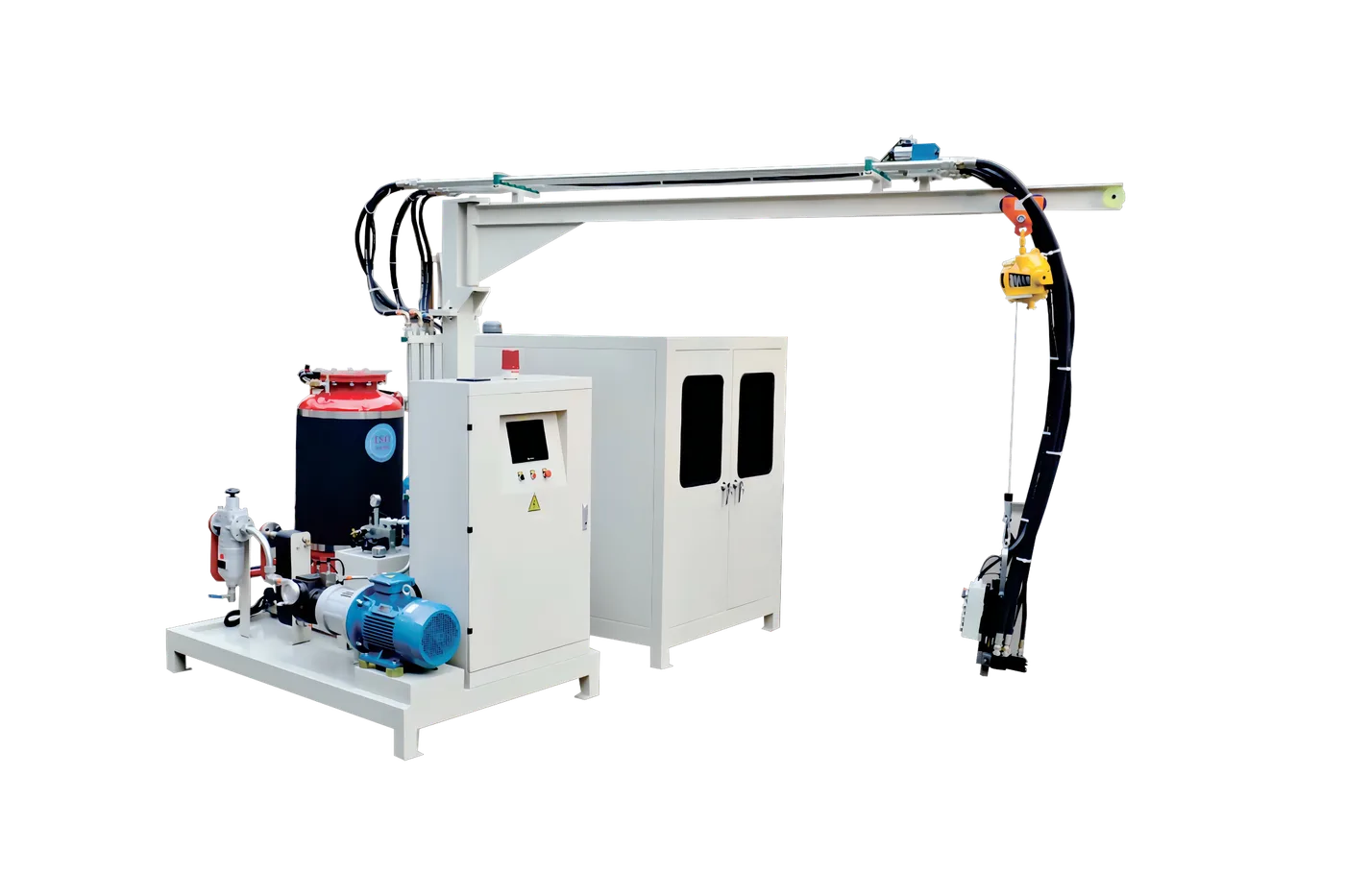
- High-pressure PU foaming machine — cyclopentane-ready, 100-1,500 g/s across three sizes (500 / 2,000 / 8,000 cabinets per day), ATEX Zone 1 (II 2G Ex db IIB T4), ±0.5% metering accuracy
- Ground-rail PU foaming line — 26-station closed-loop track sized for freezer lid and door foaming, ~1,200 units per 8-hour shift (single-cavity, 20-second takt)
- Pull-down thermal test rig, ambient-to-target-temperature verification against EU Ecodesign Regulation 2019/2019's 6-hour threshold
- Leak-test and electrical safety test stations, run on every cabinet before Site Acceptance sign-off
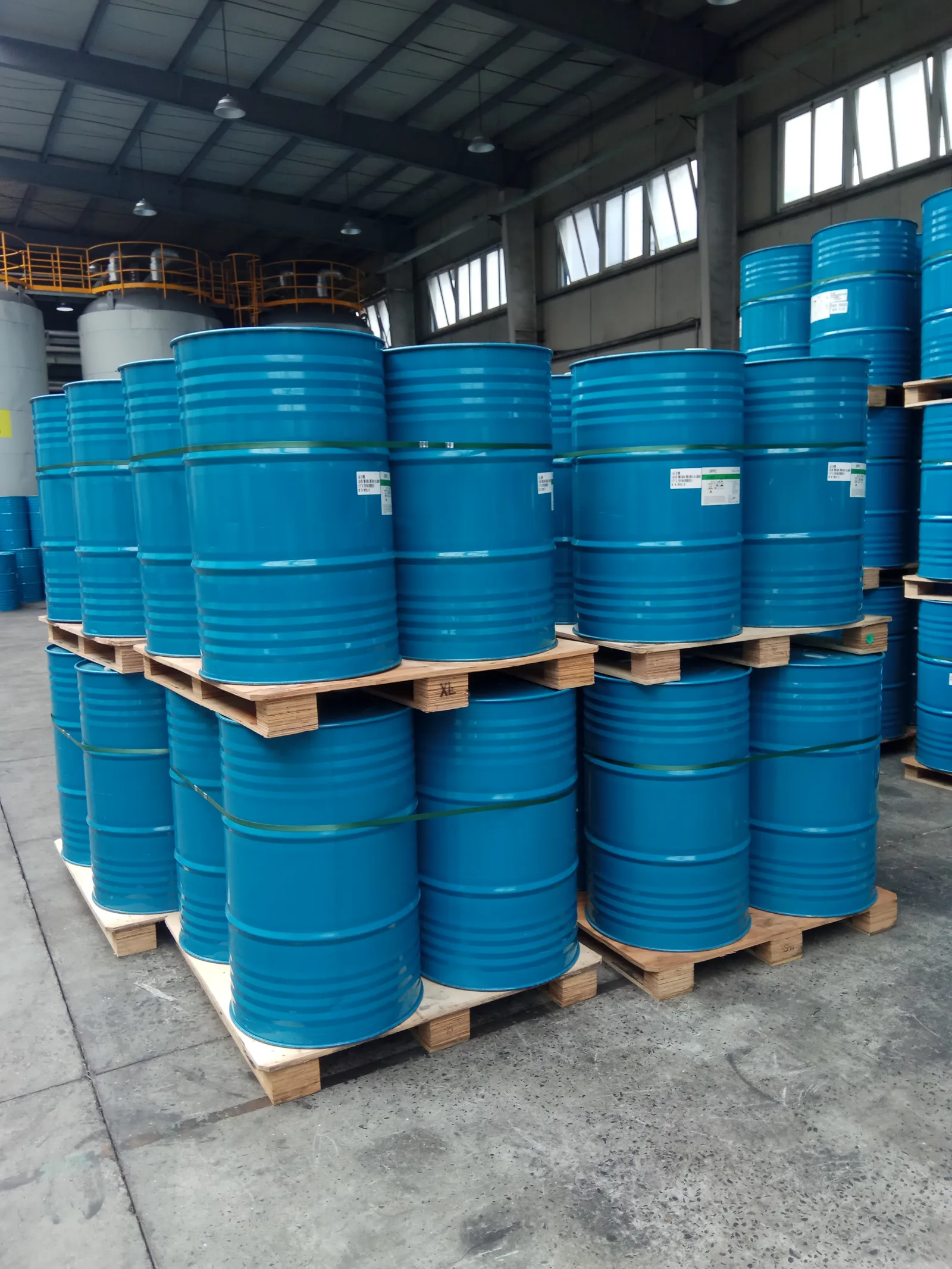
- PU raw materials, k-factor 0.019-0.021 W/m·K, molded density 40-45 kg/m³ standard, HFO-1336mzz formulation available for sub -60°C
- Hardware and accessories — heated gasket hardware, magnetic door seals and hinges for freezer door and lid assembly
Production Line Layout
A chest freezer line is laid out around the deeper, slower cure a thicker wall requires: cabinet foaming station with temperature-controlled platens (40-55°C), extended clamped cure through the 6-10 minute cycle, demould with fill verification, door or lid foaming on the ground-rail line, gasket and hardware fitment, then pull-down thermal test, leak test and electrical safety test before packing. Floor layout scales with wall-thickness tier — an ultra-low-temperature line needs proportionally more clamping force and cure-station floor space per cabinet, not more stations per shift.
PU Foaming Machine Selection Decision Tree
- What's your target temperature band? -18°C standard freezers run 70-150 mm wall at 40-45 kg/m³ density on a 6-10 minute cycle; below -60°C, wall thickness moves to 180-200 mm and the blowing agent to HFO-1336mzz on an 8-10 minute cycle.
- Is your steady-state target under 2,000 units/day? → A single high-pressure system (100-1,500 g/s) covers it. Above that, or for burst capacity, plan for a second foaming station from the tooling stage.
- Are you converting an existing refrigerator line? → In most cases, retain the high-pressure foaming machine, vacuum-forming stations, conveyor and testing infrastructure, and re-tool only the cabinet and door mould for the thicker freezer envelope — a 3-5 month, USD 600K-1.2M retrofit rather than a full new line.
- Does your project need a cascade compressor? → Below -60°C, yes — and that sits outside the cabinet-equipment supplier's scope. Confirm the compressor sourcing list at the proposal stage; we publish a list of 6 China and EU options for ULT projects.
Raw Material Checklist
- Polyol system formulated for 40-45 kg/m³ standard freezer density, or HFO-1336mzz-compatible formulation for sub -60°C ultra-low-temperature cabinets (see PU raw materials for the full formulation range)
- Isocyanate matched to the high-pressure metering system's 6-10 minute cycle time
- Cyclopentane (mainstream) or HFO-1336mzz (ULT) blowing agent, with N₂ blanket and LEL gas-detection infrastructure sized to day-tank capacity
- Magnetic door and lid gasket stock, heated-gasket variant for humid-climate installations
- Cabinet insulation test consumables for the pull-down and leak-test protocol
Staffing for a New Line
A Tier 2 standard-spec line (2,000 units/day) typically runs 10-14 production and QA staff per shift: 2-3 foaming operators, 3-4 assembly and door/lid-fitment technicians, 1-2 ATEX/gas-detection system technicians, 2 dedicated QA technicians (pull-down thermal test and leak test), 1-2 packing/finishing staff, and 1 line supervisor. Under-staffing the QA role is the most common cause of an Ecodesign pull-down failure surfacing only after cabinets are already built to spec.
After-Sales and Support Plan to Budget For
Budget for foaming-machine metering recalibration, ATEX gas-detection sensor calibration and LEL alarm testing, mould thermal-channel maintenance, and a documented pull-down and leak-test protocol for ongoing production QA — not just factory-acceptance testing at commissioning. Retrofit projects should also budget for a formulation re-certification cycle when converting from HFC-245fa to cyclopentane, which typically stabilizes rejection rate back under 1% within two weeks of switchover.
FAQ
FAQ
What's the typical investment for a 2,000 units/day chest freezer line?
USD 2.2M-3.8M, covering heavier-duty moulds (USD 450K-650K), high-pressure PU foaming (USD 200K-350K), a conveyor reinforced for larger cabinets, and extended testing including pull-down to -40°C. Commercial and ultra-low-temperature lines run higher.
Can I convert an existing refrigerator line to freezer production?
In most cases, yes. You replace the cabinet foaming moulds, door moulds and PU formulation for the thicker freezer envelope, while normally retaining your high-pressure foaming machine, vacuum-forming stations, conveyor and testing infrastructure. A typical retrofit takes 3-5 months and costs USD 600K-1.2M.
What's different between a freezer line and a refrigerator line?
Three core parameters change: wall foam thickness moves to 70-150 mm instead of 40-55 mm, PU density moves to 40-45 kg/m³ instead of 36-38 kg/m³, and cycle time extends to 6-10 minutes instead of 4-8 minutes. The foaming moulds, clamping force and PU formulation get redesigned, while vacuum-forming and assembly stations are often reused where a dual-product line allows it.
Do you support ultra-low-temperature configurations (-60°C or lower)?
Yes, down to biomedical-grade -86°C cabinet production. Below -60°C, the build uses HFO-1336mzz blowing agent for sub-zero stability, wall thickness increases to 180-200 mm, and the compressor moves from single-stage to dual-stage cascade. The cascade compressor itself is not supplied — we publish a sourcing list of 6 China and EU options alongside the cabinet foaming infrastructure we do deliver.
Why does my cabinet fail the pull-down test even though the compressor spec looks fine?
The thermal weak spot is almost always foam k-factor and wall thickness, not the compressor. A verified k-factor of 0.019-0.021 W/m·K at 70-150 mm wall thickness with even fill and no air pockets is what gets a typical cabinet to a 4-5 hour pull-down to -25°C in 32°C ambient — comfortably inside the EU Ecodesign Regulation 2019/2019 6-hour threshold.
Why is my cyclopentane ATEX permit stuck with the local fire authority?
Most delays trace back to an incomplete certificate pack. A complete EU ATEX pack includes Zone 1 electrical components (ATEX II 2G IIB T3 or better), LEL gas detection at 4 points, an N₂ blanket on the day tank, and auto-shutdown at 50% LEL. With the full pack in hand, local fire-authority approval typically takes 2-4 weeks; without it, 3-6 months is common.
I'm converting from HFC-245fa to cyclopentane — why is my rejection rate rising?
An HFC-to-cyclopentane conversion is a system change, not just a blowing-agent swap. It needs a recalibrated polyol system plus revised foaming parameters (mould temperature, demould time, shot weight) and commissioning support through the first production run. Density variance typically returns to ±0.5 kg/m³ and rejection rate to under 1% within two weeks of a properly supported switchover; an unsupported swap is what pushes rejection rates toward 4%.
What's the lead time for a new freezer line from signed contract?
Roughly 12 months for a full new 2,000-unit/day line, and about 14 months for an ultra-low-temperature line. A mould-and-formulation retrofit of an existing refrigerator line runs 3-5 months instead. Heavier freezer moulds are the schedule driver on a new line: 60-90 days for mould production plus about 120 days for line integration.
What certifications does a chest freezer need for EU, US and biomedical markets?
IEC 60335-2-89 for commercial refrigerating appliance safety, EN 62552 for household performance and energy consumption, CB Scheme, CE and RoHS for general placement, and EU Ecodesign Regulation 2019/2019 compliance for the EU market specifically. Biomedical and pharmaceutical ULT buyers additionally need WHO PQS pre-qualification, run in parallel with cascade-compressor sourcing.
What floor space and staffing does a 2,000 units/day freezer line need?
Layout scales with wall-thickness tier and clamping-force requirements rather than station count. Staffing for a two-shift, 2,000-unit/day line runs 10-14 production and QA staff per shift, including 2-3 foaming operators, 3-4 assembly and door/lid-fitment technicians, and 2 dedicated QA technicians for pull-down and leak testing — understaffing that QA role is the most common cause of an Ecodesign pull-down failure surfacing after cabinets are already built.
Related engineering deep-dives
For the machine-class decision this guide's procurement section is built on, see High-Pressure vs Low-Pressure PU Foaming Machine. For the mould-family logic behind chest, upright and display-cabinet tooling choices, see Freezer Mould Selection Guide: Chest vs Upright vs Display Cabinet. For the regulatory backdrop behind the pull-down and energy-class requirements referenced above, see DOE 2027 + EU Ecodesign 2026.
Ready to scope your chest freezer production line? Talk to our engineering team with your target temperature band, daily volume and ATEX requirements — we reply with an equipment list, mould-strategy recommendation and realistic timeline within three business days, or browse the freezer production line solution page for the full cost-driver breakdown.
Products Mentioned in This Article
Ready to plan your refrigeration project?
Share your target output and product mix — our engineering team replies with a capacity plan and quote within three business days.
Get an engineering quoteRelated articles
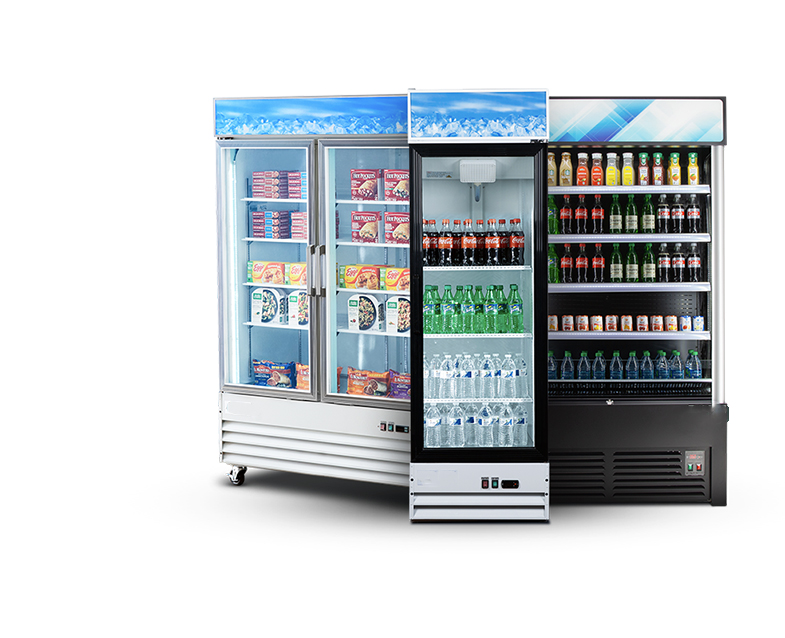
Beverage Cooler Production Line — Cost, Payback & Turnkey Setup (2026 Pillar Guide)
Investment tiers from a single-door entry line to a full bottler-program build, the payback math behind a 3,000-unit/day line, and the complete equipment list and certification checklist a beverage cooler OEM needs to go from contract to first shipment.
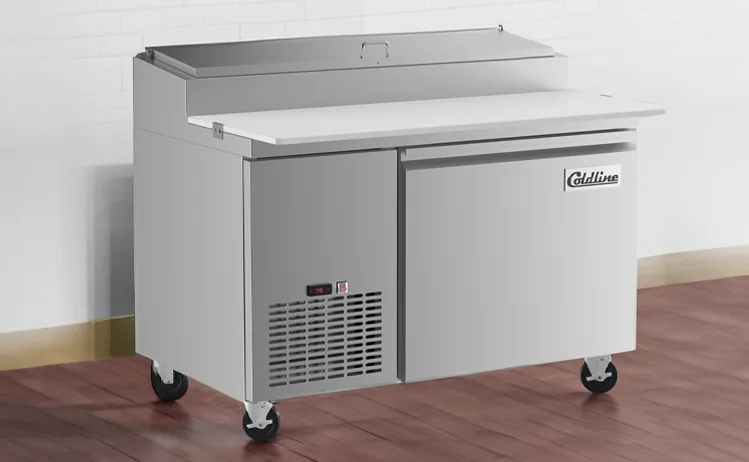
Chef Base Production Line: Cost, Break-Even & Turnkey Manufacturing (2026 Pillar Guide)
Investment tiers, the break-even math behind an 800-unit/day line, and the full equipment list and certification checklist a foodservice OEM needs to start chef base and refrigerated-counter production.
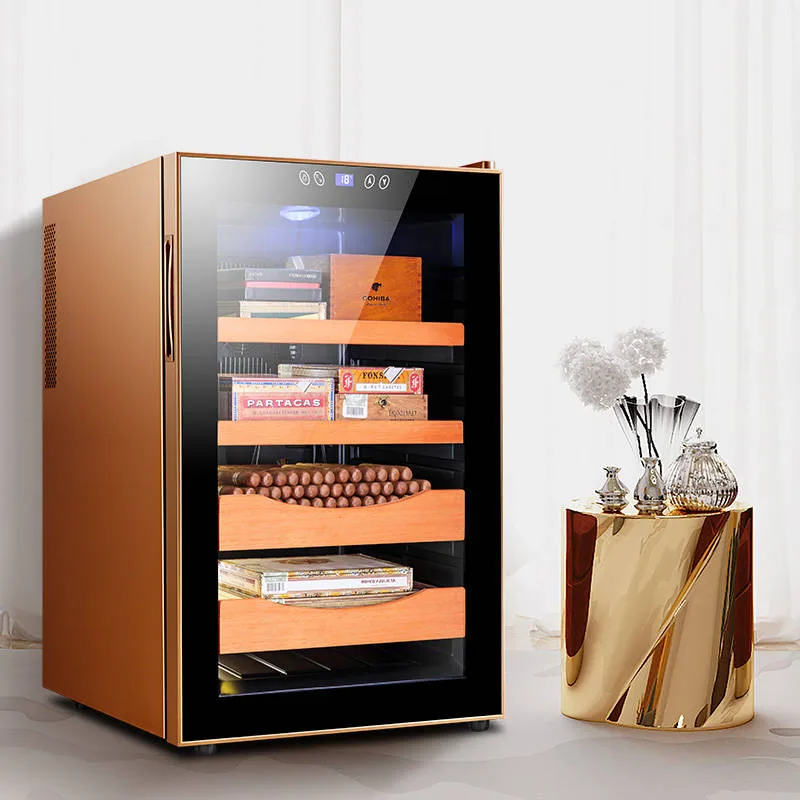
Cigar Humidor Manufacturing Plant: Cost, ROI & Turnkey Setup (2026 Pillar Guide)
From market entry to first commercial cabinet: the 8-step sequence, three investment tiers with real cost ranges, and the equipment list a new cigar humidor manufacturing line actually needs.