


1. Capacity input
Defines takt time and automation level
- Units/day and shifts/day
- 1.2 / 1.8 / 2.4 m model mix
- Door versus drawer configuration
- Peak restaurant-chain order volume
Production line for
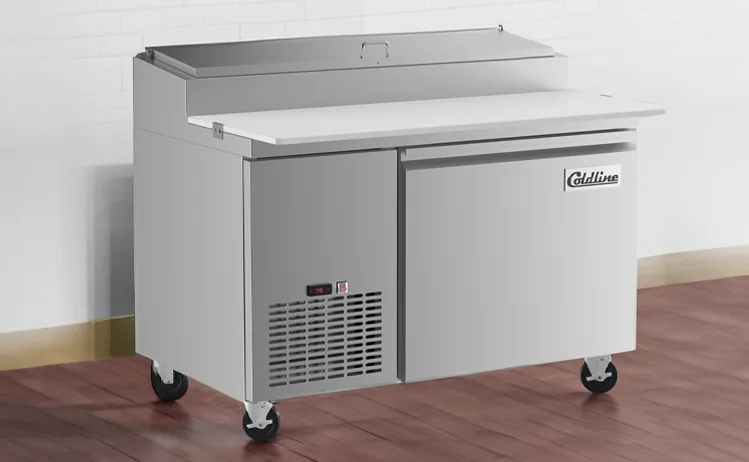
UREXCEED is an industrial supplier of custom cabinet foaming fixtures for food-service equipment, including chef bases, sandwich and pizza prep counters, salad prep tables and refrigerated workbenches. We engineer each fixture and PU line around your cabinet drawing, production target and foaming-machine interface.
Investment Range
USD 400K – 1.2M mid-pressure line · 15K–50K units/year
Who Buys This Line
Foodservice OEMs supplying restaurants, hotels, cloud kitchens
Certification Ready
NSF · CE · UL 471 · ETL Sanitation ready
In one line
Low-profile cabinet foaming with ±1mm dimensional tolerance — the HoReCa-grade cosmetic standard your buyers demand.
Who We Supply. Commercial kitchen equipment OEMs, HoReCa (hotel/restaurant/catering) private-label manufacturers, and country-champion foodservice equipment brands. Confirmed installations across USA, Mexico, Turkey, Brazil, UAE and Vietnam producing chef bases, sandwich prep counters, pizza prep tables and refrigerated worktables for chain restaurants (McDonald's, Subway), quick-service brands and independent kitchen equipment distributors. Production line volumes 200 – 2,000 units/day.
What we deliver. Vacuum-forming moulds for ABS/HIPS inner liners, foaming moulds for stainless-steel worktop cabinet body (extra-strong for 25 – 50 kg point-load resistance), high-pressure PU foaming machine with reduced-density formulation (30 – 34 kg/m³ suitable for shorter cabinet duty cycle), drawer or door subassembly foaming jigs, ground-rail assembly line with cabinet inversion tooling, refrigerant charging station, leak-test and running-load QA station.
Cabinet spec range. Length 1.2 – 2.6 m (2, 3, 4-drawer or door configurations). Height 800 – 900 mm (chef base standard, seat-level top surface). Depth 700 – 850 mm. Temperature +2 to +8°C standard, +2 to −18°C combi variant. Wall thickness 50 – 65 mm. Foam density 32 – 38 kg/m³. Stainless top thickness 1.0 – 1.5 mm, 304 or 430 grade. Refrigerant R290 (mainstream), R600a (legacy), R404A (US market legacy). NSF-2 or NSF-7 certification for US food-service market.
Certification support. Reference cabinets certified to NSF-2 / NSF-7 (US food service sanitation), UL-471 (US commercial refrigeration safety), CE (Europe), CB Scheme. IEC 60335-2-89 for commercial refrigeration appliances. Reference project index available for cabinet size and destination market.
Deep-dive engineering references — Chef Base PU Foaming Deep Dive, Refrigerator Production Line Setup, Capacity and Investment, and PU Foam Density & K-Factor.
We engineer cabinet-body, drawer and door foaming fixtures from the appliance manufacturer's controlled DWG or STEP files. The scope covers chef bases, sandwich prep, pizza prep, salad prep and refrigerated worktables; it is production tooling for cabinet manufacturers, not a finished kitchen-cabinet offer.
The fixture holds and supports the cabinet assembly during PU injection and cure. Safety, sanitation and market certification of the finished appliance remain the appliance manufacturer's responsibility.
| Customer input | Fixture design result |
|---|---|
| Cabinet length, width, height and 2/3/4-door or drawer layout | Fixture cavity, datums and quick-change insert strategy |
| 304/430 stainless skin grade and thickness | Support surfaces and clamping points that limit marking or distortion |
| Worktop point-load requirement | Local support and the agreed finished-cabinet flatness inspection |
| 50–65 mm foam-wall layout and embedded parts | Core geometry, clearances and interference controls |
| Target foam density and injection-port location | Injection and vent positions plus the trial-shot acceptance plan |
| Foaming-machine make, mixing-head envelope and utilities | Machine interface, access envelope and heating-circuit definition |
| Target output, occupation time and changeover plan | Station count, clamping sequence and modular or dedicated fixture choice |
Current line references cover 1.2–2.6 m cabinets, 5-ton adjustable clamping, shared 2/3/4-door configurations and 15–30 minute changeover. These values are confirmed against the submitted cabinet and process before quotation. The ±0.5 mm across 2.4 m value is a finished-worktop flatness acceptance target; it is not the same as the ±0.05 mm mould-cavity machining reference.
Custom process: submit the cabinet DWG/STEP, door or drawer mix, target output and existing PU-equipment interface; complete engineering review; approve the fixture CAD, clamping and injection points; manufacture and trial the tooling; then record flatness, door gap, fill and demoulding results using the customer cabinet or an agreed equivalent sample. The current mould-manufacturing reference is 45–60 days; fixture-only timing is confirmed after engineering review.
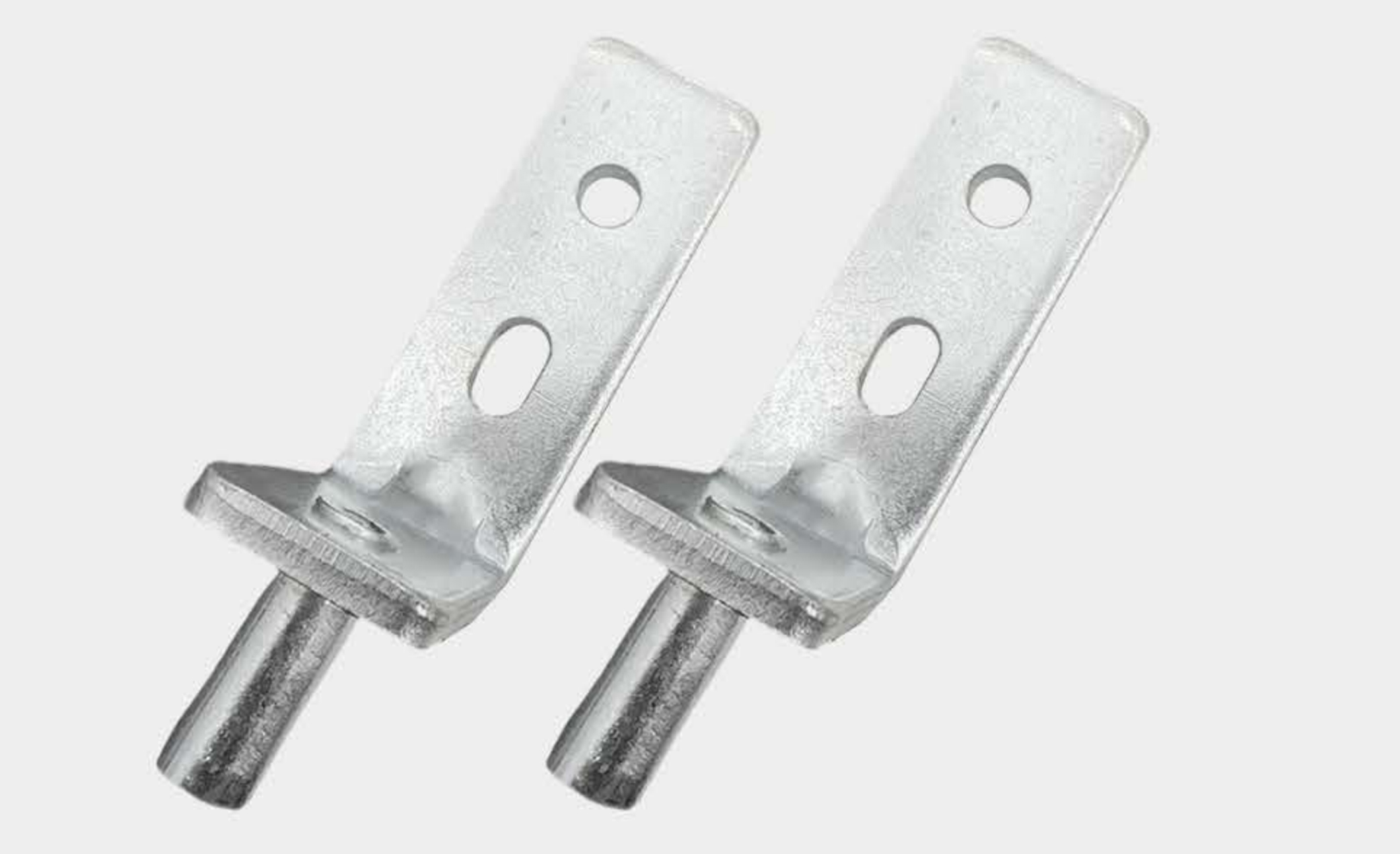
Complementary hardware fabrication service — supplied alongside our main equipment orders (moulds / PU foaming / production line). Custom-fabricated per your drawings: 5 categories — hinges, brackets, rails & ladders, wire shelves & baskets, grid panels. Not a standalone product line. Consolidated into your main shipment.
Learn More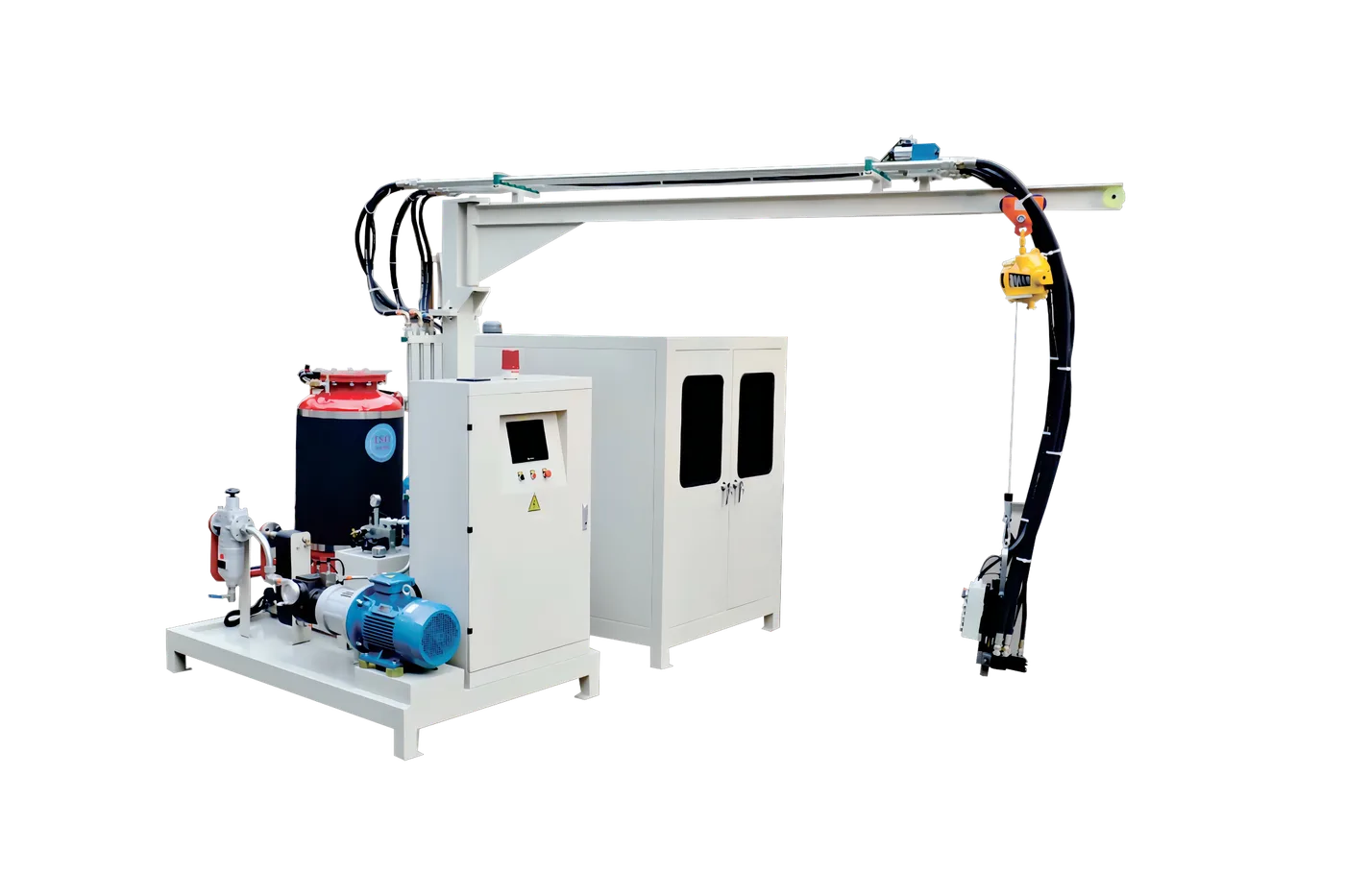
Our flagship — purpose-built for refrigerator factories chasing the top EU energy classes (B–C on the 2021 A–G label, formerly A+++). Cyclopentane-ready out of the box with full ATEX Zone 1 safety package. Three sizes covering 500 to 8,000 cabinets a day.
Learn More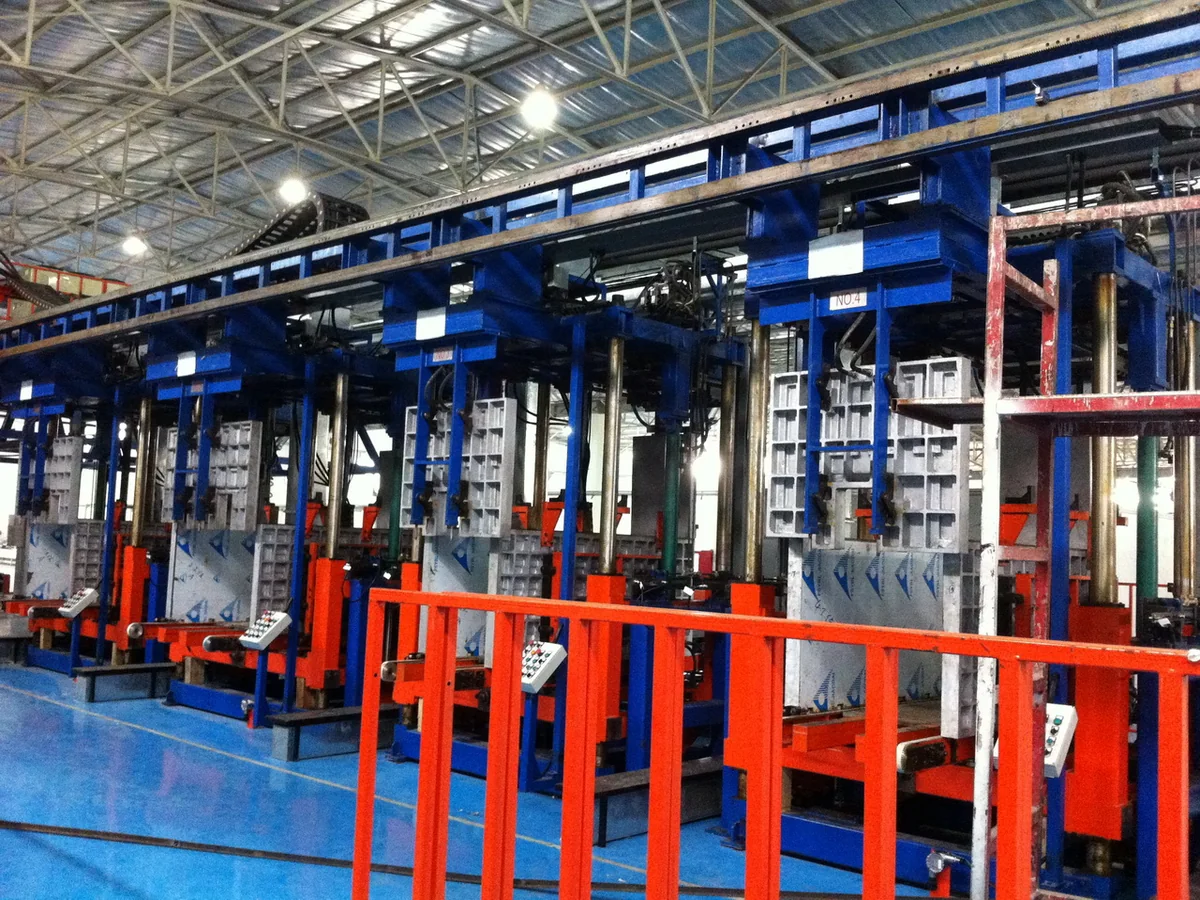
Linear in-line PU foaming for refrigerator cabinet body. Scalable from 6-station motor-driven (~800–2,500 cabinets/shift, small-medium factories) to 11-station hydraulic (~4,000–6,000 cabinets/shift, mainstream OEM). Multi-spec mixed-line production. Cabinet size 800–2,000 mm L × 450–2,000 mm W × 450–900 mm H. Water-heated, PID-controlled.
Learn More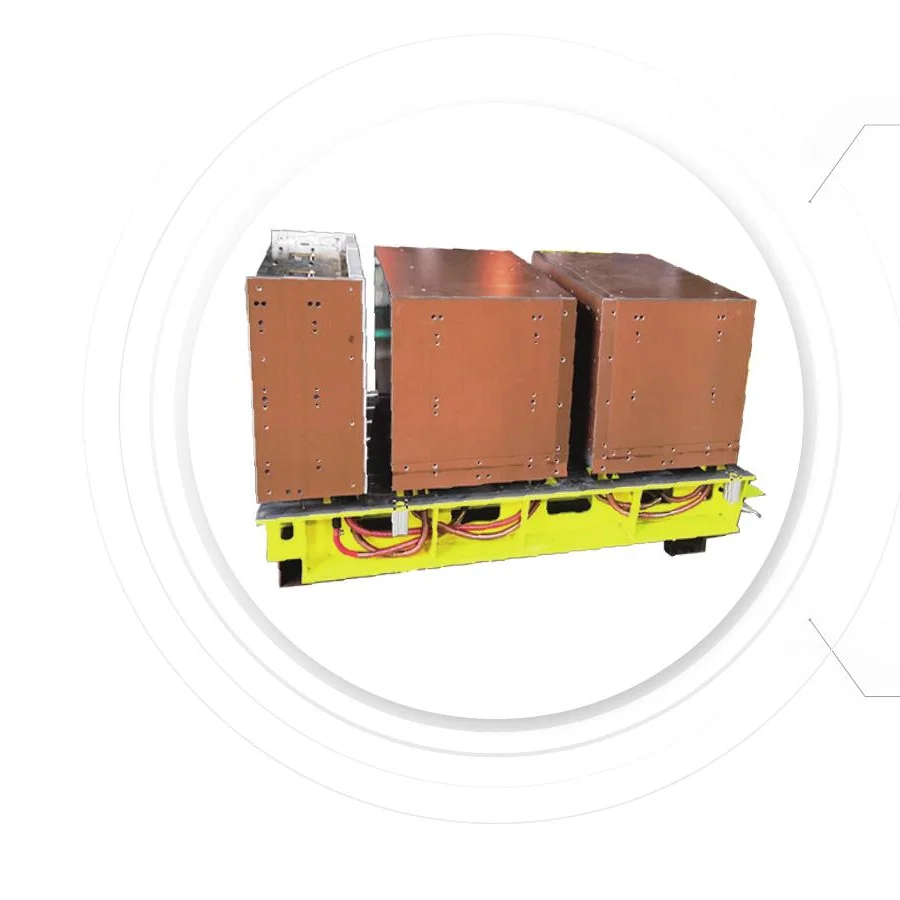
Refrigerator mould (mold) for chef base workbench cabinets — cast aluminium PU foaming mould for chef base / sandwich prep / pizza prep / salad prep workbenches. Supports 2-door, 3-door, 4-door variants up to 2,600 × 1,100 × 1,100 mm. Curing 6–20 min adjustable.
Learn More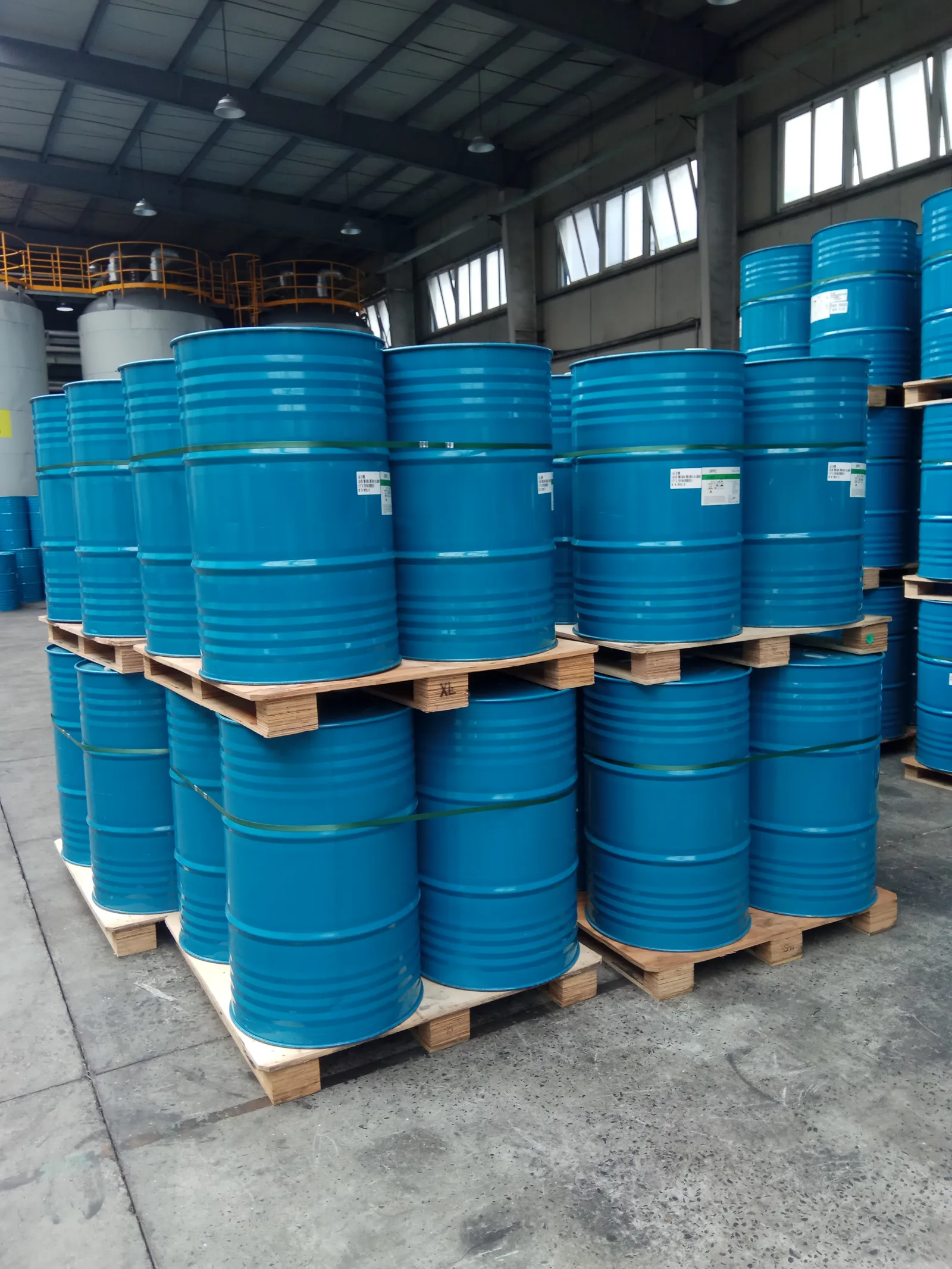
We make refrigerator-grade PU systems — polyol blend, MDI, blowing agent, all formulated in our own plant. k-factor down to 0.018, density customizable, tuned to your cabinet and your line.
Learn MoreEvery row below is a real cabinet SKU that customers already produce using the moulds in this line — temperature class, capacity, compressor, refrigerant and overall dimensions are field-tested. Use the matrix to match your target cabinet to the right mould configuration.
| Cabinet model | Variant | Temperature (°C) | Volume (L) | Power (W) | Weight (kg) | Compressor | Refrigerant | Size (mm) | Source mould |
|---|---|---|---|---|---|---|---|---|---|
| PLR-12N2 | Refrigeration (2-door) | 5–10 | 157 | 195 | 48 | DONPER / WANBAO | R290 | 1200 × 600 × 800 | Mold for Refrigerated → |
| PLR-15N2 | Refrigeration (3-door) | -5–10 | 220 | 195 | 55 | DONPER / WANBAO | R290 | 1500 × 600 × 800 | Mold for Refrigerated → |
| PLR-18N2 | Refrigeration (4-door) | -5–10 | 284 | 204 | 62 | DONPER / WANBAO | R290 | 1800 × 600 × 800 | Mold for Refrigerated → |
| PLD-12N2 | Freezing | ≤-15 | 157 | 204 | 48 | DONPER / WANBAO | R290 | 1200 × 600 × 800 | Mold for Refrigerated → |
| PLD-15N2 | Freezing | ≤-15 | 220 | 204 | 55 | DONPER / WANBAO | R290 | 1500 × 600 × 800 | Mold for Refrigerated → |
| PLS-15N2 | Dual-temperature | -5–10 | ≤-15 | 209 | 204 | 55 | DONPER / WANBAO | R290 | 1500 × 600 × 800 | Mold for Refrigerated → |
| PLS-18N2 | Dual-temperature | -5–10 | ≤-15 | 273 | 223 | 62 | DONPER / WANBAO | R290 | 1800 × 600 × 800 | Mold for Refrigerated → |
Source: UREXCEED catalog §07 OEM/ODM cabinet series, cross-referenced to the mould that produces each SKU. Custom cabinet sizes outside this range supported — send us your cabinet drawing for a 7-day quote.
From inquiry to first chef base off your line. ~10 months total for a standard 800 units/day chef base line.
You share target capacity, cabinet size mix (1.2 m / 1.8 m / 2.4 m), door variants (2/3/4-door), target export markets (US NSF vs EU CE). We send a 1-page proposal with line layout and price range within 5 working days.
Engineering team picks modular insert vs dedicated mould strategy based on your variant volume. Mould models picked from our chef base template library, PU machine sized, fixture configured. Final quote with 18-line BOM breakdown delivered in 14 days.
30% down payment. Cabinet CAD review — you send your final cabinet drawings (DWG/STEP) including stainless top interface dimensions, we convert to mould design, you approve the mould CAD + stainless-top bolt pattern before machining starts.
Moulds: 45–60 days CNC + heat treatment. PU machine: 45–60 days in parallel. Pre-NSF test rig (drop + pull-down + dielectric): 30 days. Each item tested in our QC lab. Monthly progress reports + video walkthroughs.
4–6 × 40' containers ship from Shanghai/Ningbo. On-site installation by 4–6-person engineer team, 2–3 weeks. Floor reinforcement for foaming station (~150 kN clamping load).
First 50 trial chef bases foamed + stainless-fitted + cosmetic-finished together with your operators. We run 5–10 units through the pre-NSF rig and hand over the NSF submission checklist. Acceptance signed when 30 consecutive units pass dimensional + flatness + cosmetic spec. 60% payment due here.
Chef base buyers (HoReCa supply chains, restaurant chain procurement) demand a different combination than household refrigerator OEMs — flatness, stainless-steel top integration, and a chef-base-specific cabinet geometry. Here's how our line is built for that.
Our Refrigerated Workbench mould (UMD-WB-2600) is engineered around real chef base / sandwich prep / pizza prep cabinet families — 2-door / 3-door / 4-door variants up to 2,600 × 1,100 × 1,100 mm. Cavity precision ±0.05 mm ensures the stainless top sits flush, doors close clean, and your customer never gets a "wobbly counter" complaint.
Our cyclopentane high-pressure machine (UPM-HP-1500) handles the polyol+ISO+blowing-agent mix at ±0.5% metering accuracy. Paired with our refrigerator mold fixture (5-ton adjustable clamping), one fixture station handles your full 2/3/4-door variant range — changeover in 15–30 min, instead of buying separate fixtures per SKU.
Chef base buyers (chefs, restaurant operators) judge quality in 3 seconds: is the top flat, do drawers slide, does the stainless edge feel smooth. Our line ships with a flatness gauge station (±0.5 mm across 2.4m), Bosch hinge fittings, and a top-edge polishing protocol. These details are why your sales rep gets repeat orders.
A turnkey chef base line at 800 units/day sells the produced cabinets at USD 1,200–2,500 wholesale into US/EU foodservice supply chains. Line capex USD 1.2M–2M. Payback in 18–28 months at 65% capacity. The math gets better when you add HVAC + cigar cabinet variants on the same line — see our cross-sell to other Solutions.
Foodservice cabinet engineering
HoReCa buyers spec everything from cabinet width to top finish. Our line ships with 4 customization axes pre-built in.
1.2 m / 1.8 m / 2.4 m widths × 2-door / 3-door / 4-door variants on modular insert mould. Changeover 30–60 min.
304-grade stainless, 1.0–1.5 mm thick, #4 or #8 polish finish. Bolt jig for your sourced top (Tisco / POSCO / Jindal coil).
+2 to +8°C standard; -2 to +4°C deli config; dual-temperature with shared compressor. Embraco / SECOP compressor choices.
CE (EU) / NSF Standard 7 (US foodservice) / ETL / SASO (Saudi). Pre-NSF test rig included with line.
Shared engineering reference
Closed-cell ratio, density uniformity and thermal testing are documented once in our quality center.
ROI · Cost Analysis
Indicative range based on 1,800+ delivered lines. Final pricing depends on automation level + add-ons + local labor cost. Request a quote for your spec.
Configuration note: Mid-pressure foaming + 2-3 chef-base cabinet moulds + assembly station. ROI faster than refrigerator due to simpler product geometry.
Service & Support
On-site intervention available in every region where we have delivered projects.
Our engineers fly to your factory to supervise installation, layout verification, and first-run production.
Trial run + parameter tuning to your local raw material, climate, and target product spec — until throughput meets contract.
5-10 day on-site training for production team, QC, and maintenance — bilingual manuals + video tutorials provided.
Core equipment 3-year warranty, electrical 2-year. Spare parts in stock with global express shipment 24h dispatch.
Cross-Sell · One-Partner Synergy
The product groups our refrigerator-factory customers buy alongside this line — for full-line synergy and one-partner accountability.
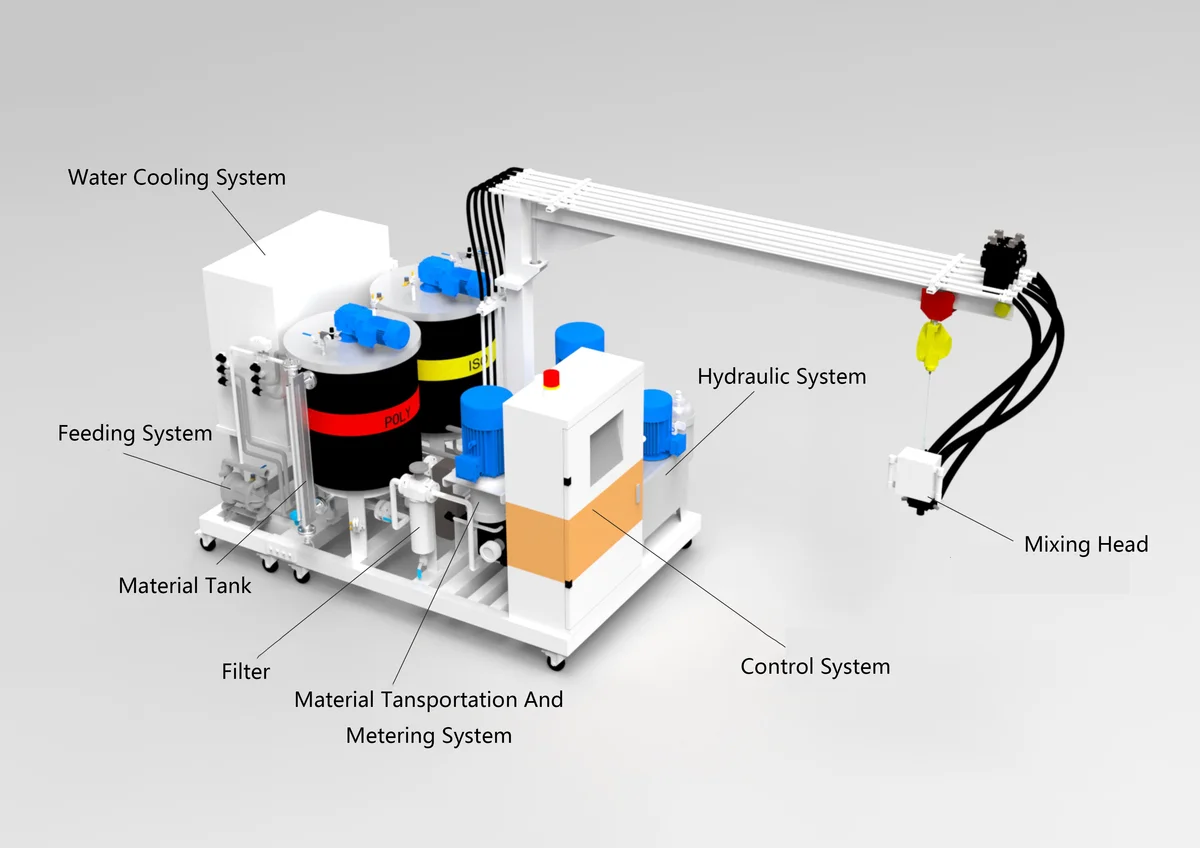
Cyclopentane / 2-component / 3-component models. Cyclopentane is the refrigerator industry standard.
Learn more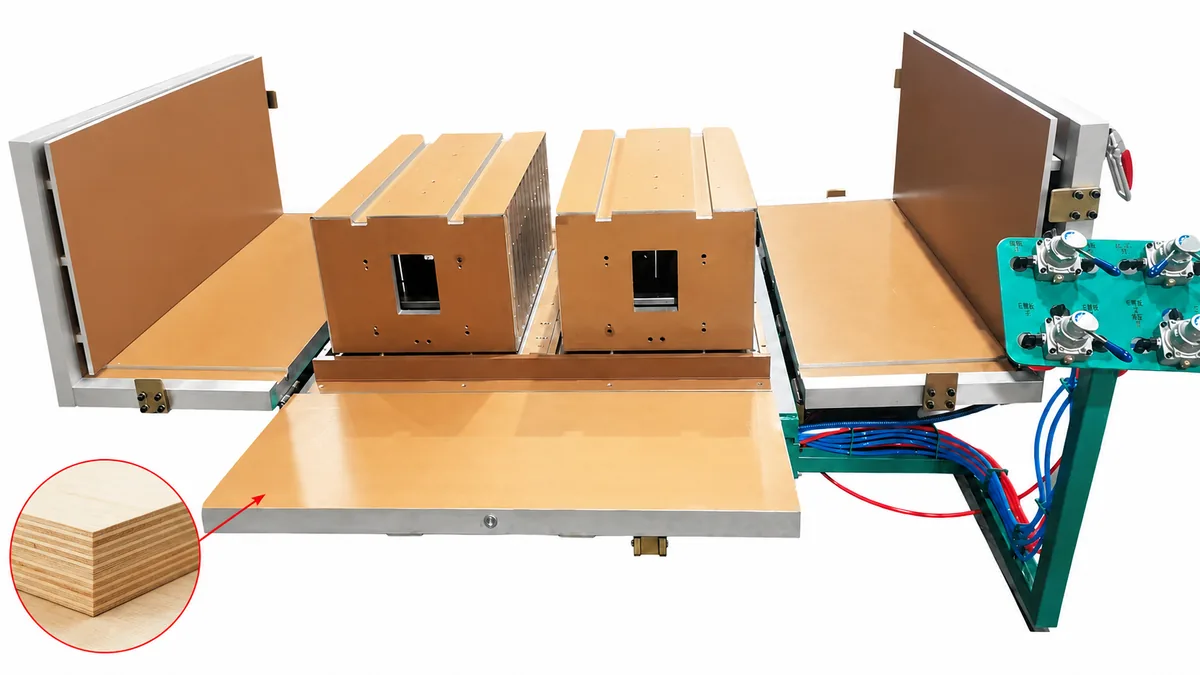
Vacuum-forming moulds for inner liners + foaming moulds for cabinet/door. 30-year mould-cluster network.
Learn more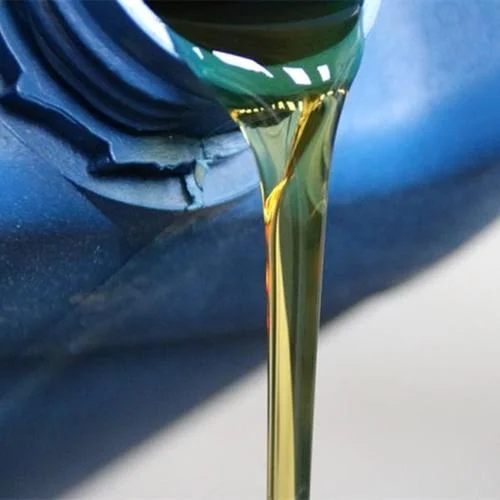
BASF / Covestro / Wanhua MDI + Polyol — calibrated to your climate, foam density, and cycle time.
Learn moreInputs for line sizing
A useful line proposal starts with your actual output target, cabinet workpieces and fixture plan. Preliminary drawings are enough for the first review; our engineers will flag missing dimensions before quoting.
Defines takt time and automation level
Defines mould envelope and process recipe
Defines curing WIP and changeover method
Accepted files: PDF, STEP, DXF, DWG, photos with dimensions, or a current product specification sheet. Do not have drawings yet? Send overall L × W × H and wall thickness first.
Send the 3 inputs on WhatsAppInclude cabinet size, door or drawer layout, target output, existing foaming-machine model and a controlled DWG or STEP file.
Need a quote or quick answer?
We reply in your timezone — 24h max
Reply within 30 min · 9–18h GMT+8
info@urexceed.com · Reply within 24h
Detailed Inquiry
Full quote form · 5 min