Fábrica de Neveras Portátiles

Soluciones para

Portable icebox production with insulation-box line know-how

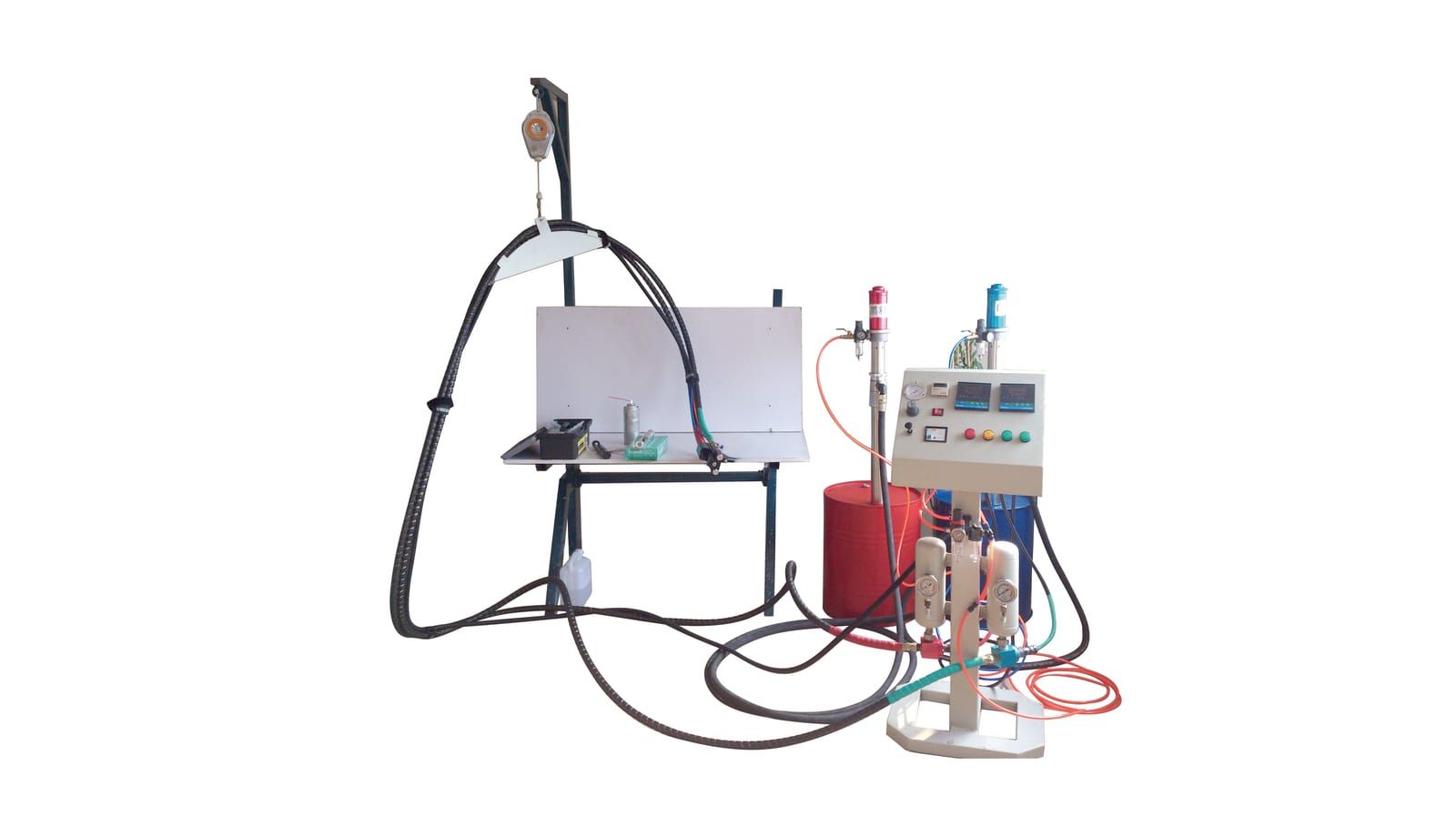
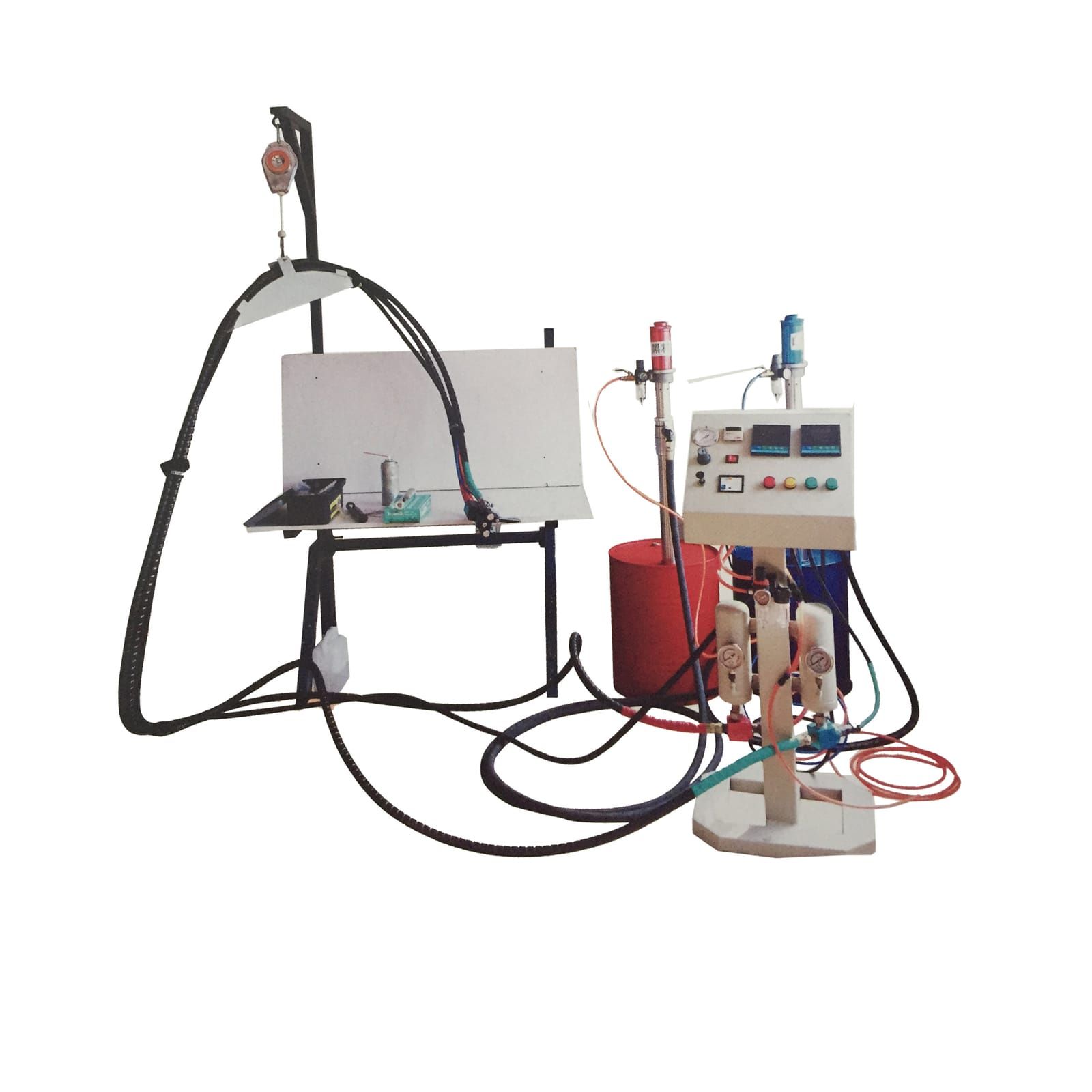
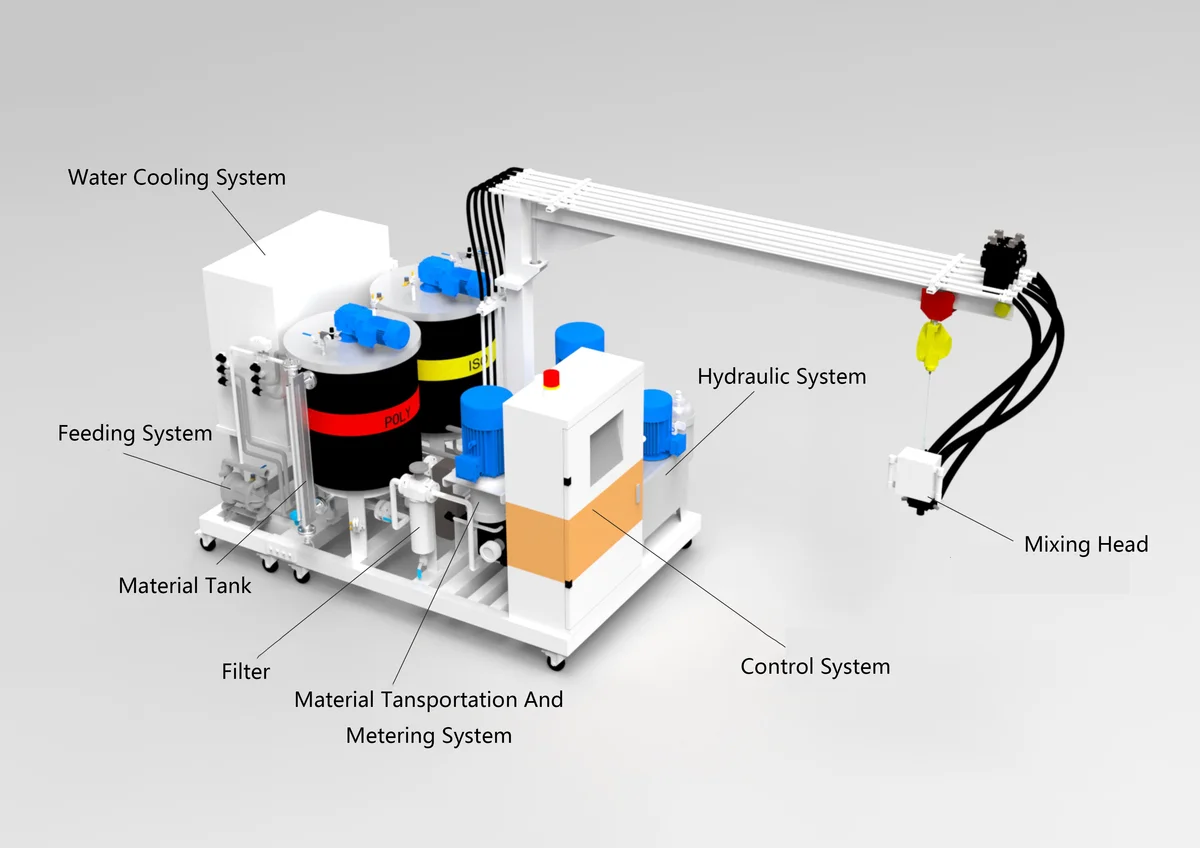
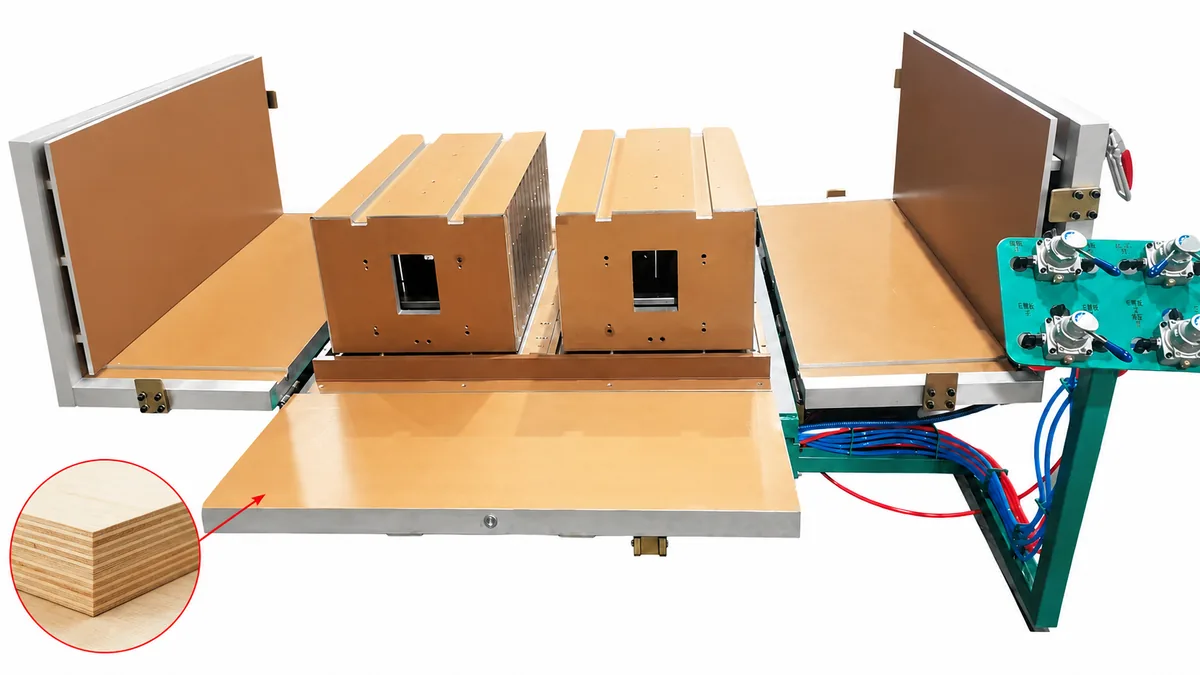
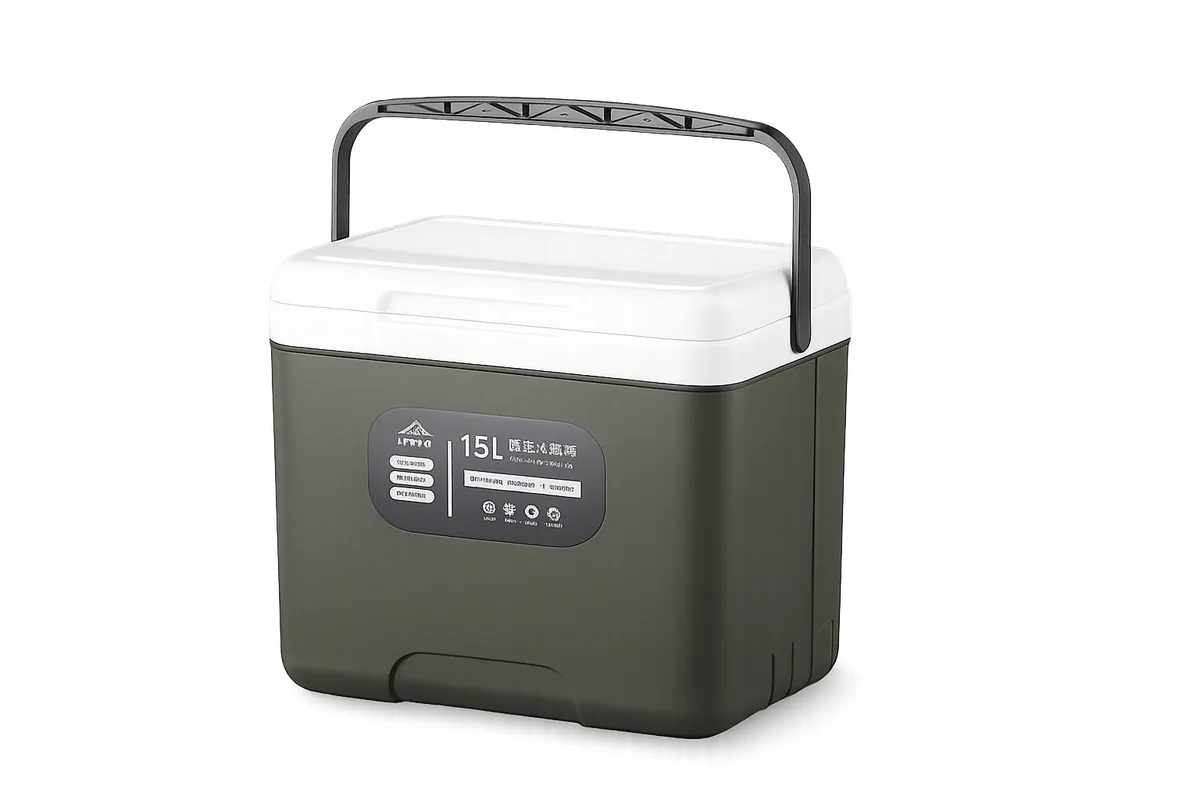
Portable iceboxes combine rotationally molded or blow-molded outer shells with PU-foam insulation cores. We supply the foaming moulds, low-pressure PU foaming line, and insulation-box production line to produce 10L – 600L portable coolers for outdoor recreation, vaccine transport, marine and fishery use.

In one line

Proven on vaccine-transport cold chain — insulation performance certified down to 5-day passive hold at +40°C ambient.

Escala típica
300 – 3,000 units / day
Product Range
Portable insulation boxes 10L – 600L, passive or active cooling
Perfiles de compradores
  • Outdoor gear brands
  • Vaccine / blood cold-chain logistics
  • Marine & fishery

Real pains we hear from buyers — and what we ship to solve each one

Four pains every portable-icebox factory founder brings us. Our line ships with the fix.

Pain 1

Outer shell drop-test fails — 1m drop cracks the rotomold or warps the corner

How we solve it

Drop-test failures cluster at the corners. Our rotomould tooling uses reinforced corner geometry + LLDPE-grade resin with impact-modifier blend. Shell wall thickness 3–6 mm uniformly. Standard rotomould moulds we supply pass 1.5 m drop on concrete with no cracking, including marine/fishery models on offshore deck.

Pain 2

Cooler holds ice 48 h on spec sheet but customers complain it melts in 24 h in real use

How we solve it

Real-world ice retention depends on PU foam k-factor, wall thickness, AND seal integrity — most factories miss the seal. Our line ships with a gasket seal compression test on every unit; foam wall thickness 30–80 mm with even fill; lid latch gives 35–50 N closing force. Field-measured ice retention: 5-day spec → 4.5–5 day actual (90% spec retention).

Pain 3

Plastic vs roto-foam vs PU-injected — buyer wants all 3 formats but I have no idea which moulds to buy first

How we solve it

Roto-foam is the volume sweet spot (60% of US/EU market). PU-injected is premium. Pure plastic is budget. We recommend starting with roto-foam tooling (USD 280K covering 4 SKUs across 30L–250L), then adding PU-injected tooling (USD 180K) once volume justifies it. Pure plastic line is a separate platform — usually not worth running on the same floor.

Pain 4

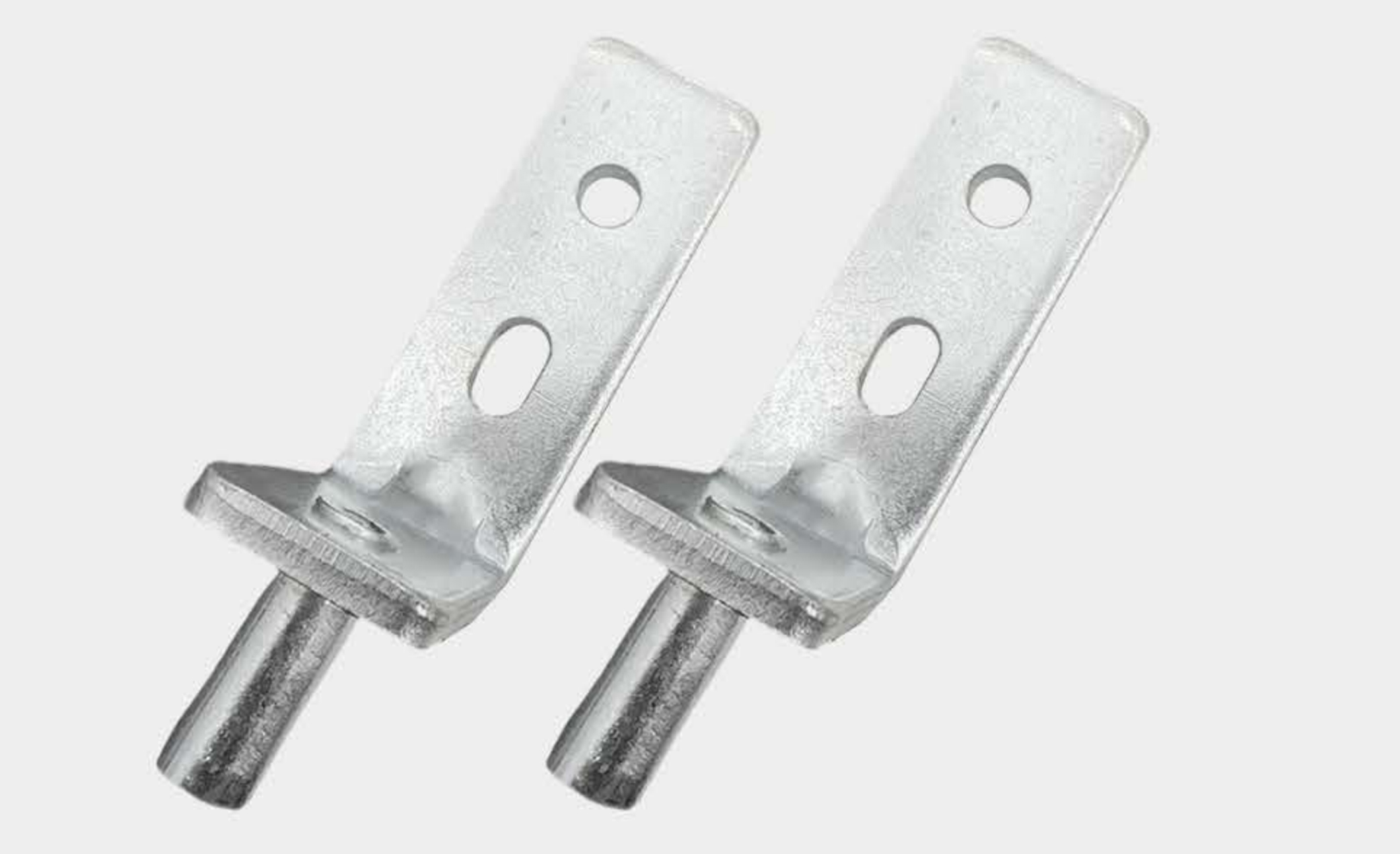
Pelican / Yeti-grade premium positioning needs perfect lid latch + carry handle — my latches break in field

How we solve it

Premium iceboxes win on hardware. Our line includes factory-fitted Sugatsune-grade stainless latches (200,000-cycle rated) + reinforced handle mount + lid hinge with corrosion-resistant pin. Pre-shipment QC tests every latch through 50 open/close cycles. Premium positioning vs commodity iceboxes adds USD 80–250 wholesale per unit.
From inquiry to first commercial unit — the 6-step delivery flow

From inquiry to first portable icebox off your line. ~8 months for a 1,000 units/day icebox line.

Fábrica de Neveras Portátiles — production line reference
  1. 1

    Inquiry & Format Mix Scoping

    Week 1–2

    Share target capacity, format mix (roto-foam / PU-injected / pure plastic), size range (20L–250L), target markets (US/EU camping, Vietnam/Chile fishery, Saudi/UAE outdoor). 1-page proposal in 5 days.

  2. 2

    Detailed Proposal & Format Strategy

    Week 2–4

    Engineering picks rotomould vs PU-injected mould platform based on volume target. Sized for 4–6 SKUs across the icebox range. Latch + handle hardware sourced from Sugatsune / Hettich network. Quote with 14-line BOM in 10 days.

  3. 3

    Contract & Shell Design Freeze

    Week 4–6

    30% down. Shell CAD + corner reinforcement geometry + lid latch interface frozen. Marine/fishery models get extra UV/saltwater spec sign-off.

  4. 4

    Rotomould + PU Insert Build

    Month 2–5

    Rotomould tooling: 45–60 days. PU foam injection tools: 30–45 days. Lid latch + hinge assembly station: 30 days. Pre-shipment drop test on trial units.

  5. 5

    Sea Freight & On-Site Installation

    Month 5–7

    3–4 × 40' containers from Shanghai/Ningbo. On-site installation 2 weeks. Rotomould burners + ovens commissioning critical here.

  6. 6

    Commissioning, Drop-Test & Acceptance

    Month 7–8

    First 50 trial iceboxes per format produced and drop-tested (1.5 m on concrete). Ice-retention validation on representative units. Operator training. Acceptance signed when 30 consecutive units pass drop + ice-retention spec. 60% payment due here.

Por qué esta línea funciona — respaldado por las especificaciones reales

Experiencia en líneas de espumado transferida desde utillaje de transporte de vacunas — sus compradores en outdoor, médico y náutico se benefician por igual.

1

Núcleo de aislamiento diseñado para refrigeración pasiva de 5 días

Pared de espuma PU de 60–80 mm (frente a los 40–50 mm estándar) mantiene la temperatura de las vacunas ±1°C durante más de 5 días en pasivo — el parámetro de referencia WHO PQS. El mismo utillaje produce neveras para exteriores que conservan el hielo 4–7 días frente a los 2–3 días estándar de la competencia.

2

Plataforma híbrida rotomodelado + espumado

Carcasa exterior rotomodelada (LLDPE para resistencia UV marina) + núcleo de aislamiento de espuma PU + revestimiento interior. Suministramos los moldes de espumado y la línea de producción de cajas de aislamiento; el utillaje de rotomodelado se obtiene de nuestra red de socios. Plataforma integral frente a coordinar 3 proveedores separados.

3

Capacidad de 10L a 600L con utillaje modular

La plataforma de moldes cubre desde neveras de 10L para almuerzo hasta cajas de hielo náuticas de 600L para pesca marina sobre la misma plataforma de línea. Las marcas outdoor suelen lanzar colecciones de 5 niveles (pequeña / picnic / fin de semana / camping / náutica) — una inversión en utillaje cubre toda la gama.

4

Vía de conformidad para cadena de frío de vacunas

Densidad de espuma especificada en 42–48 kg/m³ para transporte de vacunas, con documentación de proceso de pre-calificación de pruebas WHO PQS proporcionada. Suministramos el equipo según especificaciones — la marca obtiene la certificación WHO PQS con su laboratorio de pruebas acreditado.

Customization Options

Portable icebox segments split by use case. 4 axes adjust for outdoor / fishery / vaccine / medical positioning.

Format & process

Roto-foam (60% market, 4-SKU base mould USD 280K) / PU-injected (premium, +USD 180K) / pure plastic (separate platform).

Shell material

LLDPE (UV/saltwater for marine), HDPE (impact for outdoor), reinforced-corner geometry for 1.5 m drop test on concrete.

Insulation spec

Foam wall 30–80 mm. PU formulation tuned for ice-retention 24h / 48h / 5-day target.

Hardware grade

Sugatsune 200K-cycle stainless latches for premium positioning (Yeti-grade), or commodity hardware for entry segment.

Foam Quality Visualization — what closed-cell structure actually looks like

The single biggest predictor of refrigerator cabinet thermal performance is the foam cell structure. Closed-cell ratio, average cell diameter and density uniformity decide whether your cabinet holds -18°C in 35°C ambient — or fails the EU Ecodesign type-test. Here's what fine and coarse PU foam look like under a scanning electron microscope.

SEM micrograph of coarse PU foam — large irregular open cells, low closed-cell ratio
Coarse foam · low grade

Industry-typical low-grade PU

Avg cell diameter
~400 µm
Closed-cell ratio
85–90%
k-factor (W/m·K)
0.025–0.028
Density uniformity
±5 kg/m³

Visible voids, broken cell walls, large irregular cells. Refrigerator cabinet pull-down test fails at 32°C+ ambient. EU Ecodesign type-test fails first submission.

SEM micrograph of fine UREXCEED PU foam — small uniform polygonal closed cells, high closed-cell ratio
Fine foam · UREXCEED grade

Our cyclopentane PU system

Avg cell diameter
~100 µm
Closed-cell ratio
≥95%
k-factor (W/m·K)
0.019–0.021
Density uniformity
±0.5 kg/m³

Uniform fine cells, intact walls, high closed-cell ratio. Refrigerator cabinet pull-down test passes at 43°C tropical ambient. EU Ecodesign / WHO PQS / ENERGY STAR first-submission pass rate 90%+.

How we measure it: Every shipment of PU raw materials runs through pilot foaming + SEM cell-structure check at our lab. Every commissioned line gets a foam parameter card with these targets — if your operators tune to the card, the foam structure stays in this range. Sample reports available on request.

Illustration · Conceptual SEM micrographs representing typical industry coarse foam (left) vs UREXCEED cyclopentane PU foam quality target (right). Real SEM reports from your specific line available after commissioning.

Application Scenarios

Portable iceboxes cover outdoor, fishery, cold-chain and medical use.

  • Outdoor camping cooler (Yeti-grade, 30–100 L)
  • Fishery icebox (marine-spec LLDPE 250–600 L)
  • Vaccine / blood cold-chain box (passive 24-48h retention)
  • Beverage cooler for events / catering (commercial 60 L)
  • Soft cooler / lunch box (commodity 5–20 L)
  • Pharmacy cold-chain shipper (regulated transport)

Preguntas que nos hacen los dueños de fábrica

¿Cuál es la inversión típica para una línea de producción de neveras portátiles?
USD 600K–1.1M para 1,000 unidades/día incluyendo moldes de espumado (USD 180K–300K para 5 variantes de tamaño), máquina de espumado PU de baja presión (USD 120K–180K), línea de montaje de cajas de aislamiento (USD 220K–350K) y equipos de prueba (USD 80K–150K). Las carcasas exteriores rotomodeladas suelen subcontratarse salvo que el volumen supere las 5,000 unidades/día.
¿Pueden producir neveras activas (alimentadas con 12V DC)?
Sí. Las neveras activas integran un pequeño compresor 12V DC (o Peltier) en el gabinete de aislamiento estándar — añade USD 60–120 por unidad en BOM. Suministramos el utillaje del gabinete; el compresor se obtiene de nuestros proveedores de refrigeración asociados. Común en el mercado de autocaravanas de EE. UU. y el segmento outdoor de Australia.
¿Soportan neveras outdoor de espuma EVA (alternativa de menor coste)?
Nos especializamos en utillaje de espuma PU (aislamiento premium), no en espuma EVA (gama de entrada). Las neveras de espuma EVA usan termoformado, no espumado PU — categoría de utillaje diferente. Si necesita neveras de gama de entrada junto a líneas PU premium, podemos referir socios de utillaje EVA pero no suministraremos utillaje EVA nosotros mismos.
¿Cuál es el plazo para neveras cualificadas para cadena de frío de vacunas?
La entrega del equipo sigue el calendario estándar (5–7 meses de contrato a puesta en marcha). Las pruebas de cualificación WHO PQS — independientes del suministro de equipos — habitualmente añaden 4–6 meses para que el propietario de la marca las complete con su laboratorio acreditado. Planifique un calendario total del programa de 12–15 meses desde el inicio hasta el lanzamiento del producto listado en PQS.
¿Pueden suministrar utillaje específicamente para cajas de hielo náuticas / pesqueras?
Sí. La especificación náutica utiliza carcasas exteriores de LLDPE o HDPE (resistencia UV/agua salada), utillaje de tapón de drenaje (dimensionado para gestión de agua en cubierta en alta mar) y moldes de esquina reforzados para resistencia a impactos. Los tamaños de cabina son típicamente de 250–600L. Principales compradores en pesquerías de Vietnam, Chile, Noruega e Indonesia.

Optional Add-ons

Extend Your Production Line

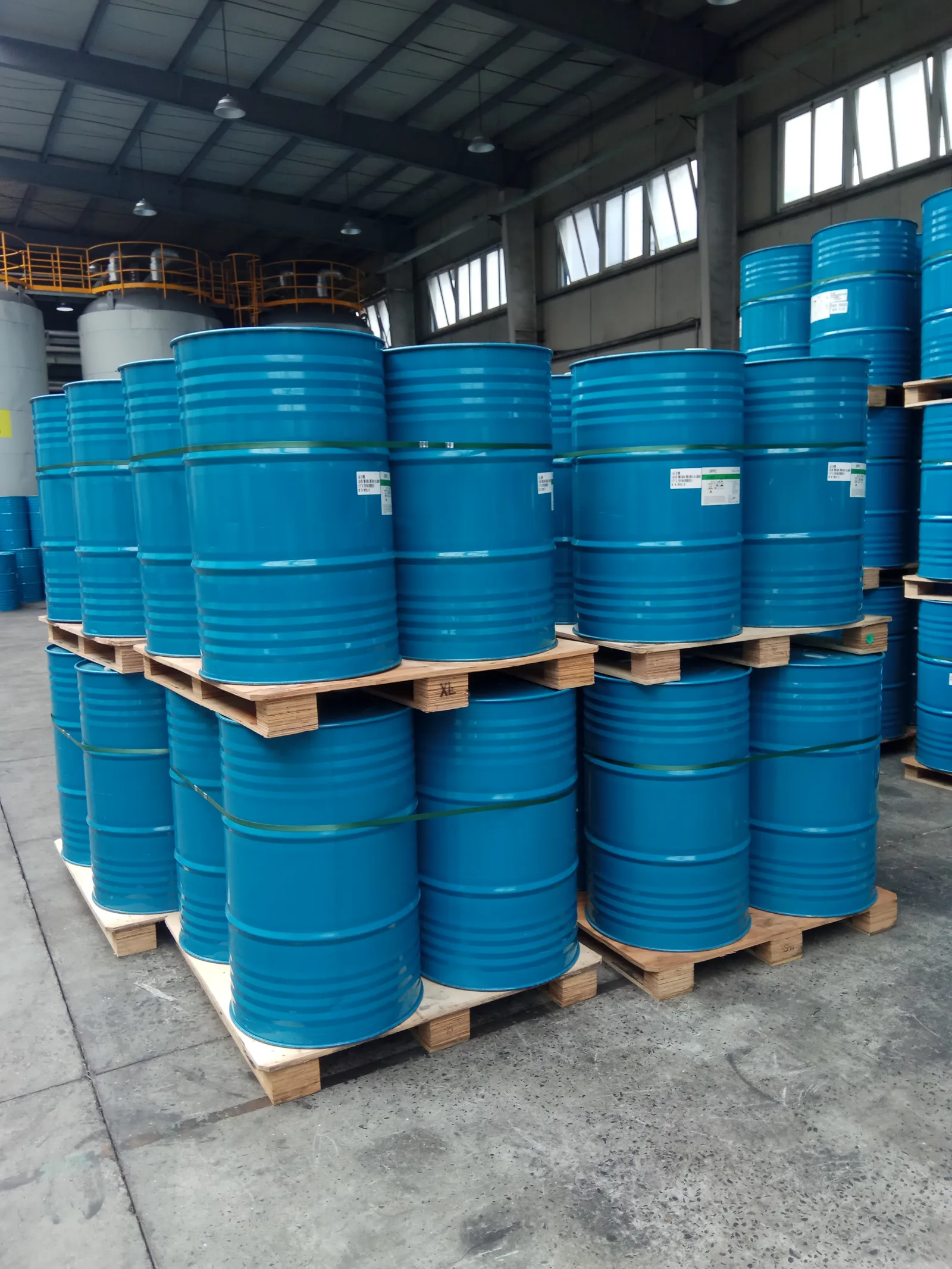
Five proven add-ons our 1,800+ customers ask for after their first refrigerator factory line goes live. Discuss with our engineers which fit your spec.

Raw Material Supply

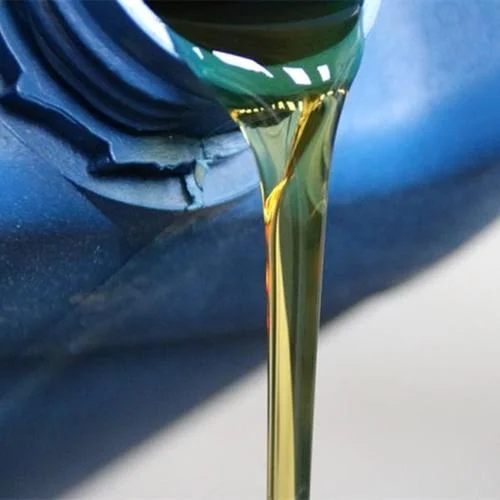
PU MDI / Polyol systems sourced direct from BASF / Covestro / Wanhua, calibrated to your foam specs and climate. Container-load discounts.

Spare Parts Package

2-year wear-parts package — seals, valves, heating elements, sensors. Pre-shipped with the line, no air-freight emergencies.

Robot Integration

ABB / KUKA 6-axis robot for de-molding, demoulding, palletizing or insertion of internal components — boost throughput +30%.

Automatic Demoulding System

Vacuum-assisted demoulding for thin-wall liners and complex geometries — eliminates worker injury, halves cycle time.

Quality Inspection System

Inline foam density, void, k-factor + dimensional QC stations. Auto-reject + traceability log — meets ISO 9001 + EU appliance regulation.

ROI · Cost Analysis

Investment Range & Payback

Indicative range based on 1,800+ delivered lines. Final pricing depends on automation level + add-ons + local labor cost. Request a quote for your spec.

Investment
USD 400K – 1.2M
Payback
12–20 months
Annual Throughput
100K–1M units/year

Configuration note: Roto-foam tooling sweet spot: 4-SKU base + insulation foam line + Sugatsune latch assembly. Pure plastic line is a separate platform. Drop-test rig + ice-retention validation included.

Service & Support

Garantía y Servicio

Intervención in situ disponible en todas las regiones donde hemos entregado proyectos.

On-Site Installation

Our engineers fly to your factory to supervise installation, layout verification, and first-run production.

Commissioning + Tuning

Trial run + parameter tuning to your local raw material, climate, and target product spec — until throughput meets contract.

Operator Training

5-10 day on-site training for production team, QC, and maintenance — bilingual manuals + video tutorials provided.

3-Year Warranty + Spares

Core equipment 3-year warranty, electrical 2-year. Spare parts in stock with global express shipment 24h dispatch.

home.stats.heading

Turnkey Production Lines for Refrigeration Equipment Factories

30
home.stats.years
1800+
home.stats.projects
40+
home.stats.countries
10,000+ m²
Factory Area
ISO·CE·RoHS
Certified Quality
Chuzhou·Kunshan
Cluster Network

"From a Single Pump to a Turnkey Line — One Partner Through Every Tier."

Solicitar cotización para esta línea