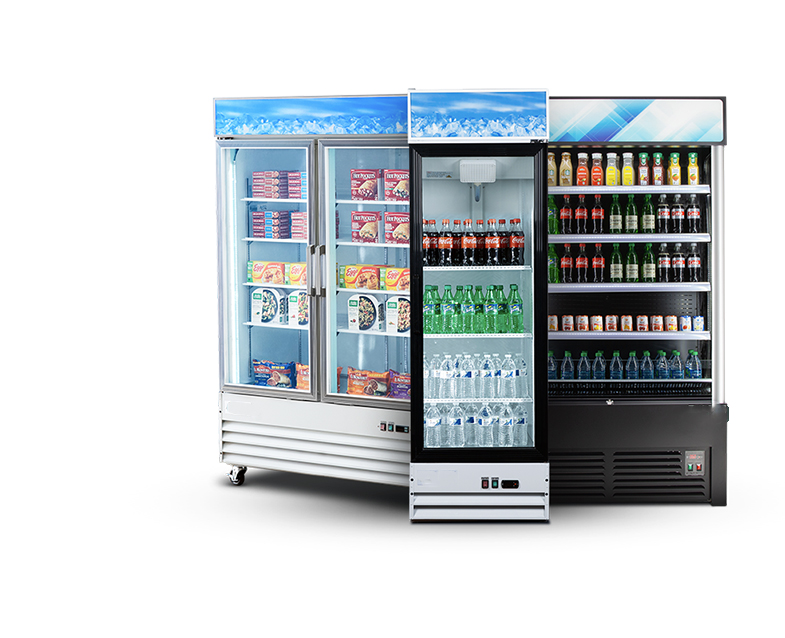
Fábrica de Enfriadores de Bebidas

Soluciones para

Líneas de enfriadores confiadas por bottlers globales

Desde enfriadores verticales de una puerta 200L hasta exhibidores de tres puertas 1.500L. Suministramos moldes de puertas visuales, líneas de espumado y ensamble de alto volumen — hasta 8.000 unidades por día.

In one line

Moldes de espumado de ciclo rápido reducen el tiempo de puerta hasta 30%.
Escala típica
500 – 8,000 units / day
Product Range
Single / double / triple door coolers 200L – 1,500L
Perfiles de compradores
  • Coca-Cola / PepsiCo bottlers
  • Beer brands
  • Beverage OEM

Real pains we hear from buyers — and what we ship to solve each one

Four pains every bottler-program beverage-cooler factory founder brings us. Our line ships with the fix.

Pain 1

Coca-Cola / PepsiCo brand audit failed our last lot — cabinet color, door curve and decal alignment off-spec

How we solve it

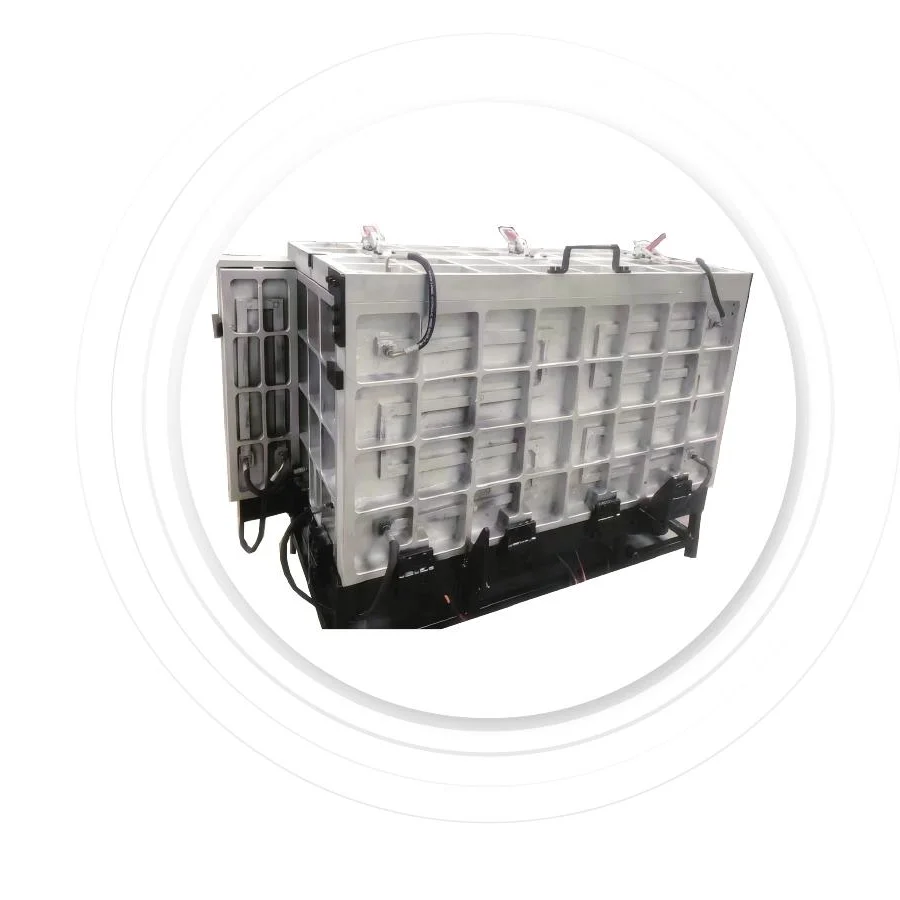
Bottler programs spec every cosmetic detail: cabinet RAL color (Coca-Cola Red 484C, Pepsi Blue 287C), door curve radius (within ±0.5 mm), decal flatness (no air bubbles within 10 mm of edge). Our cabinet mould holds the curve to ±0.3 mm; we ship a calibrated paint booth + decal jig that mate to bottler spec sheets. First-audit pass rate goes from 60% to 95%.

Pain 2

Bottler tender locked at 8,000 units/day for 60 days — my current line can do 3,000 max

How we solve it

Bottler peak orders are 2–3× steady demand. We size the foaming line for peak with 2-shift capacity (effectively 6,000 units/day) + a second high-pressure foaming station that adds USD 280K but doubles burst capacity to 12,000/day. Most bottler-program factories pay for the second station with one peak order.

Pain 3

Glass-door fog and condensation at 40°C ambient (Middle East / SE Asia) — fails SASO / DEWA tropical-spec audit

How we solve it

Tropical-spec is foam thickness + glass-door heater wattage + cabinet airflow working together. Our tropical config uses 60 mm wall foam (vs standard 45 mm), 4–6 W/m heated door perimeter, and an optimized condenser footprint for 43°C ambient. SASO/DEWA tropical certification first-pass rate ≥95%.

Pain 4

Single-door / double-door / triple-door variants needed for retail vs HoReCa channels — capex blows budget

How we solve it

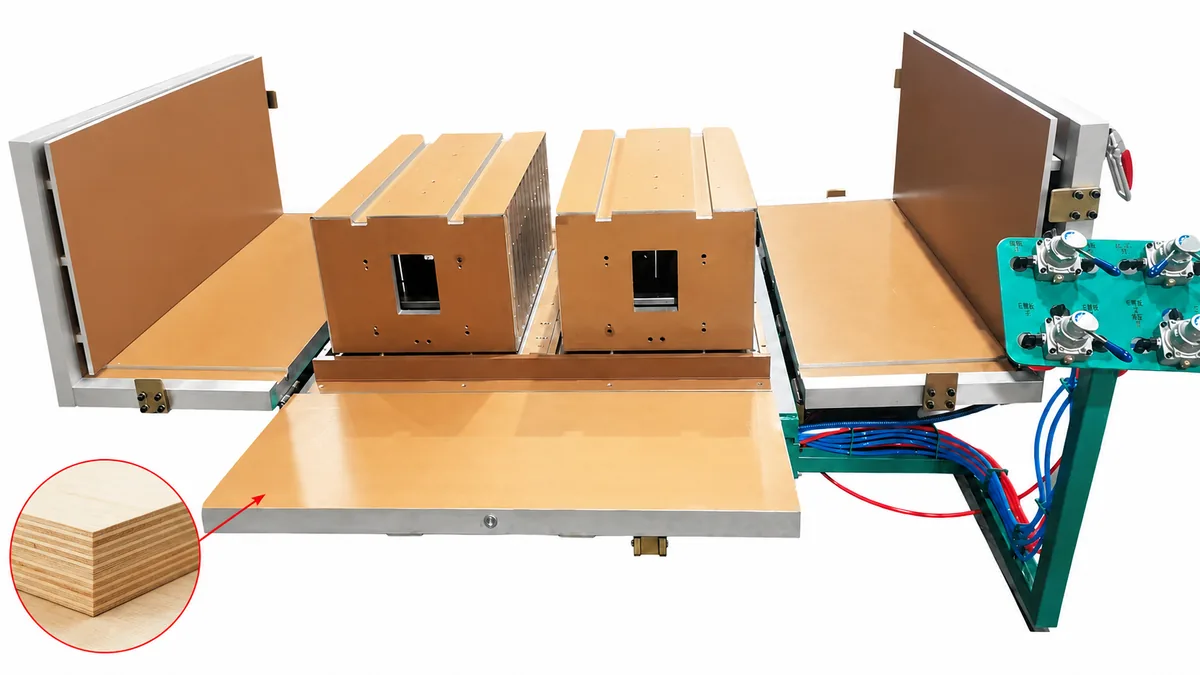
We design 2 base moulds covering single + double + triple-door variants with snap-in dividers. Same PU machine, same fixture, same conveyor. Changeover 30–45 min. Capex per variant drops from USD 280K to USD 95K. Most beverage cooler factories run 5–8 SKUs across 2 base moulds.

Cabinet models you can produce on this line

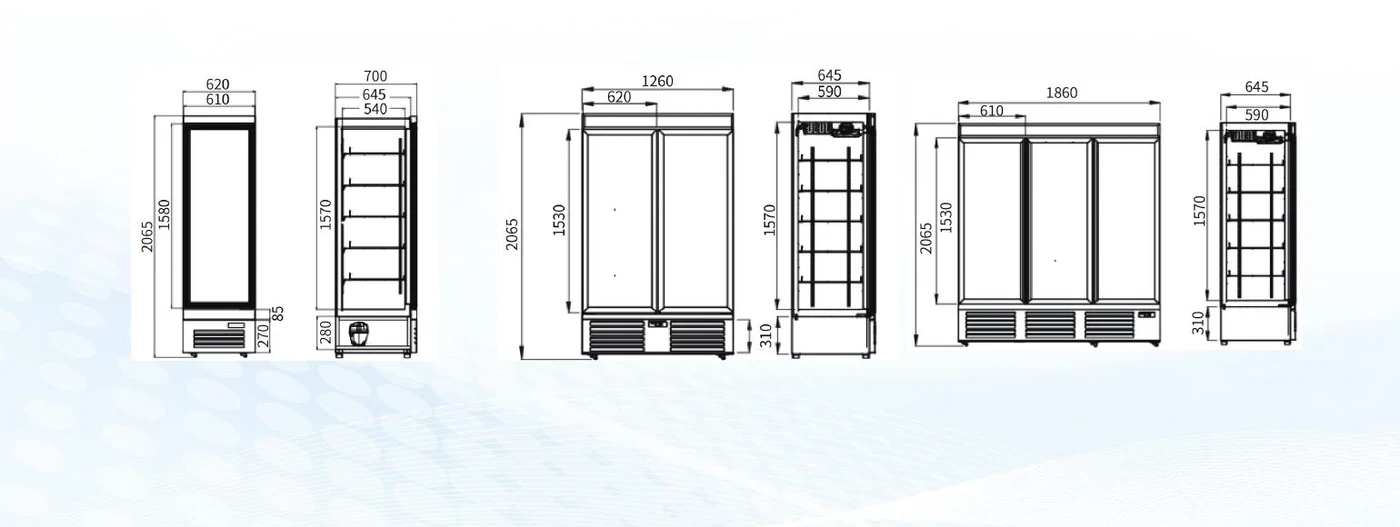
Every row below is a real cabinet SKU that customers already produce using the moulds in this line — temperature class, capacity, compressor, refrigerant and overall dimensions are field-tested. Use the matrix to match your target cabinet to the right mould configuration.

Cabinet model Variant Temperature (°C) Volume (L) Power (W) Weight (kg) Compressor Refrigerant Size (mm) Source mould
LC-620FX Single-door refrigeration -2–8 620 262 75 DONPER / WANBAO R290 620 × 725 × 2065 Mold for Upright →
LC-1260FX Double-door refrigeration -2–8 1113 374 145 DONPER / WANBAO R290 1260 × 725 × 2065 Mold for Upright →
LD-1260FX Double-door freezing ≤-18 1066 911 200 DONPER / WANBAO R290 1260 × 725 × 2065 Mold for Upright →
LC-1860FX Triple-door refrigeration -2–8 1685 583 200 DONPER / WANBAO R290 1860 × 725 × 2065 Mold for Upright →
LD-1860FX Triple-door freezing ≤-18 1670 1395 260 DONPER / WANBAO R290 1860 × 725 × 2065 Mold for Upright →

Source: UREXCEED catalog §07 OEM/ODM cabinet series, cross-referenced to the mould that produces each SKU. Custom cabinet sizes outside this range supported — send us your cabinet drawing for a 7-day quote.

From inquiry to first commercial unit — the 6-step delivery flow

From inquiry to first beverage cooler off your line. ~9 months for a 3,000 units/day bottler-program line.

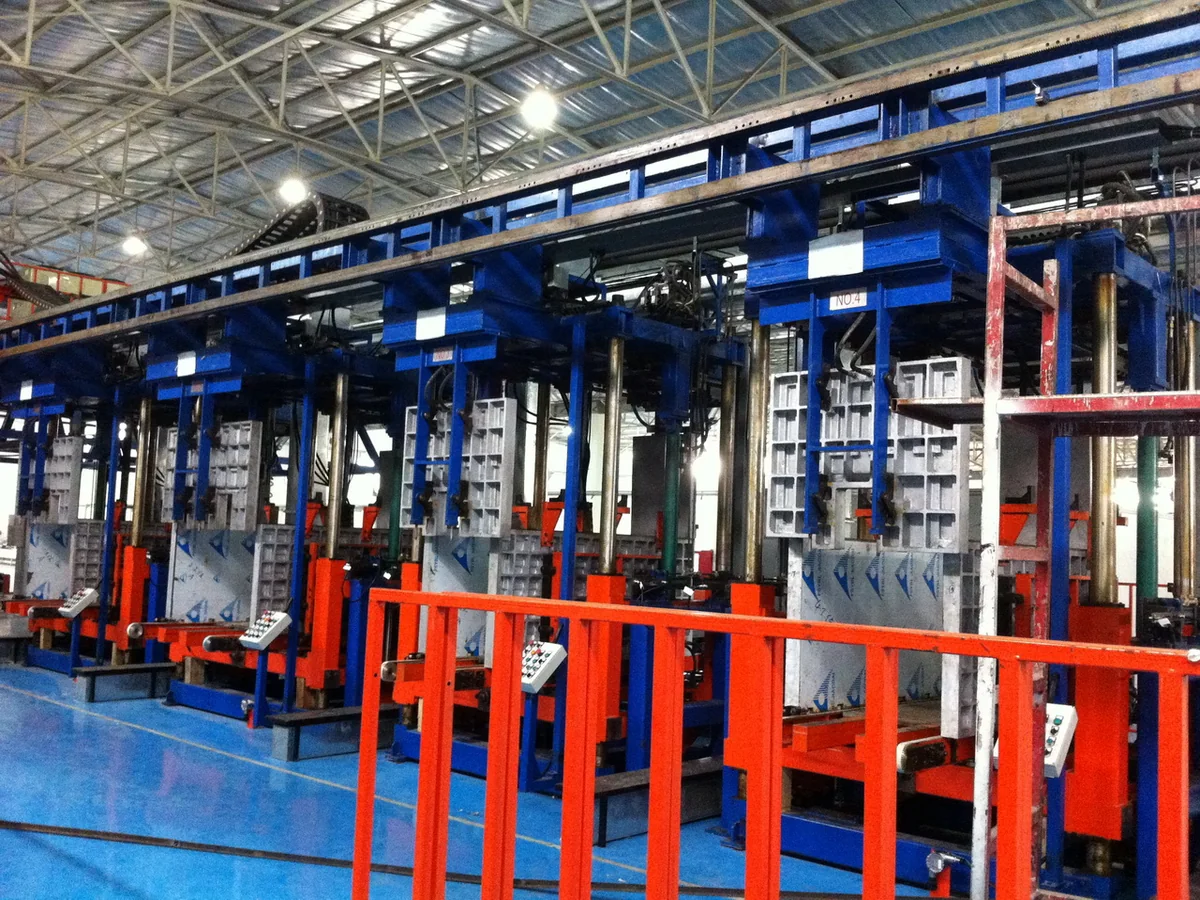
Fábrica de Enfriadores de Bebidas — production line reference
  1. 1

    Inquiry & Bottler-Program Scoping

    Week 1–2

    Share target capacity, brand-spec target (Coca-Cola / Pepsi / heineken / OEM private label), variant mix (single / double / triple-door), target markets (US, EU, MENA, ASEAN). We send a 1-page proposal with line layout and bottler-spec compliance roadmap.

  2. 2

    Detailed Proposal & Bottler-Spec Mapping

    Week 2–4

    If targeting a specific bottler program, share their cabinet spec sheet — we map each cosmetic + functional requirement to equipment line item. Mould variants picked, PU machine sized, paint booth + decal jig specced. Quote with 20-line BOM in 12 days.

  3. 3

    Contract & Cabinet Design Freeze

    Week 4–6

    30% down. Cabinet CAD review with bottler color RAL + door curve radius + decal position frozen. Mould CAD signed off in week 6.

  4. 4

    Mould + Paint Booth Build

    Month 2–5

    Cabinet moulds + door moulds: 45–60 days (more standardized than refrigerator lines). PU machine: 45 days. Calibrated paint booth + decal jig: 30 days. Pre-shipment FAT: trial cooler produced in our shop and audited against bottler spec.

  5. 5

    Sea Freight & On-Site Installation

    Month 5–7

    4–6 × 40' containers from Shanghai/Ningbo. On-site installation 3 weeks. Paint booth ventilation + electrical commissioning critical here.

  6. 6

    Commissioning, Bottler-Audit Prep & Acceptance

    Month 7–9

    First 50 trial coolers produced to bottler spec, internal audit pass before bottler sends auditor. Operator training. Acceptance signed when 30 consecutive coolers pass bottler spec checklist. 60% payment due here, 10% after first commercial bottler audit pass.

Por qué esta línea funciona — respaldado por las especificaciones reales

Diseñado para programas de embotelladores de alto volumen donde cada puerta debe coincidir exactamente con el estándar visual de la marca.

1

Precisión cosmética de puerta según especificaciones del embotellador

Las puertas interiores termoformadas al vacío mantienen una tolerancia de ±0.3 mm en la alineación del marco de cristal — crítico cuando los equipos de marca de Coca-Cola o Carlsberg auditan la estética de los enfriadores en más de 50,000 unidades desplegadas.

2

Ciclo de espumado de 90 s para puerta simple, 180 s para triple puerta

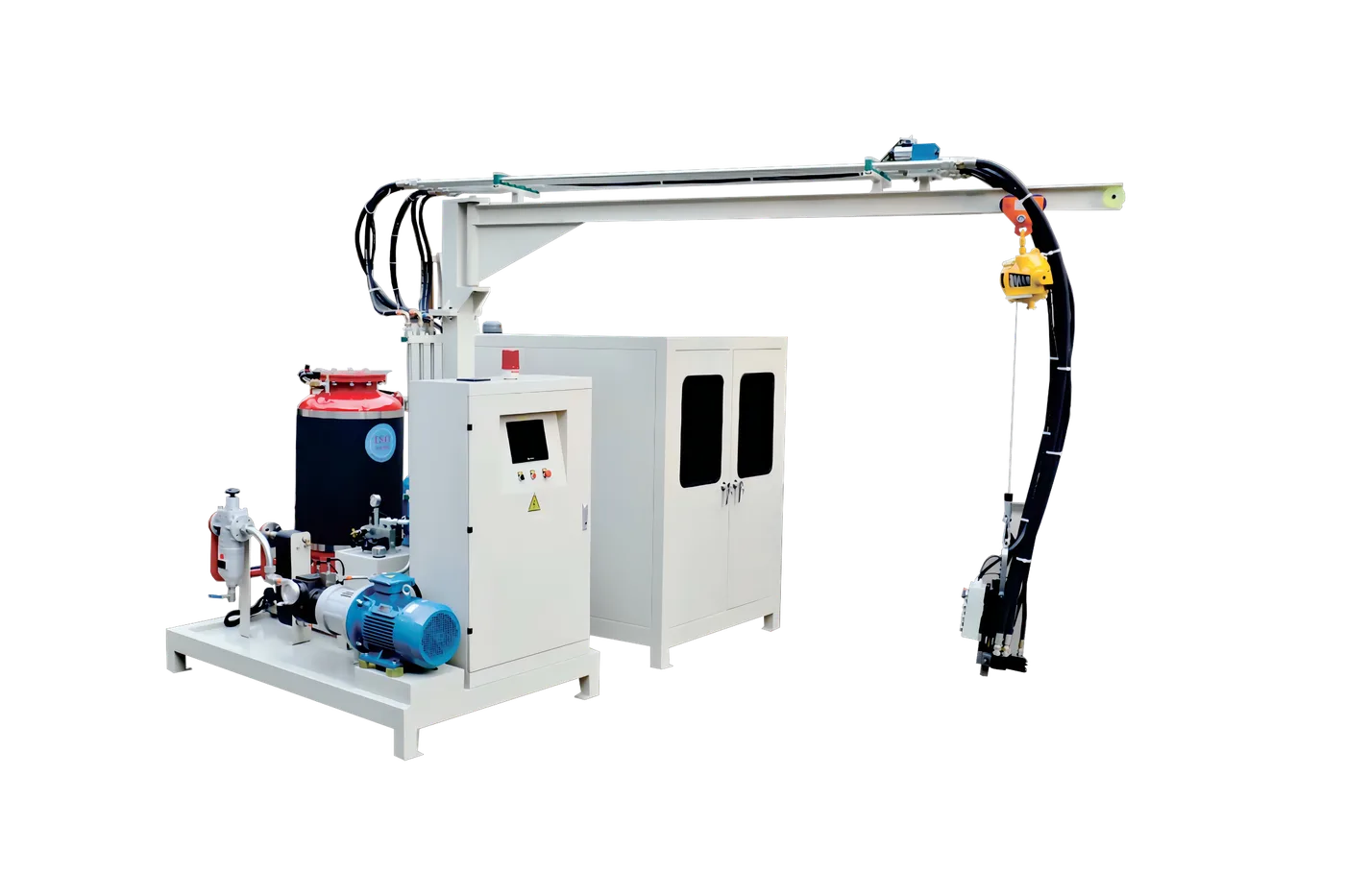
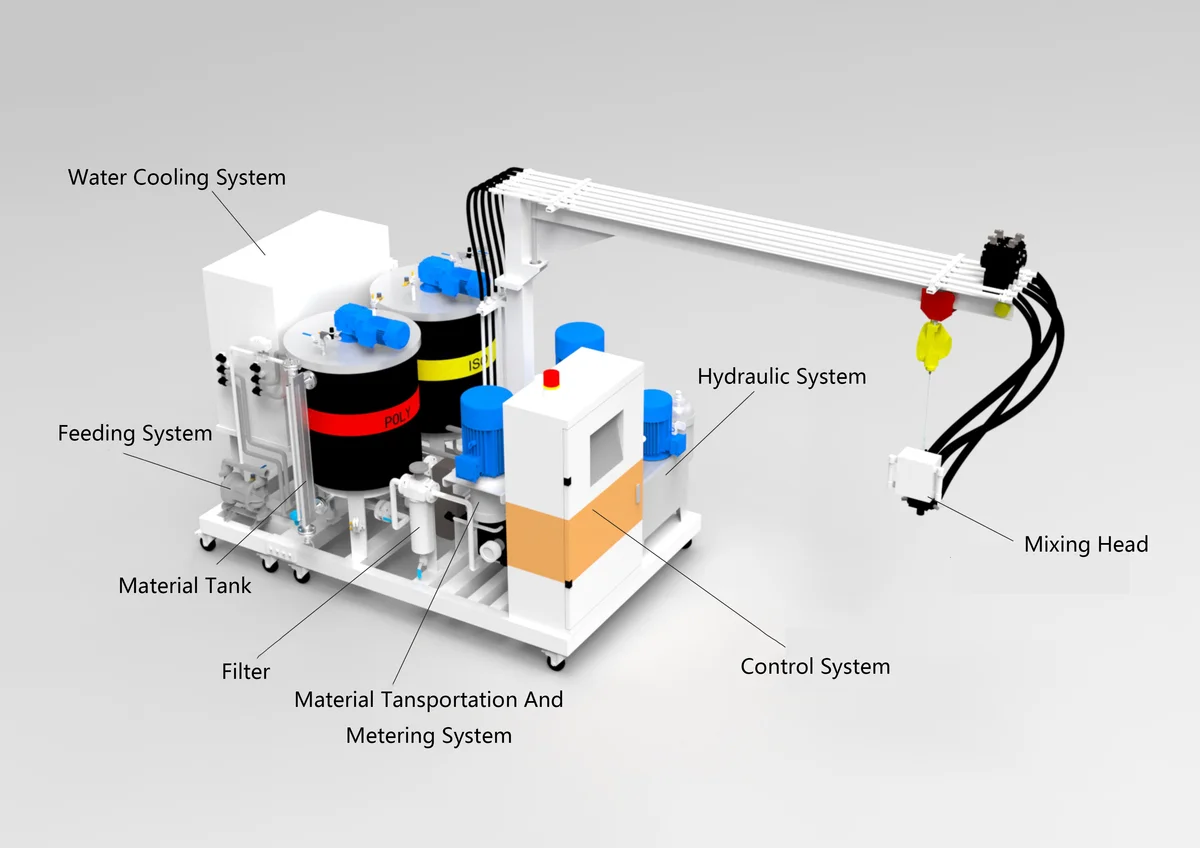
Las máquinas de espumado PU de alta presión (UPM-HP-1500) con trayectorias de inyección optimizadas reducen el ciclo de espumado de puertas un 25–30% frente a configuraciones convencionales, permitiendo que un programa anual de 10,000 unidades se envíe en 6–8 meses en lugar de 9–12.

3

Capacidad de 500 a 8,000 unidades/día sobre la misma plataforma

El diseño de línea modular parte de 500 unidades/día para nuevos programas de embotelladores y escala hasta 8,000 unidades/día sin rediseño. Los embotelladores que pilotan en un país pueden replicar la misma línea en 3 más sin re-ingeniería.

4

Soporte de clasificación energética para mercados UE y UEEA

Densidad de espuma 35–45 kg/m³ calibrada para clase C+ de la Etiqueta Energética UE en enfriadores estándar de puerta de cristal — el umbral que la mayoría de los grandes embotelladores exigen hoy para la colocación en retail.

Customization Options

Bottler programs (Coca-Cola, Pepsi, Heineken) are 100% spec-driven. 4 axes calibrated to bottler spec sheets.

Brand spec match

Cabinet RAL color (Coca-Cola Red 484C, Pepsi Blue 287C), door curve radius ±0.3 mm, decal placement jig calibrated to bottler audit.

Door config

Single / double / triple door variants on snap-in divider modular mould. Capex drops from USD 280K → USD 95K per variant.

Tropical / temperate spec

Standard 21°C / tropical 43°C ambient (SASO / DEWA). Tropical-spec uses 60 mm wall foam (vs 45 mm), 4–6 W/m heated door perimeter.

Burst capacity

Steady 3K/day → peak 8K/day for 60-day bottler rollouts. Second high-pressure station add-on (+USD 280K) doubles burst.

Foam Quality Visualization — what closed-cell structure actually looks like

The single biggest predictor of refrigerator cabinet thermal performance is the foam cell structure. Closed-cell ratio, average cell diameter and density uniformity decide whether your cabinet holds -18°C in 35°C ambient — or fails the EU Ecodesign type-test. Here's what fine and coarse PU foam look like under a scanning electron microscope.

SEM micrograph of coarse PU foam — large irregular open cells, low closed-cell ratio
Coarse foam · low grade

Industry-typical low-grade PU

Avg cell diameter
~400 µm
Closed-cell ratio
85–90%
k-factor (W/m·K)
0.025–0.028
Density uniformity
±5 kg/m³

Visible voids, broken cell walls, large irregular cells. Refrigerator cabinet pull-down test fails at 32°C+ ambient. EU Ecodesign type-test fails first submission.

SEM micrograph of fine UREXCEED PU foam — small uniform polygonal closed cells, high closed-cell ratio
Fine foam · UREXCEED grade

Our cyclopentane PU system

Avg cell diameter
~100 µm
Closed-cell ratio
≥95%
k-factor (W/m·K)
0.019–0.021
Density uniformity
±0.5 kg/m³

Uniform fine cells, intact walls, high closed-cell ratio. Refrigerator cabinet pull-down test passes at 43°C tropical ambient. EU Ecodesign / WHO PQS / ENERGY STAR first-submission pass rate 90%+.

How we measure it: Every shipment of PU raw materials runs through pilot foaming + SEM cell-structure check at our lab. Every commissioned line gets a foam parameter card with these targets — if your operators tune to the card, the foam structure stays in this range. Sample reports available on request.

Illustration · Conceptual SEM micrographs representing typical industry coarse foam (left) vs UREXCEED cyclopentane PU foam quality target (right). Real SEM reports from your specific line available after commissioning.

Application Scenarios

Beverage coolers cover the most aggressive bottler tender programs.

  • Single-door upright cooler (Coca-Cola / Pepsi 200–400 L)
  • Double-door commercial cooler (chain restaurant / bar)
  • Triple-door beverage merchandiser (convenience-store wall)
  • Beer cooler (sub-2°C, branded keg-line variant)
  • Hospitality back-bar cooler (under-counter style)
  • Energy-drink display cooler (compact 50–200 L)

Preguntas que nos hacen los dueños de fábrica

¿Cuál es la inversión típica para una línea de enfriadores de bebidas de 3,000 unidades/día?
USD 1.6M–2.4M incluyendo moldes de espumado (USD 280K–420K), máquinas de espumado PU de alta presión (USD 180K–260K), cinta de montaje (USD 350K–550K), estación de carga de refrigeración (USD 200K–300K) y equipos de prueba (USD 200K–350K). Excluye edificio y estación de carga de refrigerante. ROI habitualmente en 24–36 meses a volúmenes estándar de programa de embotellador.
¿Pueden suministrar líneas conformes con los programas de enfriadores de Coca-Cola o PepsiCo?
Sí. Nuestros diseños de referencia cubren la familia de enfriadores SLIM de Coca-Cola y las especificaciones de gabinetes de la serie MERCH de PepsiCo. Las artes de panel de puerta específicas de la marca, etiquetas RFID y objetivos de clase energética se incorporan en los moldes durante la fase de diseño. No gestionamos la negociación de contratos de marca — eso es entre usted y el embotellador.
¿Cómo gestionan los defectos de espumado de puertas en enfriadores con puerta de cristal?
Control de calidad en dos etapas: verificación puntual de densidad de espuma cada 50 puertas, luego inspección visual y por termografía en cada puerta antes de la instalación del cristal. La tasa de defectos en líneas habilitadas promedia 0.4–0.8% (referencia del sector 1.5–2%). Las puertas defectuosas se recuperan mediante re-espumado controlado, no se descartan.
¿Cuál es el plazo desde el contrato hasta el primer envío?
Diseño y fabricación de moldes: 60–75 días. Máquinas de espumado PU: 45–60 días en paralelo. Integración de línea: 90–120 días. Transporte marítimo: 30–45 días. Puesta en marcha: 30–45 días. Total: 7–9 meses desde contrato firmado hasta primera producción comercial, más rápido que líneas de refrigeradores domésticos porque el utillaje de enfriadores está más estandarizado.
¿Soportan enfriadores de especificación tropical para Oriente Medio y el Sudeste Asiático?
Sí. Las configuraciones tropicales utilizan aislamiento más grueso (60 mm frente a 45 mm estándar), dimensionado de condensador tropicalizado y espuma de mayor densidad (40–50 kg/m³). Probados para operación en ambiente de hasta 43°C — requerido por SASO (Arabia Saudita), DEWA (Emiratos Árabes Unidos) y normas energéticas equivalentes de la ASEAN.

Optional Add-ons

Extend Your Production Line

Five proven add-ons our 1,800+ customers ask for after their first refrigerator factory line goes live. Discuss with our engineers which fit your spec.

Raw Material Supply

PU MDI / Polyol systems sourced direct from BASF / Covestro / Wanhua, calibrated to your foam specs and climate. Container-load discounts.

Spare Parts Package

2-year wear-parts package — seals, valves, heating elements, sensors. Pre-shipped with the line, no air-freight emergencies.

Robot Integration

ABB / KUKA 6-axis robot for de-molding, demoulding, palletizing or insertion of internal components — boost throughput +30%.

Automatic Demoulding System

Vacuum-assisted demoulding for thin-wall liners and complex geometries — eliminates worker injury, halves cycle time.

Quality Inspection System

Inline foam density, void, k-factor + dimensional QC stations. Auto-reject + traceability log — meets ISO 9001 + EU appliance regulation.

ROI · Cost Analysis

Investment Range & Payback

Indicative range based on 1,800+ delivered lines. Final pricing depends on automation level + add-ons + local labor cost. Request a quote for your spec.

Investment
USD 1.5M – 3.0M
Payback
14–22 months
Annual Throughput
600K–3M units/year

Configuration note: Bottler-program lines (Coca-Cola / Pepsi / Heineken spec): high-throughput cyclopentane PU + calibrated paint booth + decal jig + ENERGY STAR pre-test rig. Sized for 60-day peak bursts.

Service & Support

Garantía y Servicio

Intervención in situ disponible en todas las regiones donde hemos entregado proyectos.

On-Site Installation

Our engineers fly to your factory to supervise installation, layout verification, and first-run production.

Commissioning + Tuning

Trial run + parameter tuning to your local raw material, climate, and target product spec — until throughput meets contract.

Operator Training

5-10 day on-site training for production team, QC, and maintenance — bilingual manuals + video tutorials provided.

3-Year Warranty + Spares

Core equipment 3-year warranty, electrical 2-year. Spare parts in stock with global express shipment 24h dispatch.

home.stats.heading

Turnkey Production Lines for Refrigeration Equipment Factories

30
home.stats.years
1800+
home.stats.projects
40+
home.stats.countries
10,000+ m²
Factory Area
ISO·CE·RoHS
Certified Quality
Chuzhou·Kunshan
Cluster Network

"From a Single Pump to a Turnkey Line — One Partner Through Every Tier."

Solicitar cotización para esta línea