
Soluciones para
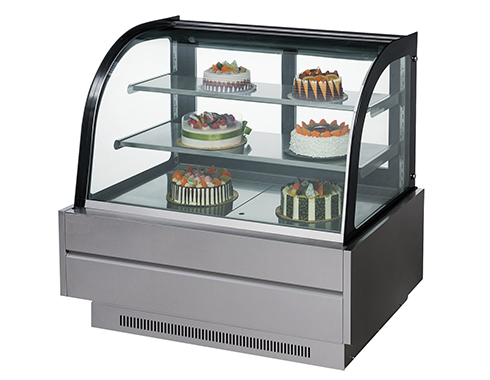
Vitrinas que venden producto y lo preservan
Vitrinas de pasteles, charcutería, murales abiertos multi-nivel, exhibidores de chocolate — diseñamos moldes y espumado acorde al tamaño, vidriado y temperatura objetivo.
En una línea
Sistemas PU de baja presión para geometrías complejas de vitrinas.

Lo que necesitas
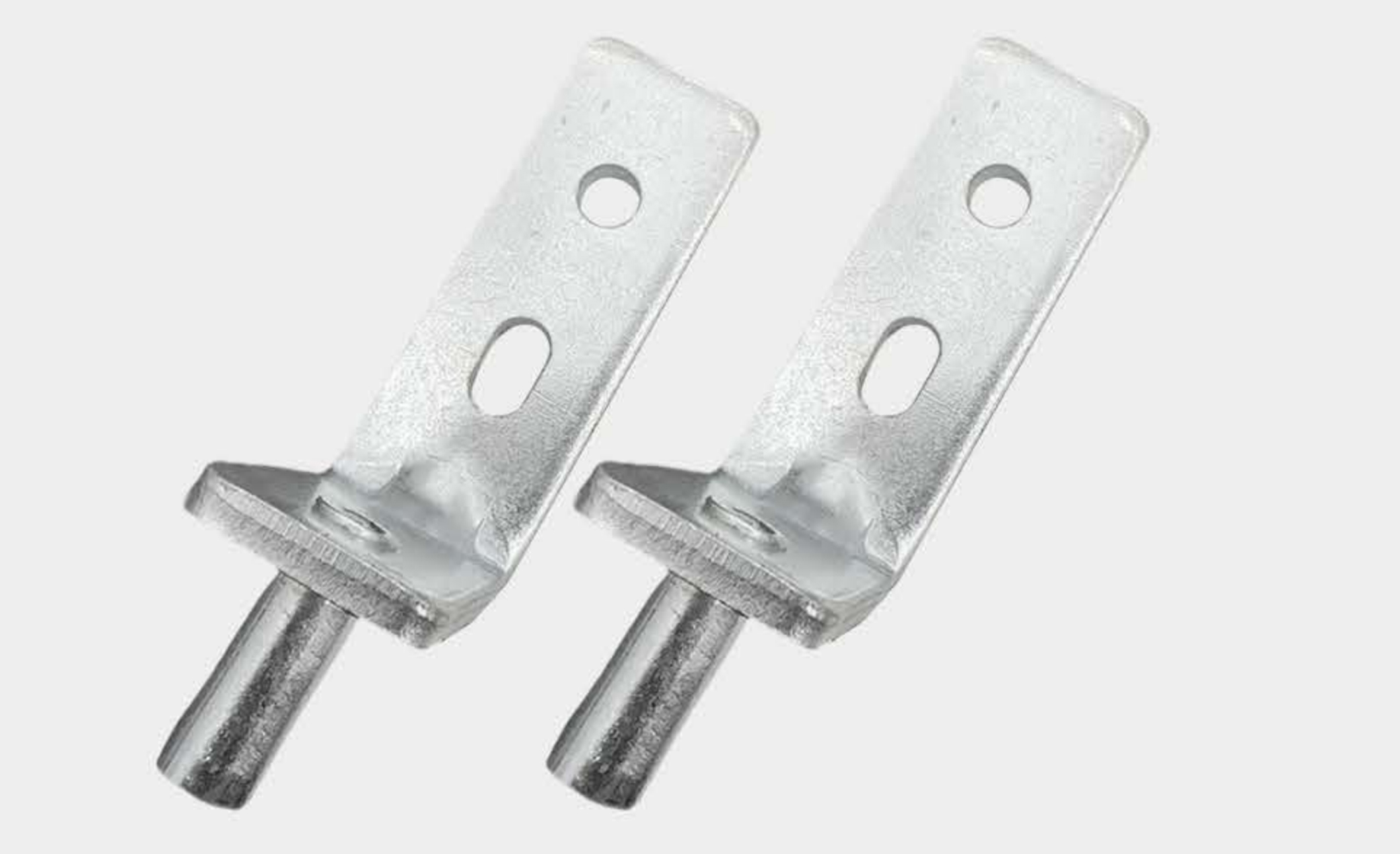
Ferretería y accesorios
Bisagras, sellos, manijas, iluminación LED, evaporadores y condensadores
Más información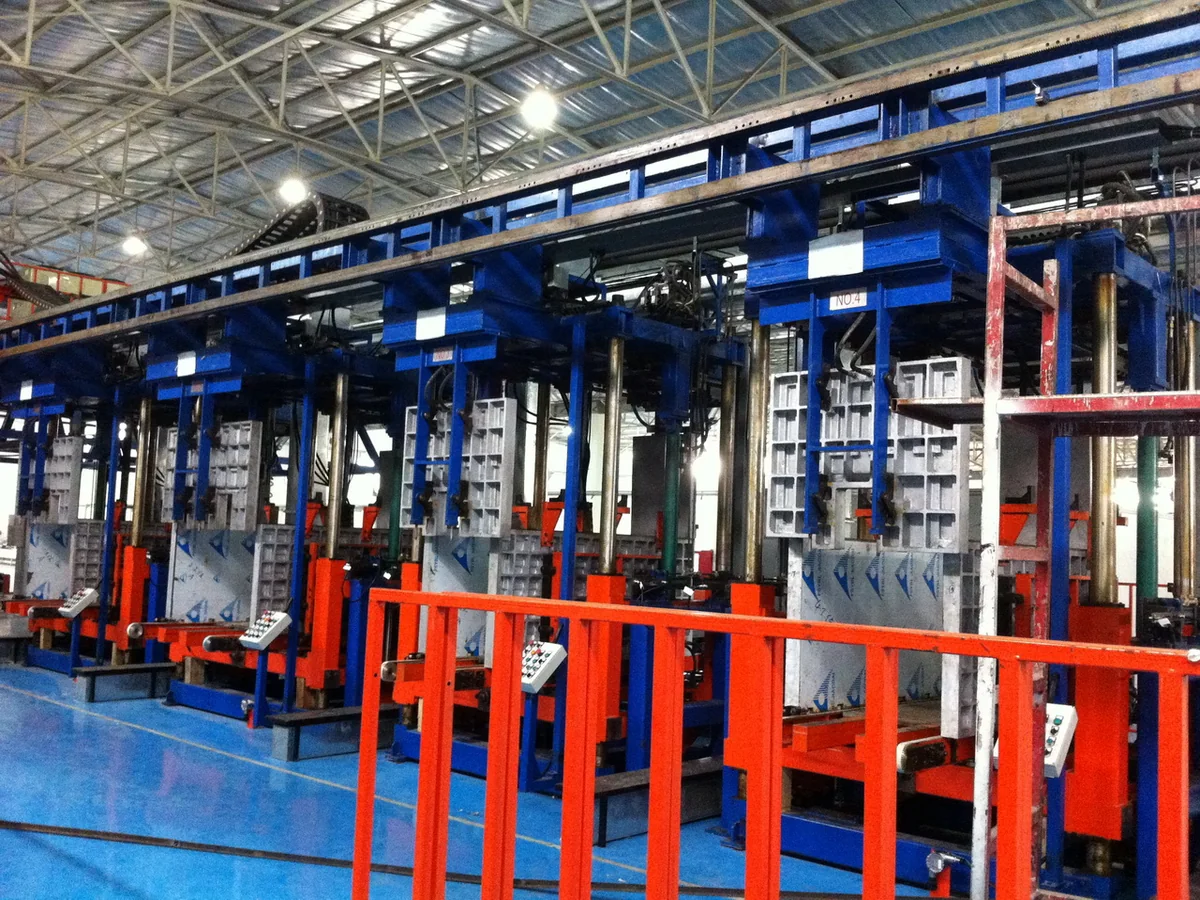
Linear Cabinet PU Foaming Line — 6 / 8 / 11 Stations Configurable
Linear in-line PU foaming for refrigerator cabinet body. Scalable from 6-station motor-driven (~800–2,500 cabinets/shift, small-medium factories) to 11-station hydraulic (~4,000–6,000 cabinets/shift, mainstream OEM). Multi-spec mixed-line production. Cabinet size 800–2,000 mm L × 450–2,000 mm W × 450–900 mm H. Water-heated, PID-controlled.
Más información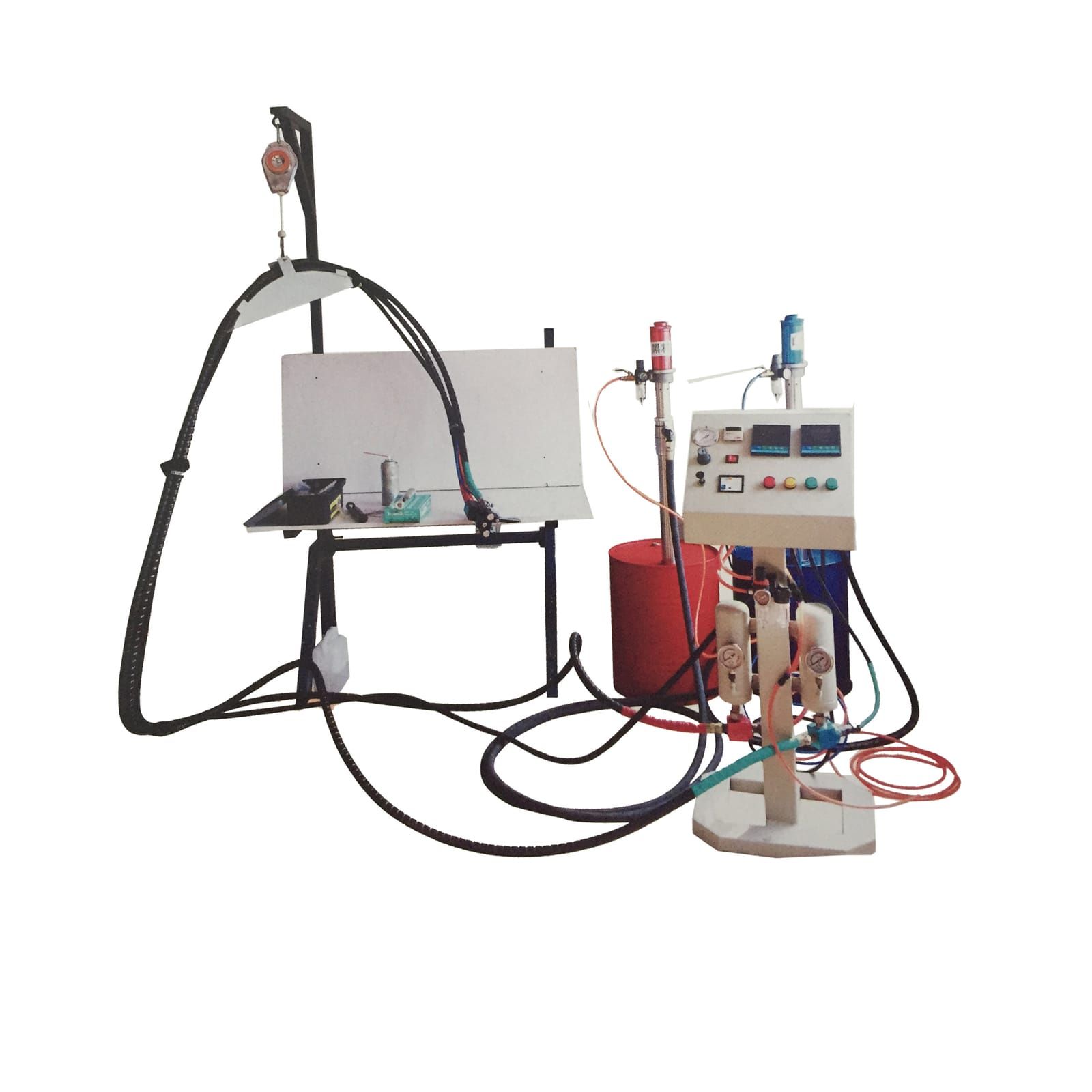
Máquina de espumado PU de baja presión
5–100 g/s, mezclado dinámico, tanques 40–250L
Más información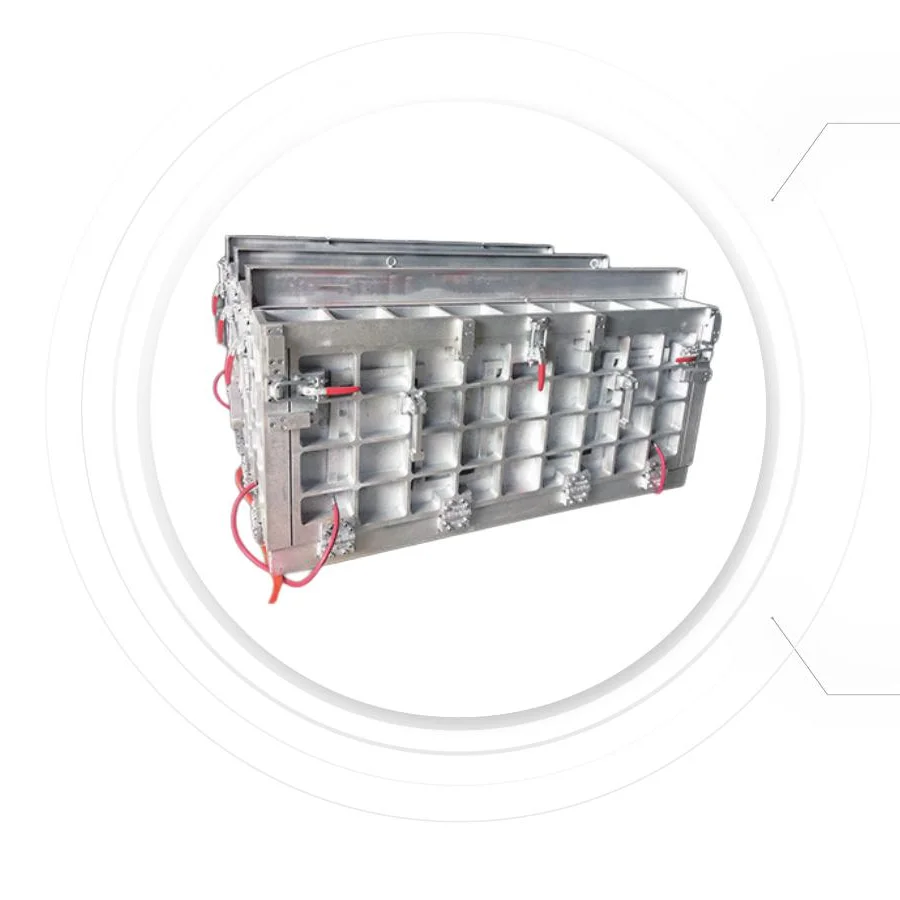
Mold for Cake / Dessert Display Cabinet
Refrigerator mould (mold) for cake / dessert display cabinets — high-precision cast aluminium mould engineered for curved-glass cabinets and front-door cavities. Fluid-foaming optimization handles complex geometry and irregular shells. Up to 1,900 × 700 × 1,300 mm, ~30 s/shot on automated lines.
Más información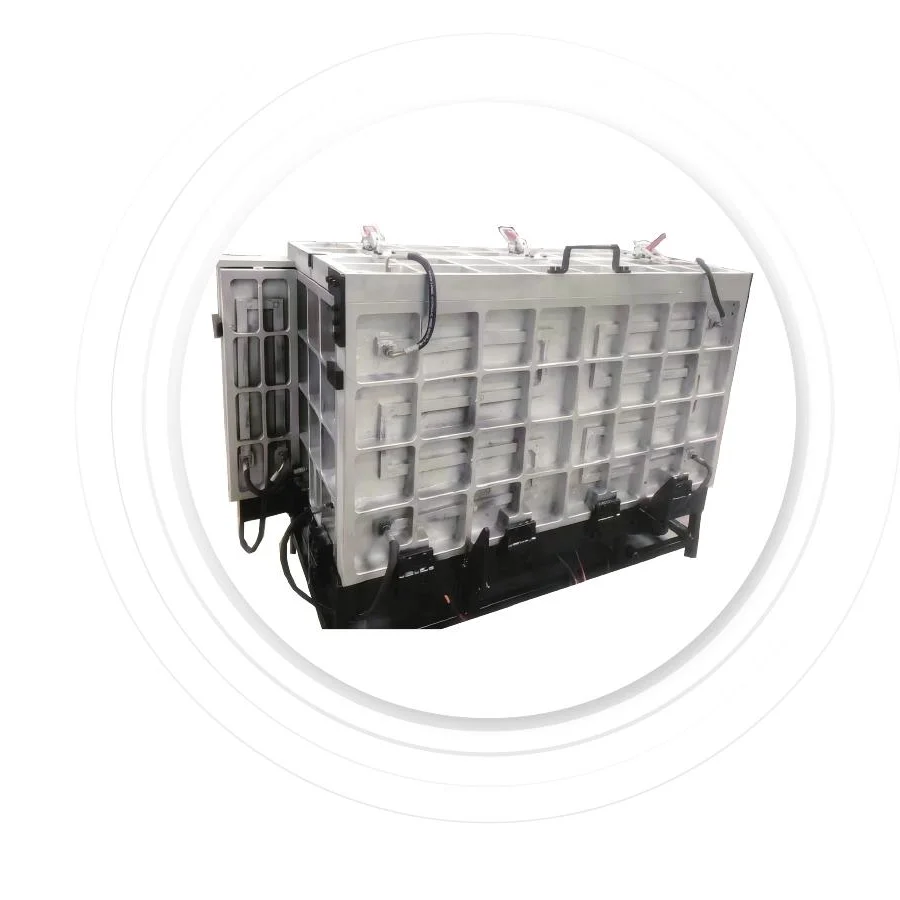
Mold for Upright Glass-Door Display Cabinet
Refrigerator mould (mold) for display cabinets — cast aluminium PU foaming mould for single / double / triple glass-door beverage display cabinets and supermarket display refrigerators. Up to 1,900 × 700 × 1,300 mm, ~30 s/shot.
Más información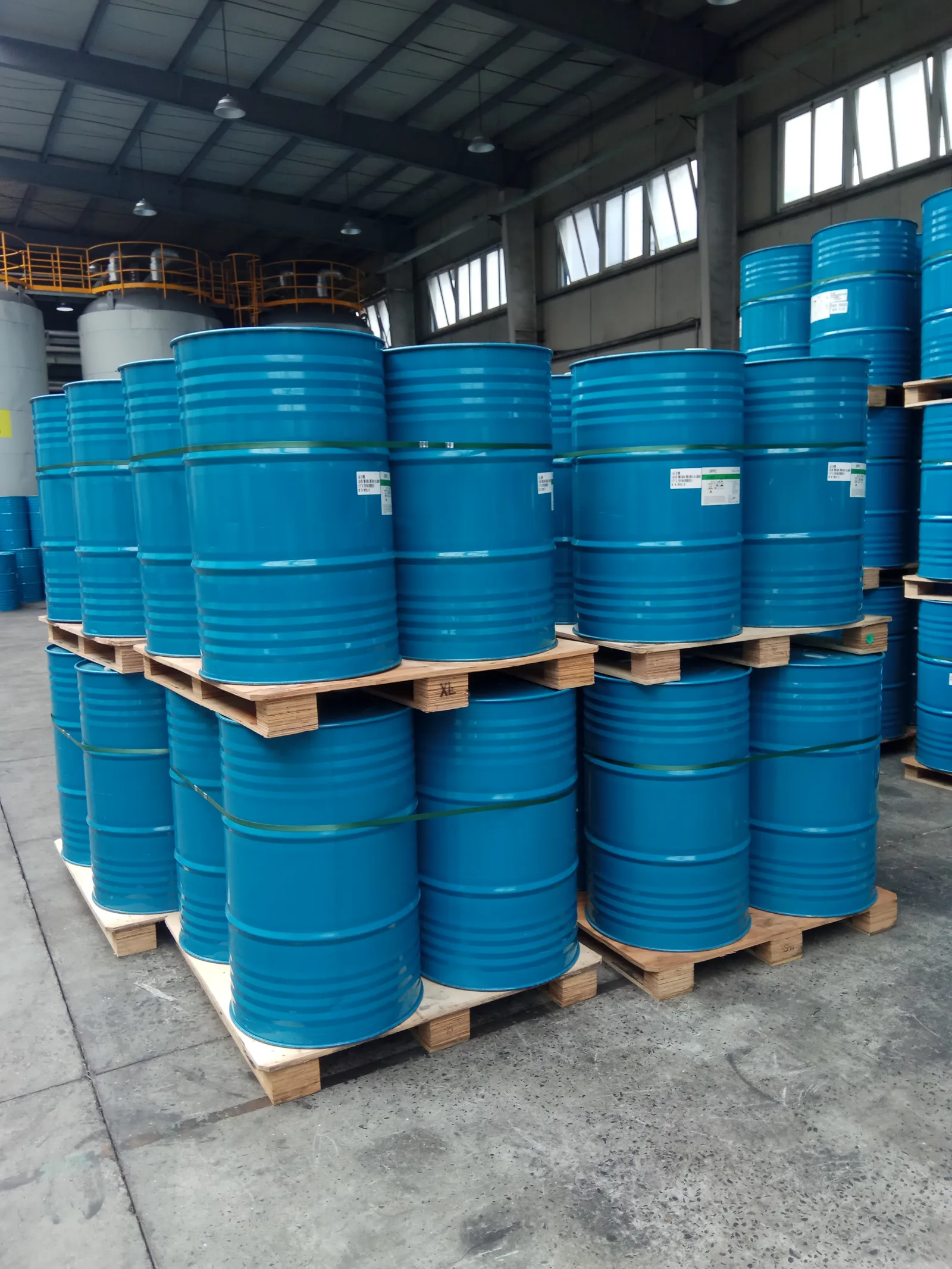
Sistema de materia prima PU
Poliol + isocianato + agente espumante, k-factor hasta 0,018
Más informaciónModelos de gabinete que puedes producir en esta línea
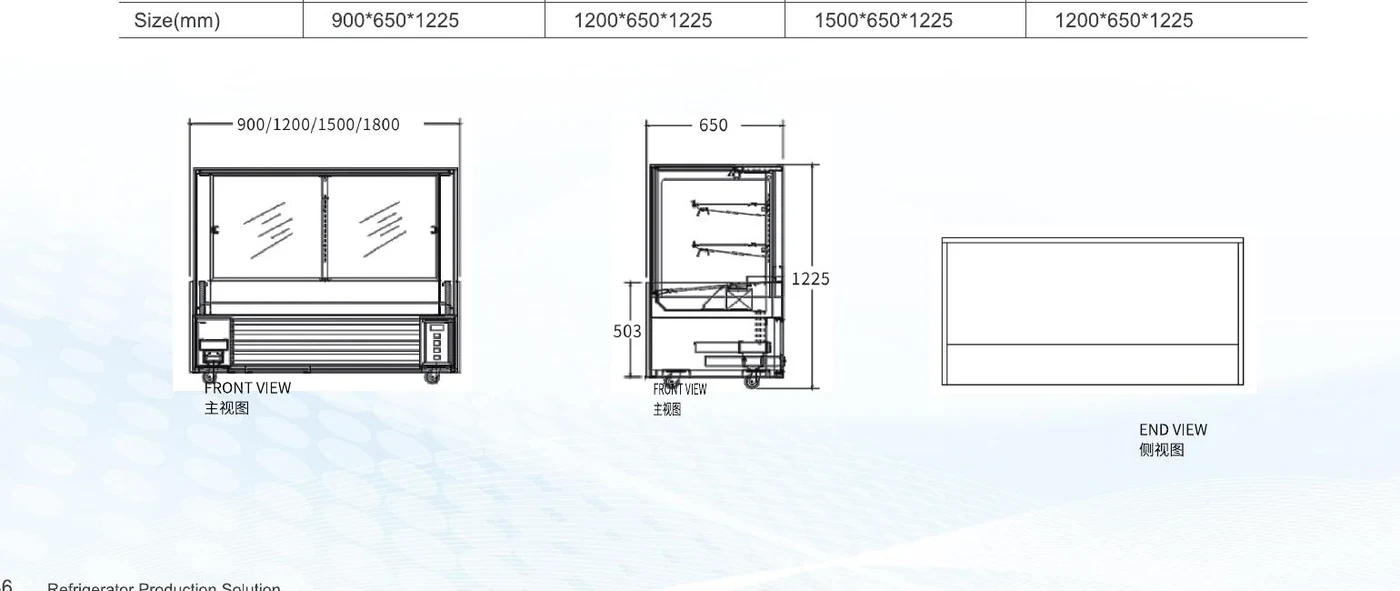
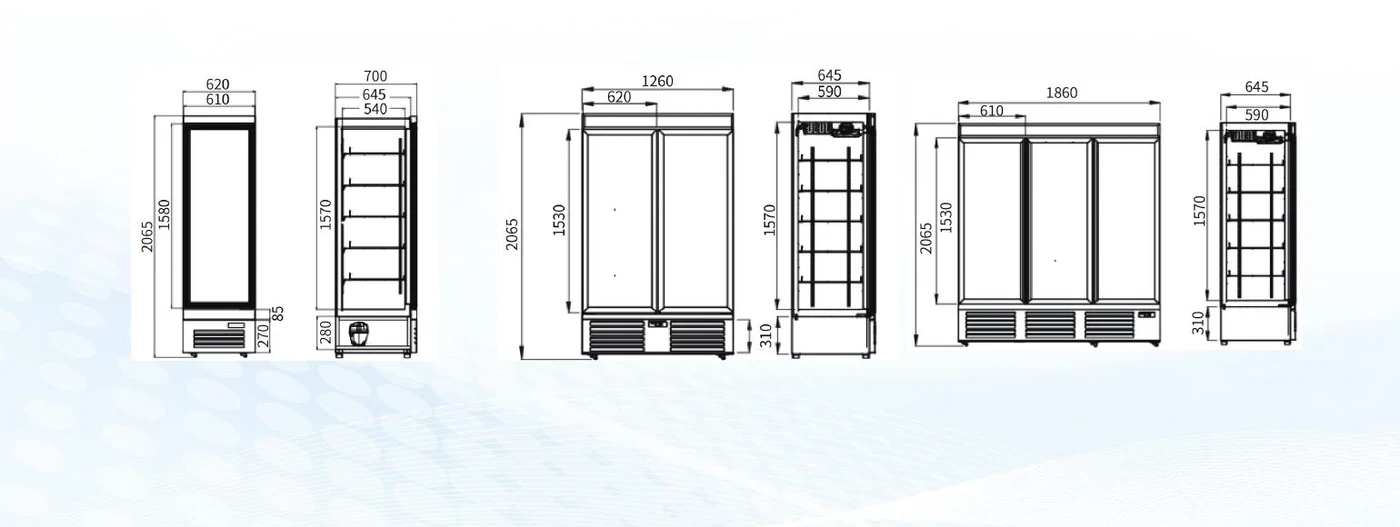
Cada fila a continuación es un SKU de gabinete real que nuestros clientes ya producen con los moldes de esta línea — clase de temperatura, capacidad, compresor, refrigerante y dimensiones generales están validados en campo. Use la matriz para encontrar la configuración de molde correcta para su gabinete objetivo.
| Modelo de gabinete | Variante | Temperatura (°C) | Volumen (L) | Potencia (W) | Peso (kg) | Compresor | Refrigerante | Tamaño (mm) | Molde de origen |
|---|---|---|---|---|---|---|---|---|---|
| DG-900FZ | — | 2–8 | 290 | 430 | 100 | DONPER / WANBAO | R290 | 900 × 650 × 1225 | Mold for Cake → |
| DG-1200FZ | — | 2–8 | 400 | 440 | 115 | DONPER / WANBAO | R290 | 1200 × 650 × 1225 | Mold for Cake → |
| DG-1500FZ | — | 2–8 | 507 | 600 | 130 | DONPER / WANBAO | R290 | 1500 × 650 × 1225 | Mold for Cake → |
| DG-1200FZK | K-frame (square glass) | 2–8 | 400 | 440 | 115 | DONPER / WANBAO | R290 | 1200 × 650 × 1225 | Mold for Cake → |
| LC-620FX | Single-door refrigeration | -2–8 | 620 | 262 | 75 | DONPER / WANBAO | R290 | 620 × 725 × 2065 | Mold for Upright → |
| LC-1260FX | Double-door refrigeration | -2–8 | 1113 | 374 | 145 | DONPER / WANBAO | R290 | 1260 × 725 × 2065 | Mold for Upright → |
| LD-1260FX | Double-door freezing | ≤-18 | 1066 | 911 | 200 | DONPER / WANBAO | R290 | 1260 × 725 × 2065 | Mold for Upright → |
| LC-1860FX | Triple-door refrigeration | -2–8 | 1685 | 583 | 200 | DONPER / WANBAO | R290 | 1860 × 725 × 2065 | Mold for Upright → |
| LD-1860FX | Triple-door freezing | ≤-18 | 1670 | 1395 | 260 | DONPER / WANBAO | R290 | 1860 × 725 × 2065 | Mold for Upright → |
Fuente: catálogo UREXCEED §07 serie de gabinetes OEM/ODM, referenciada al molde que produce cada SKU. Se soportan tamaños de gabinete personalizados fuera de este rango — envíenos el plano de su gabinete para una cotización en 7 días.

Por qué esta línea funciona — respaldado por las especificaciones reales
Display cabinets sell product before they preserve it — curved glass, lit interiors, bright finishes drive the foodservice purchase. The line below is built around that retail-merchandising reality, not just generic refrigeration.
Cabinet moulds engineered for curved-glass and multi-tier display geometry
Our Cake Cabinet mould (UMD-CK-1900) handles fluid-foaming structure for irregular shells — curved glass fronts, faceted bodies, front-door cavities. Cavity precision ±0.05 mm holds the glass groove geometry consistent so your bakery-chain buyer never sees a gap. Up to 1,900 × 700 × 1,300 mm, ~30s/shot on automated line.
Low-pressure PU foaming + quick recipe changeover for small-batch variants
Our low-pressure machine (UPM-LP-100) handles 5–100 g/s output, ideal for bakery / deli cabinet variants where you build 8–20 SKUs in batches of 50–200. Dual-head config swaps recipes instantly — running cake / chocolate / patisserie variants on the same line without 10-min purge between each.
Visual-first manufacturing: the unboxing-moment counts more than the spec sheet
Display cabinet buyers (cafe owners, hotel F&B managers, bakery chains) judge quality on what they see — the chrome of the trim, the brightness of the LED strips, the curve of the glass. Our line includes a final-finish station with mirror-polish stainless edges, factory-fitted Osram LED strips, and a packed-presentation QC protocol. Repeat orders come from buyers proud to show the cabinet off.
Volume sweet spot: 200–500 cabinets/day with 15–24 month payback
A display cabinet line at 300 units/day matches well to bakery chain rollouts, hotel chain projects, and supermarket aisle refresh tenders. Wholesale price USD 800–2,500 per cabinet. Capex USD 700K–1.3M. Payback 15–24 months at 60% capacity. Bakery chain refresh tenders alone can fund the whole capex in a single deal.
Merchandising cabinet engineering
Display Geometry & Glass Integration
Display cabinets sell on retail merchandising details. We customize on 4 axes that drive bakery-chain / hotel-chain acceptance.
Cabinet shape & glass
Cake (curved-glass front) / deli (straight + tray) / chocolate (climate-controlled glass) / charcuterie. Saint-Gobain / Pilkington / Yuanping glass radii.
Temperature band
Cake 2–8°C / chocolate 14–18°C / deli -2 to +4°C / charcuterie 4–10°C. Recipe-based PU formulation per band.
LED & finish
Osram LED warm-white (cake) / daylight (deli/charcuterie). Mirror-polish chrome edge bands. Factory-fitted decals.
Volume mix
100/day steady → 500/day burst for bakery-chain rollouts. Second fixture station add-on (+USD 80K) doubles burst capacity.
Shared engineering reference
PU foam quality, testing and acceptance
Closed-cell ratio, density uniformity and thermal testing are documented once in our quality center.
Preguntas que nos hacen los dueños de fábrica
My cabinets have curved glass — does that change the mould design?
What is the typical investment for a 300 cabinets/day display cabinet line?
Cake cabinets, deli cases, chocolate showcases — same line or separate?
What certifications do display cabinets need for EU / US / GCC markets?
Floor space and ceiling height — what do I need for the line?
What does a display cabinet manufacturing plant cost, not just the production line?
Service & Support
Garantía y Servicio
Intervención in situ disponible en todas las regiones donde hemos entregado proyectos.
On-Site Installation
Our engineers fly to your factory to supervise installation, layout verification, and first-run production.
Commissioning + Tuning
Trial run + parameter tuning to your local raw material, climate, and target product spec — until throughput meets contract.
Operator Training
5-10 day on-site training for production team, QC, and maintenance — bilingual manuals + video tutorials provided.
3-Year Warranty + Spares
Core equipment 3-year warranty, electrical 2-year. Spare parts in stock with global express shipment 24h dispatch.
Cross-Sell · One-Partner Synergy
Complementa esta línea con el resto de la fábrica
Los grupos de productos que nuestros clientes de fábricas de refrigeradores compran junto con esta línea — para sinergia de línea completa y responsabilidad de un solo proveedor.
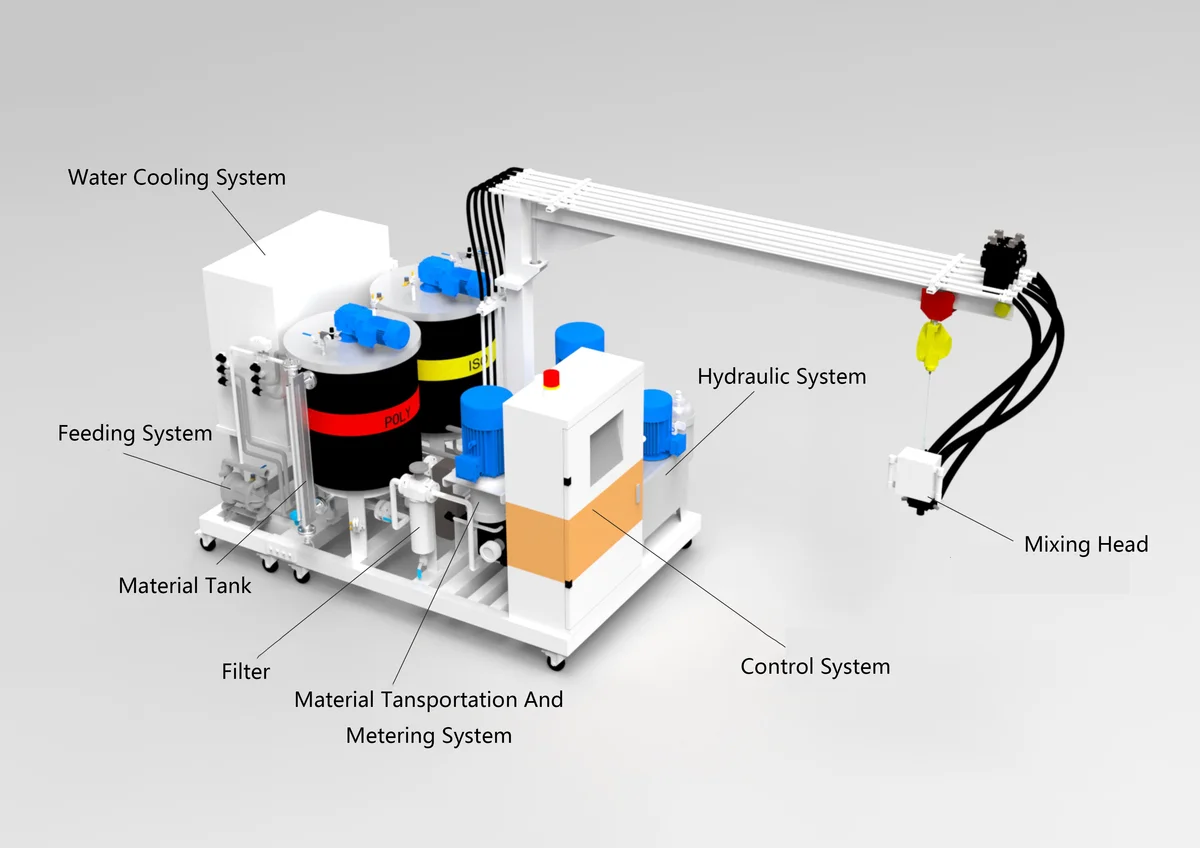
High-Pressure PU Foaming Machines
Cyclopentane / 2-component / 3-component models. Cyclopentane is the refrigerator industry standard.
Learn more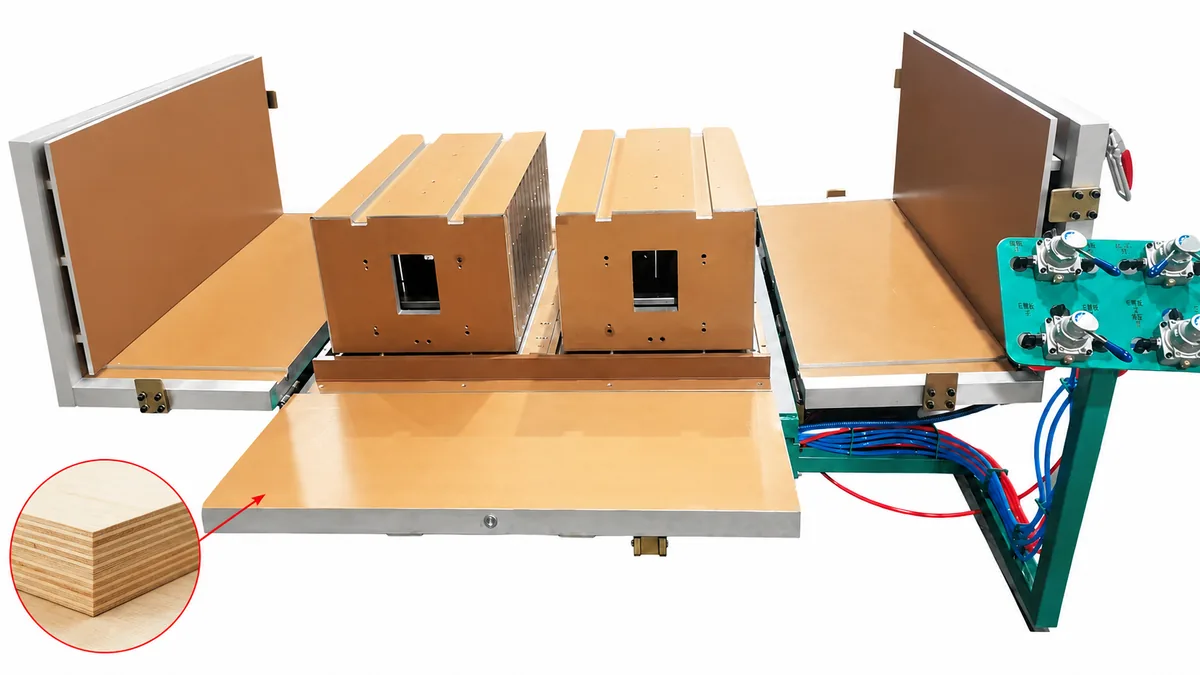
Refrigerator-grade Moulds
Vacuum-forming moulds for inner liners + foaming moulds for cabinet/door. 30-year mould-cluster network.
Learn more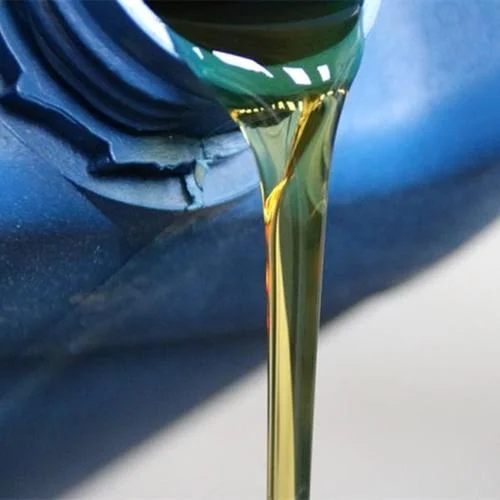
PU Raw Materials System
BASF / Covestro / Wanhua MDI + Polyol — calibrated to your climate, foam density, and cycle time.
Learn moreObtenga una respuesta rápida de un ingeniero
Dos formas de contactarnos: envíe el formulario de 5 campos a continuación o escriba directamente a un ingeniero de proyecto por WhatsApp.