
Notas de ingeniería, análisis de industria y casos reales
Orientación práctica para dueños de fábrica y jefes de proyecto que planifican producción de equipos de refrigeración — escrita por nuestro equipo de ingeniería.

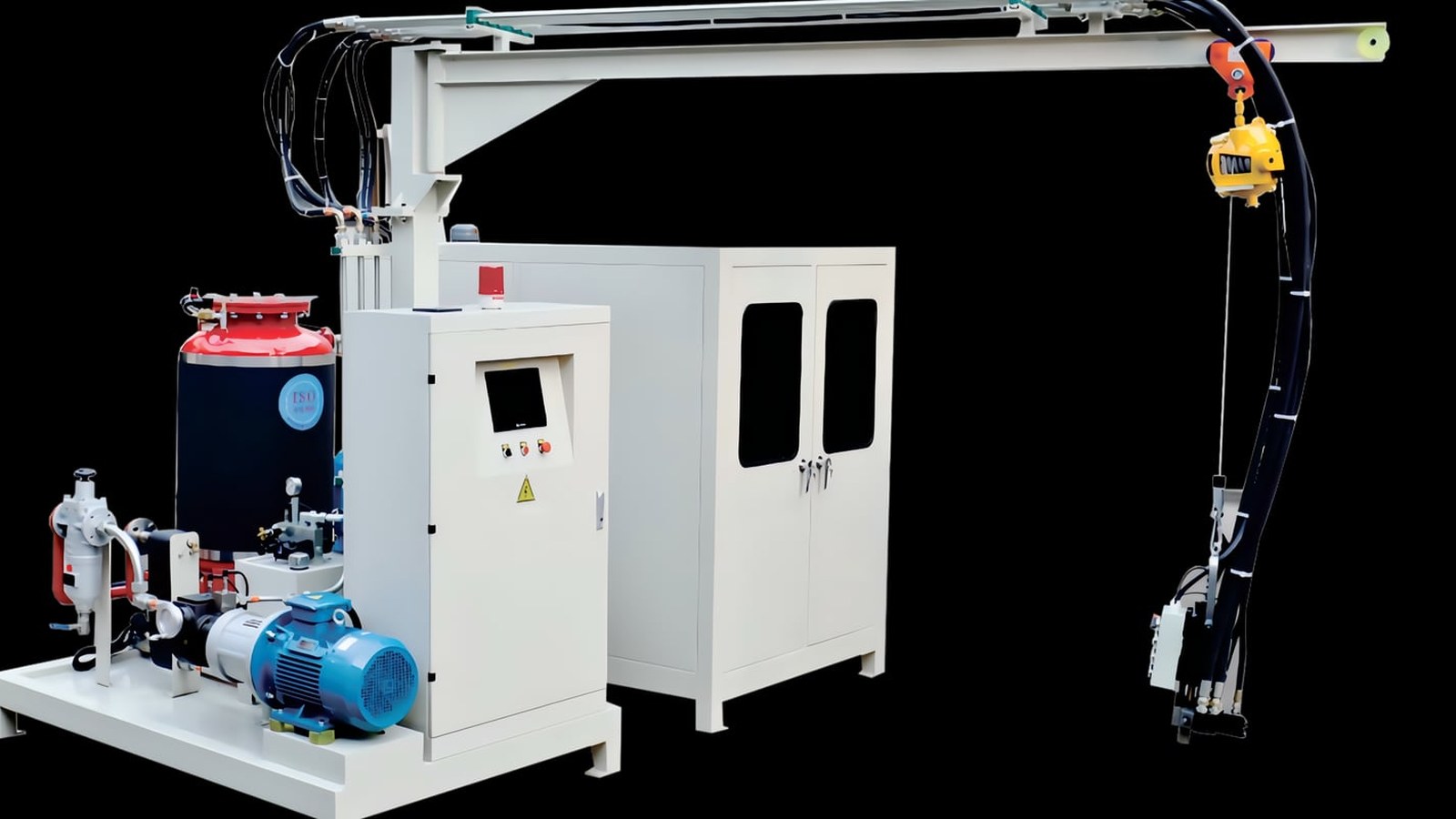
How Many Refrigerator Manufacturers Are There? Why the Real Number Depends on Which Tier You Mean
There is no single, agreed count of "refrigerator manufacturers" worldwide — the honest answer depends on whether you mean the ~20-30 global appliance brands, the thousands of regional and private-label assemblers, or the OEM/component supply chain behind all of them. Here is the landscape broken into the tiers that actually matter for sourcing decisions.

The Refrigerator Foaming Process, Step by Step: From Liner to Cured Cabinet
Refrigerator foaming is the step that turns a stamped shell and a thermoformed liner into a structural, insulated cabinet. Here is what actually happens inside the jig — mixing ratio, shot, clamp pressure, cure time — and the process variables that decide whether the cabinet comes out void-free or scrapped.
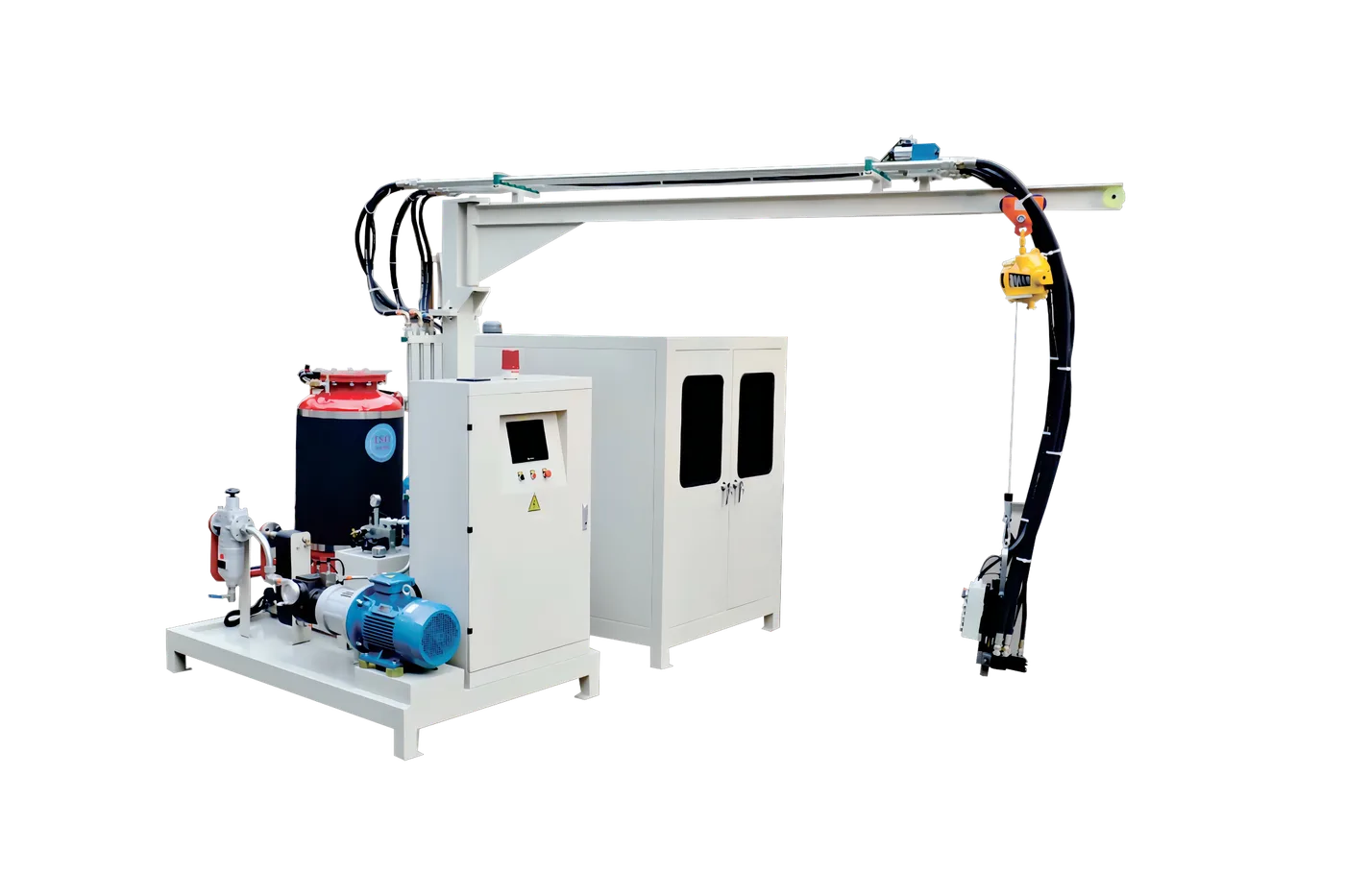
Refrigerator Machine Price: What Actually Drives the Quote (2026)
Two suppliers, two very different numbers for the "same" refrigerator machine. Here is what the price actually buys — broken down by mould, foaming machine and full line — so you can read a quote instead of just comparing totals.
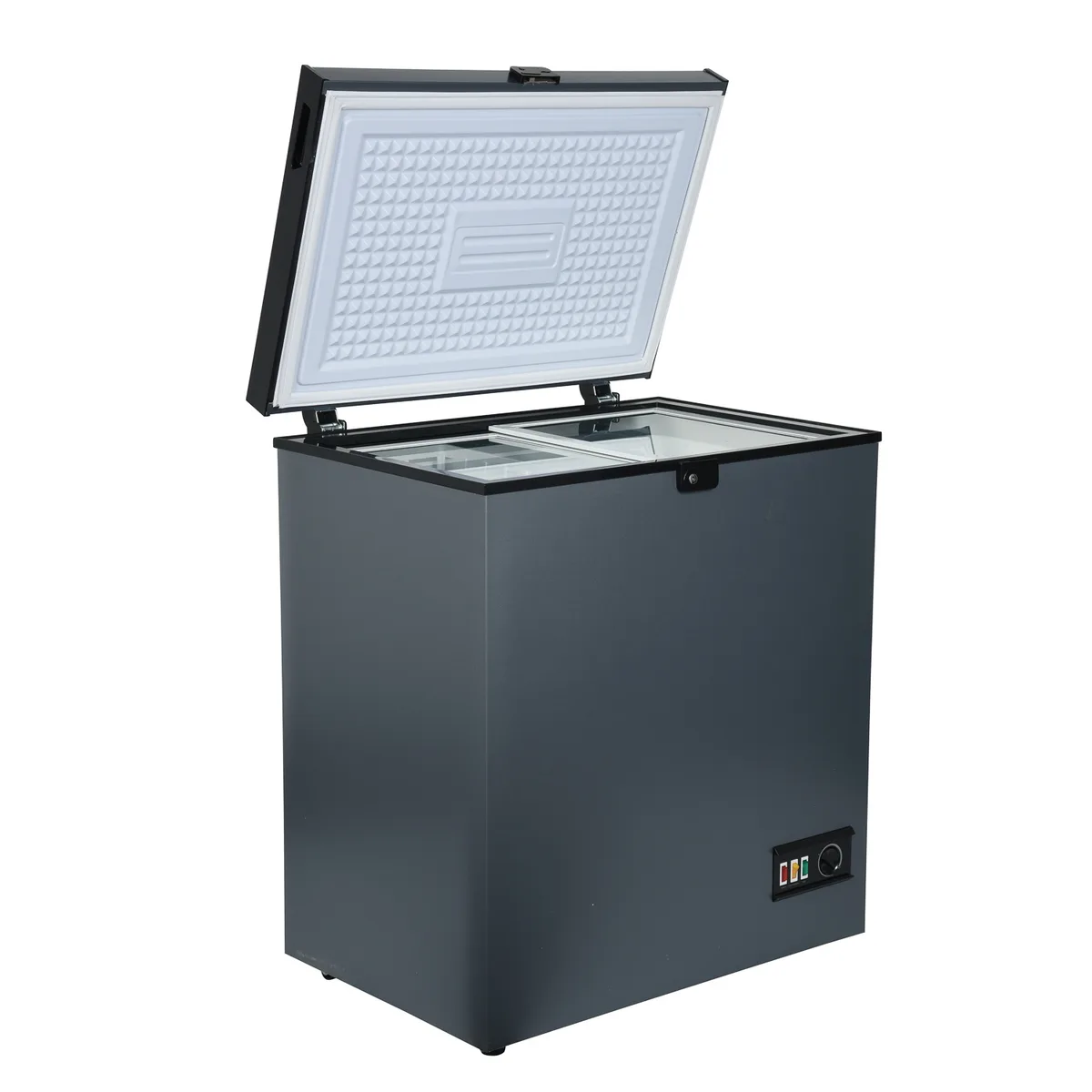
Chest Freezer Production Line — Cost, Capacity & Turnkey Factory Setup (2026 Pillar Guide)
Investment tiers from a 300-unit/day entry line to a 3,000-unit/day ultra-low-temperature build, the ATEX and Ecodesign pitfalls that stall first-time freezer OEMs, and the complete equipment list, mould selection logic and staffing plan needed to go from contract to first accepted cabinet.
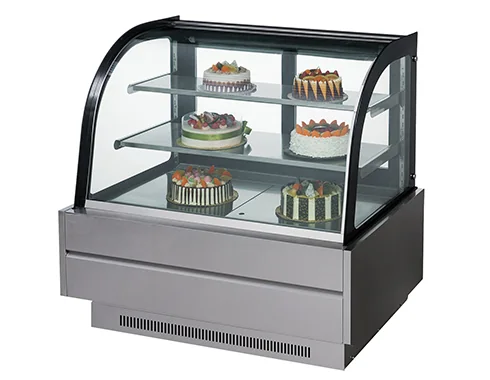
Display Cabinet Manufacturing Plant: Cost, Investment & Turnkey Line (2026 Guide)
The 8-step sequence to enter bakery, deli and supermarket display-cabinet manufacturing, three PU-foaming-line investment tiers from USD 480K to 3.5M, and exactly what a turnkey display-cabinet line does and does not include — curved glass, multi-SKU tooling and NSF/UL/EN certification covered.
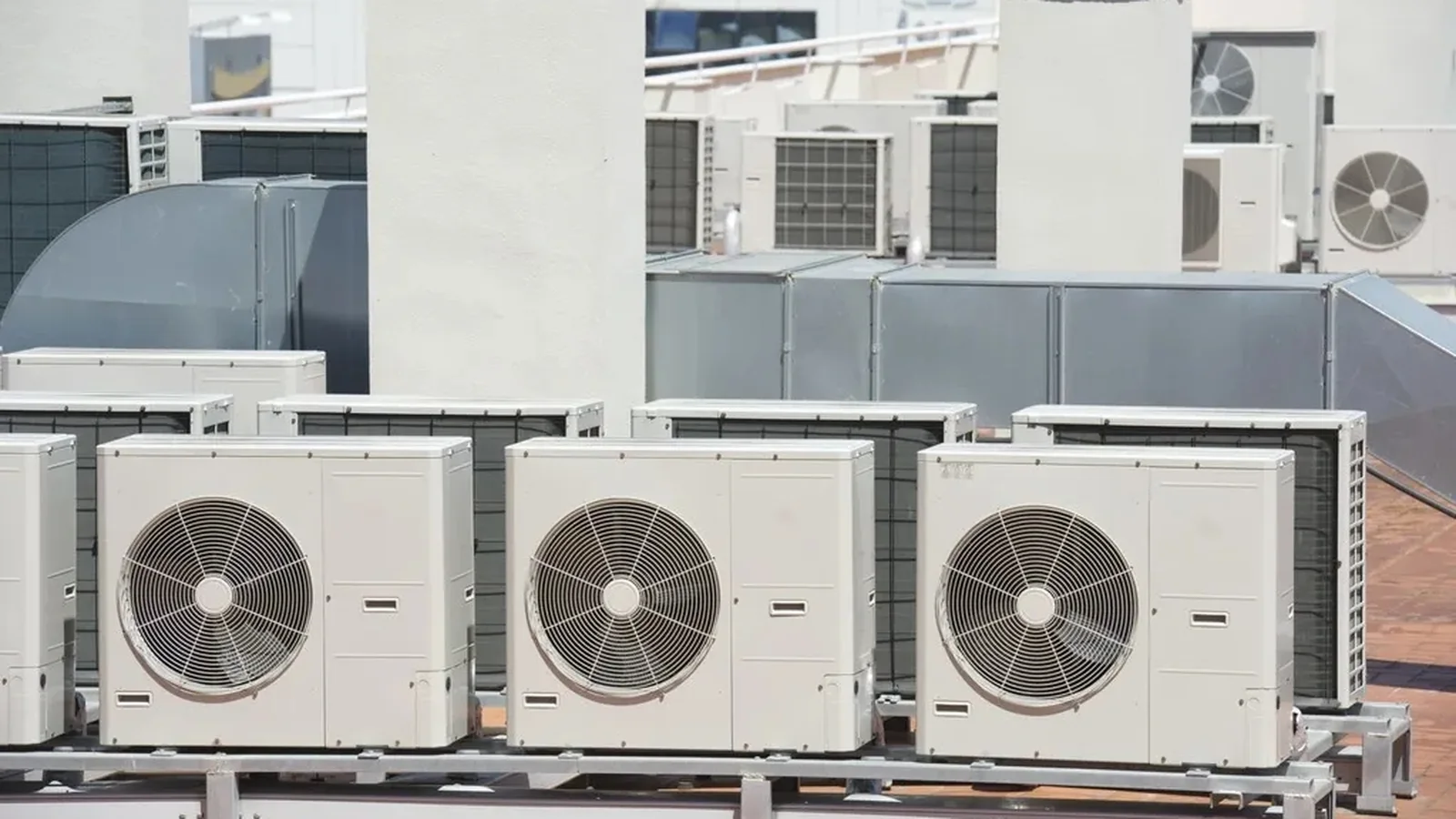
HVAC AHU Panel Production Line: Cost, Certification & Turnkey Foaming Line (2026 Guide)
What an AHU cabinet panel foaming line actually costs across three build tiers, the EN 1886 / Eurovent / AHRI 1350 / UL 1995 certification path — and exactly which classes UREXCEED helps you hit versus which stay yours to certify — plus the full equipment list and PU machine selection logic to source the line.
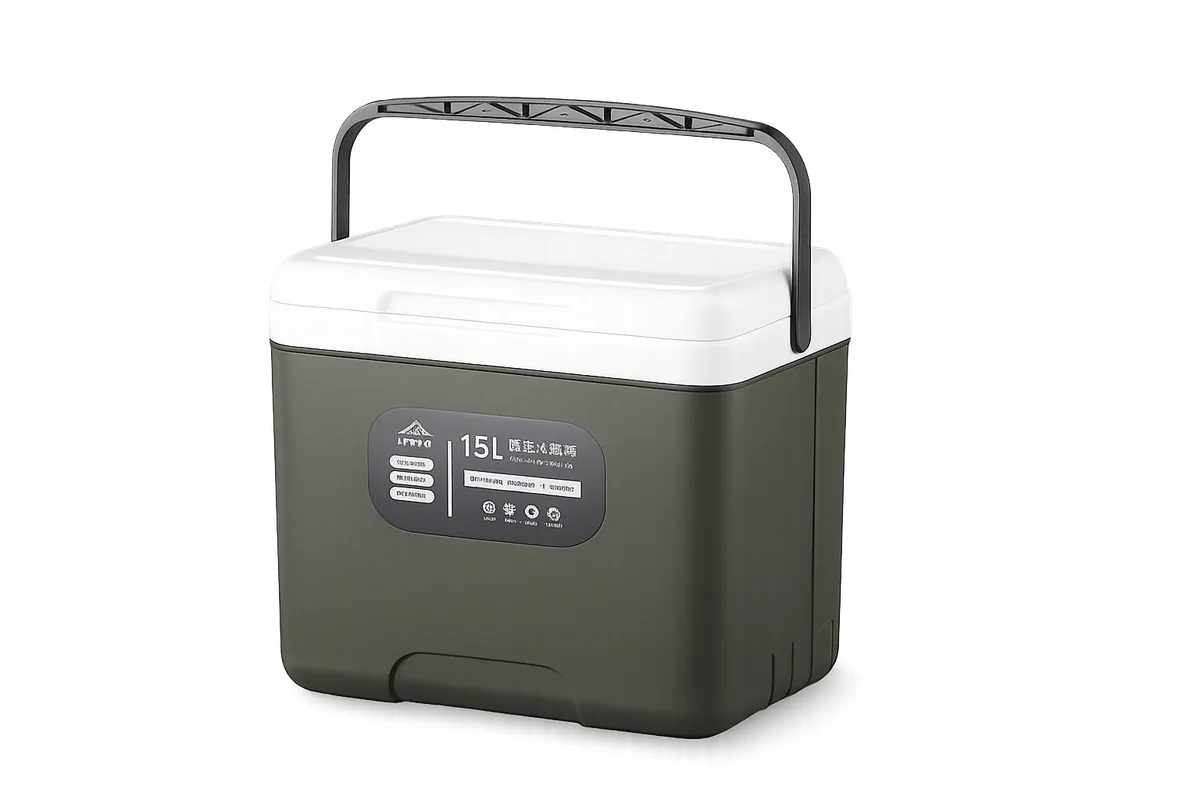
Portable Icebox Production Line: Cost & Turnkey Manufacturing Setup (2026 Guide)
The 8-step sequence to enter portable icebox and insulated-box manufacturing, three PU-foaming-module investment tiers from USD 45K to 650K, and exactly what is (and is not) included in a turnkey line — vaccine cold-chain, seafood export and meal-kit segments covered.
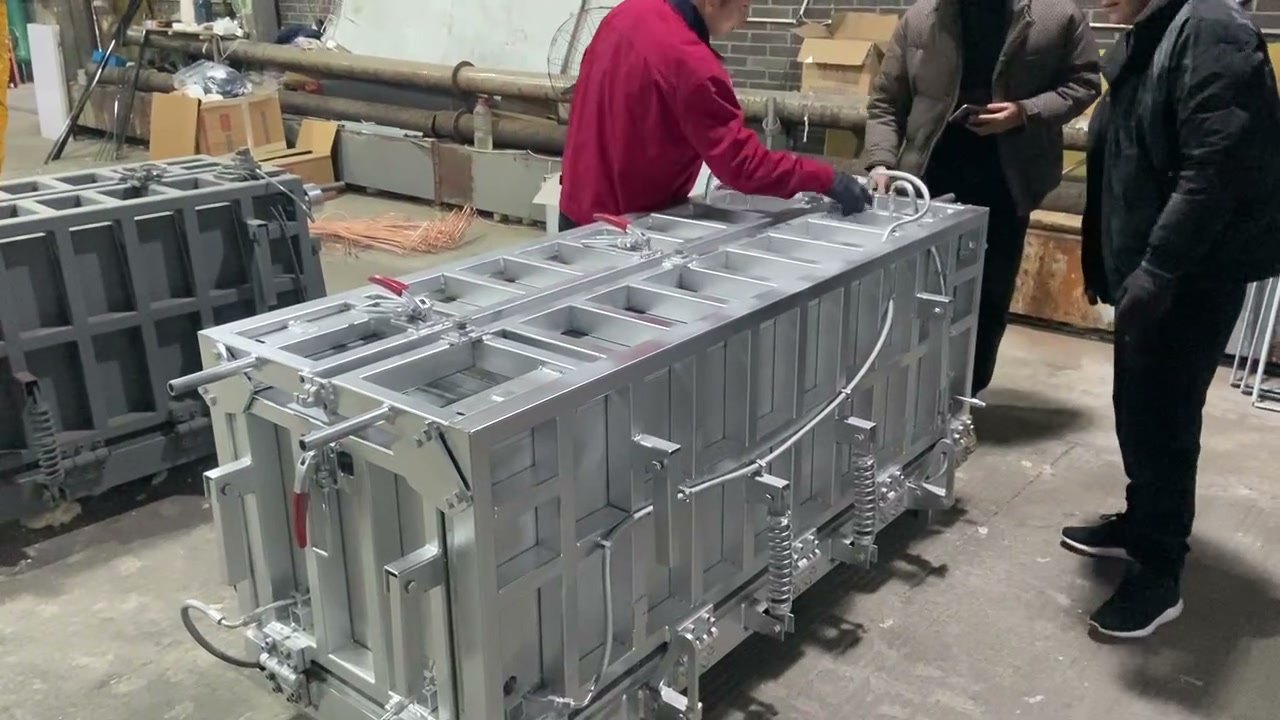
Refrigerator Foaming Mould Case Study: Why a Russian Cabinet Maker Did Not Choose the Lowest Quote
A refrigerator and freezer manufacturer running European foaming equipment renewed its cabinet-foaming tooling from China. Midway through it received a cheaper quotation for a comparable mould. It signed with us anyway — here is the seven-month decision, with the original correspondence.
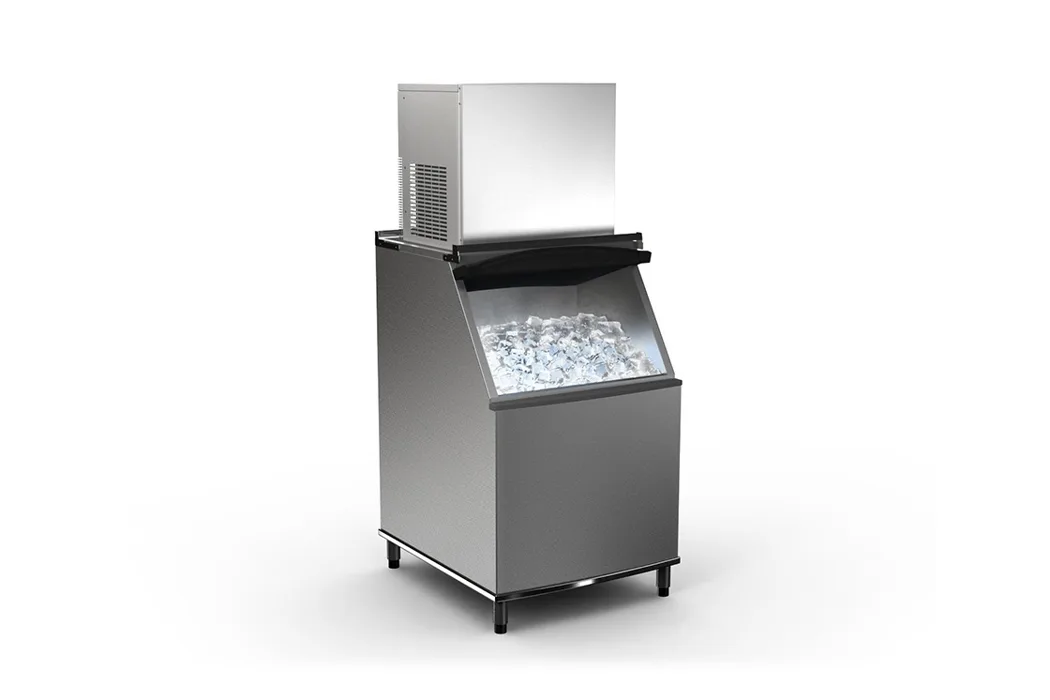
Ice Machine Production Line: Cost, ROI & Turnkey Assembly (2026 Guide)
The 8-step sequence to enter commercial ice machine manufacturing, three investment tiers from USD 600K to 2.5M, and the equipment list a turnkey line needs — tropical-spec foaming, cube/nugget/flake evaporator tooling and hard-water filtration included.
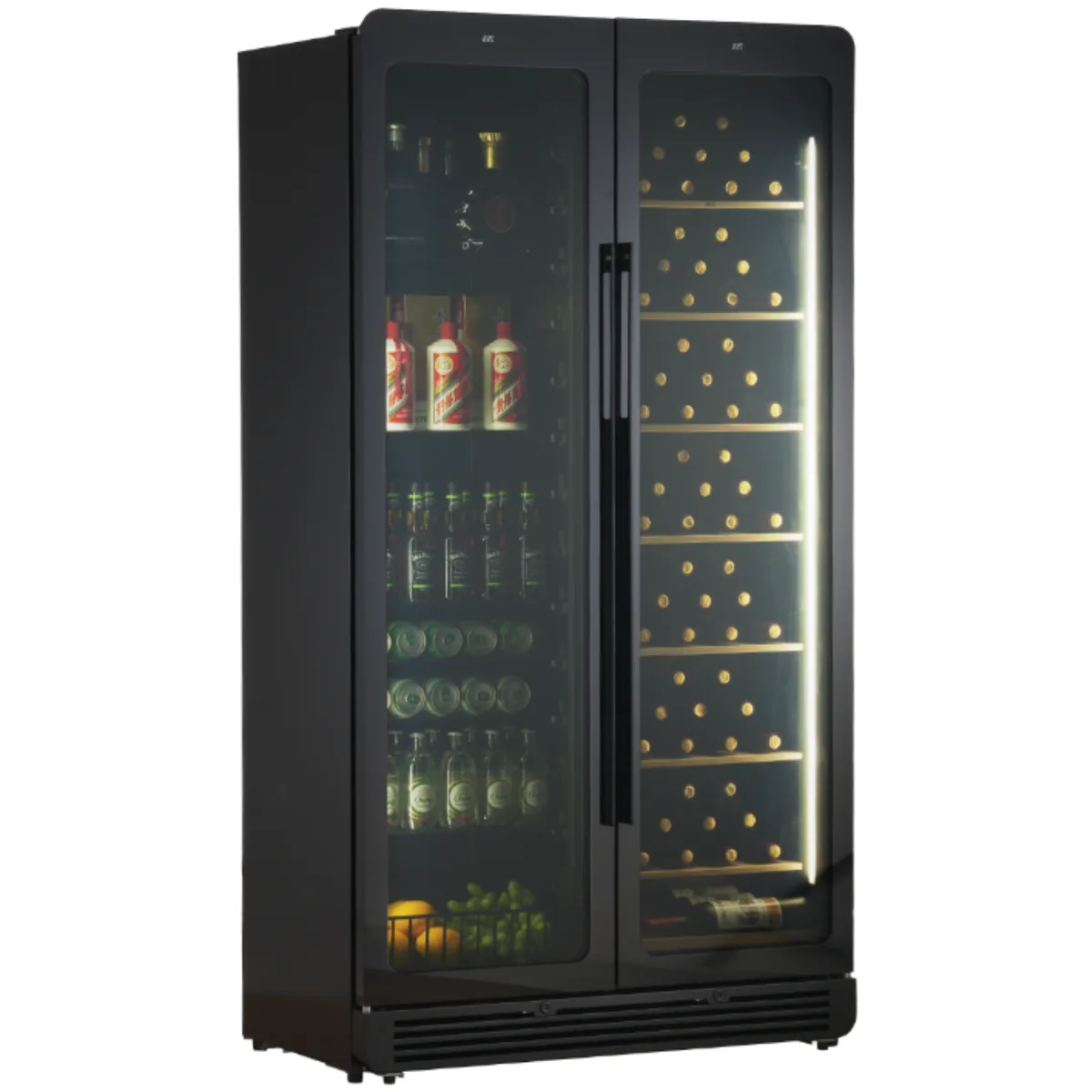
Wine Cabinet Production Line: Investment Analysis & Turnkey Manufacturing (2026 Guide)
The 8-step sequence to enter wine cabinet manufacturing, three investment tiers from USD 500K to 2M, and the equipment list a turnkey production line needs — dual-zone precision, UV-glass tooling and compressor vibration isolation included.
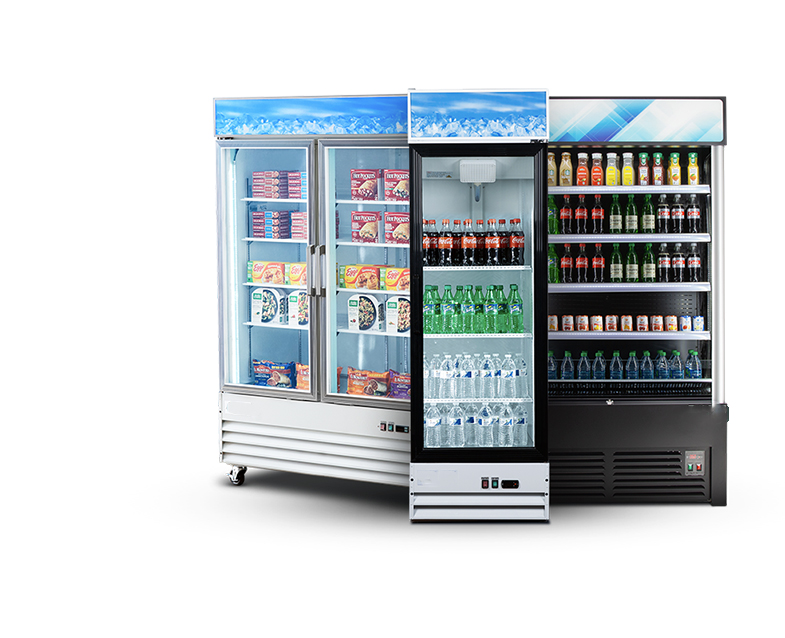
Beverage Cooler Production Line — Cost, Payback & Turnkey Setup (2026 Pillar Guide)
Investment tiers from a single-door entry line to a full bottler-program build, the payback math behind a 3,000-unit/day line, and the complete equipment list and certification checklist a beverage cooler OEM needs to go from contract to first shipment.
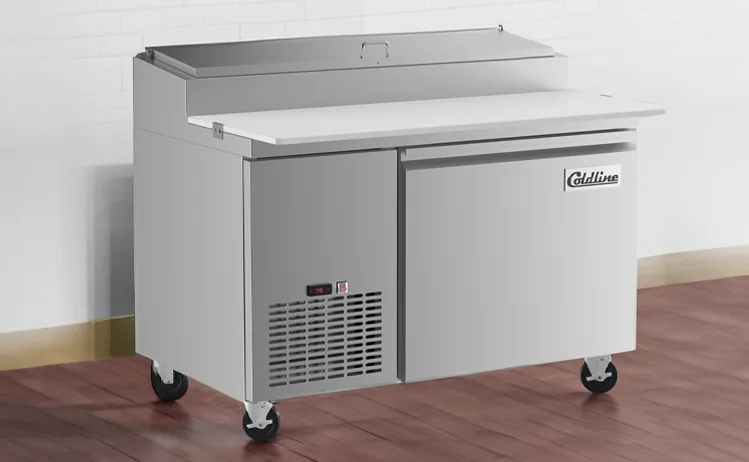
Chef Base Production Line: Cost, Break-Even & Turnkey Manufacturing (2026 Pillar Guide)
Investment tiers, the break-even math behind an 800-unit/day line, and the full equipment list and certification checklist a foodservice OEM needs to start chef base and refrigerated-counter production.
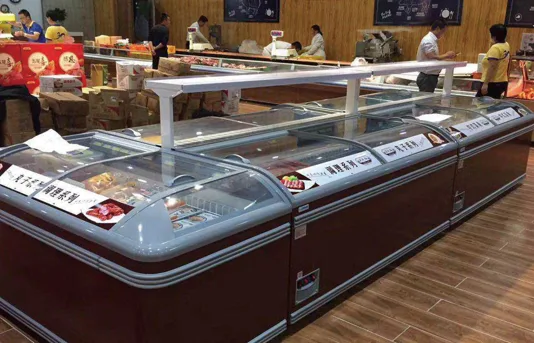
Commercial Freezer Production Line: Investment & Turnkey OEM Setup (2026 Pillar Guide)
Format-mix decision, investment tiers, retail-chain tender certifications and the full equipment list behind an island-freezer and glass-door merchandiser production line.

Cigar Humidor Manufacturing Plant: Cost, ROI & Turnkey Setup (2026 Pillar Guide)
From market entry to first commercial cabinet: the 8-step sequence, three investment tiers with real cost ranges, and the equipment list a new cigar humidor manufacturing line actually needs.

How to Start a Medical / Pharmaceutical Refrigerator Factory (2026 Pillar Guide)
From market sizing to first commercial unit: the 8-step sequence, three capacity tiers with real cost ranges, and the equipment list a new medical refrigerator factory actually needs.
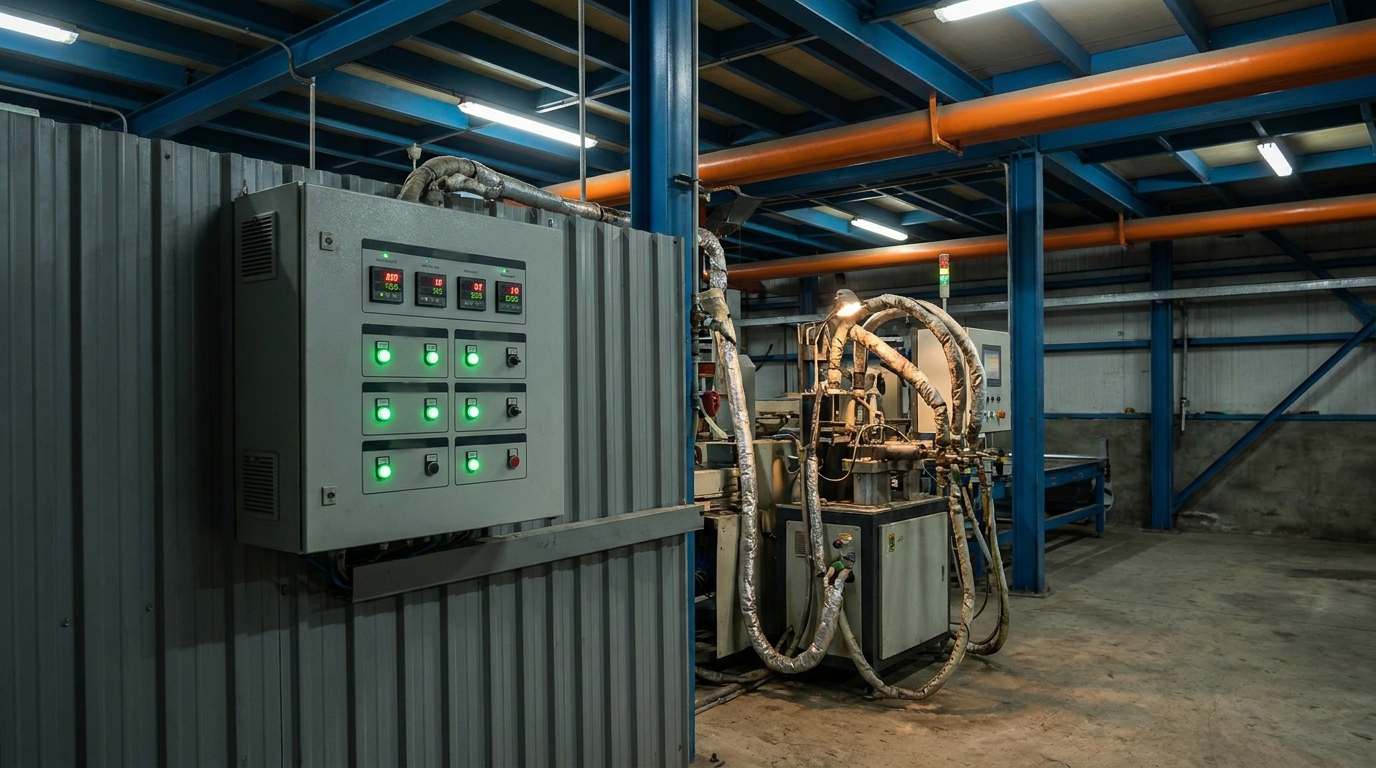
Refrigerator Cabinet PU Foaming Defects: How to Diagnose Voids, Shrinkage and Uneven Filling
A foaming defect doesn't automatically mean the PU raw material is bad. Here's a systematic way to trace voids, soft spots, shrinkage and adhesion failures back to their real cause — machine, fixture, liner, or formulation.
Converting a Refrigerator Foaming Line to Cyclopentane: Retrofit vs New Machine, Cost and Timeline
Switching from HFC-245fa to cyclopentane is an equipment and safety-infrastructure project, not a raw-material swap. Here's how to decide between retrofitting an existing foaming machine and buying a new cyclopentane-ready one, what the safety infrastructure actually costs, and a realistic project timeline.
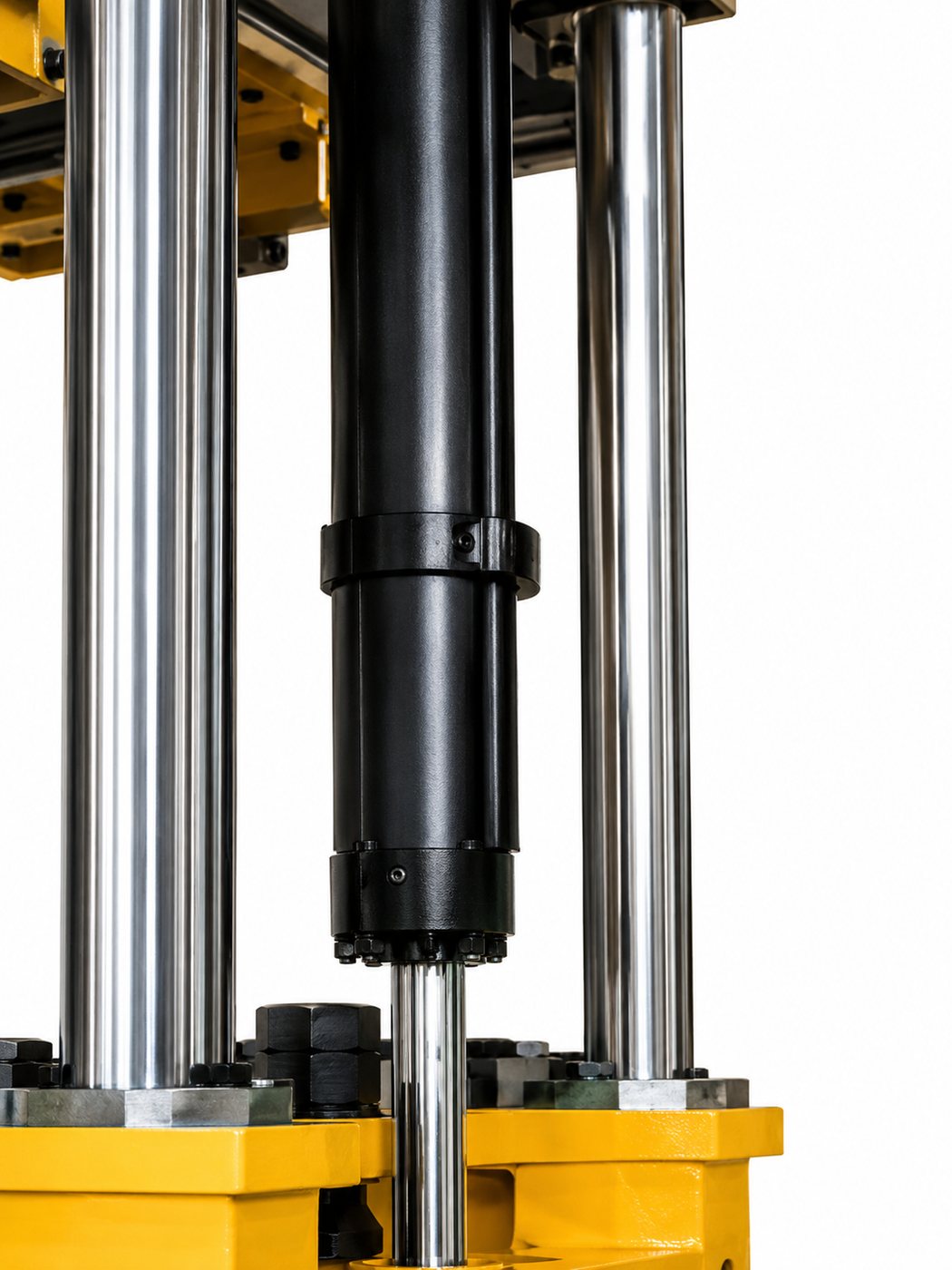
How Many Foaming Fixtures Does a Refrigerator Production Line Need?
Fixture count is not a units-per-day lookup — it is a line-balancing calculation built from net production time, takt time, and fixture occupation time. Here is the formula, a worked 1,000-cabinet example, and the 14 data points a line supplier needs before quoting fixture quantity.
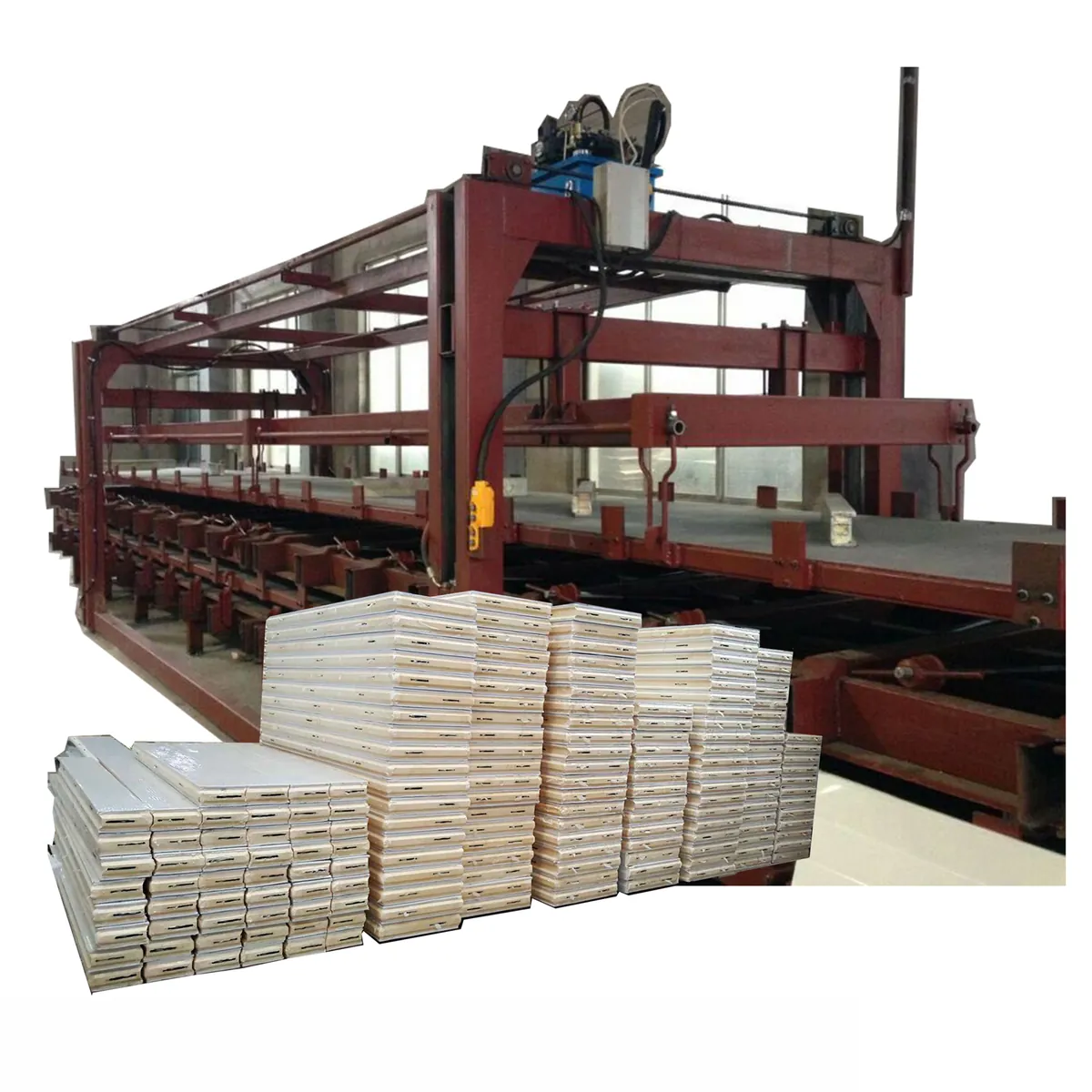
Cold Room Panel Manufacturers in the UAE: Why "Civil Defence Approved" Is Not One Question
In the UAE, a panel's paperwork has to satisfy a federal code, a product certification scheme, and an emirate-level listing — and Abu Dhabi has just formalised 54 local amendments of its own. A brochure line reading "Civil Defence approved" answers none of those three. Here is what to ask instead, why a European supplier's fire pack is the wrong currency here, and what a 45°C ambient does to the thickness you thought you needed.
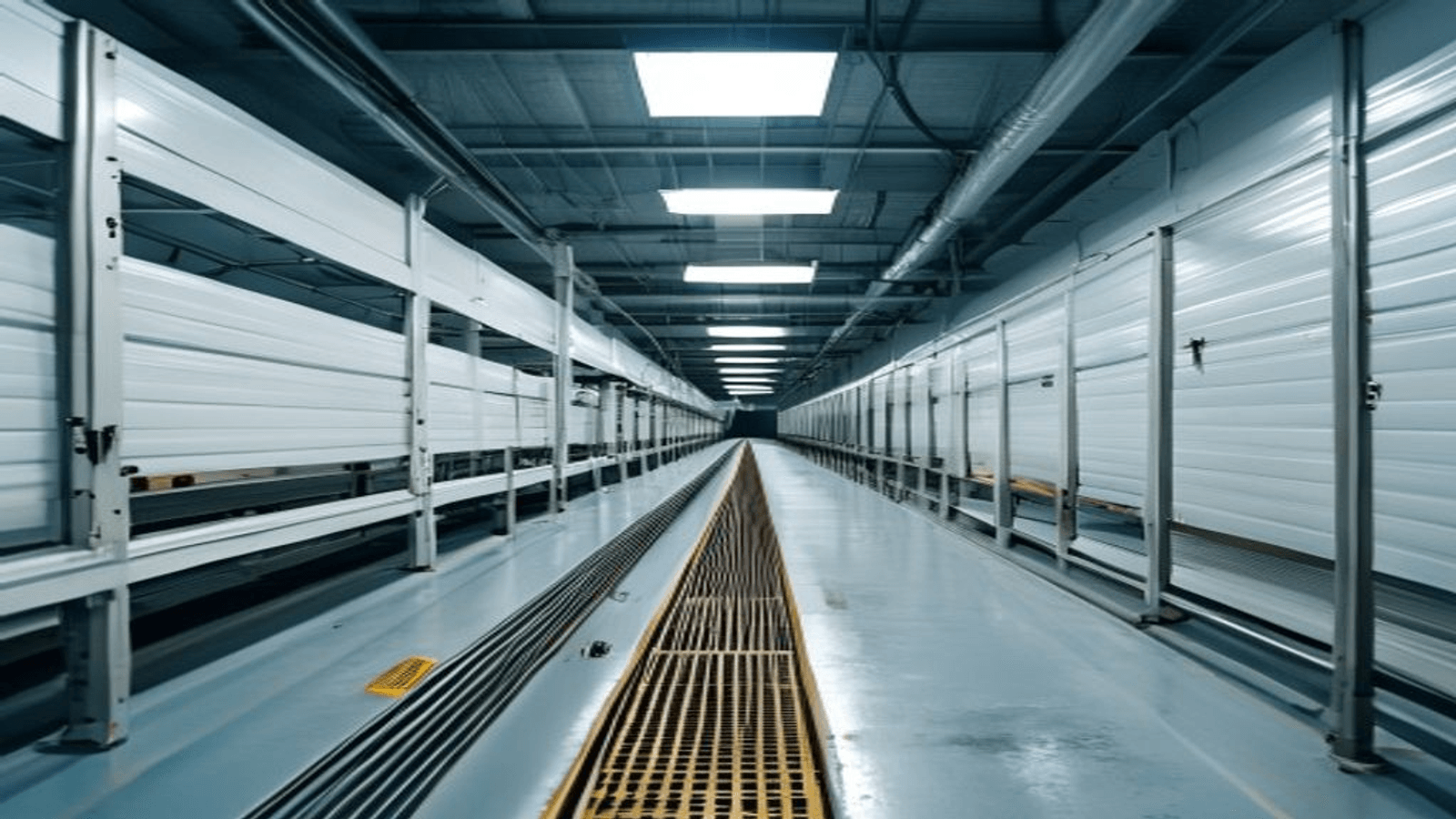
Cold Room Panel Production Process: 5-Stage Continuous Line and 5-Step Discontinuous Batch Walkthrough
A cold room panel is a metal-skin sandwich with a PU foam core, and its production process is either a five-stage continuous flow — coil decoiling, profiling, foaming, curing in a double-belt press, flying-saw cutting and stacking — or a five-step discontinuous batch cycle where skins are loaded into a hydraulic press, foam is poured, the press closes for cure and opens for de-mold. This how-to walks both processes stage by stage: what happens mechanically, what the operator controls, which process variables set foam density and closed-cell content, what QC checkpoints catch defects, and the six most common defect modes and their root causes. If you are commissioning a new line or debugging an existing one, read this against your process log.
How Much Does a Cold Room Panel Production Line Cost in 2026? Full CAPEX + OPEX Breakdown
A cold room panel production line costs anywhere from USD 180K for a single-mould discontinuous cell to USD 2.4M for a 35 m continuous double-belt press line — and the CAPEX number on the invoice is often 60–75% of the total money you need to reach first production. This pillar walks the full 2026 cost stack: 4 line tiers with real turnkey ranges, the six hidden CAPEX items every first-time buyer forgets, the per-square-metre OPEX math that decides payback, and the ROI models we run for factory owners in Europe, MENA and LATAM.
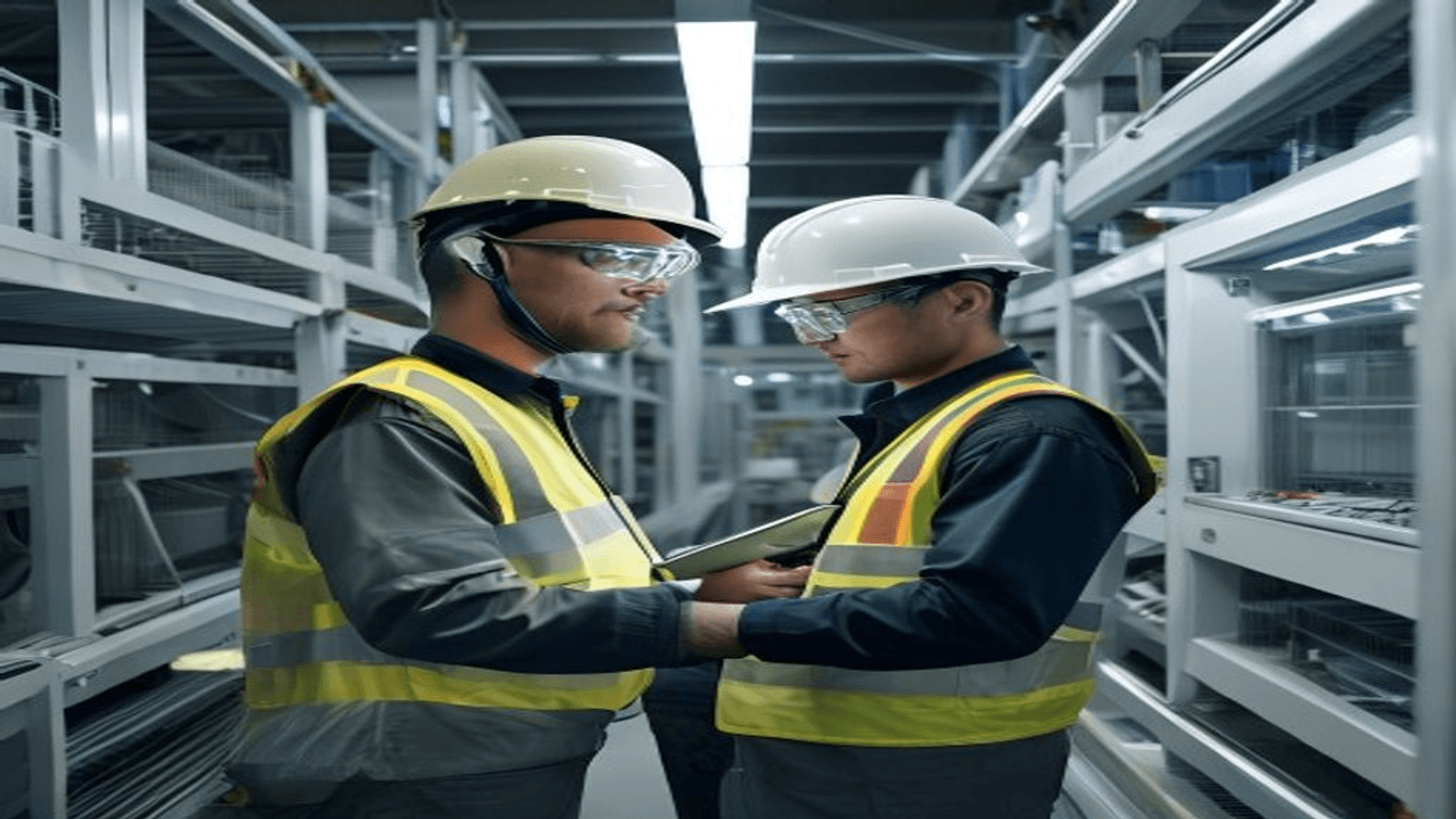
How to Choose a PU Sandwich Panel Production Line: 12-Point Buyer's Evaluation Framework
Choosing a PU sandwich panel production line is not one decision — it is twelve. Most first-time cold-room panel factories buy on line speed and CAPEX, then spend the next three years fighting scope gaps, undersized moulds, mismatched foaming systems and stranded spare-parts inventory that were all preventable at the RFQ stage. This buyer's guide is the 12-point evaluation framework we run every serious PU sandwich panel line inquiry through — what scope must be quoted, what press specs actually matter, what foaming machine pressure fits your foam density, what controls belong on the line, and the five commercial terms that decide whether the line ships on time or ships late by six months.
Continuous vs Discontinuous PU Sandwich Panel Line: Which One Fits Your Cold-Room Panel Factory?
A continuous PU sandwich panel line and a discontinuous press-mold line make the same product on paper — an insulated metal-skin panel — but they build completely different factories. Continuous lines are throughput machines: double-conveyor presses that pour PU between two steel coils and cut panels at line speed, sized for chain cold-room and roofing volumes. Discontinuous lines are flexibility machines: hydraulic-press fixtures that foam one panel at a time, sized for custom cold rooms, thick panels and low-volume premium orders. This buyer's guide compares them across eight decision axes — CAPEX, throughput, panel size, skin material, foam type, floor footprint, tooling flexibility and time to first panel — and gives you a straight answer on which one fits your factory.
AHU Casing: Construction, Panels & PU Foaming Guide
Learn how an AHU casing is built: double-skin panels, thermal-break frames, PU foam, EN 1886 classes, failure modes, and foaming-line requirements.
Icebox Foam: Why the PU Foam Core Is the Whole Cooler
A portable icebox has no compressor, so the icebox foam core is the entire product. How PU foam sets ice-retention hours, load-bearing strength and water resistance — and the defect modes that punish treating a cooler like a fridge.
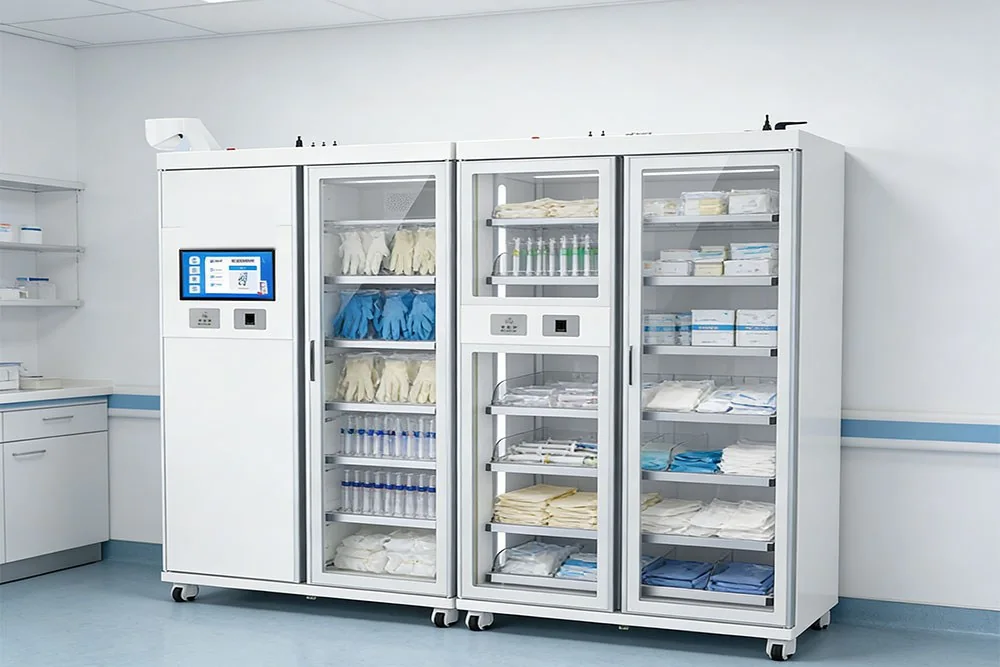
Medical vs Food Cold Chain: Why a Pharmaceutical Refrigerator Is Engineered Differently
A beverage cooler and a vaccine refrigerator can roll off the same line, but they are built for different jobs. Inside a $250B+ global cold chain whose fastest-growing slice is medical, this deep dive walks the engineering that separates a pharma refrigerator from a food one: uniformity over set point, a far wider and colder range (+2/+8 °C down to −86 °C), validation-readiness, and the cost of failure that pushes the foam toward heavier, fully-filled, holdover-capable walls.
Cigar Humidor Cabinet PU Foam, Deep Dive: Why a Humidity-Holding Cabinet Is Foamed Differently from a Cold-Chain Fridge
A cigar humidor cabinet shares a fridge's two-skin, one-PU-shot construction but not its goal: it holds a narrow 65–72% relative-humidity band at around 18 °C, not a low temperature. This deep dive walks the engineering that makes humidor foaming its own discipline — RH stability, a vapor-tight envelope (ASTM E96 permeance), the condensation a single void causes near saturation, dimensional stability so the door seal stays tight for years, and why it is a precision low-pressure job rather than a high-volume one.
Chef Base PU Foaming, Deep Dive: Why a Load-Bearing Cabinet Is Foamed Differently from a Domestic Fridge
A chef base carries heavy cooking equipment on its top deck, soaks up radiant heat from the cooktop, and is built from two stainless skins — so its PU foam has to be a structural member and an insulator at once. This deep dive walks the engineering that separates chef-base foaming from domestic-cabinet foaming: load-bearing density, k-factor under a hot deck, stainless adhesion, and the defect modes that punish treating the two cabinets the same.
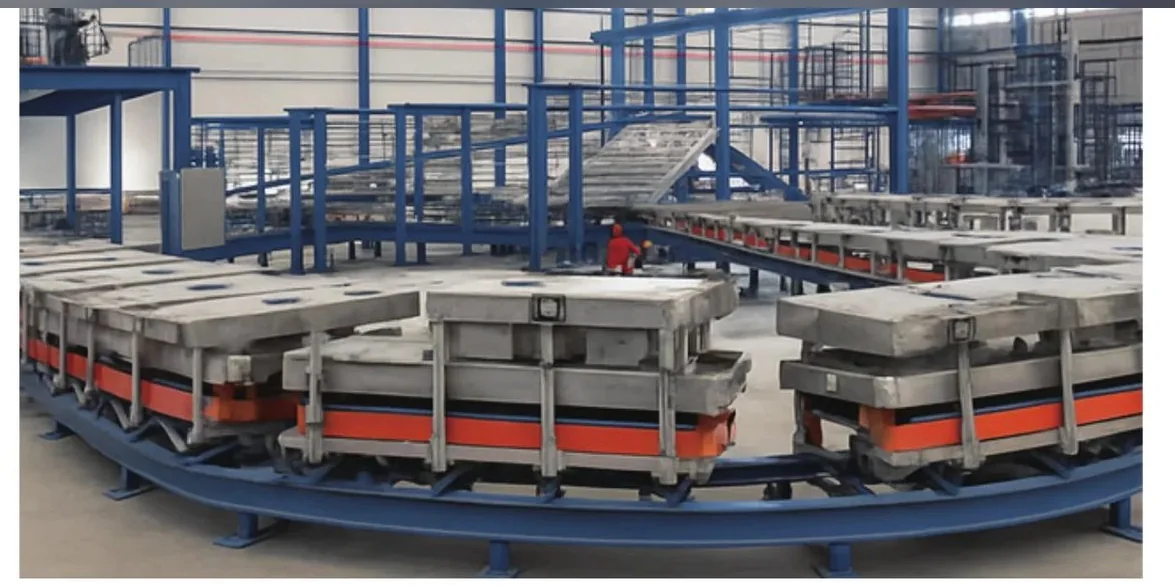
26-Station Ground-Rail Foaming Line Throughput: The Real Math Behind the Numbers
The station count in a foaming line's name is the wrong number to size capacity on. Hourly output is set by takt time and OEE; the 26 stations set curing time and work-in-process. This guide walks the actual throughput math for a closed-loop ground-rail line so you size it against your real production target.
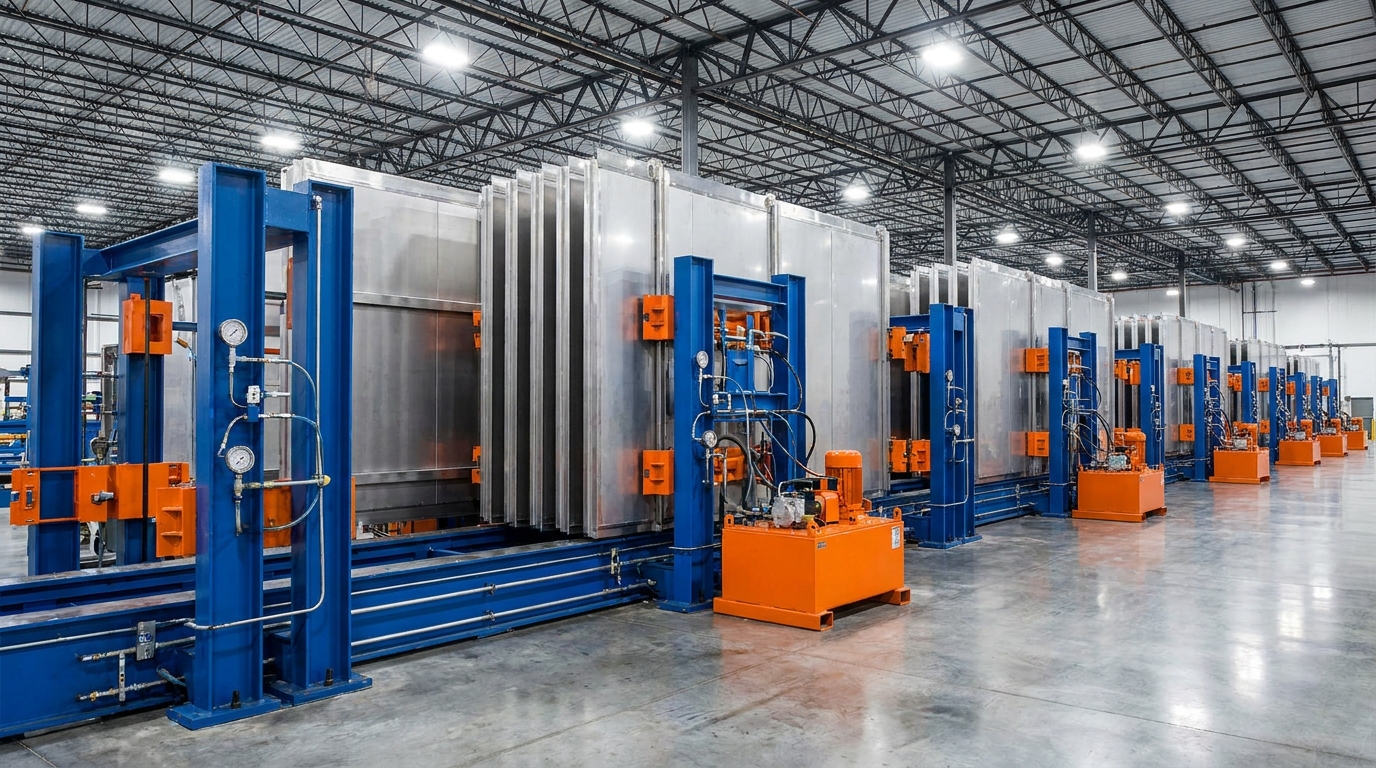
Does OSHA Require a Walk-In Freezer Panic Bar? True or False
False: OSHA does not mandate one specific panic-bar design, but a walk-in freezer must have an exit operable from inside without keys, tools or special knowledge.
Medical Refrigerator OEM Manufacturer in China — Vaccine & Pharmacy Fridge Buyer’s Guide (2026)
Sourcing a medical refrigerator (fridge) OEM manufacturer in China is a compliance and engineering decision, not a price decision. This pillar covers the four certification frameworks, the six-criteria evaluation framework, the 12-field RFQ document, realistic timelines and 2026 price tiers for procurement teams shipping vaccine and pharmacy fridges into Europe, MENA and Latin America.
Cold Chain Market Outlook to 2031: USD 455 Billion and What It Means for Refrigeration OEMs
The global cold chain market is heading toward USD 455 billion by 2031. We translate the headline into equipment decisions — which regions and product categories grow fastest, how regulation rewrites every spec sheet, and what it means for your next production line.
Medical Refrigerator Foaming — PU Specifications for Vaccine Cold Chain (−20°c to −86°C)
A domestic refrigerator that runs 2°C warmer than its label costs a household USD 30 a year in spoiled groceries. A medical refrigerator that runs 2°C warmer costs a vaccine campaign hundreds of doses and a regulatory investigation. The foam is where that 2°C lives.
DOE 2027 + EU Ecodesign 2026 — Four New Rules Reshaping Refrigerator OEM Production
If your refrigerator production line was specified before 2024, it is now compliance-fragile. Four overlapping regulatory shifts — US DOE energy standard, EU Ecodesign revision, high-GWP blowing-agent phase-down and right-to-repair mandates — are tightening every spec sheet your finished products must meet.
Freezer Mould Selection Guide: Chest vs Upright vs Display Cabinet
A freezer mould is not one product — chest (horizontal), upright and display (island / glass-door) freezers each need a different mould geometry, clamping load and cure schedule. This guide picks the right freezer mould family by cabinet size, volume and operating temperature.
Refrigerator Mould (Mold) Buyer's Guide: Types, Materials & Sourcing in 2026
Compare refrigerator vacuum-forming tools and PU foaming molds: what each tool does, the drawings a supplier needs, clamping and safety questions to resolve, and how to evaluate a mold before production approval.
Turnkey Refrigerator Project vs Equipment-Only — Which Fits Your Factory?
A refrigerator OEM buyer asking for a quote almost always hears the same two options: turnkey or equipment-only. The price gap is usually 15-30%. The risk gap is much larger — and often pointing the opposite direction.
How to Choose a Refrigerator Production Line Supplier — 12 Criteria
Most buyers compare refrigerator production line suppliers on quotation price alone. Three months after commissioning they discover the real cost: stranded spare-part inventory, missed energy labels, or an engineer who takes two weeks to reach the site.
Cold Storage Temperature Zones: Insulation Thickness and R-Value Specifications for +4°c to -40°C
Five standard cold storage temperature zones — from +8°C chilled to -86°C ultra-low — each require specific PU foam panel thickness, density, and vapor barrier. This guide maps ASHRAE and IIR zone classifications to the panel specifications manufacturers need to quote.

How to Maintain PU Foaming Machines: Daily, Weekly & Annual Preventive Maintenance Checklist
A structured preventive maintenance schedule keeps your PU foaming machine productive for 15–20 years instead of 8–10. Get the daily, weekly, monthly and annual checklist — plus spare-parts inventory and common failure prevention.

PU Spray Foam Machine: Types, Applications & Buyer's Guide for Cold Chain Insulation
Hydraulic, electric or air-driven — which spray foam machine fits your cold storage and refrigerated transport projects? We compare output, cost and ROI so you can invest with confidence.
Refrigerator Liner Thermoforming Equipment & Machine [2026]: ABS vs HIPS, 5-Stage Process
Refrigerator thermoforming machine market guide: compare liner equipment options, ABS vs HIPS materials, 5-stage process, and USD costs for 2026 buyers.
PU Foaming Line for Insulation Box Production
Cold Storage Panel Production Line — Setup, Cost & Capacity Guide
A complete guide to investing in a cold storage sandwich panel production line: 5 core stations, capacity planning tables, USD 450K–1.09M investment breakdown, quality standards, and a 4–6 month project timeline.
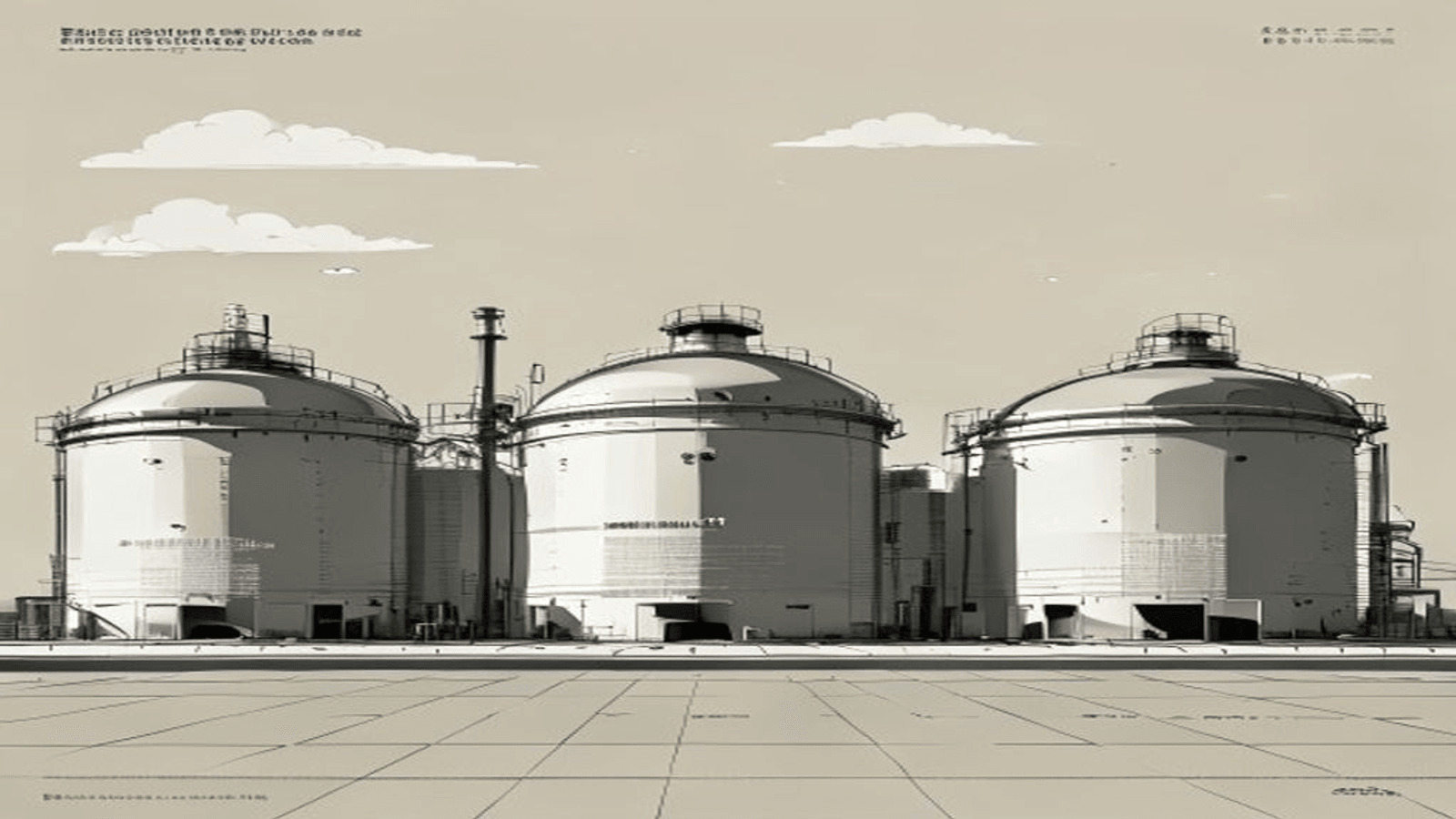
Cyclopentane vs HFC-245Fa vs HFO Blowing Agents — Which PU Foam System Fits Your Refrigerator Factory?
Three blowing agents, three very different regulatory and cost trajectories. We compare GWP, k-factor, safety capex and total cost of ownership so you can choose the right PU foam system.
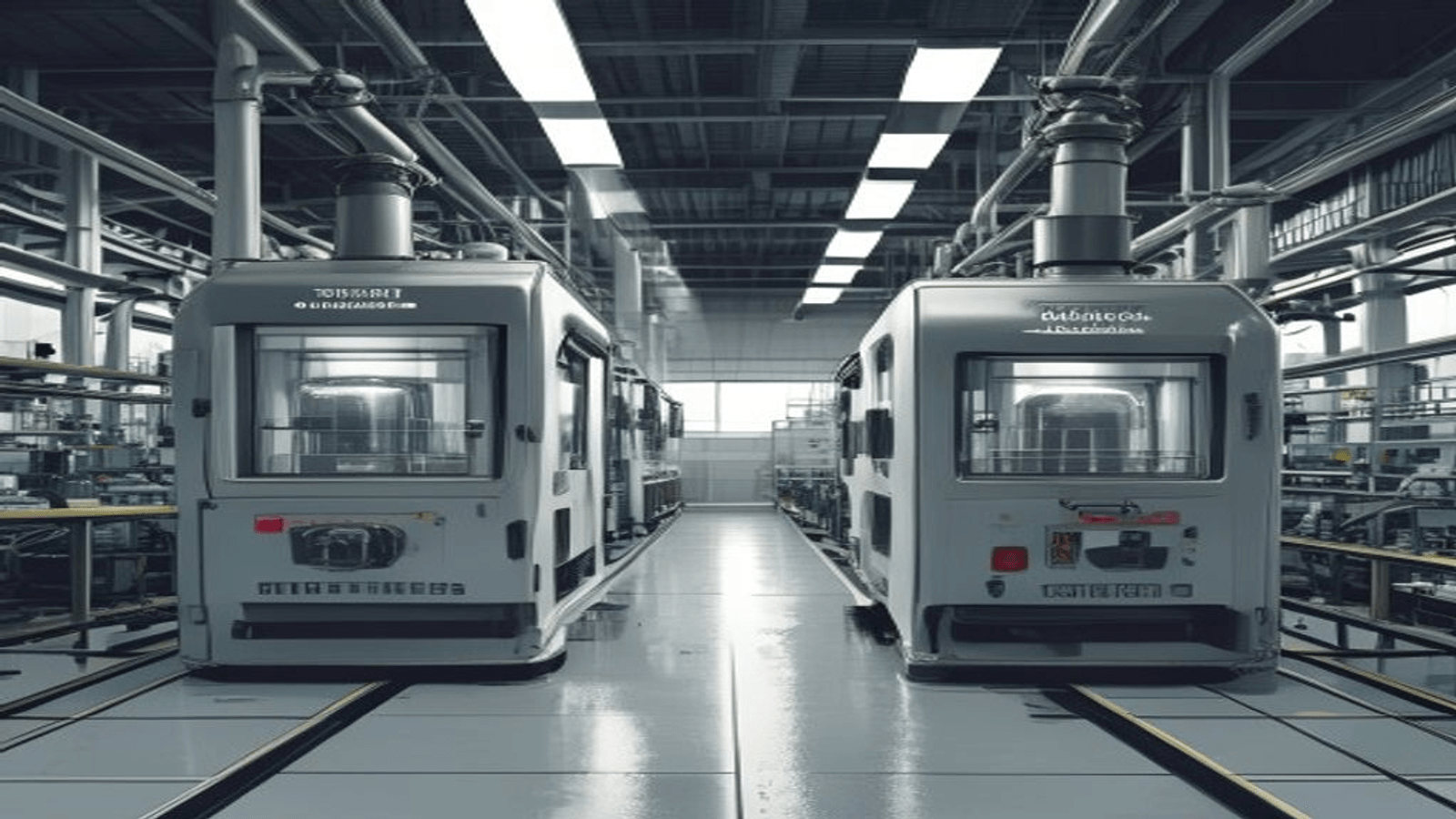
High-Pressure vs Low-Pressure PU Foaming Machine — Which One Does Your Factory Need?
Same chemicals, very different machines. We break down pressure, output, foam quality and investment so you can pick the right PU foaming machine for your line.
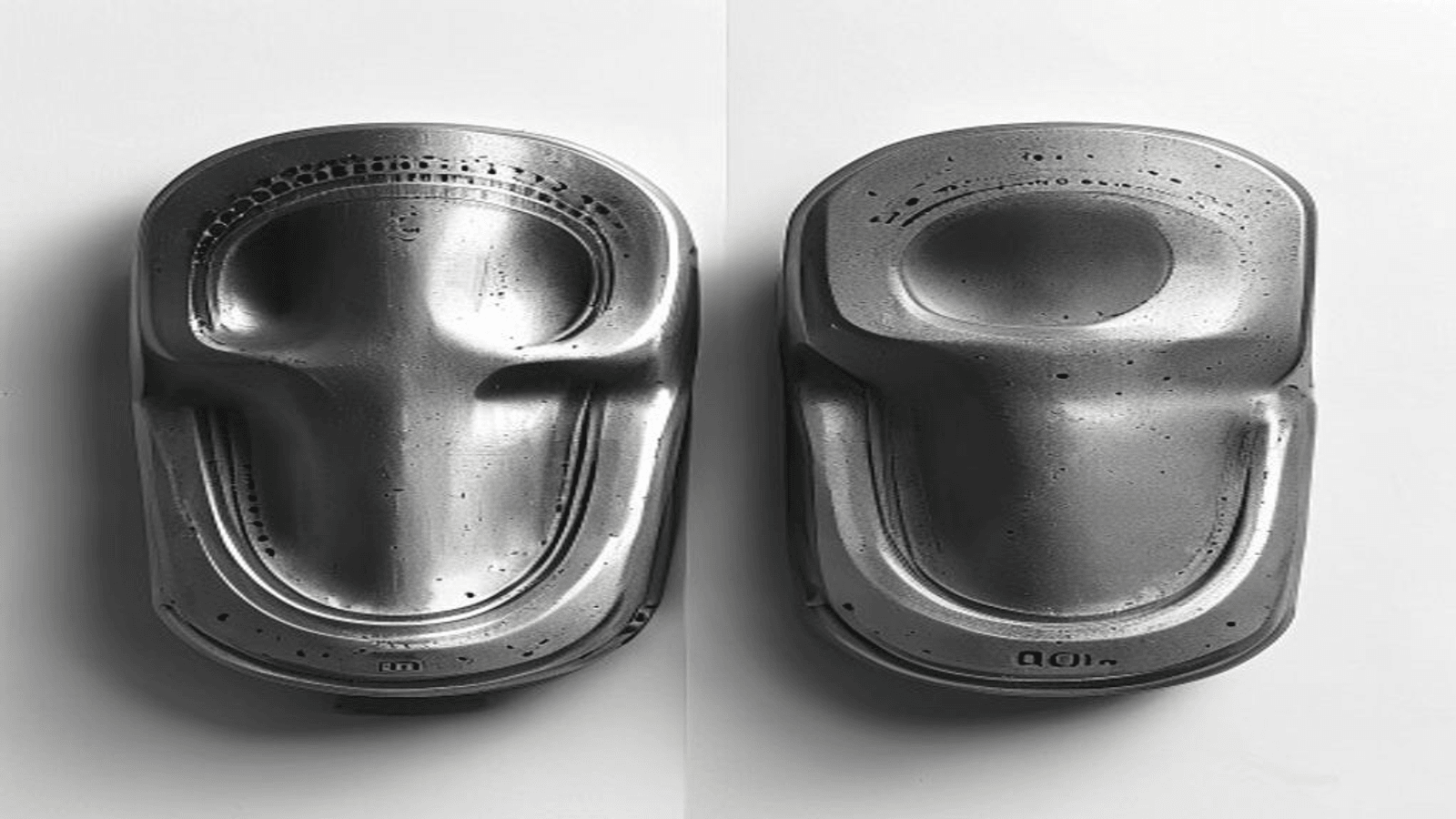
Vacuum Forming vs Foaming Moulds for Refrigerator Production — a Practical Comparison
Two very different moulds, one production line. Here is how we help factory owners choose between them — with precision specs, lifespan, lead time and typical budget.

Refrigerator Foam Insulation (Fridge): Density & K-Factor Guide
Refrigerator foam insulation guide for OEM cabinets: compare rigid PU density, K-factor, wall thickness and VIP options for household and commercial fridges.
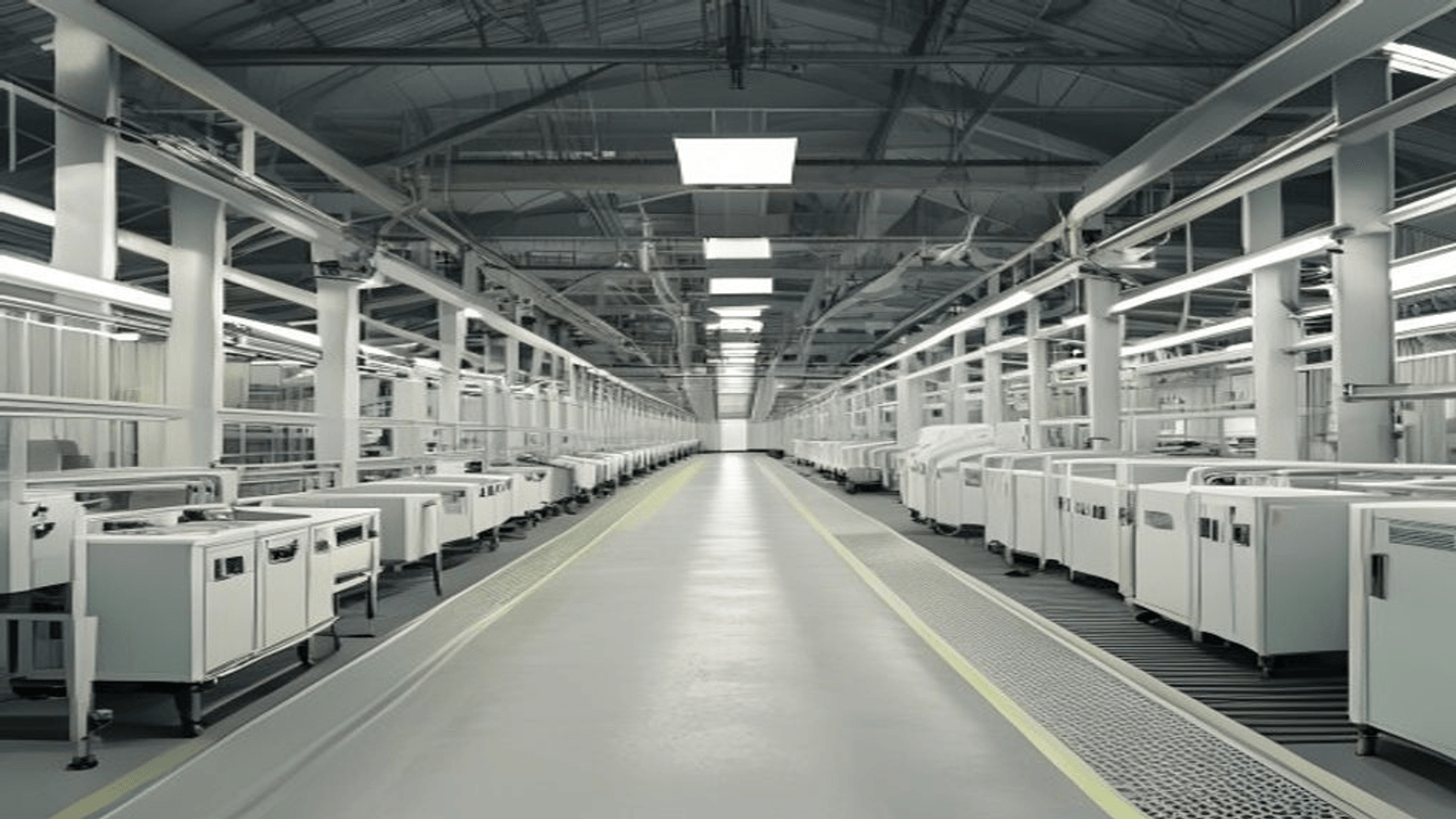
Refrigerator Production Line Setup: Capacity Planning, Factory Layout and Investment
Most new-line projects start with a spreadsheet of machine quotes. That is the wrong order. Here is the planning sequence we use with first-time factory owners.