
Chef Base PU Foaming, Deep Dive: Why a Load-Bearing Cabinet Is Foamed Differently from a Domestic Fridge
A chef base carries heavy cooking equipment on its top deck, soaks up radiant heat from the cooktop, and is built from two stainless skins — so its PU foam has to be a structural member and an insulator at once. This deep dive walks the engineering that separates chef-base foaming from domestic-cabinet foaming: load-bearing density, k-factor under a hot deck, stainless adhesion, and the defect modes that punish treating the two cabinets the same.
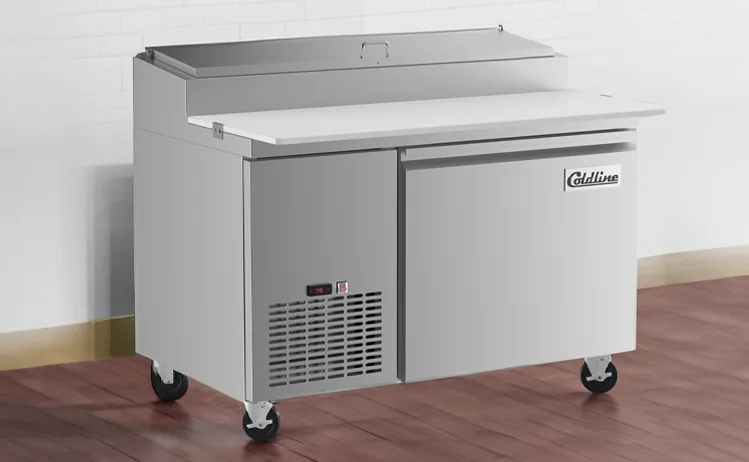
On a chef base a single PU shot does two jobs a domestic cabinet never asks of it: it bonds two stainless skins into a load-bearing top deck that carries a charbroiler or griddle, and it insulates against heat radiating down from the cooktop. That means higher, tighter-tolerance density (compressive strength scales with density, per ASTM D1621) plus a low k-factor from full corner-to-corner fill (measured under ASTM C518 / ISO 8301). Stainless skins make adhesion harder than the plastic liners on a domestic cabinet, and the failure modes — soft or voided top deck, delamination, dimensional bow, cold-bridging — map straight onto those demands. Size the foam to the real deck load and heat soak, confirm the line is set up for stainless adhesion, and verify density tolerance and fill per unit. We supplies the foaming line, moulds and raw materials only — not finished chef bases or NSF certification.
Put a refrigerated chef base and a domestic refrigerator side by side on a PU foaming line and they look like the same job: two skins, a cavity, one polyurethane shot. They are not. A chef base carries a 60–120 kg charbroiler or griddle on its top deck all day, soaks up the radiant heat pouring down from that cooktop, and is built from two stainless skins instead of painted steel — so the foam inside it has to be a structural member and an insulator at once. This deep dive walks the engineering that separates chef-base foaming from domestic-cabinet foaming: the density that makes a top deck load-bearing, the k-factor that keeps the cabinet cold under a hot deck, the adhesion problem stainless creates, and the defect modes that punish a line that treats the two cabinets the same. If you want the step-by-step process and equipment set, that lives on our chef-base PU foaming process page; this article is about why the numbers are different.
Why a chef base is the hardest cabinet on the line
A domestic refrigerator cabinet has an easy life. Nothing heavy sits on it, the heat load is ordinary room air, and the inner liner is usually thermoformed ABS or HIPS that PU foam bonds to readily. The foam's main job is insulation, and the structural demands are modest — the steel shell carries the loads. A chef base inverts almost every one of those assumptions. Its top deck is a working surface that supports heavy cooking equipment; the air directly above it is radiating cooking heat downward; and the cabinet is typically all-stainless, inside and out, for hygiene and wash-down. Each of those three facts changes what the foam must do, and none of them can be solved by simply running the domestic recipe a little harder. Over 1,800+ line projects across 40+ countries, the chef base, the cigar humidor cabinet and the medical cabinet are the three that most reward getting the foam chemistry and fill discipline exactly right — and most punish treating them as a generic fridge.
One pour, two jobs: structure and insulation
The defining feature of chef-base foaming is that a single PU shot has to deliver two engineering functions that pull in slightly different directions. As structure, the cured foam bonds the stainless inner liner to the outer shell into one rigid sandwich panel — a composite that carries the deck load without the steel skins flexing or oil-canning. As insulation, that same foam has to present a uniform, low-conductivity wall with no voids so cooktop heat does not drive into the food compartment. On a domestic cabinet you optimise almost entirely for the second job. On a chef base you cannot trade one against the other: under-density the foam to chase a lower k-factor and the deck goes soft; over-pack it for stiffness and you waste material and can distort the panel. The whole discipline of chef-base foaming is hitting both targets from one metered injection — which is exactly why high-pressure metering with tight ratio control matters more here than on any domestic line.
Density: the number that makes a top deck load-bearing
Foam density is the lever that turns a chef-base panel from "insulated box" into "load-bearing structure." Rigid PU for domestic appliances typically lands around 32–38 kg/m³ — enough to insulate and self-support. A chef-base top deck generally needs more, because the compressive strength and stiffness of rigid polyurethane scale strongly with density: a modest density increase buys a disproportionate gain in the panel's resistance to deflection under a point load. Compressive strength here is not a marketing word — it is a measured property under ASTM D1621, the standard test for compressive properties of rigid cellular plastics, and it is what you specify against when an equipment maker tells you a deck must carry a given griddle weight without measurable sag. The catch is that density has to be uniform. A higher nominal density with a low-density shadow behind a rib or in a corner is worse than a consistent moderate density, because the soft zone becomes the hinge the deck folds on. That is why chef-base foaming targets a tight density tolerance on the metering — on the order of ±1.5 kg/m³ — and full corner-to-corner fill, rather than just a higher average. Our deeper treatment of how density and the k-factor trade off lives in the PU foam density and k-factor guide.
k-factor under a hot deck: insulation that fights heat from above
Most insulation specs assume the heat is coming from warm ambient air on all sides. A chef base has an extra, asymmetric heat source: the cooking equipment on top radiates downward straight through the deck. That makes the top wall the critical thermal path, and it means a thin spot or void there is far more costly than the same flaw on a side wall. The property you are managing is thermal conductivity — the k-factor (or "lambda") — measured for these panels under ASTM C518 or its ISO counterpart ISO 8301, both heat-flow-meter methods. Two things drive a good k-factor: a fine, closed-cell structure, and a blowing agent with low gas conductivity trapped inside those cells. This is where blowing-agent choice (cyclopentane and the low-GWP HFOs) earns its keep, and it is also where chef-base foaming is unforgiving — because the heat soak from the deck accelerates any path that a void or a partial fill opens up. The honest engineering rule is that on a chef base you cannot insulate your way out of a structural shortcut: the top deck has to be both dense enough to carry load and fully filled enough to block the downward heat, and only disciplined fill achieves both.
Bonding two stainless skins: the adhesion problem domestic lines don't have
Here is the difference that quietly breaks lines set up for domestic work. A domestic cabinet bonds PU to a thermoformed plastic liner and a painted steel shell — both surfaces the foam grips easily. A commercial chef base is usually stainless inside and out, and bare stainless is a smoother, lower-energy surface that PU adheres to less readily. If the bond between the foam and the skins is weak, the "sandwich panel" stops behaving like one structure: the skins and the core can shear relative to each other under load, and the load-bearing benefit you paid for in density evaporates. Solving it is a combination of surface conditioning before the pour, the right system chemistry matched to stainless, and a calibrated shot that achieves full-cavity contact so the foam is mechanically keyed to every part of both skins. None of that is exotic, but it is a deliberate setup — a line tuned for plastic liners will not reliably make a structural stainless panel just by changing the cabinet on the jig. It is one more reason chef-base foaming is its own discipline rather than a domestic line running a different size.
Where chef-base foam fails — and how the line prevents it
The failure modes of a chef base are specific, and they map directly onto the four demands above. The most damaging is a soft or voided top deck: a low-density patch or an unfilled corner under the cooktop that lets the deck deflect and, in service, can sweat as heat finds the gap. Next is delamination — a weak foam-to-stainless bond that lets the panel shear under repeated loading. Then dimensional bow: if the fixture mould does not hold the cabinet flat through the full cure dwell, the deck sets with a built-in warp that no later step removes. And finally local cold-bridging at thin spots, which on a normal cabinet is a minor efficiency loss but under a hot deck becomes a condensation and food-safety issue. The line answers each one structurally rather than by inspection-after-the-fact: tight metering and full fill kill the soft-deck and cold-bridge modes; matched chemistry and surface prep kill delamination; and fixture moulds that clamp the deck flat through a fixed cure dwell kill the bow. Verification is then per-unit — fill and flatness checked on every cabinet as it indexes down the line — so a defect is caught at demould, not in a customer's kitchen.
What this means if you're sourcing a chef-base line
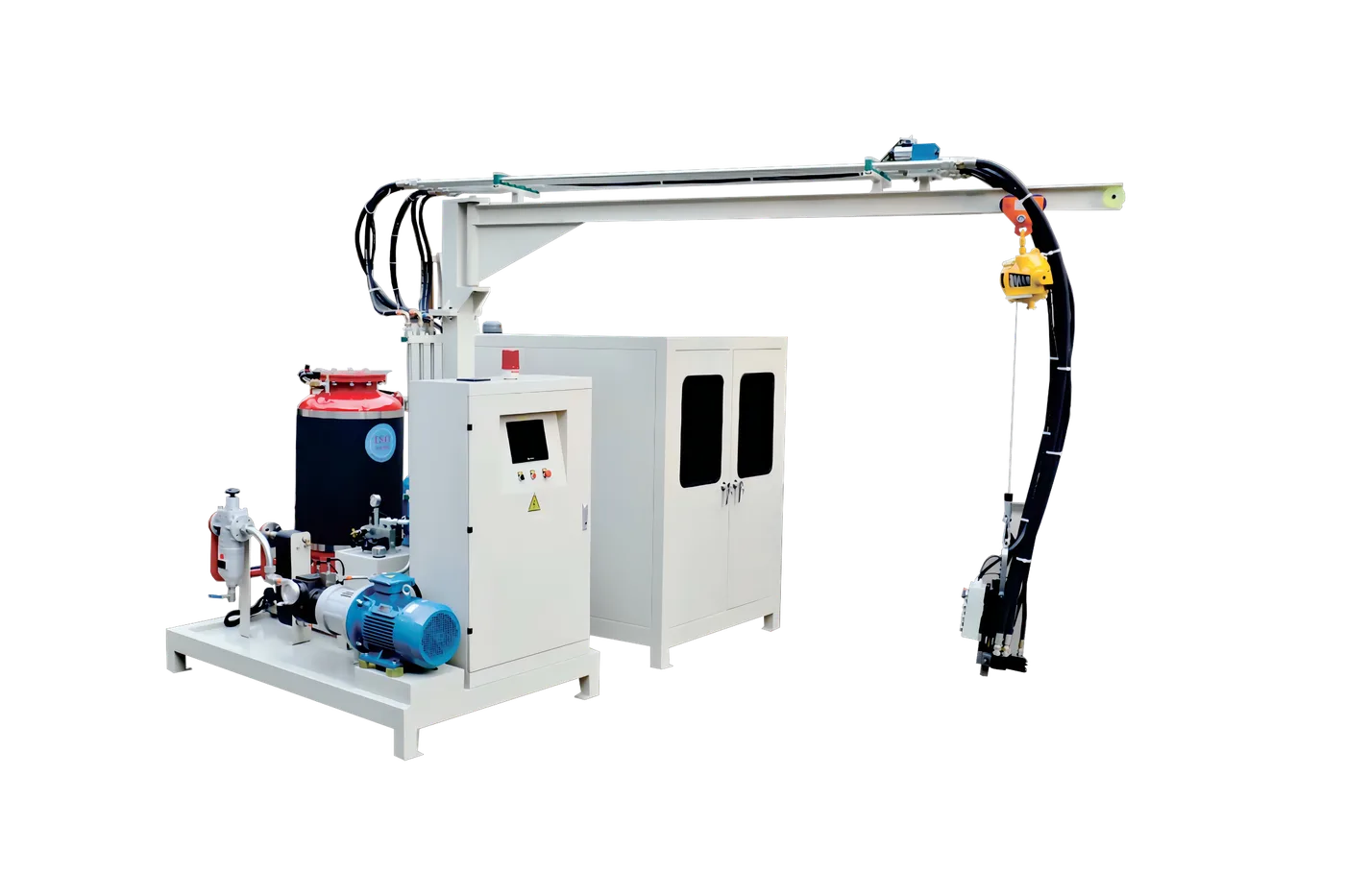
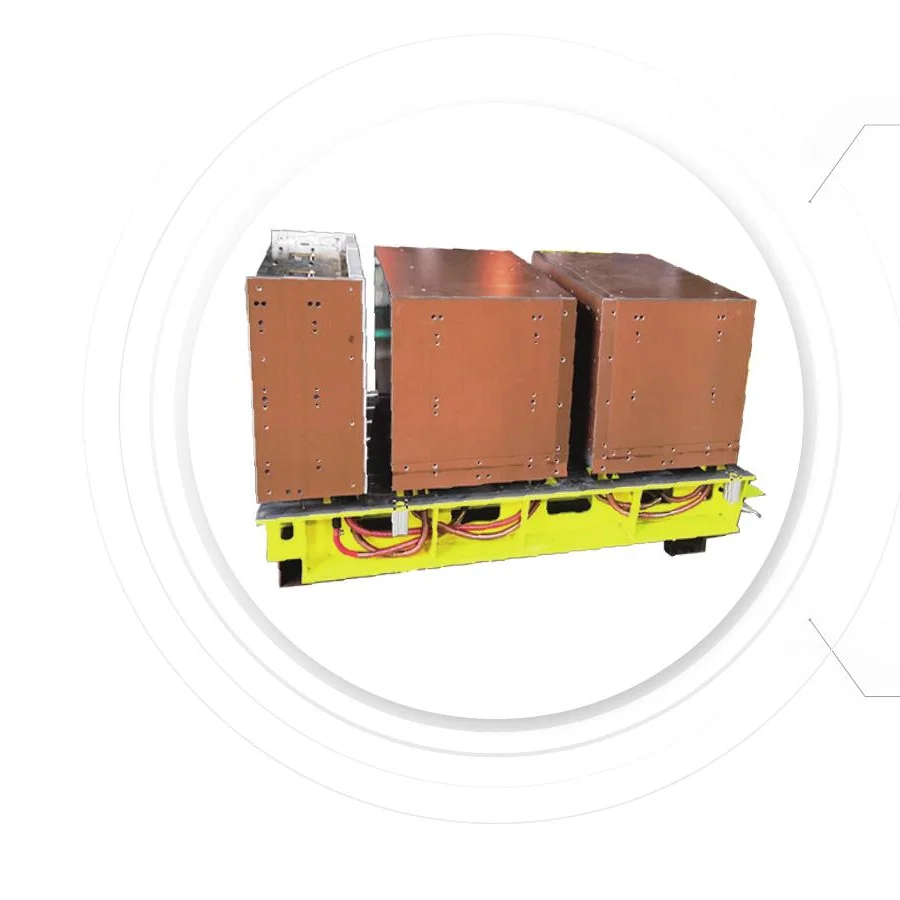
The practical takeaway for an equipment maker is to specify the foam the way the cabinet actually lives, not the way a generic fridge does. Pin down the deck load the panel must carry and the radiant heat it sees, and let those set the density and k-factor targets rather than copying a domestic recipe. Confirm the line is set up for stainless adhesion, not just plastic-liner bonding. Ask how the supplier holds density tolerance and fill across the deck, and how the fixture moulds hold the cabinet flat through cure — the difference between a load-bearing deck and a bowed one is in those two answers. The foaming system itself is the heart of all of it; the trade-offs between high- and low-pressure metering for this kind of structural, tight-tolerance work are covered in our high-pressure vs low-pressure foaming machine comparison. We supplies the high-pressure PU foaming system, the chef-base and refrigerated-workbench fixture moulds and the PU raw materials behind chef-base, prep-table and refrigerated-workbench production — the cabinets and any NSF or hygiene certification belong to the manufacturers who run the line. To size a line to your cabinet matrix and volume, start from our chef-base manufacturing solution and tell us the deck load, sizes and target output — we will match the foaming system, moulds and assembly layout to the load-bearing, low-k wall a chef base has to hold.
Frequently asked questions
Why is a chef base foamed differently from a domestic refrigerator?
Because the PU shot in a chef base does two jobs at once. It has to insulate against radiant heat coming down from the cooktop equipment above, and it has to structurally bond the two stainless skins into a load-bearing top deck that carries that equipment's weight. A domestic cabinet mainly needs insulation, so it can run a lighter, lower-density recipe. A chef base needs higher, more uniform density plus full fill, which demands tighter metering and fill discipline than a domestic line.
What foam density does a chef-base top deck need?
Higher and more uniform than a domestic cabinet. Domestic rigid PU is typically around 32 to 38 kg per cubic metre; a chef-base deck generally needs more because compressive strength and stiffness scale strongly with density, and the deck must carry heavy cooking equipment without sagging. Just as important as the nominal figure is a tight density tolerance, on the order of plus or minus 1.5 kg per cubic metre, with no low-density shadows in corners or behind ribs, because a soft spot becomes the point where the deck deflects.
Why is bonding PU to stainless harder than bonding to a plastic liner?
Commercial chef bases are usually all-stainless inside and out, and bare stainless is a smoother, lower-energy surface that polyurethane grips less readily than a thermoformed plastic liner or painted steel. If the foam-to-skin bond is weak, the sandwich panel stops acting as one structure and the skins can shear against the core under load. It is solved with surface conditioning before the pour, system chemistry matched to stainless, and a calibrated shot that achieves full contact with both skins, so the foam is mechanically keyed across the whole cavity.
How does the foam keep cooking heat out of the food compartment?
With a fine, closed-cell foam structure, a low-conductivity blowing agent trapped in the cells, and full corner-to-corner fill, especially at the top deck directly under the cooktop. Thermal conductivity, the k-factor, is measured under heat-flow-meter standards such as ASTM C518 or ISO 8301. The top wall is the critical path because heat radiates straight down through it, so a void or thin spot there causes far more heat ingress and condensation than the same flaw on a side wall, which is why fill discipline and per-unit verification matter so much on a chef base.
Does UREXCEED build finished chef bases or just the foaming line?
Just the production-line equipment. We supplies and commissions the high-pressure PU foaming system, the fixture, drawer and door moulds, the PU raw materials and the assembly line that builds chef bases, prep tables and refrigerated workbenches. The finished cabinets, and any NSF or hygiene certification, belong to the kitchen-equipment manufacturer who runs the line. We size and tool the line to your cabinet sizes, deck load and target volume.
Building a factory? See our production line guide → For a complete plant, browse our chef base manufacturing solutions.
Products Mentioned in This Article
Ready to plan your refrigeration project?
Share your target output and product mix — our engineering team replies with a capacity plan and quote within three business days.
Get an engineering quoteRelated articles
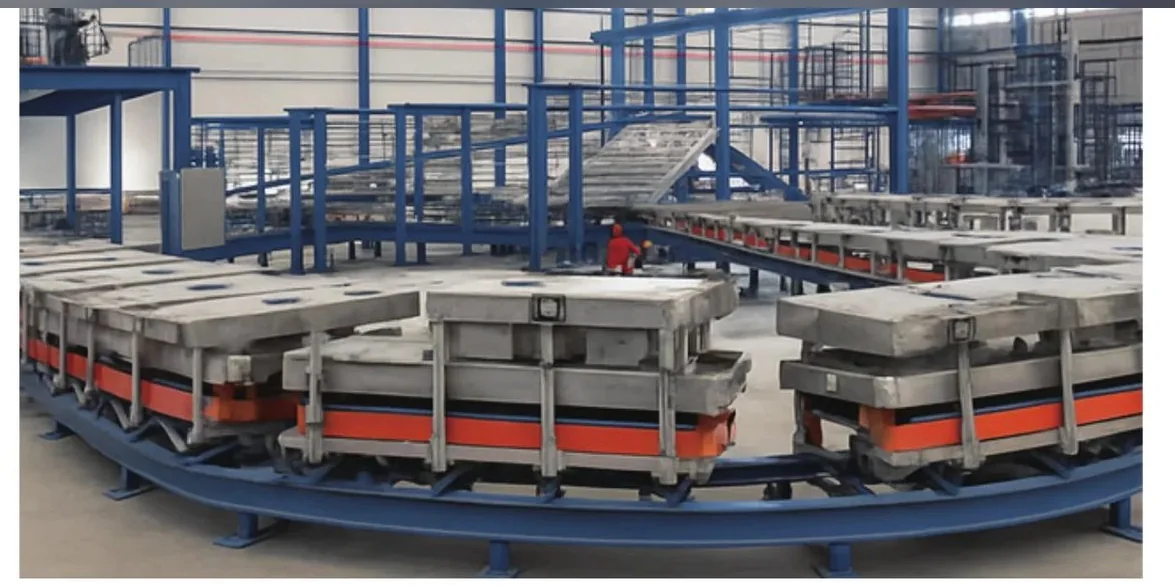
26-Station Ground-Rail Foaming Line Throughput: The Real Math Behind the Numbers
The station count in a foaming line's name is the wrong number to size capacity on. Hourly output is set by takt time and OEE; the 26 stations set curing time and work-in-process. This guide walks the actual throughput math for a closed-loop ground-rail line so you size it against your real production target.

Cigar Humidor Cabinet PU Foam, Deep Dive: Why a Humidity-Holding Cabinet Is Foamed Differently from a Cold-Chain Fridge
A cigar humidor cabinet shares a fridge's two-skin, one-PU-shot construction but not its goal: it holds a narrow 65–72% relative-humidity band at around 18 °C, not a low temperature. This deep dive walks the engineering that makes humidor foaming its own discipline — RH stability, a vapor-tight envelope (ASTM E96 permeance), the condensation a single void causes near saturation, dimensional stability so the door seal stays tight for years, and why it is a precision low-pressure job rather than a high-volume one.

Cold Room Panel Production Process: 5-Stage Continuous Line and 5-Step Discontinuous Batch Walkthrough
A cold room panel is a metal-skin sandwich with a PU foam core, and its production process is either a five-stage continuous flow — coil decoiling, profiling, foaming, curing in a double-belt press, flying-saw cutting and stacking — or a five-step discontinuous batch cycle where skins are loaded into a hydraulic press, foam is poured, the press closes for cure and opens for de-mold. This how-to walks both processes stage by stage: what happens mechanically, what the operator controls, which process variables set foam density and closed-cell content, what QC checkpoints catch defects, and the six most common defect modes and their root causes. If you are commissioning a new line or debugging an existing one, read this against your process log.