
Cigar Humidor Cabinet PU Foam, Deep Dive: Why a Humidity-Holding Cabinet Is Foamed Differently from a Cold-Chain Fridge
A cigar humidor cabinet shares a fridge's two-skin, one-PU-shot construction but not its goal: it holds a narrow 65–72% relative-humidity band at around 18 °C, not a low temperature. This deep dive walks the engineering that makes humidor foaming its own discipline — RH stability, a vapor-tight envelope (ASTM E96 permeance), the condensation a single void causes near saturation, dimensional stability so the door seal stays tight for years, and why it is a precision low-pressure job rather than a high-volume one.

On a humidor the PU foam's job is humidity stability, not cold. The target is a steady 65–72% RH at around 18 °C, so the wall must be a uniform, void-free, vapor-tight envelope (water-vapor permeance per ASTM E96; insulation consistency read under ASTM C518 / ISO 8301) rather than the lowest possible k-factor. Because humidor air sits near saturation, a single void becomes a cold spot below the dew point and condenses water — wet cigars, mould. The body must also stay dimensionally stable (ASTM D2126 humid aging) so the door gasket keeps sealing for years. It is precision low-pressure foaming with display-cabinet moulds, not a high-volume refrigerator line. We supplies the foaming line, moulds and raw materials only — not finished humidors or the humidification electronics.
A cigar humidor cabinet and a beverage fridge can roll off the same line and share the same two-skin, one-PU-shot construction — but the engineering target could not be more different. A fridge fights to pull heat out and hold a low temperature. A humidor barely chills at all: it holds a narrow relative-humidity band, typically 65–72% RH at around 18 °C, with as little swing as the cabinet can manage. That single shift — from "how cold" to "how stable" — changes what the polyurethane foam inside the walls has to do. On a humidor the foam is less about deep insulation value and more about being a void-free, vapor-tight, dimensionally stable envelope that lets a small active humidifier hold a tight RH band for years without condensation, mould or a drifting door seal. This deep dive walks that engineering: the RH target, the vapor barrier, the condensation trap a single void creates, the dimensional stability the door seal depends on, and why this is a precision low-pressure foaming job rather than a high-volume one. For the commercial side — line scale, buyer types and output — start from our cigar humidor cabinet manufacturing solution; this article is about why the foam is specified differently.
Why a humidor cabinet is not a cold-chain job
The instinct on a foaming line is to treat every cabinet as an insulation problem: more foam, lower k-factor, colder box. A humidor breaks that instinct. A premium cigar wants to sit at roughly 18 °C and 65–72% relative humidity — close to room temperature, not refrigerated — and the thing that ruins it is not warmth but a change in humidity. Let the RH drop and the wrapper dries, cracks and loses oils; let it climb and you invite mould and a soft, plugged draw. So the cabinet's whole reason for existing is RH stability, and the foam's job is to make that stability cheap to hold: a uniform, sealed thermal-and-vapor envelope that flattens the temperature and humidity gradients a small humidification unit would otherwise have to fight. Over 1,800+ line projects across 40+ countries, the humidor, the medical cabinet and the chef base are the three that most reward getting the foam discipline exactly right — but the humidor is the one where the prize is a stable hygrometer reading, not a cold thermometer.
The real target: a stable 65–72% RH band, not a low temperature
Holding relative humidity steady is, underneath, a temperature-stability problem — because RH is a function of temperature. Warm one corner of the cabinet by a degree and its local relative humidity falls even though the absolute moisture in the air has not changed; cool a spot and RH rises toward saturation. That coupling is why the foam matters so much: a wall with uniform, void-free insulation keeps every interior surface within a tight temperature band, which keeps RH uniform, which lets the active humidifier work against a small, slow load instead of chasing hot and cold spots. The foam does not need an exotic, ultra-low k-factor the way a freezer does — a modest, consistent insulation value beats a high-but-patchy one every time. What it must not have is variation: a dense wall here and a soft, under-filled wall there gives you exactly the surface-temperature differences that make RH wander and the humidor cycle hard. The discipline is uniformity, measured the same way any panel's conductivity is, under heat-flow-meter standards such as ASTM C518 or its ISO counterpart ISO 8301 — but read for consistency across the wall rather than for the lowest possible single number.
The vapor-tight envelope: where humidor foam earns its keep
If RH stability is the goal, moisture migration through the walls is the enemy, and this is where a humidor cabinet asks more of the foam than a fridge does. A refrigerator can tolerate slow moisture exchange because its fight is thermal; a humidor is trying to hold a specific water-vapor concentration inside, so every gram of moisture that diffuses out through a wall is moisture the humidifier has to replace, and every cycle of replacement is another chance for RH to drift. A closed-cell rigid PU foam is itself a competent vapor retarder, but only if it is genuinely closed-cell and genuinely void-free — an open-cell patch or an unfilled channel is a moisture highway. The property that quantifies this is water-vapor permeance, measured under ASTM E96, the standard test for water-vapor transmission of materials. The practical engineering rule is that the vapor barrier and the insulation are the same wall on a humidor: you cannot let a fill shortcut open a diffusion path and then "fix" the humidity electronically, because the humidifier ends up running constantly and the RH band widens. Full corner-to-corner fill with a tight, closed-cell structure is what makes the cabinet hold its breath between humidifier cycles.
Cold spots and dew point: why one void ruins a humidor
On most cabinets a small void behind a rib is a minor efficiency loss. On a humidor it can be a product-killer, and the reason is the dew point. Inside a humidor the air is held near 70% RH, which means it is already close to saturation — so it does not take much of a local cold spot for a surface to drop below the dew point and start condensing liquid water. A void or a thin, under-filled section in the wall is exactly such a cold spot: it lets the outside temperature reach closer to the interior surface, that surface runs colder than the rest of the cabinet, and moisture condenses on it. Liquid water inside a humidor is how you get mould on wrappers, water stains on cedar trays and a hygrometer that reads "fine" while a hidden corner is wet. The line prevents this structurally, not by inspection after the fact: tight metering and verified full fill remove the cold spots before they exist, so there is no surface for the near-saturated air to condense on. It is the same fill discipline a freezer needs, but the failure it prevents is wet cigars rather than a few extra watts of heat leak.
Dimensional stability: the door seal has to stay tight for years
A humidor is judged over years, not over a cold-pull test, and that puts a demand on the foam that a fridge rarely feels as sharply: the cabinet must not change shape. A glass-fronted display humidor lives or dies by its door gasket — if the foamed body shrinks, bows or creeps even slightly, the seal line opens, the cabinet leaks humidity continuously, and no humidifier can keep up. Rigid PU foam can be specified and processed to be dimensionally stable under exactly the warm, humid conditions a humidor imposes; the behaviour is characterised by accelerated humid-aging tests such as ASTM D2126, the standard for response of rigid cellular plastics to thermal and humid aging. Getting it right is a combination of the right foam system, a correct isocyanate-to-polyol ratio held by accurate metering, and a full cure dwell in a fixture mould that holds the cabinet flat and square while the foam sets. Skip the cure dwell or run the ratio off-spec and the body relaxes in service — the door drifts out of seal a few months after delivery, which is the kind of fault that looks like an electronics problem but is really a foaming one.
Why this is precision low-pressure foaming, not a high-volume line
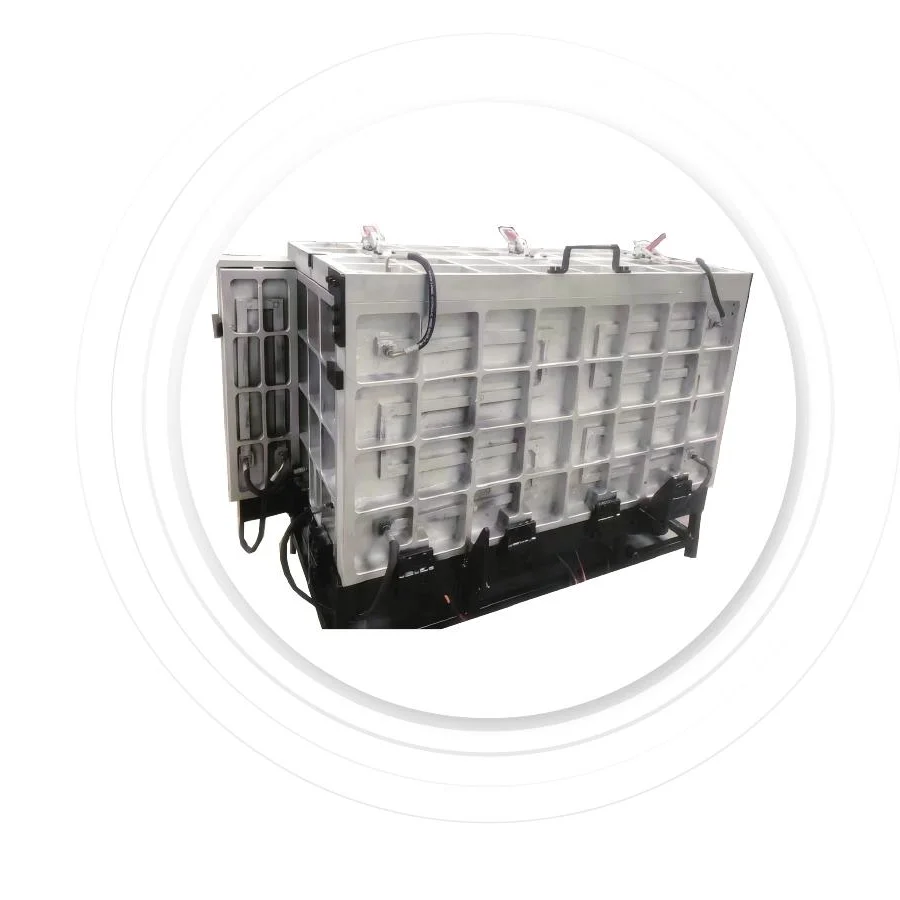
The last difference is about scale and finish, and it explains why a humidor line is built around different equipment than a refrigerator line. Humidor cabinets are made in tens-to-hundreds per day, not thousands; they are often small, glass-fronted display pieces where surface finish is visible and a blemished, over-packed wall is a cosmetic reject as well as a functional one. That favours low-pressure metered foaming and well-tooled fixture moulds over the big high-pressure, high-throughput systems a refrigerator factory uses — the priority is a clean, controlled, repeatable shot into a finely finished cabinet rather than raw cycle speed. The moulds themselves matter as much as the machine: a display-cabinet mould has to manage glass apertures, trim lines and slim sections without leaving cold-bridge gaps or flash. None of this is exotic, but it is a deliberately different line setup, which is why a humidor program should be sized as its own thing rather than bolted onto a refrigerator line as an afterthought. The trade-offs between high- and low-pressure metering for this kind of precision, lower-volume work are covered in our high-pressure vs low-pressure PU foaming machine comparison, and the underlying density-versus-insulation relationship is in the PU foam density and k-factor guide.
What this means if you're sourcing a humidor foaming line
The practical takeaway for a cabinet maker is to spec the foam for humidity stability, not cold. Tell your line supplier the RH band and the temperature it sits at, and let those — not a refrigerator recipe — set the foam target, with consistency across the wall valued above the lowest possible k-factor. Confirm the line achieves full, closed-cell fill so the wall is one vapor barrier with no diffusion paths, and ask specifically how cold spots and voids are verified per unit, because a single void becomes a condensation point in near-saturated air. Pin down dimensional stability — the cure dwell and fixture-mould discipline that keep the body square so the door gasket stays sealed for years. And size the line for your real, lower volume and the finish a display humidor needs, which points to precision low-pressure foaming and well-made display-cabinet moulds. We supplies the metered PU foaming system, the display-cabinet fixture moulds and the PU raw materials behind humidor, display-cabinet and wine-cabinet production — the finished cabinets, the active humidification electronics and any branding belong to the manufacturers who run the line. To size a line to your humidor matrix and volume, start from our cigar humidor cabinet manufacturing solution, or go straight to the production-line spec on our cigar humidor OEM production-line spec page, and tell us the RH band, cabinet sizes and target output — we will match the foaming system, moulds and assembly layout to the vapor-tight, dimensionally stable wall a humidor has to hold.
Building a factory? See our production line guide → For a complete plant, browse our cigar cabinet manufacturing solutions.
Frequently asked questions
Why is a cigar humidor cabinet foamed differently from a refrigerator?
Because the engineering target is different. A refrigerator holds a low temperature and optimises almost entirely for insulation value. A humidor holds a narrow relative-humidity band — typically 65 to 72% RH at around 18 °C — with as little swing as possible. That makes the foam's job vapor tightness, void-free fill and dimensional stability so the humidity stays steady, rather than the lowest possible k-factor. A patchy wall that would be acceptable on a fridge gives a humidor the surface-temperature differences and diffusion paths that make RH wander.
What relative humidity and temperature should a humidor cabinet hold?
Premium cigars are generally stored at about 18 °C and 65 to 72% relative humidity, and the priority is stability rather than any single set point. Too dry and the wrapper cracks and loses oils; too humid and you risk mould and a plugged draw. Because relative humidity changes with temperature, holding RH steady is really about holding the interior surface temperature uniform — which is exactly what a void-free, evenly foamed wall does, letting a small humidifier work against a small, slow load.
Why does the PU foam act as a vapor barrier in a humidor?
A humidor is trying to hold a specific water-vapor concentration inside, so any moisture that diffuses out through the walls is moisture the humidifier has to replace, widening the RH band. A genuinely closed-cell, void-free rigid PU foam is a competent vapor retarder, but an open-cell patch or unfilled channel becomes a moisture highway. Water-vapor permeance is measured under standards such as ASTM E96. On a humidor the insulation wall and the vapor barrier are the same wall, so a fill shortcut cannot be fixed electronically afterward.
Why can a single void cause condensation inside a humidor?
Humidor air is held near 70% RH, which is close to saturation, so it does not take much of a local cold spot for a surface to fall below the dew point and condense liquid water. A void or thin, under-filled section in the wall runs colder than the rest of the cabinet and becomes that cold spot, producing condensation that leads to mould on wrappers and stains on cedar trays. Tight metering and verified full fill remove the cold spots structurally, so there is no surface for the near-saturated air to condense on.
Does UREXCEED build finished humidor cabinets or just the foaming line?
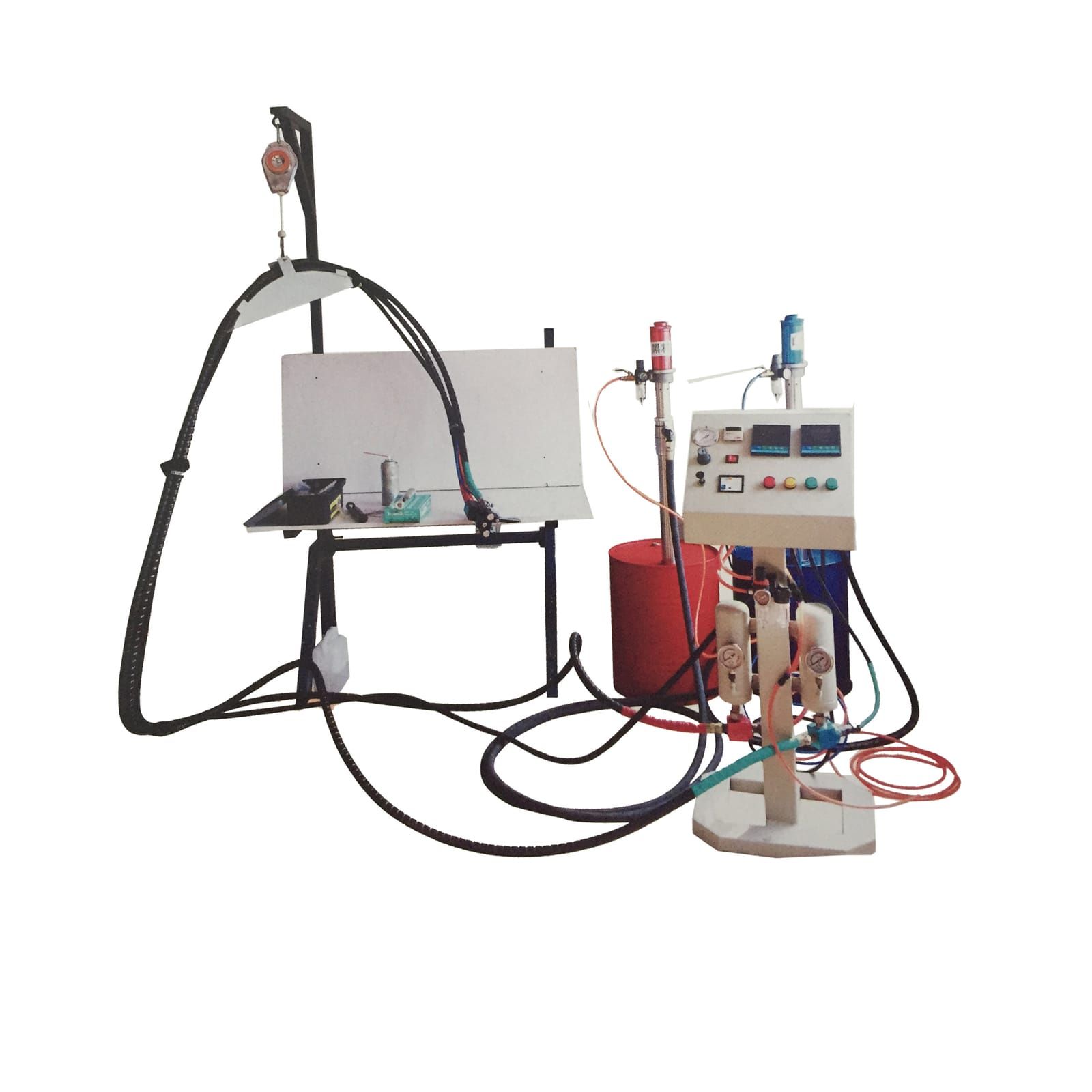
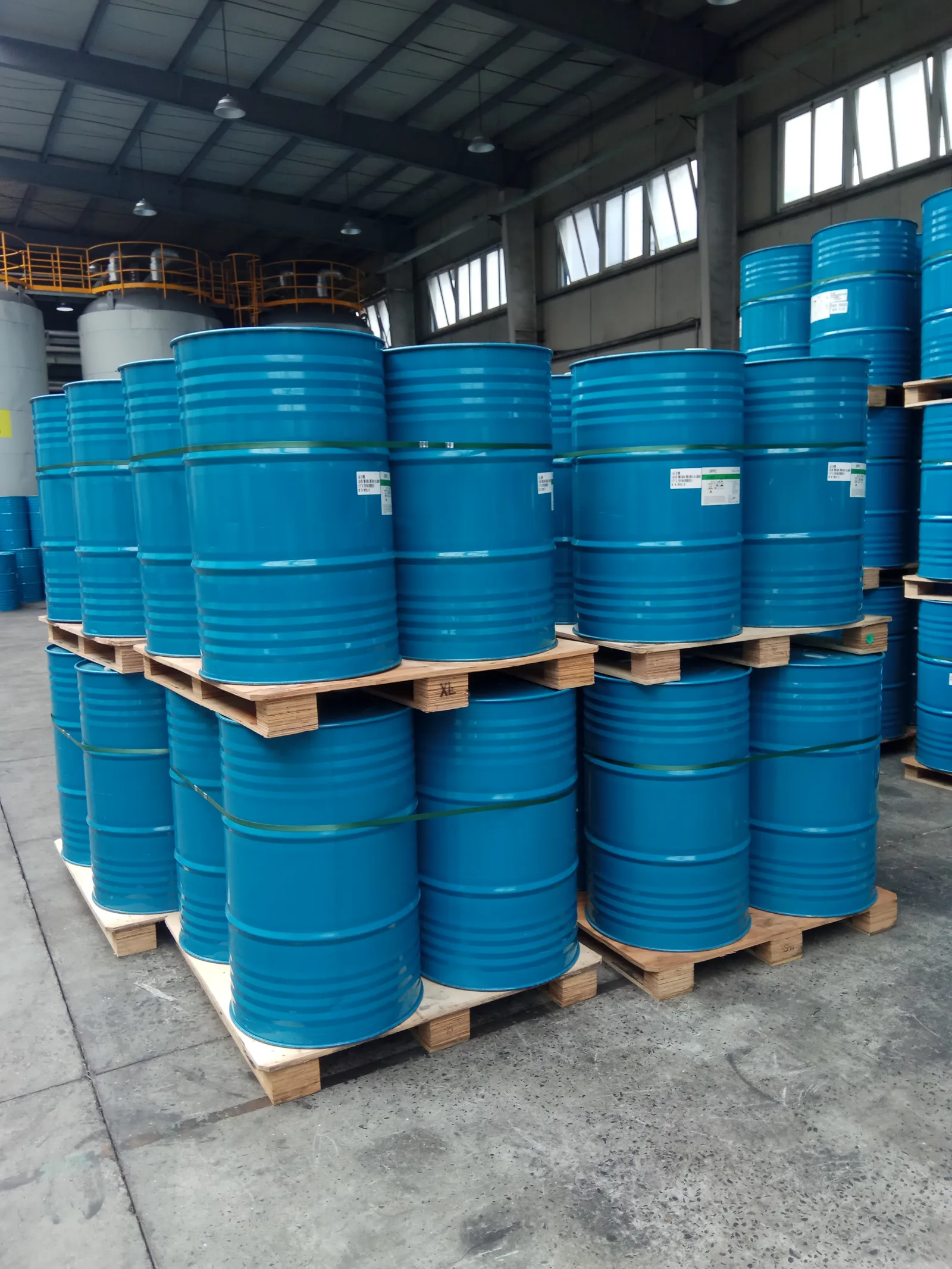
Just the production-line equipment. We supplies and commissions the metered PU foaming system, the display-cabinet and fixture moulds and the PU raw materials that build cigar humidor, display and wine cabinets. The finished cabinets, the active humidification and temperature electronics, and any branding or certification belong to the manufacturer who runs the line. We size and tool the line to your cabinet sizes, RH band and target volume, with the precision low-pressure setup and dimensional-stability discipline a humidor needs.
Products Mentioned in This Article
Ready to plan your refrigeration project?
Share your target output and product mix — our engineering team replies with a capacity plan and quote within three business days.
Get an engineering quoteRelated articles
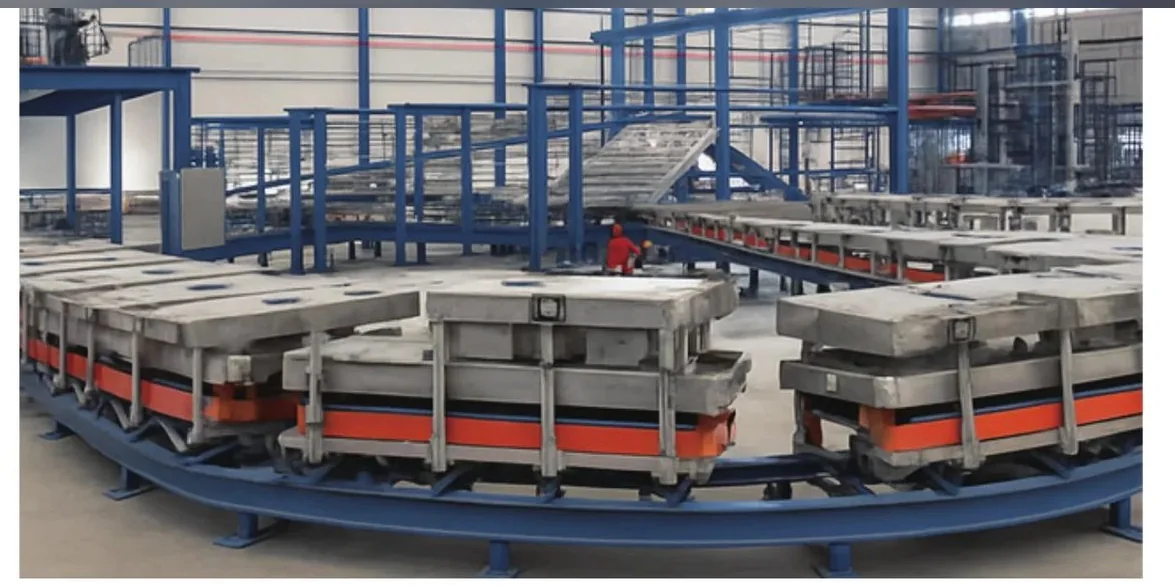
26-Station Ground-Rail Foaming Line Throughput: The Real Math Behind the Numbers
The station count in a foaming line's name is the wrong number to size capacity on. Hourly output is set by takt time and OEE; the 26 stations set curing time and work-in-process. This guide walks the actual throughput math for a closed-loop ground-rail line so you size it against your real production target.
Chef Base PU Foaming, Deep Dive: Why a Load-Bearing Cabinet Is Foamed Differently from a Domestic Fridge
A chef base carries heavy cooking equipment on its top deck, soaks up radiant heat from the cooktop, and is built from two stainless skins — so its PU foam has to be a structural member and an insulator at once. This deep dive walks the engineering that separates chef-base foaming from domestic-cabinet foaming: load-bearing density, k-factor under a hot deck, stainless adhesion, and the defect modes that punish treating the two cabinets the same.

Cold Room Panel Production Process: 5-Stage Continuous Line and 5-Step Discontinuous Batch Walkthrough
A cold room panel is a metal-skin sandwich with a PU foam core, and its production process is either a five-stage continuous flow — coil decoiling, profiling, foaming, curing in a double-belt press, flying-saw cutting and stacking — or a five-step discontinuous batch cycle where skins are loaded into a hydraulic press, foam is poured, the press closes for cure and opens for de-mold. This how-to walks both processes stage by stage: what happens mechanically, what the operator controls, which process variables set foam density and closed-cell content, what QC checkpoints catch defects, and the six most common defect modes and their root causes. If you are commissioning a new line or debugging an existing one, read this against your process log.