
Espuma PU para gabinetes humidificadores de puros: por qué se espuma distinto a un refrigerador
Un gabinete humidificador de puros y un refrigerador de bebidas pueden salir de la misma línea, pero el objetivo de ingeniería es distinto: el humidificador mantiene una banda estrecha de humedad relativa (65–72% a ~18 °C), no una temperatura baja. Explicamos por qué la espuma prioriza la estanqueidad al vapor y la estabilidad dimensional, no el menor factor K posible.
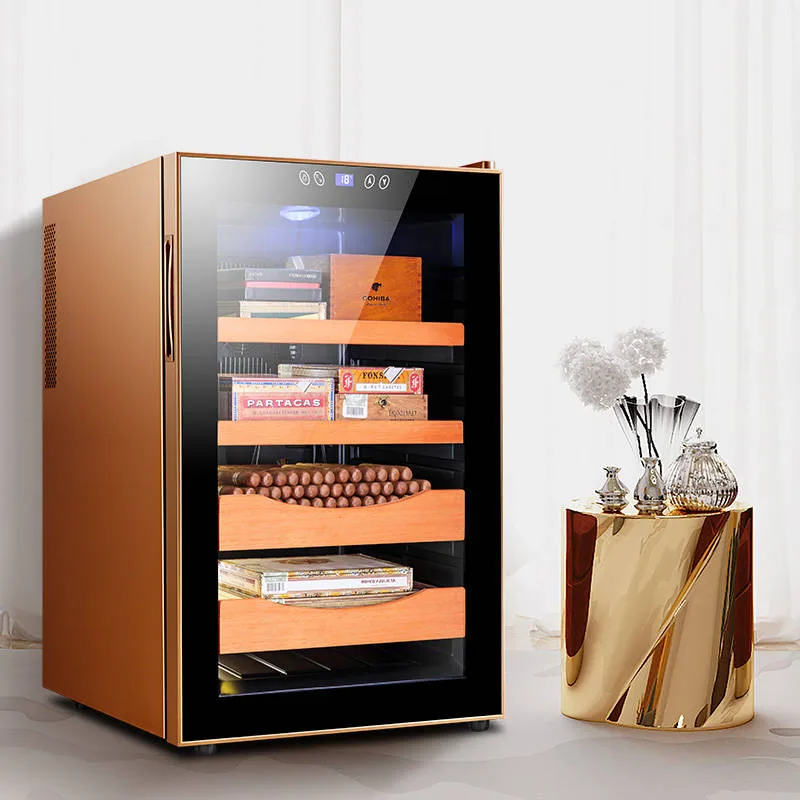
En un humidificador, el trabajo de la espuma PU es la estabilidad de la humedad, no el frío. El objetivo es un 65–72% de humedad relativa estable a ~18 °C, por lo que la pared debe ser una envolvente uniforme, sin huecos y estanca al vapor (permeancia según ASTM E96; consistencia de aislamiento según ASTM C518 / ISO 8301) más que el factor K más bajo posible. Como el aire del humidificador está cerca de la saturación, un solo hueco se convierte en un punto frío bajo el punto de rocío que condensa agua: puros húmedos, moho. El cuerpo también debe ser dimensionalmente estable (envejecimiento húmedo ASTM D2126) para que la junta de la puerta selle durante años. Es espumado de precisión a baja presión con moldes de vitrina, no una línea de refrigeradores de alto volumen.
Un gabinete humidificador de puros y un refrigerador de bebidas pueden salir de la misma línea y compartir la misma construcción de dos pieles con un solo disparo de PU, pero el objetivo de ingeniería no podría ser más distinto. Un refrigerador lucha por extraer calor y mantener una temperatura baja. Un humidificador apenas enfría: mantiene una banda estrecha de humedad relativa, típicamente 65–72% RH a unos 18 °C, con la menor oscilación posible. Ese cambio —de "qué tan frío" a "qué tan estable"— transforma la tarea de la espuma dentro de las paredes: no se trata de aislamiento profundo, sino de una envolvente sin huecos, estanca al vapor y dimensionalmente estable que permite a un pequeño humidificador activo mantener una banda de RH ajustada durante años sin condensación, moho ni una junta de puerta que se desajusta.
Por qué un humidificador no es un trabajo de cadena de frío
El instinto en una línea de espumado es tratar cada gabinete como un problema de aislamiento: más espuma, menor factor K, caja más fría. Un humidificador rompe ese instinto. Un puro premium quiere estar a unos 18 °C y 65–72% de humedad relativa —cerca de la temperatura ambiente— y lo que lo arruina no es el calor sino un cambio de humedad. Si la RH baja, la capa exterior se seca y se agrieta; si sube, aparece el moho. Así que la razón de ser del gabinete es la estabilidad de la RH, y el trabajo de la espuma es hacer que esa estabilidad sea barata de mantener.
El objetivo real: una banda estable de 65–72% RH, no una temperatura baja
Mantener la humedad relativa estable es, en el fondo, un problema de estabilidad térmica, porque la RH es función de la temperatura. Una pared con aislamiento uniforme y sin huecos mantiene cada superficie interior en una banda de temperatura estrecha, lo que mantiene la RH uniforme. La espuma no necesita un factor K exótico y ultra bajo como un congelador; un valor de aislamiento modesto pero consistente gana siempre a uno alto pero irregular. La disciplina se mide igual que la conductividad de cualquier panel, bajo normas de placa de flujo de calor como ASTM C518 o su equivalente ISO 8301, pero leída para verificar consistencia a través de la pared, no el número más bajo posible.
La envolvente estanca al vapor: donde la espuma del humidificador se gana su lugar
Si el objetivo es la estabilidad de RH, la migración de humedad por las paredes es el enemigo. Un refrigerador tolera un intercambio de humedad lento porque su batalla es térmica; un humidificador intenta mantener una concentración específica de vapor de agua dentro, así que cada gramo de humedad que difunde hacia afuera es humedad que el humidificador debe reponer. Una espuma PU rígida de celda cerrada es en sí misma un buen retardante de vapor, pero solo si es genuinamente de celda cerrada y sin huecos. La propiedad que lo cuantifica es la permeancia al vapor de agua, medida bajo ASTM E96. En un humidificador, la barrera de vapor y el aislamiento son la misma pared: no se puede dejar un atajo de llenado que abra una vía de difusión y luego "arreglar" la humedad electrónicamente.
Puntos fríos y punto de rocío: por qué un solo hueco arruina un humidificador
En la mayoría de gabinetes, un pequeño hueco tras una nervadura es una pérdida menor de eficiencia. En un humidificador puede ser letal para el producto, por el punto de rocío. El aire dentro se mantiene cerca del 70% RH, casi en saturación, así que no hace falta mucho para que una superficie caiga bajo el punto de rocío y condense agua líquida. Un hueco o una sección delgada mal rellenada en la pared se convierte exactamente en ese punto frío. El agua líquida dentro de un humidificador provoca moho en las capas exteriores y manchas en las bandejas de cedro. La línea previene esto estructuralmente: una dosificación precisa y un llenado completo verificado eliminan los puntos fríos antes de que existan.
Estabilidad dimensional: la junta de la puerta debe seguir sellando durante años
Un humidificador se juzga a lo largo de años, no en una prueba de arranque en frío, y eso exige a la espuma algo que un refrigerador rara vez siente con tanta fuerza: el gabinete no debe cambiar de forma. Un humidificador vitrina vive o muere por su junta de puerta: si el cuerpo espumado se encoge, se combadura o fluye aunque sea levemente, la línea de sellado se abre. La espuma PU rígida puede especificarse y procesarse para ser dimensionalmente estable exactamente en las condiciones cálidas y húmedas que impone un humidificador; el comportamiento se caracteriza mediante ensayos acelerados de envejecimiento húmedo como ASTM D2126. Saltarse el tiempo de curado o desviar la proporción de componentes hace que el cuerpo se relaje en servicio.
Por qué esto es espumado de precisión a baja presión, no una línea de alto volumen
La última diferencia tiene que ver con la escala y el acabado. Los gabinetes humidificadores se fabrican en decenas o cientos por día, no en miles; suelen ser piezas de vitrina pequeñas y con frente de vidrio donde el acabado superficial es visible. Eso favorece el espumado dosificado de baja presión y moldes de fijación bien construidos frente a los grandes sistemas de alta presión y alto rendimiento de una fábrica de refrigeradores.
Qué significa esto si está comprando una línea de espumado para humidificadores
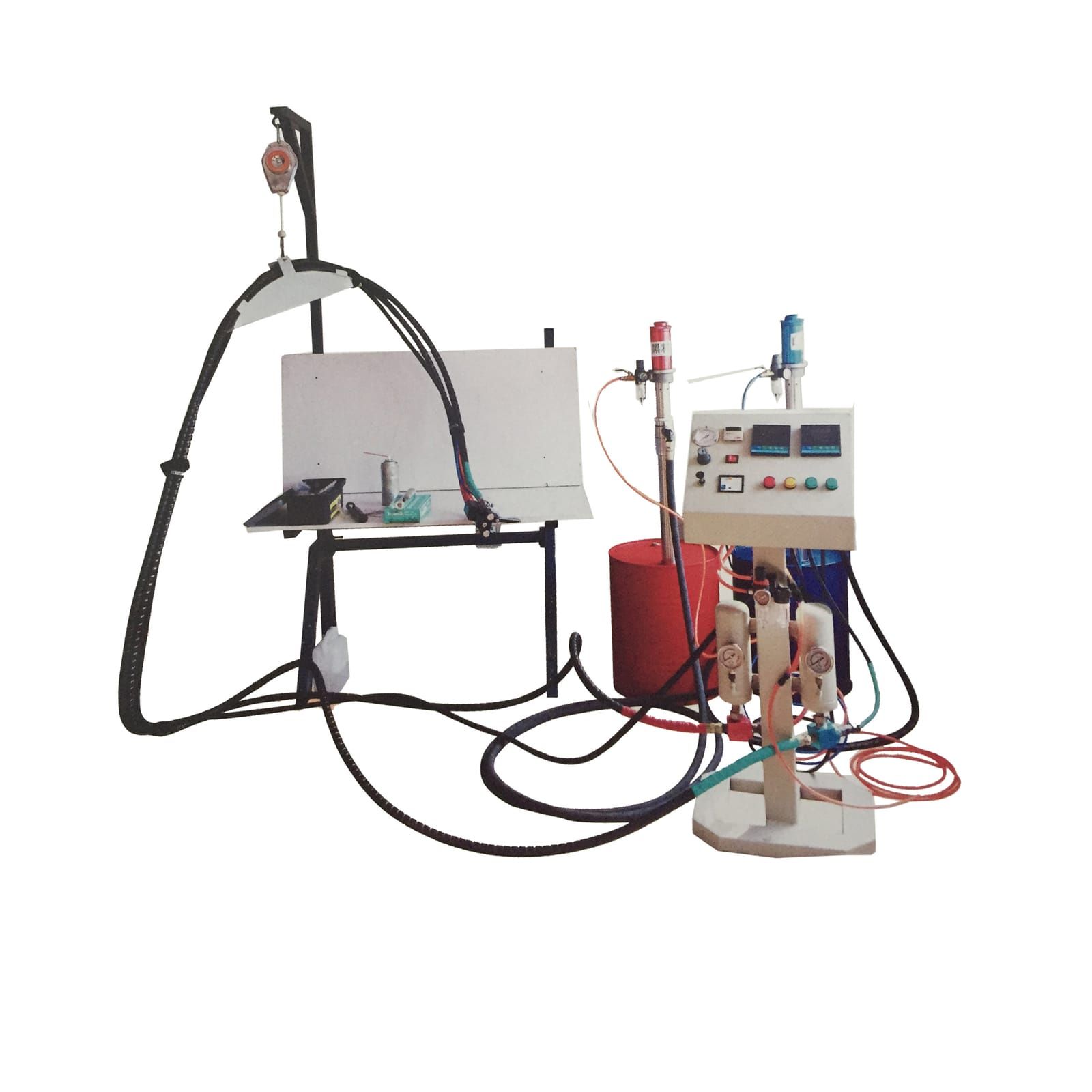
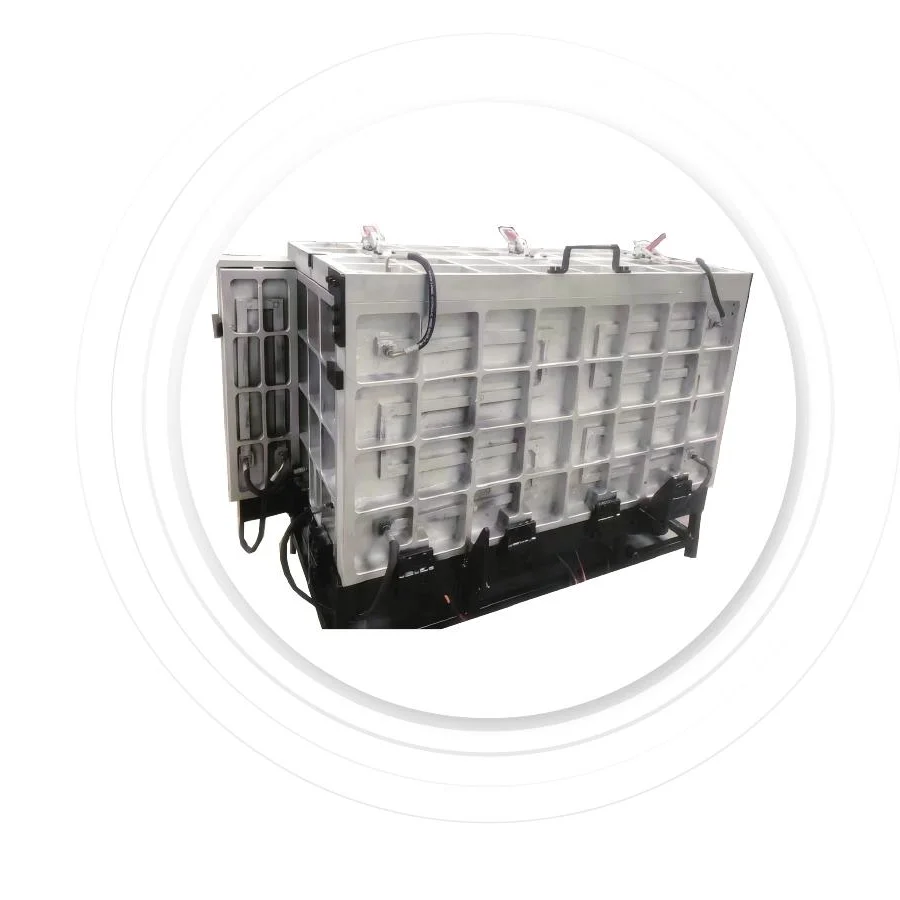
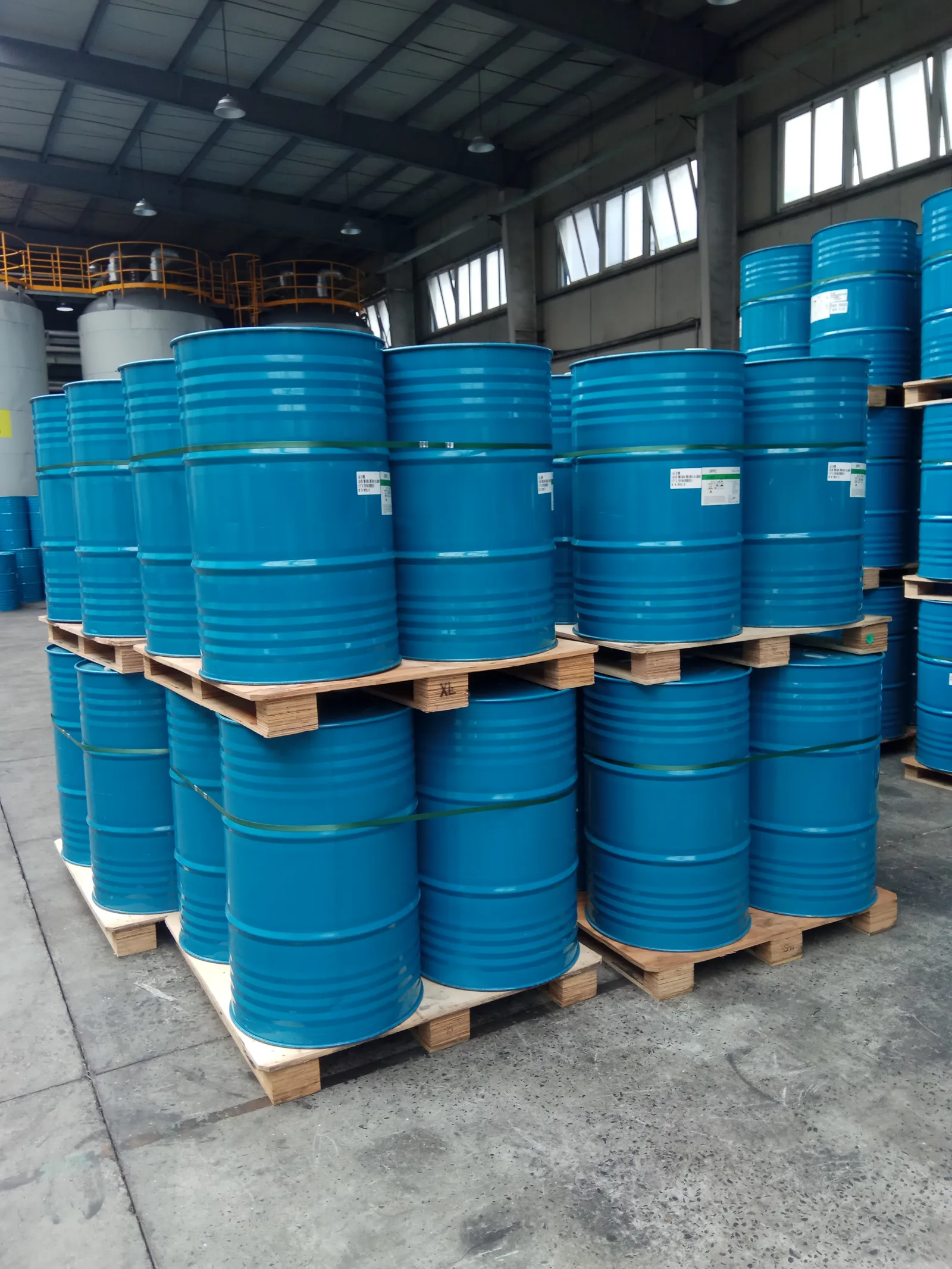
La conclusión práctica para un fabricante de gabinetes es especificar la espuma para la estabilidad de humedad, no para el frío. Indique a su proveedor de línea la banda de RH y la temperatura, y deje que esos parámetros —no una receta de refrigerador— fijen el objetivo de la espuma, priorizando la consistencia sobre el factor K más bajo. Confirme que la línea logra un llenado completo de celda cerrada para que la pared sea una única barrera de vapor sin vías de difusión. Fije la estabilidad dimensional —el tiempo de curado y la disciplina del molde de fijación. Suministramos el sistema de espumado PU dosificado, los moldes de fijación para vitrinas y las materias primas PU — los gabinetes terminados, la electrónica de humidificación activa y cualquier marca corresponden a los fabricantes que operan la línea.
Preguntas frecuentes
¿Por qué un gabinete humidificador de puros se espuma distinto a un refrigerador?
Porque el objetivo de ingeniería es distinto. Un refrigerador mantiene una temperatura baja y optimiza casi todo para el aislamiento. Un humidificador mantiene una banda estrecha de humedad relativa, típicamente 65–72% RH a unos 18 °C. Eso hace que la tarea de la espuma sea la estanqueidad al vapor, el llenado sin huecos y la estabilidad dimensional, no el menor factor K posible.
¿Qué humedad y temperatura debe mantener un gabinete humidificador?
Los puros premium suelen almacenarse a unos 18 °C y 65–72% de humedad relativa, y la prioridad es la estabilidad más que un punto fijo. Demasiado seco y la capa exterior se agrieta; demasiado húmedo y hay riesgo de moho.
¿Por qué la espuma PU actúa como barrera de vapor en un humidificador?
Un humidificador intenta mantener una concentración específica de vapor de agua dentro, así que cualquier humedad que difunda por las paredes es humedad que el humidificador debe reponer. Una espuma PU rígida genuinamente de celda cerrada y sin huecos es un buen retardante de vapor; la permeancia se mide bajo normas como ASTM E96.
Productos mencionados en este artículo
¿Listo para planificar su proyecto de refrigeración?
Comparta su objetivo de producción y mezcla de productos — nuestro equipo de ingeniería responde con un plan de capacidad y cotización en tres días hábiles.
Solicitar cotización de ingenieríaArtículos relacionados
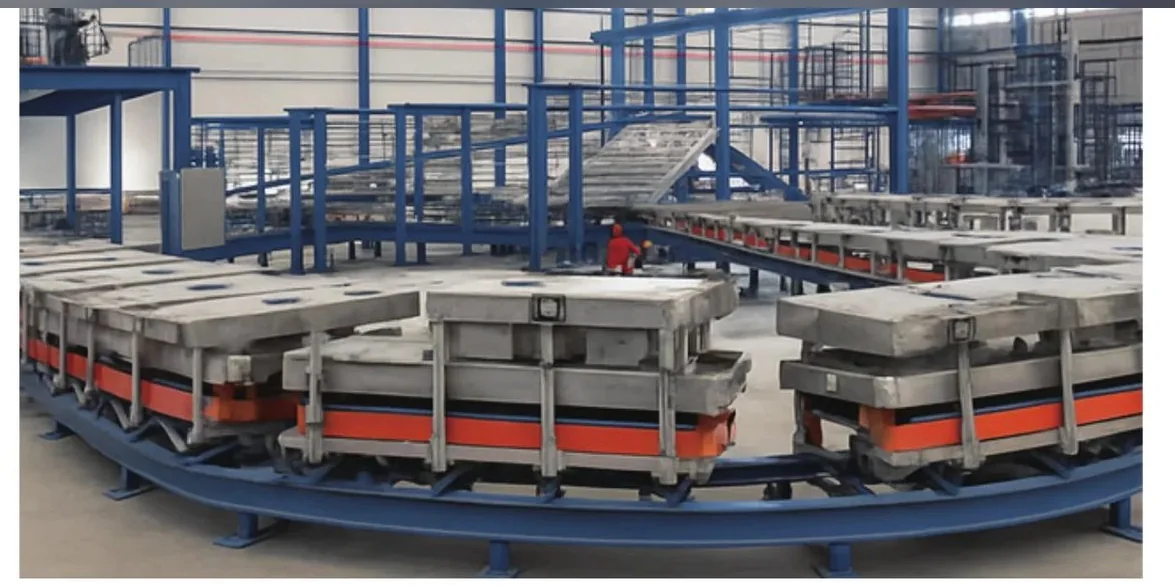
26-Station Ground-Rail Foaming Line Throughput: The Real Math Behind the Numbers
The station count in a foaming line's name is the wrong number to size capacity on. Hourly output is set by takt time and OEE; the 26 stations set curing time and work-in-process. This guide walks the actual throughput math for a closed-loop ground-rail line so you size it against your real production target.
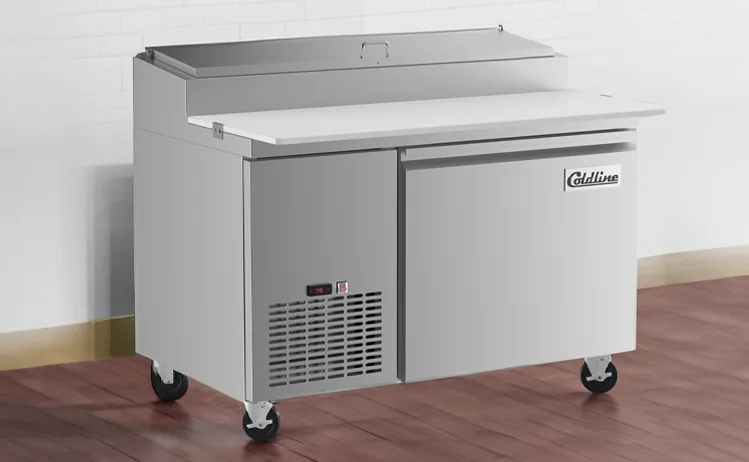
Chef Base PU Foaming, Deep Dive: Why a Load-Bearing Cabinet Is Foamed Differently from a Domestic Fridge
A chef base carries heavy cooking equipment on its top deck, soaks up radiant heat from the cooktop, and is built from two stainless skins — so its PU foam has to be a structural member and an insulator at once. This deep dive walks the engineering that separates chef-base foaming from domestic-cabinet foaming: load-bearing density, k-factor under a hot deck, stainless adhesion, and the defect modes that punish treating the two cabinets the same.

Cold Room Panel Production Process: 5-Stage Continuous Line and 5-Step Discontinuous Batch Walkthrough
A cold room panel is a metal-skin sandwich with a PU foam core, and its production process is either a five-stage continuous flow — coil decoiling, profiling, foaming, curing in a double-belt press, flying-saw cutting and stacking — or a five-step discontinuous batch cycle where skins are loaded into a hydraulic press, foam is poured, the press closes for cure and opens for de-mold. This how-to walks both processes stage by stage: what happens mechanically, what the operator controls, which process variables set foam density and closed-cell content, what QC checkpoints catch defects, and the six most common defect modes and their root causes. If you are commissioning a new line or debugging an existing one, read this against your process log.