

Production line for
HVAC AHU Panel Foaming Line Manufacturer
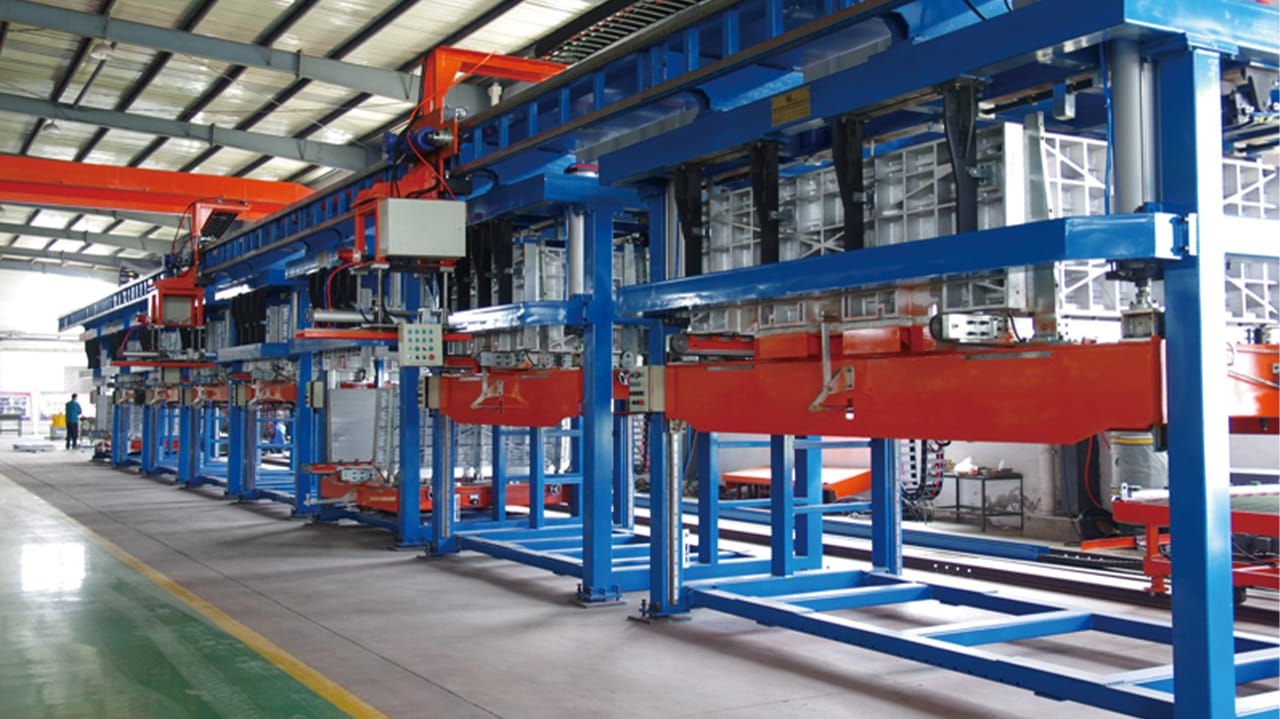
We manufacture HVAC AHU air-handler panel foaming lines — PU sandwich panels 30 – 150 mm, 50 – 500 cabinet sets/day, EN 1886 T-class support.
Investment Range
USD 700K – 3M · 200 to 2,000 AHU cabinets/month
Who Buys This Line
HVAC AHU cabinet makers supplying commercial buildings, cleanroom & data-center HVAC integrators
Certification Ready
EUROVENT · AHRI 1350 · EN 1886 · UL 1995 ready
In one line
2 HVAC cabinet OEM projects delivered — focused exclusively on the insulated-cabinet panel stage, the narrow slice of HVAC plant where PU foaming expertise matters most.
Who We Supply. HVAC air-handling unit (AHU) OEMs supplying commercial building HVAC contractors, data-centre cooling infrastructure, cleanroom / GMP pharma facility HVAC, and industrial process AHU applications. Confirmed installations for AHU cabinet manufacturers in Turkey, Poland, India and Mexico producing casing panels for AHU sizes from 3,000 to 100,000 m³/h airflow capacity.
What we deliver. Foaming press and mould set for AHU casing panels (typically 1.2 × 2.0 m or 1.0 × 3.0 m panel formats), high-pressure PU foaming machine calibrated for large-flat-panel cure (uniform density across the full panel face), thermal-break frame integration jigs (metal frame with thermal break behind the panel edge — critical for EN 1886 TB class), skin surface preparation station (corona or primer for skin adhesion), panel dimensional QA station. Compatible with cyclopentane, HFO or HFC-245fa foam formulations.
Panel spec range. Thickness 30 – 150 mm (25 mm minimum for low-spec models, 100 – 150 mm for T1 / T2 U-value class). Panel size 1.0 – 3.0 m per side. Foam density 42 – 55 kg/m³ (higher than cold-room panels to support panel deflection under fan pressure). K-factor 0.020 – 0.023 W/m·K. Skin: pre-painted galvanised steel outside, painted or stainless inside. Thermal-break frame material: PA6 or PA66 polyamide, glass-filled.
Certification support. EN 1886 (European AHU casing standard: mechanical performance, thermal transmittance T1 – T5, thermal bridging TB1 – TB5, air leakage L1 – L3, acoustic insulation, sound transmission). Eurovent Certification for finished AHU. Reference project index available for panel size and destination market.
Scope reminder. We supplies the AHU cabinet insulated-panel production line only — not the fans, coils, filters, controls or full AHU assembly. For those, refer to a dedicated HVAC OEM integrator. Our scope stops at the finished sandwich panel that becomes AHU casing.
Deep-dive engineering references — HVAC AHU Panel Foaming Line: Engineering Deep Dive, HVAC AHU Panel Spec Library, Cold Storage Panel Production Line Setup, and PU Foam Density & K-Factor.
Scope: we supply only the PU foaming line and moulds for HVAC air-handler (AHU) cabinet production. We do NOT supply compressors, condensing units, refrigerant systems, or full HVAC plant turnkey solutions — contact a dedicated HVAC OEM integrator for those.
Real Pains We Hear from Buyers — and What We Ship to Solve Each One
Four pains every HVAC AHU cabinet factory founder brings us. Our line clears each — staying inside scope (cabinet only, not the full AHU plant).
AHU cabinet panel thermal bridge — building HVAC engineer rejects spec on heat loss calculation
Thermal bridges form at panel-to-frame joints when PU foam doesn't reach edges evenly. Our cabinet mould design fills the full perimeter to ±0.3 mm thickness uniformity. Foam k-factor 0.022–0.024 W/m·K verified shot-by-shot. Joint thermal break gasket integrated into mould geometry. Field-measured U-value: 0.5–0.7 W/m²·K (well below 1.0 W/m²·K threshold).
AHU acoustic spec (LEED healthcare hospital projects) — STC 40 minimum, my current panels only hit STC 32
STC is foam density + panel thickness + panel-to-panel joint design. We tune PU formulation to density 45–50 kg/m³ (vs standard 38–42), panel thickness 50–80 mm, and ship the acoustic test chamber (USD 65K–140K) for ISO 717-1 STC measurement on every cabinet variant before shipping to LEED/healthcare buyers. Field STC: 42–48.
Project-based orders with different sizes per building — modular tooling not flexible enough
Our foaming moulds are reconfigurable ±20% from base mould dimensions (e.g., 1.2×2.4 m base mould covers 0.96×1.92 m to 1.44×2.88 m). Truly custom sizes outside ±20% range need new mould inserts (USD 60K–140K). Most AHU factories carry 3–5 base moulds covering 80% of project orders, plus inserts for major repeat sizes.
Cabinet supply scope vs full AHU plant — buyer keeps asking for fans, coils, motors which I don't supply
AHU plant = cabinet + coil + fan + filter + motor + controls. We supply ONLY the cabinet (foaming line). To keep buyer expectations clean: we ship a scope-boundary letter with every quote stating what's in scope (cabinet panels + foam + finish) and what's out (mechanical components). Most AHU brand customers source coils from Bohn/Bitzer, fans from Ziehl-Abegg/EBM-Papst, motors from ABB/WEG independently.
What You Need
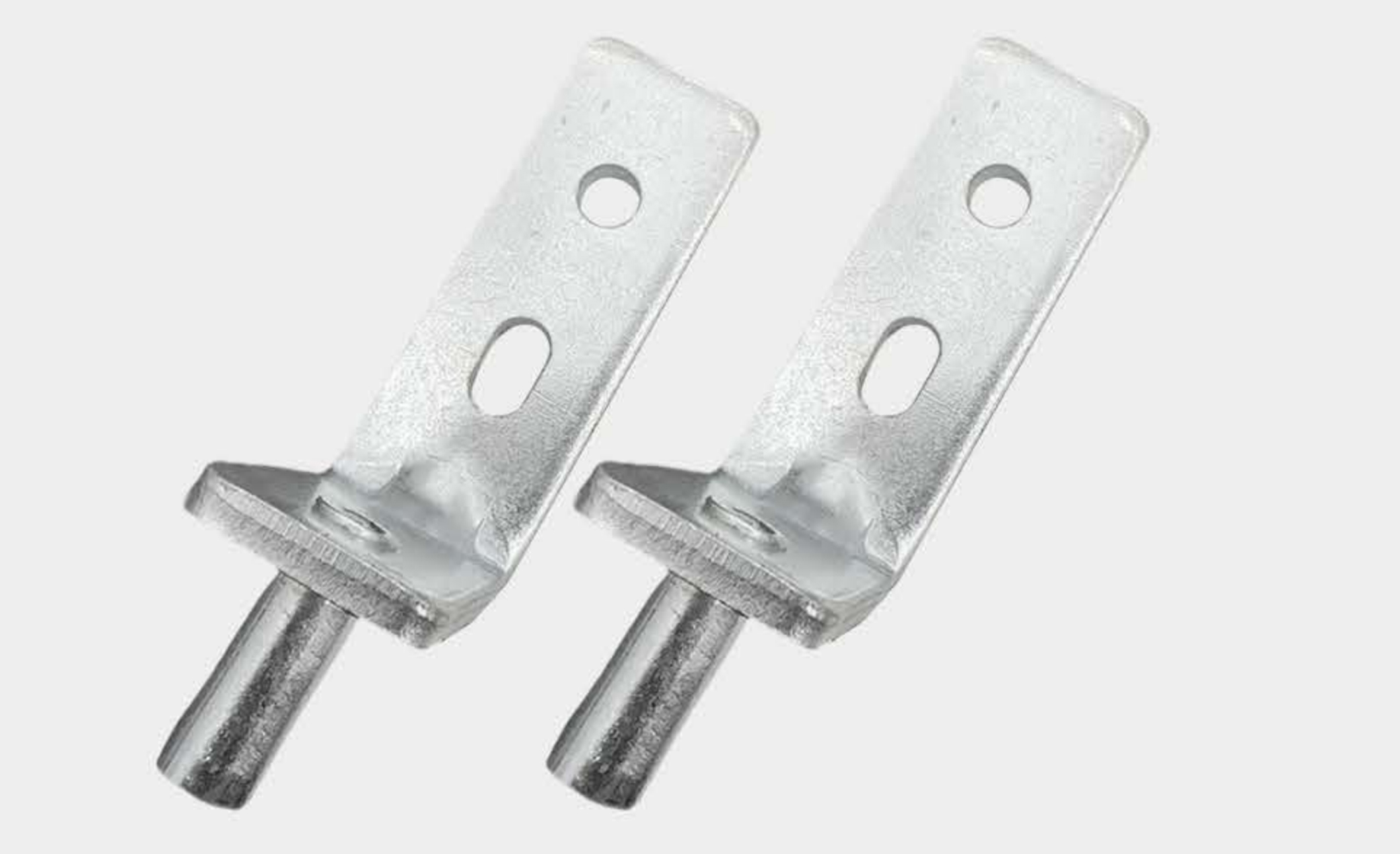
Hardware & Accessories — Bundled with Main Equipment Orders
Complementary hardware fabrication service — supplied alongside our main equipment orders (moulds / PU foaming / production line). Custom-fabricated per your drawings: 5 categories — hinges, brackets, rails & ladders, wire shelves & baskets, grid panels. Not a standalone product line. Consolidated into your main shipment.
Learn More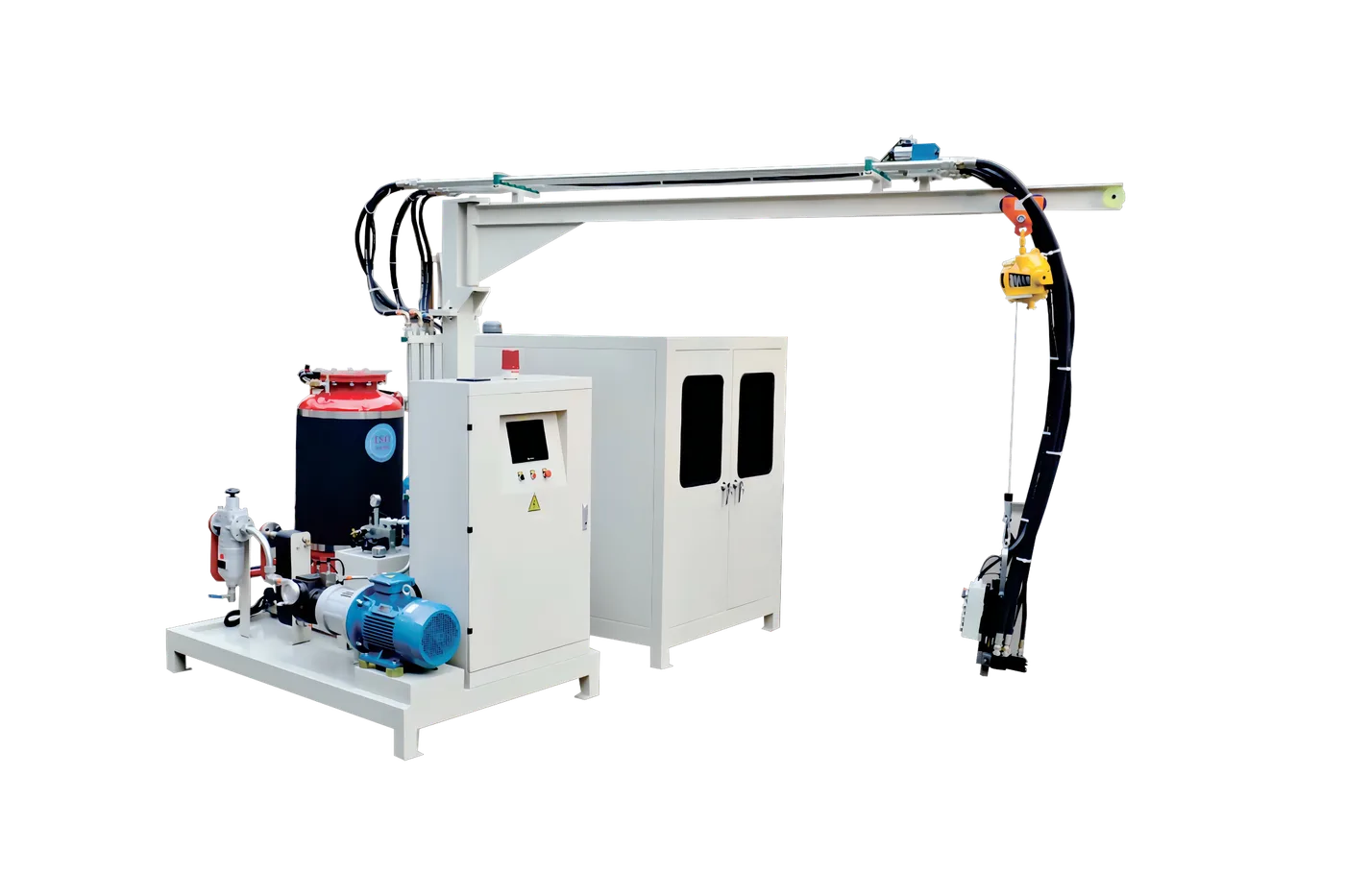
Cyclopentane High-Pressure PU Foaming Machine
Our flagship — purpose-built for refrigerator factories chasing the top EU energy classes (B–C on the 2021 A–G label, formerly A+++). Cyclopentane-ready out of the box with full ATEX Zone 1 safety package. Three sizes covering 500 to 8,000 cabinets a day.
Learn More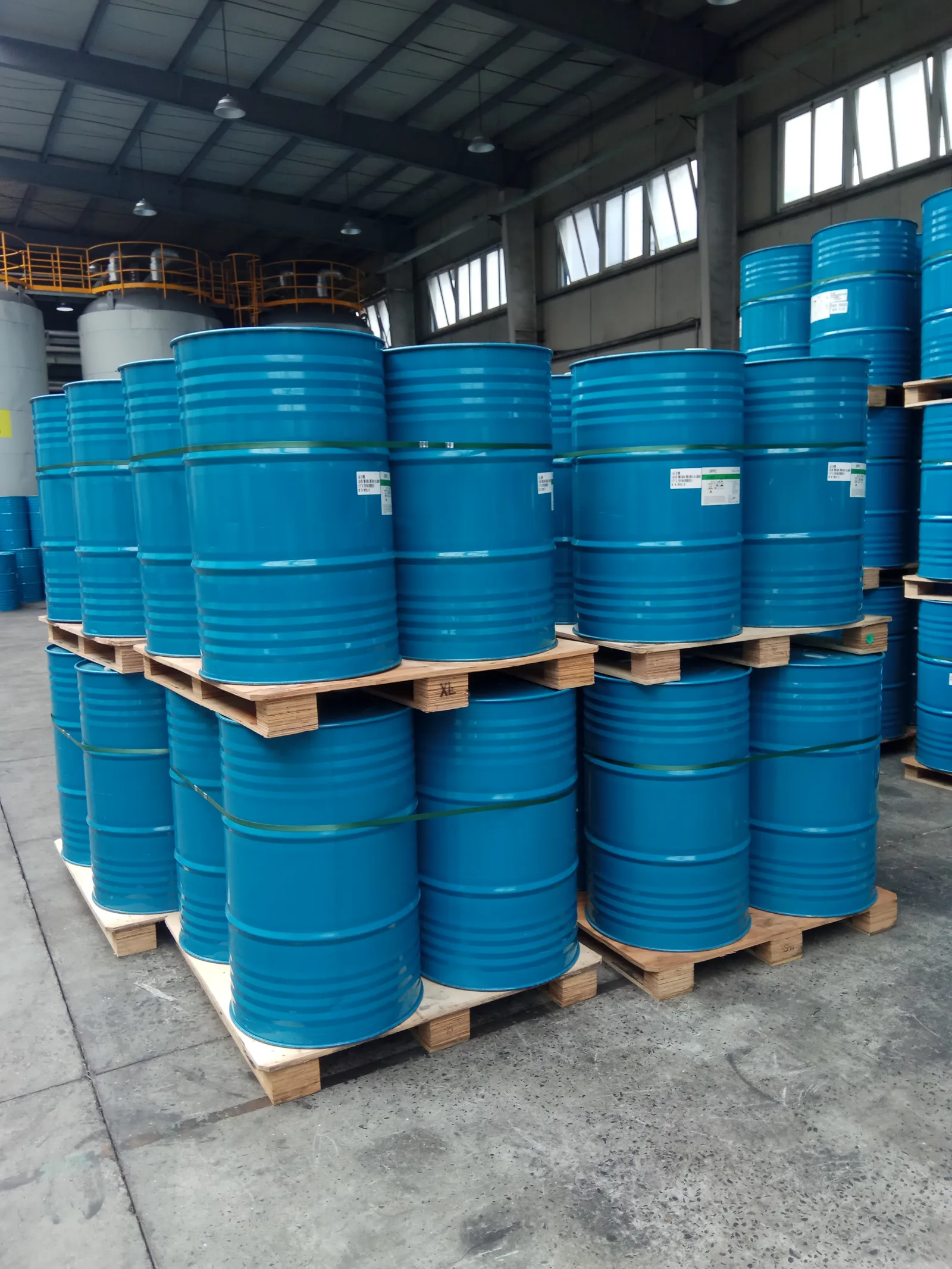
PU Raw Materials System
We make refrigerator-grade PU systems — polyol blend, MDI, blowing agent, all formulated in our own plant. k-factor down to 0.018, density customizable, tuned to your cabinet and your line.
Learn MoreFrom inquiry to first commercial unit — the 6-step delivery flow
From inquiry to first AHU cabinet rolling off your line. ~7 months for a 200 units/day AHU cabinet line — faster than refrigerator lines because cabinet structure is simpler.
- 1
Inquiry & Scope Boundary Confirmation
Week 1–2Share target capacity, AHU segment (commercial / healthcare / data center / LEED), cabinet size range, target acoustic + thermal spec. We send 1-page proposal + scope boundary letter (cabinet only, mechanical components sourced by you) in 5 days.
- 2
Detailed Proposal & Acoustic / Thermal Spec
Week 2–3Engineering picks base mould platform sized for 80% of your project order range, PU formulation per acoustic + thermal target, acoustic test chamber if LEED/healthcare positioning. Quote with 16-line BOM in 10 days.
- 3
Contract & Panel Design Freeze
Week 3–530% down. Panel CAD + joint geometry + foam density target frozen. Acoustic / thermal targets signed off.
- 4
Mould + Acoustic Chamber Build
Month 2–4Cabinet moulds: 45–60 days. PU machine: 45 days. Acoustic test chamber (if optioned): 60 days. Pre-shipment FAT — we run trial cabinets and ship the acoustic + thermal validation report.
- 5
Sea Freight & On-Site Installation
Month 4–63–4 × 40' containers from Shanghai/Ningbo. On-site installation 2–3 weeks. Standard concrete floor, normal ceiling height — minimal building modifications.
- 6
Commissioning, Acoustic / Thermal Testing & Acceptance
Month 6–7First 30 trial AHU cabinets produced + tested through thermal U-value + STC acoustic protocols. Operator training. Acceptance signed when 20 consecutive cabinets pass thermal + acoustic spec. 60% payment due here.
HVAC panel engineering
Thermal-Bridge & Acoustic Panel Engineering
Project-based AHU buyers need flexibility within ±20% of base mould. 4 axes per tender.
Panel size
Base mould 1.2 × 2.4 m covers ±20% (0.96–1.44 m × 1.92–2.88 m). Outside range: insert moulds (+USD 60K–140K per new size).
Insulation spec
PU foam 30 / 50 / 80 / 100 / 120 / 150 mm. Foam density 38–50 kg/m³ tuned for acoustic + thermal target.
Acoustic target
Standard (no chamber) / LEED healthcare STC 40+ / data-center STC 50+. ISO 717-1 test chamber optional (+USD 65K–140K).
Steel & finish
PPGI / PPGL / stainless skin. 0.5 / 0.6 / 0.8 mm gauge. Brand decal placement, RAL color match for project tenders.
Shared engineering reference
PU foam quality, testing and acceptance
Closed-cell ratio, density uniformity and thermal testing are documented once in our quality center.
Application Scenarios
AHU cabinets land in commercial, healthcare, and project tender markets.
- Commercial building HVAC AHU cabinet (office / retail)
- Healthcare AHU (hospital / clinic, LEED-compliant STC 40+)
- Data center AHU cabinet (acoustic STC 50+, high-load tropical)
- Industrial AHU (manufacturing plant air handling)
- Cleanroom AHU cabinet (pharmaceutical / electronics)
- Project-tender AHU (school / government building HVAC contract)
Questions factory owners ask us
What's the typical investment for an AHU panel foaming line?
Can you supply the full HVAC plant (compressors, condensing units)?
Do you support custom AHU sizes for project-specific orders?
What's the lead time for an AHU foaming line?
Can you provide acoustic testing equipment for AHU cabinets?
ROI · Cost Analysis
Investment Range & Payback
Indicative range based on 1,800+ delivered lines. Final pricing depends on automation level + add-ons + local labor cost. Request a quote for your spec.
Configuration note: Scope = cabinet panels only (we do NOT supply coils / fans / motors). Standard config USD 600K–1.2M. Add LEED/healthcare acoustic test chamber (STC 40+): +USD 65K–140K.
Service & Support
Warranty & Service
On-site intervention available in every region where we have delivered projects.
On-Site Installation
Our engineers fly to your factory to supervise installation, layout verification, and first-run production.
Commissioning + Tuning
Trial run + parameter tuning to your local raw material, climate, and target product spec — until throughput meets contract.
Operator Training
5-10 day on-site training for production team, QC, and maintenance — bilingual manuals + video tutorials provided.
3-Year Warranty + Spares
Core equipment 3-year warranty, electrical 2-year. Spare parts in stock with global express shipment 24h dispatch.