
Medical vs Food Cold Chain: Why a Pharmaceutical Refrigerator Is Engineered Differently
A beverage cooler and a vaccine refrigerator can roll off the same line, but they are built for different jobs. Inside a $250B+ global cold chain whose fastest-growing slice is medical, this deep dive walks the engineering that separates a pharma refrigerator from a food one: uniformity over set point, a far wider and colder range (+2/+8 °C down to −86 °C), validation-readiness, and the cost of failure that pushes the foam toward heavier, fully-filled, holdover-capable walls.
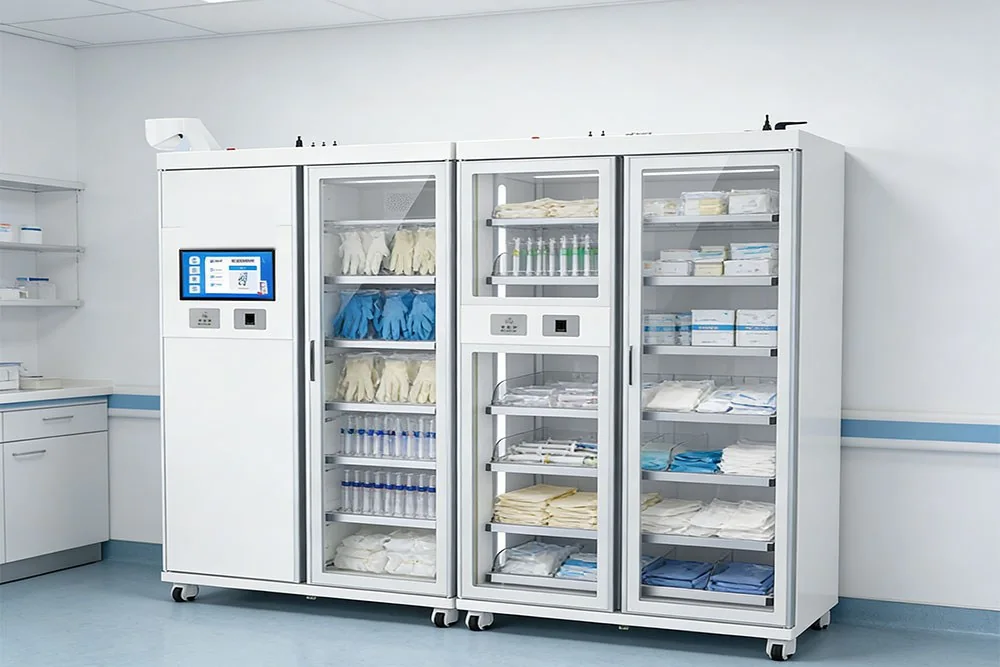
A food fridge has to be cold enough at low cost; a medical refrigerator has to hold a uniform, validatable band everywhere, span +2/+8 °C down to −86 °C, and survive power loss with thermal holdover. That changes the cabinet, not just the thermostat: uniformity (not set point) becomes the spec, so the foam needs tight density control and verified corner-to-corner full fill — a single void is a temperature-mapping failure, not just an efficiency loss. Colder tiers add thicker, denser insulation, vacuum panels and cascade refrigeration; insulation consistency is read under ASTM C518 / ISO 8301, vaccine units against CDC and WHO PQS requirements, pharma storage under FDA cGMP. We supplies the foaming line, moulds and PU raw materials only — the ISO 13485 / WHO PQS / EN 60601 / FDA certification and the finished cabinet belong to the medical-device manufacturer.
A beverage cooler and a vaccine refrigerator can be built on the same line, from the same two-skin, one-PU-shot construction — yet they are engineered for two very different jobs. The global cold chain has pushed past USD 250 billion and is heading toward roughly USD 370–490 billion by 2030, and its most demanding, fastest-growing slice is medical: healthcare cold-chain logistics alone is projected to grow from about USD 62.5 billion in 2025 to USD 95 billion by 2030. A food fridge has to keep produce or drinks acceptably cold and cheap to run. A medical refrigerator has to keep a vaccine, a blood unit or a biologic inside a validated, documented, uniform band — where a half-degree drift or one cold spot can scrap an entire batch and put patients at risk. That single shift — from "cold enough" to "uniform, provable and never failing" — changes what the cabinet, the foam and the line have to deliver. This deep dive walks that engineering: uniformity over set point, a wider and colder temperature range, validation-readiness, the cost of failure, and what actually changes on the production line. For the commercial side — temperature tiers, output and buyer types — start from our medical refrigerator manufacturing solution; this article is about why the cabinet is specified differently.
Two cold chains that look alike — and one is far harder
Walk a trade show floor and a medical refrigerator and a commercial beverage cabinet can look like cousins: stainless or coated steel skins, a glass or solid door, a foamed body, a compressor. The resemblance is real because the manufacturing platform is shared — moulds, PU foaming, assembly. What is not shared is the specification behind the door. The food cold chain is enormous and price-driven; the medical cold chain is comparatively small in unit volume but carries the strictest performance and documentation burden in the whole market, which is exactly why it grows faster and commands higher value per cabinet. The mistake a line builder can make is to treat a medical program as "a food fridge with a tighter thermostat." It is not. The thermostat is the easy part. The hard part is everything the foam and the cabinet body have to do so that a small refrigeration system can hold a narrow band, prove it under a mapping study, and survive a power cut without losing the load. Over 1,800+ line projects across 40+ countries, medical cabinets are the ones that punish a shortcut on the line most severely.
Uniformity, not set point: the real medical difference
The headline number on a fridge is its set point — +4 °C, −20 °C, −80 °C. On a food cabinet that number, held roughly, is enough. On a medical cabinet the number that matters is uniformity: how tightly every point in the chamber, on every shelf, stays within band at the same time. A pharmacy vaccine refrigerator is typically specified to hold +2 °C to +8 °C across the entire usable volume, and bodies like the U.S. CDC are explicit that storage units must keep vaccines within that range everywhere they sit, not just at the sensor — see the CDC Vaccine Storage and Handling Toolkit. Uniformity is where the foam stops being a cost line and becomes the spec. A wall with a void, an under-filled rib pocket or a density that drifts from one panel to the next creates surface-temperature differences inside the chamber — warm and cold spots that a food fridge would never have flagged but that put a medical cabinet out of band in exactly the corners a temperature mapping study will probe. So the discipline on a medical line is corner-to-corner full fill and tight, repeatable density, with the insulation's consistency read the same way any panel's conductivity is measured, under heat-flow-meter standards such as ASTM C518 or its ISO counterpart ISO 8301 — read for evenness across the wall, not just for the lowest single k-factor.
A wider, colder range: from +2/+8 °C down to −86 °C
The food cold chain mostly lives between +4 °C and −25 °C. The medical cold chain spans far more: +2/+8 °C pharmacy and vaccine storage, +4 °C blood-bank cabinets, −20/−40 °C plasma and reagent freezers, and ultra-low −80/−86 °C for mRNA vaccines, cell and gene therapies and biological samples. That range is not a thermostat setting — it is a different cabinet at each tier. As the target temperature falls, the heat the wall must hold out climbs, so the foam has to deliver a genuinely low and even k-factor, the wall section often grows thicker, and at the ultra-low end the construction changes entirely: thicker high-density insulation, vacuum-insulated panels, and cascade or multi-stage refrigeration. The relationship between foam density, k-factor and how cold a cabinet can practically hold is the subject of our PU foam density and k-factor guide, and the tier-by-tier breakdown for procurement sits in our pharma refrigerator OEM specification page. The engineering point is simple: a food line tuned for one comfortable band cannot be pointed at a −86 °C ULT cabinet without rethinking the insulation, the moulds and the fill — the foam job at −86 °C is a different job from the foam job at +4 °C.
Built to be validated: the cabinet as documented evidence
Here is the difference that has no equivalent in the food world. A medical refrigerator is not just expected to perform — it is expected to prove it, repeatedly, through temperature-mapping and validation studies, alarm tests and documented qualification before it ever holds product. Regulators treat storage as part of the product's integrity: pharmaceutical storage and distribution fall under good practice expectations reflected in the FDA's cGMP framework, and vaccine refrigerators sold into immunization programs are held to performance standards such as the WHO PQS cold-chain requirements. A cabinet that runs a little uneven and recovers slowly after a door opening might pass unnoticed in a shop; in a validation study it shows up as an out-of-band corner or a recovery time that fails the protocol. That demand reaches all the way back to the foam: a uniform, void-free, dimensionally stable body is what lets a cabinet pass mapping, hold band during a stable run, and recover quickly when the door closes. The validation and certification themselves belong to the medical-device manufacturer — but the cabinet has to be built validatable, and that is a line-and-foam discipline, not a paperwork afterthought.
When the cost of failure rewrites the spec
A warm food fridge spoils inventory; the loss is measured in money and is usually recoverable. A warm vaccine fridge can destroy an irreplaceable batch, break a clinic's immunization schedule and create a genuine patient-safety event. Because the cost of failure is so much higher, medical cabinets are specified for resilience that a food cabinet never needs: redundant temperature monitoring, audible and remote alarms, sometimes backup cooling, and — critically for the cabinet body — thermal holdover, the ability to stay in band for as long as possible through a power cut or compressor fault. Holdover is bought largely with insulation: a thicker, denser, fully-filled foam wall buys minutes-to-hours of safe margin, where a thin or voided wall sheds it. So the failure-cost calculus pushes the medical cabinet toward heavier, more uniform foam than a food cabinet of the same size would ever justify — not for steady-state running cost, but for the bad day. This is the clearest example of why "a food fridge with a tighter thermostat" is the wrong mental model: the medical cabinet is over-built on purpose, and most of that over-build lives in the wall.
What actually changes on the production line
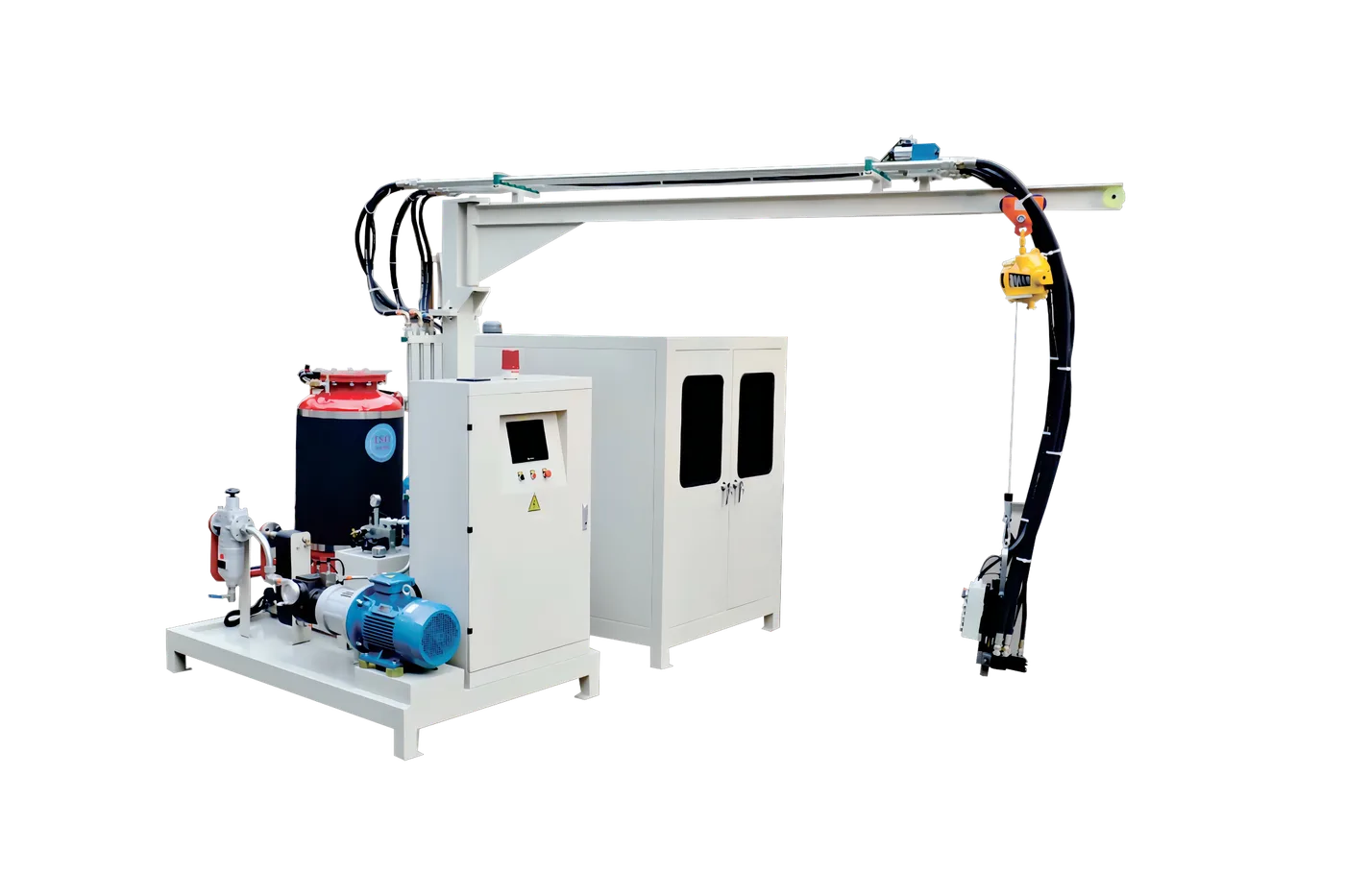
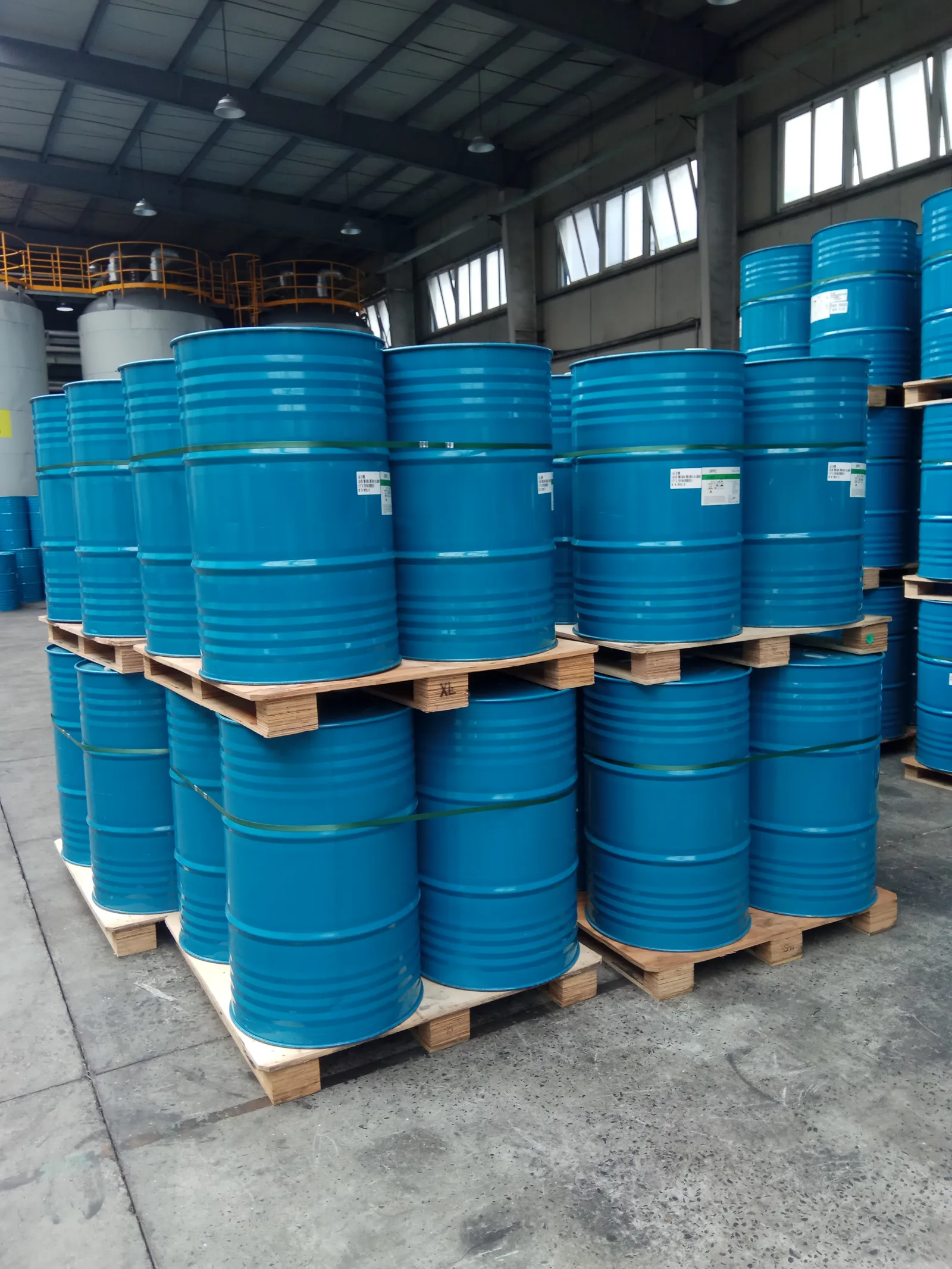
Translate all of that into the factory and a handful of concrete things change versus a food-cabinet line. Density control gets tighter and is verified per unit, because uniformity and holdover both depend on it. Full-fill verification becomes mandatory rather than a spot check, because a single void is a mapping failure, not just an efficiency loss. The moulds are built and maintained to hold the body flat and square so the door gasket seals and the chamber stays uniform for years. At the ultra-low tiers the line takes on thicker insulation, vacuum panels and cascade refrigeration integration. The metered high-pressure PU foaming machine, the refrigerator cabinet foaming moulds and consistent PU raw materials are the same family of equipment a food line uses — set up and controlled to a stricter window. What does not change is the boundary of our scope: we supplies the production-line equipment and integration, while the medical compliance — ISO 13485 quality system, WHO PQS or EN 60601 type testing, CE-MDR and FDA registration — is obtained by the medical-device manufacturer who runs the line. We build the line that makes a validatable cabinet possible; we do not certify the cabinet or sell it as a finished medical device. The deeper walkthrough of the foaming process for vaccine and medical cabinets is in our medical refrigerator foaming guide.
What this means if you're sourcing a medical refrigerator line
The practical takeaway for an OEM moving from food into medical cabinets — or starting a medical program — is to spec the line for uniformity, range and provability, not just for a colder set point. Tell your line supplier the temperature tier and the in-band uniformity target across the whole usable volume, and let those set the foam target, with consistency across the wall valued above a single low k-factor. Confirm the line achieves full, verified, corner-to-corner fill per unit, because a void is a mapping failure waiting to happen. Pin down the holdover you need for power-loss survival, and size the insulation for that bad-day margin, not only for steady-state efficiency. And be clear about the compliance boundary from day one: certification is yours as the device maker, but the cabinet has to be built validatable. We supplies the metered PU foaming systems, the cabinet and door moulds, the assembly line and the PU raw materials behind pharmacy, vaccine, blood-bank and ultra-low medical refrigerator production — the finished, certified medical refrigerators belong to the manufacturers who run the line. For the buyer-side evaluation framework and price tiers, see our medical refrigerator OEM sourcing guide; to size a line to your temperature tiers and volume, start from our medical refrigerator manufacturing solution and tell us the tiers, uniformity target and output — we will match the foaming system, moulds and assembly layout to the uniform, validatable, holdover-capable cabinet a medical program has to deliver.
Building a factory? See our production line guide → For a complete plant, browse our medical refrigerator manufacturing solutions.
Frequently asked questions
How is a medical refrigerator engineered differently from a food refrigerator?
The platform is similar — two steel skins, a PU-foamed body, a refrigeration system — but the target is different. A food fridge optimises for "cold enough" at low running cost. A medical refrigerator must hold a narrow, uniform band across the entire usable volume, prove it under temperature-mapping and validation studies, span a much wider temperature range (from +2/+8 °C down to −86 °C), and survive power loss with thermal holdover. Those demands push the foam toward tighter density control, fully verified void-free fill and heavier insulation than a food cabinet of the same size would justify.
Is the medical cold chain really a $250 billion market?
The roughly USD 250 billion figure is the global cold-chain market overall (food plus pharmaceutical), which has crossed that level in the mid-2020s and is forecast toward USD 370–490 billion by 2030. Medical/pharmaceutical is not the whole of that — it is its most demanding and fastest-growing slice. Healthcare cold-chain logistics specifically is projected to grow from about USD 62.5 billion in 2025 to around USD 95 billion by 2030, driven by biologics, vaccines and cell-and-gene therapies that need precise temperature control.
Why does uniformity matter more than the set point for a medical refrigerator?
Because the product has to stay in band everywhere it sits, not just at the sensor. A vaccine refrigerator specified for +2 °C to +8 °C must hold that range across every shelf and corner. Voids, under-filled sections or drifting foam density create warm and cold spots that a food fridge would tolerate but that put a medical cabinet out of band during a temperature-mapping study. That is why corner-to-corner full fill and tight, even insulation (measured for consistency under ASTM C518 / ISO 8301) are the real medical specification, not the thermostat number.
What temperature ranges does the medical cold chain cover?
Far more than food. Medical storage spans +2/+8 °C for pharmacy and vaccine cabinets, +4 °C for blood banks, −20/−40 °C for plasma and reagent freezers, and ultra-low −80/−86 °C for mRNA vaccines, cell and gene therapies and biological samples. Each tier is effectively a different cabinet: as the temperature falls, the wall needs a lower, more even k-factor, thicker high-density insulation, and at the ultra-low end vacuum-insulated panels and cascade refrigeration — which is why a food line cannot simply be re-pointed at a −86 °C cabinet.
Does UREXCEED make certified medical refrigerators, or just the production line?
Just the production-line equipment. We supplies and integrates the PU foaming systems, cabinet and door moulds, assembly line and PU raw materials that build pharmacy, vaccine, blood-bank and ultra-low medical refrigerators. The medical compliance — ISO 13485 quality system, WHO PQS or EN 60601 type testing, CE-MDR and FDA registration — and the validated, finished cabinet belong to the medical-device manufacturer who runs the line. We build the line that makes a validatable, uniform, holdover-capable cabinet possible; we do not certify or sell the finished medical device.
Продукты, упомянутые в статье
Готовы спланировать холодильный проект?
Поделитесь целевым объёмом и номенклатурой — наша инженерная команда ответит с планом мощности и коммерческим предложением в течение трёх рабочих дней.
Запросить инженерное предложениеПохожие статьи
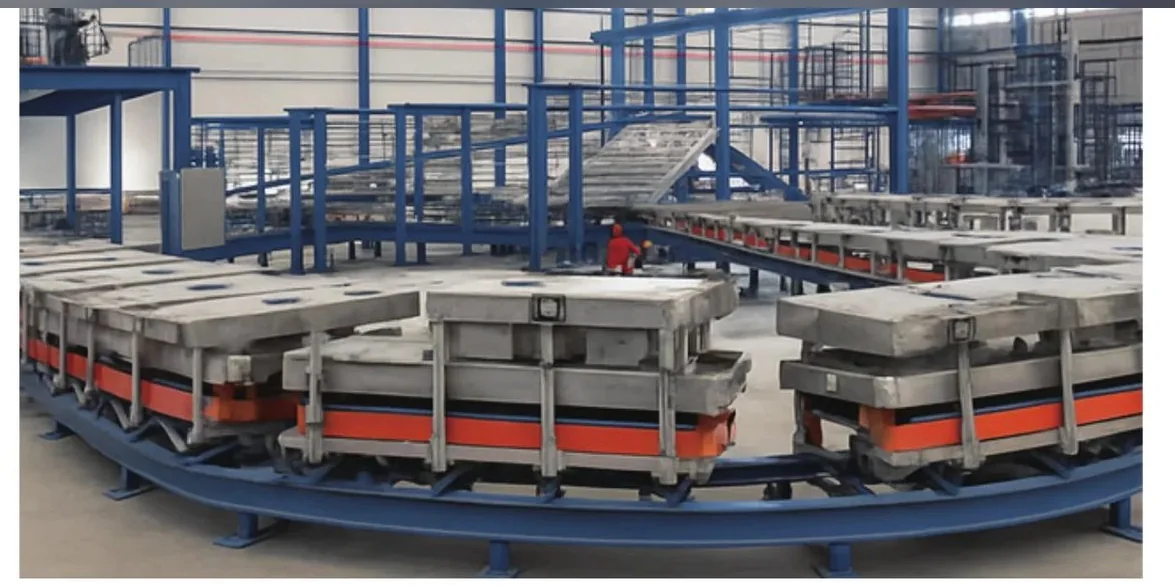
26-Station Ground-Rail Foaming Line Throughput: The Real Math Behind the Numbers
The station count in a foaming line's name is the wrong number to size capacity on. Hourly output is set by takt time and OEE; the 26 stations set curing time and work-in-process. This guide walks the actual throughput math for a closed-loop ground-rail line so you size it against your real production target.
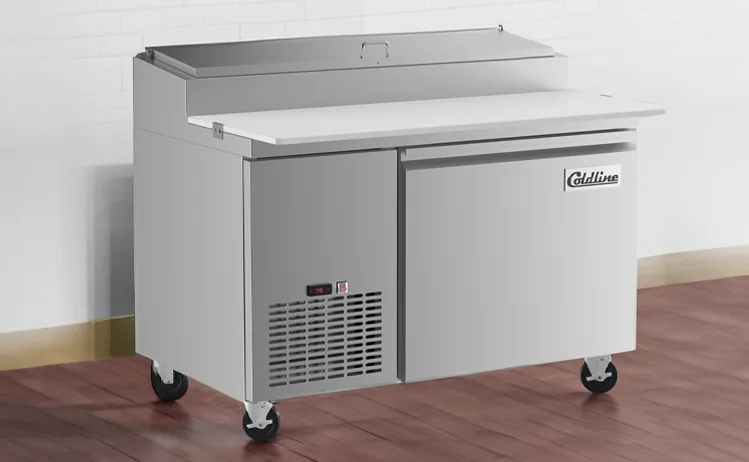
Chef Base PU Foaming, Deep Dive: Why a Load-Bearing Cabinet Is Foamed Differently from a Domestic Fridge
A chef base carries heavy cooking equipment on its top deck, soaks up radiant heat from the cooktop, and is built from two stainless skins — so its PU foam has to be a structural member and an insulator at once. This deep dive walks the engineering that separates chef-base foaming from domestic-cabinet foaming: load-bearing density, k-factor under a hot deck, stainless adhesion, and the defect modes that punish treating the two cabinets the same.
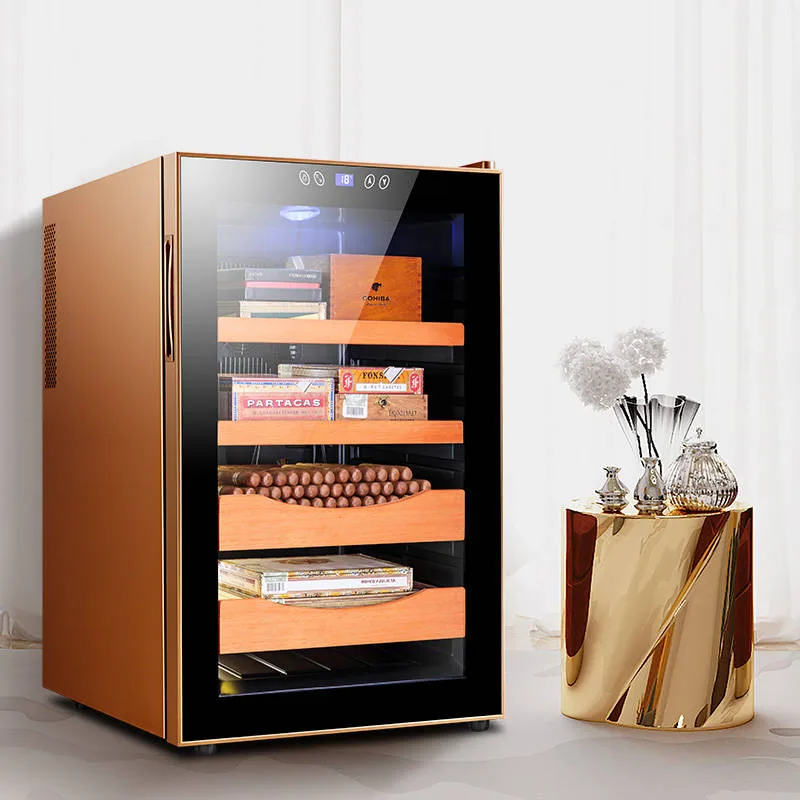
Cigar Humidor Cabinet PU Foam, Deep Dive: Why a Humidity-Holding Cabinet Is Foamed Differently from a Cold-Chain Fridge
A cigar humidor cabinet shares a fridge's two-skin, one-PU-shot construction but not its goal: it holds a narrow 65–72% relative-humidity band at around 18 °C, not a low temperature. This deep dive walks the engineering that makes humidor foaming its own discipline — RH stability, a vapor-tight envelope (ASTM E96 permeance), the condensation a single void causes near saturation, dimensional stability so the door seal stays tight for years, and why it is a precision low-pressure job rather than a high-volume one.