
خط رغوة البولي يوريثان لإنتاج صناديق العزل
تحليل خطوة بخطوة لعملية إنتاج صناديق العزل، وقائمة المعدات والميزانيات، وتخطيط الطاقة الإنتاجية والعائد على الاستثمار، وخمسة أخطاء نموذجية عند الانطلاقة الأولى.
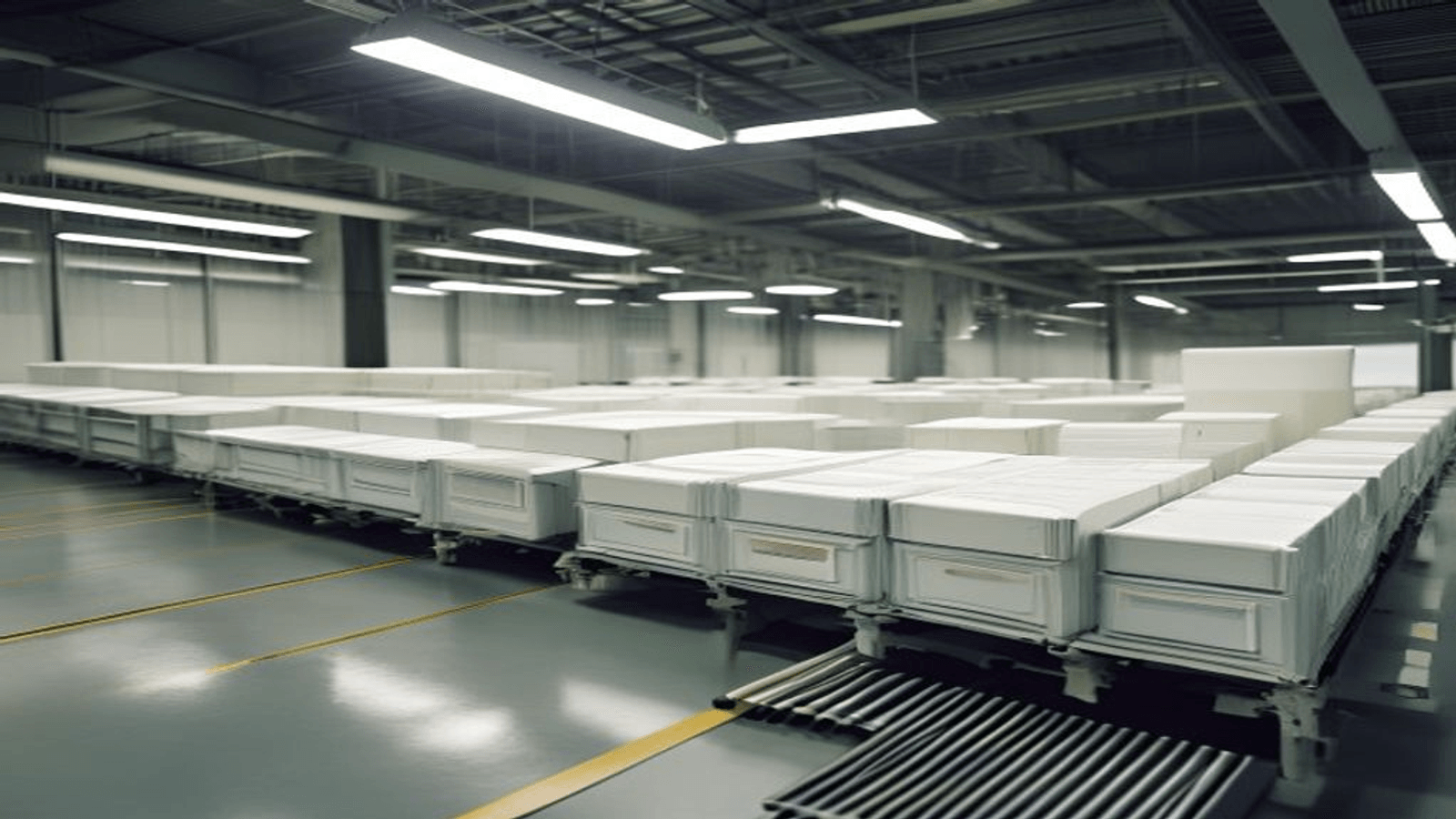
إنتاج صناديق العزل عملية دفعية من 5 خطوات (تجهيز الأصداف ← تجميع القالب ← حقن البولي يوريثان ← التصلّب/الفك ← التشذيب والتجميع). يكلّف خط انطلاق (ماكينة واحدة، 4 قوالب) 80-180 ألف دولار وينتج 50-100 صندوق/يوم؛ ويكلّف خط عالي الحجم (دوّار + ماكينة عالية الضغط) 300-650 ألف دولار عند 500-2000 صندوق/يوم. عادة ما يكون العائد على الاستثمار 12-30 شهرًا حسب الحجم.
لماذا يشهد تصنيع صناديق العزل ازدهارًا في 2025-2026
من المتوقع أن يصل السوق العالمي لحاويات الشحن العازلة إلى 14.2 مليار دولار أمريكي بحلول 2028، بنمو سنوي مركب 9.4%. تدفع ثلاث قوى الطلب في آن واحد:
- سلسلة التبريد الدوائية — تتطلب لقاحات mRNA والمنتجات الحيوية والعلاجات الخلوية نقلًا بدرجة 2-8 °م أو −20 °م. تقدّر منظمة الصحة العالمية أن 50% من اللقاحات تُهدر في الدول النامية بسبب انقطاع سلسلة التبريد. يحتاج كل مركز توزيع جديد إلى آلاف صناديق العزل سنويًا.
- التجارة الإلكترونية للأغذية الطازجة — نما انتشار التسوق الغذائي عبر الإنترنت في جنوب شرق آسيا بنسبة 38% في 2025. يحتاج كل توصيل إلى حاوية عازلة قابلة لإعادة الاستخدام أو للاستخدام مرة واحدة للحفاظ على درجة الحرارة في الميل الأخير.
- توسّع سلسلة التبريد الصناعية — تتطلب منشآت التخزين البارد الجديدة في أفريقيا والشرق الأوسط وأمريكا اللاتينية صناديق عازلة للنقل بين المنشآت ونقل العينات وحماية المعدات.
بالنسبة للمصنّعين الذين ينتجون بالفعل ثلاجات أو ألواح تخزين بارد، يشترك خط إنتاج صناديق العزل في 80% من سلسلة التوريد: ماكينات رغوة البولي يوريثان والمواد الخام ومعدات اختبار الجودة متطابقة.
عملية إنتاج صناديق العزل من 5 خطوات
على عكس خطوط الألواح المستمرة، يُعد إنتاج صناديق العزل عملية دفعية مبنية حول القوالب ودورات رغوة منفصلة:
- تجهيز الأصداف — تُوضع الأصداف الداخلية والخارجية (HDPE أو ABS أو الفولاذ المقاوم للصدأ أو PE المُصبوب دورانيًا) في تجهيزة الرغوة. تتراوح سماكة الصدفة بين 2-5 مم حسب التطبيق ومتطلبات إعادة الاستخدام.
- تجميع القالب والتثبيت — تُوضع الأصداف داخل تجهيزة رغوة تحافظ على فجوة الجدار الدقيقة (30-80 مم). يمنع ضغط التثبيت الصحيح تسرّب الرغوة ويضمن سماكة جدار موحّدة. تتضمن التجهيزة المصممة جيدًا قنوات تهوية للهواء المزاح.
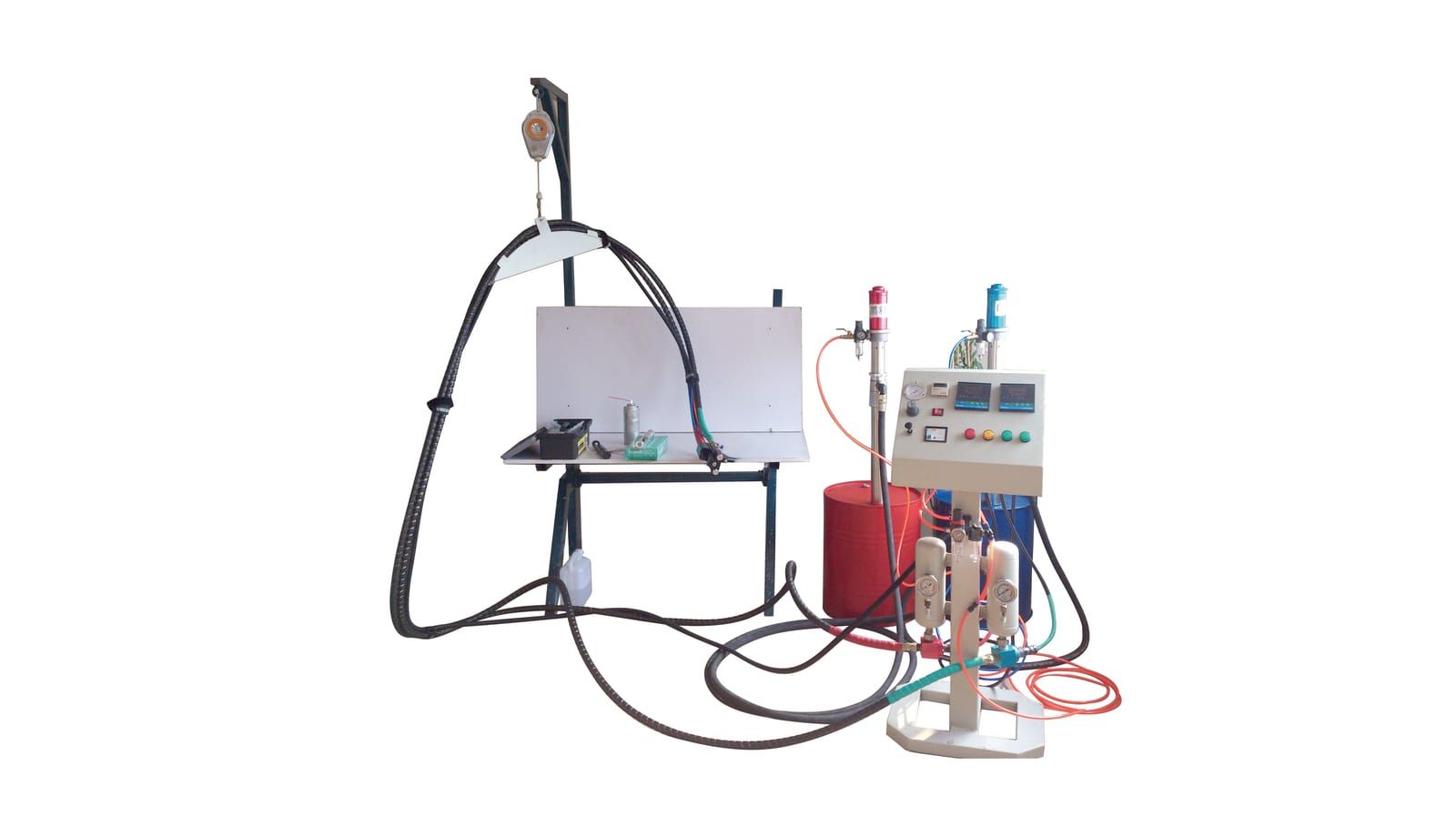
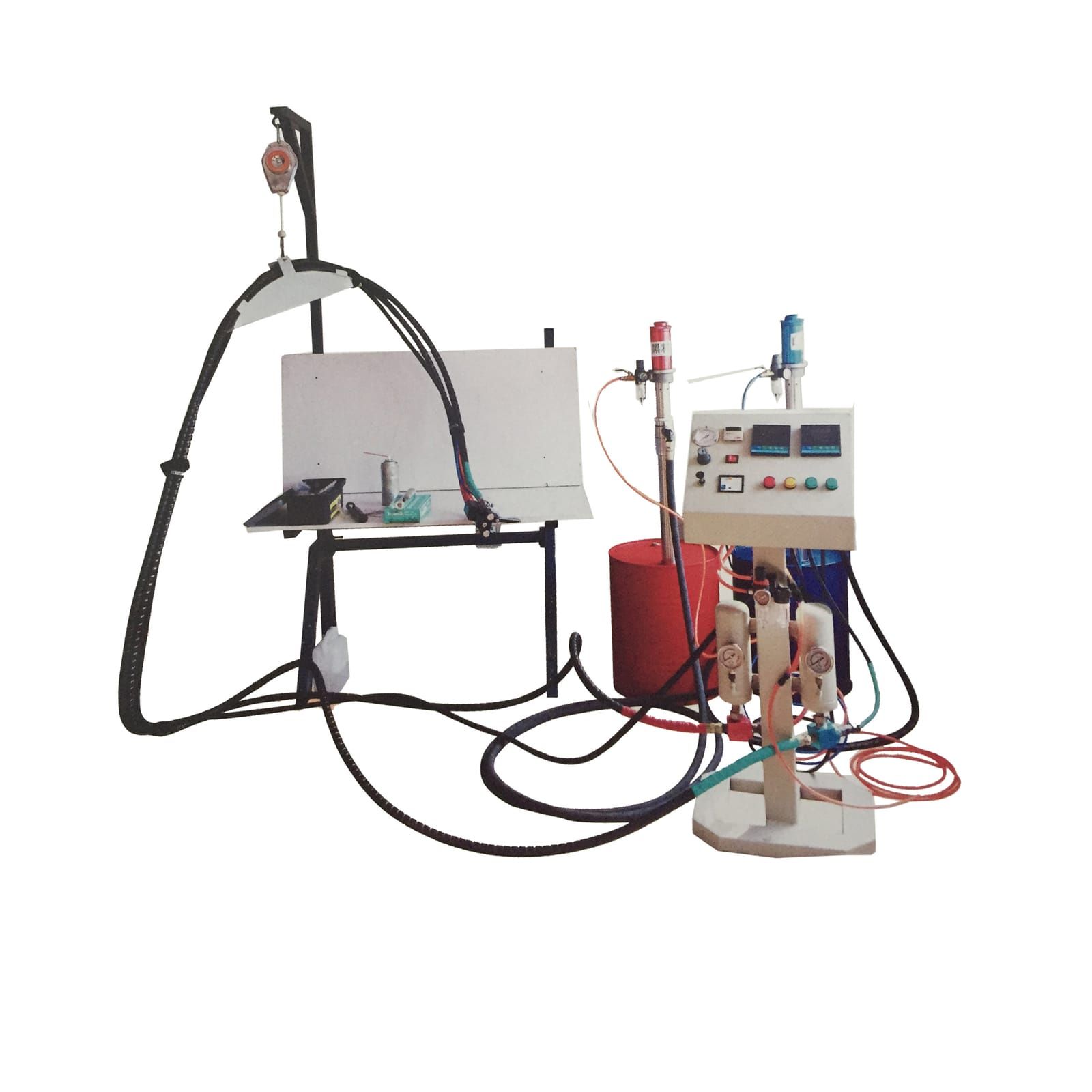
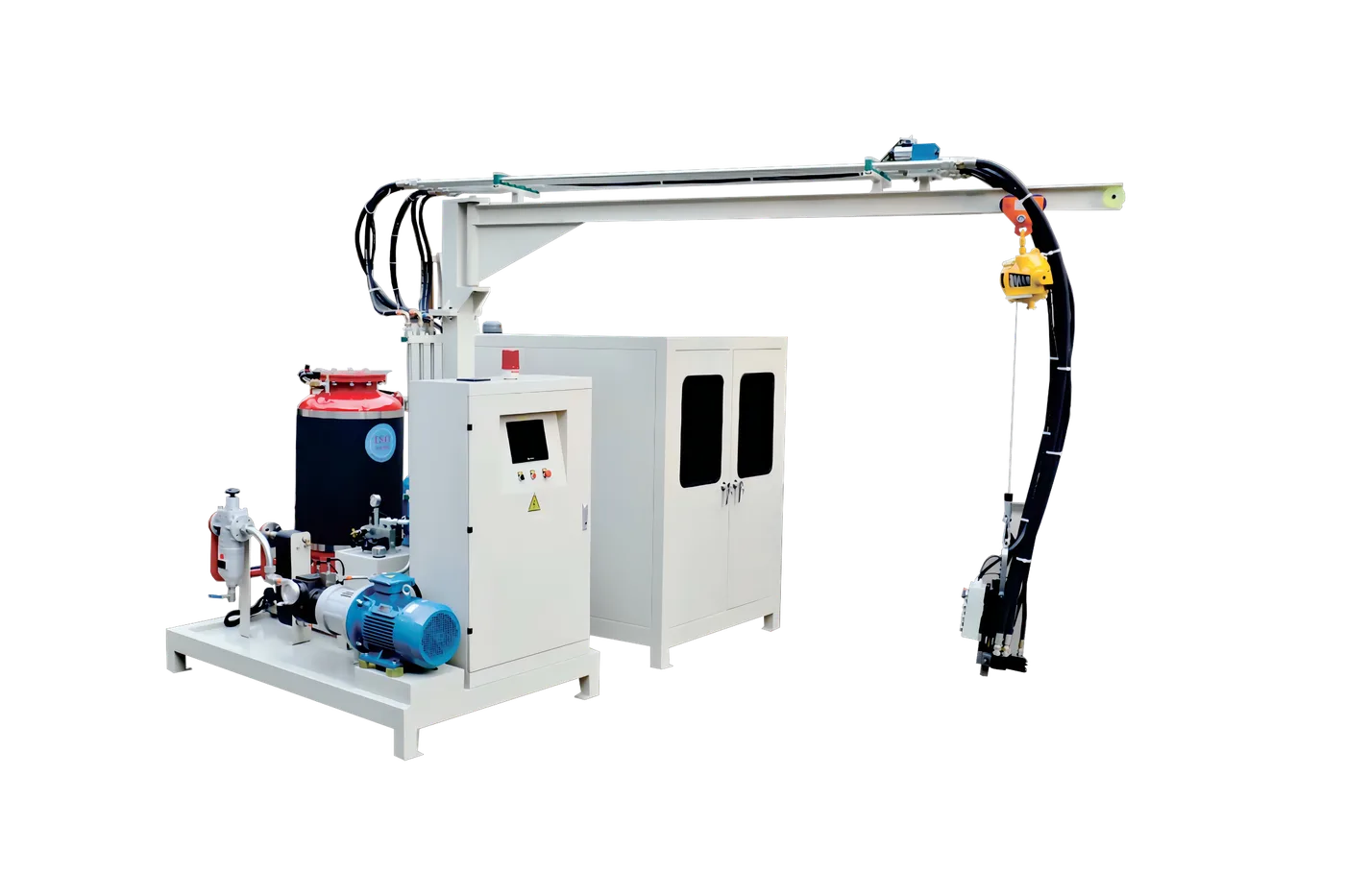
- حقن رغوة البولي يوريثان — تحقن ماكينة رغوة البولي يوريثان منخفضة الضغط (لأحجام أقل من 500 صندوق/يوم) أو الماكينة عالية الضغط (لـ500+ صندوق/يوم) خليط البوليول-الأيزوسيانات. يُحسب وزن الحقنة من حجم التجويف × الكثافة المستهدفة (عادة 38-45 كغم/م³ لصناديق سلسلة التبريد). تعوّض نسبة الملء الزائد 10-15% عن زوايا التجويف وخسائر التهوية.
- التصلّب والفك — تتصلّب الرغوة داخل القالب لمدة 5-8 دقائق في درجة حرارة الغرفة (لا حاجة لحزام مُسخّن — بخلاف خطوط الألواح). يسبب الفك المبكر جدًا انهيارًا سطحيًا؛ والفك المتأخر جدًا يهدر زمن الدورة. يُعد نظام البولي يوريثان جيد التركيب بأزمنة كريمة/هلامية/خلو من اللزوجة محسّنة أمرًا حاسمًا لتحقيق الدورة المستهدفة.
- التشذيب ومراقبة الجودة والتجميع — تُشذّب زوائد الرغوة من فتحات الصب والحواف. يخضع كل صندوق لاختبار الأداء الحراري (زمن الحفاظ على درجة الحرارة عند الدرجة المستهدفة مع حمولة ثلج قياسية) وفحص الأبعاد. تُجمّع الأغطية والحشيات وسدادات التصريف والمقابض.
قائمة المعدات والمواصفات
| المعدات | المواصفات | الميزانية (دولار أمريكي) |
|---|---|---|
| ماكينة رغوة البولي يوريثان (منخفضة الضغط) | 10-30 بار، 2-4 مكونات، إنتاجية 50-200 غ/ثانية | 15,000-40,000 |
| ماكينة رغوة البولي يوريثان (عالية الضغط) | 100-200 بار، مكونان، إنتاجية 200-600 غ/ثانية | 80,000-250,000 |
| تجهيزات/قوالب الرغوة (لكل صنف) | ألومنيوم أو فولاذ، مُشغّلة بـCNC | 3,000-15,000 لكل قالب |
| دوّار رغوة دوّار (اختياري) | 6-12 محطة، 2-4 دورة/ساعة | 50,000-120,000 |
| محطة التشذيب | راوتر هوائي + شفط غبار | 5,000-15,000 |
| غرفة الاختبار الحراري | من −30 إلى +60 °م، تسجيل بيانات | 8,000-25,000 |
| الإجمالي (بداية منخفضة الحجم) | 50-200 صندوق/يوم | 80,000-180,000 |
| الإجمالي (حجم عالٍ) | 500-2000 صندوق/يوم | 300,000-650,000 |
أكبر متغير تكلفة منفرد هو ما إذا اخترت ماكينة رغوة عالية أو منخفضة الضغط. بالنسبة للصناديق ذات الدرجة الطبية التي تتطلب توحيدًا للخلايا بانحراف أقل من 0.3 مم، الضغط العالي إلزامي. بالنسبة لصناديق توصيل الطعام القياسية، يوفّر الضغط المنخفض جودة مقبولة بتكلفة ماكينة أقل بنسبة 60-70%.
تخطيط الطاقة الإنتاجية والجدول الزمني للعائد على الاستثمار
يحقق مصنع صناديق العزل النموذجي عائد استثمار خلال 18-30 شهرًا، حسب مزيج المنتجات وسعر البيع:
| الحجم | الإنتاج اليومي | الإيراد/سنة (تقديري) | فترة الاسترداد |
|---|---|---|---|
| بداية (ماكينة واحدة، 4 قوالب) | 50-100 صندوق | 400-800 ألف دولار | 18-24 شهرًا |
| حجم متوسط (دوّار + ماكينة عالية الضغط) | 300-500 صندوق | 2-4 ملايين دولار | 12-18 شهرًا |
| حجم عالٍ (خطان، مؤتمت) | 1000-2000 صندوق | 6-12 مليون دولار | 24-30 شهرًا |
الافتراضات: متوسط سعر البيع 25-80 دولار/صندوق (حسب الحجم والمواصفات)، هامش إجمالي 60%، 250 يوم عمل/سنة.
5 أخطاء يرتكبها مصنّعو صناديق العزل لأول مرة
- التقليل من كثافة الرغوة — استخدام رغوة بكثافة 32 كغم/م³ لتوفير تكلفة المواد، ثم الفشل في اختبارات زمن الحفاظ على الحرارة. بالنسبة لصناديق سلسلة التبريد، لا تنزل أبدًا عن 38 كغم/م³ ما لم يكن لدى نظام البولي يوريثان لديك معامل K موثّق (ASTM C518) ≤ 0.020 عند تلك الكثافة.
- تخطي حساب الملء الزائد — حقن حجم التجويف بالضبط يؤدي إلى فراغات عند الزوايا وحول الإدراجات. احسب دائمًا بملء زائد 10-15%.
- اختيار مادة صدفة خاطئة — HDPE رخيص لكنه يتشقق عند −40 °م. للتطبيقات فائقة التجميد، استخدم ABS أو LLDPE مصبوبًا دورانيًا بتصنيف تحمّل صدمات مؤكد عند درجات الحرارة المنخفضة.
- تجاهل تهوية القالب — الهواء المحتبس يسبب عيوبًا سطحية وتباينًا في الكثافة. تحتاج كل تجهيزة إلى 4 قنوات تهوية على الأقل (قطر 2 مم كحد أدنى) موضوعة عند أعلى نقاط التجويف.
- عدم تحسين زمن الدورة — الفك عند زمن ثابت 10 دقائق بغض النظر عن درجة حرارة المحيط. في الصيف (30+ °م)، يتسارع التصلّب — يمكنك الفك بأمان عند 5-6 دقائق. في الشتاء، قد تحتاج 8-9 دقائق. راقب درجة حرارة سطح الرغوة، وليس الساعة فقط.
الأسئلة الشائعة
ما الحد الأدنى للاستثمار لبدء إنتاج صناديق العزل؟
خط بداية بماكينة رغوة بولي يوريثان منخفضة ضغط واحدة و4 تجهيزات رغوة يكلّف 80,000-180,000 دولار وينتج 50-100 صندوق يوميًا. هذا مناسب لموردي سلسلة التبريد الطبية/الغذائية الإقليميين.
هل يمكنني استخدام نفس ماكينة رغوة البولي يوريثان لصناديق العزل وخزانات الثلاجات؟
نعم. يستخدم كلا التطبيقين نفس ماكينة الرغوة — يختلف فقط القالب/التجهيزة وبرنامج وزن الحقنة. يُشغّل كثير من عملاء UREXCEED صناديق العزل على نفس ماكينة الضغط العالي التي ترغّي خزانات ثلاجاتهم، بالتبديل بين برامج المنتجات.
ما كثافة رغوة البولي يوريثان الموصى بها لصناديق سلسلة التبريد الطبية؟
تتطلب صناديق سلسلة التبريد الطبية عادة رغوة بولي يوريثان صلبة بكثافة 40-45 كغم/م³ لتحقيق زمن حفاظ على الحرارة يتجاوز 72 ساعة (2-8 °م) مع عبوات مادة متغيّرة الطور. يمكن لصناديق توصيل الطعام القياسية استخدام 38 كغم/م³.
كم من الوقت يستغرق إعداد خط إنتاج صناديق العزل؟
من الطلب حتى أول إنتاج: 8-12 أسبوعًا لخط بداية (تسليم الماكينة + تصنيع القوالب + التركيب + تشغيلات تجريبية). تستغرق خطوط الدوّار عالية الحجم 14-20 أسبوعًا شاملة اختبار FAT وتدريب المشغّلين.
ما الشهادات التي تحتاجها صناديق العزل للاستخدام الدوائي؟
يجب أن تلبي صناديق سلسلة التبريد الدوائية معيار ISTA 7D (تأهيل الأداء الحراري)، وإرشادات GDP (ممارسات التوزيع الجيدة)، وغالبًا ما تتطلب تقارير رسم خرائط درجة حرارة مُعتمدة. تحتاج المواد الملامسة للمنتجات إلى امتثال FDA 21 CFR أو EU 10/2011.
ابدأ مع UREXCEED
سواء كنت تضيف طاقة صناديق عزل إلى خط ثلاجات قائم أو تبني مصنع تعبئة سلسلة تبريد مخصصًا من الصفر، نوفّر حزمة المعدات الكاملة: ماكينات الرغوة، وتجهيزات مخصصة، وأنظمة المواد الخام للبولي يوريثان، ودعم التشغيل التجريبي في الموقع.
اطلب عرض سعر — أخبرنا بأبعاد الصندوق المستهدفة والإنتاج اليومي وتطبيق الاستخدام النهائي، وسيرد فريقنا الهندسي بعرض مخصص خلال 48 ساعة.
المنتجات المذكورة في هذا المقال
هل أنت مستعد للتخطيط لمشروع التبريد الخاص بك؟
شاركنا هدف الإنتاج ومزيج المنتجات — فريقنا الهندسي يرد بخطة طاقة إنتاجية وعرض أسعار خلال ثلاثة أيام عمل.
اطلب عرض أسعار هندسيمقالات ذات صلة
Cold Room Panel Manufacturers in the UAE: Why "Civil Defence Approved" Is Not One Question
In the UAE, a panel's paperwork has to satisfy a federal code, a product certification scheme, and an emirate-level listing — and Abu Dhabi has just formalised 54 local amendments of its own. A brochure line reading "Civil Defence approved" answers none of those three. Here is what to ask instead, why a European supplier's fire pack is the wrong currency here, and what a 45°C ambient does to the thickness you thought you needed.
Converting a Refrigerator Foaming Line to Cyclopentane: Retrofit vs New Machine, Cost and Timeline
Switching from HFC-245fa to cyclopentane is an equipment and safety-infrastructure project, not a raw-material swap. Here's how to decide between retrofitting an existing foaming machine and buying a new cyclopentane-ready one, what the safety infrastructure actually costs, and a realistic project timeline.
Freezer Mould Selection Guide: Chest vs Upright vs Display Cabinet
A freezer mould is not one product — chest (horizontal), upright and display (island / glass-door) freezers each need a different mould geometry, clamping load and cure schedule. This guide picks the right freezer mould family by cabinet size, volume and operating temperature.