
Beverage Cooler Production Line — Cost, Payback & Turnkey Setup (2026 Pillar Guide)
Investment tiers from a single-door entry line to a full bottler-program build, the payback math behind a 3,000-unit/day line, and the complete equipment list and certification checklist a beverage cooler OEM needs to go from contract to first shipment.
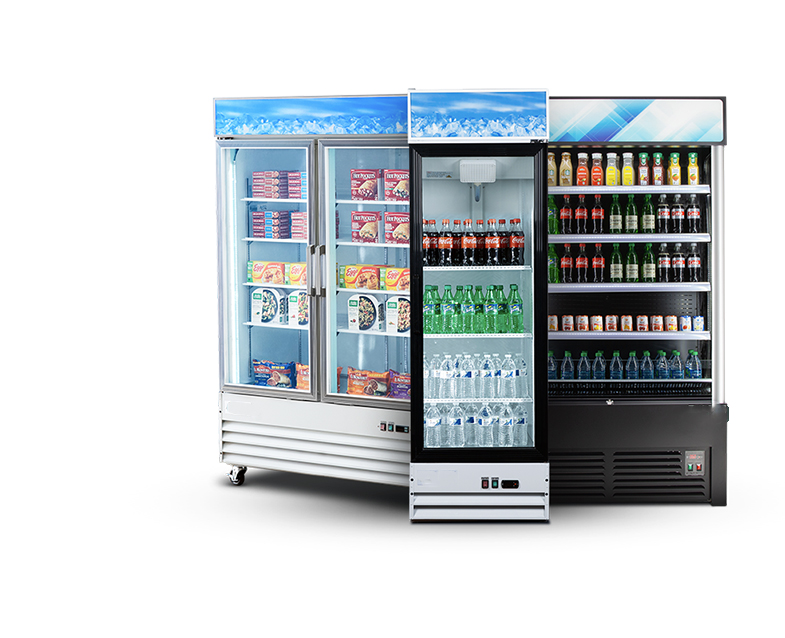
A beverage cooler production line runs USD 700,000-3,000,000 for lines producing 200 to 2,000 units per shift, and the reference 3,000-unit/day bottler-program configuration (USD 1.6M-2.4M) pays back in 24-36 months at standard program volumes. The mistake that costs first-time entrants the most isn't line size, it's tooling for average demand instead of peak: bottler tenders routinely swing 2-3x above steady-state volume, and a line sized only for the average is what strands a factory when an 8,000-unit-in-60-days order lands. The other recurring miss is treating tropical-climate engineering — condensation control, heated door perimeter — as an optional upgrade instead of a baseline requirement for Middle East and Southeast Asia placements.
A beverage cooler production line runs USD 700,000-3,000,000 for lines producing 200 to 2,000 units per shift, and the reference 3,000-unit/day bottler-program configuration pays back its USD 1.6M-2.4M capex in 24-36 months at standard program volumes. The cost driver first-time buyers get wrong isn't the foaming machine, it's demand planning: bottler tenders from Coca-Cola, PepsiCo and the major brewers routinely order 2-3x their steady-state volume for a fixed window, and a factory that tools its line to the average instead of the peak is the one that can't accept the order that would have paid for the whole plant.
For a beverage cooler OEM entering bottler-program supply, or an existing display-cabinet manufacturer adding a beverage line, the sequence runs through market sizing and the 8-step setup path, the investment decision with real cost tiers and the payback math, and the procurement details — equipment list, line layout and PU foaming machine selection — needed to build the line itself.
Market Size and Why Beverage Cooler Manufacturing Is a Distinct Entry Point
Bottler programs — Coca-Cola, PepsiCo, AB InBev, Heineken, Danone — and private-label commercial refrigeration brands both depend on the same category of equipment: a single-, double- or triple-door glass-front cooler engineered to a brand's cosmetic spec sheet as tightly as its cooling spec. Confirmed installations built to this model are running in Mexico, Brazil, Turkey, Nigeria, Egypt and Vietnam, producing branded upright coolers for retail placement alongside single-door personal-use coolers and glass-door display units for beer and beverage retail.
Beverage cooler manufacturing is structurally different from general refrigeration-cabinet manufacturing as a market to enter:
- Brand-spec cosmetic precision is audited at scale, not sampled. A bottler brand team doesn't check one cabinet — it audits color, door curve and decal alignment across a rollout of 50,000+ deployed units. Cabinet RAL color (Coca-Cola Red 484C, Pepsi Blue 287C) and door curve radius tolerance (±0.5 mm) are purchasing criteria, not finishing touches.
- Demand is peak-driven, not average-driven. A bottler tender locked at 8,000 units/day for a 60-day window is a normal order pattern, not an edge case — 2-3x a factory's steady 3,000-unit/day baseline. Lines sized only for average throughput miss these orders entirely.
- Tropical-climate engineering is a baseline spec for two-thirds of the addressable market. Middle East and Southeast Asia placements run glass-door coolers at up to 43°C ambient, where standard-spec cabinets fog, condense and fail SASO (Saudi Arabia) or DEWA (UAE) audit.
Most new entrants underestimate how much of the cost and reject-rate risk sits in brand-audit precision and peak-capacity planning rather than in the foaming machine itself. The 8-step sequence below is built around locking in those two decisions before committing capital to tooling.
The 8-Step Sequence to Start a Beverage Cooler Production Line
- Define your cabinet matrix against real bottler spec sheets first, not your budget. Single, double and triple-door coolers built to standard bottler cabinet dimensions — Coca-Cola RM-200/300/500/750, Pepsi CE-360/840, AB InBev standard footprint — share a mould family; lock your SKU range before pricing anything.
- Set your brand-audit cosmetic tolerance. Door curve radius within ±0.5 mm and decal flatness with no air bubbles within 10 mm of the edge is the bar a bottler brand team audits against; confirm which programs you're targeting before mould design freezes.
- Size your foaming machine for large-shot bottler-cabinet volume. A 48-55 kg/min high-pressure system is what supports 8,000 units/day of large-cabinet output — see our high-pressure vs low-pressure PU foaming machine comparison for why bottler-scale coolers need the high-pressure class.
- Decide standard or tropical spec before tooling, not after a failed audit. Standard wall thickness is 40-60 mm at 32-38 kg/m³ foam density; tropical spec needs 60 mm wall foam and 40-50 kg/m³ density plus a 4-6 W/m heated door perimeter to hold up at 43°C ambient.
- Choose your refrigerant path. R290 is the mainstream choice for 2026 bottler programs; R600a remains standard on the legacy Coca-Cola CE cabinet range. Both fall under ISO 5149 refrigeration-system safety requirements, and US-market technicians charging or servicing either circuit need EPA Section 608 refrigerant-management certification.
- Plan for burst capacity before you win the tender, not after. A second high-pressure foaming station adds roughly USD 280K and doubles a 6,000-unit/day two-shift baseline to 12,000/day burst capacity — cheap insurance against losing a peak order.
- Build running-load QA into the line from day one. A 24-hour thermal-cycling test station plus foam-density spot-checks every 50 doors is what separates a 0.4-0.8% defect rate (achievable) from the 1.5-2% industry benchmark.
- Line up your certification track in parallel with tooling. IEC 60335-2-89 (commercial refrigerating appliance safety), CE, EPA ENERGY STAR for US placements, and SASO/DEWA for Middle East tropical-spec audits all run on their own timelines — starting them after the line is built is the most common cause of a delayed first shipment.
Three Pitfalls That Delay First Shipment or Blow the Budget
- Sizing the line for average demand instead of peak tender volume. Bottler peak orders run 2-3x steady demand — a line built for a 3,000-unit/day baseline with no burst-capacity plan is the line that can't accept the 8,000-unit tender when it lands. A second high-pressure foaming station (~USD 280K) doubling burst capacity is typically cheaper than the lost contract.
- Tooling a separate mould for every door-count variant. Two base moulds with snap-in dividers cover single, double and triple-door variants on the same PU machine, fixture and conveyor with a 30-45 minute changeover; per-variant capex on that path runs about USD 95K instead of USD 280K for a dedicated mould. Most beverage cooler factories run 5-8 SKUs across those two base moulds.
- Treating tropical-climate spec as a later upgrade. Standard-spec cabinets shipped into 40°C+ Middle East or Southeast Asia markets fail on glass-door fog and condensation and fail SASO/DEWA tropical audits. The fix — 60 mm wall foam, heated door perimeter, resized condenser — has to be engineered into the mould and line from the start, not retrofitted after a rejected shipment.
Reference Configuration — Bottler-Program Entry Line
The following is a typical capability profile for a bottler-program beverage cooler line, not a specific client result: a manufacturer entering with two base moulds (single/double/triple-door via snap-in dividers, cast-aluminium ZL105/LY12 tooling holding ±0.05 mm cavity precision, cabinet capacity up to 1,900 × 700 × 1,300 mm) targeting a 3,000-unit/day baseline with a second high-pressure foaming station held in reserve for tender peaks. A high-pressure PU foaming system running 100-1,500 g/s (48-55 kg/min at large-cabinet shot size) with ±0.5% metering accuracy holds the 32-38 kg/m³ cabinet-wall density, each shot cures on a ~30-second cycle, and a calibrated paint booth and decal jig mate to the target bottler's brand-spec sheet before doors go to final assembly.
Our confirmed reference project on this model is a CIS-region installation — a 3,000-units/day beverage cooler line delivered in 2024, scoped around foaming moulds, a high-pressure PU machine and the full assembly line; see the case study index for the current regional project list. For the mould and PU-machine selection logic behind a comparable extended-tier cabinet build, our Cigar Humidor Manufacturing Plant pillar guide walks through the same cabinet-matrix-first approach for a different display-cabinet category.
Certification Checklist — What Has to Be in Place Before You Can Ship
Beverage cooler manufacturing for bottler-program supply carries a defined certification load, and four items are non-negotiable depending on target market:
- IEC 60335-2-89 (safety of commercial refrigerating appliances with an incorporated or remote condensing unit) — the baseline safety standard most bottler programs specify.
- CE marking for the EU, plus CB Scheme for markets recognizing the IEC certification body scheme outside Europe.
- EPA ENERGY STAR qualification for US bottler placements, and EPA Section 608 certified handling for any technician charging or servicing the R290 or R600a refrigerant circuit.
- SASO (Saudi Arabia) and DEWA (UAE) tropical-spec certification for Middle East placements — this is where standard-spec cabinets built without the 60 mm tropical wall and heated door perimeter fail audit.
What's explicitly out of scope for the equipment supplier: bottler contract negotiation, the finished cabinet's brand-license approval, and the certification submission itself. The line ships with CE and ISO 9001 on the equipment and the running-load QA station your own commissioning tests will need, but the bottler-program audit and the market-specific certification (IEC 60335-2-89, EPA ENERGY STAR, SASO/DEWA) belong to the manufacturer running the line.
Decision: Which Entry Tier Should You Build?
One-line answer: if you're launching a single door-count configuration into one private-label or regional retail channel, start at Tier 1 (USD 700K-1.1M); if you're supplying a defined bottler program across single/double/triple-door SKUs, Tier 2 (USD 1.6M-2.4M) with the two-base-mould strategy is the standard first build; Tier 3 (up to USD 3M) adds the second high-pressure foaming station and is for manufacturers committing to bottler-tender peak capacity from day one.
Three-Tier Investment Comparison
| Tier | Mould / capacity strategy | Target output | Investment | Best for |
|---|---|---|---|---|
| Tier 1 — Entry | Single door-count mould | 200-500 units/shift | USD 700K-1.1M | Private-label or single-channel regional launch |
| Tier 2 — Bottler-Program | Two base moulds, snap-in dividers (single/double/triple-door) | ~1,500 units/shift (3,000/day, 2 shifts) | USD 1.6M-2.4M | Defined bottler program, standard steady-state volume |
| Tier 3 — Full Bottler-Program | Tier 2 tooling + second high-pressure foaming station | Up to 2,000 units/shift, 12,000/day burst | Up to USD 3.0M | Bottler tenders with 2-3x peak-volume swings |
Payback: When the Line Pays for Itself
UREXCEED's published buyer economics for a 3,000-unit/day bottler-program line put payback at 24-36 months at standard program volumes. Run the arithmetic through the range: at USD 1.6M-2.4M capex and a 2-shift, ~220-330 production-day operating year, that line produces roughly 660,000-990,000 units inside the 24-36 month payback window — which means the line needs to recover somewhere in the range of USD 2-3 of gross margin per unit over that window to hit the published payback, before accounting for the utilization ramp every new line runs at below 100% in its first year. The two levers that move that math faster than raw output speed are defect rate and capacity utilization: a line holding the 0.4-0.8% achievable defect rate instead of the 1.5-2% industry benchmark keeps materially more of each unit's margin, and a Tier 3 line that can accept a bottler's peak-volume tender instead of turning it down converts idle capacity directly into payback speed.
Hidden Costs First-Time Entrants Miss
- The calibrated paint booth and decal jig — a separate line item from the foaming machine and mould, required to hold bottler-spec RAL color and decal-flatness tolerance, and not always priced into a first-time buyer's foaming-line quote.
- Tropical-spec delta cost — the 60 mm wall (vs. 40-60 mm standard range), heated door perimeter and resized condenser needed for SASO/DEWA markets adds real tooling and componentry cost that a standard-spec quote won't include.
- Second foaming station for burst capacity — roughly USD 280K, optional at Tier 2 but the single highest-ROI addition for any factory bidding on bottler tenders with defined peak windows.
- EPA Section 608 and refrigerant-handling compliance — training and certification cost for technicians charging or servicing R290/R600a circuits, a recurring line item, not a one-time setup cost.
Delivery Timeline — Contract to First Shipment
Mould design and fabrication runs 60-75 days and the high-pressure PU foaming machine 45-60 days, built in parallel. Line integration adds 90-120 days, sea shipping 30-45 days, and commissioning a further 30-45 days. Total: 7-9 months from signed contract to first commercial output — faster than a household refrigerator line, because bottler-cabinet tooling is more standardized against fixed brand-spec dimensions.
Procurement: What the Production Line Actually Needs
Full Equipment List
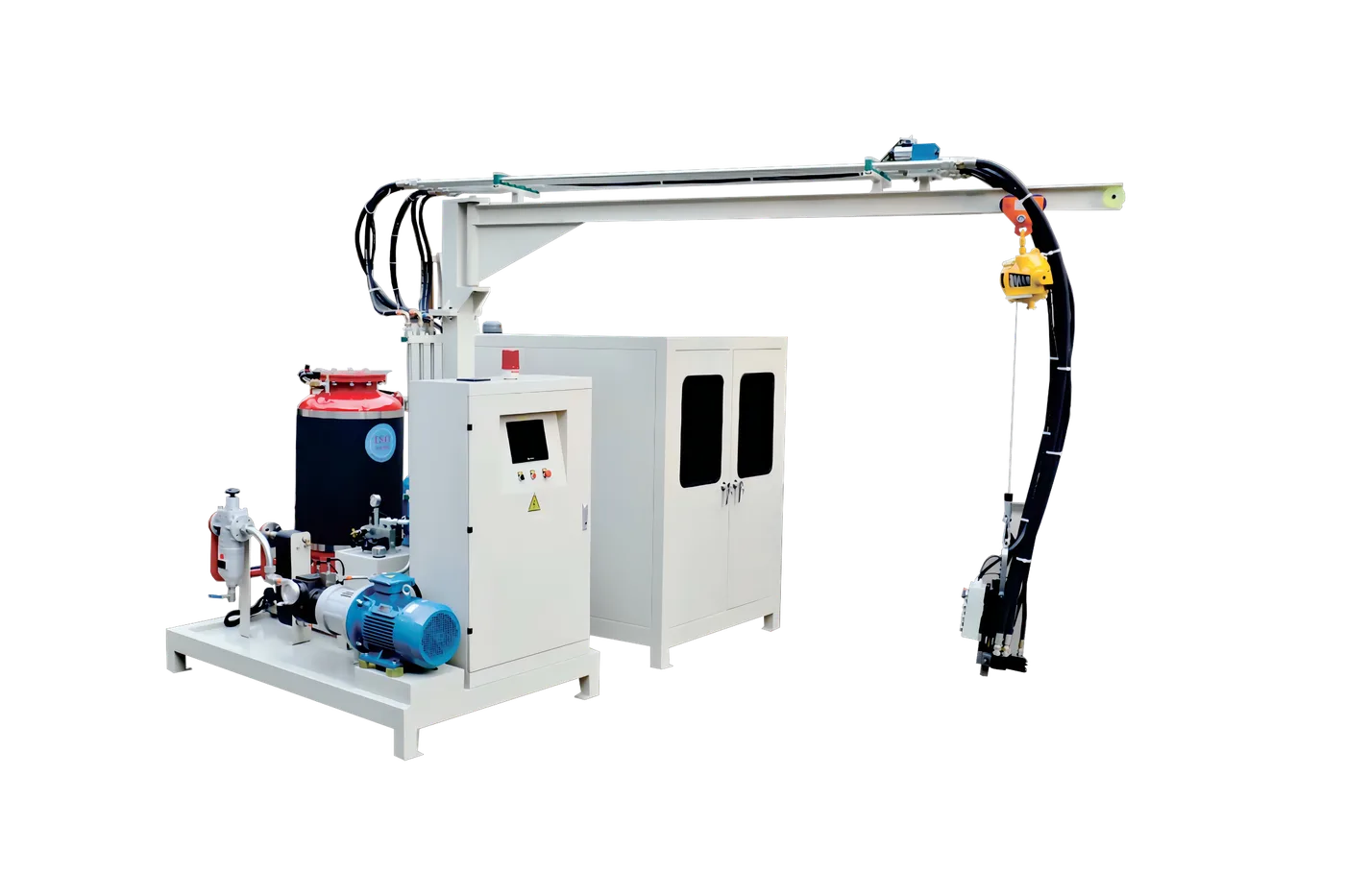
- High-pressure PU foaming machine (100-1,500 g/s output, three sizes covering 500 / 2,000 / 8,000 cabinets per day, ±0.5% metering accuracy, cyclopentane or CFC-free per market)
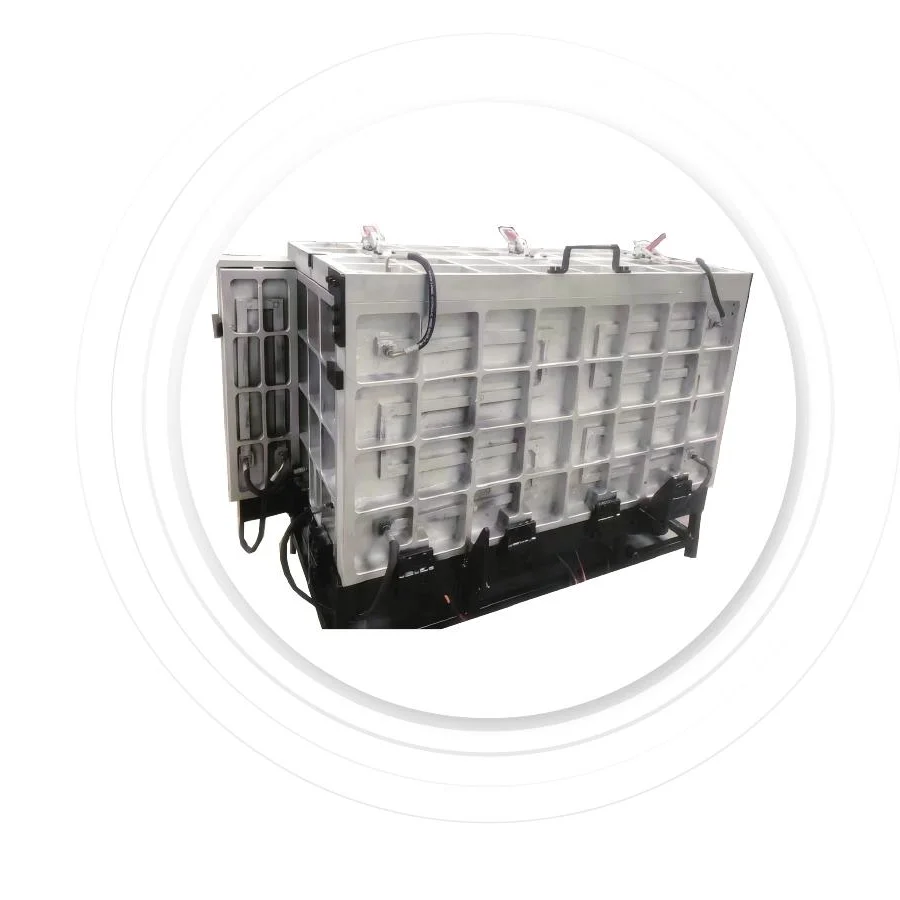
- Beverage/display-cabinet mould — single/double/triple glass-door, cast aluminium ZL105/LY12, ±0.05 mm cavity precision, up to 1,900 × 700 × 1,300 mm
- Linear PU foaming line, 6/8/11 stations configurable, 20-30 second cycle time
- Vacuum-formed inner door tooling holding ±0.3 mm glass-ledge alignment
- Calibrated paint booth and decal jig, matched to bottler brand-spec sheet (RAL color, decal-flatness)
- Condensing unit drop-in tooling and refrigeration loading station
- Running-load QA station (24-hour thermal-cycling test)
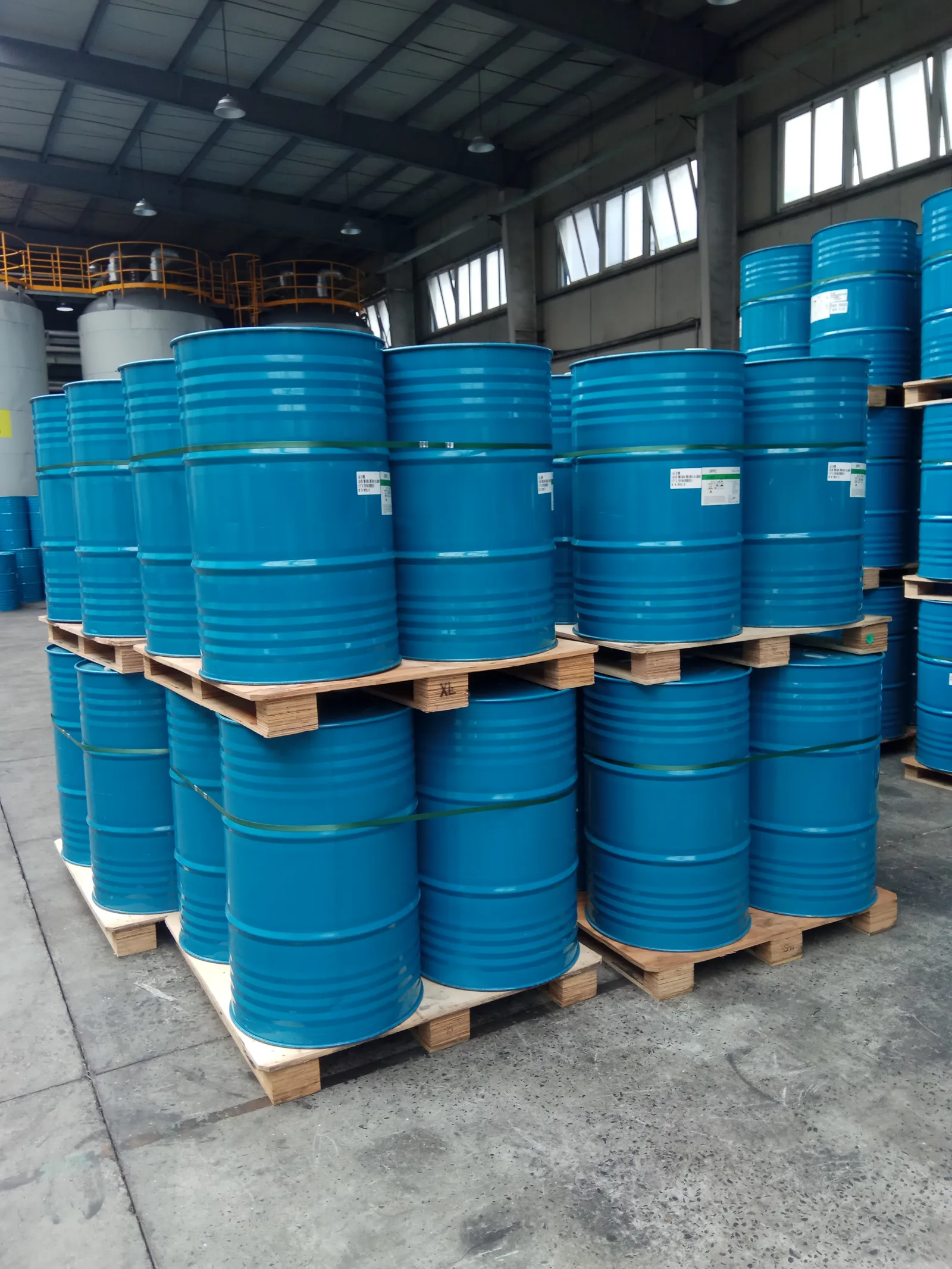
- PU raw materials, k-factor 0.018-0.022 W/m·K, molded density 32-42 kg/m³
- Hardware and accessories — hinges, brackets and wire shelving for door and interior assembly
Production Line Layout
A beverage cooler line is laid out around the foaming-to-brand-finish handoff: foaming station, clamped cure through the fixed dwell, demould with fill and cosmetic verification, vacuum-formed door and glass integration, paint booth and decal application, condensing unit and refrigeration loading, then running-load QA and packing. Floor layout scales with door-count variant count and burst-capacity planning — a Tier 3 line with a second foaming station needs proportionally more floor space for a parallel fixture and cure station, not more throughput per individual foaming shot.
PU Foaming Machine Selection Decision Tree
- Is your steady-state target under 3,000 units/day? → A single high-pressure system (100-1,500 g/s) with a quick-change mould carrier covers it. Above that, plan for a second foaming station from the tooling stage, not as a retrofit.
- Are you bidding on bottler tenders with defined peak windows? → Budget the second high-pressure station (~USD 280K) that doubles burst capacity to 12,000/day; most bottler-program factories recover that cost with a single peak order.
- Is your target market standard-climate or tropical (Middle East / Southeast Asia)? → Tropical spec needs 60 mm wall foam at 40-50 kg/m³ density and a 4-6 W/m heated door perimeter — a mould and formulation decision, not a machine-selection one. See our PU foam density and k-factor guide for how the formulation choice drives that performance.
- Which refrigerant does your target program specify? → R290 for mainstream 2026 bottler programs, R600a for legacy Coca-Cola CE-range cabinets — this determines your refrigerant charging station spec and EPA Section 608 technician-certification requirement for US-market service.
Raw Material Checklist
- Polyol system formulated for 32-38 kg/m³ standard density or 40-50 kg/m³ tropical-spec density (see PU raw materials for the full formulation range)
- Isocyanate matched to the high-pressure metering system's cycle time
- Refrigerant — R290 (mainstream) or R600a (legacy CE-range), both governed under ISO 5149 refrigeration-system safety requirements
- Glass door stock — single-pane tempered as standard, double-pane low-E for high-humidity or tropical markets
- Brand-spec decal and paint stock matched to the target bottler program's cosmetic sheet
Staffing for a New Line
A Tier 2 bottler-program line (3,000 units/day, 2 shifts) typically runs 10-14 production and QA staff per shift: 2-3 foaming operators, 3-4 assembly and door-integration technicians, 1-2 paint-booth and decal technicians, 2 dedicated QA technicians (foam-density spot-check and running-load thermal-cycling test), 1-2 packing/finishing staff, and 1 line supervisor. Under-staffing the QA role is the most common cause of a brand-audit failure surfacing only after cabinets are already deployed at retail.
After-Sales and Support Plan to Budget For
Budget for foaming-machine metering recalibration, paint-booth and decal-jig consumables, mould-divider wear replacement on the snap-in variant tooling, and a documented refrigerant-handling and leak-test protocol under EPA Section 608 for ongoing production QA — not just factory-acceptance testing at commissioning.
FAQ
FAQ
What's the typical investment for a 3,000 units/day beverage cooler line?
USD 1.6M-2.4M, covering foaming moulds (USD 280K-420K), high-pressure PU foaming machines (USD 180K-260K), assembly conveyor (USD 350K-550K), refrigeration loading station (USD 200K-300K) and testing equipment (USD 200K-350K). Excludes building and refrigerant charging station. Payback typically runs 24-36 months at standard bottler-program volumes.
How much capital do I need for an entry-tier line versus a full bottler-program build?
A Tier 1 entry line (single door-count configuration, 200-500 units/shift) needs USD 700K-1.1M. A Tier 2 bottler-program line with two base moulds covering single/double/triple-door SKUs (~1,500 units/shift, 3,000/day on 2 shifts) needs USD 1.6M-2.4M. A Tier 3 line adding a second high-pressure foaming station for tender peak capacity (up to 2,000 units/shift, 12,000/day burst) runs up to USD 3.0M.
Can you supply lines compliant with Coca-Cola or PepsiCo cooler programs?
Yes. Reference tooling covers the Coca-Cola RM-200/300/500/750 and Pepsi CE-360/840 cabinet dimensions and the AB InBev standard footprint. Brand-specific door panel artwork, RFID tags and energy-class targets get tooled into the moulds during the design phase. Bottler contract negotiation and brand-license approval stay between you and the bottler.
Should I size my line for average demand or peak bottler tender volume?
Plan for peak. Bottler tenders routinely order 2-3x steady demand for a fixed window — an 8,000-unit-in-60-days order against a 3,000-unit/day baseline is a normal pattern, not an outlier. A second high-pressure foaming station (~USD 280K) doubles a 6,000-unit/day two-shift baseline to 12,000/day burst capacity, and most bottler-program factories recover that cost with a single peak order they'd otherwise have to turn down.
How do you handle door-foaming defects on glass-door coolers?
Two-stage QC: foam-density spot-check every 50 doors, then visual and thermal-imaging inspection on every door before glass installation. Defect rate on commissioned lines averages 0.4-0.8% against an industry benchmark of 1.5-2%. Defective doors go through controlled re-foaming rather than being scrapped.
What's the lead time from contract to first shipment?
7-9 months. Mould design and fabrication run 60-75 days and the high-pressure PU foaming machine 45-60 days, built in parallel; line integration adds 90-120 days, sea shipping 30-45 days, and commissioning a further 30-45 days.
Do you support tropical-spec coolers for Middle East and Southeast Asia?
Yes. Tropical configurations use 60 mm wall insulation (against a 40-60 mm standard range), 40-50 kg/m³ foam density and a 4-6 W/m heated door perimeter, sized for continuous operation at up to 43°C ambient — required for SASO (Saudi Arabia), DEWA (UAE) and equivalent Southeast Asian energy-standard audits.
R290 or R600a — which refrigerant should my beverage cooler line be built for?
R290 is the mainstream choice for 2026 bottler programs; R600a remains the standard on legacy Coca-Cola CE-range cabinets. Both are covered under ISO 5149 refrigeration-system safety requirements, and any technician charging or servicing either circuit in the US market needs EPA Section 608 certification. Match your refrigerant charging station spec to whichever your target bottler program's cabinet spec requires.
Can an existing display-cabinet or wine-cabinet OEM convert a line to beverage cooler production?
Largely yes — beverage coolers and wine cabinets share the same core mould family and PU foaming approach. What typically needs re-tooling is the door mould (single/double/triple-door bottler dimensions vs. wine-cabinet bottle-count sizing) and, for bottler-program supply, the paint booth and decal jig matched to the target brand's cosmetic spec sheet. Foaming machine class and assembly conveyor infrastructure usually carry over.
What ongoing costs should I budget for after commissioning?
Foaming-machine metering recalibration, paint-booth and decal-jig consumables, mould-divider wear replacement on snap-in variant tooling, and documented refrigerant-handling and leak-test protocols under EPA Section 608 — these are recurring production-QA costs, separate from the one-time factory-acceptance testing done at commissioning.
Related engineering deep-dives
For the machine-class decision this guide's procurement section is built on, see High-Pressure vs Low-Pressure PU Foaming Machine. For the formulation reasoning behind standard versus tropical-spec cabinet walls, see PU Foam Density & K-Factor.
Ready to scope your beverage cooler production line? Talk to our engineering team with your target bottler program, daily volume and door-variant mix — we reply with an equipment list, mould-strategy recommendation and realistic timeline within three business days, or browse the beverage cooler production line solution page for the full cost-driver breakdown.
Продукты, упомянутые в статье
Готовы спланировать холодильный проект?
Поделитесь целевым объёмом и номенклатурой — наша инженерная команда ответит с планом мощности и коммерческим предложением в течение трёх рабочих дней.
Запросить инженерное предложениеПохожие статьи
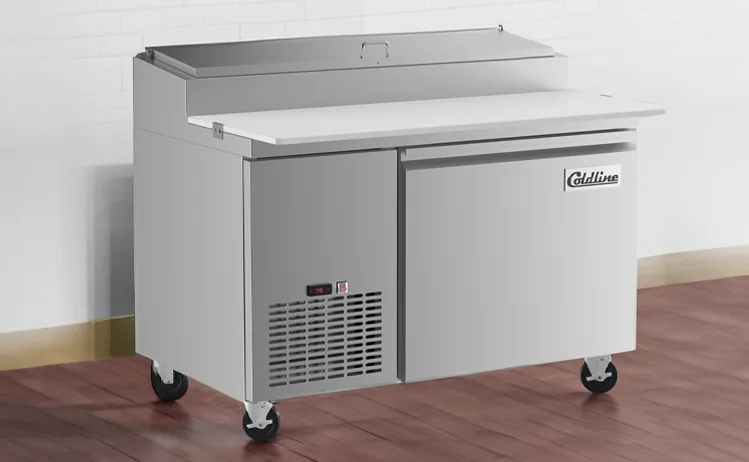
Chef Base Production Line: Cost, Break-Even & Turnkey Manufacturing (2026 Pillar Guide)
Investment tiers, the break-even math behind an 800-unit/day line, and the full equipment list and certification checklist a foodservice OEM needs to start chef base and refrigerated-counter production.
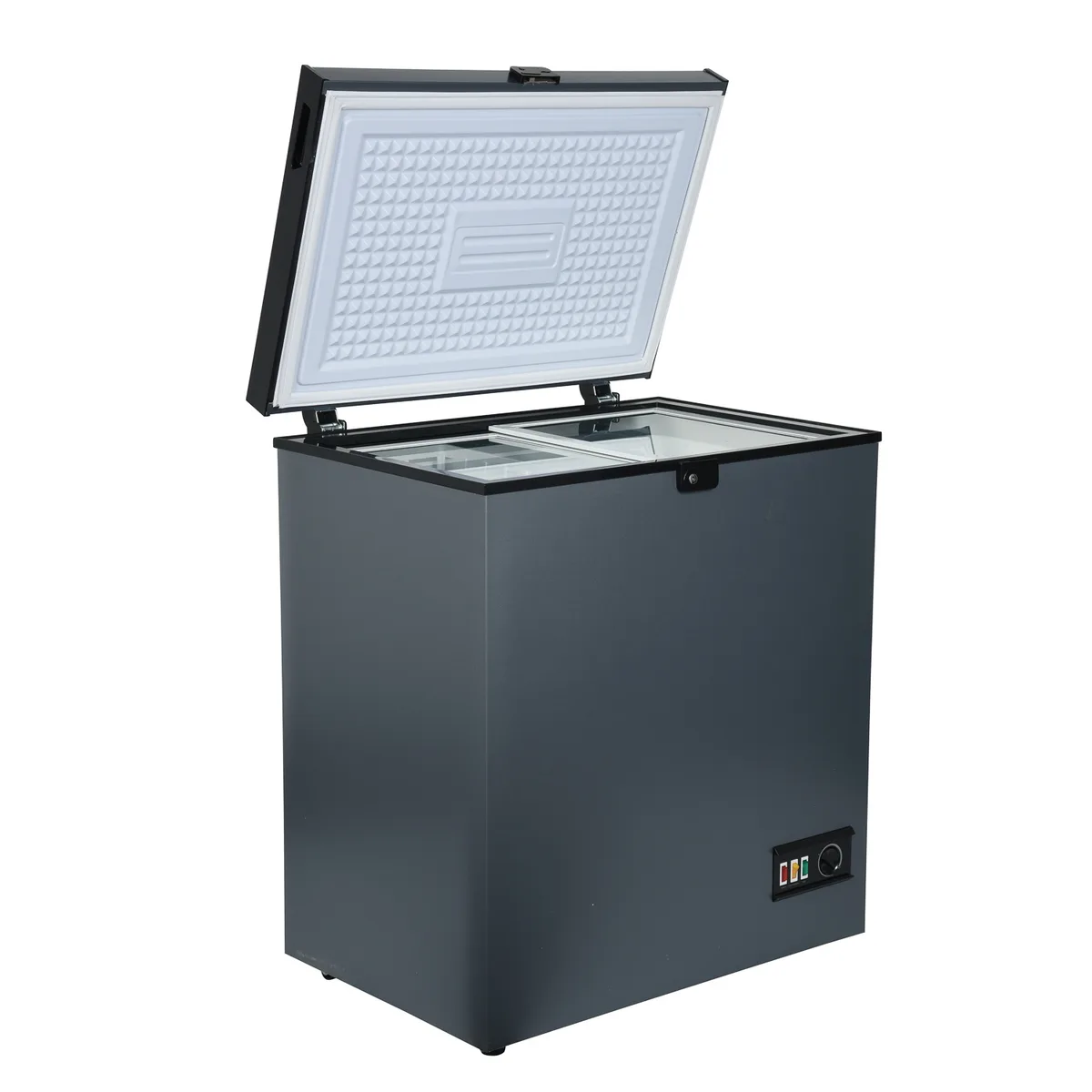
Chest Freezer Production Line — Cost, Capacity & Turnkey Factory Setup (2026 Pillar Guide)
Investment tiers from a 300-unit/day entry line to a 3,000-unit/day ultra-low-temperature build, the ATEX and Ecodesign pitfalls that stall first-time freezer OEMs, and the complete equipment list, mould selection logic and staffing plan needed to go from contract to first accepted cabinet.
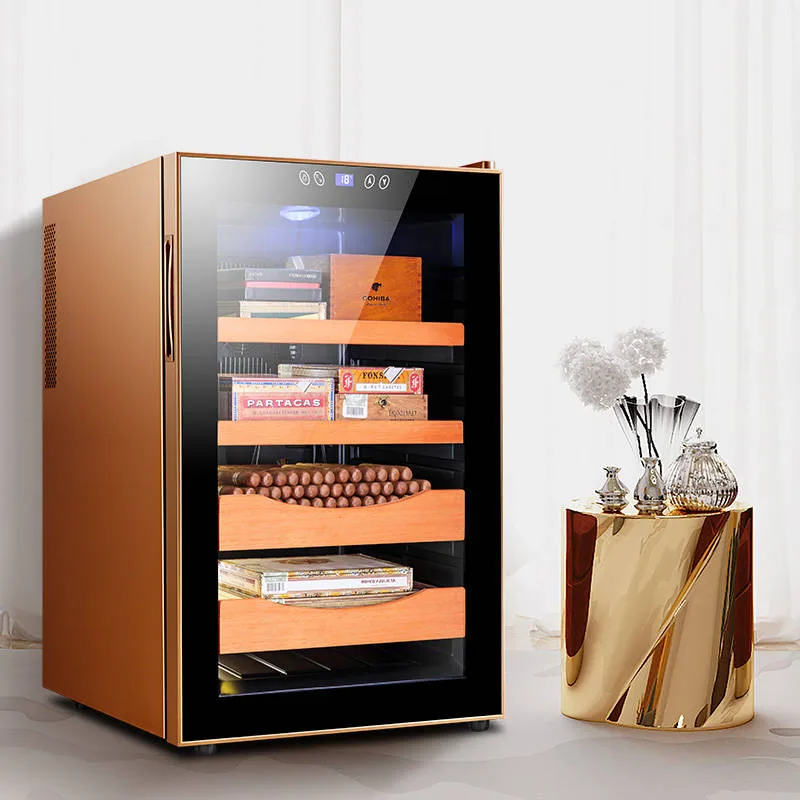
Cigar Humidor Manufacturing Plant: Cost, ROI & Turnkey Setup (2026 Pillar Guide)
From market entry to first commercial cabinet: the 8-step sequence, three investment tiers with real cost ranges, and the equipment list a new cigar humidor manufacturing line actually needs.