
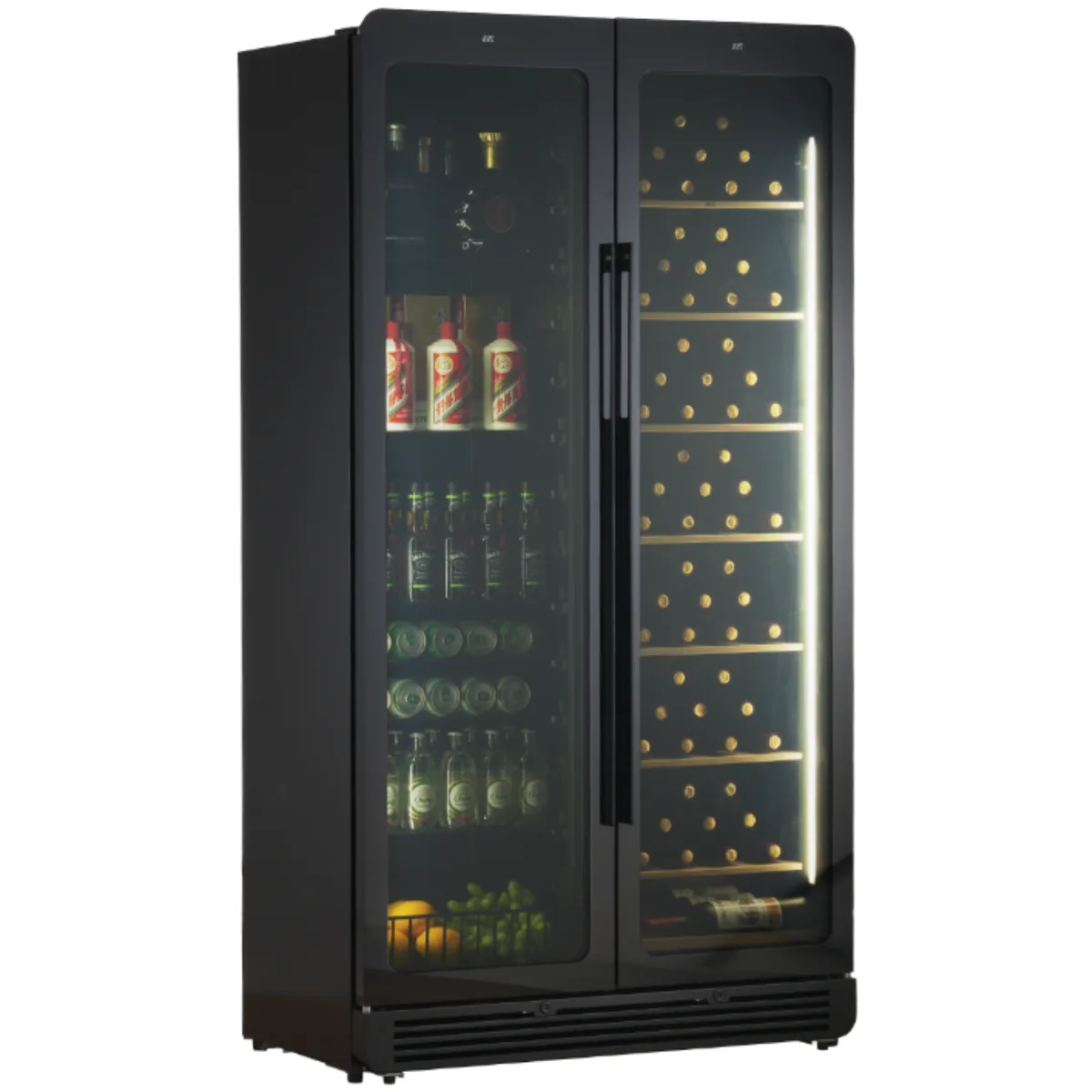
Production line for
Wine Cabinet Production Lines at the Precision Wine Retail Demands
Wine cabinets demand the tightest temperature tolerances and the highest cosmetic standards. Our low-pressure PU foaming, precision glass door moulds, and premium hardware accessories meet that bar.
Investment Range
USD 500K – 2M · 100 to 800 units/shift
Who Buys This Line
Wine cabinet OEMs supplying retail, hospitality & residential luxury brands
Certification Ready
IEC 60335-2-24 · EN 62552 · CE · Energy Star ready
In one line
Dual-zone temperature control and UV-protection glass options.
Real Pains We Hear from Buyers — and What We Ship to Solve Each One
Four pains every wine cabinet factory founder brings us in the first call. We solve each with specific equipment + protocols.
Temperature drift ±2°C inside zone — wine sommelier rejects the cabinet at delivery
Wine cabinets need ±0.5°C zone stability for premium positioning. The path: dual-zone EBM evaporator + Embraco compressor + foam k-factor 0.020 W/m·K + sealed glass door with UV coating. Our cabinet mould design ensures 50–60 mm wall thickness with even fill (no thermal bridges). Field-measured zone stability: ±0.3°C across 24h cycle.
UV light degrades wine — premium buyers reject anything without certified UV-blocking glass
We integrate factory-fitted Saint-Gobain SGG Cool-Lite UV-blocking glass (99.5% UV cutoff) in the door mould design. Glass radius and tempering spec match the door foaming cavity. We supply the UV transmission test rig with the line — every cabinet gets a UV pass/fail label before shipping.
Compressor vibration shakes bottles — premium customers complain about sediment disturbance
Premium wine cabinets need <0.05g vibration at the bottle rack. Our line ships with the rubber-mount + tuned-mass-damper kit pre-spec'd for Embraco / SECOP compressors. Cabinet acoustic stations measure <30 dB at 1 m and <0.05g rack vibration before crating. Sommelier-grade ratings achievable.
12-bottle minibar / 50-bottle home / 300-bottle commercial — buying separate lines blows budget
Wine cabinets across 12–300 bottle range share more than they look like. We design 3 base moulds covering 12 / 50 / 150 / 300 bottle SKUs with snap-in shelf carriers. Same PU machine, same conveyor. Changeover 60 min. Effective capex per SKU drops from USD 180K to USD 55K.
What You Need
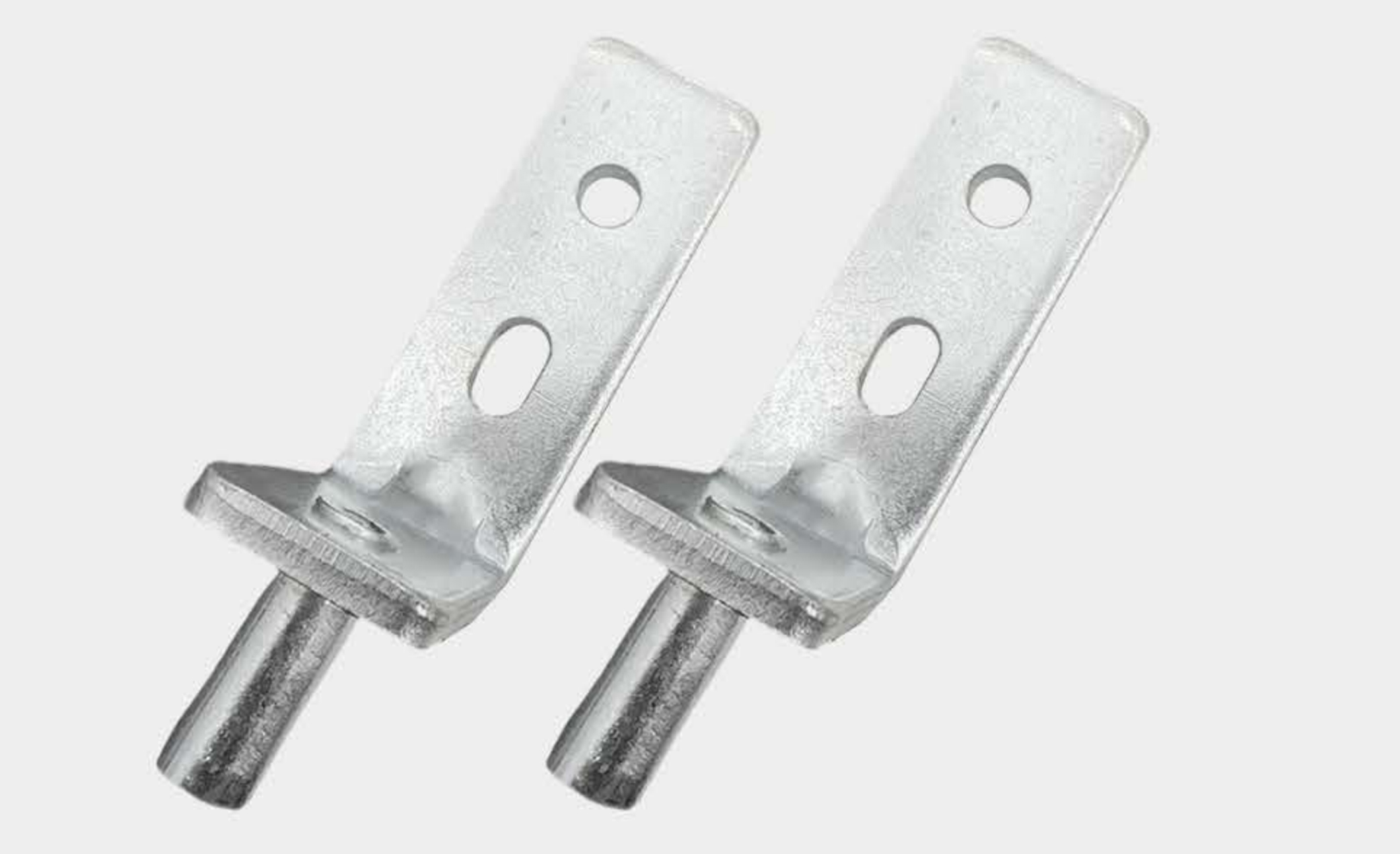
Hardware & Accessories — Bundled with Main Equipment Orders
Complementary hardware fabrication service — supplied alongside our main equipment orders (moulds / PU foaming / production line). Custom-fabricated per your drawings: 5 categories — hinges, brackets, rails & ladders, wire shelves & baskets, grid panels. Not a standalone product line. Consolidated into your main shipment.
Learn More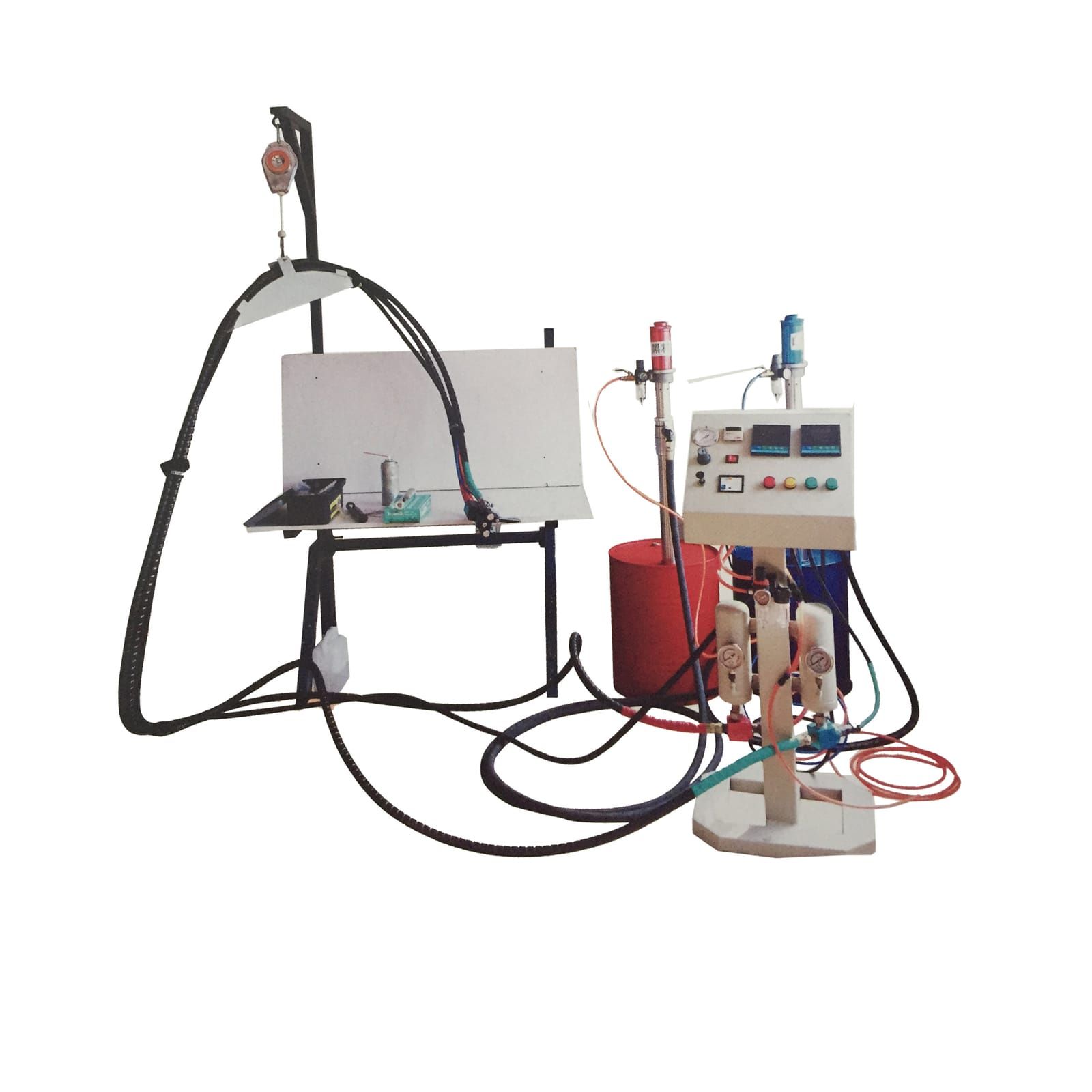
Low-Pressure PU Foaming Machine
Smaller, more flexible machine for wine cabinets, mini-bars, vaccine boxes and R&D pilots. Quick recipe switches when you run dozens of small cabinet variants. 5–250 g/s output.
Learn More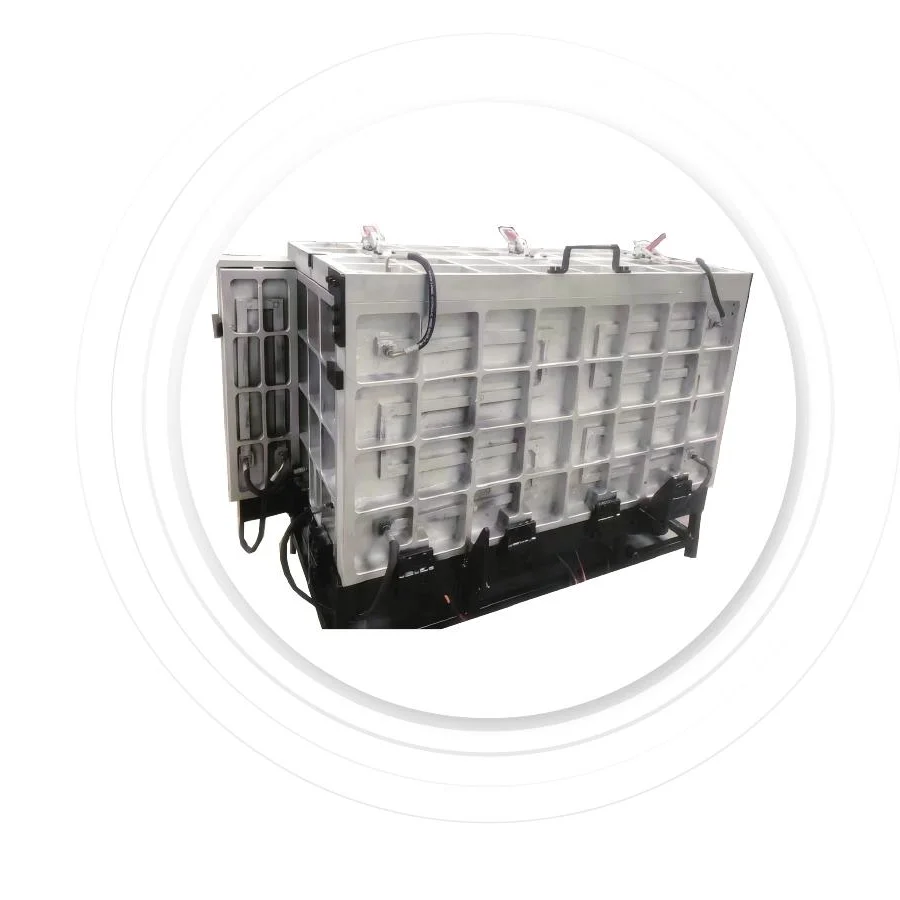
Mold for Upright Glass-Door Display Cabinet
Refrigerator mould (mold) for display cabinets — cast aluminium PU foaming mould for single / double / triple glass-door beverage display cabinets and supermarket display refrigerators. Up to 1,900 × 700 × 1,300 mm, ~30 s/shot.
Learn More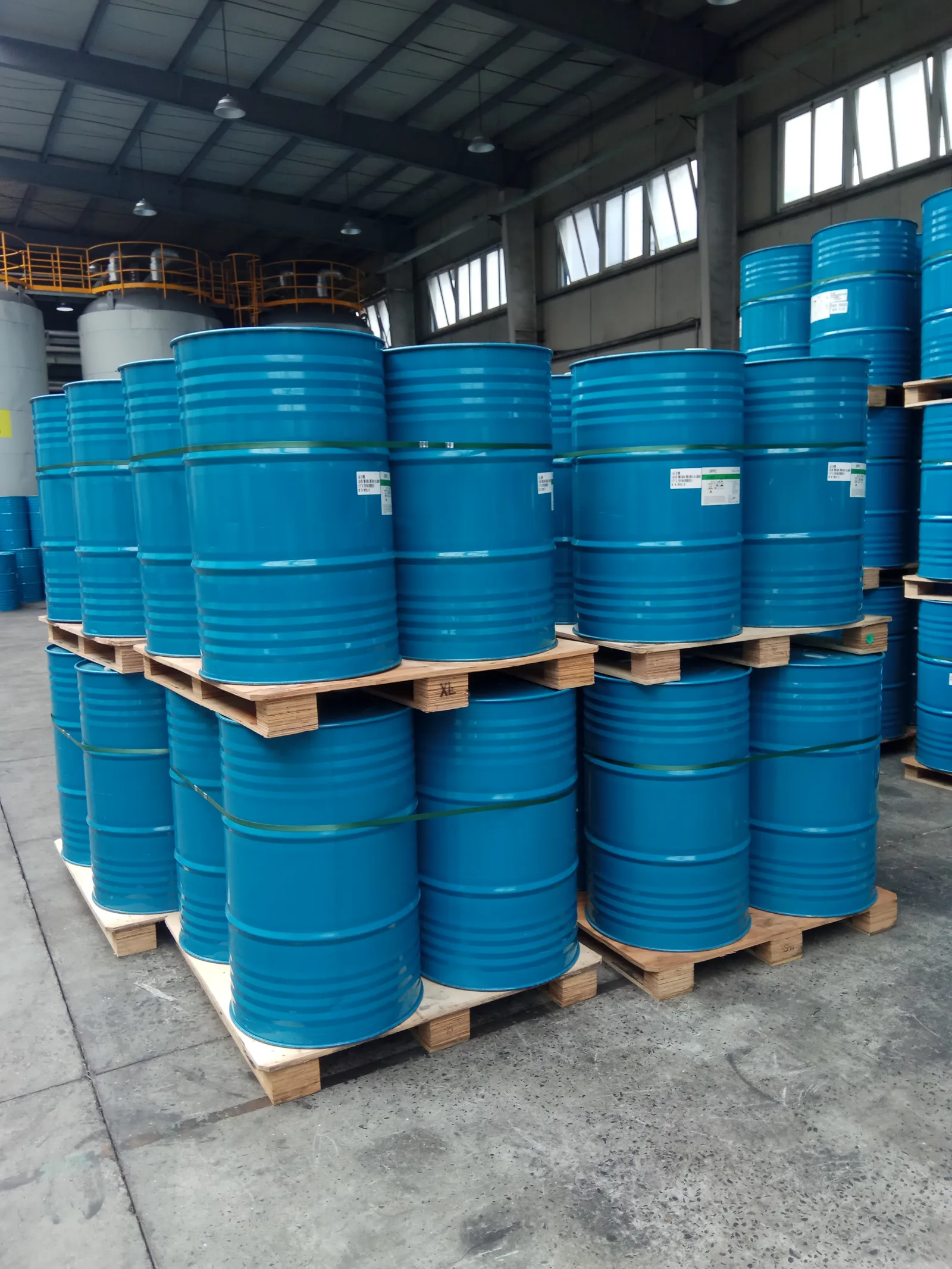
PU Raw Materials System
We make refrigerator-grade PU systems — polyol blend, MDI, blowing agent, all formulated in our own plant. k-factor down to 0.018, density customizable, tuned to your cabinet and your line.
Learn MoreCabinet models you can produce on this line
Every row below is a real cabinet SKU that customers already produce using the moulds in this line — temperature class, capacity, compressor, refrigerant and overall dimensions are field-tested. Use the matrix to match your target cabinet to the right mould configuration.
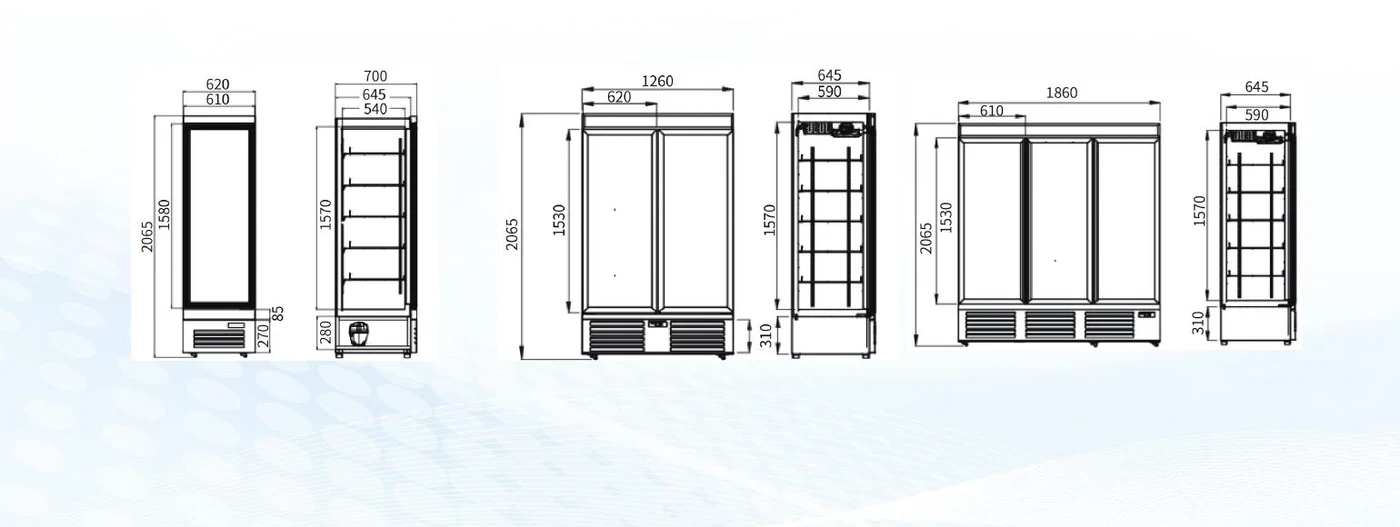
| Cabinet model | Variant | Temperature (°C) | Volume (L) | Power (W) | Weight (kg) | Compressor | Refrigerant | Size (mm) | Source mould |
|---|---|---|---|---|---|---|---|---|---|
| LC-620FX | Single-door refrigeration | -2–8 | 620 | 262 | 75 | DONPER / WANBAO | R290 | 620 × 725 × 2065 | Mold for Upright → |
| LC-1260FX | Double-door refrigeration | -2–8 | 1113 | 374 | 145 | DONPER / WANBAO | R290 | 1260 × 725 × 2065 | Mold for Upright → |
| LD-1260FX | Double-door freezing | ≤-18 | 1066 | 911 | 200 | DONPER / WANBAO | R290 | 1260 × 725 × 2065 | Mold for Upright → |
| LC-1860FX | Triple-door refrigeration | -2–8 | 1685 | 583 | 200 | DONPER / WANBAO | R290 | 1860 × 725 × 2065 | Mold for Upright → |
| LD-1860FX | Triple-door freezing | ≤-18 | 1670 | 1395 | 260 | DONPER / WANBAO | R290 | 1860 × 725 × 2065 | Mold for Upright → |
Source: UREXCEED catalog §07 OEM/ODM cabinet series, cross-referenced to the mould that produces each SKU. Custom cabinet sizes outside this range supported — send us your cabinet drawing for a 7-day quote.
Wine preservation engineering
Temperature Stability & Vibration Control
Premium wine retail audits on temperature stability + vibration + UV. 4 axes calibrated to sommelier-grade spec.
Capacity & zone
12 / 28 / 46 / 100 / 180 / 300 bottle SKUs on shared mould platform with snap-in shelf carriers. Single-zone or dual-zone.
Cooling system
Thermoelectric (small, silent) / Embraco / SECOP compressor with rubber-mount + tuned-mass-damper kit. <0.05g rack vibration.
Glass UV protection
Saint-Gobain SGG Cool-Lite UV-blocking glass (99.5% UV cutoff). UV transmission test rig included with line.
Branding & finish
Stainless trim, beech / oak shelf material, LED brand-color (warm or daylight), factory-fitted brand decals.
Shared engineering reference
PU foam quality, testing and acceptance
Closed-cell ratio, density uniformity and thermal testing are documented once in our quality center.
Questions factory owners ask us
What's the difference between thermoelectric and compressor lines on your equipment?
Can you supply tooling for built-in / under-counter wine cabinets?
What's the typical order quantity for wine cabinet lines you've equipped?
Can you provide assistance with vibration testing requirements?
Do you support hotel minibar production?
Service & Support
Warranty & Service
On-site intervention available in every region where we have delivered projects.
On-Site Installation
Our engineers fly to your factory to supervise installation, layout verification, and first-run production.
Commissioning + Tuning
Trial run + parameter tuning to your local raw material, climate, and target product spec — until throughput meets contract.
Operator Training
5-10 day on-site training for production team, QC, and maintenance — bilingual manuals + video tutorials provided.
3-Year Warranty + Spares
Core equipment 3-year warranty, electrical 2-year. Spare parts in stock with global express shipment 24h dispatch.
Cross-Sell · One-Partner Synergy
Pair this line with the rest of the factory
The product groups our refrigerator-factory customers buy alongside this line — for full-line synergy and one-partner accountability.
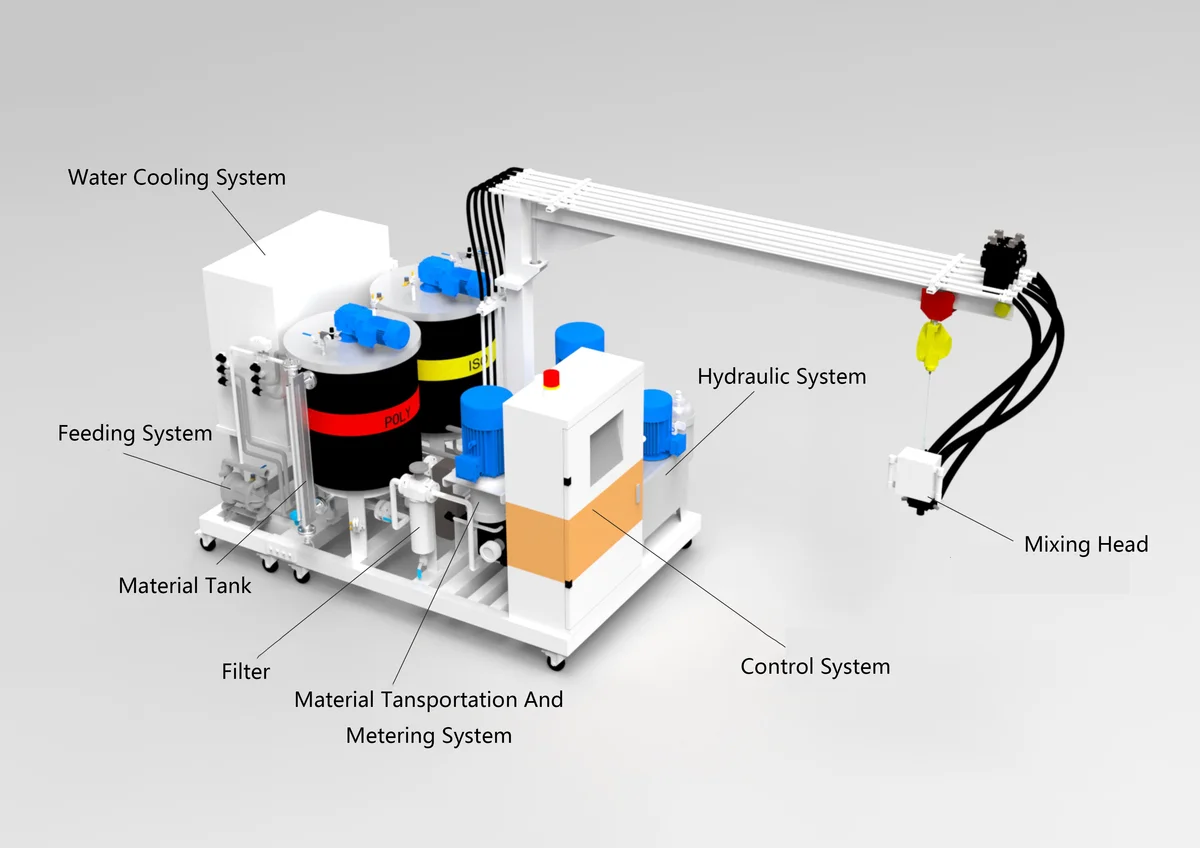
High-Pressure PU Foaming Machines
Cyclopentane / 2-component / 3-component models. Cyclopentane is the refrigerator industry standard.
Learn more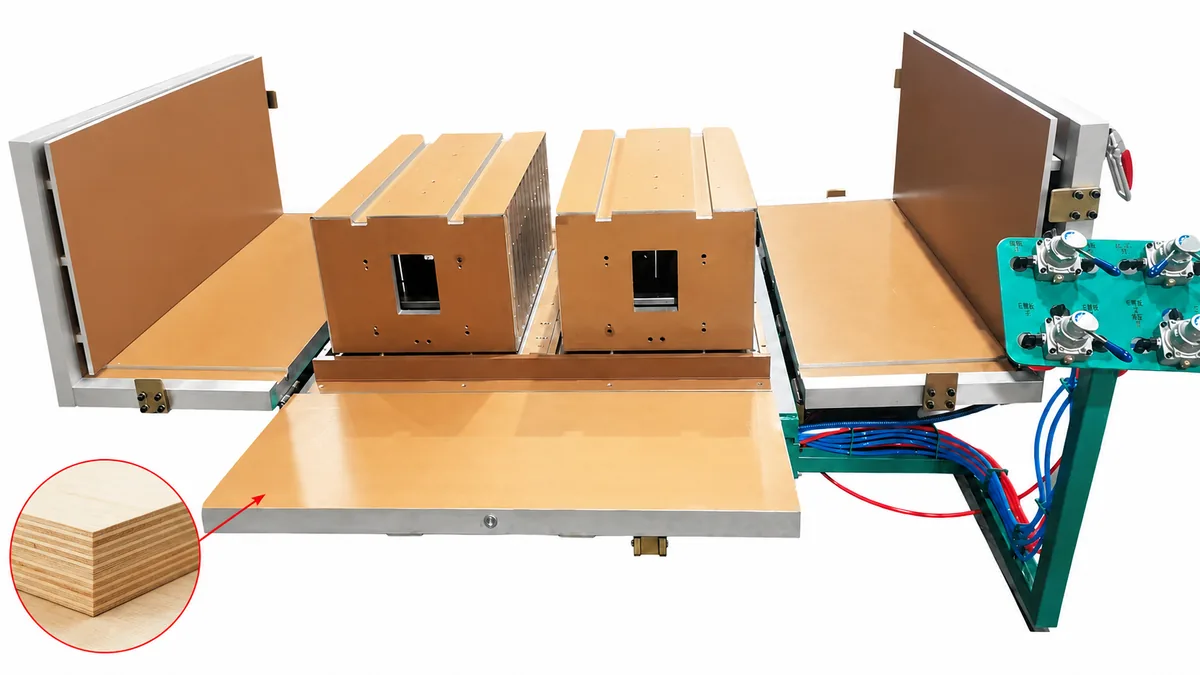
Refrigerator-grade Moulds
Vacuum-forming moulds for inner liners + foaming moulds for cabinet/door. 30-year mould-cluster network.
Learn more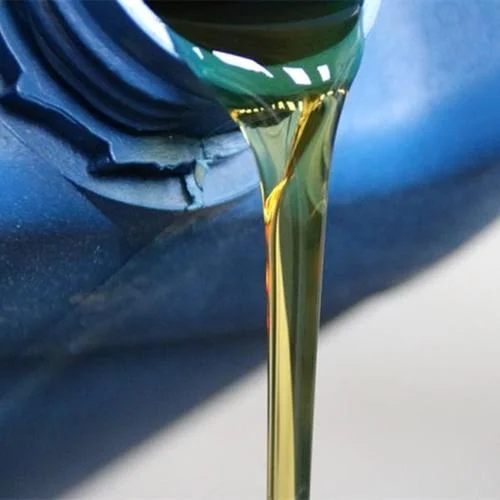
PU Raw Materials System
BASF / Covestro / Wanhua MDI + Polyol — calibrated to your climate, foam density, and cycle time.
Learn more