
16-Station Crawler-Chain Door Foaming Line — -certified lignes de production by UREXCEED, manufactured under an ISO 9001-certified quality management system. Lead time 120 – 180 days, MOQ 1 line.
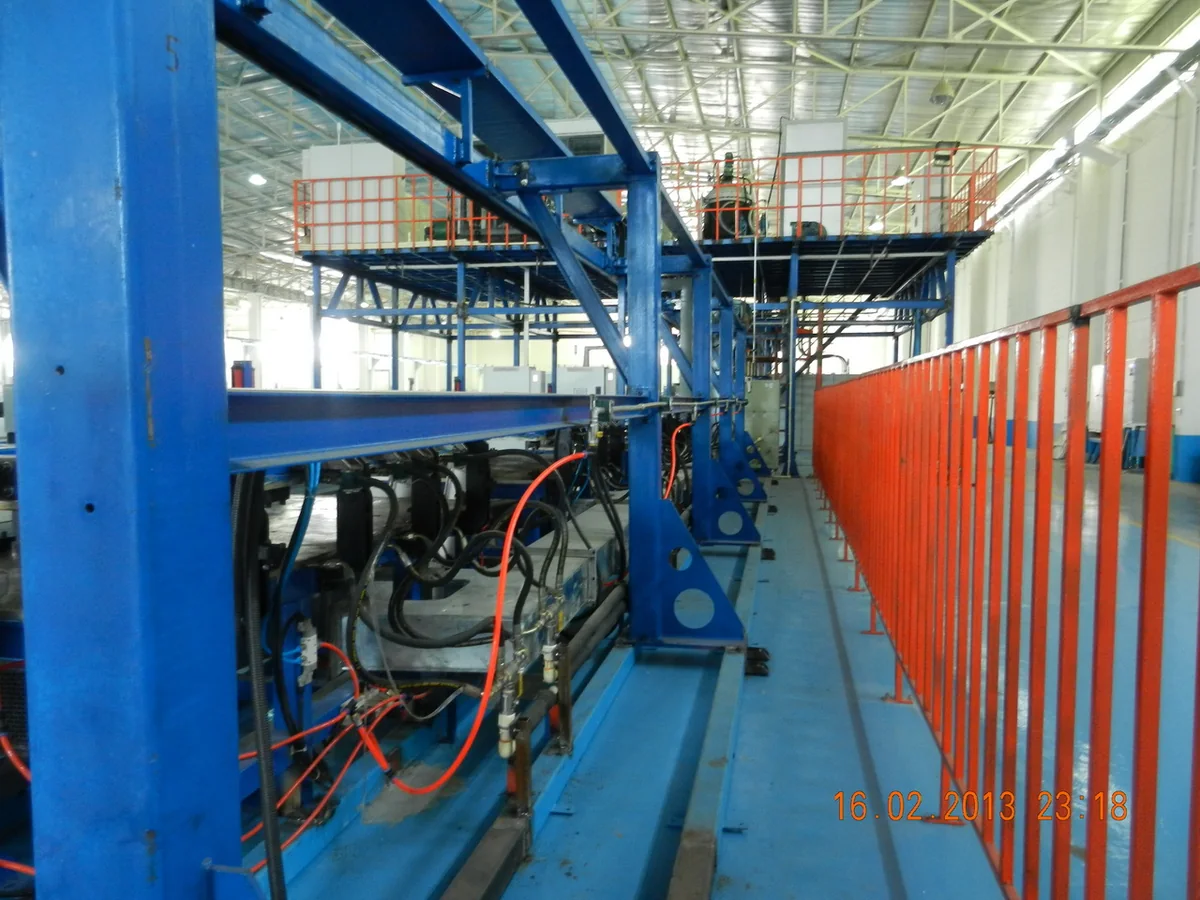
16-Station Crawler-Chain Door Foaming Line
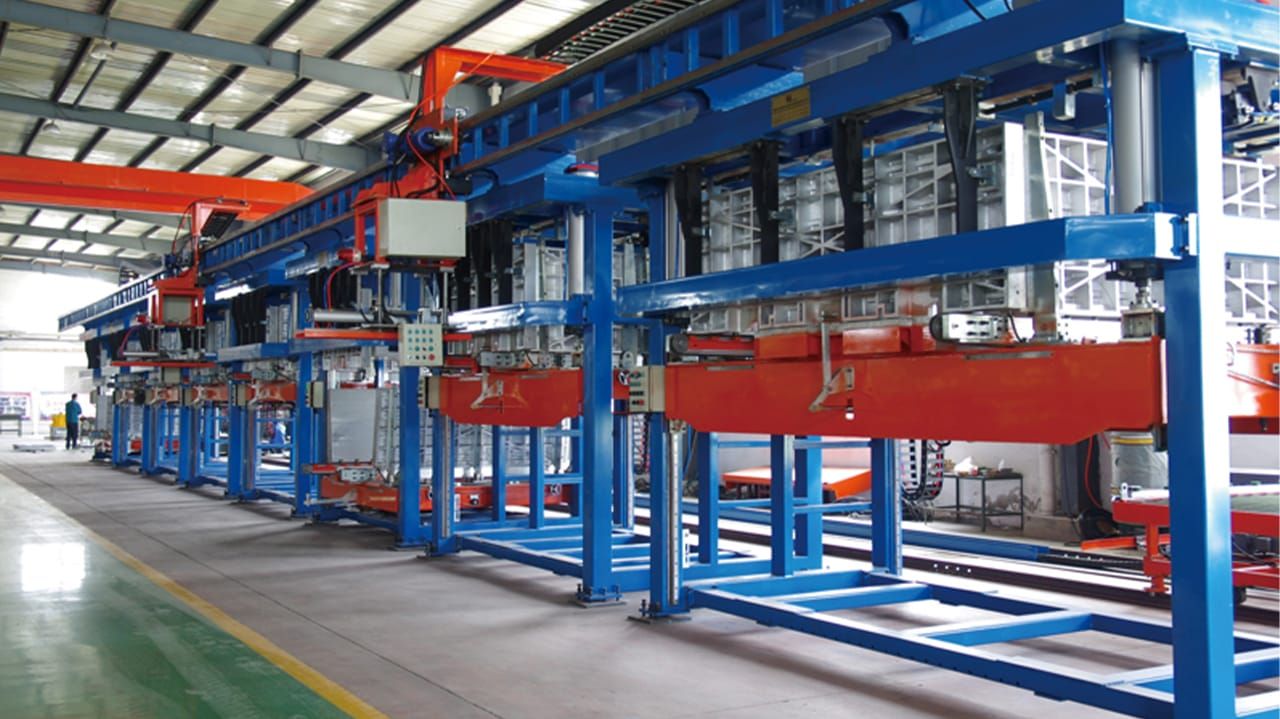
16-station crawler-chain door foaming line for mid-to-large refrigerator OEM factories (~800 doors per 8-hour shift, single-cavity per station, ~1,630/day on two shifts). 30-second takt, water-heated, 100 kW, 17 m line length × 2.5 m wide. Compact alternative to 26-station ground-rail loop for door-mix production.
Engineering reply within 24 hours
Quote + spec sheet + tailored sizing recommendation. WhatsApp answered 9 am–6 pm Beijing time.
Spécifications
- Layout Form
- 16-station crawler (chain-conveyor) door foaming line
- Drive Method
- Crawler chain conveyor + pneumatic clamping per station
- Heating Method
- Water heating via mould temperature controller
- Number of Stations
- 16
- Fixture Template Size (W×H)
- 1,400 × 900 mm (door panel template)
- Footprint (Overall L×W×H)
- 17,000 × 2,500 × 2,000 mm
- Production Cycle Time
- ~30 seconds per door
- Foaming Material
- POL + Cyclopentane + ISO / POL + HCFC-141a + ISO / POL + HCFC-245fa + ISO
- Voltage / Frequency
- 380V · 50 Hz · Control voltage 24V
- Total Power
- Approx. 100 kW
- Compressed Air Requirement
- 0.5 MPa
- Best Fit Capacity
- ~800 doors per 8-hour shift at 85% line efficiency (single-cavity, 30s takt); ~1,630/day on two shifts
- Lead Time
- 120 – 180 days
- MOQ
- 1 line
Applications
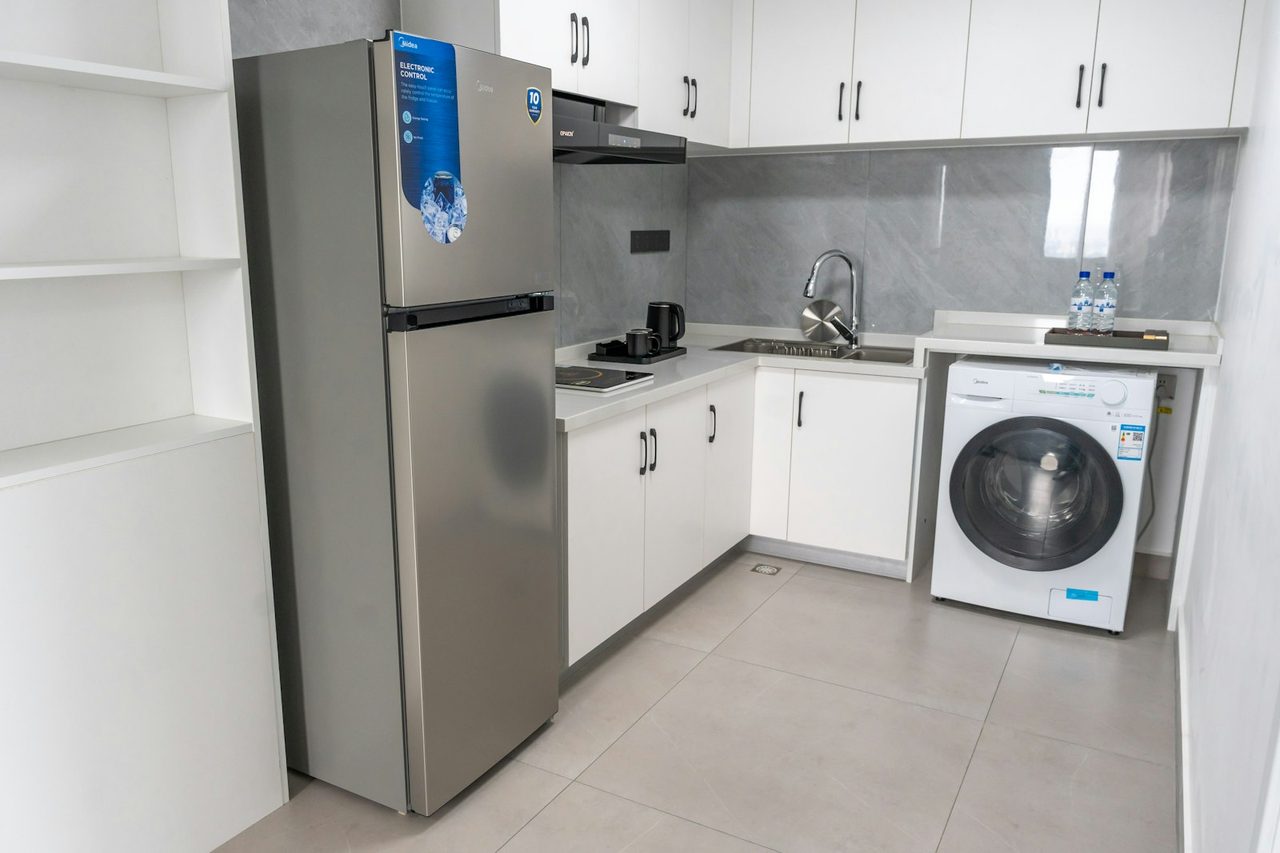
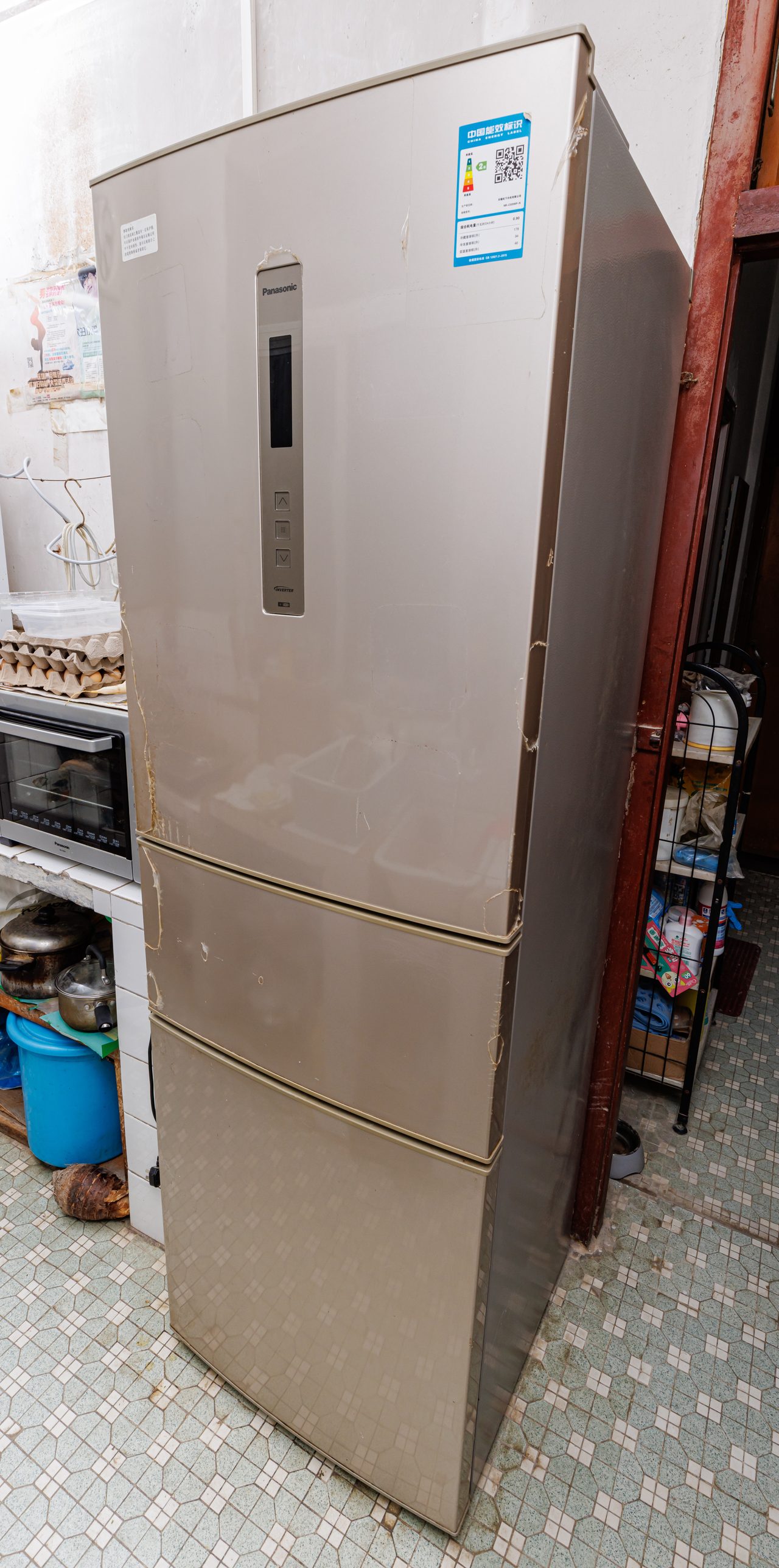
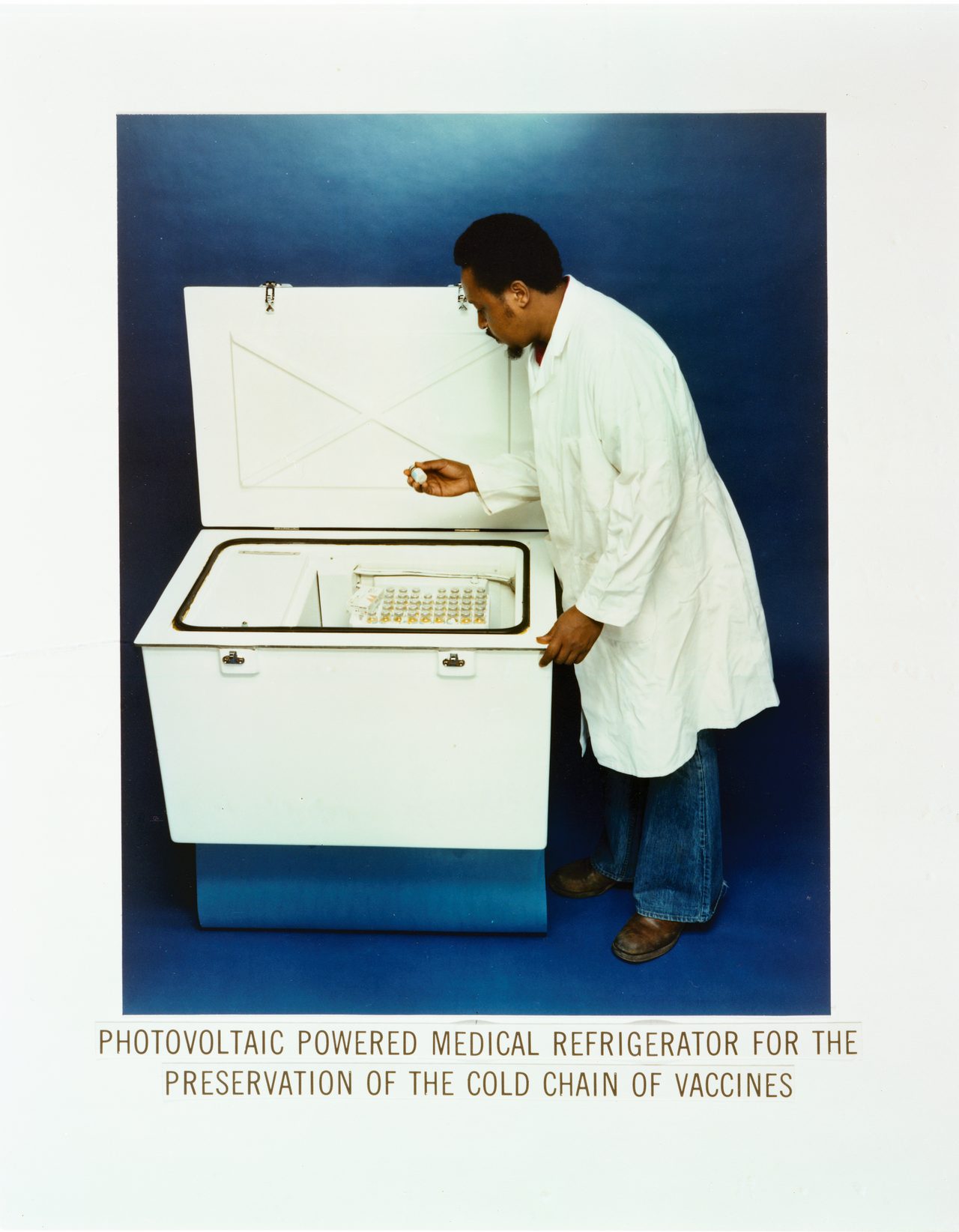
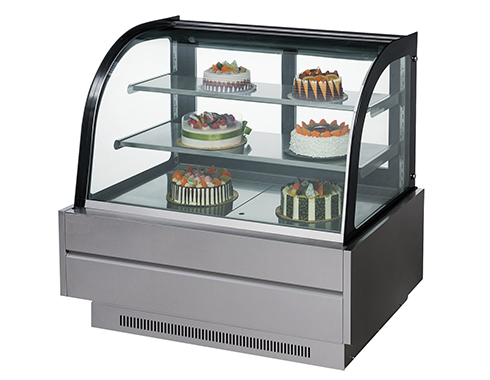
- Mid-to-large refrigerator OEM door factory (~800 doors/8h shift, ~1,630/day on two shifts)
- French-door / side-by-side / 4-door refrigerator door mix
- Compact factory hall where ground-rail 26-station loop is too large
- Commercial display cabinet door foaming (multi-variant chain mix)
- Door-specialty workshop feeding multiple cabinet assembly lines
The 16-station crawler door foaming line is the mid-volume sibling to the 26-station ground-rail loop. Chain-conveyor moves door fixtures through 16 heated curing stations (single-cavity per station), with throughput of ~800 doors per 8-hour shift (~1,630/day on two shifts) at a 30-second takt. Best fit: refrigerator OEM factories needing more than rotary 7/8-station but not yet justifying ground-rail 26-station capex.
When 16-station crawler beats both rotary and ground-rail
Pick 16-station crawler when (a) your per-shift door demand is in the ~800-1,600 range (rotary 7/8 maxes at 1,000/shift, ground-rail is sized for higher volume), (b) your factory hall is 15–20 m long (rotary hub fits 6m, ground-rail needs 30m), (c) you run a 2–4 SKU door mix (crawler chain accepts more variant changes than ground-rail closed loop).
Why the 16-station crawler wins on mid-volume door production
Engineering and capex advantages over rotary 7/8 and ground-rail 26-station alternatives.
Capacity sweet spot ~800 doors/8h shift fills the rotary-to-ground-rail gap
Rotary 7/8: 600–1,000 doors/shift. Ground-rail 26: ~1,200 doors/8h shift (single-cavity, 20s takt). The 16-station crawler at ~800/shift covers the underserved mid-volume range where most refrigerator OEM factories actually operate.
Compact 17 × 2.5 × 2 m footprint — half the ground-rail envelope
Ground-rail 26-station: 230 m² floor envelope (29 × 8 m). Crawler 16-station: 42 m² floor (17 × 2.5 m). Fits factory halls where ground-rail won't — 80% of mid-size OEM factories globally.
30-second cycle keeps pace with downstream cabinet assembly
Cabinet assembly lines typically run 30–40 sec/cabinet. A 30-sec crawler door cycle matches assembly pace 1:1 — no door buffer needed, no bottleneck. Rotary 46-sec cycle creates buffer; ground-rail 20-sec cycle outpaces assembly.
Chain conveyor accepts 4–6 variant SKU mix without full changeover
Crawler chain stations accept multiple door variants simultaneously (each fixture position runs independent PLC recipe). Rotary single-station-at-a-time changeover wastes 8–15 minutes per SKU switch. Crawler runs continuous mixed batch.
How the 16-station crawler cycle runs
30-second station-to-station cycle. Each door spends ~8 minutes total in line (15 sec inject + 7.5 min cure across 15 stations + 30 sec demould).
- 1
Station 1 (Load) — 2 operators load pre-skinned door panels onto fixture trays riding the chain conveyor. Multiple SKUs can load in parallel onto different positions. ~25 sec per station feed.
- 2
Station 1 (Inject) — pneumatic clamp engages, PU mix-head injects POL+ISO+cyclopentane (1.0–1.8 kg per door). ~15 sec.
- 3
Stations 2–15 (Cure on chain) — chain conveyor carries fixtures through 14 heated curing stations. Water-circulated platens maintain 45–55°C. Foam rises and cures. ~7.5 minutes total (30 sec × 15 stations).
- 4
Station 16 (Demould) — pneumatic clamp releases, operator lifts cured door onto take-off conveyor. ~25 sec.
- 5
Downstream feed — completed doors enter gasket-fitment / hinge-mounting / final assembly. Cabinet assembly line consumes doors at matching 30-sec rate. ~10 sec transit.
FAQs — 16-station crawler door foaming line
Investment + lead time?
Operators per shift?
Can it run alongside an existing rotary 7/8 line?
What door panel sizes fit?
How does cycle time compare to rotary 7/8?
When NOT to use 16-station crawler?
Produits associés
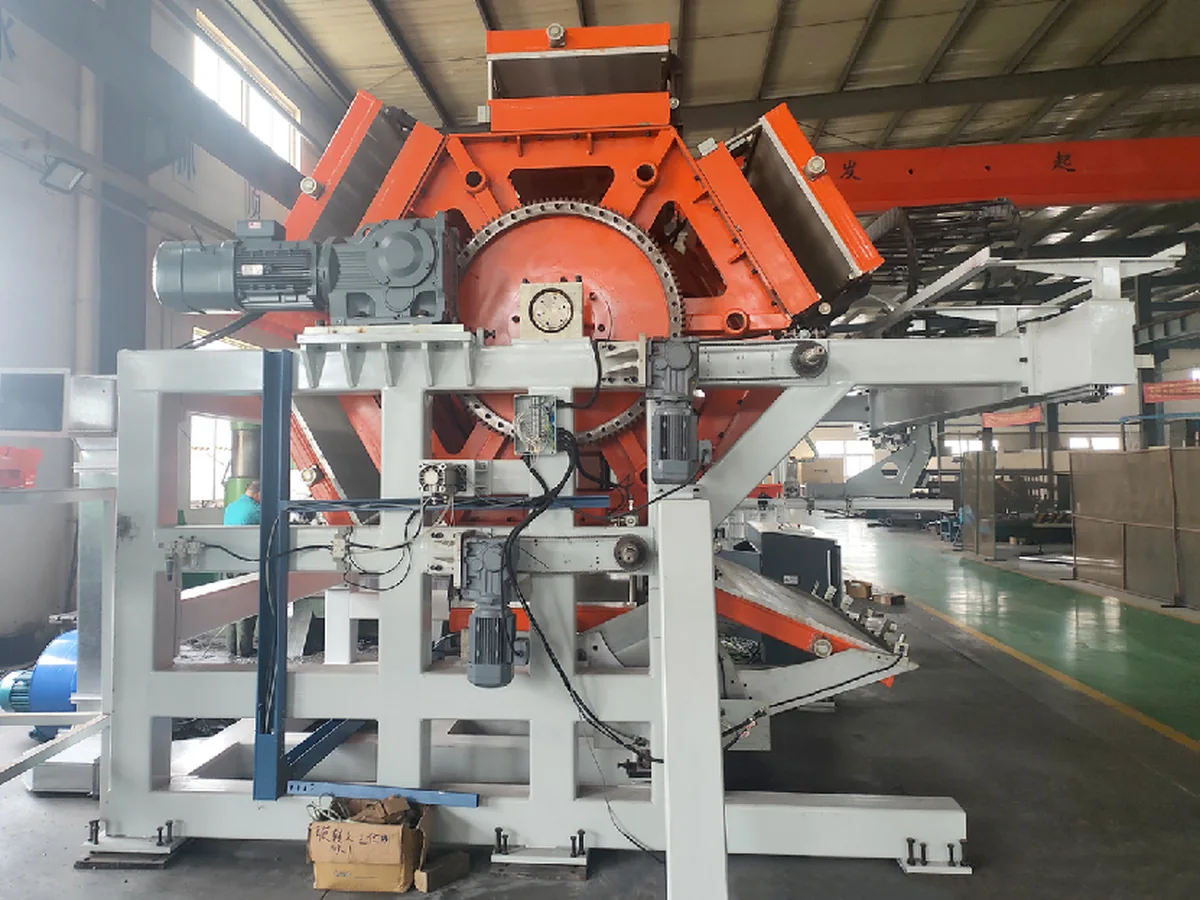
4-Station Hydraulic Air-Curtain Cabinet Foaming Fixture
4-station hydraulic foaming fixture for air-curtain refrigerated display cabinets (open-front merchandisers up to 4 × 1.8 × 0.55 m). Top/bottom flat-pressing clamp, water heating, 50 kW, 80–200 cabinets/shift.
Ligne de panneaux frigorifiques
Ligne continue, 10–40 panneaux/h, 50–200 mm
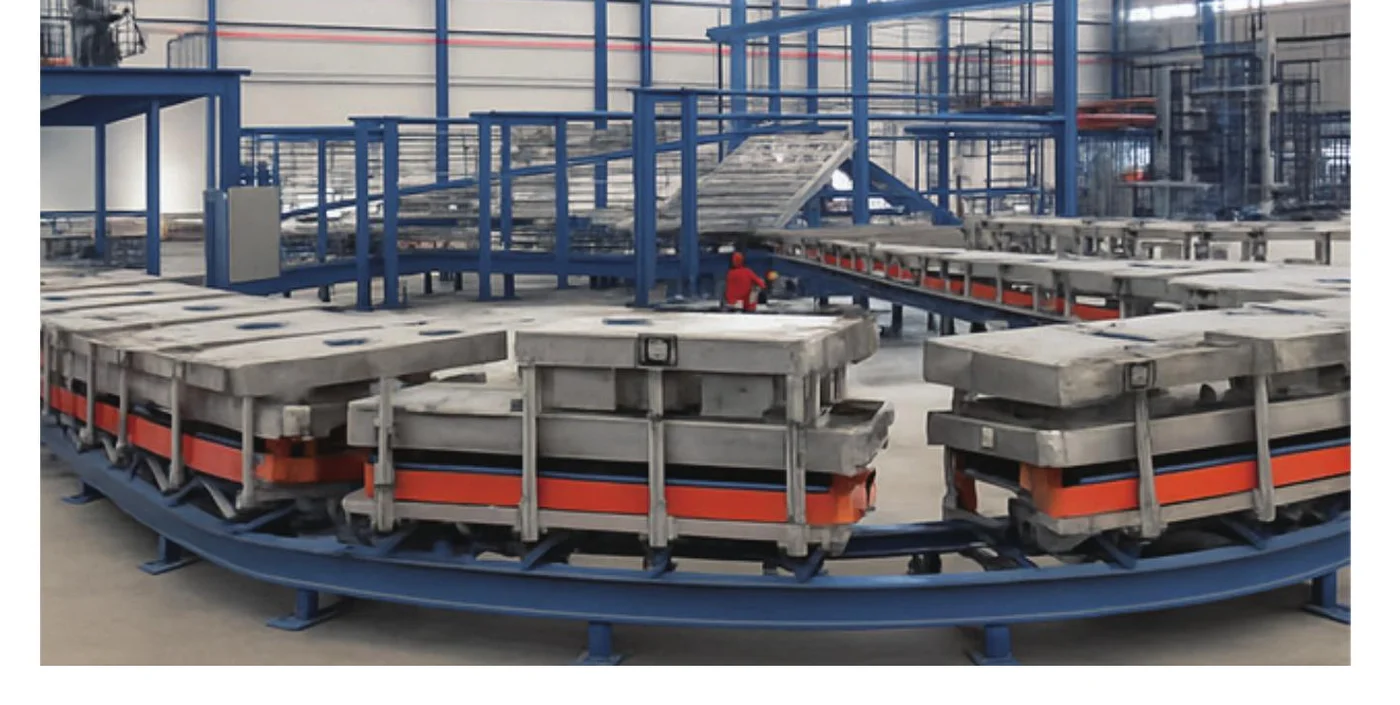
26-Station Ground-Rail PU Foaming Line for Refrigerator Doors — Closed-Loop Track Layout
Closed-loop ground-rail PU foaming line dedicated to refrigerator and cabinet DOOR foaming. 26 single-cavity fixture stations on a continuous steel track, 20-sec takt, ~1,200 doors per 8-hour shift (~2,450/day on two shifts) at 85% line efficiency. 2,000 × 900 mm fixture × 200 mm closing height — sized for door panels. Cyclopentane + ATEX Zone 1, steam or oil heating.
Cross-Sell · One-Partner Synergy
Match Your Production Line With Factory Solutions
Pick the factory type that matches your buyer market — we engineer the complete production line for that vertical.
Browse 13 Factory Solutions
Refrigerator / Chef Base / Freezer / Display Cabinet / Commercial Freezer + 8 specialized markets.
Learn more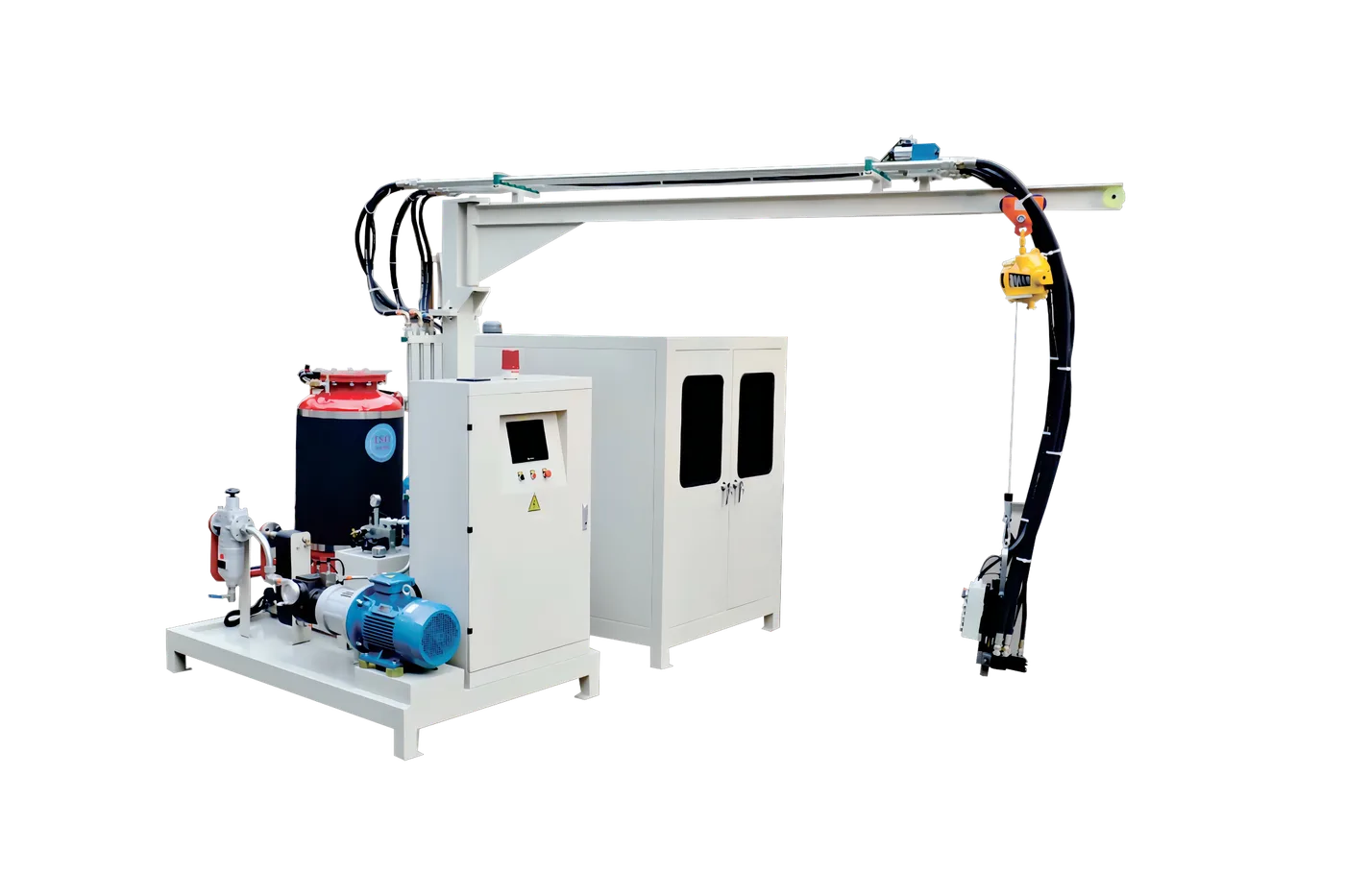
PU Foaming Machines
High-pressure (cyclopentane / 2C / 3C) + low-pressure + spray-foam — pick the foaming line that matches your factory.
Learn more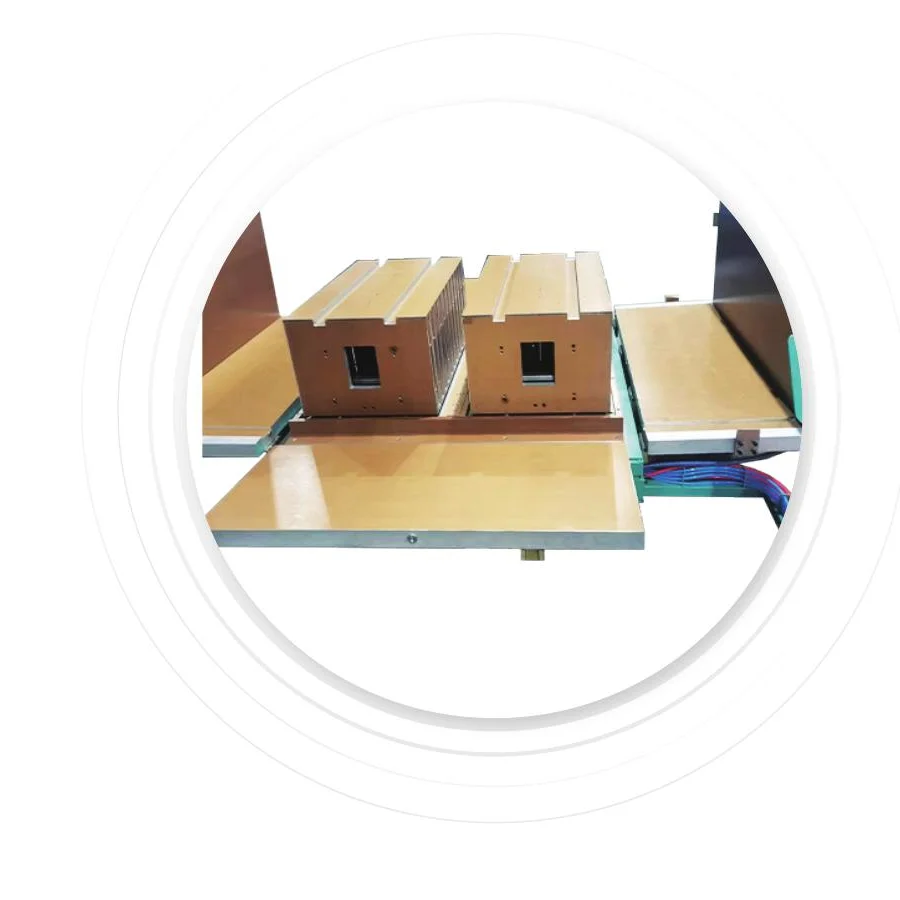
Refrigerator-Grade Moulds
Vacuum-forming + foaming moulds engineered to your cabinet/door geometry. Custom mould design service available.
Learn moreService & Support
Garantie & Service
Intervention sur site disponible dans chaque région où nous avons livré des projets.
On-Site Installation
Our engineers fly to your factory to supervise installation, layout verification, and first-run production.
Commissioning + Tuning
Trial run + parameter tuning to your local raw material, climate, and target product spec — until throughput meets contract.
Operator Training
5-10 day on-site training for production team, QC, and maintenance — bilingual manuals + video tutorials provided.
3-Year Warranty + Spares
Core equipment 3-year warranty, electrical 2-year. Spare parts in stock with global express shipment 24h dispatch.
Questions fréquentes
Quel est le délai de livraison typique ?
Quelle est la quantité minimale de commande ?
Proposez-vous la personnalisation et l'OEM / ODM ?
Quelles certifications ce produit possède-t-il ?
Besoin d'une solution complète de réfrigération ?
UREXCEED intègre moules, machines de moussage, lignes de production et matériaux au sein de 6 usines partenaires. Indiquez-nous votre objectif de capacité et nous répondrons avec une configuration et un devis sous 24 heures.