
How to Maintain PU Foaming Machines: Daily, Weekly & Annual Preventive Maintenance Checklist
A structured preventive maintenance schedule keeps your PU foaming machine productive for 15–20 years instead of 8–10. Get the daily, weekly, monthly and annual checklist — plus spare-parts inventory and common failure prevention.
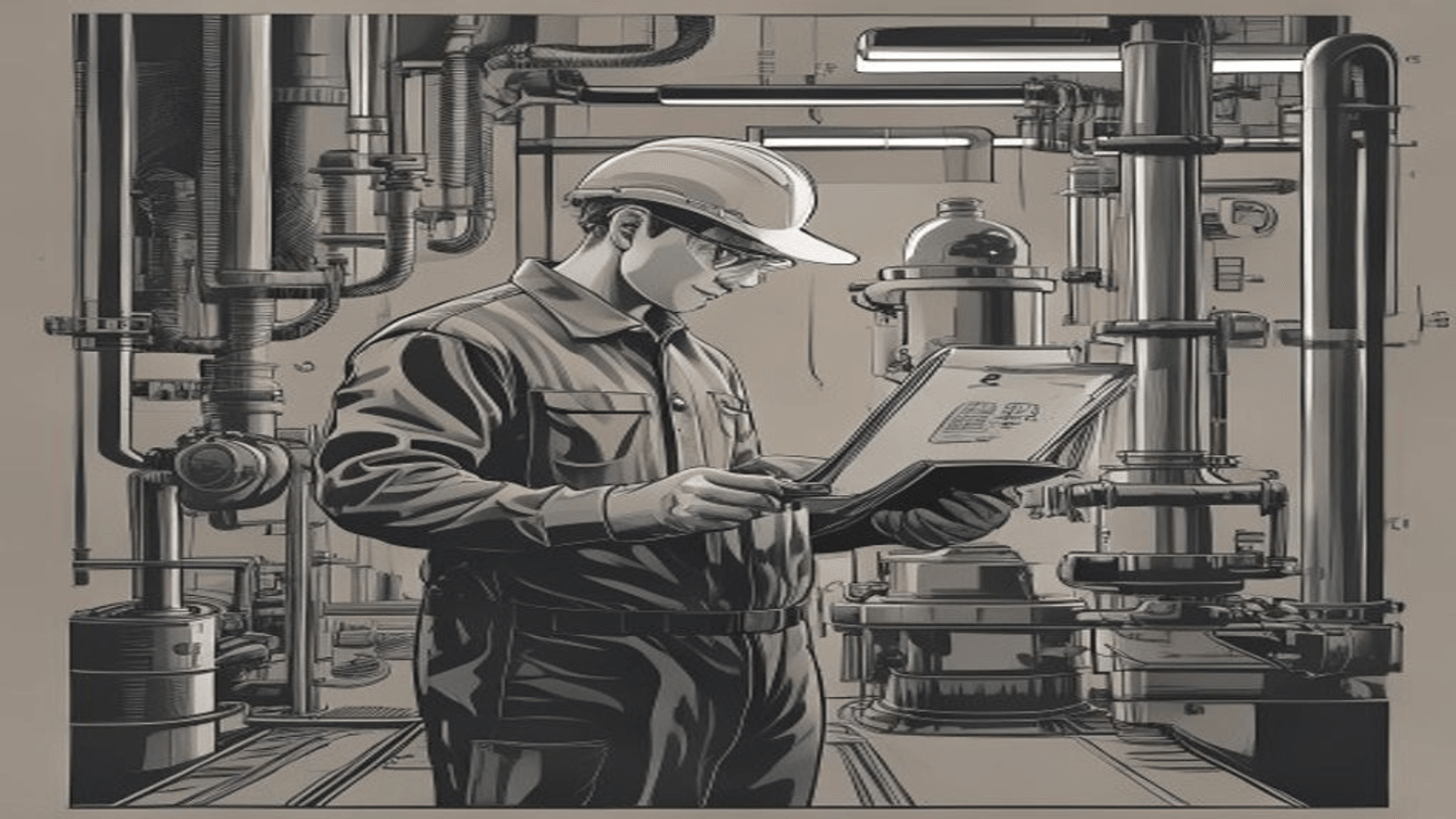
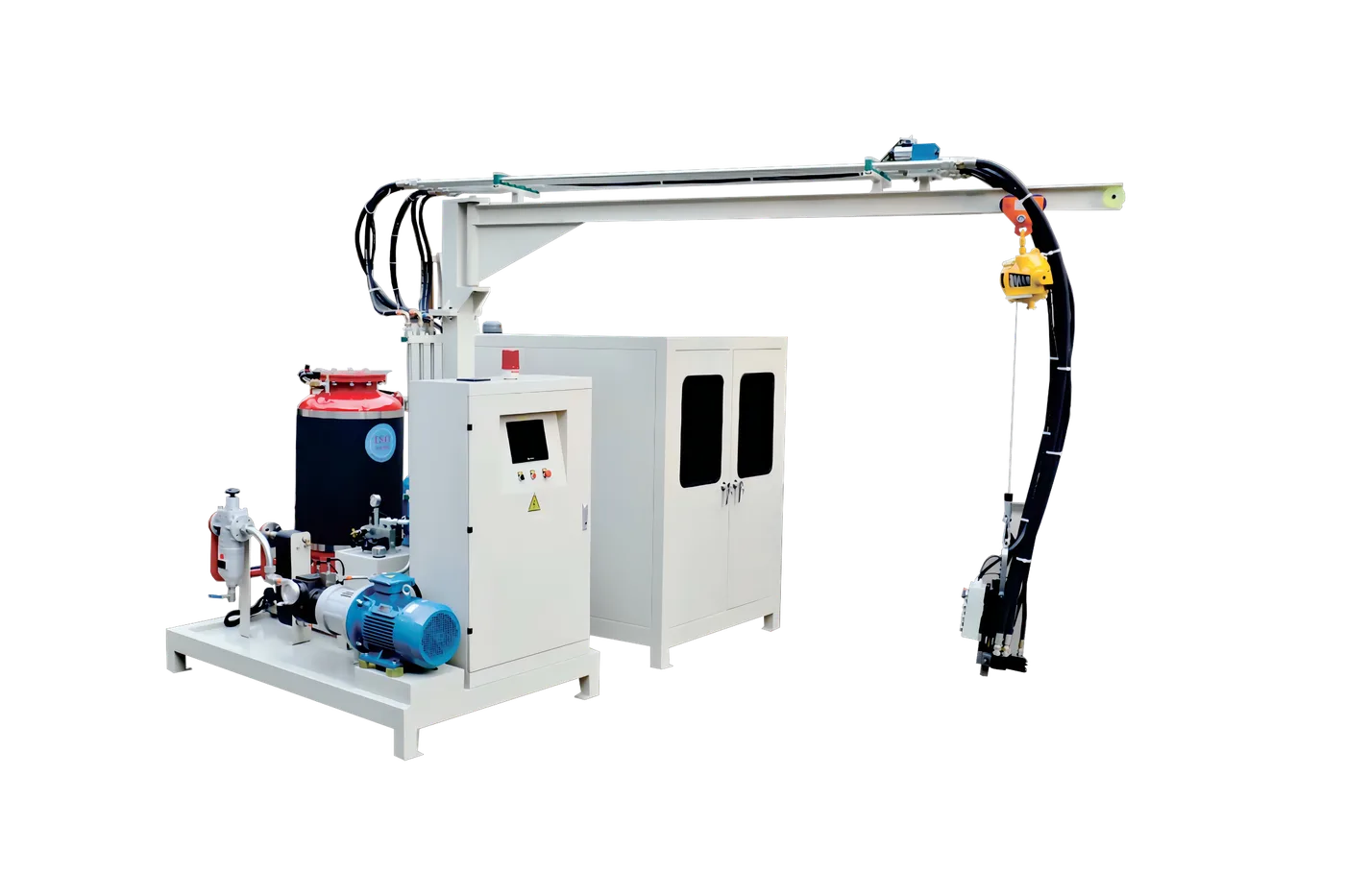
Preventive maintenance costs USD 2,000–4,000/year in parts and fluids vs USD 15,000–30,000 for one unplanned mixing-head rebuild. Daily (10 min): oil level, tank levels, mixing-head flush, hose check, pressure readings. Weekly (30 min): filter inspection, temperature spot-check, ratio verification, electrical/safety checks. Monthly: seal replacement, oil analysis, flow-meter calibration. Annual: full oil change, hose replacement, pump rebuild, PLC backup. Keep 6 critical spare-parts categories on-site (USD 3,000–6,000 total inventory).
Why preventive maintenance determines foaming machine lifespan
A high-pressure PU foaming machine running two shifts can inject 200–400 shots per day. Each shot sends isocyanate and polyol through mixing heads at 120–180 bar — pressures that accelerate wear on seals, pistons, and valves. Without scheduled maintenance, most operators see unplanned downtime within 6–12 months: clogged mixing chambers, ratio drift, or hydraulic leaks that contaminate the shop floor.
The data is clear: factories that follow a daily-weekly-monthly-annual maintenance schedule keep their foaming machines productive for 15–20 years instead of the 8–10 years typical of reactive-only maintenance. The cost difference is roughly USD 2,000–4,000 per year in parts and fluids — versus USD 15,000–30,000 for a single unplanned mixing-head rebuild.
Daily maintenance checklist (10 minutes per shift)
Complete these checks at the start of each production shift:
- Hydraulic oil level and temperature — oil should sit between the min/max marks on the sight glass. Operating temperature: 40–55 °C. Above 65 °C signals a cooling-circuit blockage or pump wear.
- Material tank levels — verify isocyanate (A-side) and polyol (B-side) day tanks are filled to the planned production quantity. Running tanks dry introduces air into the system and causes foam voids.
- Mixing head flush — after every production break longer than 15 minutes, flush the mixing head with cleaning agent (typically methylene chloride or a recycled-polyol flush circuit). Residual material crystallises and blocks the nozzle within 20–30 minutes at room temperature.
- Hose condition and coupling tightness — visually inspect heated hoses for kinks, abrasion, or weeping at couplings. A leaking isocyanate hose is both a safety hazard (MDI vapour, TLV 0.005 ppm) and a production stop.
- Pressure gauge readings — record A-side and B-side injection pressures. Deviation > 5 % from the recipe setpoint means a filter is clogging or a proportioning pump is losing efficiency.
Weekly maintenance checklist (30–45 minutes)
- Material filters — pull and inspect the 80–120 mesh inline filters on both A-side and B-side. Isocyanate filters clog faster in humid climates because moisture reacts with MDI to form solid urea particles. Replace if pressure drop across the filter exceeds 3 bar.
- Temperature calibration spot-check — use an infrared thermometer to verify material temperature at the mixing head matches the controller display within ±2 °C. Drift beyond this range affects foam density and cell uniformity (refer to our PU foam density and k-factor guide).
- Proportioning ratio verification — run a free-pour shot into two separate containers, weigh each component. The weight ratio should match the recipe (commonly 1:1.0–1:1.15 for rigid foam). Ratio error > 3 % means pump recalibration is needed.
- Electrical connections — check terminal screws, contactor contacts, and VFD cooling fans. Loose terminals under vibration cause intermittent faults that are hard to trace once production is running.
- Safety interlocks — test emergency stops, mixing-head proximity switches, and mould-close limit switches. Document each test in the maintenance log.
Monthly and annual overhaul tasks
Monthly (2–4 hours, planned downtime):
- Replace mixing-head seals (O-rings, piston seals, nozzle seats) — even if they appear intact. A USD 15 seal set prevents a USD 3,000 mixing-head replacement.
- Hydraulic oil analysis — send a sample to a fluid-analysis lab. Check for water contamination (< 200 ppm), particle count (ISO 4406 target: 18/16/13), and viscosity within ±10 % of spec.
- Clean and recalibrate flow meters (Coriolis or gear-type).
- Inspect and tighten all hydraulic fittings — vibration loosens JIC and BSP connections over time.
Annual overhaul (1–2 days, scheduled shutdown):
- Full hydraulic oil change — 150–300 L depending on machine size. Use the grade specified by the machine manufacturer (typically ISO VG 46 or VG 68).
- Replace heated hoses if the outer sheath shows cracking, delamination, or the heater elements have hot spots (measured with thermal camera).
- Rebuild proportioning pumps — replace pistons, cylinder liners, and check valves. OEM rebuild kits from reputable manufacturers cost USD 800–2,000 per pump.
- Calibrate all pressure transducers and temperature controllers against NIST-traceable references.
- Update PLC firmware and back up the recipe database to an offline medium.
Four common failures that proper maintenance prevents
| Failure | Root cause | Prevention | Repair cost if ignored |
|---|---|---|---|
| Foam voids / poor adhesion | Off-ratio mix (pump wear or clogged filter) | Weekly ratio check + monthly seal replacement | USD 5,000–10,000 (scrap product + rework) |
| Mixing-head seizure | Material crystallisation from inadequate flushing | Flush after every break > 15 min | USD 3,000–8,000 (head rebuild or replacement) |
| Hydraulic system overheating | Low oil level, blocked cooler fins, degraded oil | Daily oil-level check + monthly oil analysis | USD 10,000–20,000 (pump + valve damage) |
| Hose burst | UV degradation, overbending, aged inner liner | Daily visual inspection + annual replacement | USD 2,000–5,000 (hose set) + production stop + safety incident |
Recommended spare-parts inventory
Keep these items on-site to avoid waiting 4–8 weeks for international shipping:
- Mixing-head seal kits × 4 sets (covers 4 months of monthly replacement)
- Inline filters (80 and 120 mesh) × 20 each
- Hydraulic oil — 1 full-change quantity (150–300 L) plus 50 L top-up reserve
- Heated hose assembly × 1 complete set (long lead-time item)
- Proportioning pump rebuild kit × 1 per pump
- Contactors and fuses — matched to the machine's electrical panel BOM
Estimated total inventory value: USD 3,000–6,000 — a fraction of one unplanned downtime event. When ordering a new PU foaming machine, request a recommended spare-parts list from the manufacturer at the time of purchase — it is far easier (and cheaper) to ship spares with the original machine. Spray foam units add spray-gun, nozzle and heated-hose upkeep that the pour-machine checklist above does not cover — our PU spray foam machine types and applications buyer's guide walks through that machine class.
Building a factory? See our production line guide → For a complete plant, browse our refrigerator manufacturing solutions, or send us your machine's age and duty cycle for a tailored overhaul-vs-replace recommendation.
Frequently asked questions
How often should I change the hydraulic oil in a PU foaming machine?
Replace hydraulic oil once per year or every 3,000 operating hours, whichever comes first. Send an oil sample for lab analysis monthly — if water content exceeds 200 ppm or particle count rises above ISO 4406 class 18/16/13, change the oil early regardless of hours.
What is the most common cause of foam defects in high-pressure foaming?
Off-ratio mixing caused by worn proportioning pump seals or clogged material filters. A weekly free-pour ratio test catches this before defective products reach the end of the line. Target ratio accuracy: within 3 % of recipe specification.
Can I use generic hydraulic oil instead of the manufacturer-recommended grade?
Using a different viscosity grade (e.g. VG 32 instead of VG 46) accelerates pump wear and voids the machine warranty. Always match the ISO VG grade, anti-wear specification (HLP or HVLP), and cleanliness class stated in the machine manual.
How long does a mixing-head rebuild take?
A trained technician can complete a full mixing-head rebuild — replacing seals, piston, nozzle seat and cleaning the chamber — in 2–4 hours. The key is having the seal kit on-site in advance. If the head must be sent back to the factory, expect 3–6 weeks turnaround plus shipping.
What are the key maintenance tips for the pump and mixing-head shafts on a foam machine?
The proportioning-pump piston shafts and the mixing-head cleaning-piston shaft are the highest-wear moving parts on a PU foaming machine. Four shaft maintenance tips: (1) inspect shaft seals weekly for weeping — a thin isocyanate film around the shaft means the packing is failing and should be replaced before it scores the shaft; (2) keep shafts free of crystallised material by flushing after every break longer than 15 minutes, since dried MDI acts like an abrasive on the polished shaft surface; (3) check shaft alignment and axial play monthly — more than 0.1 mm of play accelerates seal and cylinder-liner wear; (4) replace piston shaft seals as a set during the monthly overhaul rather than waiting for a leak. A worn shaft that scores its cylinder liner turns a USD 15 seal job into an USD 800–2,000 pump rebuild.
What safety precautions are needed when maintaining isocyanate (MDI) systems?
MDI is a respiratory sensitiser with a TLV of 0.005 ppm. Wear a full-face respirator with organic-vapor cartridge, chemical-resistant gloves, and splash goggles when opening any isocyanate-side connection. Work in a ventilated area and have an MDI spill kit within 5 metres. Never heat isocyanate above 80 °C — decomposition releases toxic gases.
Products Mentioned in This Article
Ready to plan your refrigeration project?
Share your target output and product mix — our engineering team replies with a capacity plan and quote within three business days.
Get an engineering quoteRelated articles
Cold Room Panel Manufacturers in the UAE: Why "Civil Defence Approved" Is Not One Question
In the UAE, a panel's paperwork has to satisfy a federal code, a product certification scheme, and an emirate-level listing — and Abu Dhabi has just formalised 54 local amendments of its own. A brochure line reading "Civil Defence approved" answers none of those three. Here is what to ask instead, why a European supplier's fire pack is the wrong currency here, and what a 45°C ambient does to the thickness you thought you needed.
Converting a Refrigerator Foaming Line to Cyclopentane: Retrofit vs New Machine, Cost and Timeline
Switching from HFC-245fa to cyclopentane is an equipment and safety-infrastructure project, not a raw-material swap. Here's how to decide between retrofitting an existing foaming machine and buying a new cyclopentane-ready one, what the safety infrastructure actually costs, and a realistic project timeline.
Freezer Mould Selection Guide: Chest vs Upright vs Display Cabinet
A freezer mould is not one product — chest (horizontal), upright and display (island / glass-door) freezers each need a different mould geometry, clamping load and cure schedule. This guide picks the right freezer mould family by cabinet size, volume and operating temperature.