
Medical & Pharmaceutical Refrigerator Manufacturing: Equipment, Cold Chain Compliance & Production Line Setup
A medical refrigerator looks like a household one but must hold +2 to +8 °C with ±0.5 °C uniformity and prove it. This guide covers the temperature classes you build for, the five equipment pillars that decide thermal performance, the nine-step production process, and the honest boundary between what an equipment line gives you and what medical certification requires.
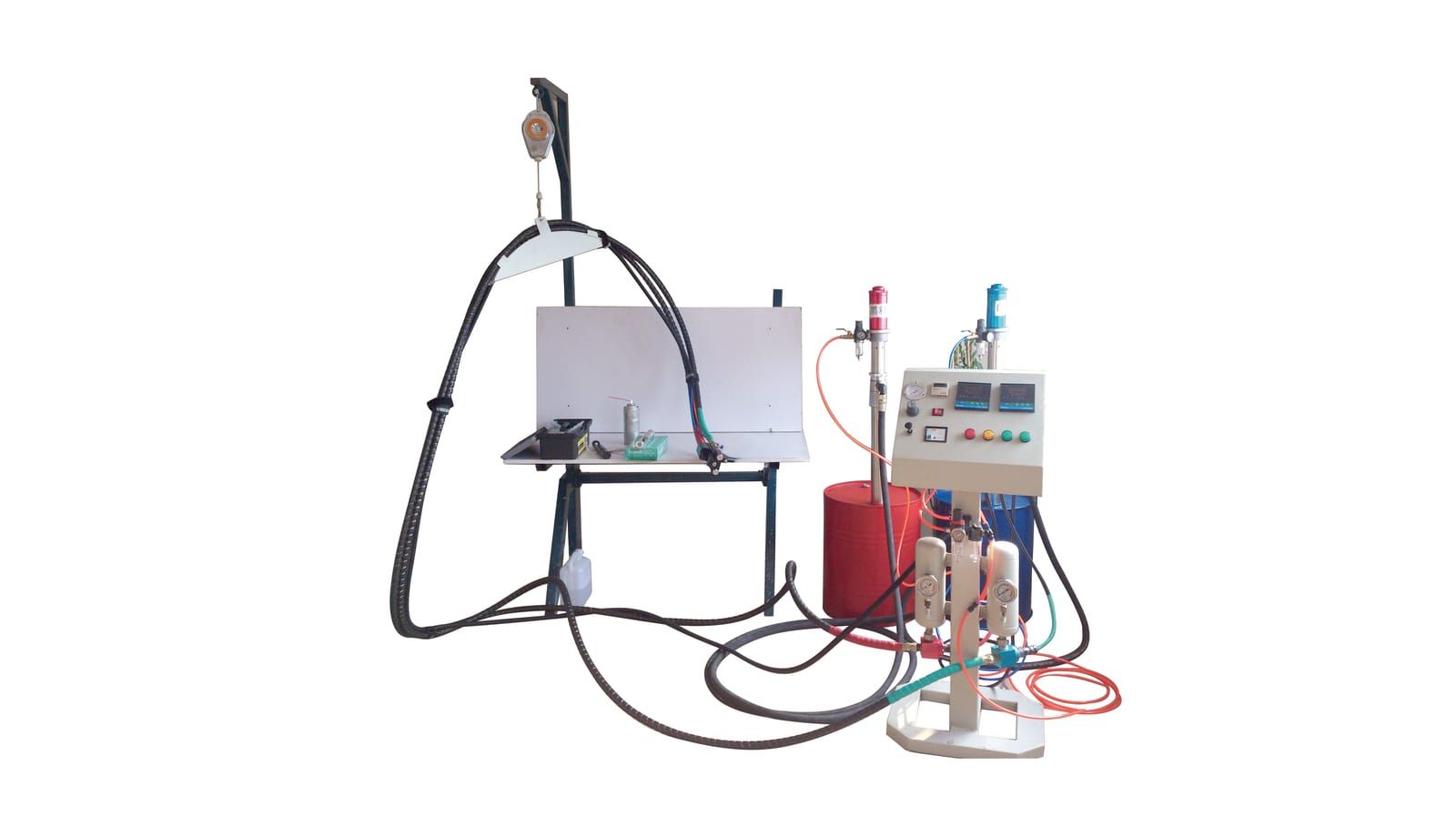
Four medical cold storage classes: pharmacy/vaccine (+2 to +8 °C), medical freezer (-20 to -40 °C), ULT (-60 to -86 °C), blood bank (+4 °C ±1 °C). Five equipment pillars: high-pressure PU foaming machine, foaming jig, thermoforming + liner mould, low-k-factor PU system (below 20 mW/m·K), integrated line. Nine-step process ending in a 24h multi-point temperature mapping test — the gate that separates medical from household. Honesty boundary: the production line supplier provides equipment and supporting documentation; ISO 13485 / WHO PQS / CE-MDR certification is obtained by the device manufacturer, not the equipment vendor.
What actually separates a medical refrigerator from a household one
A medical or pharmaceutical refrigerator looks like a household unit from the outside. The difference is everything you cannot see: temperature stability, recovery time after a door opening, and the documentation trail proving both. A vaccine refrigerator must hold +2 °C to +8 °C — the range specified in CDC vaccine storage and handling guidance — with a deviation no wider than ±0.5 °C anywhere in the cabinet, and it must log that performance continuously. A household refrigerator that swings between +1 °C and +9 °C is perfectly fine for milk and ruins a tray of vaccines.
If you are setting up a factory to build medical refrigerators, freezers, or vaccine units, the equipment you choose decides whether your output can hit those tolerances at all. This guide covers the production-line side of the problem: the foaming, forming, and assembly equipment that determines thermal performance. It is also honest about where the line stops. The medical compliance certifications themselves are obtained by you, the device manufacturer, not by your equipment supplier.
The temperature classes you are building for
Before specifying equipment, define which class of medical cold storage your factory will produce. Each class has a different insulation and refrigeration demand, and mixing them on one line without planning leads to compromised performance across the board.
| Class | Target range | Typical contents | Insulation implication |
|---|---|---|---|
| Pharmacy / vaccine refrigerator | +2 to +8 °C | Vaccines, insulin, reagents, blood plasma derivatives | 60-75 mm PU foam, tight cell structure, low k-factor below 20 mW/m·K |
| Medical freezer | -20 to -40 °C | Frozen plasma, certain vaccines, tissue samples | 80-100 mm PU foam, edge sealing critical to prevent condensation bridging |
| Ultra-low temperature (ULT) | -60 to -86 °C | mRNA vaccines, biological samples, cell lines | 100-150 mm foam, often vacuum insulation panels (VIP) combined with PU, cascade refrigeration |
| Blood bank refrigerator | +4 °C ±1 °C | Whole blood, packed red cells | Forced-air circulation cabinet, alarm-grade temperature uniformity |
The +2 to +8 °C pharmacy refrigerator is the highest-volume class and the most forgiving to build, which is why most factories start there. ULT freezers below -60 °C are a different engineering problem entirely. They typically require cascade or Stirling refrigeration and vacuum insulation, and a factory tooled for pharmacy units cannot simply switch to ULT without major refrigeration and insulation changes.
Five equipment pillars that decide thermal performance
The cabinet's ability to hold a tight temperature band comes down to how well it is insulated and sealed. Five pieces of production equipment control that.
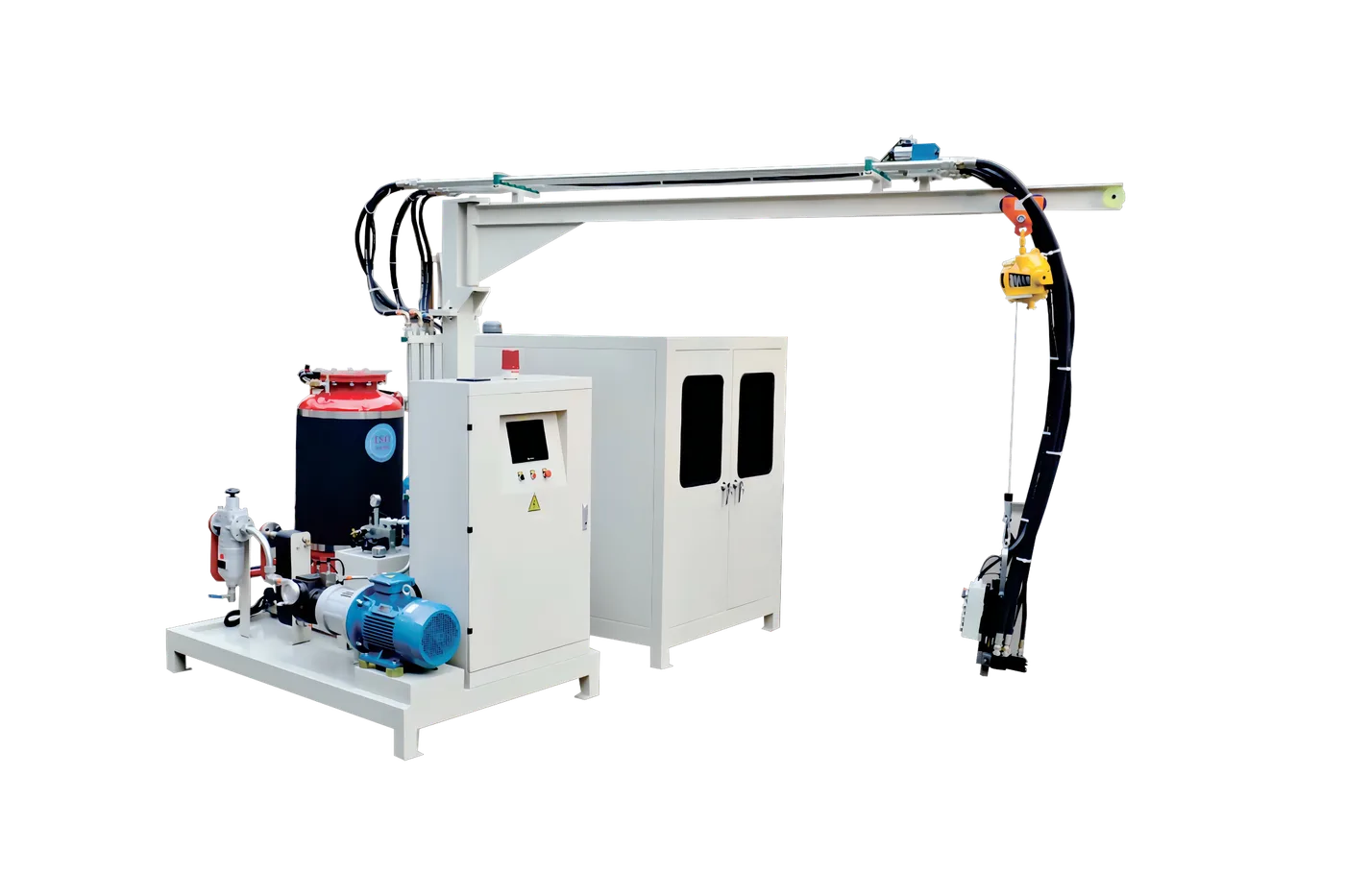
1. High-pressure PU foaming machine. Insulation is the single biggest factor in medical-grade temperature stability. A high-pressure PU foaming machine delivers consistent foam density and full cavity fill, which a low-pressure machine struggles to guarantee on thick medical walls. Voids or low-density spots in the foam create thermal bridges, which are exactly the cold or warm patches that fail a vaccine refrigerator's uniformity test.
2. Foaming jig / mould. The foaming mould holds the cabinet shell and liner in precise alignment during the foam expansion and cure. For medical units with thicker walls, the jig must apply even clamping pressure so the foam does not bow the inner liner, which would change internal volume and shelf spacing tolerances.
3. Thermoforming machine and liner mould. The inner liner is vacuum-formed from ABS or HIPS sheet. Medical liners often need smooth, easily-sanitized surfaces with rounded internal corners — formed on a vacuum forming mould designed for the specific cabinet geometry.
4. PU raw material with the right formulation. Cyclopentane-blown foam with a k-factor below 20 mW/m·K is the standard for medical insulation. The PU polyol and isocyanate system must be matched to your foaming machine and ambient conditions — a mismatched system produces inconsistent density batch to batch.
5. Integrated production line. Tying the stations together — sheet extrusion, forming, foaming, door assembly, refrigeration charging, and testing — into one production line is what lets a factory produce units with repeatable, documented performance rather than hand-built variability.
The production process from sheet to tested unit
A medical refrigerator factory runs essentially the same nine-step flow as a household refrigerator factory, with tighter tolerances and added testing at the end.
| Step | Process | Medical-grade difference |
|---|---|---|
| 1 | Sheet extrusion / cutting | Tighter sheet thickness control for liner uniformity |
| 2 | Vacuum forming inner liner | Smooth, rounded-corner liners for sanitization |
| 3 | Outer shell sheet metal forming | Often coated steel or stainless for clinical environments |
| 4 | Shell + liner assembly into foaming jig | Thicker wall cavity, precise clamping |
| 5 | PU foam injection and cure | Density verified per batch; voids rejected |
| 6 | Door assembly with magnetic gasket | Double-gasket or heated-frame doors to prevent condensation |
| 7 | Refrigeration system charging | Forced-air circulation, precision controller, often dual cooling |
| 8 | Electrical and safety test | Alarm system, battery backup, data logger verification |
| 9 | Temperature mapping test | Multi-point sensor mapping over 24h — the gate that separates medical from household |
Step 9 is the one that does not exist on a household line. A finished medical refrigerator is loaded with multiple calibrated sensors, run for 24 hours including simulated door openings, and the temperature at every point must stay inside the rated band. Units that fail go back for rework — usually a foaming or door-seal defect. Building this test station into the line from day one is far cheaper than adding it after you have a container of unmappable units.
Where equipment ends and compliance begins (read this before you order)
This is the part most equipment vendors stay quiet about. A production line gives you the physical capability to build a refrigerator that holds +2 to +8 °C. It does not give you the right to sell it as a medical device. Those are two separate things, and conflating them is how factory projects get derailed.
The certifications that let you market a vaccine refrigerator (ISO 13485 for medical device quality management, FDA registration in the US, WHO PQS prequalification, CE-MDR in Europe) are obtained by you, the device manufacturer. They depend on your quality system, your design dossier, and your clinical testing, not on who supplied your foaming machine. A production-line supplier can build you a line capable of producing compliant-grade units and can provide foam k-factor reports and FAT documentation that support your dossier. The supplier cannot certify the medical compliance for you.
UREXCEED supplies the production line, not the compliance paperwork. We have delivered a vaccine refrigerator line (India, 2026, 10 units/day) and we are clear with every buyer about this boundary. If you need a partner to obtain ISO 13485 or WHO PQS on your behalf, that is a medical regulatory consultant's job, not an equipment integrator's. What we provide is the equipment and the engineering support to make sure your units can actually pass the tests those certifications require.
How to choose a production-line supplier for a medical factory
Apply a stricter version of the checklist you would use for any refrigerator line. Ask for the foam k-factor test report on units the supplier has built — not a brochure figure, an actual test certificate showing below 20 mW/m·K. Ask whether the line includes a temperature mapping test station and whether the supplier will commission it on site. Ask to see a reference medical or vaccine project, and confirm the supplier states the compliance boundary in writing rather than implying they will handle certification.
A turnkey integrator that designs the whole line — forming, foaming, assembly, and the mapping test together — gives you repeatable thermal performance from the first batch. Buying the foaming machine from one vendor and the test station from another, then hoping the tolerances stack up, is how factories end up with units that look right and map wrong. If you are planning a medical or pharmaceutical refrigerator factory, start with a line consultation and bring your target temperature class and daily output to the first conversation.
Frequently asked questions
Can UREXCEED help us get ISO 13485 or WHO PQS certification for our vaccine refrigerators?
No, and any equipment supplier that says yes is overpromising. ISO 13485 and WHO PQS prequalification are obtained by the medical device manufacturer based on its quality system and product dossier. UREXCEED supplies the production line and provides supporting documentation — foam k-factor reports, Factory Acceptance Test records, temperature mapping results — that feed into your certification dossier. The certification itself is yours to obtain, typically with a medical regulatory consultant.
What foam k-factor do I need for a +2 to +8 °C vaccine refrigerator?
Target a thermal conductivity below 20 mW/m·K, which a cyclopentane-blown PU system delivers when foamed at consistent density. Combined with 60-75 mm wall thickness, this gives the temperature stability and recovery time a vaccine refrigerator needs. A higher k-factor forces thicker walls to compensate, which reduces internal volume. The foaming machine's ability to deliver consistent density is what makes the k-factor repeatable across every unit, not just the test sample.
Can one production line make both +2 to +8 °C refrigerators and -40 °C freezers?
Up to a point. The forming, foaming, and assembly stations are shared, but freezers need thicker insulation (80-100 mm vs 60-75 mm) and a different refrigeration system. A well-planned line can run both with a foaming jig change and a separate refrigeration charging station. Ultra-low temperature units below -60 °C are a different case — they often need vacuum insulation panels and cascade refrigeration, which a standard line is not tooled for.
What is the typical investment and capacity for a vaccine refrigerator line?
A small-batch medical refrigerator line producing 10-50 units per day is a realistic entry point — our India 2026 project ran at 10 units/day. Investment depends on whether you outsource sheet extrusion and how many foaming stations you install. The bottleneck is the same as any refrigerator line: foam curing time, which sets how many foaming jigs you need. Bring your target daily output and temperature class to a line consultation for a specific equipment list and budget range.
Why does a medical refrigerator need a temperature mapping test?
Because regulators and buyers require proof that every point inside the cabinet stays within the rated band, not just the center where the controller's sensor sits. A mapping test places multiple calibrated sensors throughout the cabinet and logs them over 24 hours including door openings. It catches insulation voids, door-seal leaks, and air-circulation dead spots that a single-sensor check misses. Building this station into the production line means defects are caught before units ship, not after a buyer rejects a container.
Products mentioned in this article
Ready to plan your refrigeration project?
Share your target output and product mix — our engineering team replies with a capacity plan and quote within three business days.
Get an engineering quoteRelated articles
Refrigerator Production Line Setup: Capacity Planning, Factory Layout and Investment
Most new-line projects start with a spreadsheet of machine quotes. That is the wrong order. Here is the planning sequence we use with first-time factory owners.
Cold Storage Panel Production Line — Setup, Cost & Capacity Guide
A complete guide to investing in a cold storage sandwich panel production line: 5 core stations, capacity planning tables, USD 450K–1.09M investment breakdown, quality standards, and a 4–6 month project timeline.