
Wine Cabinet Production Line: Investment Analysis & Turnkey Manufacturing (2026 Guide)
The 8-step sequence to enter wine cabinet manufacturing, three investment tiers from USD 500K to 2M, and the equipment list a turnkey production line needs — dual-zone precision, UV-glass tooling and compressor vibration isolation included.
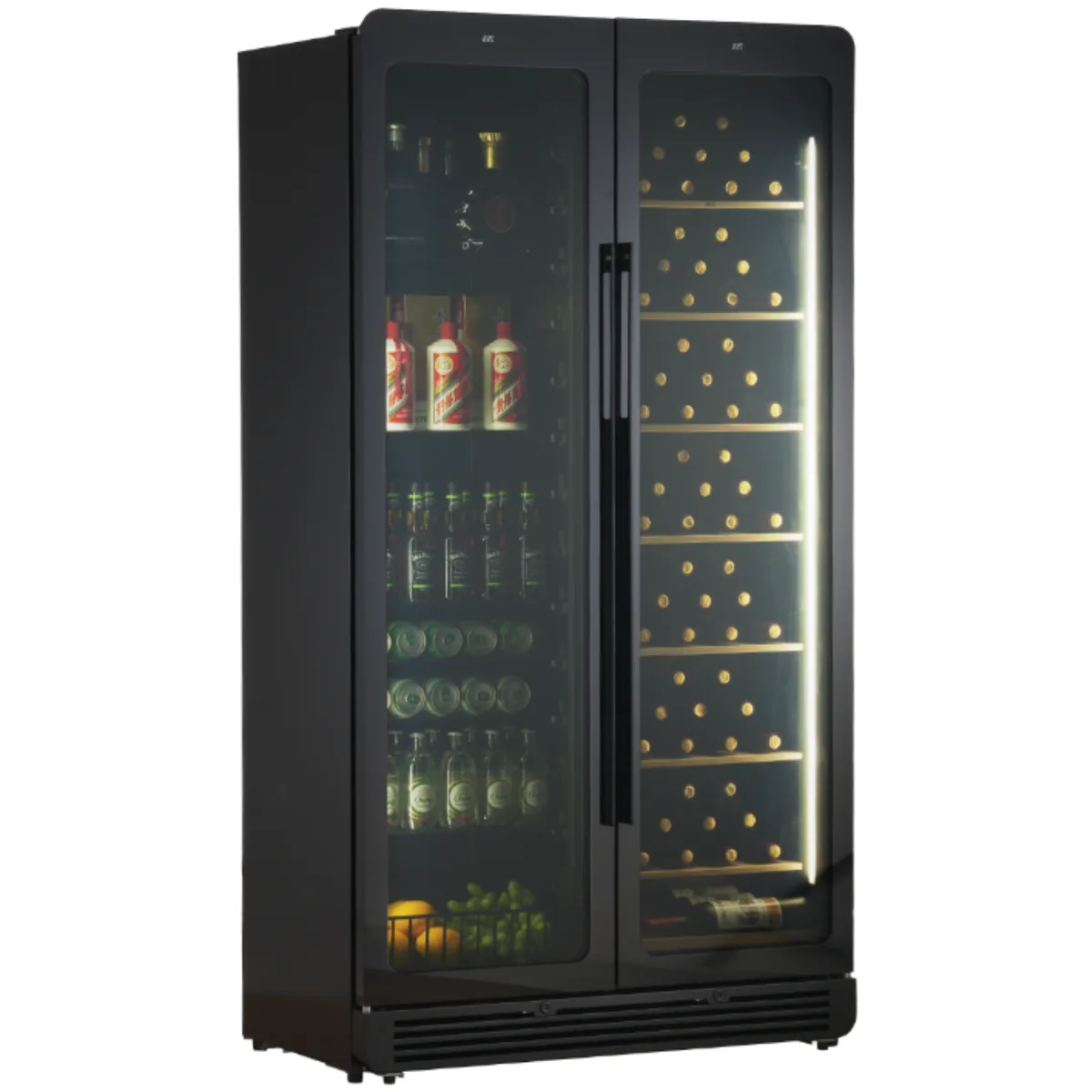
A wine cabinet production line runs USD 500,000-2,000,000 across three entry tiers (100-800 units/shift), 7-9 months contract to first shipment, and needs low-pressure precision foaming rather than high-throughput high-pressure equipment. The two decisions first-time entrants get wrong most often: sizing tooling for a single bottle-count SKU instead of the three-platform range buyers actually order, and treating UV-glass and vibration isolation as accessories instead of specs built into the mould from day one.
A wine cabinet production line is a precision, cosmetic-grade investment, not a scaled-down refrigerator line: USD 500,000-2,000,000 across three entry tiers producing 100-800 units/shift, 7-9 months contract to first shipment, built around low-pressure metered foaming rather than high-pressure high-throughput equipment. Buyers who scope this project on refrigerator-plant assumptions — raw cycle speed, single insulation recipe, no cosmetic tolerance — consistently under-budget the two things that actually determine whether a premium retailer accepts the cabinet: dual-zone temperature stability and a compressor that stays quiet enough for a showroom floor.
First-time cabinet manufacturers and existing display-cabinet OEMs diversifying into premium wine retail need the same three pieces in sequence: market sizing and the 8-step setup path, the investment decision with real cost tiers, and the procurement detail — equipment list, line layout, and foaming machine selection — to build the line.
Market Size and Why Wine Cabinet Manufacturing Is a Distinct Entry Point
Premium wine retail, hotel and hospitality minibar programs, and home-appliance brands all depend on the same underlying product: a cabinet that holds two separate temperature zones — 12-18°C for red, 5-10°C for white — without drift, and that looks and sounds premium enough to sit in a showroom or a guest room. That combination of thermal precision and cosmetic finish separates wine cabinet manufacturing from every other cabinet category on a foaming line.
Wine cabinet manufacturing is structurally different from refrigeration-cabinet manufacturing as a market to enter:
- Cosmetic and acoustic tolerance, not throughput, drives cost. A refrigerator OEM competes on cycle speed at hundreds of cabinets per shift. A wine cabinet manufacturer competes on dual-zone stability, UV-glass finish and compressor noise at 100-800 units/shift — a different production economics entirely.
- Dual-zone foam has to hold ±0.3°C across 24 hours. A 50-60 mm foam wall built to a k-factor of 0.020 W/m·K with even fill (no thermal bridges) is what keeps the red and white zones from bleeding into each other. Standard single-zone refrigerator foaming is not tuned for this and drifts across a dual-zone divider.
- Showroom rejection is acoustic, not thermal. Premium retail buyers reject cabinets above 38 dB measured at 1 m, and premium customers notice compressor vibration disturbing sediment in stored bottles above roughly 0.05g at the bottle rack — two failure modes a standard refrigerator line was never built to test for.
Most new entrants underestimate how much of the cost driver is finish and acoustic reliability rather than raw output. The 8-step sequence below is built around locking in the dual-zone and vibration specs before tooling is committed.
The 8-Step Sequence to Start a Wine Cabinet Production Line
- Define your bottle-count SKU matrix first, not your budget. Compact (12-50 bottle), mid (50-150 bottle) and floor-standing (up to 300-bottle) cabinets each sit on their own mould platform — decide your SKU range before pricing anything.
- Decide thermoelectric vs. compressor early — the tooling is not interchangeable. Thermoelectric (Peltier) cabinets use simpler tooling with no compressor pocket (mould set USD 80,000-140,000); compressor cabinets need pocketed cabinets and vibration isolation built into the mould (USD 180,000-280,000).
- Set your dual-zone temperature target. 12-18°C red / 5-10°C white with ±0.5°C stability is the standard premium spec; field-measured performance on a correctly foamed dual-zone cabinet runs closer to ±0.3°C across a 24-hour cycle.
- Source your UV-blocking glass supply chain in parallel with tooling. Low-iron tempered glass with argon-filled triple glazing and a UV-blocking coating (99.5% cutoff is the commercial benchmark, e.g. Saint-Gobain SGG Cool-Lite-class glass) is a separate procurement track — start it early so it doesn't become the bottleneck.
- Engineer compressor vibration isolation into the mould, not as an aftermarket bracket. A rubber-mount plus tuned-mass-damper kit sized for Embraco- or SECOP-class compressors is what gets a cabinet under the 38 dB @ 1 m retail threshold and under roughly 0.05g at the bottle rack.
- Decide if you need built-in / under-counter tooling. 24-inch and 30-inch zero-clearance form factors with front-vent foaming pockets (so the cabinet exhausts through the toe-kick, not the back) are required for EU and US kitchen-integration specs.
- Build UV-transmission and acoustic/vibration testing into your QA plan from the start. A UV test rig and an acoustic/vibration station (commonly quoted as a single USD 35,000-55,000 accessory package) catch a bad glass batch or an under-damped compressor mount before it reaches a retail showroom.
- Plan your certification path in parallel with tooling. IEC 60335-2-24 and EN 62552 govern the electrical safety and test methods for household refrigerating appliances; CE marking and Energy Star readiness apply on top depending on target market.
Three Pitfalls That Delay First Shipment
- Sizing the line off refrigerator-plant cycle-speed assumptions. A wine cabinet line's bottleneck is dual-zone cure quality and finish, not injection speed — over-speccing for throughput wastes capital on capacity the SKU mix doesn't need.
- Treating UV-glass and vibration isolation as accessories instead of mould-integrated specs. Compressor isolation pockets and UV-glass door radii have to be tooled into the cabinet and door moulds from day one; retrofitting either after tooling is committed usually means a second mould run.
- Tooling one SKU at a time instead of a multi-platform strategy. A single-mould-per-SKU approach runs roughly USD 180,000 per additional SKU; a three-platform design with snap-in shelf carriers (60-minute changeover) brings that down to roughly USD 55,000 per SKU.
Reference Configuration — Multi-SKU Entry Line
The following is a typical capability profile for a first-time wine cabinet manufacturing line, not a specific client result: a manufacturer entering with a 2-3 SKU range (compact and mid platforms, thermoelectric and compressor variants) targeting 200-300 units/shift across the mix. Tooling covers two mould platforms from a single contract, low-pressure metered foaming holds the dual-zone target, and UV-glass doors are sourced through a specified glass supplier rather than built in-house. This configuration sits between Tier 1 and Tier 2 in the table below — see the wine cabinet production line solution page for the full cost-driver breakdown behind numbers like these.
Certification Checklist — What Has to Be in Place Before You Can Sell
- IEC 60335-2-24 — particular requirements for the electrical safety of household and similar refrigerating appliances, the base electrical-safety standard wine cabinets are certified against.
- EN 62552 — the EU test-methods standard covering energy consumption and performance measurement for household refrigerating appliances, required alongside CE marking for EU market entry.
- CE marking on the cabinet's electrical and refrigeration system.
- Energy Star readiness for US market entry — voluntary but increasingly expected by hospitality and premium retail buyers sourcing for the US.
- Acoustic performance is a buyer-audit criterion, not a certification. No regulatory body certifies cabinet noise, but premium retail buyers routinely reject anything above 38 dB measured at 1 m — treat it with the same rigor as a certification gate, because it functions as one at delivery inspection.
Refrigerant handling on compressor-based units falls under destination-market rules such as the US EPA's Section 608 program governing refrigerant handling and technician certification; blowing agents used in the PU foam wall are separately regulated — see the EPA SNAP program substitute list for current approved foam blowing agents.
Decision: Which Entry Tier Should You Build?
One-line answer: if you're entering with a single mid-size platform and a defined retail or hospitality channel, start at Tier 1 (USD 500K-750K); if you're launching a compact-plus-mid two-platform range, Tier 2 (USD 900K-1.4M) is the standard first build; Tier 3 (USD 1.5M-2M) is for manufacturers committing to the full compact/mid/floor-standing range across all three mould platforms from day one.
Three-Tier Investment Comparison
| Tier | Mould platforms | Target output | Investment | Best for |
|---|---|---|---|---|
| Tier 1 — Entry | 1 platform (mid, 50-150 bottle) | 100-150 units/shift | USD 500K-750K | Single-SKU launch, defined retail or hospitality channel |
| Tier 2 — Multi-SKU | 2 platforms (compact + mid) | 200-400 units/shift | USD 900K-1.4M | Thermoelectric + compressor range, 3-tier collection launch |
| Tier 3 — Full range | 3 platforms (compact/mid/floor-standing) | 500-800 units/shift | USD 1.5M-2M | Full 12-300 bottle range, multiple retail/hospitality/OEM channels |
Tooling Breakeven — How Fast a SKU Pays Back
Tooling ROI breakeven on a wine cabinet SKU typically lands at 8,000-15,000 units per SKU — premium cabinets carry higher margin than mass-market refrigerators, so the breakeven volume is far lower relative to tooling cost. A Tier 1 line running 125 units/shift, one shift, 220 production days/year, produces roughly 27,500 units/year. Against that output, a single SKU's breakeven falls between roughly 3.5 months (8,000-unit breakeven) and 6.5 months (15,000-unit breakeven) of steady one-shift production, assuming output is not split across a wider SKU mix from day one.
Hidden Costs First-Time Entrants Miss
- UV-transmission and acoustic/vibration test infrastructure — the USD 35,000-55,000 accessory package, budgeted as ongoing QA cost rather than a one-time certification expense.
- UV-glass sourcing lead time — argon-filled triple-glazed, UV-blocking glass is a specified-supplier procurement track separate from the foaming line; starting it late is a common cause of schedule slip.
- Compressor sourcing and matching lead time — Embraco- and SECOP-class compressors need to be matched to the vibration-isolation mould design before the mould is finalized, not after.
- Multi-SKU mould maintenance — three mould platforms with 60-minute changeover between SKUs means more frequent mould-maintenance cycles than a single-SKU high-volume line.
Delivery Timeline — Contract to First Shipment
Roughly 7-9 months contract to first shipment, with the upper end reflecting a multi-platform Tier 2-3 build: Week 1-2 inquiry and segment targeting; Week 2-4 detailed proposal with UV-glass and vibration-damper spec; Week 4-6 contract and cabinet design freeze (UV-glass radius, compressor mounting interface); Month 2-5 mould and door-mould fabrication (45-60 days) running in parallel with the PU machine (45 days) and the UV/vibration test rig (30 days); Month 5-7 sea freight (3-5 × 40' containers) and on-site installation (2-3 weeks); Month 7-9 commissioning, with acceptance signed once 20 consecutive cabinets pass UV, vibration and dual-zone temperature spec.
Procurement: What the Production Line Actually Needs
Full Equipment List
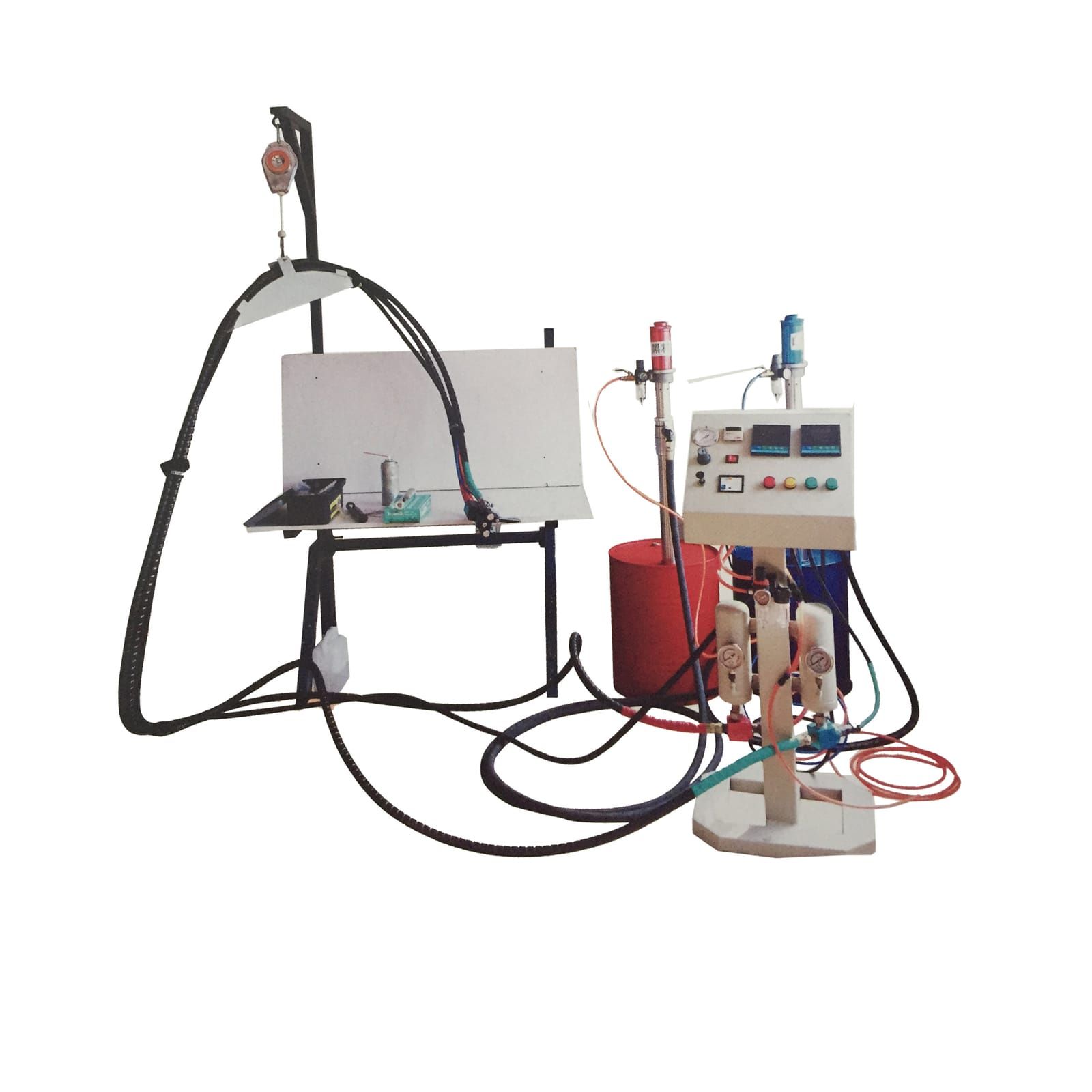
- Low-pressure PU foaming machine (metered ratio control, precision finish)
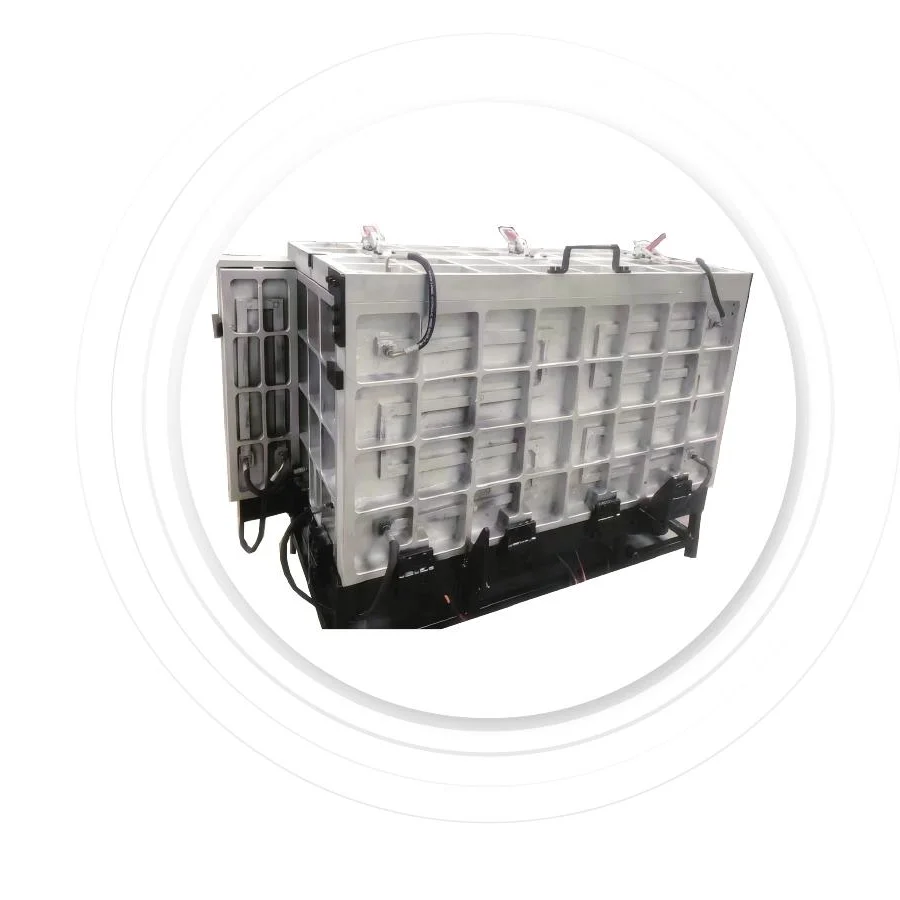
- Wine cabinet body and door moulds — one platform per bottle-count tier (compact / mid / floor-standing), door mould pre-tooled for UV-glass radius
- Dual-zone EBM evaporator and compressor mounting jig, sized for Embraco- or SECOP-class compressors
- Compressor isolation fixture (rubber-mount + tuned-mass-damper kit)
- UV-transmission test rig
- Acoustic and vibration test station
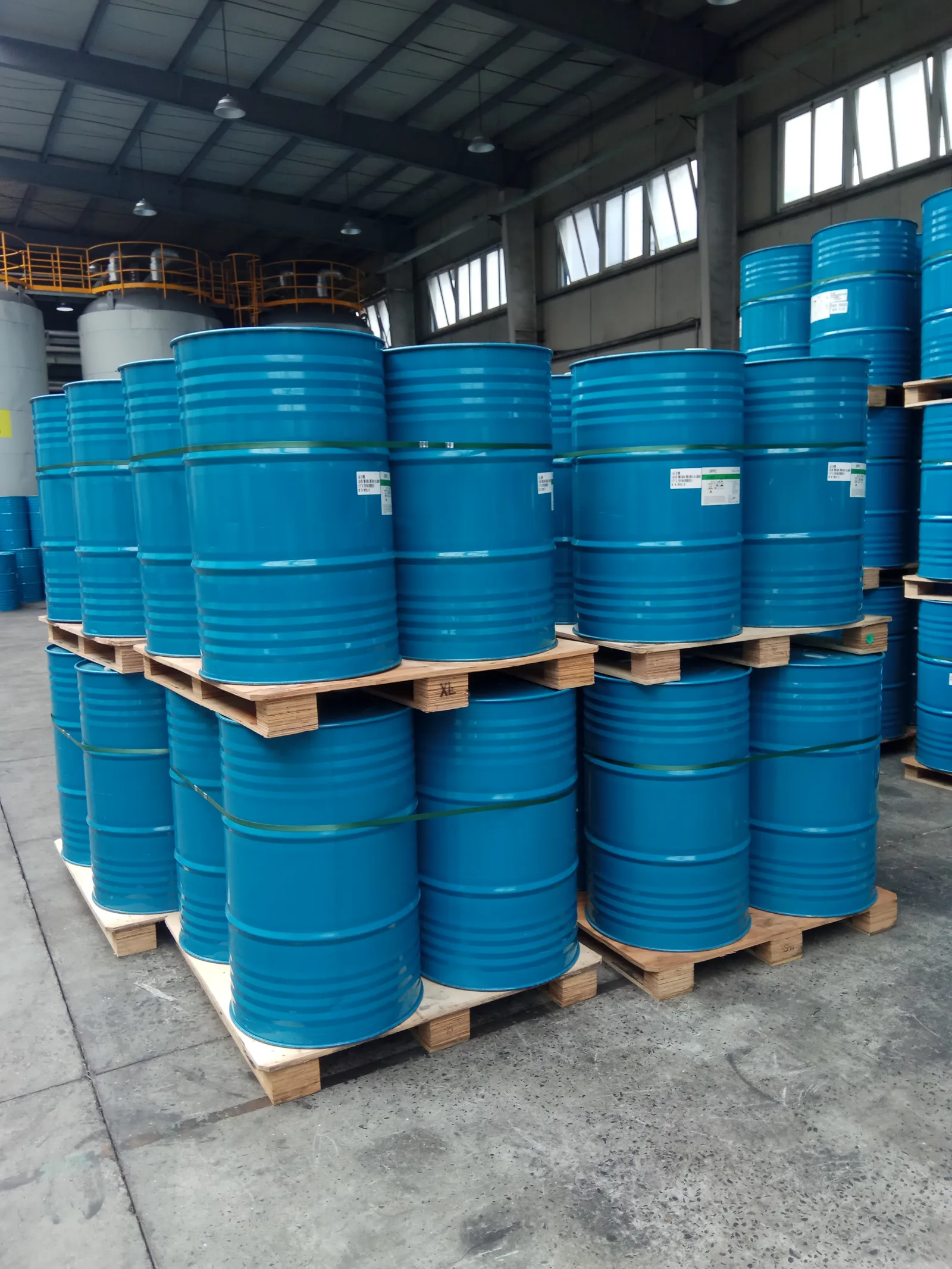
- PU raw materials formulated for a k-factor of 0.020 W/m·K
Production Line Layout
A wine cabinet line is laid out around dual-zone cure quality and finish rather than raw throughput: foaming station, cure-dwell buffer sized to the dual-zone recipe's cure time, cabinet assembly and UV-glass door fitting, dual-zone evaporator and compressor installation, then final QA — UV pass/fail label, acoustic reading, vibration check at the bottle rack, dimensional check — before packing. Floor layout scales with mould-platform count; a Tier 3 three-platform line needs proportionally more cure-dwell buffering across SKUs, not more foaming stations.
PU Foaming Machine Selection Decision Tree
- Is your target output under 800 units/shift across all SKUs? → Low-pressure metered system. Above that, the project is closer to a high-volume display-cabinet plant than a premium wine cabinet line.
- Do you need to switch between thermoelectric and compressor SKUs in the same shift? → Dual mixing-head low-pressure configuration; single mixing head is sufficient if SKUs run in separate batches.
- Is a k-factor of 0.020 W/m·K achievable with your current polyol system at 50-60 mm wall thickness? → If not, this is a raw-material reformulation question before it's a machine question — see our PU foam density and K-factor guide for how formulation drives wall performance.
- What's your acoustic and cosmetic tolerance? → Precision low-pressure metering for premium/sommelier-grade SKUs targeting under 30 dB at the acoustic station; standard low-pressure tolerance is acceptable for entry-tier compact units.
Raw Material Checklist
- Polyol system formulated for k-factor 0.020 W/m·K at 50-60 mm wall thickness with even fill (no thermal bridges)
- Isocyanate matched to the low-pressure metering system's cycle time
- UV-blocking tempered glass, argon-filled triple glazing, 99.5%-class UV cutoff
- Compressor isolation foam inserts and rubber-mount hardware
Staffing for a New Line
A Tier 1-2 line (100-400 units/shift) typically runs 6-8 production and QA staff per shift: 1-2 foaming operators, 2-3 cabinet assembly and glass-fitting technicians, 1 dedicated QA technician (UV, acoustic and dual-zone temperature spot checks), 1 packing/finishing technician, and 1 line supervisor. Under-staffing the QA role is the most common cause of downstream reject-rate problems, since a vibration or dual-zone drift failure is not visible until the cabinet is running in a showroom or guest room.
After-Sales and Support Plan to Budget For
Budget for mould maintenance cycles (more frequent than a single-SKU line given multi-platform changeover), foaming-machine metering recalibration, and a documented UV-transmission and vibration re-test protocol for ongoing production QA — not just factory-acceptance testing at commissioning.
FAQ
FAQ
How much capital do I need to start a wine cabinet production line?
Entry-tier (single mid-size platform, 100-150 units/shift) needs USD 500,000-750,000. A multi-SKU Tier 2 line (2 platforms, 200-400 units/shift) needs USD 900,000-1.4M. A full-range Tier 3 line (3 platforms, 500-800 units/shift) needs USD 1.5M-2M. Building shell, utilities and working capital are additional.
What's the difference between thermoelectric and compressor wine cabinet tooling?
Thermoelectric (Peltier) cabinets use simpler tooling — no compressor pocket, single insulation thickness, lower-cost moulds (USD 80,000-140,000). Compressor cabinets need pocketed cabinets, vibration isolation, and higher-precision foaming (USD 180,000-280,000). Both run on the same line layout; only the mould set differs.
How long does it take from contract to first shipment?
7-9 months, with the upper end reflecting a multi-platform build. UV-glass sourcing and QA infrastructure setup should run in parallel with tooling and foaming-line manufacturing, not after it — starting them late is a common cause of schedule slip.
What temperature stability can a dual-zone wine cabinet actually hold?
±0.5°C is the standard premium spec (red zone 12-18°C, white zone 5-10°C). Field-measured performance on a correctly foamed cabinet — 50-60 mm wall, k-factor 0.020 W/m·K, even fill — runs closer to ±0.3°C across a 24-hour cycle.
What noise level does a wine cabinet need to pass retail buyer inspection?
Under 38 dB measured at 1 m is the threshold above which premium retail buyers typically reject a cabinet. Compressor cabinets need a rubber-mount plus tuned-mass-damper kit sized for the specific compressor to hold under that threshold and under roughly 0.05g vibration at the bottle rack.
Do you supply tooling for built-in / under-counter wine cabinets?
Yes. Built-in cabinets need zero-clearance ventilation tooling — front-vent foaming pockets so the cabinet exhausts through the toe-kick instead of the back. 24-inch and 30-inch form factors are common in EU and US kitchen-integration specs.
What's the typical order volume for wine cabinet lines you've equipped?
Most clients run 50-200 units/day for premium retail (small batches, frequent SKU changes) up to 500-800 units/day for hospitality OEM programs. Tooling ROI breakeven typically falls at 8,000-15,000 units per SKU.
Does the equipment supplier certify the finished cabinet to energy and safety standards?
No. We tool and commission the production line to hold cabinets within IEC 60335-2-24 and EN 62552 parameters, but final certification (CE, Energy Star, or destination-market equivalents) is completed by the cabinet brand through its own accredited test lab.
Can an existing display-cabinet manufacturer convert a line to wine cabinet production?
Partially. Cabinet-forming and assembly infrastructure can often be reused, but the foaming system typically needs dual-zone-capable metering and, for compressor SKUs, a retooled cabinet mould with integrated vibration-isolation pockets — closer to a new mould purchase than a retrofit.
What's the minimum production order for a wine cabinet line?
Tooling is sized for a multi-SKU strategy rather than one high-volume run: a three-platform design with snap-in shelf carriers brings capex per additional SKU down from roughly USD 180,000 (single-mould-per-SKU) to roughly USD 55,000, with a 60-minute changeover between SKUs.
Related engineering deep-dives
For the machine-class reasoning behind why wine cabinets run on low-pressure rather than high-pressure equipment, see High-Pressure vs Low-Pressure PU Foaming Machine, which covers the same low-pressure scope shared with cigar cabinets and other small-batch, cosmetic-grade cabinets. For how a comparably precision-driven cabinet category prices its tooling and ROI, see Cigar Humidor Manufacturing Plant: Cost, ROI & Turnkey Setup.
Ready to scope your wine cabinet production line? Talk to our engineering team with your target bottle-count SKU mix and dual-zone spec — we reply with an equipment list, mould-platform recommendation and realistic timeline within three business days, or browse the wine cabinet production line solution page for the full cost-driver breakdown.
Productos mencionados en este artículo
¿Listo para planificar su proyecto de refrigeración?
Comparta su objetivo de producción y mezcla de productos — nuestro equipo de ingeniería responde con un plan de capacidad y cotización en tres días hábiles.
Solicitar cotización de ingenieríaArtículos relacionados
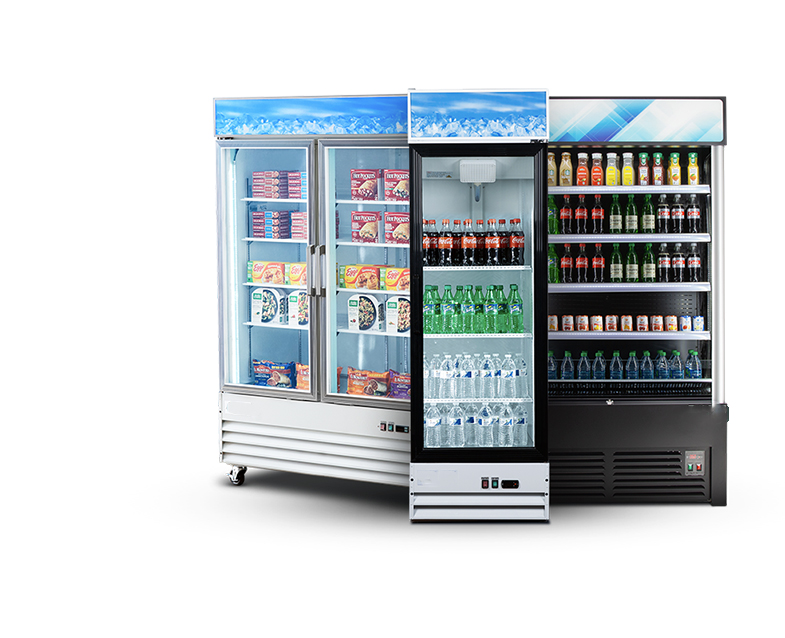
Beverage Cooler Production Line — Cost, Payback & Turnkey Setup (2026 Pillar Guide)
Investment tiers from a single-door entry line to a full bottler-program build, the payback math behind a 3,000-unit/day line, and the complete equipment list and certification checklist a beverage cooler OEM needs to go from contract to first shipment.
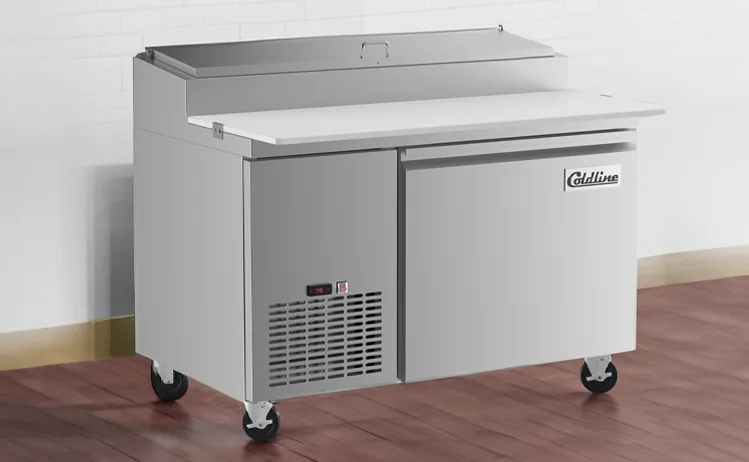
Chef Base Production Line: Cost, Break-Even & Turnkey Manufacturing (2026 Pillar Guide)
Investment tiers, the break-even math behind an 800-unit/day line, and the full equipment list and certification checklist a foodservice OEM needs to start chef base and refrigerated-counter production.
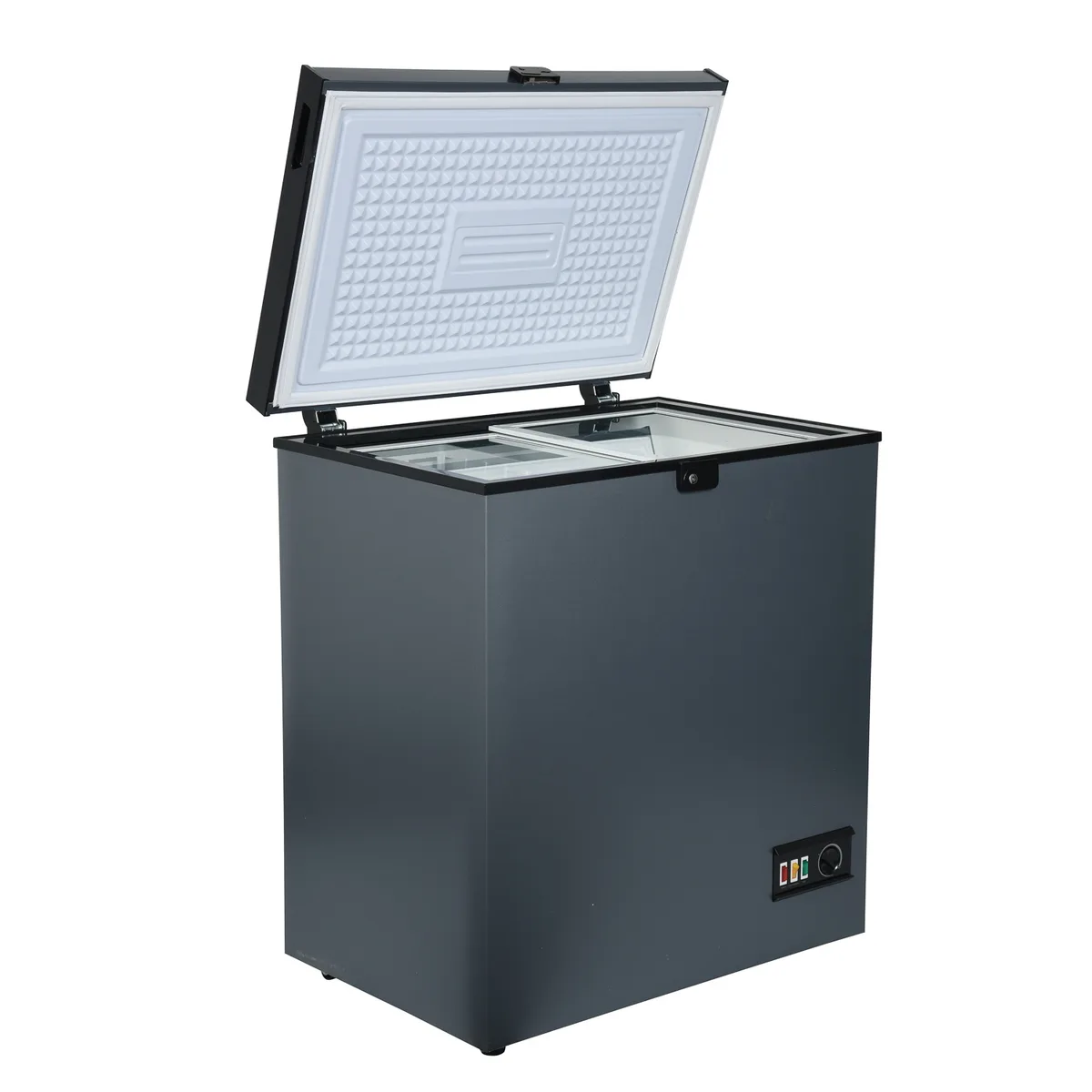
Chest Freezer Production Line — Cost, Capacity & Turnkey Factory Setup (2026 Pillar Guide)
Investment tiers from a 300-unit/day entry line to a 3,000-unit/day ultra-low-temperature build, the ATEX and Ecodesign pitfalls that stall first-time freezer OEMs, and the complete equipment list, mould selection logic and staffing plan needed to go from contract to first accepted cabinet.