
Cold Chain Market Outlook to 2031: USD 455 Billion and What It Means for Refrigeration OEMs
The global cold chain market is heading toward USD 455 billion by 2031. We translate the headline into equipment decisions — which regions and product categories grow fastest, how regulation rewrites every spec sheet, and what it means for your next production line.
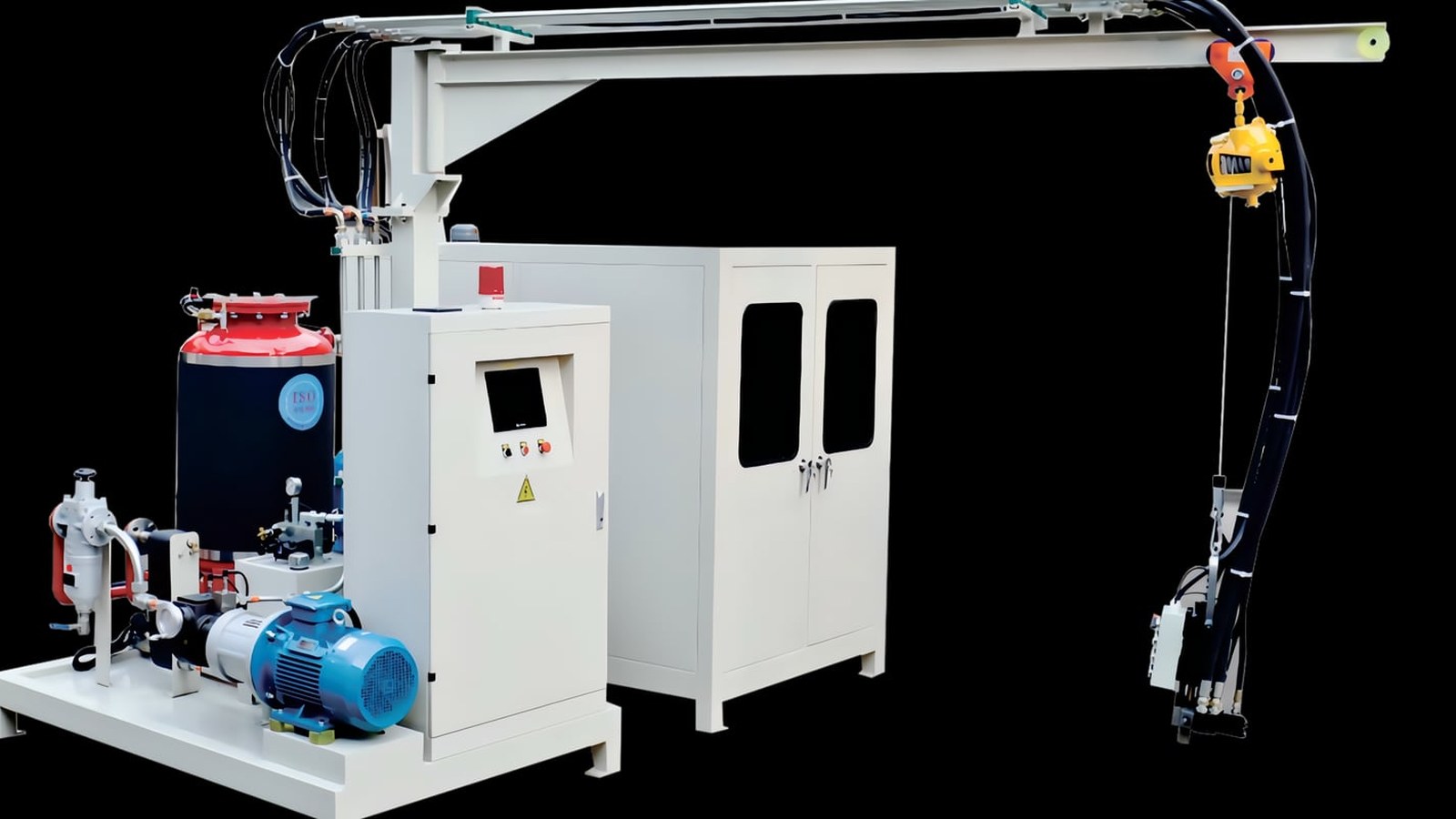
The global cold-chain market is projected to approach USD 455 billion by 2031 (up from ~USD 280 billion in 2024, CAGR ~7%). Three of the five growth drivers point straight at the foaming line: the pharma/vaccine cold chain, energy-efficiency regulation, and the blowing-agent transition. For equipment buyers, the 2031-ready decisions are: foaming machines rated for low-GWP agents (cyclopentane/HFO), quick-change tooling for a shifting cabinet mix, foam spec with headroom for the next energy class, and turnkey over equipment-only for first-time factories.
The global cold-chain market is on track to approach USD 455 billion by 2031, up from roughly USD 280 billion in 2024 — a compound annual growth rate close to 7%. For the people who actually build refrigerators, freezers, cold rooms and insulated boxes, that headline number is less interesting than what sits underneath it: where the demand is moving, which regulations are rewriting every spec sheet, and what it all means for the production line you are about to invest in. This pillar pulls those threads together for equipment buyers and refrigeration OEMs planning capacity for the rest of the decade.
Why a market-size headline should change how you spec a line
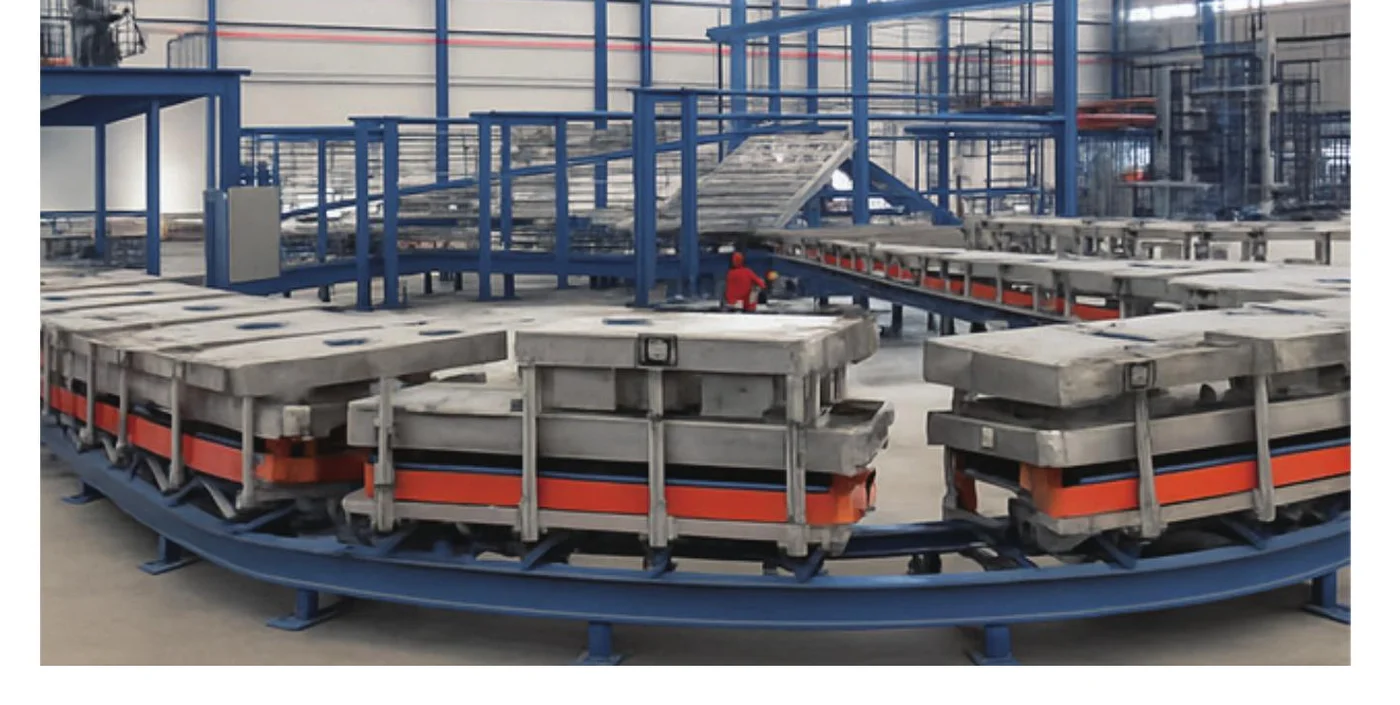
Most cold-chain forecasts are written for investors. They tell you the market is big and getting bigger. That is true — but it is not actionable if you are deciding between a 6-station rotary line and a 26-station ground-rail line, or whether to budget for cyclopentane-rated foaming equipment now or in three years.
The useful version of the 2031 outlook answers three operational questions. First, is the demand growth durable enough to justify adding a line rather than a shift? Second, which product categories and regions are growing fastest, so you build for the right cabinet mix? Third, what is the regulatory trajectory, so the line you commission in 2026 is still compliant in 2031? We have delivered 1,800+ refrigeration projects across 40+ countries over three decades, and the buyers who get burned are almost always the ones who specified for today's order book instead of the 2031 one.
The numbers behind USD 455 billion
"Cold chain" is a broad category — it spans refrigerated warehousing, refrigerated transport, and the equipment that creates cold in the first place. The synthesis across mainstream market research converges on a few anchor figures:
- Total cold-chain market: ~USD 280 billion (2024) → ~USD 455 billion (2031), CAGR ≈ 6.5–7.5%.
- Refrigeration equipment segment (the cabinets, panels and machines themselves): growing slightly faster than the logistics layer, driven by capacity additions in emerging markets and replacement demand from energy regulation.
- Pharmaceutical and medical cold chain: the fastest-growing slice, compounding at low-double-digits as biologics, vaccines and cell therapies expand the −20 °C to −86 °C tier.
The structural reason the number keeps climbing is food loss. The FAO estimates that roughly 14% of food is lost between harvest and retail, much of it for want of refrigeration. Every percentage point recovered means more cold storage, more refrigerated transport, and more of the equipment that OEMs in this industry build. This is not a hype cycle; it is a multi-decade infrastructure build-out.
Five structural drivers — and what each one demands from equipment
Behind the CAGR sit five drivers. Each one points to a different equipment decision.
| Driver | What it pulls | Equipment implication |
|---|---|---|
| Food-loss reduction in emerging markets | More cold rooms, chest freezers, display cabinets | Flexible lines that switch cabinet types fast |
| Pharma & vaccine cold chain | Medical refrigerators, ULT freezers | Tight foam density control, leak-test per unit |
| E-commerce grocery & QSR growth | Commercial freezers, chef bases, beverage coolers | Higher throughput, multi-SKU tooling |
| Energy-efficiency regulation | Replacement of older, thinner-walled units | Thicker walls, better k-factor foam systems |
| Refrigerant & blowing-agent transition | Re-tooling of foaming and charging stations | Cyclopentane / HFO-ready foaming machines |
Notice that three of the five point straight at the foaming line. The market is not just asking for more cabinets — it is asking for cabinets built to a tougher thermal and regulatory standard. That is where the capex pressure lands.
Where the growth actually is
Demand is not evenly distributed, and building a line for the wrong region's cabinet mix is an expensive mistake. The broad pattern through 2031:
- Asia-Pacific — the largest and one of the fastest-growing regions, led by India, Southeast Asia and continued Chinese domestic demand. Heavy on household refrigerators and commercial display cabinets.
- Middle East & Africa — high growth off a smaller base; hot ambient conditions push demand toward higher-spec insulation and cold-room panel capacity.
- Latin America — strong replacement and food-retail expansion; chest freezers and beverage coolers dominate.
- North America & Europe — slower headline growth but the most regulation-driven replacement demand, which favours premium, energy-class-compliant equipment.
For an OEM exporting to several of these markets, the practical takeaway is flexibility. A line locked to one cabinet geometry ages badly. We design the turnkey production lines we deliver around quick tooling changeover precisely because the 2031 order book will not look like the 2026 one. If you are weighing capacity scenarios, our guide on refrigerator production line setup, capacity and investment walks through the planning sequence in detail.
Regulation is rewriting every spec sheet
The single biggest reason a 2031-ready line differs from a 2020 line is regulation. Two regulatory currents matter most for equipment buyers.
Refrigerant and blowing-agent phase-down. Under the Kigali Amendment and regional F-gas rules, high-GWP substances are being squeezed out. The US EPA's SNAP programme documents the approved low-GWP foam blowing agents replacing legacy HFCs. For factories, this means foaming equipment must be specified for cyclopentane (flammable, ATEX-rated) or HFO chemistry — a decision we unpack in our blowing-agent comparison.
Energy efficiency and standards. Tightening energy classes in the US (DOE) and EU (Ecodesign) push manufacturers toward thicker walls and lower-conductivity foam to hit the same internal volume. International standards bodies are formalising the test and panel requirements — for example, the ISO technical committee for refrigeration and air-conditioning (ISO/TC 86) maintains the standards that downstream energy labels lean on, and refrigeration-safety bodies such as the International Institute of Ammonia Refrigeration (IIAR) shape the cold-storage side. The net effect on the foaming line: more precise density control and more wall thickness, both of which favour high-pressure foaming over older low-pressure setups. We cover the production consequences in our breakdown of the DOE 2027 and EU Ecodesign rules.
What this means for your next production-line investment
Translate the 2031 outlook into a specification and four decisions stand out:
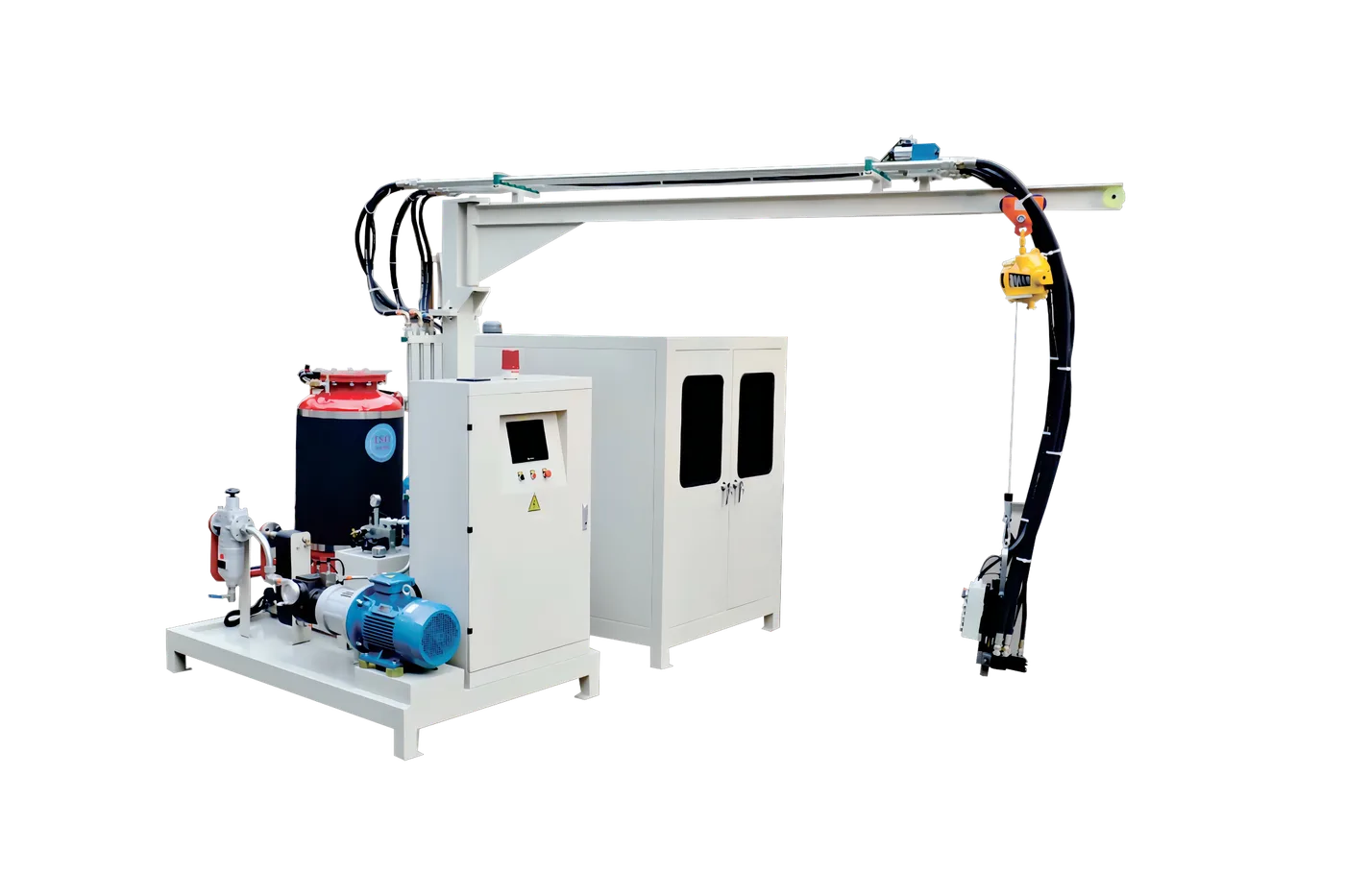
- Buy foaming capacity you can re-charge. A high-pressure PU foaming machine rated for cyclopentane costs 30–50% more up front but protects you from a forced re-tool when your last HFC option exits the market. On a line you expect to run 15 years, that is cheap insurance.
- Design for the cabinet mix you will have in 2031, not 2026. Quick-change tooling and modular station counts let one line follow demand across chest, upright, display and medical cabinets.
- Spec foam for the next energy class, not the current one. A small bump in density and wall thickness today avoids a redesign when the label rescales.
- Decide turnkey vs equipment-only with eyes open. First-time factories building into a growing but regulated market usually underestimate integration risk — see our analysis of turnkey vs equipment-only projects.
The pharmaceutical tier deserves a separate note. If any part of your 2031 plan touches vaccines, biologics or blood storage, the foam and process requirements jump sharply — tighter density, per-unit leak testing, traceability to foam batch. Our medical refrigerator solution and the deep dive on medical refrigerator foaming for the vaccine cold chain set out what changes.
How to position your factory for the 2031 cold chain
The market reaching USD 455 billion is a tailwind, not a guarantee. The OEMs who capture a disproportionate share of it will be the ones whose equipment is already compliant, flexible and energy-efficient when the demand arrives — not the ones scrambling to re-tool after a regulation lands. Concretely, that means commissioning a line whose foaming system is blowing-agent-future-proof, whose tooling follows your export markets' cabinet mix, and whose foam spec has headroom for the next energy class.
We integrates moulds, PU foaming machines and complete production lines from a network of five mould factories and three machine shops, which is what lets us match a line to a 2031 order book rather than a catalogue. If you want help mapping your capacity and cabinet plan against the outlook above, start with our 12-criteria supplier evaluation framework — then talk to us.
Frequently asked questions
How big will the cold chain market be by 2031?
Mainstream market-research syntheses converge on a global cold-chain market approaching USD 455 billion by 2031, up from roughly USD 280 billion in 2024, a compound annual growth rate near 7%. The refrigeration-equipment segment and the pharmaceutical cold chain are growing slightly faster than the logistics layer.
What is driving cold chain market growth?
Five structural drivers: food-loss reduction in emerging markets, the expansion of the pharmaceutical and vaccine cold chain, e-commerce grocery and quick-service-restaurant demand, energy-efficiency regulation forcing replacement of older units, and the refrigerant and blowing-agent transition that requires re-tooling of foaming and charging stations.
Which region will grow fastest in cold chain to 2031?
Asia-Pacific is the largest and among the fastest-growing regions, led by India, Southeast Asia and continued Chinese domestic demand. The Middle East, Africa and Latin America show high percentage growth off smaller bases, while North America and Europe see slower headline growth but strong regulation-driven replacement of older, less efficient equipment.
How does the 2031 outlook affect what production line I should buy?
It pushes four decisions: buy foaming capacity rated for low-GWP blowing agents such as cyclopentane or HFO so you are not forced to re-tool, design for the cabinet mix you will run in 2031 with quick-change tooling, spec foam density and wall thickness for the next energy class rather than the current one, and choose turnkey over equipment-only if you are a first-time factory entering a regulated, growing market.
Is the pharmaceutical cold chain really the fastest-growing segment?
Yes. Biologics, vaccines and cell-and-gene therapies are expanding the −20 °C to −86 °C tier, which compounds at roughly low-double-digit rates. That tier demands much tighter foam density control, per-unit leak testing and batch traceability than household refrigeration, so the equipment specification is materially different.
Готовы спланировать холодильный проект?
Поделитесь целевым объёмом и номенклатурой — наша инженерная команда ответит с планом мощности и коммерческим предложением в течение трёх рабочих дней.
Запросить инженерное предложениеПохожие статьи
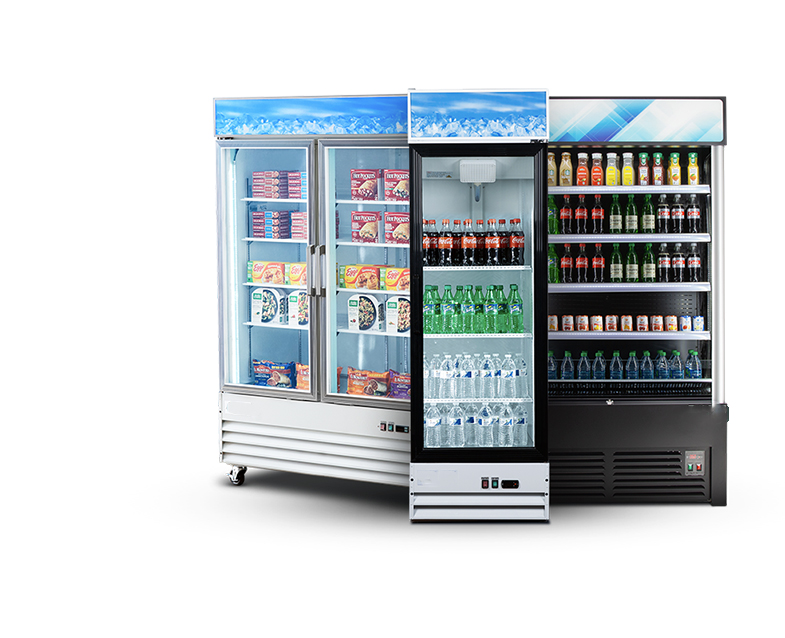
Beverage Cooler Production Line — Cost, Payback & Turnkey Setup (2026 Pillar Guide)
Investment tiers from a single-door entry line to a full bottler-program build, the payback math behind a 3,000-unit/day line, and the complete equipment list and certification checklist a beverage cooler OEM needs to go from contract to first shipment.
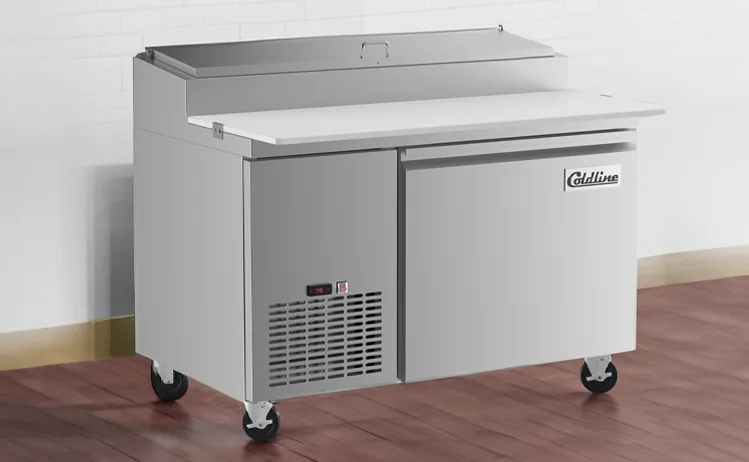
Chef Base Production Line: Cost, Break-Even & Turnkey Manufacturing (2026 Pillar Guide)
Investment tiers, the break-even math behind an 800-unit/day line, and the full equipment list and certification checklist a foodservice OEM needs to start chef base and refrigerated-counter production.
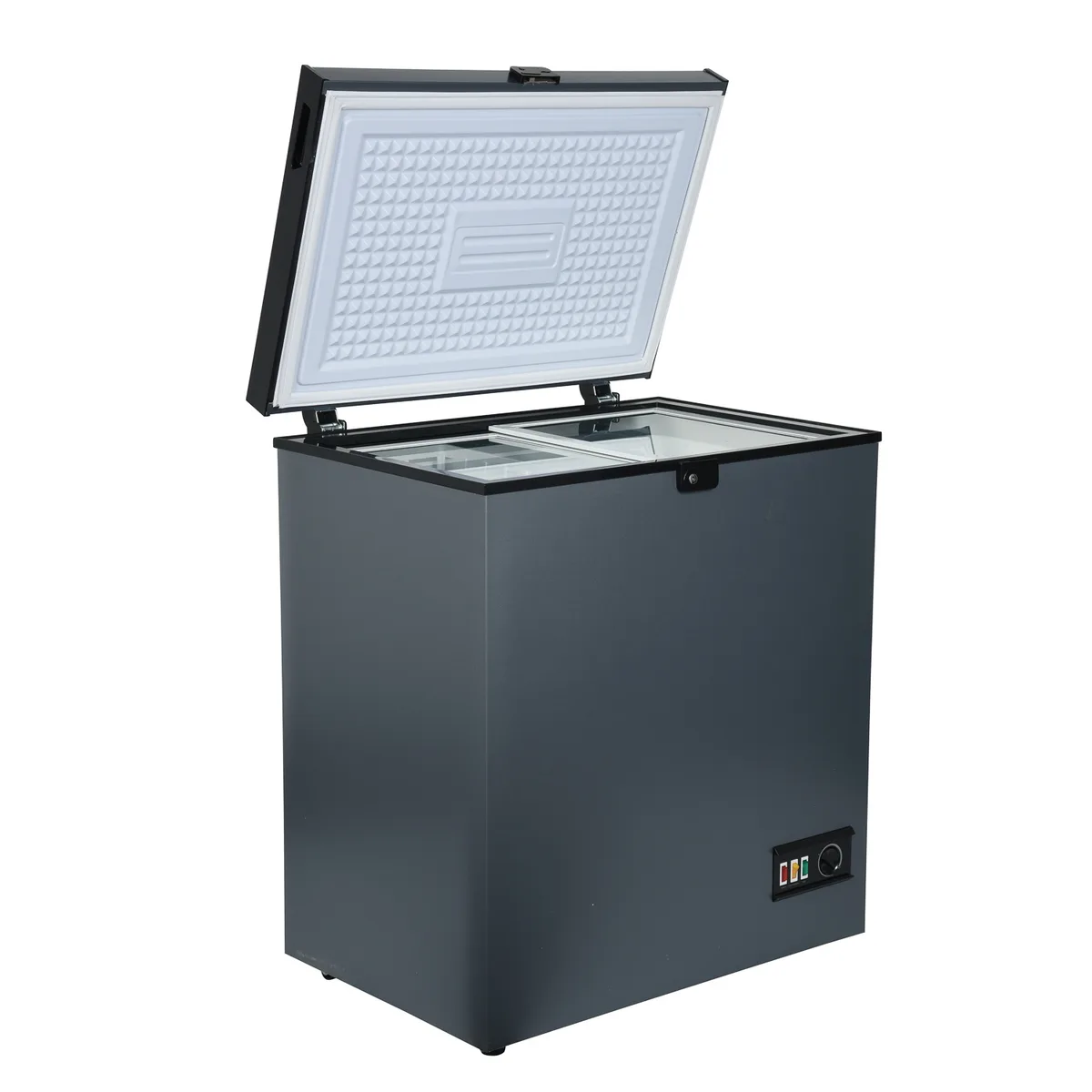
Chest Freezer Production Line — Cost, Capacity & Turnkey Factory Setup (2026 Pillar Guide)
Investment tiers from a 300-unit/day entry line to a 3,000-unit/day ultra-low-temperature build, the ATEX and Ecodesign pitfalls that stall first-time freezer OEMs, and the complete equipment list, mould selection logic and staffing plan needed to go from contract to first accepted cabinet.