
— 26-станционная напольно-рельсовая линия сборки холодильников (до 6 000 шкафов/смена) — -certified производственные линии — холодильники, морозильники, холодильные камеры под ключ by UREXCEED, manufactured under an ISO 9001-certified quality management system. Lead time 120 – 180 days, MOQ 1 line.
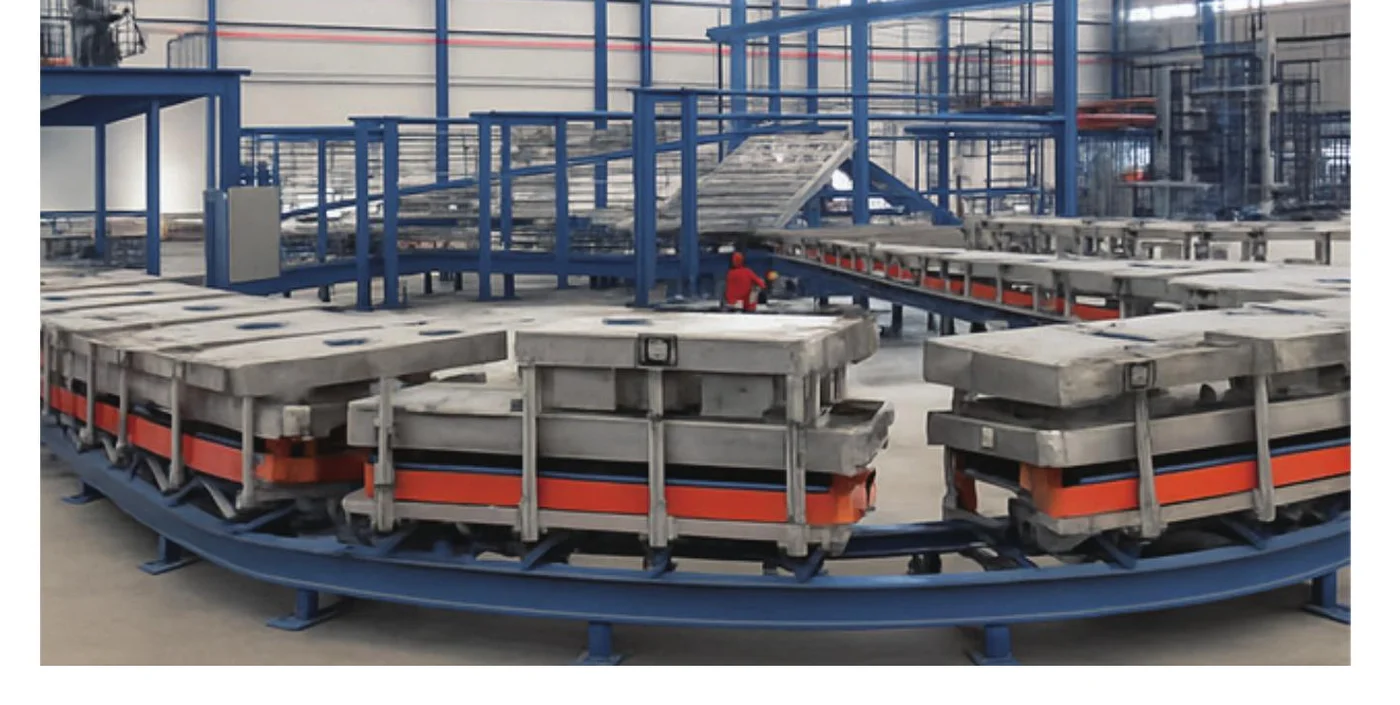
— 26-станционная напольно-рельсовая линия сборки холодильников (до 6 000 шкафов/смена)
the ground-rail line линия сборки холодильников: замкнутая напольно-рельсовая ППУ-вспенивающая линия для крупносерийных OEM производителей холодильников. 26 станций · 20-секундный цикл · ~3 000–6 000 шкафов/смена · паровой или масляный нагрев · ПОЛ + Циклопентан + ИЗО вспенивание.
Engineering reply within 24 hours
Quote + spec sheet + tailored sizing recommendation. WhatsApp answered 9 am–6 pm Beijing time.
Характеристики
- Layout Form
- Ground rail (closed-loop track around the foaming room)
- Overall Dimensions (L×W×H)
- Approx. 29,500 × 7,950 × 3,350 mm
- Number of Stations
- 26
- Production Cycle Time
- 20 seconds per door — single-cavity fixture, one door per takt (excluding manual operation time)
- Fixture Template Size
- 2,000 × 900 mm (per station)
- Mold Closing Height
- 200 mm (customizable on request)
- Heating Method
- Steam heating or oil mold temperature controller heating
- Foaming Material
- POL + Cyclopentane + ISO, or POL + 141b + ISO
- Injection Method
- Manual vertical pouring with mold open
- Steam Capacity
- 200 m³/h
- Curing Oven Temperature
- 55 ± 5°C
- Steam Temperature
- 120 – 150°C
- Compressed Air Requirement
- Working pressure ≥ 0.5 MPa, air flow approx. 0.1 m³/min
- Power Consumption
- Steam heating ~25 kW (380V 50Hz) · Oil heating ~145 kW
- Best Fit Capacity
- ~1,200 doors per 8-hour shift at 85% line efficiency (single-cavity, 20s takt — station count sets dwell/curing time, not rate); ~2,450/day on two shifts. See throughput calculator for your own takt and efficiency.
- Lead Time
- 120 – 180 days
- MOQ
- 1 line
Применение
- Closed-loop ground-rail track design — 26 door fixture carriers move on a continuous steel rail around the foaming room; carriers cycle without backtracking, giving uniform throughput
- Fixture envelope sized for refrigerator door panels — 2,000 × 900 mm fixture template + 200 mm mould closing height accommodate door wall thicknesses 25–80 mm (single-door, French-door half, freezer lid all supported)
- Heavy-duty steel rail for 24/7 industrial duty — 5+ ton carrier load per station, surface-hardened wear rails, ±0.5 mm door positioning across the full loop
- 26 modular fixture stations — interchangeable door mould variants (single-door / French-door / glass-door / freezer-lid moulds mount on the same fixture pattern); per-station heated platen with PID control
- Steam OR oil heating subsystem — your choice depending on factory infrastructure (steam = 25 kW if you have an existing boiler; oil = 145 kW standalone, no steam plant needed)
- High-pressure PU injection station — Cyclopentane-blown POL + ISO with ATEX Zone 1 envelope, LEL gas detection, N₂ blanket on storage tanks; vertical pouring with mould open + closing on injection
- 20-second station-to-station cycle, single-cavity fixture — engineered for refrigerator OEM factories producing high-volume DOOR output (~1,200 doors per 8-hour shift, ~2,450/day on two shifts, paired with separate cabinet body foaming)
- ~230 m² production envelope (29.5 × 7.95 m × 3.35 m H) + PLC / Profinet integration with upstream door-panel press, downstream gasket-fitment / heated-frame / final assembly stations
Четыре болевые точки, с которыми основатели заводов холодильников приходят к нам по ППУ-линиям
Это повторяющиеся фрустрации, которые мы слышим, когда заводы холодильников переходят с ручного или партионного вспенивания на непрерывную ППУ-линию.
Узкое место на станции вспенивания — скорость линии ограничена временем отверждения
Ручные / одностанционные установки заставляют весь завод ждать, пока каждый шкаф отверждается (5–10 мин). Наши многостанционные линии (6–26 станций) отделяют впрыск от отверждения: пока станция 1 впрыскивает, станции 2–26 отверждаются параллельно. Пропускная способность скачет в 5–10 раз без покупки дополнительных ПУ-машин.
Качество пены гуляет от смены к смене — операторы настраивают вручную, рецептура дрейфует
Без температурно-контролируемых приспособлений и дозированной подачи ПУ дрейф настроек каждого оператора накапливается. Наша линия отгружается с PID ±0,5°C температурой приспособления + точностью дозирования ПУ ±0,5% + заблокированным хранением рецептуры в ПЛК. Разброс плотности пены от смены к смене падает с ±8 кг/м³ до ±1 кг/м³.
Разброс толщины стенки шкафа не проходит тип-тест (EU 2019/2024 Ecodesign)
Неудачи тип-теста кластеризуются вокруг разброса толщины стенки > ±2 мм. Комбинация на нашей линии литых алюминиевых пресс-форм (±0,05 мм полость), температурно-контролируемых приспособлений (±0,3 мм параллельность) и дозированного ПУ сводит итоговый разброс толщины стенки к ±0,3 мм. Доля прохождения тип-теста с первой подачи: 90%+.
Переход с HFC на циклопентан ломает нашу существующую линию
Регуляции EU F-gas с 2025 года вынуждают большинство заводов уйти с HFC-245fa. Адаптация старой не-ATEX линии стоит 600 тыс. – 1 млн USD в ретрофитах. Наши готовые к циклопентану линии отгружаются с электрикой ATEX Zone 1, детекцией LEL в 4 точках и N₂-покрытием на дневных баках — включено в базовую цену линии, не доп.
Как работает линия — станции, цикл, интеграция
ППУ-линия вспенивания — это больше, чем "пресс-формы и вспенивающая машина, прикрученные к конвейеру". Это согласованный танец загрузки шкафа, закрытия пресс-формы, впрыска ПУ, печи отверждения, выпрессовки и выпуска шкафа — всё по тактированному циклу. Вот реальный рабочий процесс.
- 1
Станция загрузки шкафа
Пред-сформованная стальная оболочка шкафа + ABS/HIPS внутренний лайнер входит в линию. Оператор (или робот) позиционирует шкаф на крепёжном приспособлении пресс-формы, выравнивает его по локализующим штифтам, фиксирует передние и задние перегородки. Занимает 8–12 секунд на шкаф.
- 2
Закрытие пресс-формы + зажим
Верхняя половина пресс-формы опускается на шкаф, боковые блокирующие колёса включаются, активируется пневматическая блокировка пресс-формы. Усилие зажима нарастает до 1–5 тонн в зависимости от геометрии шкафа. Нагретая плита достигает рабочей температуры 40–60°C.
- 3
Впрыск ПУ
Пресс-форма перемещается на станцию впрыска. Смесительная головка вспенивающей машины высокого давления впрыскивает смесь ПОЛ + Циклопентан + ИЗО через литник. Один выстрел 300–800 г в зависимости от объёма шкафа. Время сливкообразования 6–8 с; время гелеобразования 35–50 с; затем шкаф уходит в печь отверждения до сухости на ощупь.
- 4
Прохождение через печь отверждения
Шкаф едет по конвейеру через нагретую печь 55 ± 5°C (пар или горячий воздух). Пена полностью отверждается за 5–8 минут в зависимости от толщины стенки шкафа. Несколько станций параллельно — пока один шкаф отверждается, следующему делается впрыск.
- 5
Выпрессовка + выпуск
Пресс-форма открывается, механизм помощи в выпрессовке поднимает шкаф, конвейер транспортирует его на нижестоящую линию сборки испарителя/конденсатора. Пресс-форма возвращается на станцию загрузки, готова к следующему шкафу. Полный круг от станции к станции: соответствует спецификации времени цикла линии.
Как линия сочетается с нашими пресс-формами, приспособлениями, машинами и ПУ-химикатами
ППУ-линия вспенивания — это интеграционная платформа, она не работает в одиночку. Вот как пресс-формы каталога §03, крепёжное приспособление §04, ПУ-машины §05 и сырьё §02 защёлкиваются на этой линии.
6 пресс-форм для шкафов холодильников (каталог §03) крепятся болтами напрямую к плитам приспособления на каждой станции. Стандартная схема крепления подходит ко всем нашим пресс-формам; переходные плиты доступны для пресс-форм не-UREXCEED.
View product →Крепёжное приспособление пресс-формы (каталог §04) — одно приспособление на станцию: напольно-рельсовая имеет 26, линейная — 6–8, роторная дверная — 7–8. Каждое приспособление независимо контролируется по температуре.
View product →Циклопентановая ПУ-вспенивающая машина высокого давления (каталог §05) стоит на станции впрыска и подаёт через нагретые транспортные шланги к каждой пресс-форме. Одна машина обслуживает одну линию; для резервирования заводы могут установить резервную.
View product →ПУ-сырьё (ПОЛ + Циклопентан + ИЗО) хранится в ISO-цистернах 22,5 т (полиол, MDI) + дневной бак циклопентана, все с N₂ покрытием и PID-контролем температуры. Расход материалов для напольно-рельсовой линии 26-станций на полной мощности: ~30 тонн полиола + ~30 тонн MDI + ~3 тонны циклопентана в месяц.
View product →Когда вы заказываете пресс-формы + приспособления + ПУ-машину + материалы + линию вместе, мы калибруем весь стек на нашем заводе перед отгрузкой. Сокращает время пуско-наладки на площадке с 8 недель до 2–3 недель.
Паровой нагрев vs масляный нагрев — реальность операционных расходов
Напольно-рельсовые линии могут быть сконфигурированы под паровой нагрев (потребление 25 кВт) или масляный нагрев (145 кВт). 6-кратная разница в энергопотреблении выглядит драматично, но реальная картина TCO зависит от существующей инфраструктуры вашего завода.
| Аспект | Паровой нагрев | Масляный нагрев |
|---|---|---|
| Стоимость оборудования | ~базовая | ~базовая (аналогично) |
| Энергопотребление линии | ~25 кВт | ~145 кВт |
| Капекс котла / нагревателя | Высокий (нужен отдельный паровой котёл, если нет существующего) | Встроенный электронагреватель, доп. капекса нет |
| Эксплуатация (дешёвое электричество, нет пара) | Высокий капекс, низкие текущие | Низкий капекс, умеренные текущие |
| Эксплуатация (есть паровая установка) | Очень низкая (предельные затраты) | Расточительно (платите за электрообогрев, который не нужен) |
| Лучше всего для | Заводы с существующей паровой инфраструктурой | Заводы без пара, дешёвое электричество |
Правило большого пальца: если на вашем заводе уже работает паровой котёл для других процессов (камеры отверждения, мойка, стерилизация), добавьте паровой нагрев к линии вспенивания — предельные затраты близки к нулю. Если вы greenfield-завод в регионе с дешёвым промышленным электричеством (США, часть Европы, Ближний Восток), масляный нагрев экономит капекс на котёл.
График установки — от заказа до первого шкафа, сошедшего с линии
ППУ-производственная линия холодильников — это проект на 10–14 недель от заказа до первого вспененного шкафа. Вот реалистичный график с каждой вехой.
Неделя 1–2: Заморозка проекта — финализация компоновки линии, спецификации крепёжного приспособления пресс-формы, чертёж капитальных работ. Мы отправляем чертёж фундамента + спецификацию подключения коммуникаций вашему подрядчику.
Недели 3–6 (параллельно): Капитальные работы на вашей площадке (фундаментная плита, дренаж, коммуникации). Изготовление оборудования на нашем заводе.
Недели 5–10: Морская доставка (4–6 недель транзита в зависимости от порта).
Недели 10–12: Монтаж на площадке нашей командой из 3–5 инженеров — 1–2 недели для линейной / роторной дверной, 2–3 недели для напольно-рельсовой.
Недели 12–14: Пуско-наладка + первые 20–50 пробных шкафов + обучение операторов. Подписание и передача.
Постоянно: Удалённая диагностика бесплатно 24 месяца. Возвратные визиты инженера в 3 и 12 месяцев включены.
Опциональные модули апгрейда — расширение базовой линии без покупки новой
Базовая линия покрывает рабочий процесс вспенивания end-to-end. Эти модульные дополнения встают на конкретных станциях для разблокировки дополнительной мощности или контроля качества.
Автоматический дозатор смазки пресс-формы — роботизированное распыление антиадгезива перед каждым циклом. Сокращает ручной шаг оператора, улучшает равномерность покрытия. +18–35 тыс. USD. Окупается за 8–14 месяцев при 1 500+ ед./день.
Интеграция 6-осевого робота ABB / KUKA — роботизированная загрузка пресс-форм, выпрессовка, паллетизация или установка внутренних компонентов (испаритель, конденсатор). +80–180 тыс. USD за робота. Прибавка пропускной способности +30%, сокращение труда на 4 оператора в смену.
Полный пакет сенсоров + прослеживаемость — встроенные термопары + датчики давления на каждой станции + регистрация данных ПЛК + прослеживаемость серийного номера шкафа к партии. +40–80 тыс. USD. Требуется для линий медицинских холодильников / ULT / регулируемых рынков.
Механизм автоматической помощи в выпрессовке — пневматические подъёмники, вытягивающие шкафы из пресс-формы без касания оператора. +22–48 тыс. USD. Снижает уровень повреждения шкафов с 1% до <0,1%.
Контроль качества на основе технического зрения — 4-камерное сканирование каждого шкафа (толщина стенки, дефекты поверхности, точность размеров) перед выходом с линии. +60–120 тыс. USD. Ловит 95%+ дефектов пены до нижестоящей сборки.
Внутрилинейная переработка отходов пены — измельчает обрезки пены обратно в подачу сырья (до 8% переработанного содержания). +35–60 тыс. USD. Сокращает стоимость сырья на 5–7% и соответствует порогам ЕС PEF по переработанному содержимому.
Кастомизация — компоновка линии адаптирована под ваш завод и цель по мощности
Нет двух одинаковых заводов холодильников. Мы кастомизируем линию по 5 осям, чтобы вы не переоборудовали мощностью, которая не нужна, и не недо-оборудовали мощностью, которую не сможете расширить позже.
Station count
Количество станций — 6 (линейная / роторная) / 12 (малая напольно-рельсовая) / 18 / 26 (полная напольно-рельсовая). Выбор по цели суточного выпуска (500–10 000 шкафов/день). Модульный костяк — добавляйте станции позже по мере масштабирования производства.
Factory layout
Площадь завода — прямой L-рельс (60–80 м длины, узкий завод) / параллельный двойной рельс (компактный 30 м × 20 м, широкий завод) / роторный хаб (радиус 15 м круговой, квадратный завод). Наши инженеры проектируют под ваш план этажа.
Cabinet SKU mix
Микс SKU шкафов — single-SKU (наивысшая пропускная способность, фиксированные крепёжные приспособления пресс-форм) / multi-SKU (3–8 SKU ротируются через быстросменные приспособления, потеря пропускной способности 25–30%). Выбирайте по линейке продукции.
Heating method
Метод нагрева — пар (дёшево, если на заводе есть котёл) / электрическое масло (котёл не нужен, 6× энергопотребление) / гибрид. Выбор на этапе расчёта на основе коммунальных служб завода.
Automation tier
Уровень автоматизации — ручной труд (4–6 операторов в смену) / полу-авто с роботизированной загрузкой (2–3 оператора) / полная автоматизация с vision QC + авто-выпрессовкой (1 оператор-наблюдатель). Капекс масштабируется 1× → 1,5× → 2× по уровням.
Сервис, гарантия и что происходит через 5 лет
ППУ-линия вспенивания холодильников — это актив на 10–15 лет. Вот долгосрочная картина поддержки.
Warranty
Стандартная гарантия 24 месяца на механическую конструкцию (рельсы, рамы, подъёмные приводы). 12 месяцев на электрические/ПЛК-компоненты. 6 месяцев на изнашиваемые детали (уплотнения, датчики, нагревательные элементы). Расширенная 4-летняя механическая гарантия доступна на момент заказа (+5% к стоимости линии).
Spare parts kit
Рекомендуемый комплект запчастей на момент заказа: ~3% от стоимости линии. Покрывает 2 года рутинного износа (уплотнения, кольца, головки датчиков, нагревательные элементы). Круглосуточная аварийная линия запчастей.
Spares locations
Критические запчасти хранятся в Шанхае (главный), Стамбуле (покрывает ЕС / Россия / MENA), Даммаме (GCC + Восточная Африка). Критические запчасти отгружаются за 2–5 дней.
Remote diagnostics
Удалённая диагностика включена 24 месяца (бесплатно), затем 3 000–6 000 USD/год. Считывает логи ПЛК, проводит вашего оператора через исправления, может удалённо взять управление HMI для настройки. Около 70% проблем мы решаем без выезда на площадку.
Routine maintenance
Стоимость рутинного обслуживания: ~2–3% от стоимости оборудования в год на изнашиваемые детали. Более тяжёлое обслуживание (замена цепи на напольно-рельсовой, обновление втулок на роторном хабе) каждые 5–7 лет добавляет ещё 5–8%.
Operator training refreshers
Повторное обучение новых операторов: 500 USD/день на площадке, бесплатные удалённые сессии. Приватный канал тренинг-видео с руководствами по установке, поиску неисправностей и SOP-видео.
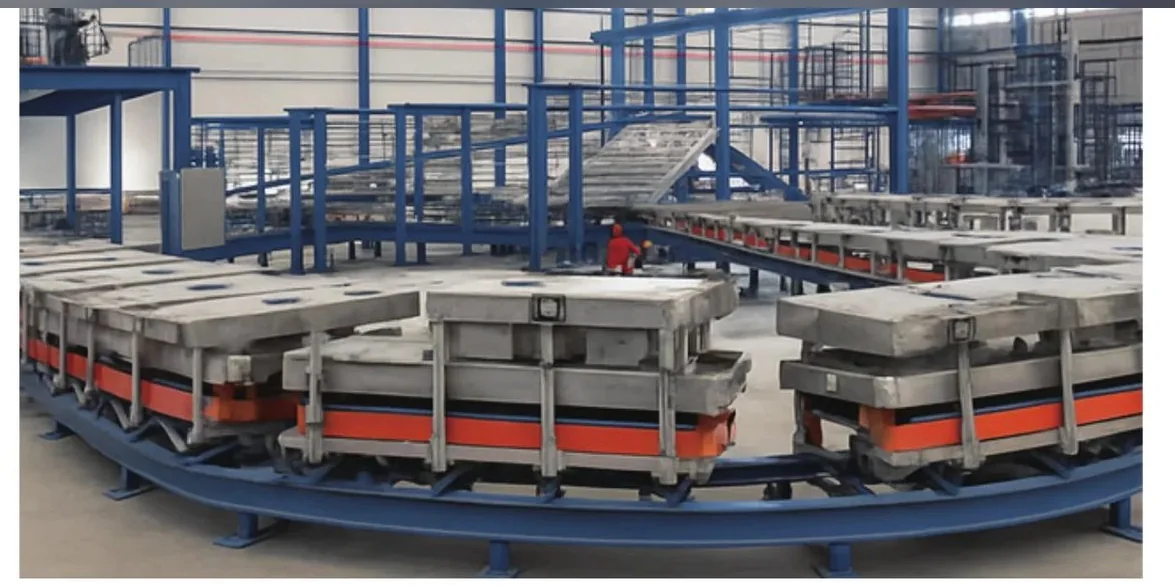
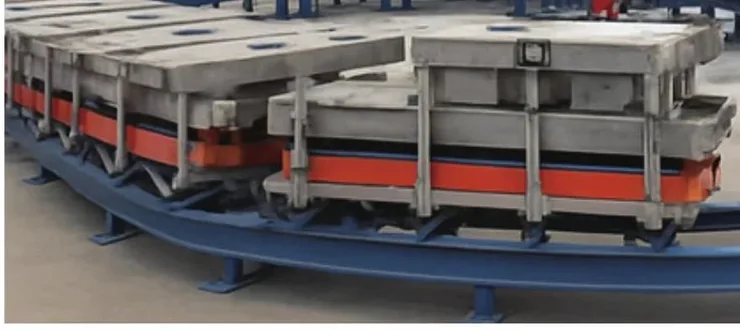
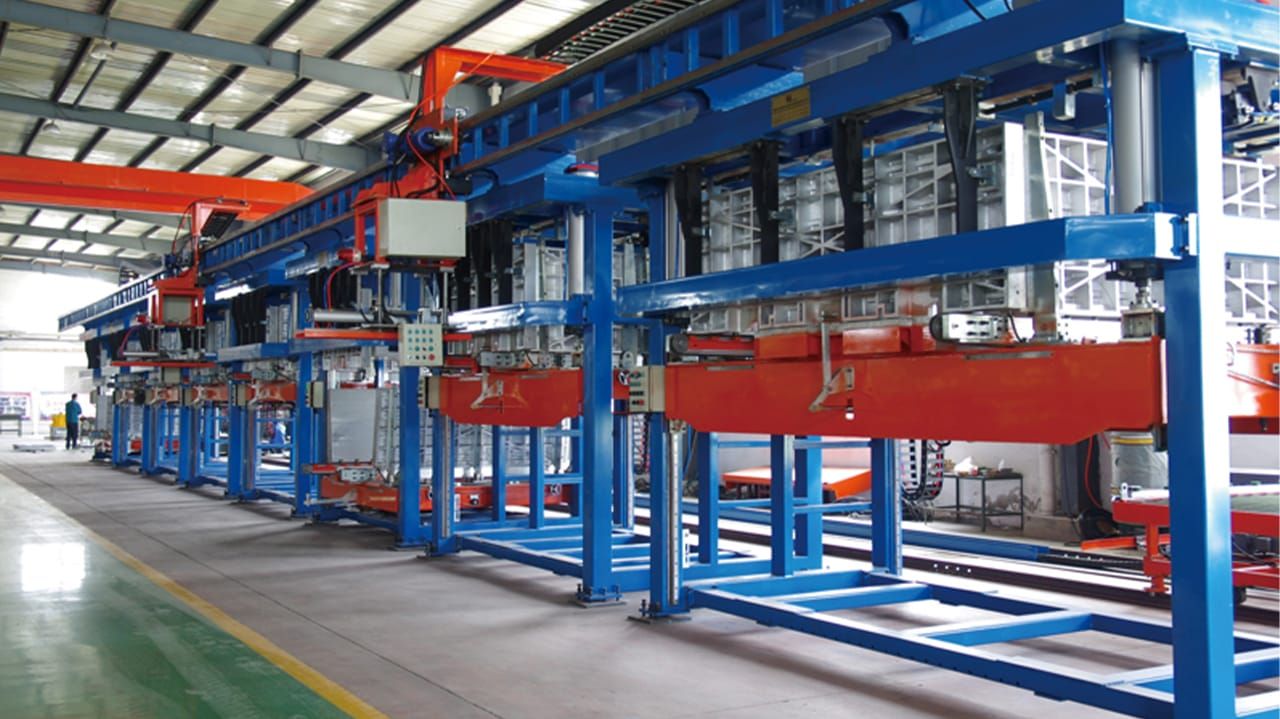
Inside the Line — Real Factory Photos (Not a Render)
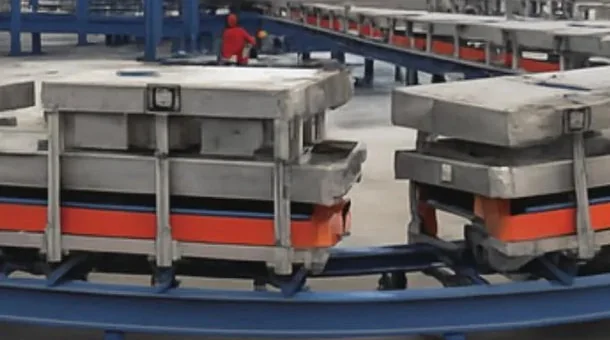
These are unretouched photographs of an installed 26-station closed-loop ground-rail PU foaming line on a customer refrigerator-door foaming floor — the same continuous steel rail, carrier fixtures and heated platens described in the specification above. No CGI, no rotating render: what you see is what we build and ship.
Four Refrigerator Door Applications This Line Foams — All Solid PU-Foam-Cored Panels
The 26-station ground-rail line foams SOLID PU-foam refrigerator door panels (steel skin / painted skin + PU foam core + plastic inner liner). Below: the four door applications our customers run on it most often. Glass-pane display doors, heated-frame merchandiser doors, and glass-top chest covers are NOT supported on this line — those need a different fixture and assembly.
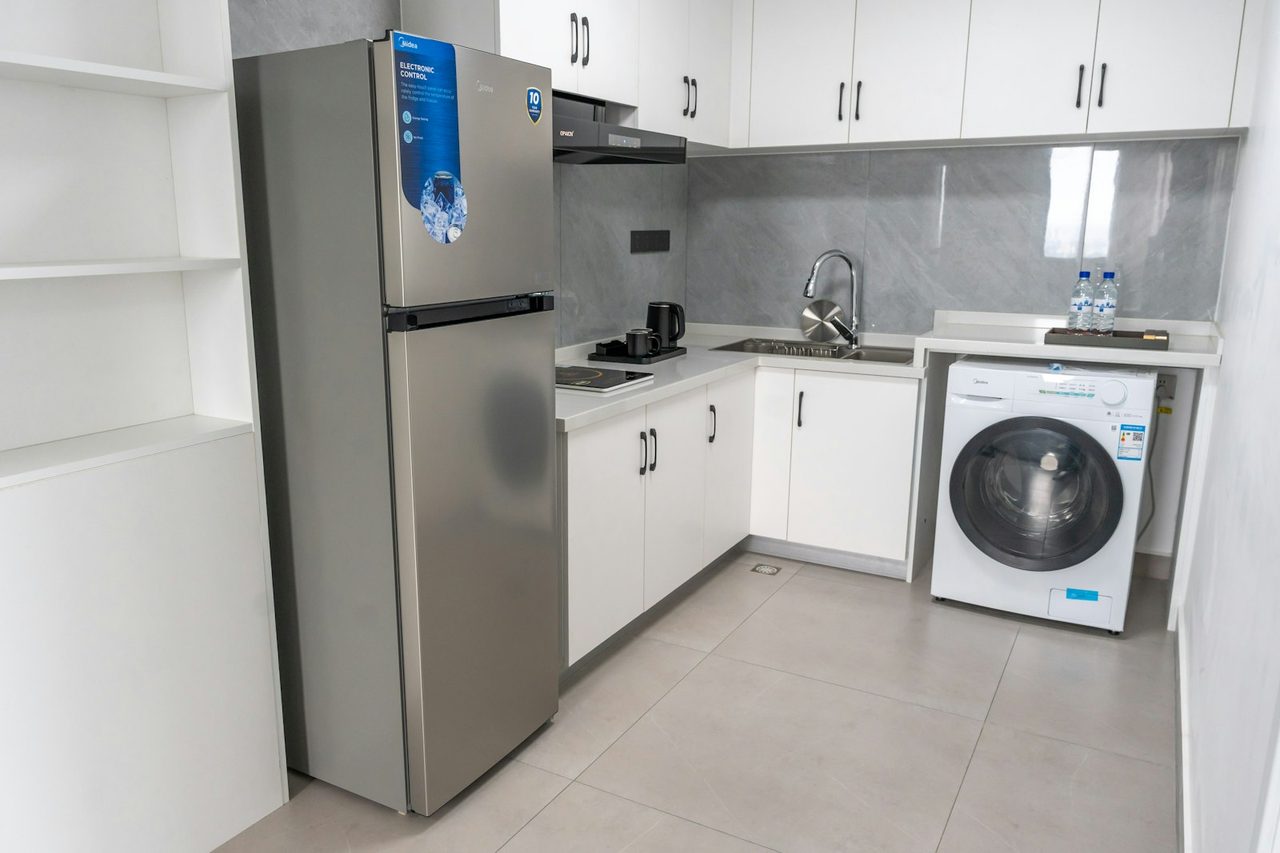
Household Refrigerator Doors
Top-mount / bottom-mount / French-door solid panels for residential refrigerator OEM brands. The largest-volume door family — ~1,200 doors per 8-hour shift on a single-SKU run (single-cavity, 20s takt, 85% efficiency). Typical door wall thickness 50–70 mm, fixture envelope 1,700–1,900 × 600–800 mm.
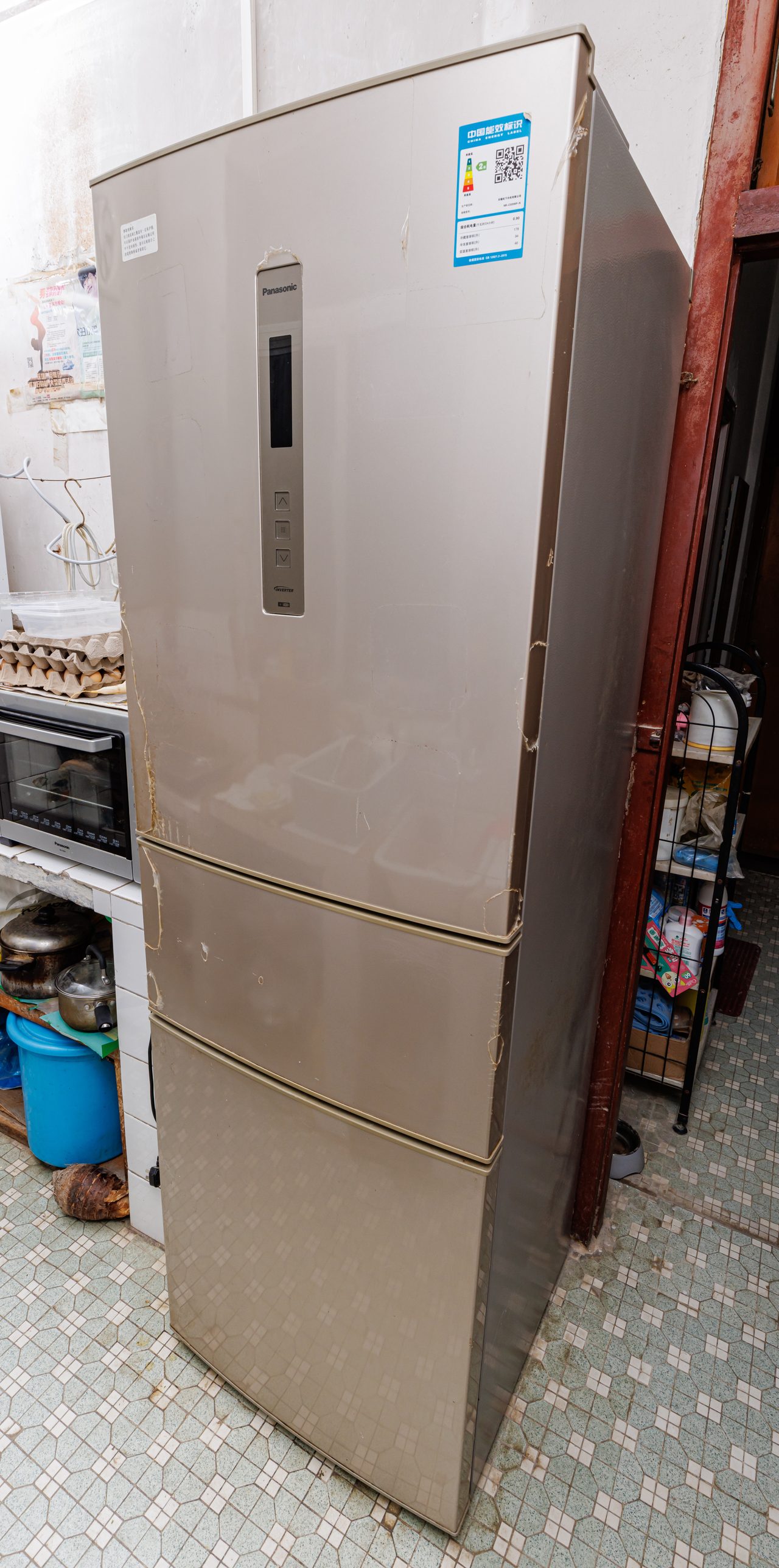
Commercial Upright Refrigerator + Freezer Doors
Solid stainless / painted-steel doors for tall multi-door commercial refrigerators and freezers — back-of-house restaurant kitchens, hotel walk-ins, supermarket reach-ins. Single-door, double-door and triple-door variants share the same fixture pattern. Higher PU foam density (40–45 kg/m³ vs 36 kg/m³ on household) for −18°C freezer duty.
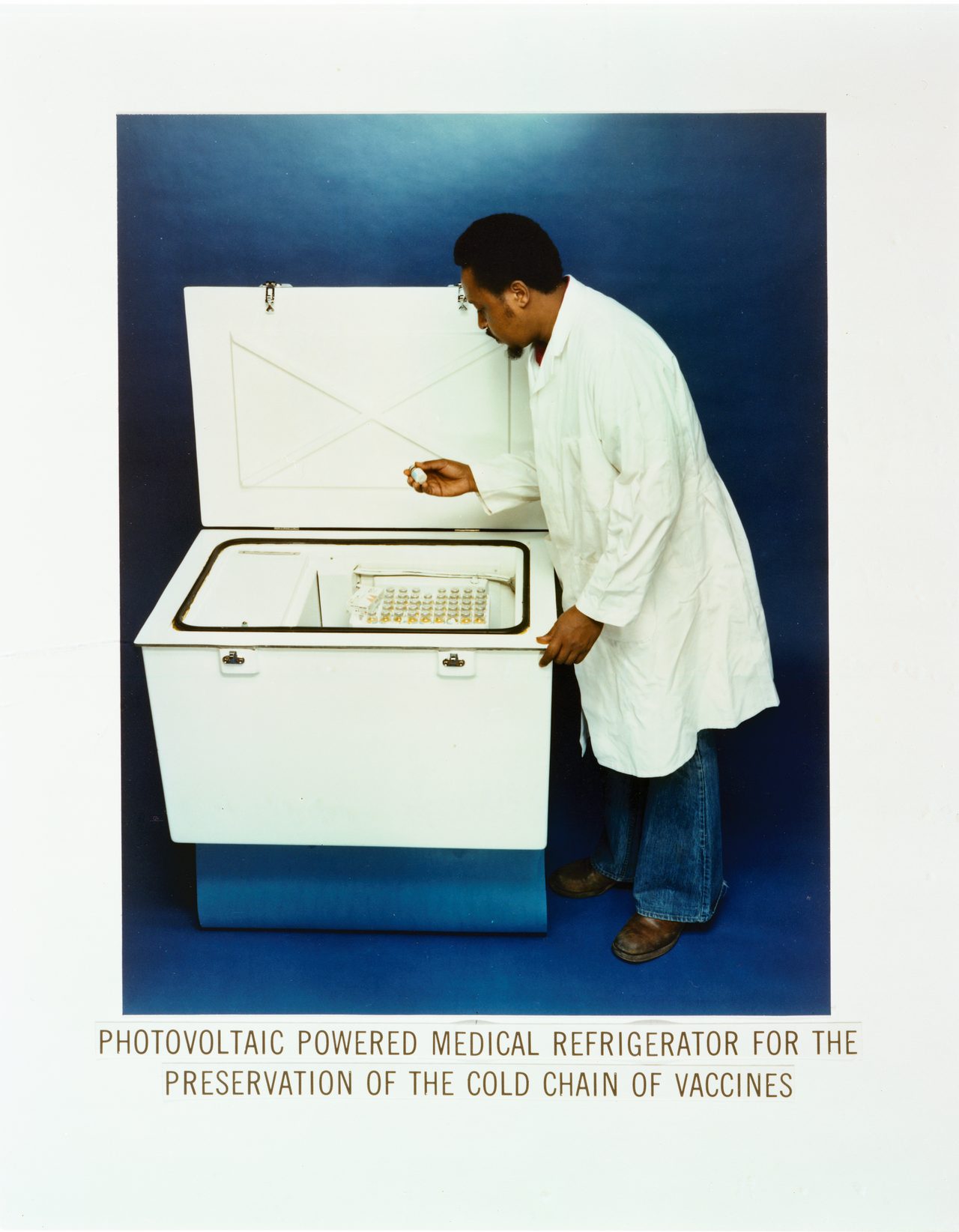
Chest Freezer Solid Lids
Top-opening solid-lid chest freezer panels (no glass) — household chest freezers, ice-cream commercial chests, vaccine cold-chain chests. Larger fixture footprint, deeper draft on the mould — line tolerates the wider geometry on the same 200 mm closing-height envelope.
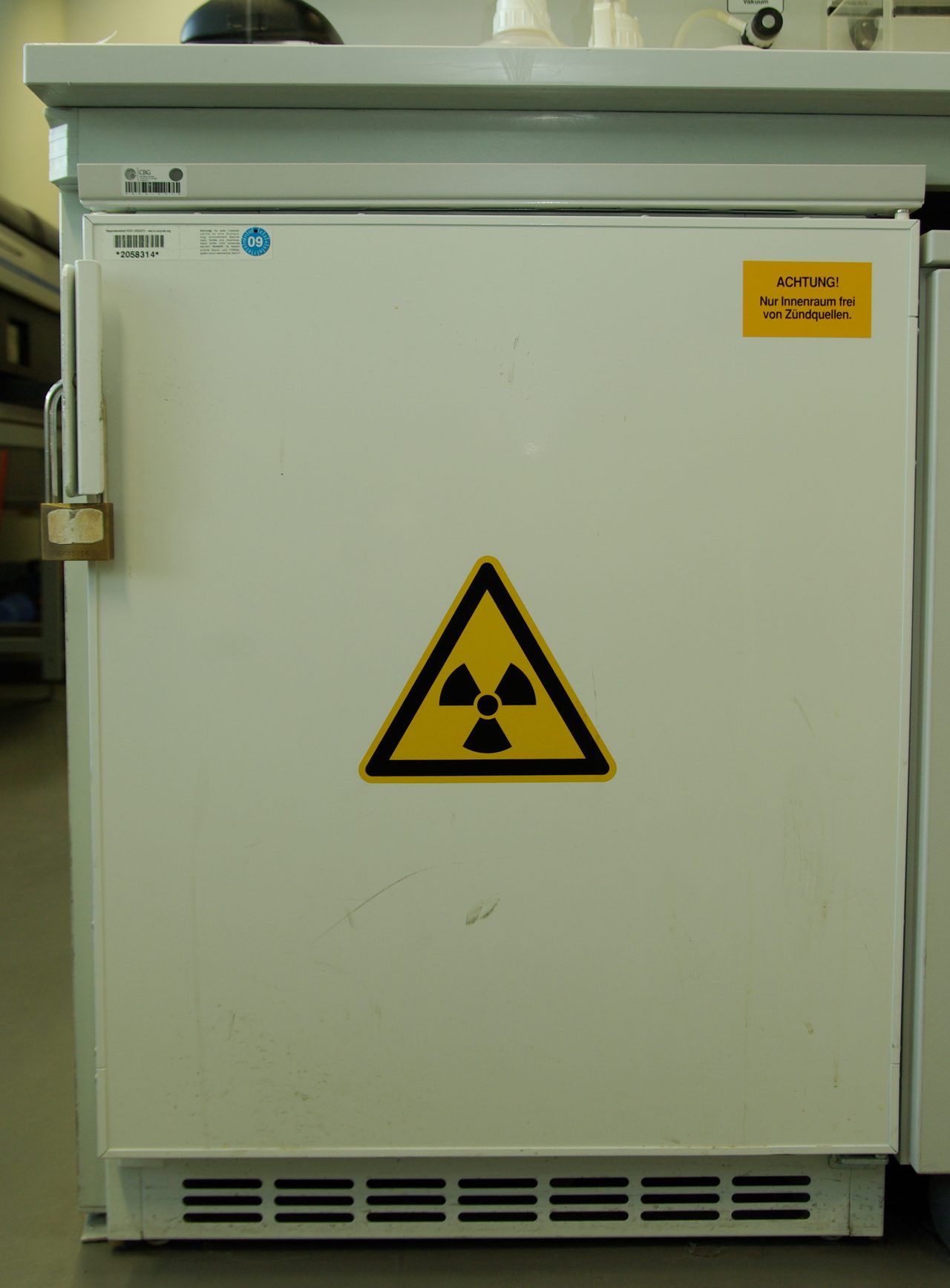
Medical / Pharmaceutical Refrigerator Doors
WHO PQS-spec vaccine refrigerator doors, clinical-trial sample storage doors, pharmacy reach-in doors — all SOLID-DOOR variants (pharma-display glass-door units run on a separate line). Cyclopentane PU foam with 100% leak-test station downstream meets ASTM F1980 shelf-life simulation.
Сопутствующие товары
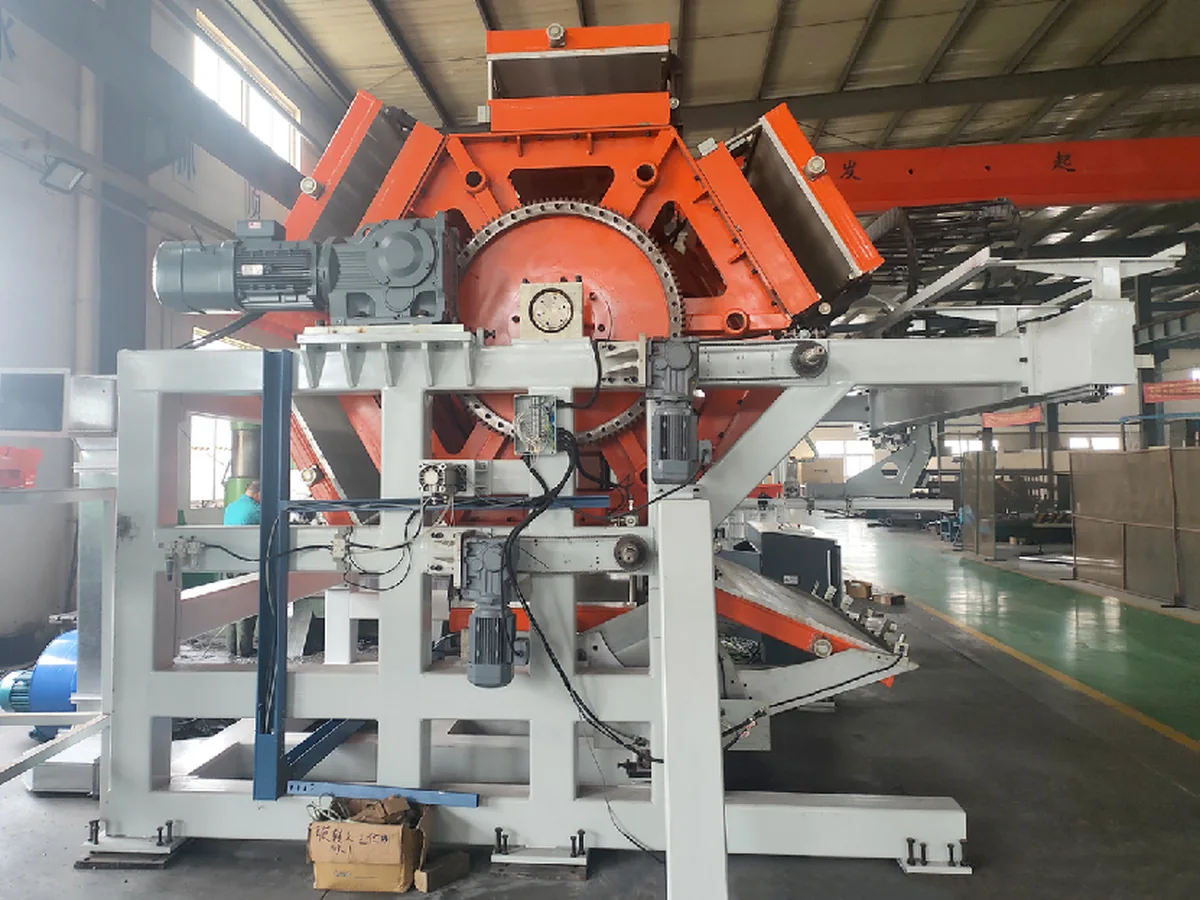
4-Station Hydraulic Air-Curtain Cabinet Foaming Fixture
4-station hydraulic foaming fixture for air-curtain refrigerated display cabinets (open-front merchandisers up to 4 × 1.8 × 0.55 m). Top/bottom flat-pressing clamp, water heating, 50 kW, 80–200 cabinets/shift.
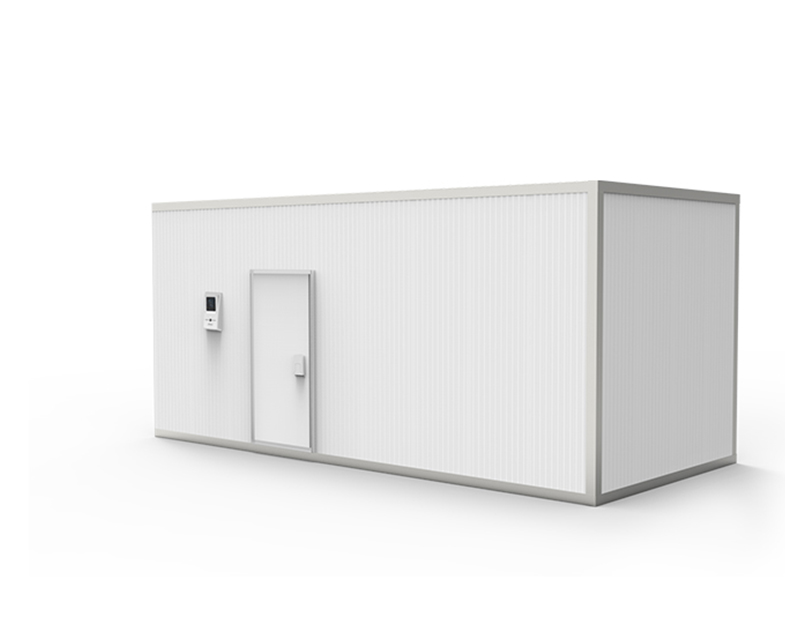
Линия производства сэндвич-панелей
Непрерывная линия, 10–40 панелей/час, толщина 50–200 мм
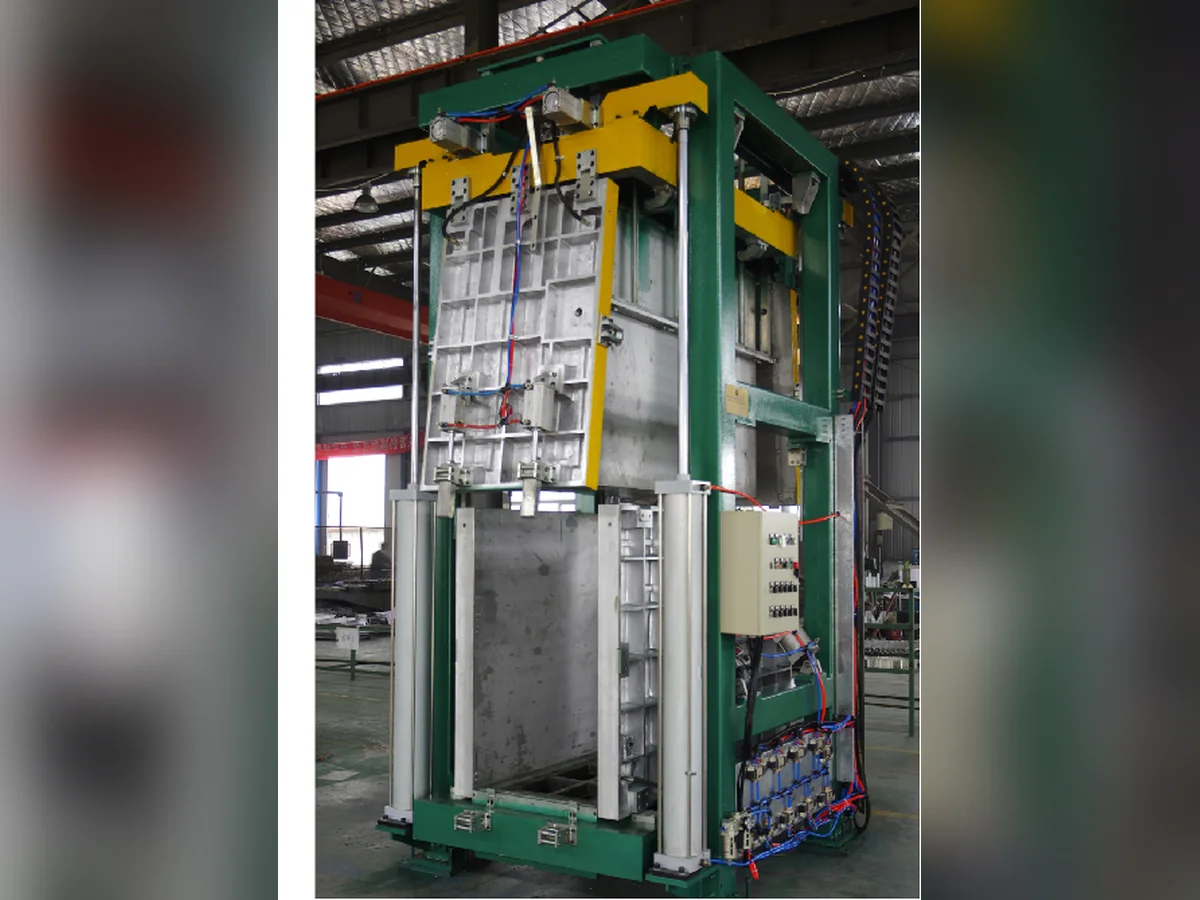
Hydraulic Foaming Press — Specialty / Irregular Cabinets
Standalone hydraulic foaming press for air-curtain, wine cabinet and irregular / non-standard cabinet foaming. Water-heated + air-cooling, 50 kW, 40–120 cabinets/shift. Complements existing line for capacity peaking.
Cross-Sell · One-Partner Synergy
Match Your Production Line With Factory Solutions
Pick the factory type that matches your buyer market — we engineer the complete production line for that vertical.
Browse 13 Factory Solutions
Refrigerator / Chef Base / Freezer / Display Cabinet / Commercial Freezer + 8 specialized markets.
Learn more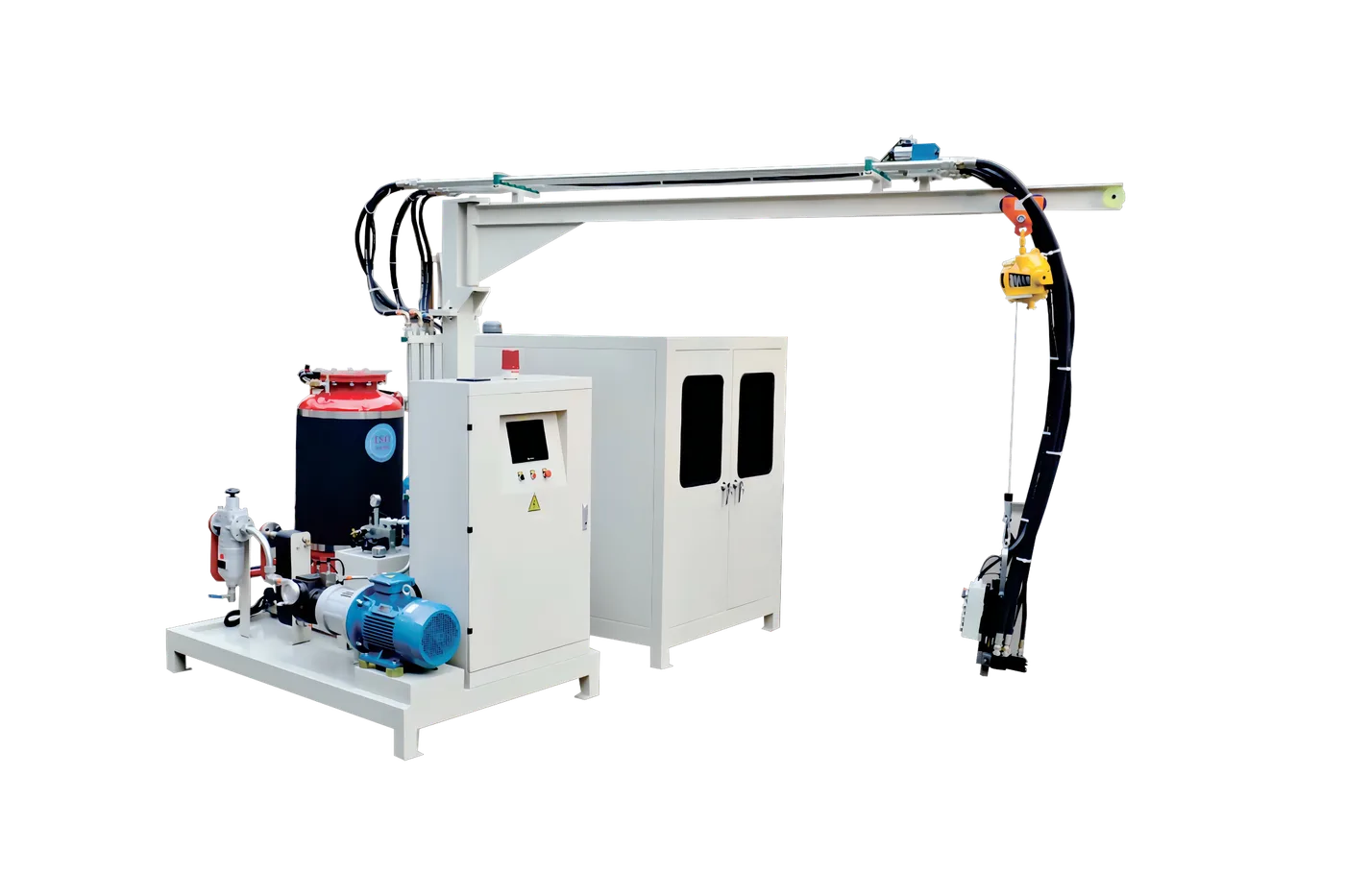
PU Foaming Machines
High-pressure (cyclopentane / 2C / 3C) + low-pressure + spray-foam — pick the foaming line that matches your factory.
Learn more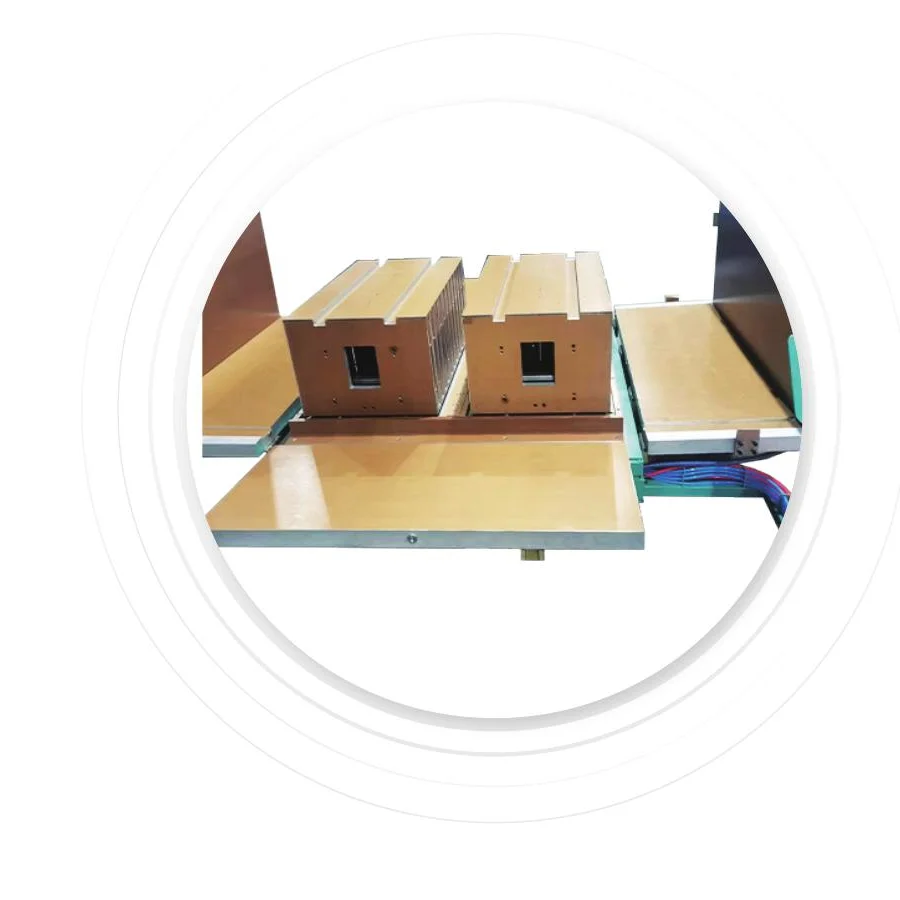
Refrigerator-Grade Moulds
Vacuum-forming + foaming moulds engineered to your cabinet/door geometry. Custom mould design service available.
Learn moreService & Support
Гарантия и сервис
Выезд на объект возможен во всех регионах, куда мы поставляли проекты.
On-Site Installation
Our engineers fly to your factory to supervise installation, layout verification, and first-run production.
Commissioning + Tuning
Trial run + parameter tuning to your local raw material, climate, and target product spec — until throughput meets contract.
Operator Training
5-10 day on-site training for production team, QC, and maintenance — bilingual manuals + video tutorials provided.
3-Year Warranty + Spares
Core equipment 3-year warranty, electrical 2-year. Spare parts in stock with global express shipment 24h dispatch.
Часто задаваемые вопросы
Three layout forms — ground rail, linear, rotary door — how do I pick?
How much factory space and ceiling height do I need?
What heating method should I pick — steam or oil?
What blowing agent / foaming material does each line support?
How many people does it take to run each line?
What about integration with my existing assembly, refrigeration loop, and packaging lines?
How long does installation + commissioning take?
What's the warranty, spare parts, and service coverage?
Can I upgrade from ground rail to add a rotary door line later?
What about cyclopentane safety — is the line ATEX-rated?
Нужно комплексное холодильное решение?
UREXCEED объединяет формы, вспенивающее оборудование, производственные линии и материалы на 6 партнёрских заводах. Сообщите целевую производительность, и мы ответим конфигурацией и коммерческим предложением в течение 24 часов.