
Converting a Refrigerator Foaming Line to Cyclopentane: Retrofit vs New Machine, Cost and Timeline
Switching from HFC-245fa to cyclopentane is an equipment and safety-infrastructure project, not a raw-material swap. Here's how to decide between retrofitting an existing foaming machine and buying a new cyclopentane-ready one, what the safety infrastructure actually costs, and a realistic project timeline.
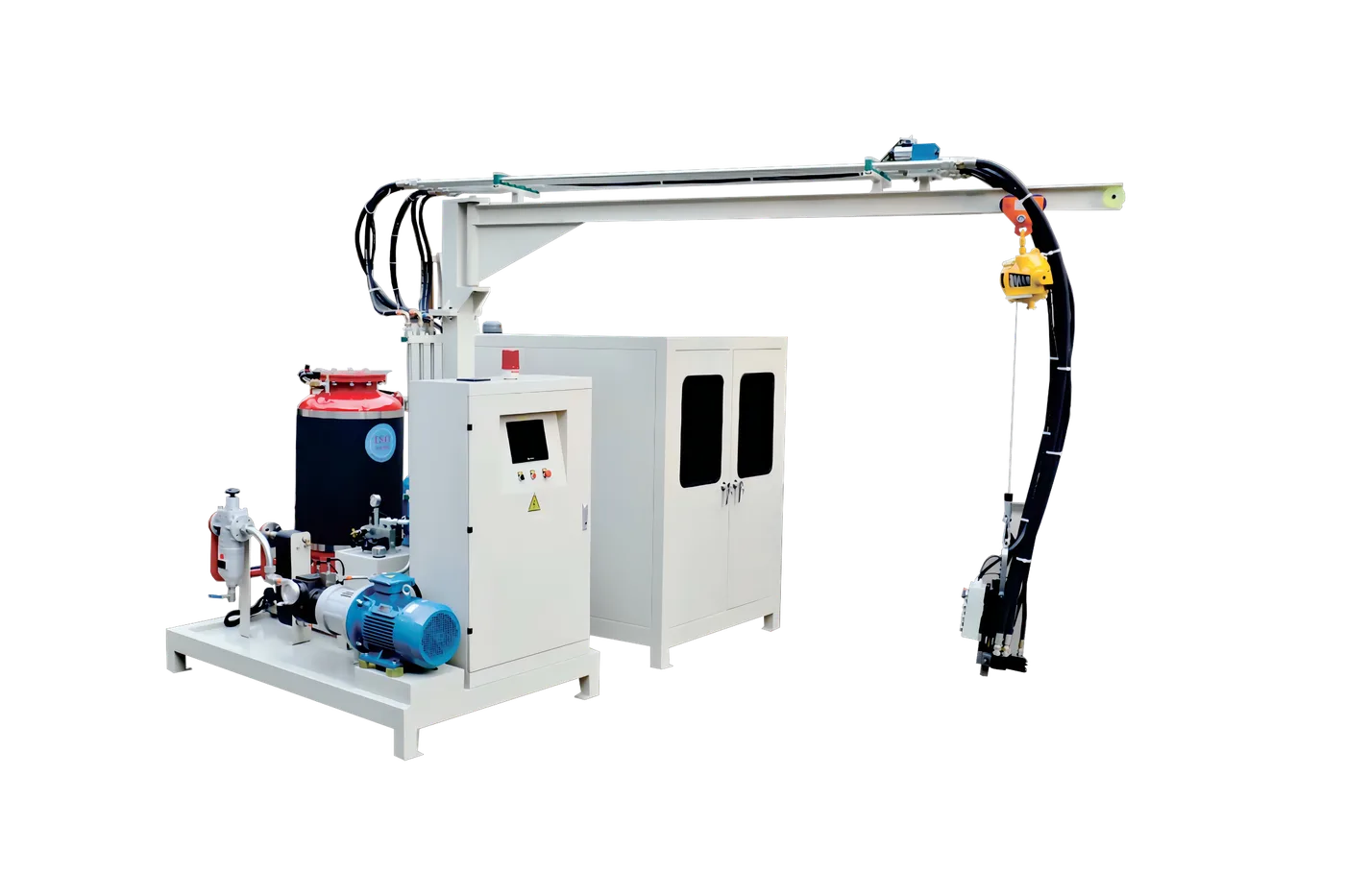
A cyclopentane conversion has two decision points: retrofit vs new machine, and how much safety infrastructure to build. Retrofitting a non-ATEX-rated foaming machine (new mixing head, pumps, electrics) typically costs USD 20K–60K but rarely qualifies for full ATEX certification — most factories running above 300 cabinets/day end up buying a new cyclopentane-ready machine (USD 150K–450K depending on size) instead. Safety infrastructure — gas detection, ventilation, ATEX-zone electrics, N₂ blanketing — adds USD 50K–200K on top of the machine, scaled to factory size. Total project timeline from decision to first cyclopentane-blown cabinet: 10–16 weeks including civil works, not the 6–10 weeks quoted for the machine alone.
A cyclopentane conversion is an equipment and safety-infrastructure project — not a raw-material swap. Factories that treat it as "just change the blowing agent" consistently underbudget it by 30–50% and miss their production restart date. This guide covers the two decisions that actually determine project cost and timeline: whether to retrofit your existing foaming machine or buy a new cyclopentane-ready one, and how much safety infrastructure the conversion actually requires.
If you're still deciding whether cyclopentane is the right blowing agent for your factory at all, see our Cyclopentane vs HFC-245fa vs HFO comparison first — this guide assumes you've made that call and are now planning the conversion itself.
Decision 1: Retrofit your existing machine, or buy new
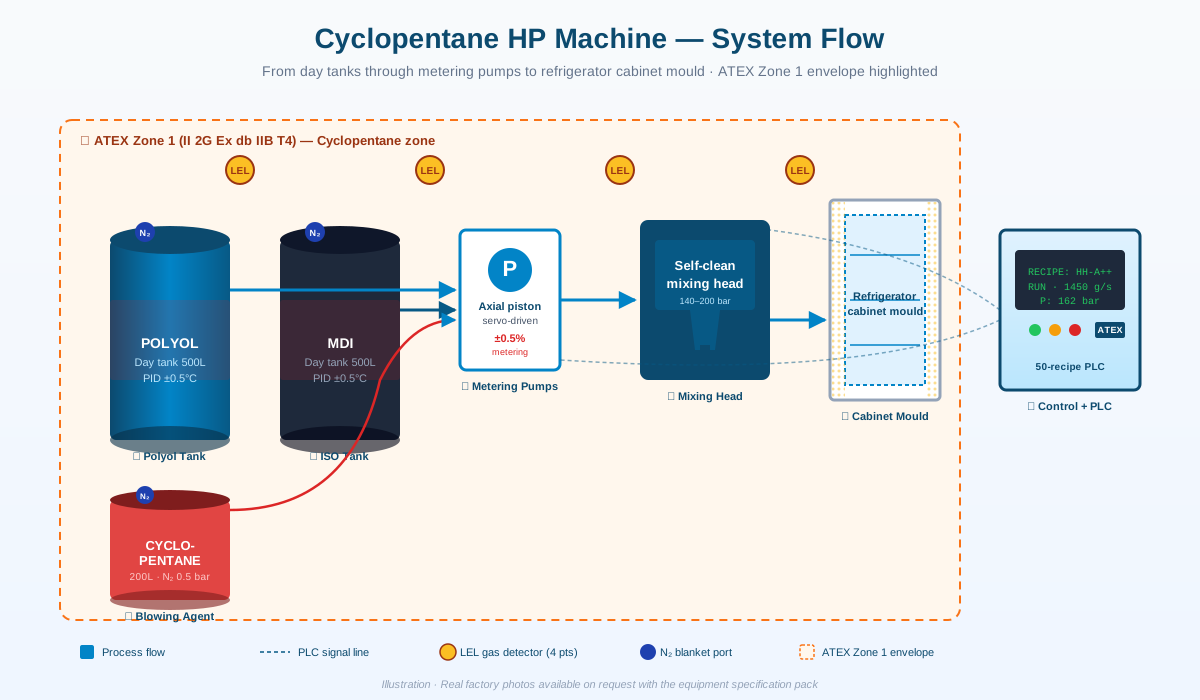
A non-ATEX-rated foaming machine can be partially retrofitted for cyclopentane: the mixing head, metering pumps and any electrical components inside the hazardous zone get swapped for ATEX-rated equivalents. That part of the job is well understood and typically costs USD 20,000–60,000 in parts and labor.
What a retrofit struggles to fix is the machine's underlying architecture. A purpose-built cyclopentane machine has its day tanks positioned and plumbed for continuous N₂ blanketing from day one, its gas detection zoning designed around the actual tank and mixing-head layout, and its control cabinet located outside the hazardous zone by design rather than by afterthought. Retrofitting these structural elements onto a machine that wasn't designed for them is possible but expensive, and the result is harder to get a clean ATEX compliance sign-off on than a machine built to the standard from the start.
Where the line falls in practice:
| Factory profile | Typical recommendation | Why |
|---|---|---|
| Under 300 cabinets/day, machine <5 years old | Retrofit | Lower volume means the residual risk of a non-purpose-built architecture is more manageable, and the machine still has useful life left |
| 300–2,000 cabinets/day | Case-by-case | Depends on machine age, condition and how much of the day-tank/ventilation layout can be reused without major structural rework |
| Above 2,000 cabinets/day, or machine >7 years old | New cyclopentane-ready machine | At this volume, downtime risk from a compromised retrofit costs more than the machine price difference over a 5-year horizon |
A new high-pressure PU foaming machine built cyclopentane-ready from the start runs USD 150,000–450,000 depending on output size (500 / 1,500 / 3,000 g/s), with 45–60 day lead time.
Decision 2: How much safety infrastructure does the conversion actually need
Safety infrastructure is the line item factories most often leave out of the budget entirely, because it's easy to think of it as "the machine's problem." It isn't — most of it is building-level work coordinated with your local contractor, not something that ships in the machine's crate.
What's typically required, and where it comes from:
- Gas detection (4-point LEL sensors, auto-alarm at 25%, auto-shutdown at 50%) — supplied and wired as part of the machine, but the interface into a building-wide detection system (if you have one) is coordination work with your facility team.
- Ventilation — the machine specifies the required air-change rate and duct connection points for the cyclopentane zone; the extraction fan and ductwork itself is sourced and installed locally to your factory's layout and local code.
- Electrical reclassification — the foaming room becomes a hazardous zone once cyclopentane is introduced, which typically requires reclassifying and in some cases rewiring electrical fixtures in that area beyond just the machine's own components.
- N₂ blanketing — continuous nitrogen supply to the day tanks (0.3–0.5 bar), which needs either a nitrogen generator or bottled/bulk supply logistics depending on your consumption rate.
- Storage — day-tank quantities (250–1,000L) usually integrate into the machine itself; bulk storage above your local regulatory threshold may require a separate permitted structure.
All together, this typically adds USD 50,000–200,000 on top of the machine price, scaled to factory size — the low end for a single-line factory with adequate existing ventilation infrastructure, the high end for a multi-line factory building a dedicated cyclopentane zone from scratch.
Realistic project timeline
The machine lead time (45–60 days) is the number most quotes lead with — and it's also the number most factories mistake for the total project timeline. In practice:
- Weeks 1–2: Scope confirmation — daily output target, factory layout, existing ventilation assessment, local fire authority requirements.
- Weeks 2–8: Machine manufacturing (parallel with safety infrastructure planning and permitting).
- Weeks 6–10: Facility-side work — ventilation installation, electrical reclassification, gas detection building-side wiring (can run in parallel with machine build once scope is locked).
- Weeks 8–10: Machine ships and arrives on site.
- Weeks 10–14: Installation, commissioning, ATEX zone final sign-off (needs actual equipment on site — this is why it can't fully run in parallel with manufacturing).
- Weeks 12–16: Foam trials and formulation requalification with your PU raw material supplier, production ramp-up.
Total: 10–16 weeks from decision to first cyclopentane-blown cabinet at production volume. Factories that budget only the 45–60 day machine lead time consistently miss their restart date by 6–8 weeks because the facility-side and formulation-requalification work wasn't scoped in parallel from day one.
What we scope as part of a conversion project
We handle the machine, the PU raw material reformulation, and the engineering side of the safety infrastructure spec (ventilation sizing, gas detection layout, ATEX zone classification). What stays with your facility: the actual ventilation installation, electrical work and local fire authority permitting, coordinated against our equipment's safety data sheet. See our full quality and compliance scope for how that division of responsibility is documented.
If you're planning a conversion, send us your current machine's age, daily output and factory layout — we'll tell you honestly whether retrofit or replacement makes sense for your volume, and scope the safety infrastructure against your actual building rather than a generic checklist.
Building a new line instead of converting an existing one? Our refrigerator production line setup and capacity guide covers the full investment picture, and the high-pressure cyclopentane machine page has the complete system configuration, capacity table and ATEX safety spec.
Products Mentioned in This Article
Ready to plan your refrigeration project?
Share your target output and product mix — our engineering team replies with a capacity plan and quote within three business days.
Get an engineering quoteRelated articles
Cold Room Panel Manufacturers in the UAE: Why "Civil Defence Approved" Is Not One Question
In the UAE, a panel's paperwork has to satisfy a federal code, a product certification scheme, and an emirate-level listing — and Abu Dhabi has just formalised 54 local amendments of its own. A brochure line reading "Civil Defence approved" answers none of those three. Here is what to ask instead, why a European supplier's fire pack is the wrong currency here, and what a 45°C ambient does to the thickness you thought you needed.
Freezer Mould Selection Guide: Chest vs Upright vs Display Cabinet
A freezer mould is not one product — chest (horizontal), upright and display (island / glass-door) freezers each need a different mould geometry, clamping load and cure schedule. This guide picks the right freezer mould family by cabinet size, volume and operating temperature.
High-Pressure vs Low-Pressure PU Foaming Machine — Which One Does Your Factory Need?
Same chemicals, very different machines. We break down pressure, output, foam quality and investment so you can pick the right PU foaming machine for your line.